PGA Tour Rises After the Silly Season Surrender; Tour Now Has 11-Month Calendar
Kudos to PGA Tour commissioner Tim Finchem. The ups and downs of the economy in the last six years combined with diligent work at Tour headquarters have given him a legacy that even former PGA commissioner Deane Beman would envy. The PGA Tour now has the men's golf calendar locked up for 11 months instead of 10.
The combination of the Fall Series and the Fed Ex Cup has given the PGA Tour the domination in professional golf that it wanted 20 years ago but did not have the strength to produce. Surprisingly, this comes after a deep economic recession.
Today the PGA Tour has more strength than ever. While other tours may be looking for their next euro or yen or rand, the PGA Tour is on ridiculously solid footing.
TOP NEWS
New Long Drive World Record 🤯
Jaylen Brown Calls Out Tatum 🧢
LeBron on President Trump's Criticism
With only five or six weeks of the calendar year not having a Tour event, and with those remaining weeks containing Thanksgiving and Christmas, plus events conducted by Greg Norman and Tiger Woods, the Tour has gone from strength to strength.
This is a big change from yesteryear. Back in the day before there was a PGA Tour, professional golf was a collection of state opens, regional opens and tournaments with purses provided by local businesses or civic leaders as History of the PGA Tour shows. Money was paid at the top but not at the bottom, and that is where the phrase finishing in the money originated.
In the 1920s and 1930s, some events, like the Met PGA, were outgrowths of the regional PGA of America sections. There were also state opens, like the Texas Open, now sponsored by Valero, which began in 1922. The LA Open, started by the LA Junior Chamber of Commerce in 1926, is currently sponsored by Northern Trust. Others, like the short-lived, All American Open, were sponsored by businessmen, like George S. May out of Chicago.
The earlier tour had schedule gaps. Even in the days of Ben Hogan and Byron Nelson, there was sometimes a month between tournaments as demonstrated by Nelson's streak in 1945, shown in Byron Nelson, The Story of Golf's Finest Gentleman and The Greatest Winning Streak in History. As golf grew in post WWII America, the schedule filled.
With the advent of the PGA Tour in 1968, today's professional circuit began to coalesce. Gone were the 36-hole tournaments. Some of the more prestigious opens from the early days, like Los Angeles and Texas and the Western Open (now the BMW), were included in the PGA Tour schedule, just as they are today.
Yet, even after the PGA Tour grew, there was a break in the fall. The season more or less came to a conclusion at the end August and severely dwindled as of October with a handful of events between then and the end of the calendar year.
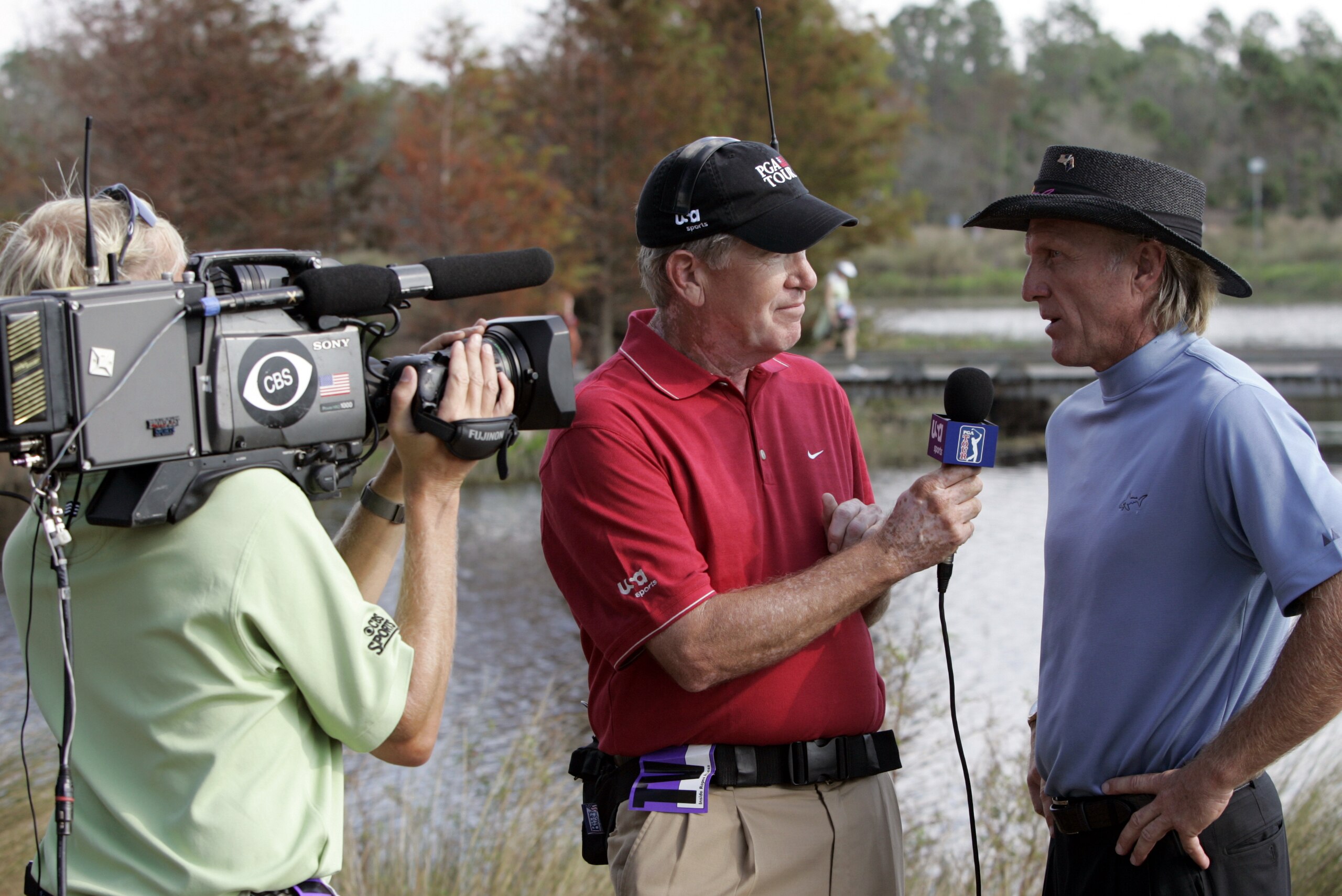
In the fall during the 1980s things changed. A few enterprising individuals who wanted star golfers as part of a television concept created events. One was Don Ohlmeyer who, after a suggestion from Bob Halloran of Las Vegas, brought us The Skins Game. That spawned the silly season, which was not a product of the PGA Tour. As one can imagine, this was a politically sensitive situation for the PGA Tour because the Tour represents all of its members, not just the stars.
Eventually the silly season events worked out deals with the PGA Tour to coexist. At issue was the fact that the silly season did not allow the rank and file PGA Tour members additional playing opportunities. They were really limited field invitationals.
The Skins Game, which debuted in 1983, was followed by an assortment of additional events including the Kapalua Invitational, The Shark ShootOut, The Skills Challenge, The Wendy's Three Tour Challenge, The Chrysler Team Championship, Spalding Invitational, Callaway Invitational, J.C. Penney Classic and others that played their way into our memories.
One reason those events flourished is that while sponsors were willing to provide money for that one event, they might not want to provide the amount needed for a regular PGA Tour event. In addition, there were sponsors who wanted to cherry-pick to get names and ratings. With the right combination of ingredients it worked.
For those who participated in the silly season, the fields were limited enough that almost every golfer would make some money. It was definitely worth it to some. Fred Couples, for example, won so much money that he became known as Mr. November.
It was 1992 when USA Today gave him that nickname based on his postseason earnings. November of that year, he won $746,858 as explained in Fred Couples: Golf's Reluctant Superstar.
The next year, it was $620,000. In 1994, it was $850,000 and a hole-in-one car. The next season, in a bit of a slump, he pocketed $542,333. And in 1996, it was a paltry $422,398. The grand total was a little over $3.1 million for five Novembers. And that was pre-Tiger Woods money.
In 1992, Couples won $1.3 million in official money and $746,000 unofficial money in the silly season. When Couples won $630,000 at The Players in 1996, one of the writers quipped it was like a bad November for him. He laughed.
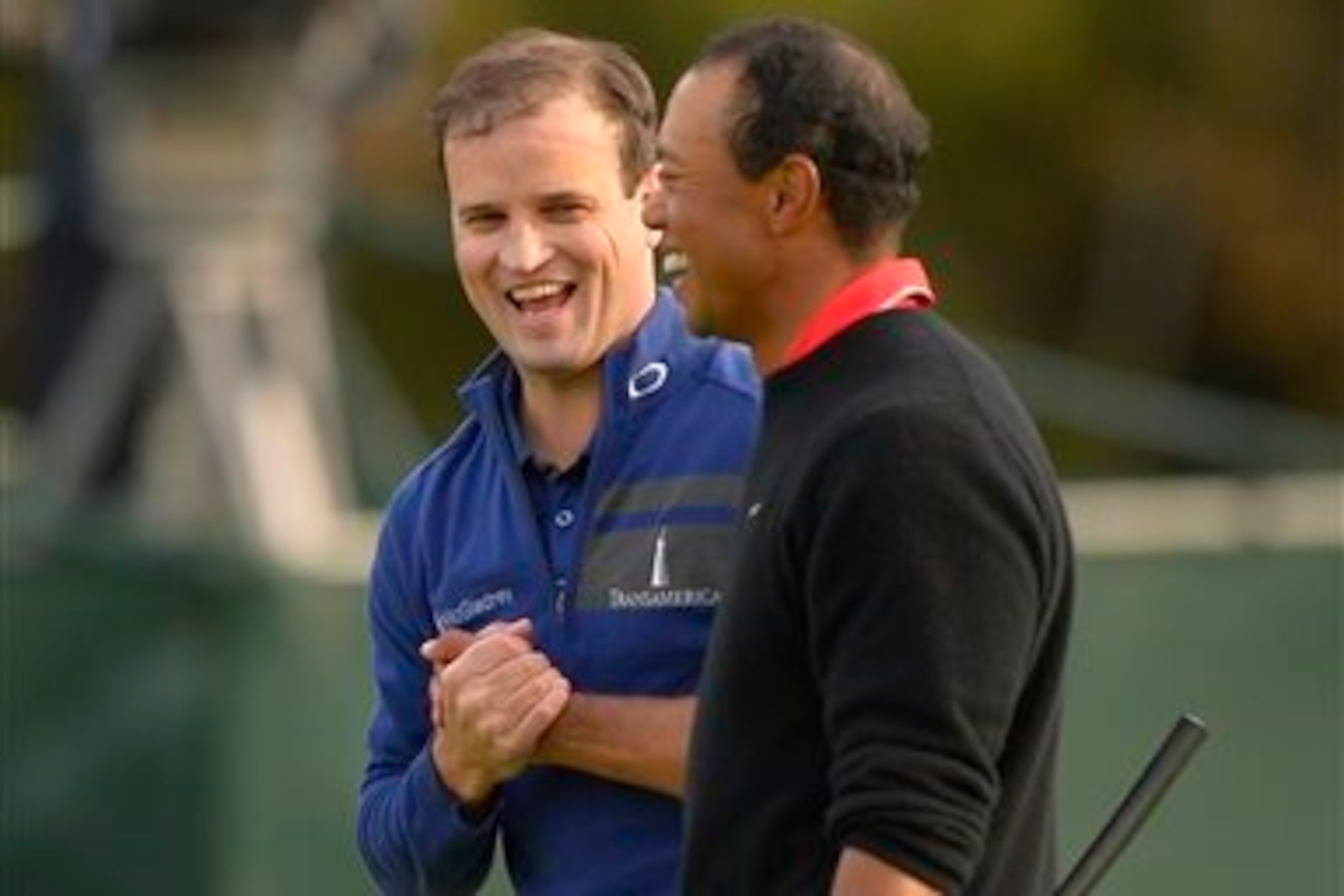
What made the silly season fun were the participants. They were the high-profile names that people wanted to see playing golf at a time of year when there were no tournaments. Plus, when there's lake-effect snow piling up around the house, it's nice to curl up and watch somebody playing on a beautiful golf course while waiting for snow plows to clear roads.
However, in 2008 and 2009, sponsors started dropping out of silly season events. Some reasons given were dilutions in television audiences, but one other factor was that there was so much money on the PGA Tour, the silly season didn't have the financial impact that it once had.
When The Skins Game began, it was a big deal to play for $1 million. In 2008, almost every week on the PGA Tour, the winner got $1 million. Had the silly season sponsors decided to up the purses, maybe it would have turned heads, but it was not the time, economically or politically, for any company to spend lavishly.
And so, as a result, the FedEx Cup has become a September silly season, if you will, replacing the former fantastic purses of the silly events with amazingly large sums of money and a finale worth $10 million. The end result is that the PGA has now taken over the calendar from January to Thanksgiving week. If you wanted to create a golf event with PGA Tour players in the U.S., it would have to be between December 15 and January 5, because the PGA Tour has succeeded in locking up all the remaining dates.
So while we have kissed the old silly season goodbye, except for the Hero World Challenge and The Shark ShootOut, for the PGA Tour, it's a decisive business victory.