AFCON Pendulum Swings Back to South Africa as Fallen Champs Nigeria Lick Wounds
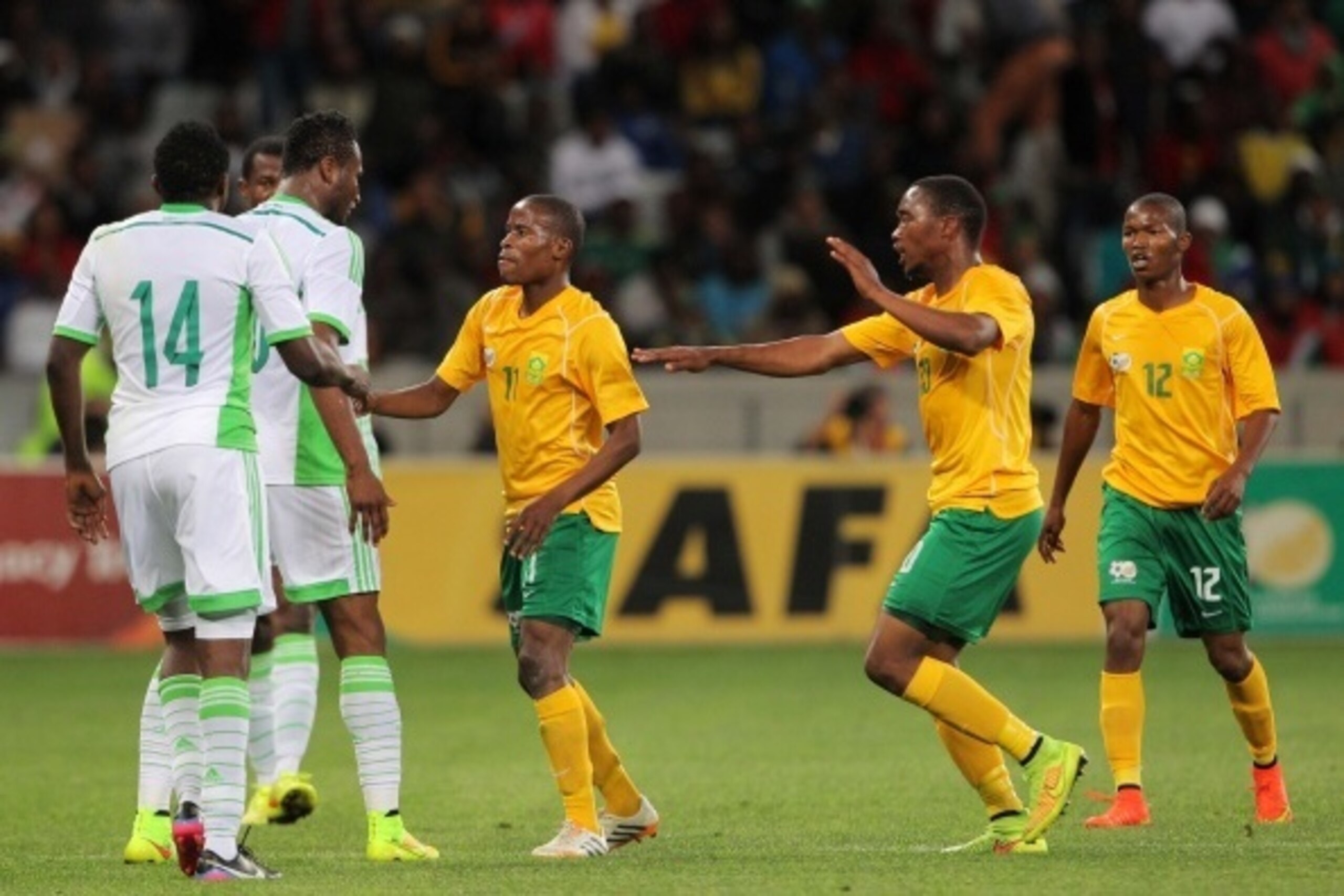
Finally, for the first time since their opening Africa Cup of Nations qualifier against the Republic of Congo, Nigeria had their destiny in their own hands.
Having beaten the Republic of Congo 2-0 away in their penultimate match, Nigeria knew they just needed to get a better result at home against already-qualified South Africa than the Red Devils managed away against Sudan.
Admittedly, South Africa have been one of the outstanding teams of the qualifying series so far—winning three, conceding one and losing none heading into their final match—but Bafana Bafana had never beaten the Super Eagles in a competitive fixture before.
TOP NEWS

Adams Named USMNT Captain 🫡
.jpg?w=2560 "Chargers Mack")
Every Trade's Best Trade Asset 🔁
.jpg?w=2560 "Green Bay Steelers Football")
Insiders: Cowboys Overpaid for Porter
Surely, Stephen Keshi's side would secure the result they required to return to Equatorial Guinea and defend their crown at the continental showpiece early next year.
The Super Eagles have become an increasingly brittle outfit over the last 18 months, and familiar weaknesses came to the fore in Uyo.
An unfamiliar—or at least relatively recent—weakness is incompetence in defensive areas. The Eagles were dismal at home to Congo, where they conceded three, but they appeared to have put their back-line woes behind them with clean sheets away in Pointe-Noire and Cape Town.
A centre-back pairing of Azubuike Egwuekwe and Kenneth Omeruo was found wanting in their first-ever start together. Since the latter’s international debut, Keshi has started matches with six different defensive pairings but never Egwuekwe and Omeruo.
They struggled for cohesion. Warri Wolves skipper Egwuekwe has his qualities, and valuable ones, but he hasn't always convinced that he belongs at the international level. Omeruo is a superb talent but was palpably short of match fitness here.
Might this not have been a good occasion for Keshi to move Efe Ambrose—a central defender at club side Celtic—in from the flank to partner Egwuekwe?
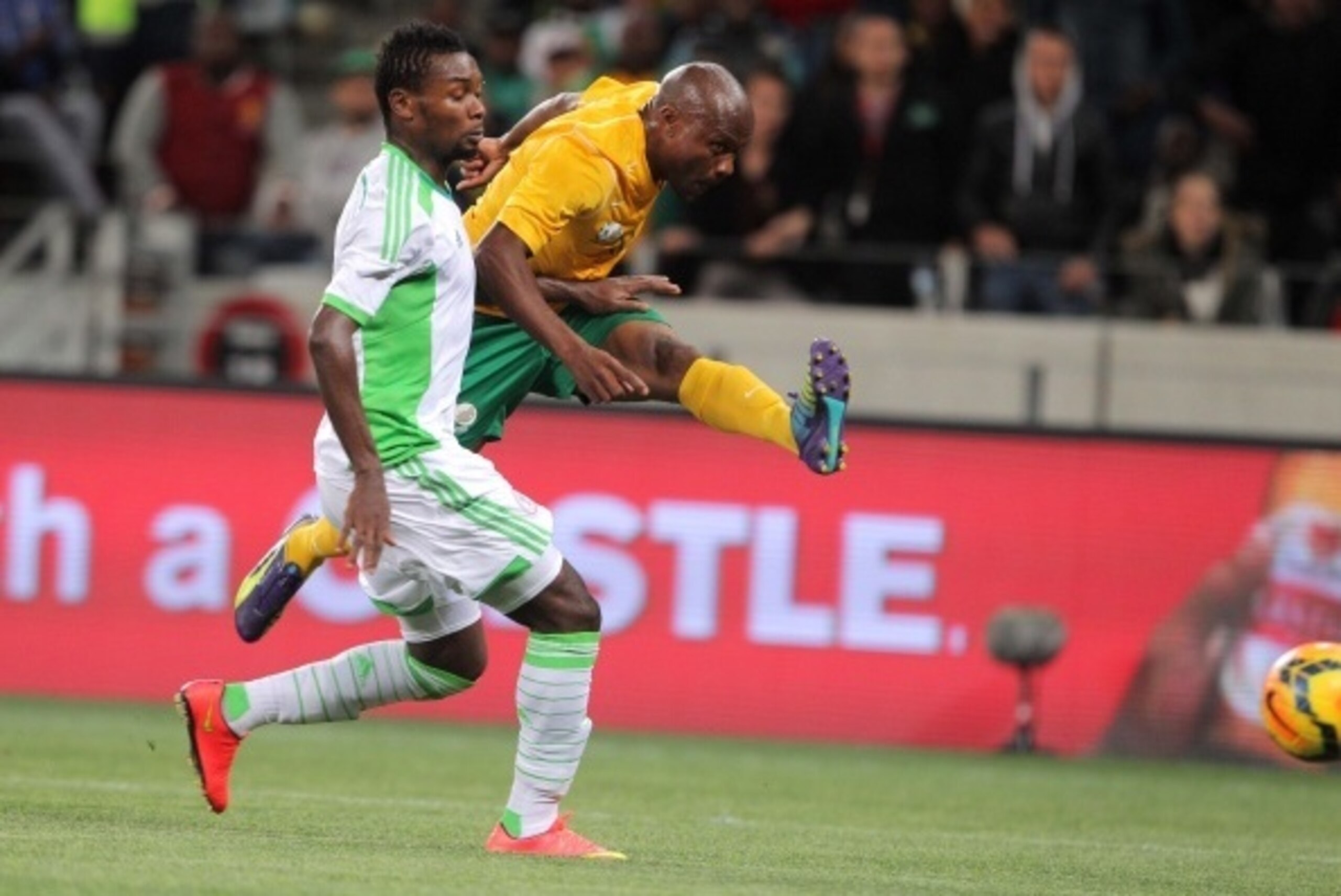
While Nigeria were poor defensively, conceding just before and just after the break, Bafana’s Tokelo Rantie deserves immense credit for an outstanding performance.
The Bournemouth hit man has arguably been the key figure of the Shakes Mashaba era so far (a title contested by the late Senzo Meyiwa and new skipper Dean Furman) and had found the net against both Congo and Sudan before this one.
He is not always the most reliable of forwards, but his powerful play, his relentless running and his change of pace have set him apart as one of Africa’s most effective frontmen over the last six matches. Indeed, no African striker (and only two other players) scored more goals than Rantie during the qualifying series.
What Emmanuel Emenike would have given for even a quarter of Rantie’s success in front of goal over the last six matches. The Nigeria striker’s goal drought has gone from being worrying to concerning to downright disastrous for the Super Eagles.
It’s also bizarre.
At one point last season, Emenike scored four goals in three matches, including two against Ethiopia in the World Cup qualifying play-off. He scored four at the 2013 Cup of Nations, including goals in the knockout matches against Mali and the Ivory Coast.
His current run of matches with Nigeria without goals stands at 15.
It’s hard to criticise the manager for sticking with Emenike, due to both what he brings to the side and Victor Moses’s problems over the last six months or so.
However, Keshi cannot escape criticism for his underutilisation of Sone Aluko.
The Hull City forward was almost Nigeria’s hero against South Africa, scoring a brace that would have seen him paraded in front of the Uyo fans on almost any other occasion. Despite his accomplished showings in the Premier League and the versatility he brings to the side, he was overlooked by the manager until after the World Cup.
He has made four substitute appearances during the qualifying programme but has often entered far too late in the day to tangibly change the course of matches.
The Aluko issue is indicative of the manager’s muddled decision-making, and it’s likely to be a telling footnote to Keshi’s era. Old favourites have laboured too often, while the manager has appeared hesitant to dip into the Super Eagles' vast reservoir of resources.
Mashaba, by contrast, will surely be hoping to fill the void vacated by the Super Eagles at the continent’s top table.
The former South Africa youth team coach has done an excellent job with players who often struggled to ignite under Gordon Igesund. South Africa are defending well (they kept four clean sheets before their previous match against Sudan), and a midfield of Dean Furman, Andile Jali, Oupa Manyisa and Thulani Serero can compete against any the continent has to offer.
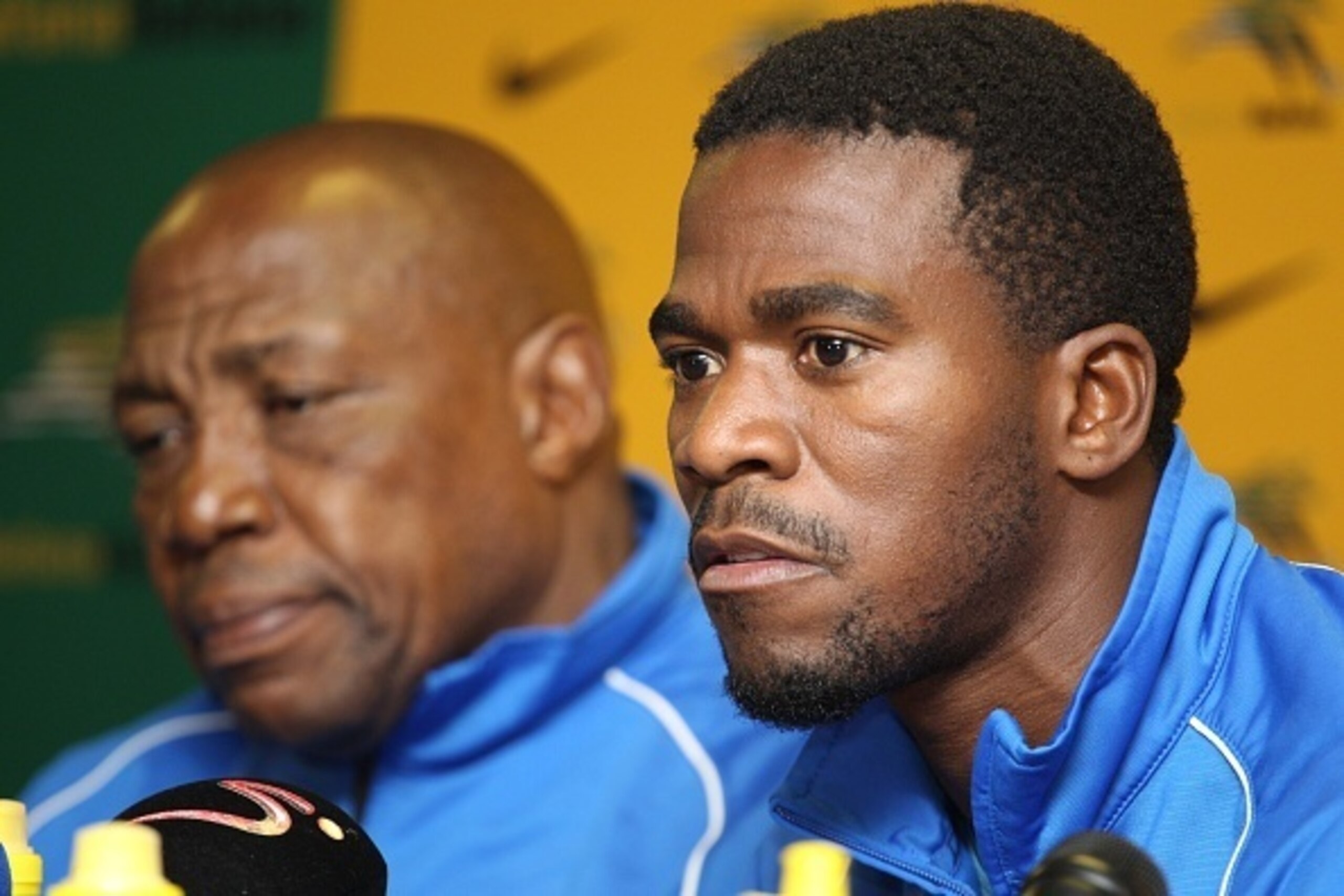
Mashaba, like Keshi some years beforehand, has not been afraid to make big decisions, axe big names and put his faith in youth.
Back in 2013, Nigeria emerged from turmoil and failure to make an unlikely run to the continental crown with a young, hungry and largely untested side.
Now, with 2015 on the horizon, could South Africa be about to recreate the feat?
.jpg?w=2560 "Top NFL Trade Targets")