Angel Di Maria's Blueprint for Success for Rest of Season
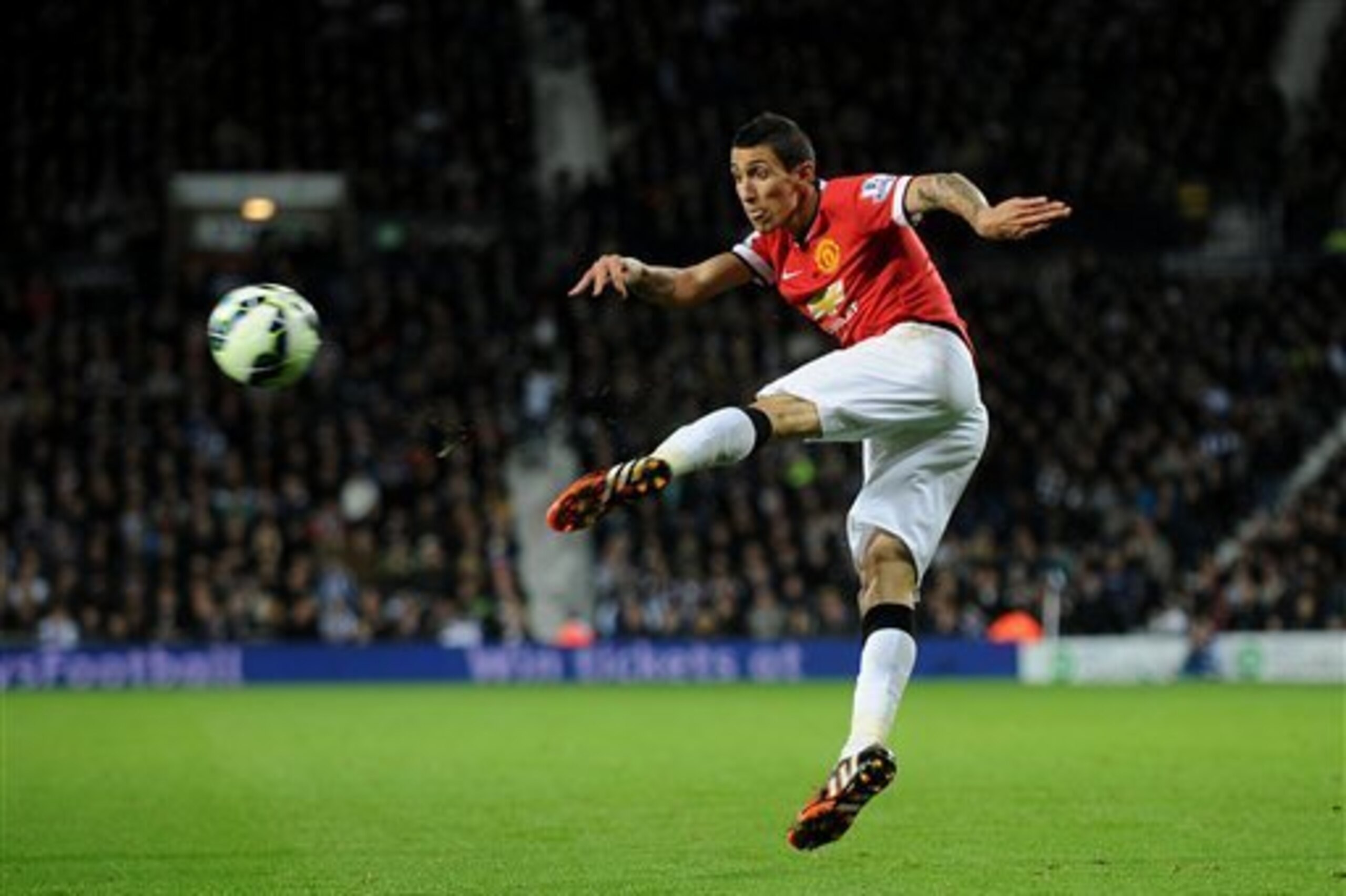
Angel Di Maria’s Manchester United form has dipped since his electrifying start, so what does the Argentinian need to do in order to thrive throughout the season?
As I wrote on Monday, Di Maria’s form has seen a noticeable statistical dip since Louis van Gaal changed United’s system. Prior to the game at the Hawthorns against West Bromwich Albion in October, Van Gaal had used a diamond midfield, with Di Maria on the left of the diamond. From the West Brom game on, "El Fideo" has played as a wide forward.
Whether described as a 4-3-3 or 4-5-1, it is clear this latest shift in formation has not benefited United’s attacking play, although it has made the defensive position stronger.
TOP NEWS

Adams Named USMNT Captain 🫡
.jpg?w=2560 "Chargers Mack")
Every Trade's Best Trade Asset 🔁
.jpg?w=2560 "Green Bay Steelers Football")
Insiders: Cowboys Overpaid for Porter
Van Gaal acknowledged the dilemma, after the Crystal Palace game on 8 November, per Miguel Delaney in The Independent:
"I’m looking for the balance and when you see the last four matches, we have had more balance because we haven’t conceded many goals. Nevertheless, we don’t score so much. With the other system, we scored a lot of goals.
"
Indeed, Van Gaal is correct. The diamond midfield was used for four games. During that run, United scored 11 goals and conceded seven. In the subsequent four games, United scored four and conceded four. Of those, Di Maria scored three and assisted three of the first batch and scored none and assisted two of the second.
It is notable that even though Di Maria’s form has dipped, he is still responsible for setting up 50 percent of United’s goals in their last four games, and he got the assist in all but name for Robin van Persie’s last-minute equaliser against Chelsea.
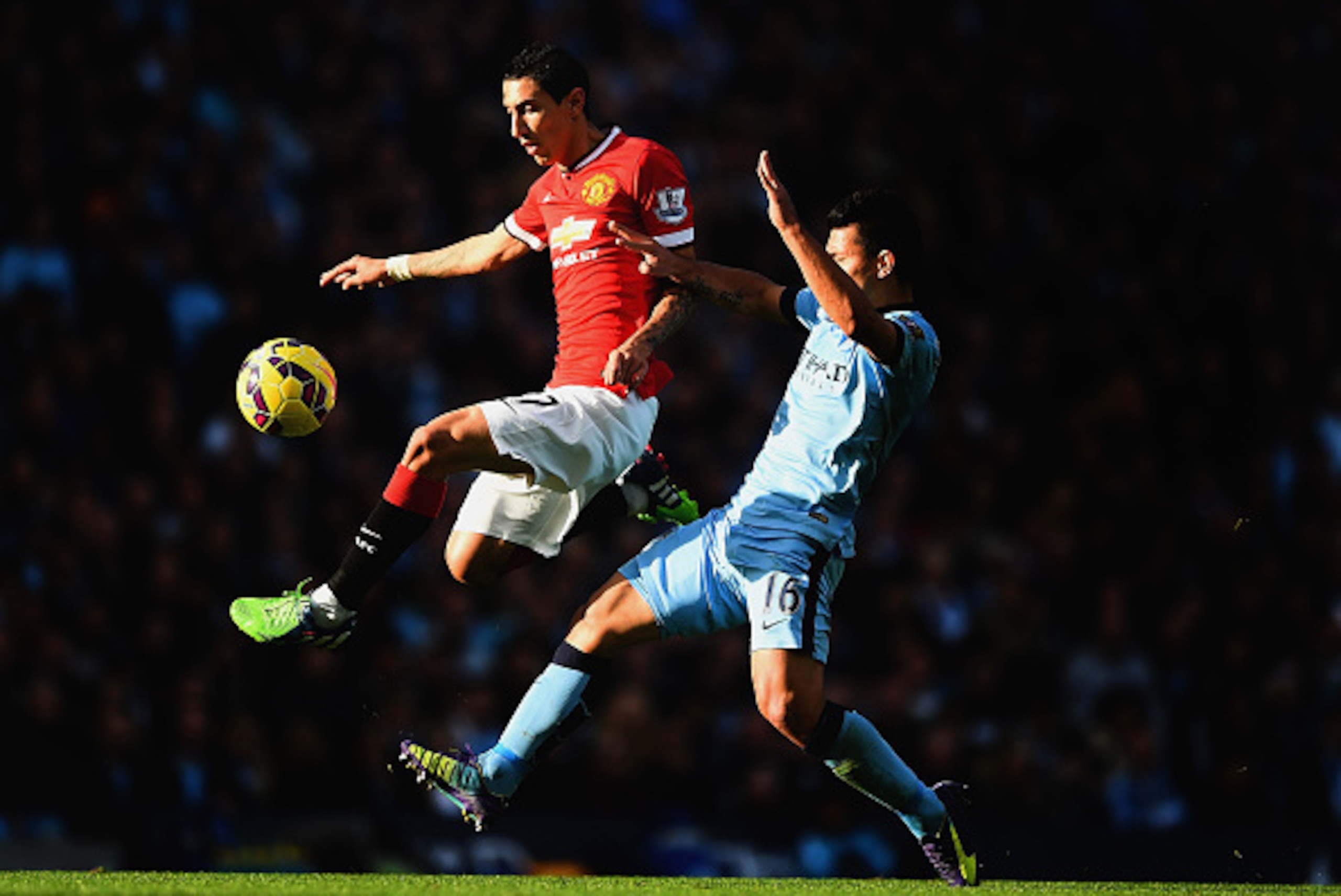
Some of the change in United’s scoring rate can be attributed to the quality of opposition, given United played against both Manchester City and Chelsea in that recent run, but some of it certainly appears down to the change in system.
The change was presumably predicated, at least in part, on a change in available personnel. Van Gaal initially used Antonio Valencia to cover Ander Herrera’s absence on the right of the diamond.
When Valencia was required at right-back to cover for the injured Rafael, the Dutchman chose to shift things around, rather than use Marouane Fellaini on the right.
Playing further up the pitch has meant Di Maria has generally received the ball with less space in front of him than he did in his first games at United. Van Gaal was quite critical of him after the Palace game, saying, per The Independent again:
"He has played today in a very small space and he is a dribbler but sometimes you cannot dribble. You have to make it a pass game, and Di Maria is not a player who wants to give a pass every time he gets the ball. But in this case we needed that and not dribbles. Therefore he lost the ball a lot of times and that was not good for the balance of the team.
"
It was not just Crystal Palace’s deep defensive line and Di Maria’s advanced position that restricted his space. Robin van Persie has been unusually static during his last few United games—there has been a lack of darting runs. Without a striker to pull defenders out of position, Di Maria is given less space to work with.
The blueprint for the rest of the season for Di Maria seems clear. He needs to be given space. His early goalscoring and creating return has shown how effectively he can use it.
This can either be achieved by reverting to using him as a midfielder rather than a winger, or ensuring that when he is playing out wide, defenders are occupied by runners from midfield, and the movement of United’s forwards.
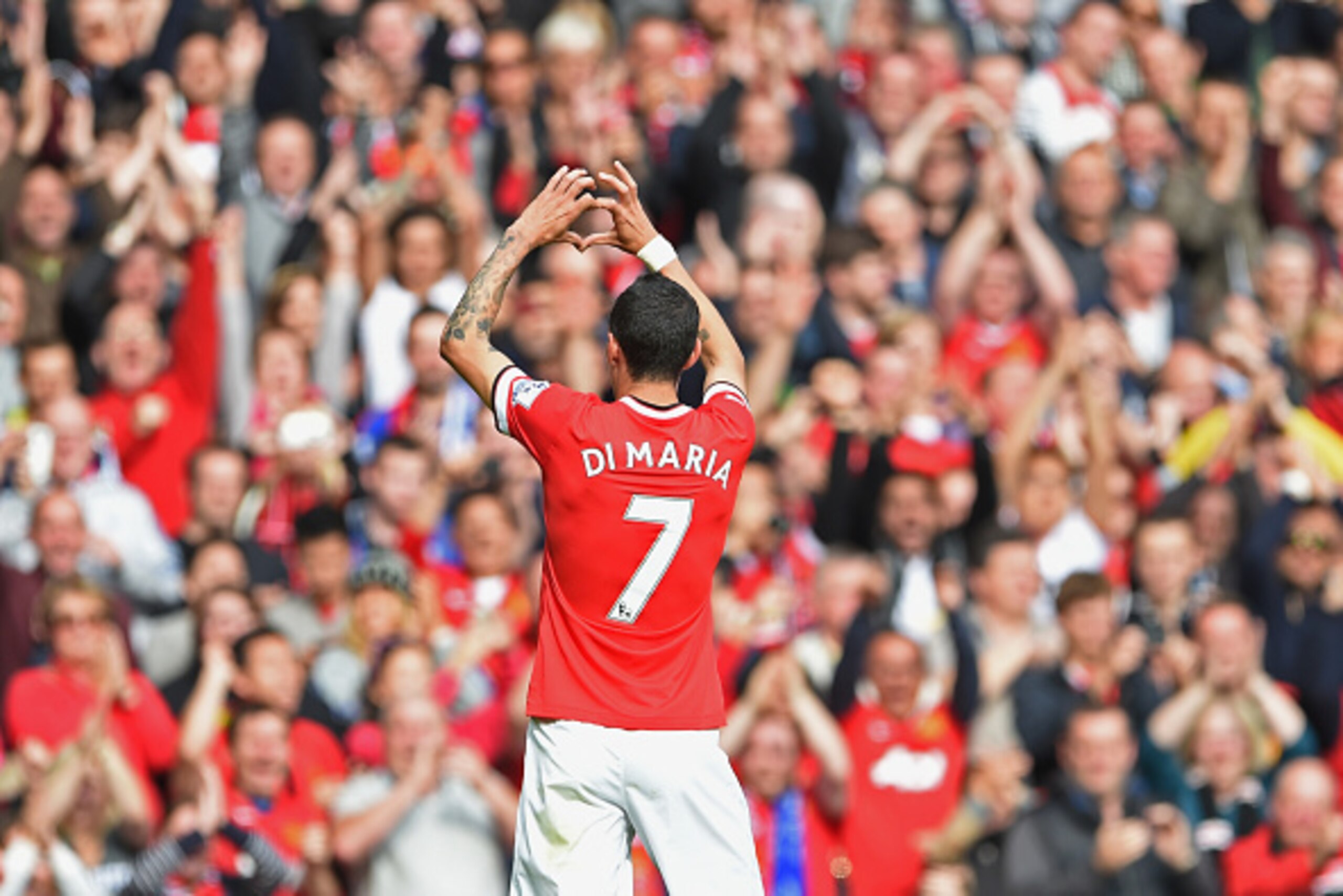
It would be a huge surprise if his form did not improve again soon. History suggests he is too good a player for it not to.
.jpg?w=2560 "Top NFL Trade Targets")