Should Formula 1 Keep Its Controversial Double-Points Rule Despite Criticism?
For much of this year, the double-points rule has cast a shadow over Formula One.
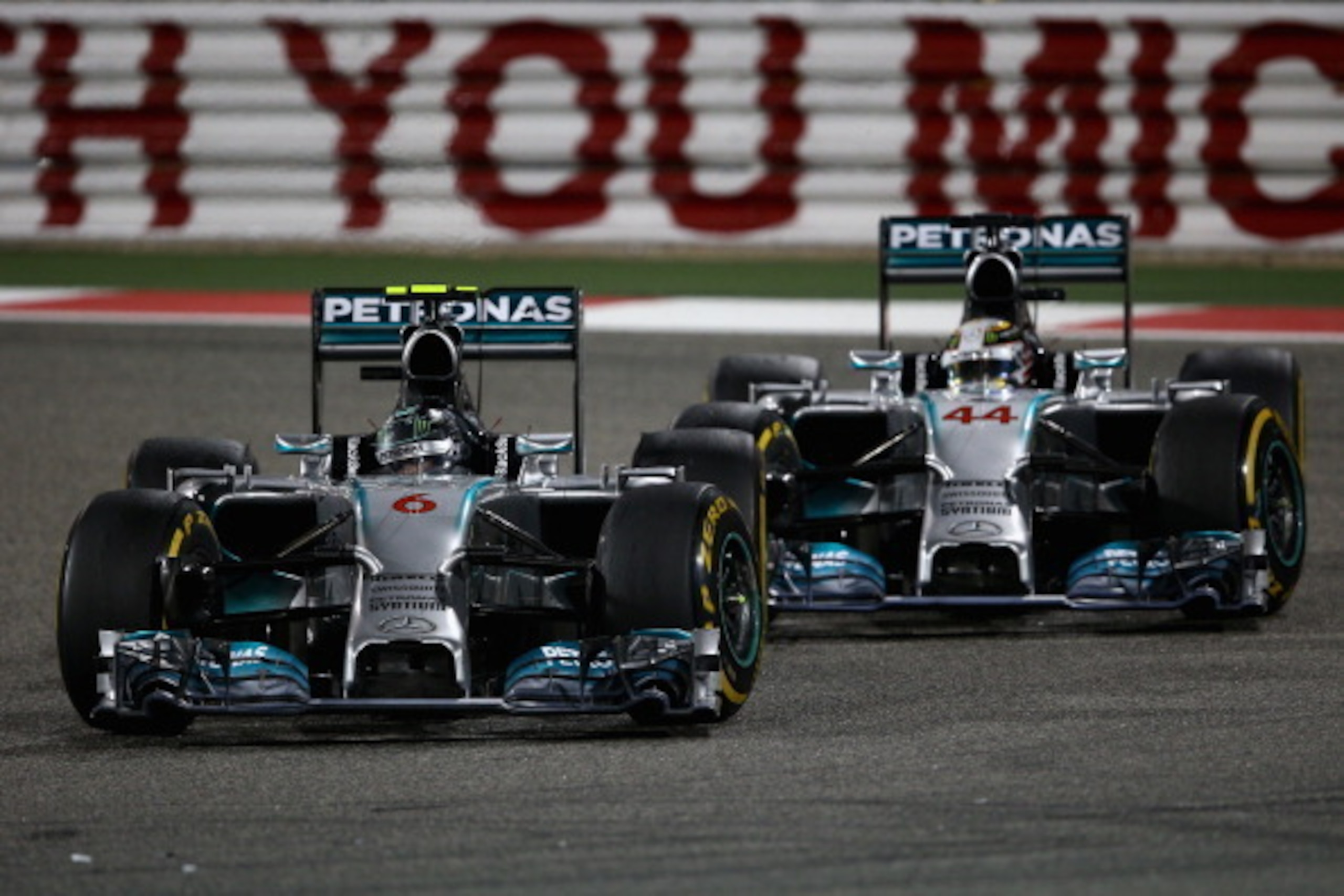
The punch-and-counter-punch title fight between Lewis Hamilton and Nico Rosberg, the dominant Mercedes drivers, has—like several battles throughout the field—been fun while it has lasted.
But those wheel-to-wheel battles, those 15 wins between them and indeed those retirements have always taken place against the backdrop of double points and the knowledge that the destiny of the title would ultimately be decided at the Abu Dhabi Grand Prix, where 50 points will be handed to the race winner.
TOP NEWS

Jaylen Brown Calls Out Tatum 🧢

🚨Blockbuster NHL Goalie Trade

LeBron on President Trump's Criticism
The idea that one grand prix should mean so much more than the preceding 18 events, of course, cheapens the entire sport.
And it goes a long way to removing the sporting element from Formula One, with the notion that Hamilton—who has won 10 races to Rosberg's five—could still lose the title at odds with the ingrained belief that the best man should always win.
Its threat of distorting the world championship has led to widespread, season-long calls for double points to be ditched if F1 is to retain a degree of integrity.
And Bernie Ecclestone, one of the men at fault for the introduction of the gimmick, has recently hinted that the rule will be dropped for future campaigns.
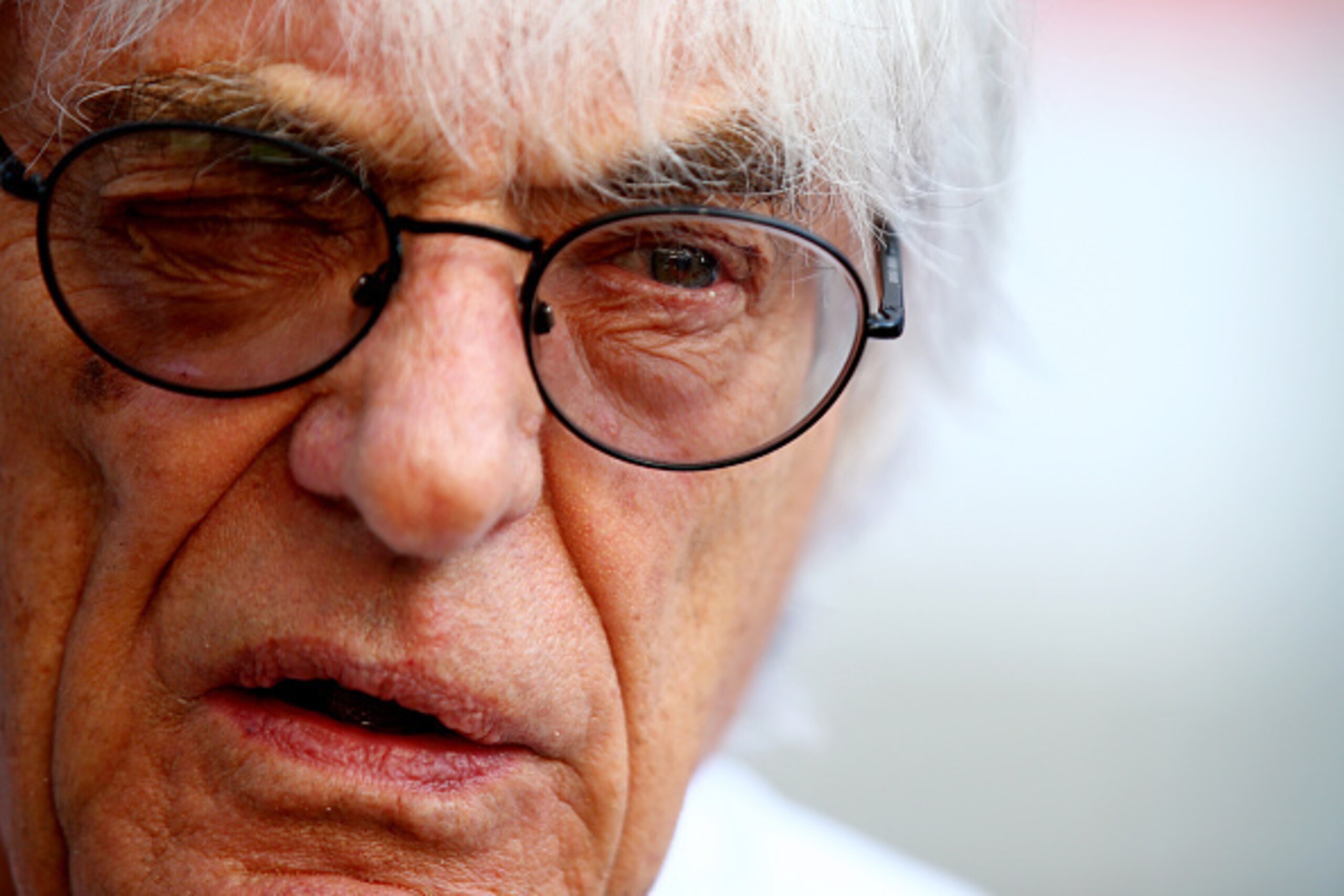
The 84-year-old, who had originally wanted 50 points to be awarded to the victors of the final three events of the season, told The Independent's Christian Sylt: "I'm not going to propose the three races again. I'm going to let them (the teams) get on with it. I don't know what we're going to do next year."
Ecclestone's comments were followed up with a report by Autosport.com's Jonathan Noble, who claimed that the teams will take steps as soon as next week to ensure that double points will not feature in the rule book for 2015.
Noble wrote:
"Sources have told AUTOSPORT that, amid the unease about the rules, the matter will be discussed at a meeting of F1's Strategy Group in the days after the Abu Dhabi Grand Prix.
If there is agreement between teams, then a proposal could be put to the F1 Commission to ditch the rule for next year.
"
Although few tears will be shed if the stunt is consigned to history, the spectacle that double points is likely to provide this weekend could lead to some sudden changes of opinion.
Its appeal ahead of the Abu Dhabi Grand Prix is clear, with the build-up to the season finale already dominated by the rule and how it could affect the landscape of the battle between Rosberg and Hamilton, who is currently nursing a 17-point advantage over his team-mate in the standings.
If the rule had not been introduced for this year, Hamilton—who had a 24-point lead over Rosberg following his victory in the United States Grand Prix earlier this month—could have won the title with a round to spare in Brazil almost two weeks ago, with the British driver required to score two points more than the German at Interlagos to clinch his second crown.
That would have created a different dynamic to the pair's late-race chase to the flag in Brazil, which could have encouraged Hamilton to take more risks in his bid to get past Rosberg and secure the championship then and there—but it would have made the Abu Dhabi event an irrelevance in the grand scheme of things.
And the Yas Marina Circuit—a unique, state-of-the-art, glamorous venue that deserves to be the scene of a Formula One title decider—has seen one too many dead-rubber races in its five years on the calendar, with the 2009, 2011 and 2013 world championships signed and sealed prior to the twilight grand prix.

The main charm of the double points finale, though, is the challenges that come with pressure management.
This will not only affect the Mercedes duo, but the likes of Sebastian Vettel, Fernando Alonso and Valtteri Bottas—who are separated by just three points in the race for fourth in the drivers' championship—as well as Williams and McLaren, who could lose third and fifth in the constructors' standings respectively.

Double points—and the horror that a season's good work could be wasted in the space of 55 measly laps due to a faulty pit stop, a reliability problem or human error—should result in drivers and teams alike operating uncomfortably throughout the weekend, which will only heighten the levels of tension and drama for spectators.
The curveball will send calculators into overdrive and mean precious little can be taken for granted until each of the top-10 finishers passes the chequered flag, which is precisely what we, as onlookers, want from an all-or-nothing season finale.

Double points has been the dark cloud over the 2014 Formula One season, and it has taken until now, a matter of days before the race, for us to see the light peeking through and begin to acknowledge, and appreciate, its potential plus points.
It may, in theory, seem like the most shameless gimmick in sporting history, but in reality it could prove to be a masterstroke and should be embraced for what it is: a one-off.
Only after the Abu Dhabi Grand Prix can we truly decide whether the rule is worth keeping.