Burning Questions for Top Stars of Men's Tennis After 2014 ATP World Tour Finals
The drama never stops on the ATP Tour.
Novak Djokovic soared to his third straight World Tour Final championship. His rivals weren't so fortunate.
Roger Federer re-injured his back in London, casting doubt on his form heading into the Davis Cup final.
Rafael Nadal couldn't compete at the year-end championship because of a litany of health problems. The long-term forecast for Nadal looks increasingly shaky.
Andy Murray suffered through a lackluster season and is still trying to recapture the form which carried him to the 2013 Wimbledon title.
Stan Wawrinka, Tomas Berdych and David Ferrer won plenty of matches this year, yet struggled with consistency.
Other players like Kei Nishikori, Milos Raonic and Marin Cilic took massive steps forward in 2014, but they were not invincible.
Before the 2015 campaign starts, the top players will have to ask themselves tough questions and reassess where they stand. Their success next year will hinge on finding solutions.
How Much Does David Ferrer Have Left in the Tank?
1 of 10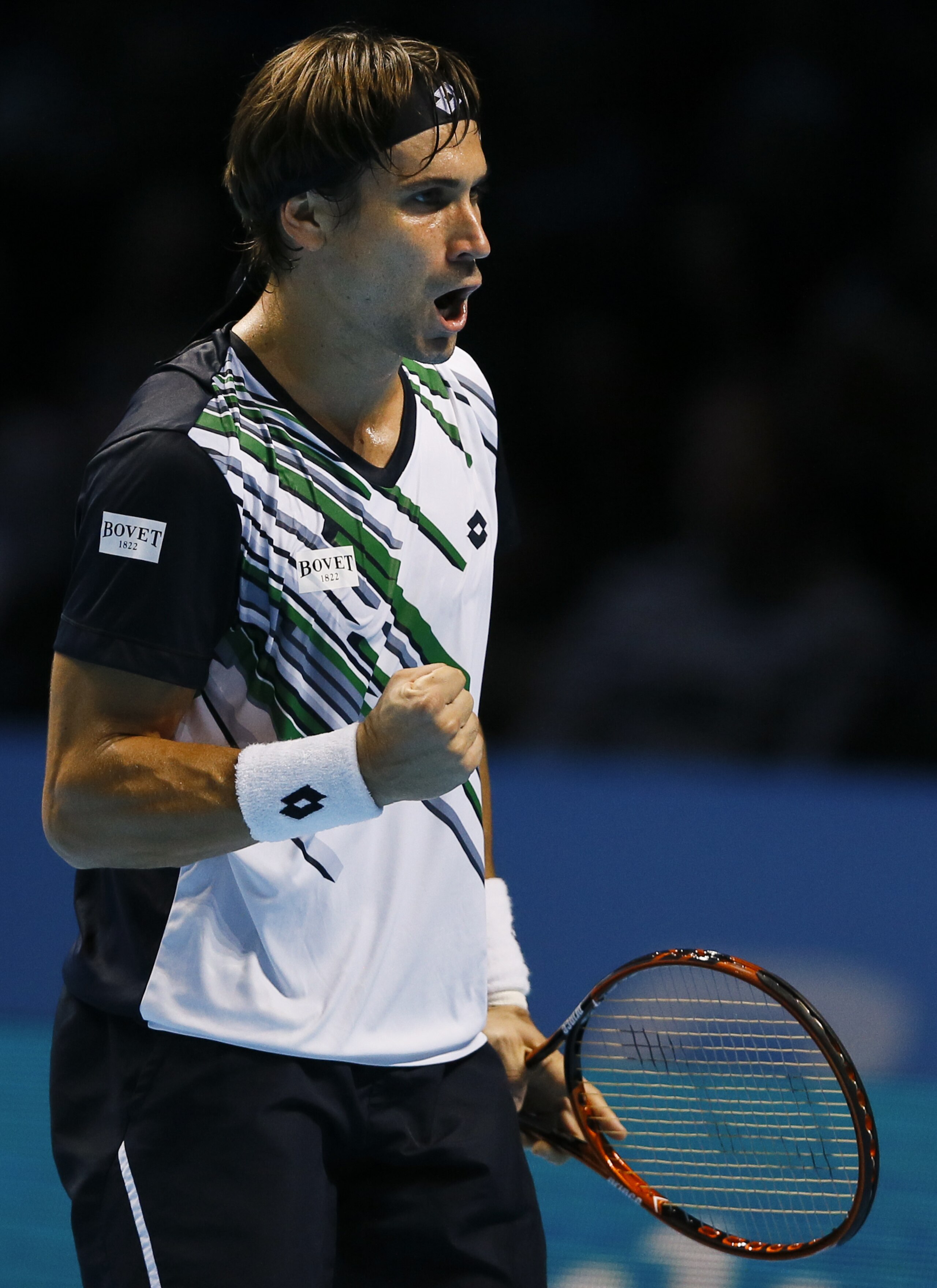
At 32 years old, David Ferrer is one of the elder statesmen on tour.
The diminutive Spaniard is renowned for his fighting spirit and tireless work ethic. But no amount of effort can counter the aging process.
In 2014, Ferrer started to slow down.
He managed a strong and consistent season at the Masters Series level. He reached the quarterfinals or better at every one of those events, except for Miami (fourth round) and Indian Wells (DNP). Those results included semifinal appearances in Monte Carlo and Madrid, as well as a runner-up finish in Cincinnati.
At the Grand Slam level, however, Ferrer struggled. He reached the quarterfinals at the Australian Open and French Open, but bowed out in the second round at Wimbledon and the third round of the U.S. Open.
While Ferrer had another strong season on clay (25-8) and won his lone title of the year on the Copa Claro dirt, that success didn't extend to the hard courts (28-15).
Throughout the year, Ferrer lacked the extra level of stamina and mental fortitude which carried him earlier in his career. He finished a paltry 2-13 against players who finished the season in the top 10 (0-4 against Nishikori) and went 8-16 in matches where he lost the first set.
There were plenty of other confounding moments. In the past, Ferrer usually cleaned up against lower-ranked players, but in 2014 he lost to Andrey Kuznetsov (Wimbledon), Daniel Brands, Yen-Hsun Lu, Carlos Berlocq, Leonardo Mayer, Viktor Troicki, Marcel Granollers, Teymuraz Gabashvili, Kevin Anderson and Alexandr Dolgopolov.
As Kamakshi Tandon reported for Tennis.com, Ferrer recently split with coach Jose Altur, who previously replaced longtime coach Javier Piles. Now, he'll work under the tutelage of Paco Fogues.
Ferrer hopes Fogues will help him regain his old form, but first they'll have to build back his confidence.
Can Marin Cilic Recapture His US Open Form?
2 of 10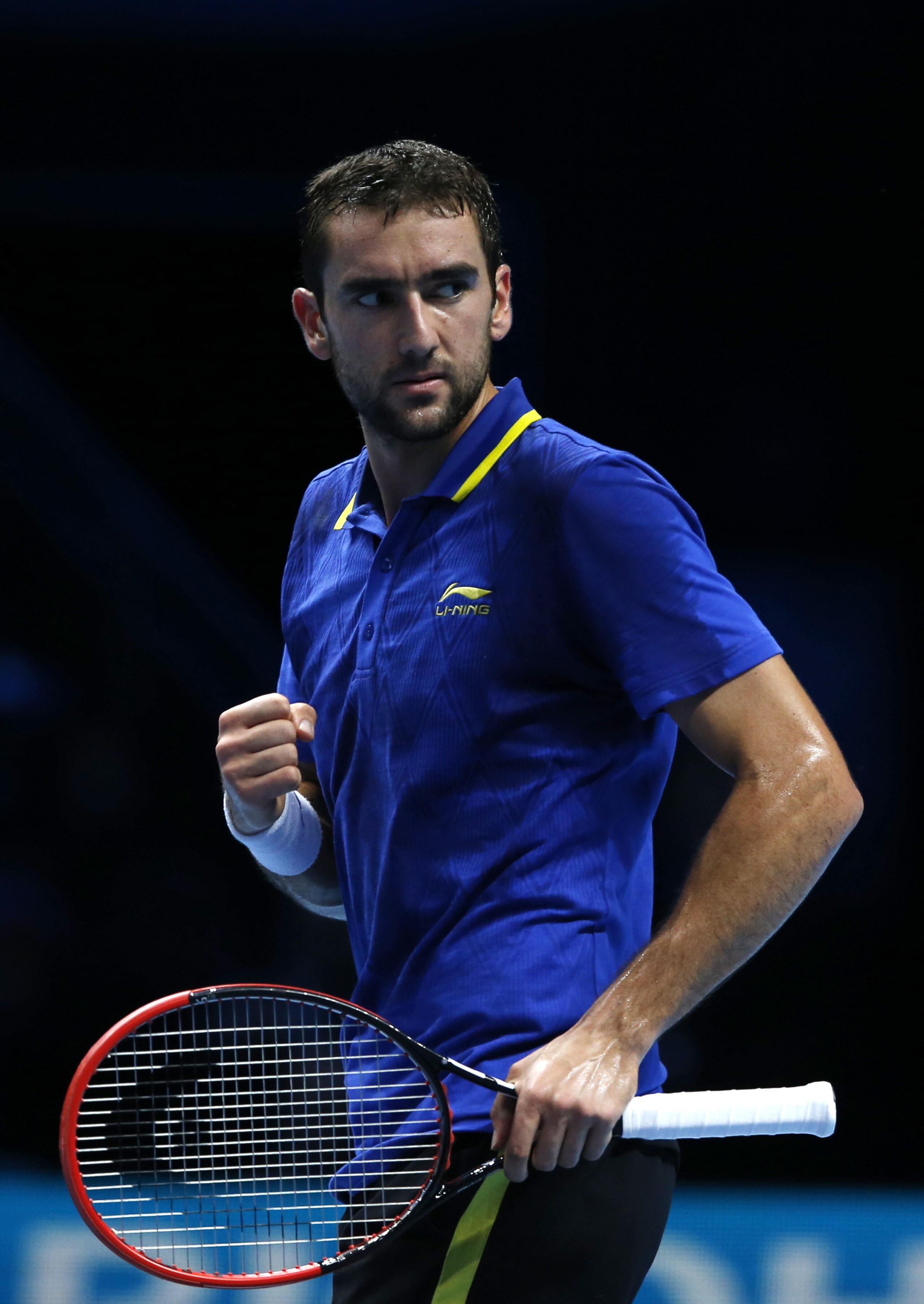
After years of underachievement, everything finally clicked for Marin Cilic at the U.S. Open.
Before his run in Flushing Meadows, Cilic had reached only one major semifinal in his career (2010 Australian Open). At the Masters level, Cilic still has never advanced past the quarterfinals.
Disappointing losses littered his career path. He often played passive tennis in big moments against the top players.
Under the guidance of his coach and countryman, Goran Ivanisevic, Cilic turned the corner. They started working together last September, and as Brian Lewis noted for The New York Post, the two focused on bringing more aggression to Cilic's game.
The plan worked.
The towering 6'6" Croatian stormed to his first Grand Slam title with blistering tennis. He effortlessly tore through Berdych, Federer and Nishikori in the final rounds to secure the championship.
Cilic looked downright scary at times.
He pummeled opponents throughout the tournament with thunderous serves, powerful forehands and a rock-steady backhand. For a tall guy, Cilic moved around the court with exquisite grace.
Cilic had long been advertised as part of the next generation of tennis. While Nishikori, Juan Martin del Potro and even Ernests Gulbis all had their breakthrough moments, Cilic waited longer for his.
Since capturing the U.S. Open, however, Cilic hasn't produced the same level of magic.
In the Beijing quarterfinals, he suffered a comprehensive 1-6, 4-6 loss to Andy Murray. The following week at the Shanghai Masters, Cilic lost his first match to Ivo Karlovic.
He rebounded by winning the Kremlin Cup, but Cilic lost all three of his round-robin matches at the World Tour Finals. Against Djokovic, Berdych and Wawrinka, Cilic won just one set total at the O2 Arena.
Cilic has a 4-28 combined record against the quartet of Djokovic, Federer, Nadal and Murray. For him to prove the U.S. Open title wasn't a fluke, he'll have to rekindle that fire against the top players.
How Will Milos Raonic Develop His Game?
3 of 10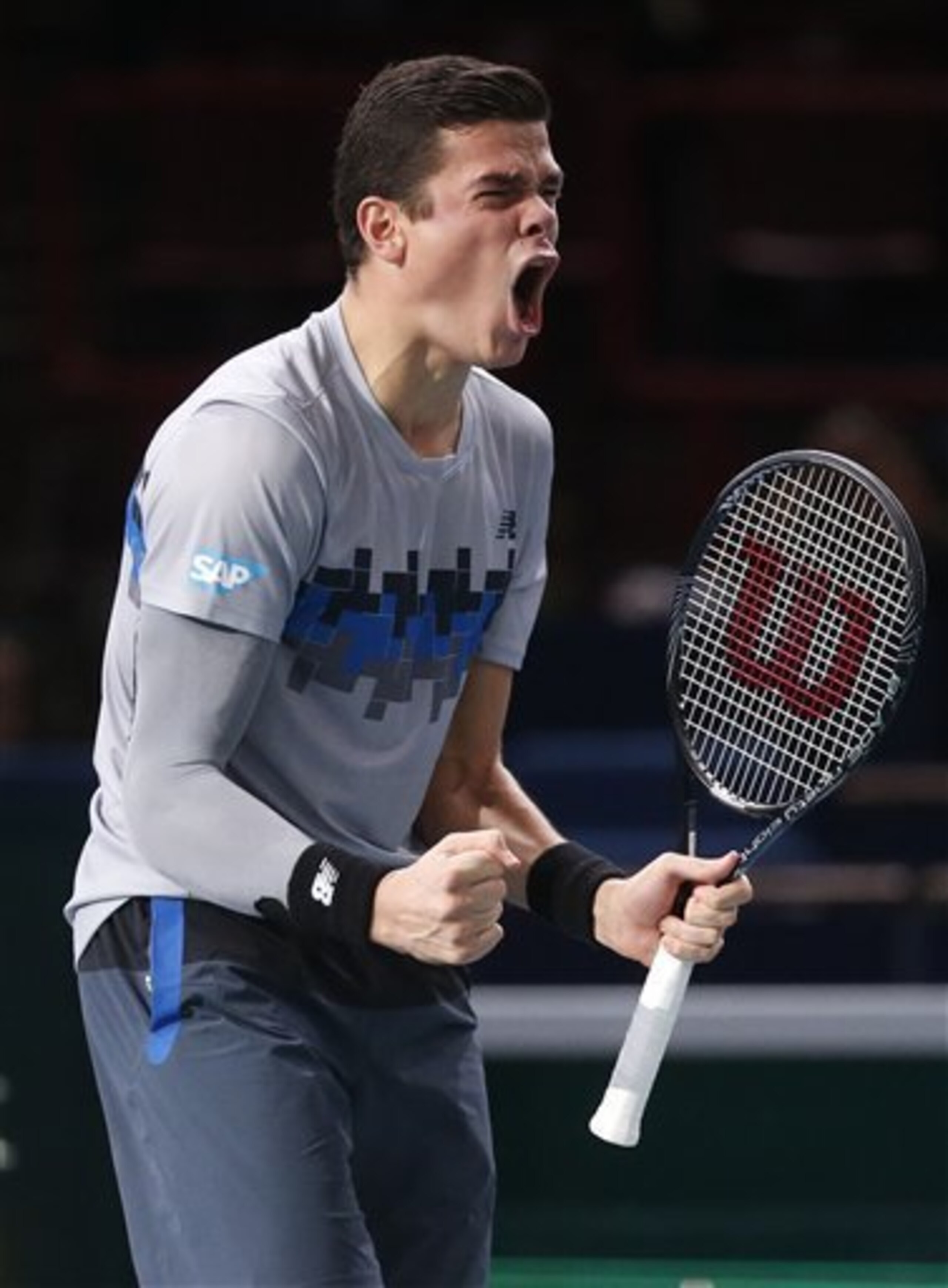
A potent serve can take a tennis player very far.
The Milos Raonic serve, which frequently clocks in around 140 MPH, can fluster even the best returners. For Raonic, his sonic missile-like serve masks a still-developing game.
Though Raonic also boasts a powerful flat forehand to give him a lethal one-two punch in service games, his kryptonite is a long rally.
As the point extends, his chance of winning significantly drop. There are flaws in his game which leave him vulnerable in these moments.
Raonic's backhand is a major weakness. While it continues to improve, it's still not a reliable shot, and he doesn't use it enough as an offensive weapon. Opponents often work him on that side and break Raonic down.
Part of the problem lies with his movement. A long-legged 6'5", Raonic doesn't possess elite court coverage skills. Although coach Ivan Ljubicic has worked to develop that part of his game, Raonic still looks awkward moving to net and running around backhands in the ad court.
Low, biting slices like Federer possesses also give Raonic trouble. Though he talks often about working on his flexibility, Raonic struggles bending for shots, and he'll have to continue focusing on that part of his training.
He must also deal with a glute tear he suffered at the World Tour Finals, which could further test his lack of mobility.
What should inspire Raonic is the progress he made in 2014. He's worked hard to improve those areas of his game, and this year he started to see results.
At Wimbledon, Raonic made his first semifinal appearance at a major. Despite an unimpressive resume on clay, he gutted his way into the quarterfinals at Roland Garros.
Raonic also reached the quarterfinals or better in seven of the nine Masters 1000 events, including a finals appearance at Paris-Bercy.
His success at Wimbledon and the French Open prove Raonic has the skill set to win on all surfaces. But to take the next step in 2015 and contend for Grand Slams, he'll have to continue ironing out his weaknesses.
.jpg?w=2560 "Chargers Mack")
.jpg?w=2560 "Green Bay Steelers Football")
Has Tomas Berdych Peaked?
4 of 10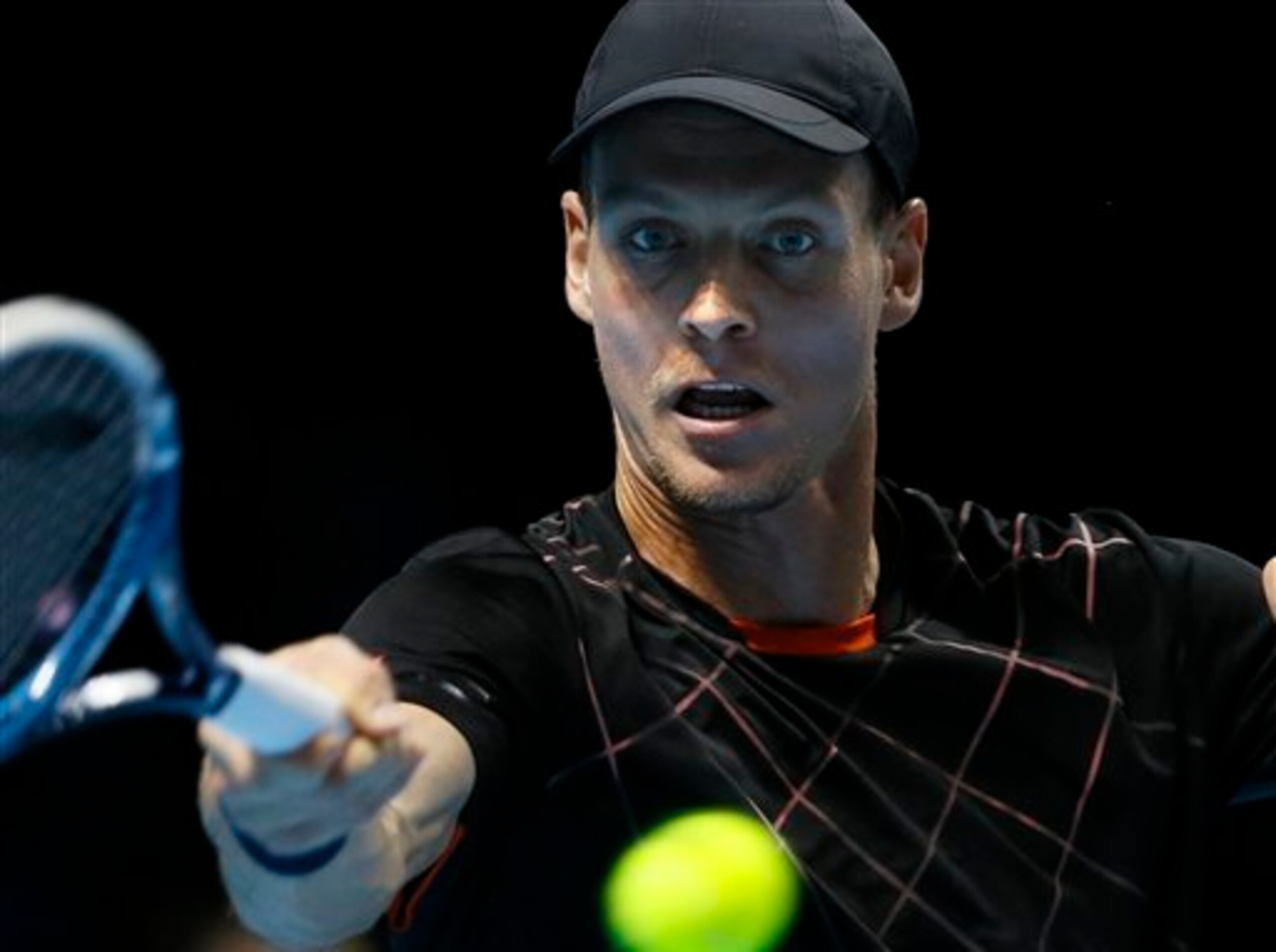
Most tennis players would happily sign up for the 55-22 record Tomas Berdych compiled in 2014.
Despite that lofty record, Berdych stalled this season.
His career trajectory steadily rose upward in prior years and made him a prime contender to break though and win a Grand Slam. This year, he seemed to hit a wall.
Berdych made it to the semifinals at the Australian Open, as well as the Miami and Paris Masters events, yet he couldn't find that extra gear.
Tournament wins in Stockholm and Rotterdam highlighted his campaign and kept him in the top 10, but Berdych too often produced lackluster results in big matches.
He went 3-10 against the other players currently ranked in the top 10. In those encounters, Berdych didn't have the confidence and composure he used to exert. Nowhere was this trend more evident than his finals loss in Portugal to journeyman Carlos Berlocq.
Berdych also endured a sub-par run in the U.S. Open Series. He wilted in the heat of Washington, Toronto and Cincinnati, winning only two matches combined at those tournaments. In New York, Cilic dominated him in the quarterfinals for a straight-sets win.
In the World Tour Finals, Berdych suffered humiliating defeats to Djokovic (2-6, 2-6) and Wawrinka (1-6, 1-6).
The Berdych game runs on power, but there were too many instances in 2014 where he couldn't harness his shots, and his play went off-kilter. As the unforced errors piled up, his confidence under pressure waned.
Berdych will finish his fifth straight year ranked in the top 10. Unless he breaks through his current slump, other players are poised to overtake him in 2015.
Will Andy Murray Regain His Pre-Injury Form?
5 of 10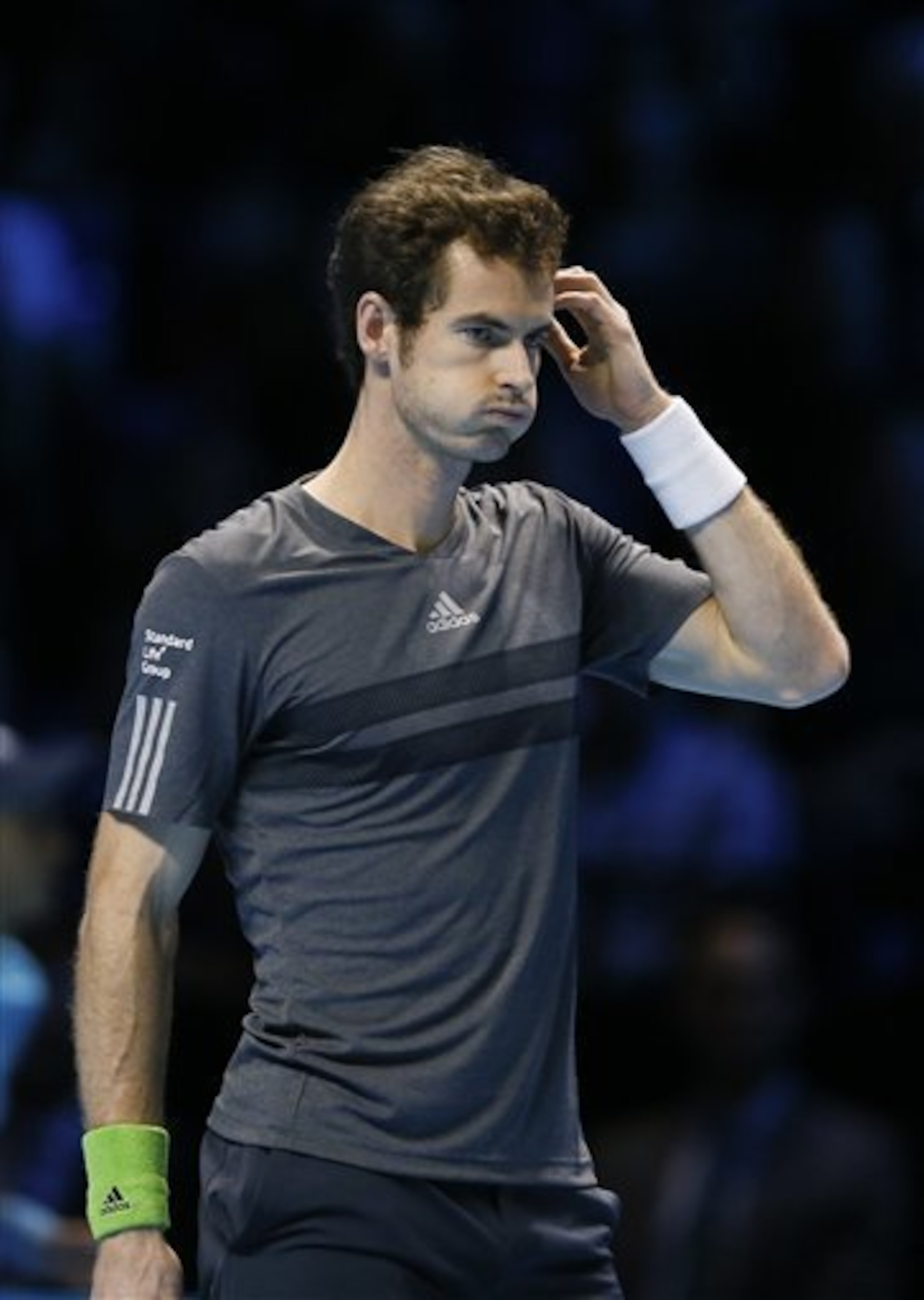
In the fall of 2013, Andy Murray underwent back surgery. A year later, he's struggling to find his pre-injury form.
Throughout much of 2014, Murray looked off. He didn't move as well, and he reverted back to the passive style of play which characterized earlier portions of his career.
Murray mustered only a 4-13 record against the current top 10, and he was flummoxed by Djokovic and Federer (0-7 combined). His season ended with a near double-bagel loss (0-6, 1-6) to Federer in the World Tour Finals.
While Murray made the quarterfinals in all four of the Grand Slams, including a semifinal appearance in Australia, he exited each one of those tournaments with comprehensive losses.
At the Masters Series level, Murray reached the quarterfinals in five of the nine events, but he went no further.
He didn't win his first title of the season until capturing the Shenzhen Open in late September. Murray later secured a tournament victory in Vienna, though those trophies didn't ease the pain of his frustrating season.
What hampered Murray during his recovery was a mid-season coaching change. He split with Ivan Lendl before the French Open and went without a coach until hiring Amelie Mauresmo before Wimbledon.
Murray won the only two Grand Slam titles of his career with Lendl, so the coaching switch after such a productive partnership naturally forced him into an adjustment period.
Throughout the fall, Murray still seemed unsure of himself as he acclimated to Mauresmo's guidance. The results in big tournaments aren't there yet, but his titles in Shenzhen and Vienna hint he's not far from turning the corner.
For Murray to win Grand Slams and Masters Series events again, he'll have to shake off his disappointing season and enter 2015 with a new mindset.
Will Durability Issues Halt Kei Nishikori's Progress?
6 of 10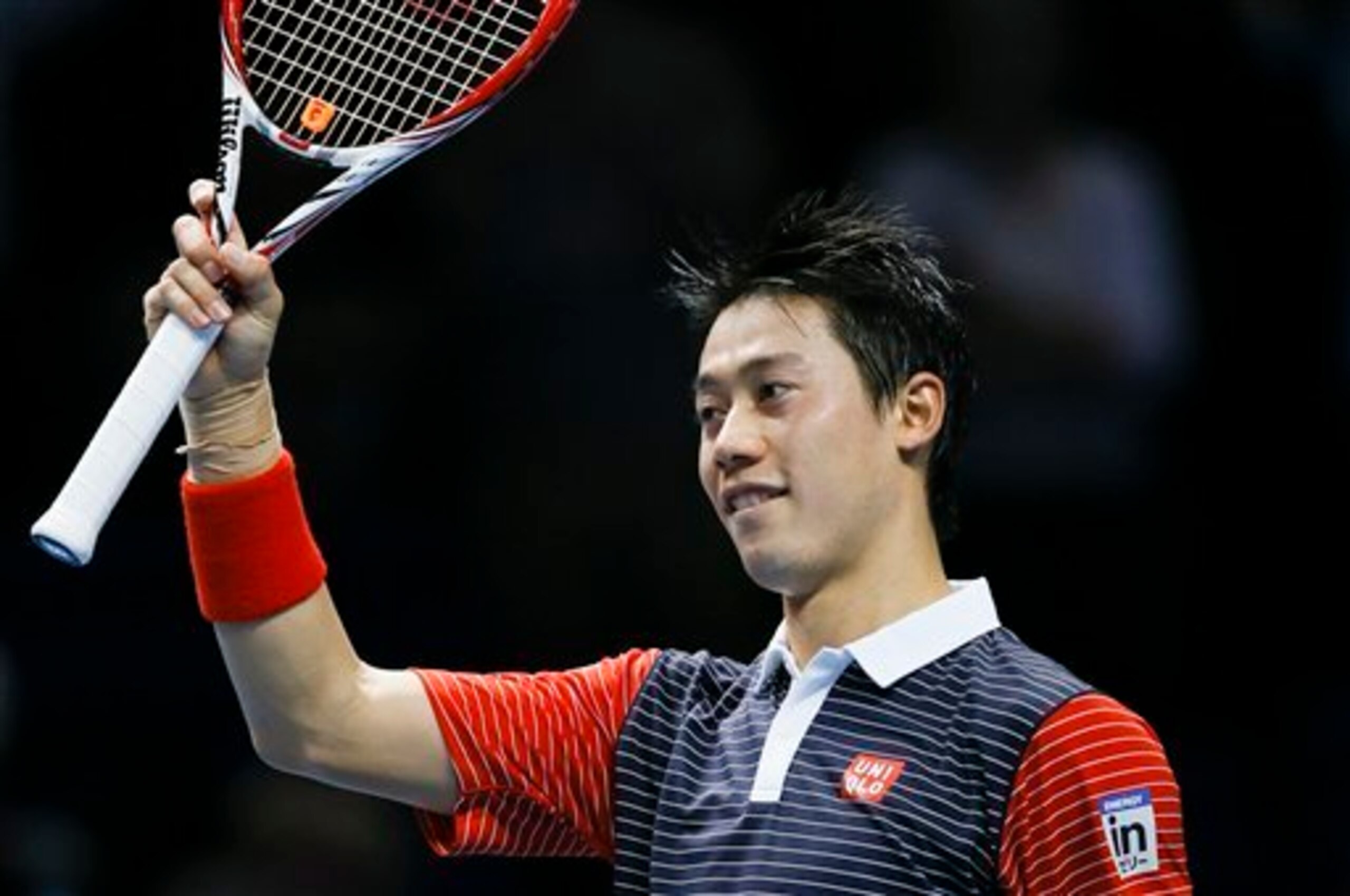
Perhaps no player on tour this year took a bigger leap than Kei Nishikori.
Nishikori finished the year with 54 match wins, and his ranking surged from 17th in the world to fifth.
He won titles in Memphis, Barcelona, Kuala Lumpur and Tokyo, but his breakthrough moment came in New York.
At the U.S. Open, Nishikori notched successive wins over Raonic, Wawrinka and Djokovic to earn a berth in his first Grand Slam final. While Cilic proved too powerful in that match, Nishikori announced himself as a contender.
He also further cemented his reputation as a brittle player.
Nishikori entered the U.S. Open still laboring from a foot injury. As the Associated Press reported (h/t ESPN), he had a cyst removed from his right foot, which forced him to skip Toronto and Cincinnati.
That ailment was not the only one that slowed Nishikori in 2014.
A groin injury forced him to withdraw before his semifinal match against Djokovic in Miami, and he then missed Japan's Davis Cup tilt with the Czech Republic.
In Madrid, Nishikori reached his first Masters Series final. He had Nadal on the ropes in that match, winning the first set 6-2 and holding a break in the second. Nishikori's back suddenly seized up, and he retired from the final in the third set.
Before the French Open, Nishikori tweaked his hip. He gave it a go at Roland Garros, but he lost in the first round to Martin Klizan.
Despite all those injuries, Nishikori still had the best year of his career. His season may have ended with a tough semifinal loss to Djokovic at the World Tour Finals, but his stock continues to rise.
Nishikori will turn 25 on December 29. If he can stay healthy, he has the talent to enjoy a long run in the top 10.
Can Stan Wawrinka Find Consistency?
7 of 10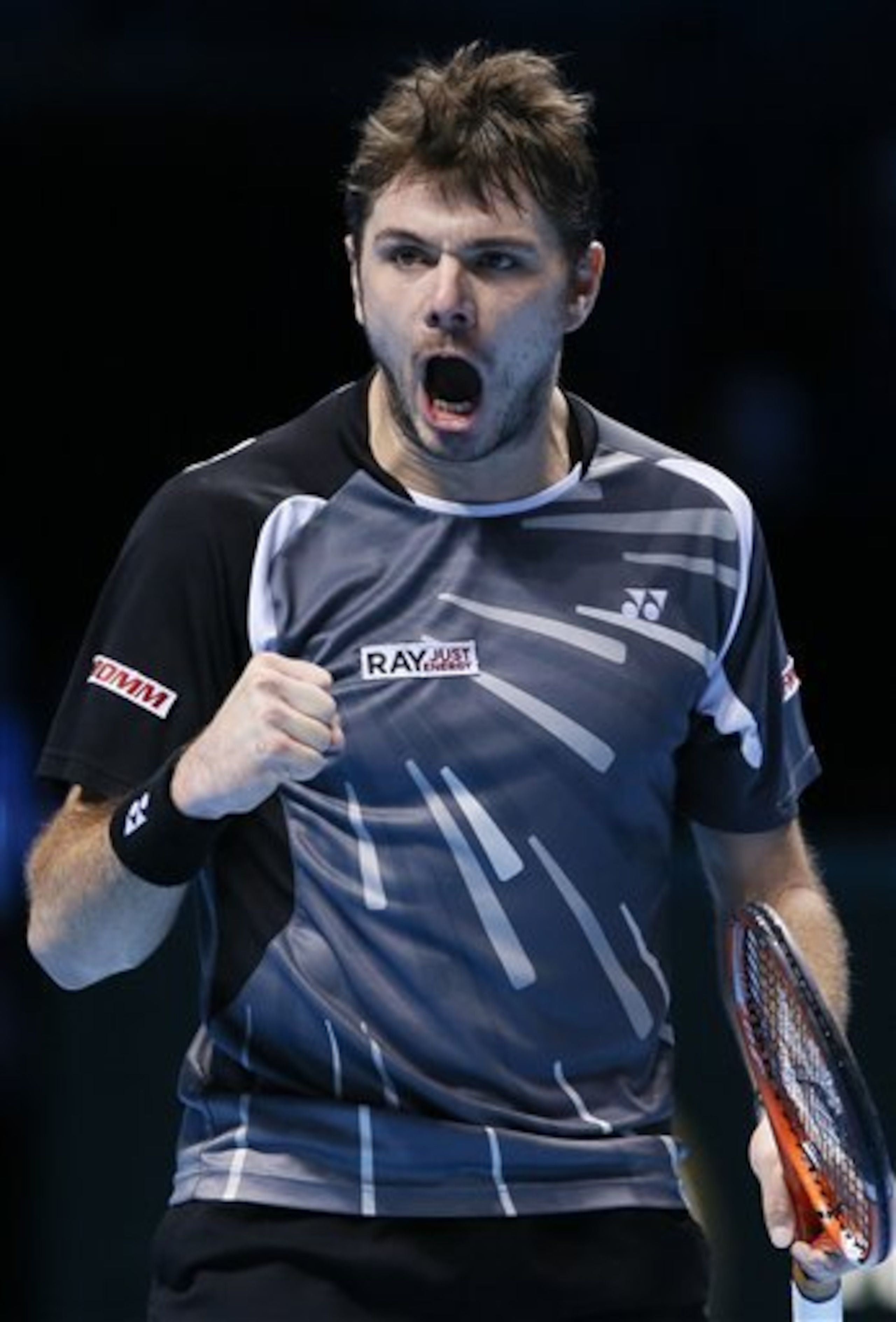
Stan Wawrinka has the firepower off both wings to pulverize any player on tour.
He's also prone to mental lapses and confounding losses.
Will the real Wawrinka please stand up?
At the Australian Open, Wawrinka's masterful backhands and flat forehands carried him to an epic win over Novak Djokovic in the quarterfinals. He followed up that victory with a win over a hobbled Rafael Nadal in the final to lift his first Grand Slam trophy.
Wawrinka produced a stunning display of tennis in Melbourne. He became only the second player since the 2005 Australian Open to win a major and not be named Federer, Nadal, Djokovic or Murray.
He followed up that magical Australian Open run with a victory over Federer in the Monte Carlo final, his first Masters Series title.
At that point, Wawrinka looked capable of winning multiple Grand Slams and breaking the Big Four's stranglehold.
Then the wheels came off.
Wawrinka would make it past the third round at just one of the remaining six Masters Series events (Cincinnati). He also lost in the first round of the French Open and fell in the quarterfinals at both Wimbledon and the U.S. Open.
The confidence which lifted Wawrinka in Melbourne and Monte Carlo disappeared, and his game sputtered.
After beating Federer in Monte Carlo on April 20, Wawrinka wouldn't record another win against a top 10 player until his victory over Marin Cilic at the World Tour Finals. He also lost in his first match at five events.
As the losses piled up, Wawrinka seemed to lose his confidence. He became rattled easily and didn't have the composure to lift his play in tight matches.
In the World Tour Final, Wawrinka showed flashes of the form which carried him to the Australian Open crown. He beat Berdych and Cilic in the group stage and held four match points in the semifinals against Federer. But in that last match, he let the crucial moments pass through his grasp.
The tattoo on Wawrinka's left forearm reads: “Ever tried. Ever failed. No matter. Try again. Fail again. Fail better.”
In 2015, Wawrinka will have to put the failures behind and try again.
Have Health Woes Permanently Slowed Rafael Nadal?
8 of 10
Rafael Nadal often looks invincible on the court. His rippling muscles produce maximum spin and torque on his shots and leave opponents bewildered. But that brutish force has taken its toll on Nadal's body.
Throughout his career, Nadal has battled chronic knee problems. He sat out much of the 2012 season to recover from tendinitis, but he returned in 2013 and enjoyed the best season of his career.
Nadal raced to the final at this year's Australian Open. The man on the other side of the net, Stan Wawrinka, had never been in a major final. The odds were in Nadal's favor. Then his back went out.
Visibly hampered, Nadal struggled to compete in that match, which Wawrinka happily took in four sets.
That loss haunted Nadal in the spring, and he looked more vulnerable than ever on clay. He found his form just in time to capture his ninth French Open title, but then he suffered a shocking loss to teenager Nick Kyrgios in the fourth round of Wimbledon.
After that loss, he hurt his wrist in training and withdrew from Toronto, Cincinnati and the U.S. Open.
Nadal won all three of those events in 2013, and his failure to defend his titles meant he lost all those precious ranking points.
He returned in the fall at Beijing, but looked rusty in a quarterfinals loss to Martin Klizan.
Then illness struck again.
Before the Shanghai Masters, Nadal contracted appendicitis. He tried to play through it, but lost his opening match at the tournament, then fell in the Basel quarterfinals. Nadal then decided to have surgery to remove his appendix, which forced him to miss the Paris Masters and the World Tour Finals.
During his recovery, he also underwent a stem cell treatment on his back. Sports Illustrated suggested the back injury Nadal suffered in Australia had yet to fully heal, prompting this additional procedure.
Knee problems will always be in the back of Nadal's mind. In 2014, the rest of his body started to break down. It's a troubling sign for Nadal, who will turn 29 in the spring.
As Nadal nurses his creaky knees and ailments to his back, wrist and appendix, he'll have to prove he can overcome his own body. It's the one opponent he's yet to solve.
Will Roger Federer Recover from His Disappointing London Exit?
9 of 10
Roger Federer sailed through all three of his round-robin matches at the World Tour Finals. He appeared on his way to a shot at yet another year-end crown. Then everything came to a crashing halt.
In the semifinals, Federer gutted out a physical three-set win over Stan Wawrinka, saving four match points along the way. But that match took everything out of him.
The fans at London's O2 Arena anticipated another sublime Federer vs. Djokovic duel in the final. Instead, Federer limped on to a podium and informed the hushed crowd of his withdrawal due to a back injury.
Federer had been adamant in the past about his disdain for walkovers. But he couldn't go in the final against Djokovic, making it the first time since Doha in 2012 and only the second time in the last six years he's walked over.
What's especially troubling is the injury is back-related. Federer has struggled in the past with back spasms and strains, which he says crippled his 2013 season.
Federer often credited his success this year to being pain-free in his back. He once again moved with the elegance and grace which carried him in the past. In London, his health concerns came rushing back.
ESPN's John McEnroe implied there may have been been more to Federer's decision.
The New Daily's Susannah Guthrie elaborated on McEnroe's comments, hinting at a possible post-match feud between Federer and Wawrinka.
Just days before they're set to represent Switzerland against France in the Davis Cup final, the last thing they need is controversy.
There's one glaring hole on Federer's otherwise sterling resume: he's never won the Davis Cup. The return of his back problems and rumors of a feud with his teammate come at the most inopportune time.
Federer plans to travel to France and see how his back responds. If those back problems linger, he'll head into the 2015 season with more questions than answers.
Who Can Stop Novak Djokovic?
10 of 10
Another year, another scorching finish for Novak Djokovic.
While many players sputter to the finish line after the wear and tear of the long season, Djokovic saves his best tennis for last. For the third straight year, he captured the World Tour Finals.
Although Djokovic's victory in London came after Federer's withdrawal before the championship match, he played sizzling tennis at the O2 Arena to cap a dominant season.
Tough losses in the French Open final and the U.S. Open semifinal could have broken Djokovic's spirit, but they didn't.
Djokovic won seven tournaments this year, including his second Wimbledon crown and Masters Series victories at Indian Wells, Miami, Rome and Paris-Bercy.
Even off the court, Djokovic found overwhelming success in 2014, marrying his longtime girlfriend and welcoming his first child along the way.
With his victories in London and Paris, he's overflowing with confidence again. Now, he looks ready to add to his Grand Slam tally.
Djokovic will enter the Australian Open as the clear favorite while Federer and Nadal both nurse injuries. As his rivals heal, Djokovic is poised to continue his run at the top of men's tennis.
.jpg?w=2560 "MHJ's Potential Trade Value 📉")