
Manchester United's 5 Best Midfielders of the Sir Alex Ferguson Era
Despite spending big this summer under new manager Louis van Gaal, Manchester United's new look squad has failed to find the cohesion they would have wished for. Despite being the main area addressed, the midfield remains a cause for concern having failed to yet produce some of phenomenal leaders reminiscent of Sir Alex Ferguson's time at the club.
Having enjoyed sustained success throughout Ferguson's 27-year tenure at Old Trafford, United, first under David Moyes and now under Louis van Gaal, have failed to replicate anywhere near the same high standards or attacking prowess.
United spent close to £150 million this summer as Louis van Gaal sought to rebuild a squad ripped apart after a largely disappointing campaign last year, which saw the side finish seventh. The vast sums were spent on midfielders Angel Di Maria, Ander Herrera and Daley Blind, but it would seem that more reinforcements are needed to bolster the centre of the park.
Ferguson scarcely found himself lacking in talent or the right player in that area during his time at the club, and he continued to reinvent the side and led them to almost every trophy imaginable.
With November marking the 28th anniversary of the Scot taking the helm at Old Trafford, we take a look at the five best midfielders of the Sir Alex Ferguson era (those hoping to see Kleberson and Eric Djemba-Djemba, look away now).
Honourable Mentions
1 of 6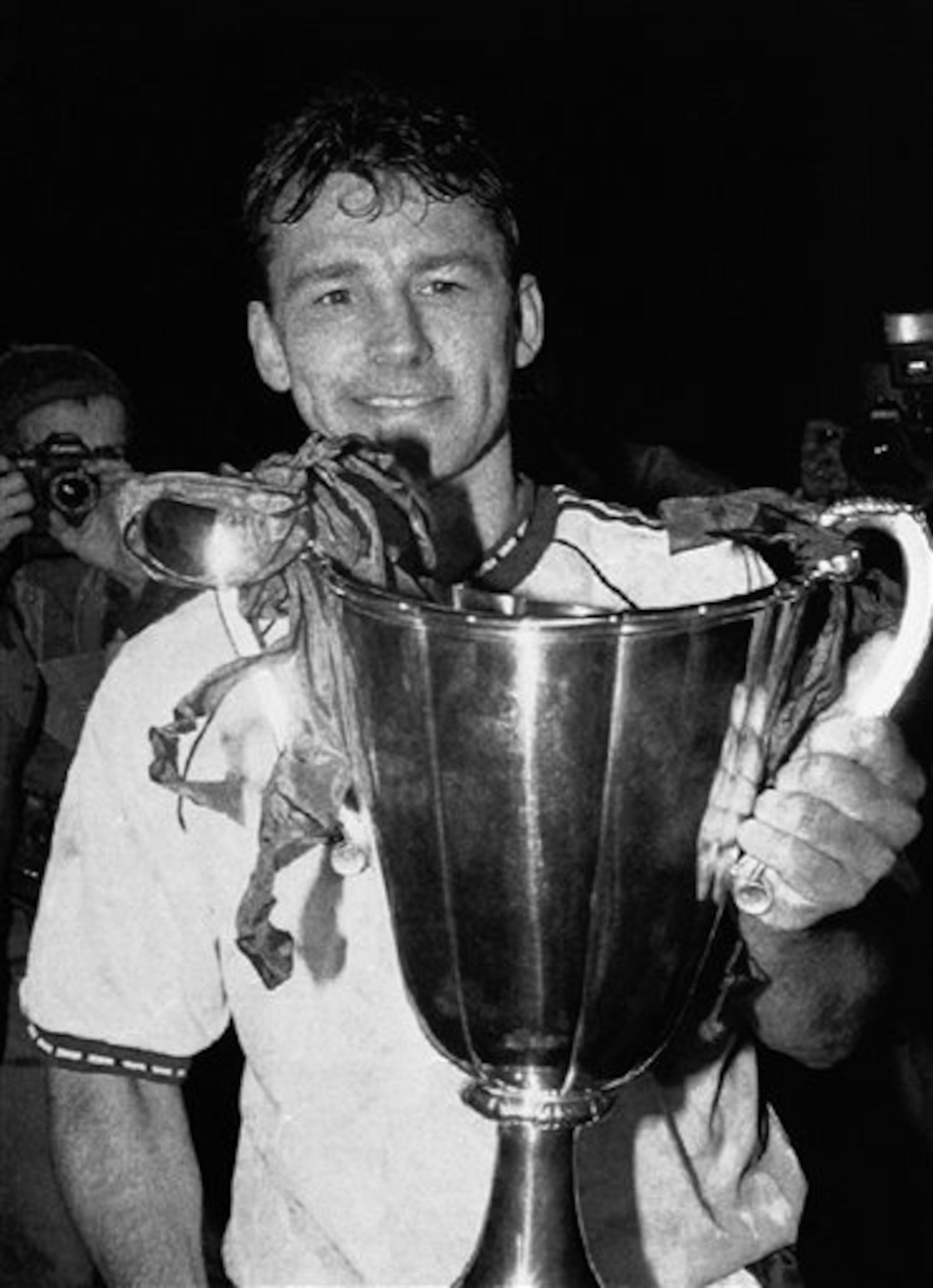
Bryan Robson
Captain Marvel was signed in 1981—five years before Ferguson arrived—by Ron Atkinson, who brought Bryan Robson and team-mate Remi Moses with him following his switch from the Hawthorns hot seat to Old Trafford that summer.
Under Ferguson, Robson captained the side to the 1990 FA Cup and 1991 Cup Winners' Cup before injury reduced his playing time, forcing him to share leadership responsibilities with Steve Bruce as United clinched their first league title for 26 years in 1993. Robson left the club after United's double success in 1994, joining Middlesbrough in a player-manager capacity.
Paul Ince
Paul Ince arrived at Old Trafford as a 21-year-old in 1989 after bursting onto the scene at West Ham. The midfielder slotted effortlessly into the centre of the park at Old Trafford and partnered Bryan Robson as United claimed Cup Winners' Cup success in 1991.
The arrival of Roy Keane allowed Ince more licence to get forward, and he subsequently enjoyed perhaps his best season for United, scoring nine times as Fergie's men claimed a league and cup double in 1994. Surprisingly, Ince was sold to Inter Milan a year later to make way for Class of '92 graduate Nicky Butt.
Nicky Butt
Another member of Fergie's Fledglings, Nicky Butt was the next after Ryan Giggs to make his presence felt in the first-team squad. The combative midfielder found himself as first choice following the sale of Paul Ince and enjoyed early success during the double-winning season of 1995/96.
Appearances became limited in the first team for Butt after Paul Scholes' emergence as a central midfielder, yet he remained a key member of the squad. Suspensions to both Paul Scholes and Roy Keane ensured Butt's place in history, for he performed admirably in their absence during United's 2-1 Champions League final victory over Bayern Munich in 1999.
Butt's work rate and determination made him a real fans' favourite at United, and it was with a heavy heart that the Old Trafford faithful said goodbye to the midfielder in the summer of 2004, with Newcastle willing to guarantee the Gorton man more first-team action.
5. David Beckham
2 of 6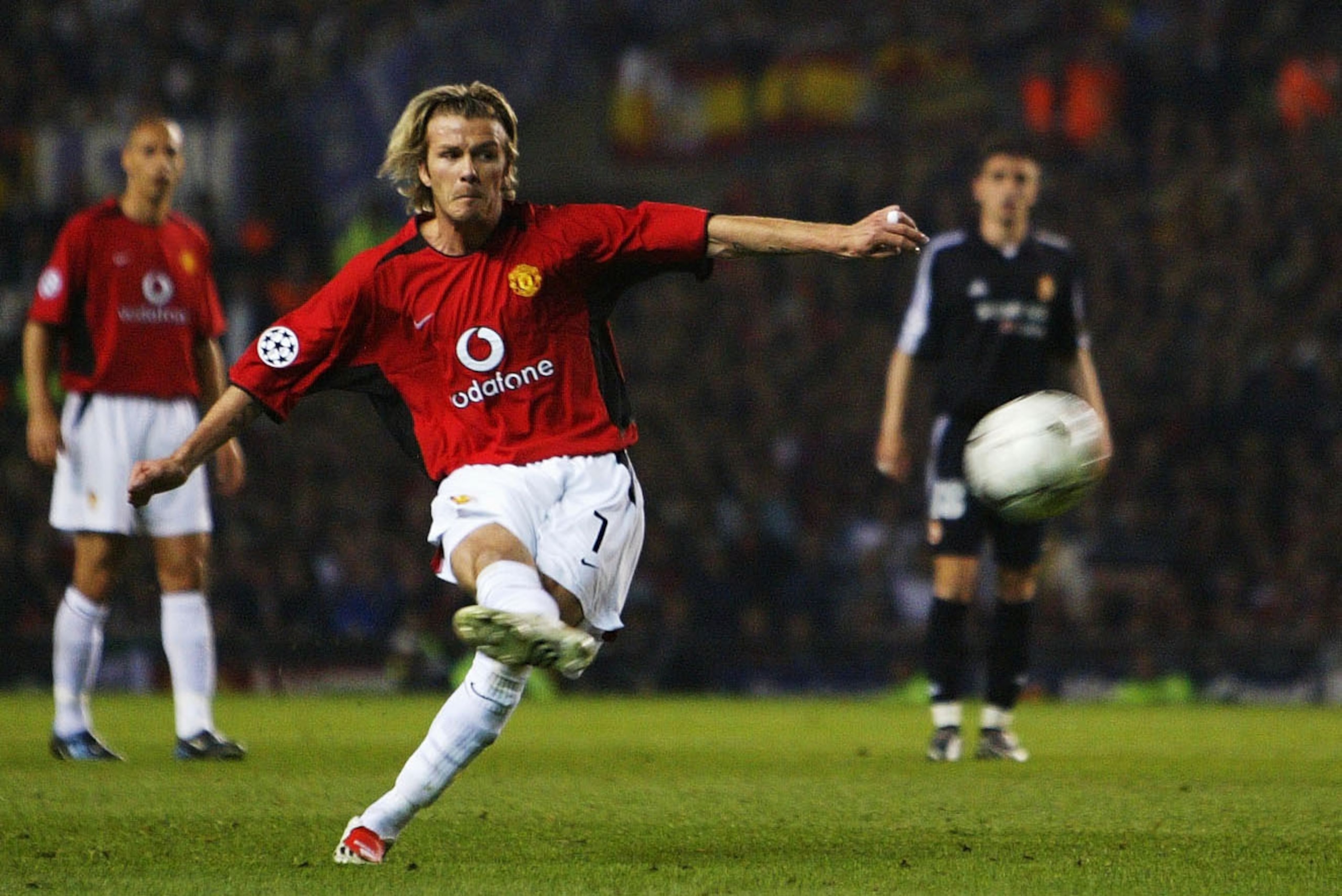
Though David Beckham perhaps won't be remembered as fondly at Old Trafford as fellow Class of '92 graduates Ryan Giggs and Paul Scholes, Becks never struggled to make a name for himself on or off the pitch.
His big chance came at the beginning of the 1995/96 season, when a dramatic overhaul by Sir Alex Ferguson saw Mark Hughes, Paul Ince and Andrei Kanchelskis head for the exit door, giving Beckham the opportunity to make the wide-right role his own.
Beckham took the coveted number seven shirt at Old Trafford following the retirement of Eric Cantona in 1997 and made himself an integral part of the Manchester United side thereafter. By the time he left the club, he had made 394 appearances for the club.
While not graced with the same pace or trickery as the likes of Giggs, Cristiano Ronaldo and Kanchelskis, Beckham was blessed with an unrivaled ability to strike a ball. Be it from open play or a dead-ball situation, Becks' pinpoint accuracy made him vital to the side. He pitched in with plenty of long-range strikes and free-kicks, while acting as a striker's dream with vital assists.
These were never more evident than in United's treble-winning campaign of 1998/99. Beckham racked up 24 assists that season—not to forget the two corners he supplied that led to both of United's dramatic late goals in the Champions League final—as well as chipping in with vital strikes against Arsenal in the FA Cup semi-final replay and Tottenham in the Premier League's nail-biting finale.
Like many other big names who would don the famous red shirt during Ferguson's 27 years in charge, Beckham left Old Trafford under a cloud in the summer of 2003 after a bust-up with the manager. The midfielder scored a trademark free-kick against Everton on his final United appearance, while picking up his fifth Premier League winners' medal before departing for Real Madrid.
4. Cristiano Ronaldo
3 of 6
It may be somewhat surprising to see Cristiano Ronaldo so far from the top of the list, and were I analysing based on the most talented players of the Sir Alex Ferguson era, his place at the top would be almost assured.
Ronaldo first came to most United supporters' attention after a pre-season friendly match, during which the then 18-year-old ran rings around the Red's back line. The story goes that United players convinced their manager to sign the winger as a result. He was promptly snapped up and handed the number seven shirt vacated that summer by David Beckham.
The Portuguese took little time in establishing himself as a key figure in Fergie's side, with his ability to play on either flank a particular asset, given Giggs' advancing years. He received an FA Cup winners' medal in his first season at Old Trafford, scoring in United's 3-0 victory over Millwall in the final, but he would have to wait another three years before collecting the first of three Premier League titles.
The 2006 World Cup quarter-final saw him go to battle with club team-mate Wayne Rooney, a game in which Ronaldo actively encouraged the sending off of the England man. Despite worries about how the pair's relationship would continue going forward, Sir Alex was able get the best football yet out of the duo, who became the focal point of his side.
His goalscoring prowess began to shine through that season, during which he notched 23 goals and picked up both the PFA Player and Young Player of the Year awards—the first player to do so since 1977.
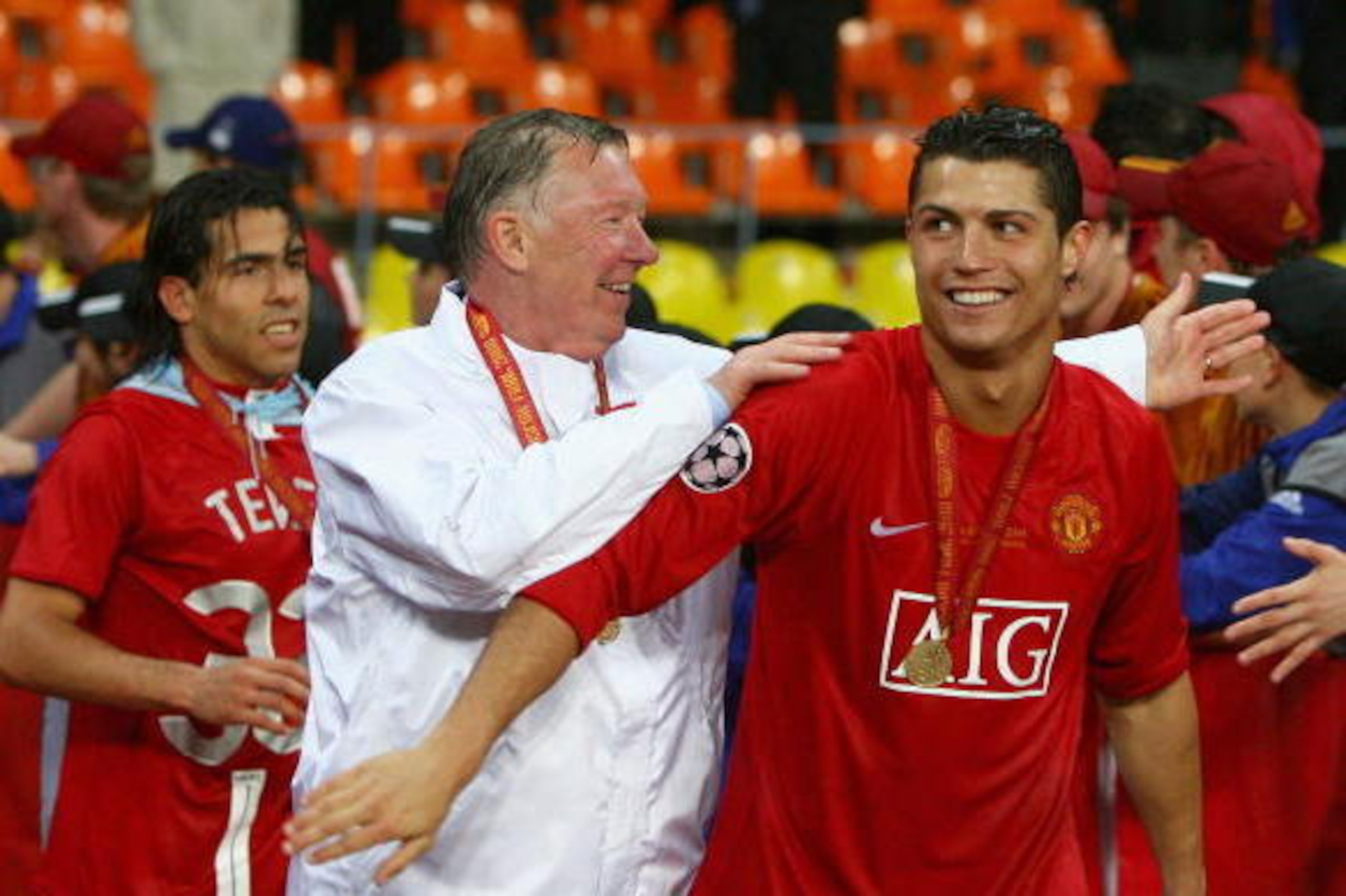
He followed that season up with 42 goals in all competitions the next season, including the opening goal in the 2008 Champions League final against Chelsea. Despite missing a penalty in the ensuing shootout, Ronaldo and United went on to lift the trophy and secure a league and European Cup double for Sir Alex Ferguson.
His extraordinary year saw Ronaldo pick up the Ballon d'Or. Somewhat inevitably, Real Madrid came sniffing. After Sir Alex convinced him to stay for another season, the Portuguese led the club to a second successive Champions League final, making his final appearance for United in a 2-0 defeat to Barcelona in Rome.
Real parted with a record £80 million to prise Ronaldo from Old Trafford in the summer of 2009. Sir Alex was unable to find a truly able replacement.

.jpg?w=2560 "Chargers Mack")
.jpg?w=2560 "Green Bay Steelers Football")
3. Roy Keane
4 of 6
Roy Keane learned his trade in England at Nottingham Forest under the tutelage of the legendary Brian Clough before Ferguson parted with a then-British-record transfer fee to bring the in-demand Irishman to Old Trafford.
The 22-year-old slotted into the side effortlessly alongside Paul Ince and Ferguson, and United went on to claim a league and FA Cup double during Keane's first season at the club.
On the pitch, his influence was clear to see, and it came as no surprise when the Irishman took the captain's armband following the retirement of Eric Cantona in 1997. Injuries often hampered his Old Trafford career, particularly during his first season as skipper, which saw him sidelined for much of the campaign with cruciate ligament troubles.
A born winner, Keane was able to exert influence over those around him and was a driving force during United's treble-winning season of 1998/99. The Champions League semi-final second leg vs. Juventus was a particularly memorable performance from Keane that season.
Despite United going 2-0 down early on and Keane picking up a yellow card that would see him miss the final, the midfielder produced a virtuoso display. His header got his side back into the match and set them on their way to a 3-2 victory and their first European Cup final in 31 years.
Speaking of Keane's performance that night in his 1999 autobiography, Managing My Life, Ferguson heaped overwhelming praise on his captain.
"I didn't think I could have a higher opinion of any footballer than I already had of the Irishman but he rose even further in my estimation at the Stadio Delle Alpi.
It was the most emphatic display of selflessness I have seen on a football field. ... I felt it was an honour to be associated with such a player.
"
Ever the perfectionist, Keane always demanded the most of his team-mates, which would eventually bring a bitter end to his 12-year Old Trafford career. His relationship with Sir Alex broke down after he criticised his fellow players in an MUTV interview, leading to his release from the club midway through the 2004/05 season.
The Irishman made 480 appearances during his distinguished Manchester United career, which saw him collect seven Premier League winners' medals, as well as four FA Cups and a Champions League title.
His drive and tenacity has been lacking from the United midfield since his exit, and the Irishman will go down as one of the all-time greats at Old Trafford.
2. Paul Scholes
5 of 6
Throughout a trophy-laden 22-year career at Old Trafford, Paul Scholes climbed to third on the club's all-time appearance list with 718, all of which came under the guidance of the club's most successful manager.
Another Class of '92 graduate, Scholes began as a centre-forward, enjoying his first sustained taste of first-team action during the 1995/96 double-winning season. The sale of Mark Hughes to Chelsea allowed him to get a more regular taste of first-team action alongside Eric Cantona and Andy Cole up front.
Injury to Roy Keane during the 1997/98 campaign saw Scholes revert to a central-midfield role ,where he would thrive throughout the remainder of his distinguished career. A natural striker's instinct saw Scholes become the perfect goalscoring midfielder.
His eye for goal saw him get forward whenever possible, but the midfielder was also renowned for his ability to strike a ball from distance and regularly scored spectacular goals, most notably against Bradford and Aston Villa, as well the decisive 2008 Champions League semi-final winner over Barcelona.
Like Roy Keane, Scholes missed the 1999 Champions League final with Bayern Munich through suspension, but he played a key role in United's season, particularly during the run-in, during which he scored a vital goal away at Inter and sealed victory with United's second in the 2-0 FA Cup final victory over Newcastle.
He would get his chance again to pick up a Champions League winners' medal nine years later.
Much like a fine wine, the midfielder would improve with age. Toward the latter stages of his career, he found himself playing a much more withdrawn role in the United midfield. An unrivaled ability to see and pick a pass saw Scholes—now nicknamed Sat Nav by his team-mates—become the perfect conductor for Ferguson's side and dictate the pace of games.
Modern day greats, notably Xavi and Zinedine Zidane, often speak of their admiration for the midfielder, who never quite earned the acclaim he deserved either at club or international level. Not that that would affect Scholes too much, with personal accolades and praise significantly lower down on his list of priorities than delivering continued success at United.
After a 10th Premier League title success in 2011, Scholes announced his retirement only for a mixture of missing the game and an injury crisis at Old Trafford seeing the midfielder return the following January—just in time for a 3-2 derby win over Manchester City. He would go on to play for another 16 months before hanging up his boots for good, making his farewell appearance during Sir Alex Ferguson's final game in charge away at West Brom, ensuring one last league title for his manager in the process.
Scholes legacy as one of the most gifted players to pull on the red shirt saw a much distinguished career end with an incredible haul of 11 Premier League titles, two European Cups, three FA Cups, two League Cups and plenty of unforgettable memories for the fans.
1. Ryan Giggs
6 of 6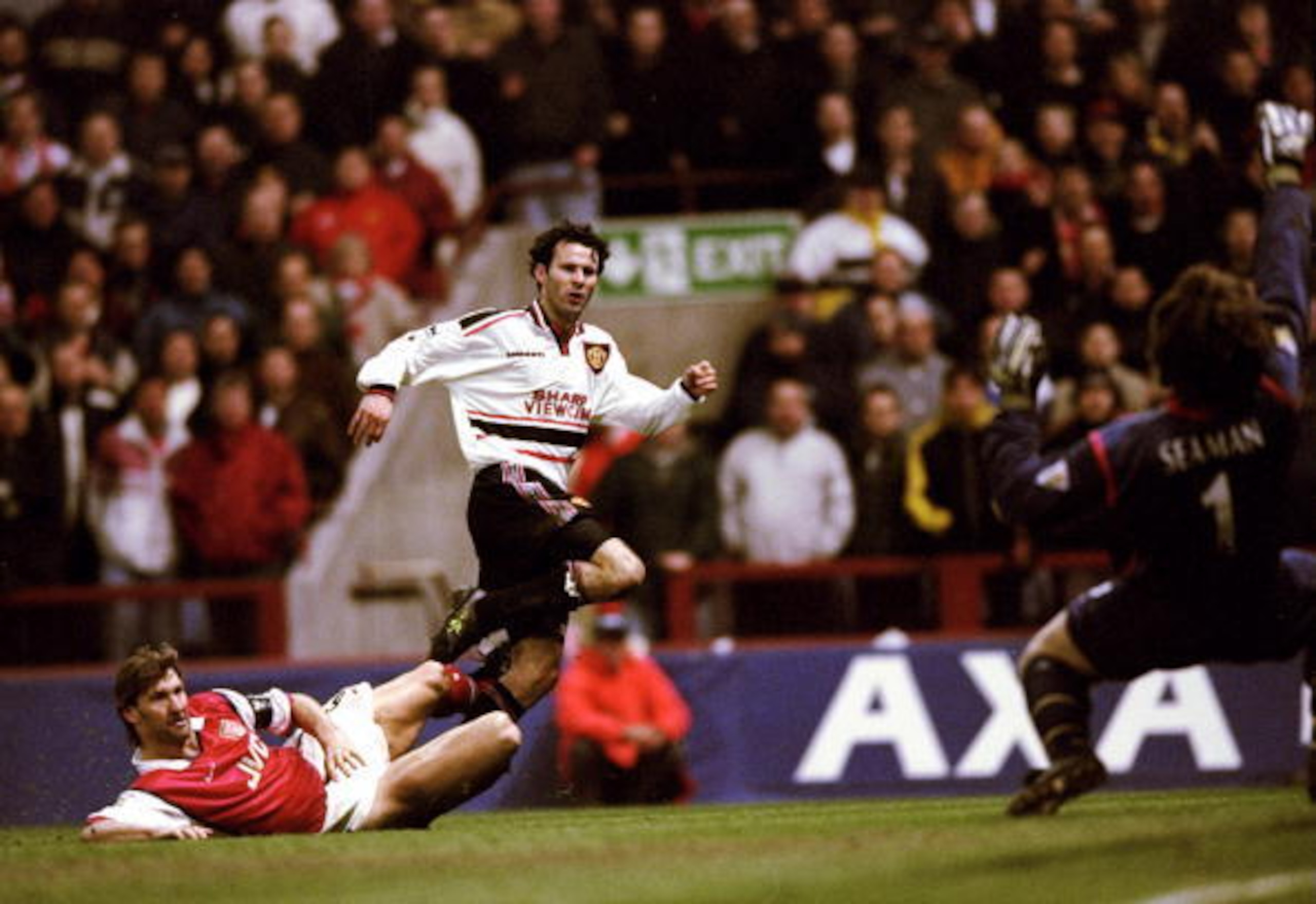
If there is a player who will forever be synonymous with the Sir Alex Ferguson era at Old Trafford, then it is Ryan Giggs. The Welshman's career at Old Trafford would leave any professional envious; Giggs is not only the club's record appearance holder—making more than 200 more appearances than United legend Sir Bobby Charlton—but also the most decorated footballer in English football history.
Giggs epitomised Ferguson's reign at the club, and while the squad was built and rebuilt constantly during that 27-year period, the Welshman's role remained unquestioned from his 1991 debut on.
Ferguson and his staff were well aware of the talent of a young Ryan Wilson—as he was then known—who was initally on the books at archrivals Manchester City. The United manager visited the youngster's house on the morning of his 14th birthday to ensure that it was the red side of Manchester where his future would lie. How different things could have been.
Success followed Giggs throughout his career, and no sooner had he established himself as a fully fledged member of Ferguson's first-team squad than he was picking up his first piece silverware, coming on as a substitute in a 1-0 European Super Cup victory over Red Star Belgrade. From there, the floodgates were well and truly smashed open. The following season, United ended their 26-year wait for domestic glory, as Giggs landed his first of a staggering 13 Premier League winners' medals.
Early in his career, the Welshman was likened to club legend George Best because of his devastating turn of pace, drop of the shoulder and ability to turn full-backs inside out with his mazy darts forward. While Ferguson would see the likes of Kanchelskis, Beckham, Ronaldo and Antonio Valencia—among others—occupy the right flank at Old Trafford during his 26-year stint, left wing gave Ferguson no real headaches once Giggs ousted Lee Sharpe and made the position his own.
The winger was an integral part of Ferguson's double-winning sides in 1994 and 1996 before reaching the pinnacle of his distinguished career in 1999 went United clinched an unprecedented treble. Giggs scored his most famous goal during the treble season—a late winner, courtesy of a trademark jinking run, in United's FA Cup semi-final replay with Arsenal.
Ferguson and Giggs added title after title throughout their years together, fighting off the challenges of Chelsea and Arsenal on the domestic front. It was fitting that Giggs surpassed Sir Bobby Charlton's appearance record during United's 2008 Champions League triumph over Chelsea. Giggs scored United's final penalty in Moscow before Edwin van der Sar's save brought the winger his second European Cup crown.
Despite advancing years seeing Giggs move into a more central role, his importance to the side failed to diminish. In 2009, at the age of 35, he was honoured by his Premier League peers with the prestigious Players' Player of the Year award. He remained a key member of the first-team squad throughout the remainder of Ferguson's tenure, adding plenty of experience to the side that brought a last league title for the pair in 2013.
Giggs' playing career lasted just one more season following Ferguson's retirement, and he acted as a player-coach under David Moyes before taking on board all he had learned from Ferguson as he took the reins as interim manager for the final four games of the 2013/14 season.
United's all-time leading appearance maker—with 963 appearances—enjoyed a trophy-laden playing career at Old Trafford that is unlikely to ever be matched. The most decorated player in English football history boasts a phenomenal haul of 13 Premier League titles, two European Cups, four FA Cups, three League Cups, nine Community Shields, one UEFA Super Cup, one Intercontinental Cup and one FIFA Club World Cup, as well as countless individual gongs.
Both Giggs and Ferguson made up the perfect footballing marriage. When remembering Ferguson's time at United, Giggs' will undoubtedly be the first player to spring to mind.
.jpg?w=2560 "Top NFL Trade Targets")