

Barcelona Right Not to Sign Toni Kroos Despite Johan Cruyff Comments
Dutch legend and former Barcelona player and manager Johan has expressed his disbelief that new Real Madrid midfielder Toni Kroos ended up playing for the Catalan club’s great rivals, having wanted to play in the blue and red of Barcelona.
Cruyff stated his opinion that, per Marca, Kroos "admired" and was actively open to joining last season’s La Liga runners-up, only for the former Bayern Munich playmaker to join the European champions instead for around €30 million.
While Kroos would have been a major addition to the Barcelona team, the decisions over the summer in the transfer market that the club did make all remain sound investments and, especially with the addition of Ivan Rakitic, it is easy to see why the Blaugrana opted out of any deal for Kroos.
Kroos on the Ball
Real Madrid might have lost Xabi Alonso, but in Kroos they have a younger midfielder and a World Cup winner who is in the top bracket of players in world football, who can dominate and dictate a game with his immense technique and reliability.
Kroos regularly completes in the upper-90s of his passes, percentage-wise; indeed his overall success rate for the season stands at 95 percent, per WhoScored.com.
The same site gives further indications of Kroos' skill on the ball: less than one bad control per game, almost two chances created each match on average and, showing the defensive side of his game he has to display in a two-man Real Madrid midfield, 2.5 tackles in each league game.
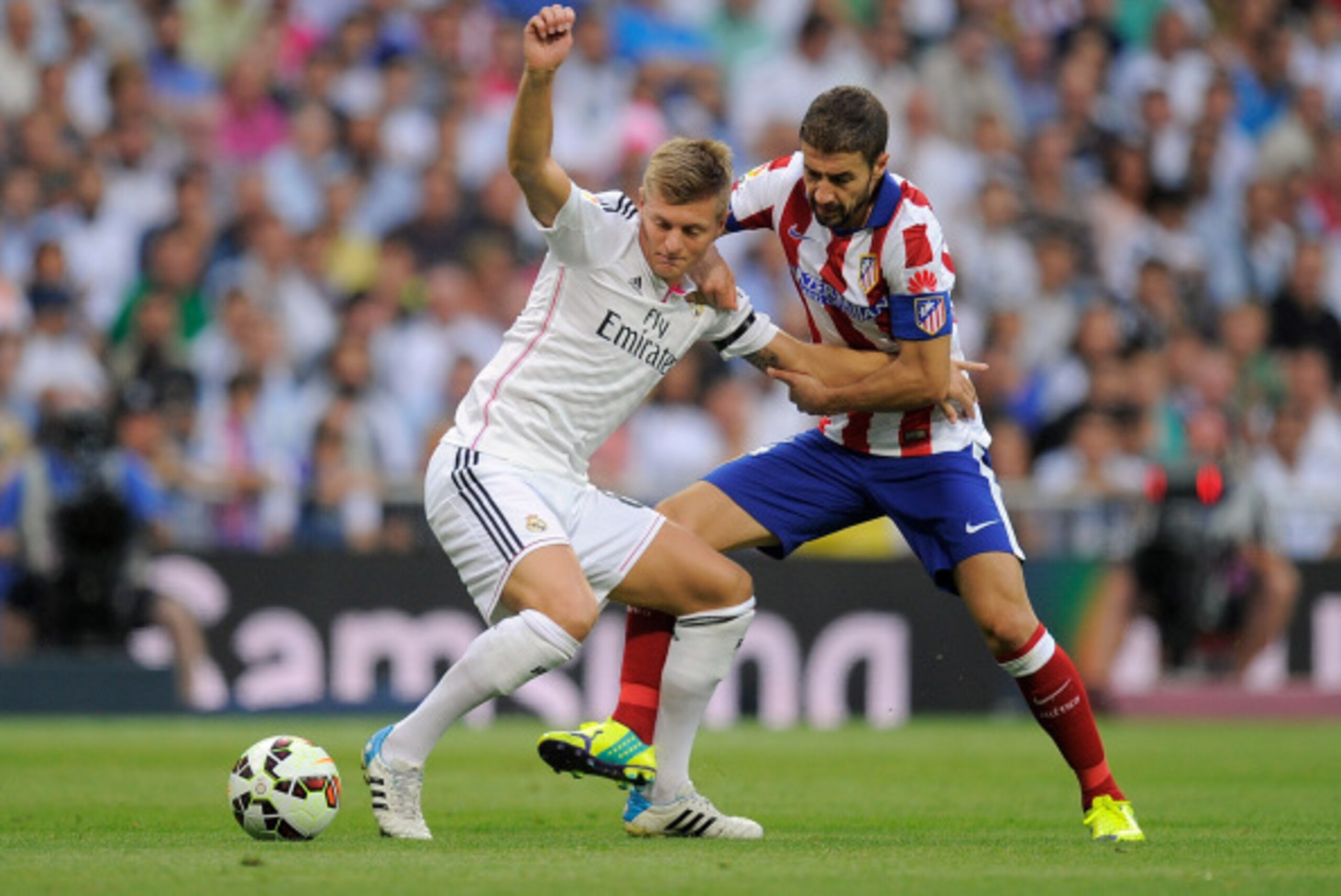
His set-piece delivery is consistently dangerous, his vision and speed of execution are vital to the team's fast build-up play and he isn't afraid to shoot from distance.
One of Germany's big players in Brazil 2014 from an attacking midfield role, he has this season been used in a more orthodox central position for both club and country; a tactical decision for the former and due to injuries and retirements for the latter.
Barça’s Midfield Triumvirate
In a summer of changes in the Barcelona playing staff, it was pretty clear all along that one thing that wouldn't change was the way the team plays: a base 4-3-3 system, a possession-oriented style of play and a midfield that dominates opponents by passing and pressing.
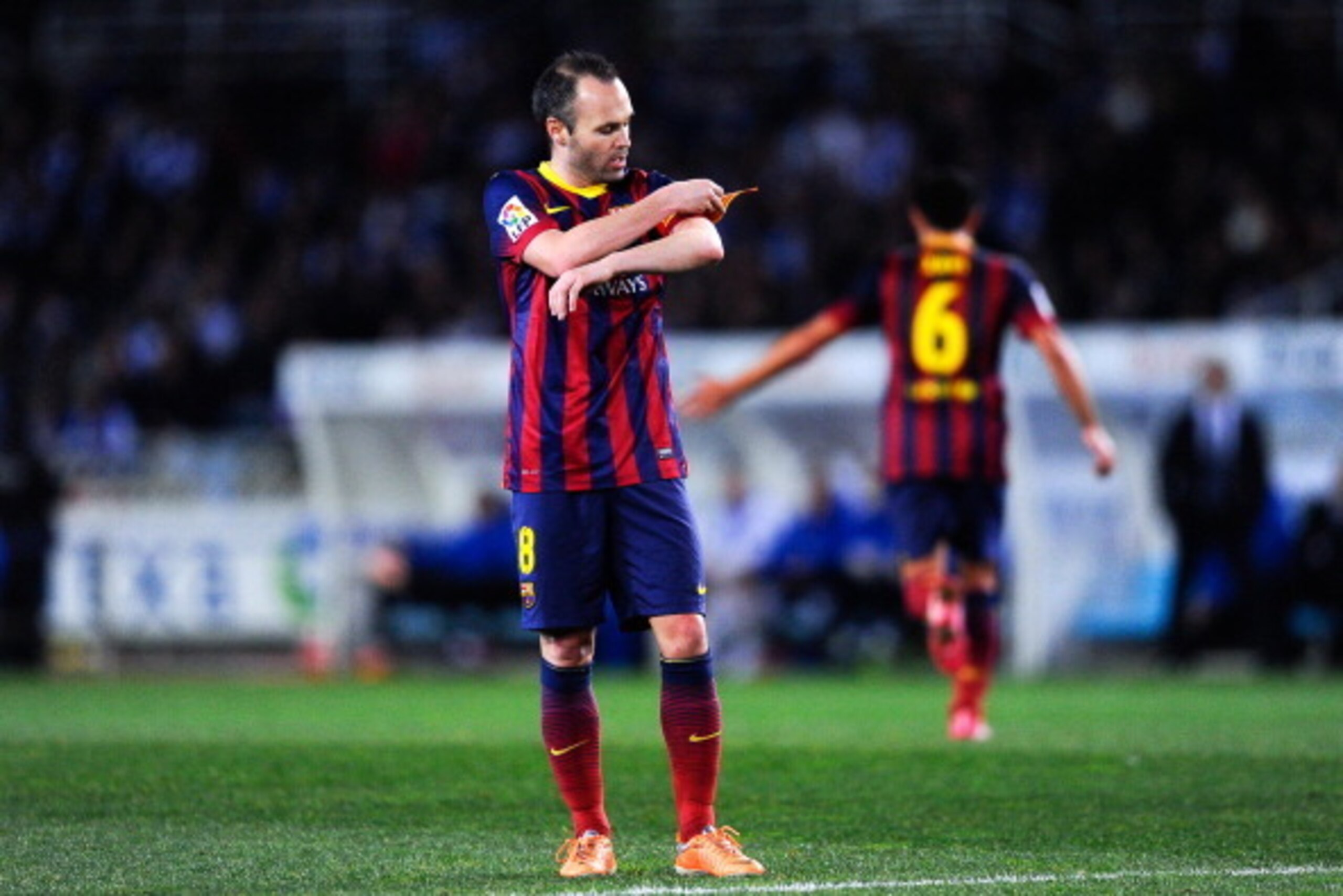
The troika of Sergio Busquets, Andres Iniesta and Xavi, which had for so long endured at the heart of the team, seeing off challenges for places from the likes of Alex Song, Javier Mascherano, Cesc Fabregas and others, needed to be at least in part replenished.
Technically, there are few who can live with them, but none contributed hugely in terms of goalscoring, they were all of a similar style and stature and played their game by affecting play from deep or from outside the penalty area. A more unpredictable option was required, rather than a player like Kroos who, while excellent, also prefers to do most of his work from a central position about 30 yards from goal.
Barcelona opted, then, to take inspiration from within La Liga, a player who had shown his quality against both themselves and Real Madrid in 2013-14, Ivan Rakitic.
Why Rakitic was Right
A quick look back at 2013-14 indicates why Rakitic was a great signing for Barcelona to target.
"Rakitic: "You can show your potential if you feel happy and at home, and I have felt that way since my first day at Barcelona." [uefa]
— barcastuff (@barcastuff) October 28, 2014"
"Best Attacking Midfielder: Andres Iniesta (Barcelona), Ivan Rakitic (Sevilla, now Barcelona) and Koke (Atleti)
— AS English (@English_AS) October 27, 2014"
Most often playing as a No. 10 but also from the left flank on occasion, the Croatian used space and his attacking instincts to surge forward at every opportunity, utilising his own great technique to supply through passes to the likes of Carlos Bacca in attack—but also, crucially, following up play inside the area.
Barcelona might possess some of the best attacking talents on the planet, but defenders know this and play accordingly; they drop deep, stay compact and force those forwards out of the penalty area to seek space and time on the ball, where they cannot (as often, anyway) hurt the opposition.
Rakitic is the kind of attacking midfielder who utilises this movement to his advantage, racing into the penalty area to get on the end of lengthy build-up play or crosses, or to follow up saved or blocked shots.

He hit 15 goals last season for Sevilla and already has two this term for his new club, simply as a result of his willingness to attack the far post as an extra, often unmarked, forward presence.
Meanwhile, he lacks for nothing in technique and perfectly balances out the central areas alongside Andres Iniesta, the two swapping passes early in the season and feeding the front men,§ looking as though they had been partners in the team for years, not weeks.
His energy levels are also an upgrade on an ageing Xavi Hernandez; while the Spaniard still has enough to offer the team, he is no longer able to repeatedly press and counter, game after game.
Rakitic brings this and more to the midfield, giving it not only a fine balance when in possession, but another dynamic for the defensive side of play.
Just a couple of months into the new season and already plenty of summer signings around the game are being questioned—or in the case of Cruyff, the reasons for non-signings are—but Rakitic shouldn't be one of them, and he will undoubtedly go on to play a crucial role in any success Barcelona have this season.


.jpg?w=2560 "Myles Garrett Got Warning 👀")
.jpg?w=2560 "Every Team's Biggest Surprise So Far 😲")