
Overpaid or Not: The NBA Class of 2011 Extension Edition
Yesterday, some NBA players from the draft class of 2011 went trick-or-treating for some big extensions.
Unlike the seasons before, quite a number of players received their sugar-high paydays this year, with a total of nine extensions reached. Not everyone was a winner, however, and some came home with their candy bags empty, such as Kawhi Leonard (San Antonio Spurs) and Jimmy Butler (Chicago Bulls).
Below are the players of the class of 2011 who received extensions:
TOP NEWS
Jaylen Brown Calls Out Tatum 🧢
LeBron on President Trump's Criticism
Knicks Staff Didn't Get Rings 🤔
Player (Team) | Extension | Annual Avg. |
Kyrie Irving (Cleveland) | 5 years, $90 million (max) | $18 million |
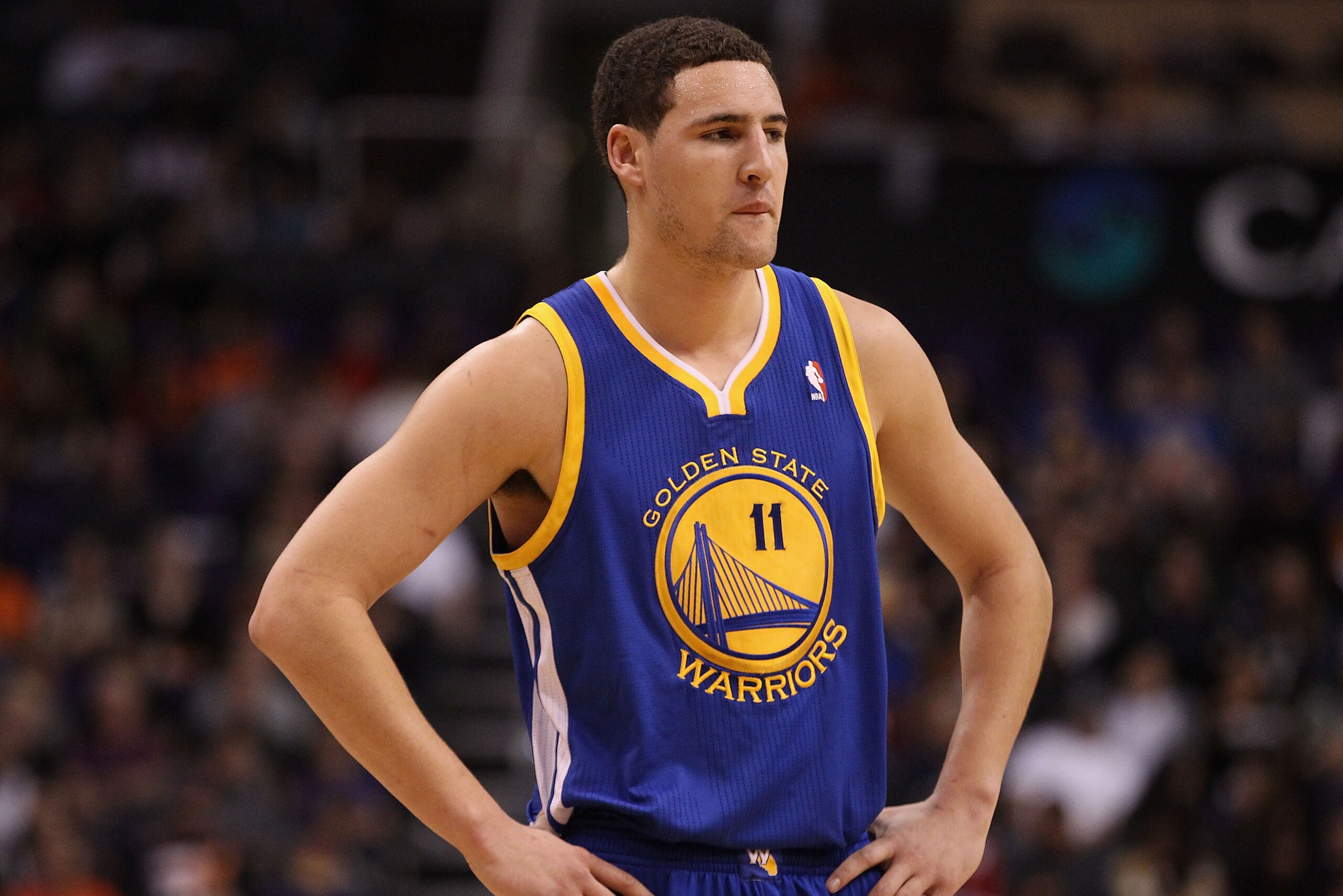
Klay Thompson (Golden State) | 4 years, $70 million (max) | $17.5 million |
Ricky Rubio (Minnesota) | 4 years, $56 million | $14 million |
Nikola Vucevic (Orlando) | 4 years, $54 million | $13.5 million |
Kenneth Faried (Denver) | 4 years, $50 million | $12.5 million |
Kemba Walker (Charlotte) | 4 years, $48 million | $12 million |
Alec Burks (Utah) | 4 years, $42 million | $10.5 million |
Markieff Morris (Phoenix) | 4 years, $32 million | $8 million |
Marcus Morris (Phoenix) | 4 years, $20 million | $5 million |
Yet rather than celebrate the fact that these players are now locked back in with their teams for many more years, some fans and members of the media have shown uneasiness at the sight of these large contracts. Whispers of the dreaded “overpay” are already in full effect.
Are these labels justified? To see, let’s compare these contracts to a recent extension class.
Class of 2011 vs. Class of 2009 Extensions
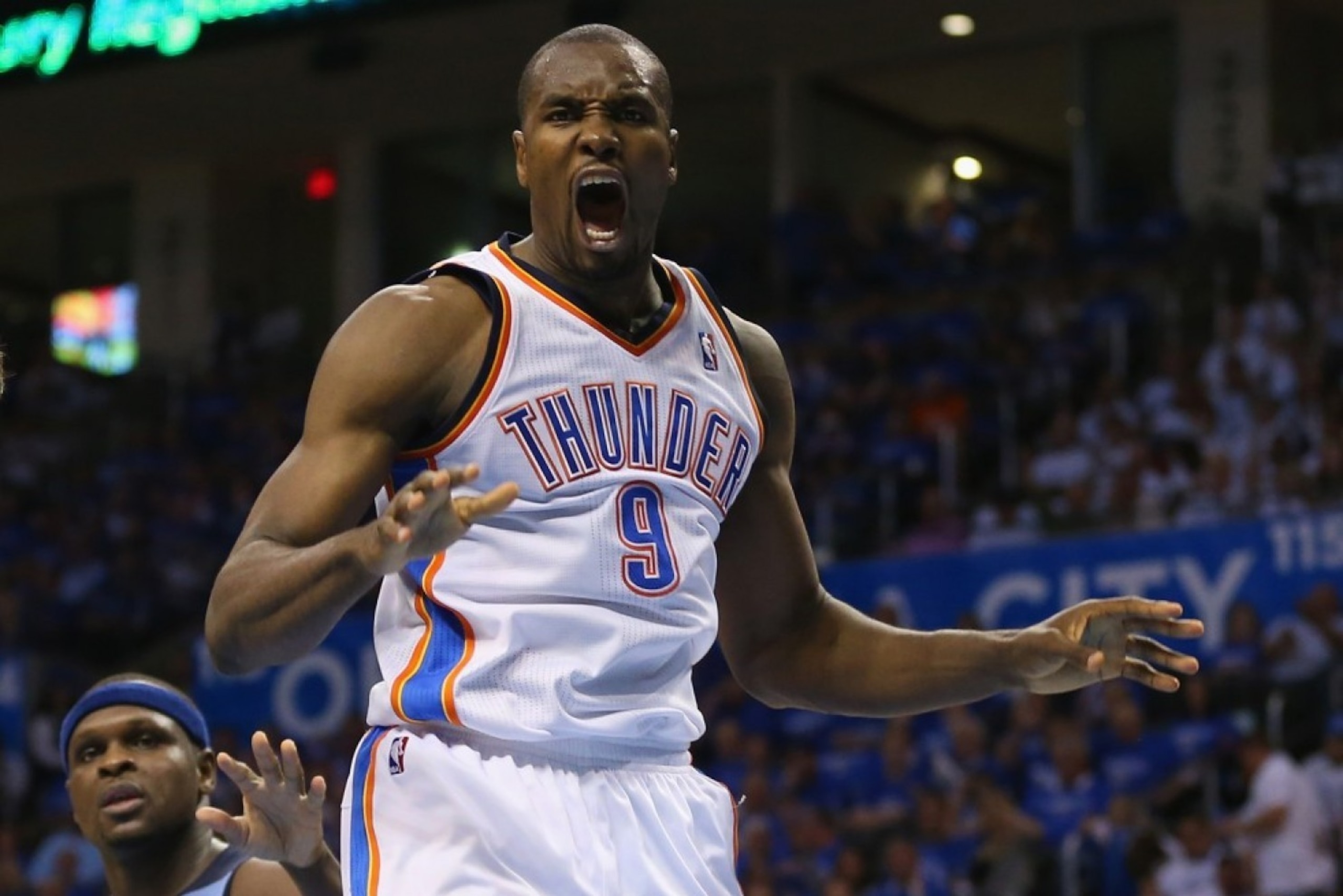
At first glance, it does seem like these players may have been overpaid. This is especially true if you compare the raw numbers to some notable bargain extensions from the draft class of 2009:
Player (Team at time) | Extension | Annual Avg. |
Serge Ibaka (Oklahoma City) | 4 years, $49 million | $12.25 million |
Ty Lawson (Denver) | 4 years, $48 million | $12 million |
Stephen Curry (Golden State) | 4 years, $44 million | $11 million |
Jrue Holiday (Philadelphia) | 4 years, $41 million | $10.25 million |
DeMar DeRozan (Toronto) | 4 years, $38 million | $9.5 million |
It’s tough to dispute that these guys are now players of an all-star caliber. But such a direct comparison ignores the purpose of extensions: to bet that a player’s upside, rather than his current level of play, will be worth the contract. Once upon a time (two years ago), the stars of the class of 2009 were just as unproven as players from the class of 2011.
Here’s some context: Many believed Serge Ibaka’s deal was at a discount in hopes of giving the Oklahoma City Thunder some room to re-sign James Harden at the time.
Some writers viewed Ty Lawson’s extension to be a bit higher than expected.
Stephen Curry’s contract carried a huge risk because of his shaky ankle history.
Upon signing, DeMar DeRozan and his deal were tied to the “overpaid” label all the way until last season, when he finally silenced his critics.
Jrue Holiday's extension was the only one that seemed pretty fair for both parties.
And this was all before they made huge steps to expand their game. Nobody thought they were all-stars at the time they signed their extensions, but they’ve worked hard and improved. Who’s to say that the same can’t happen to the players of the class of 2011?
Considering the New Salary Cap

At this point, you may start financially comparing the contracts and be shocked. Surely Kemba Walker can’t be worth the same as Ty Lawson?
The answer is that technically, they aren’t.
Contracts aren’t based on raw numbers but instead are based on their size compared to the salary cap. With the new TV deal kicking in in 2017 worth $2.7 billion per year, which is almost triple the previous one, the salary cap can increase from $63 million in 2015 to $80 million in 2017 to somewhere between $90 million and $100 million in 2026, according to Grantland’s Zach Lowe.
Teams have realized this, which is why they have hurried to lock up their players.
At the time of the class of 2009 extensions, however, there were no expectations of a much higher salary cap. So, if you compare the annual average to the average expected salary cap of the years that the extension takes place, this is how the new extensions compare with the “bargain” extensions from the class of 2009:
Player | Class | Percentage of Salary Cap |
Kyrie Irving | 2011 | 22.69% |
Klay Thompson | 2011 | 22.46% |
Ty Lawson | 2009 | 17.89% |
Ricky Rubio | 2011 | 17.65% |
Nikola Vucevic | 2011 | 17.33% |
Stephen Curry | 2009 | 16.40% |
Kenneth Faried | 2011 | 16.05% |
Kemba Walker | 2011 | 15.40% |
Jrue Holiday | 2009 | 15.28% |
DeMar DeRozan | 2009 | 14.17% |
Alec Burks | 2011 | 13.48% |
Markieff Morris | 2011 | 10.27% |
Marcus Morris | 2011 | 6.42% |
No matter how you look at it, none of the recent extensions seem way out of line. It’s certainly in the realm of possibility that Kemba Walker can eventually match the production of Jrue Holiday or that Alec Burks can develop into his athletic build much like DeMar DeRozan did.
Are the recent extensions overpays? Compared to previous extensions, it doesn’t look like they are.
The Bottom Line

Will the players of the class of 2011 live up to their new contracts? Maybe, maybe not. But much like the extensions that came before, only time will tell. Let’s give them another couple of years before we decide to make judgments.
DeMar DeRozan certainly wouldn’t have minded.