What Do the Changes at the Top Mean for Formula 1's McLaren?
For the best part of the last two decades, McLaren have been Formula One's serious team.
There's none of the style and occasionally chaotic flair of Ferrari, the beloved independence of Williams, the joviality and irreverence of Lotus or the somewhat entertaining management style which has been a feature of Mercedes since Ross Brawn departed.
They have their moments, but for much of the time the team are, well, a little bit boring. A grey man in a grey suit, grey tie and grey socks.

.jpg?w=2560 "NFL Paris Football")
.jpg?w=2560 "Seahawks Chiefs Football")
A man who might remove his jacket to supervise a team-building exercise, but who'll be back inside it, frowning disapprovingly, as soon as someone's marshmallow and straw bridge collapses.
That's because McLaren, while being first and foremost a racing team, are also a business—and they like us to know that.
But over the last year or two, McLaren have generated far more discussion than a team with their results would usually warrant.
Excitement and anticipation has surrounded the often dull Woking outfit—change is in the air.
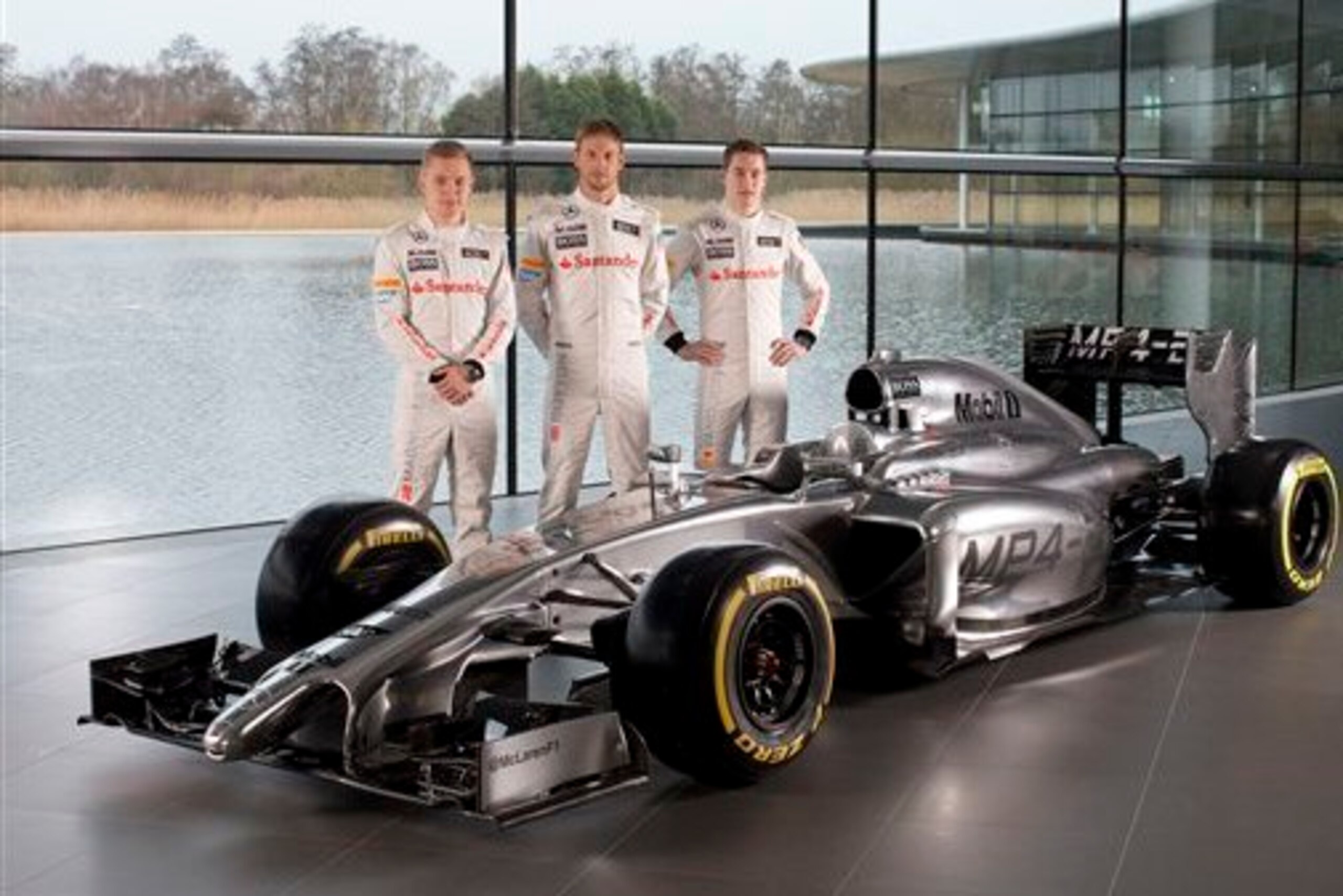
When Lewis Hamilton walked out on McLaren to join Mercedes at the end of 2012, the team were left without a truly top-level driver for the first time since the mid-1990s.
The rising Silver Arrows were also doing damage on the engineering side. Mercedes' return as a constructor in their own right led to them selling their 40 percent McLaren shareholding.
After years as the primary focus of Mercedes' engine department, McLaren had been relegated to the lowly ranks of the customer teams. From 2013 onward, they'd be paying for their power plants.
But even in the face of this apparent adversity, few expected McLaren to stage such a dramatic and sudden exit from the front of the field.
The 2013 season was their worst for more than three decades, and the first time McLaren had failed to score at least one podium since 1980.
Changes were needed, and they kicked off—publicly at least—in the first three months of last year.

BBC Sport revealed in March 2013 that McLaren's historic partnership with Honda would be renewed from the start of 2015. Official confirmation came two months later, with both parties enthusiastic about their future together.
It's likely the deal had been under discussion for some time prior to the announcement, and its significance can't be understated—especially under the current engine regulations.
Speaking to Sky Sports during the Japanese Grand Prix weekend, McLaren CEO Ron Dennis said:
"Everybody started with the same engine and as we’ve moved forward I don’t think the mechanicals have changed that much, I think most of the other teams other than Mercedes-Benz are one step behind always
But it’s really not having access to the source code that allows you to both harness and harvest the energy-recovery systems and that’s crucial for getting a well-balanced car.
At the end of the day they’re there to win but no grand prix team is going to win a World Championship in the future unless it is the dominant recipient of an engine manufacturer’s efforts.
"
A new era was on the horizon at Woking, but it didn't make a difference to their on-track performance in 2013. The woeful MP4-28 was to be the final car whose life was overseen by long-serving McLaren man Martin Whitmarsh.
It was also the only McLaren, to date, driven by Sergio Perez.
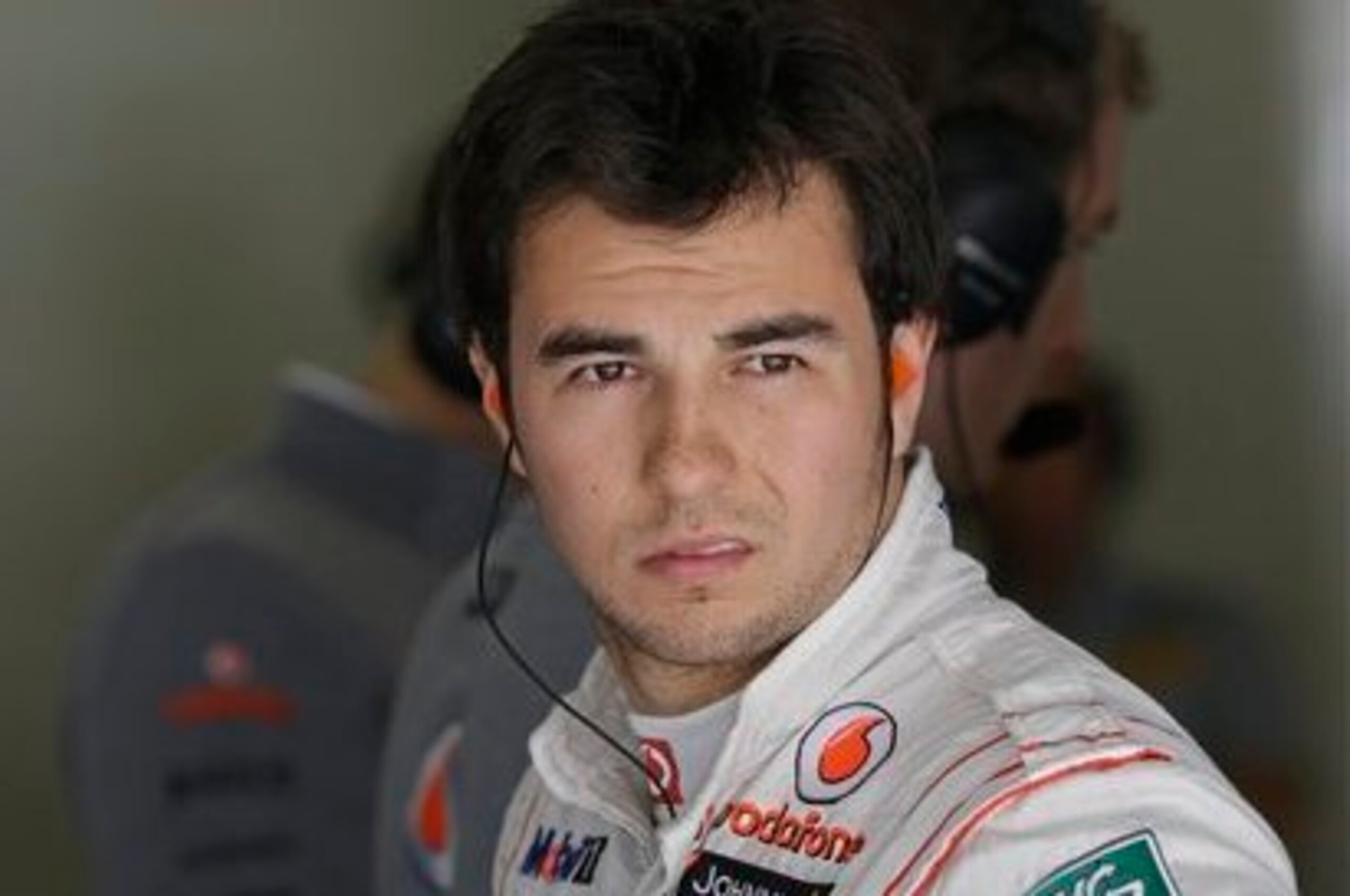
The team ruthlessly dropped the Mexican after just one season as they attempted to find the next big thing ahead of their switch to Honda. Kevin Magnussen was promoted from Formula Renault 3.5 to one of the most prized seats on the grid.
A few months later, Whitmarsh followed Perez out of the door as Ron Dennis reasserted his control over the team. BBC Sport's Andrew Benson described the move as an "internal coup."
Eric Boullier was poached from Lotus to replace him, and given the title racing director. Dennis said at the time on the McLaren website:
"I’m firmly of the belief that, once McLaren Racing’s restructured senior management team has been assembled, together we’ll begin the march back to full competitiveness, quickly and professionally, harnessing the fantastic depth of talent that exists within our organisation.
"
Further changes to the team structure occurred in September, when highly regarded aerodynamicist Peter Prodromou—formerly Adrian Newey's No. 2 at Red Bull—finally arrived from his gardening leave. His new role is chief engineer.
Then in mid-October, McLaren confirmed the departure of sporting director Sam Michael. The Australian is leaving the sport at the end of the season after three years with the team.
No replacement has yet been announced.

Other changes may occur in the near future. Rumours regarding the future of acting CEO Jonathan Neale and technical director Tim Goss were, per Autosport, shot down by the team last week.
Ron Dennis' future has also been the topic of speculation, with James Allen mentioning rumours his position may be under threat. Rumour suggests that less than a year after orchestrating his own coup, the man who has been McLaren's heartbeat since 1980 may lose his role as shareholders look to replace him.
Per The Telegraph's Daniel Johnson, McLaren dismissed such talk as "complete and utter nonsense," while Toro Rosso boss Gerhard Berger responded, "I have had no discussions whatsoever. This is just pure speculation."
But Motorsport.com repeated the story last week, stating the whispers refuse to go away after Berger's recent decision to resign his position as president of the FIA Single Seater Commission.
Such rumours remain just that—rumours—and in the F1 world, rumours are often devoid of a factual base. But denials are issued in response to the true almost as frequently as to the false, so they can't be entirely ignored.
Nor can the driver situation.
Honda's return is a big deal, and everyone involved wants a top-line driver to lead the new team forward.

Jenson Button is a former world champion and the most experienced driver on the grid, while Kevin Magnussen is a relatively raw talent who could end up being very good indeed.
But neither are what Honda or McLaren truly want right now. This is clear from the fact that, despite ample opportunity, neither has yet been tied down for 2015.
All indications point toward Fernando Alonso returning to the team, but the Spaniard's future remains up in the air. He appears to want to leave Ferrari, but is far from convinced he'd be able to succeed at McLaren.
BBC Sport says he may even take a year out of F1 in the hope of landing a Mercedes drive in 2016.
The other two drivers considered first-rate talents—Lewis Hamilton and Sebastian Vettel—appear to have more stable futures set elsewhere.
McLaren will continue to do everything they can to secure Alonso's signature.

The first step is recognising a problem exists; the second is taking action to fix it.
The changes McLaren have made show they've reached this important stage. Action has been taken all the way through the organisation, from the departure of Whitmarsh to the acquisition of Prodromou and the renewed push to land a world-class driver.
There's also evidence that, with time running out before the start of next season and the hugely powerful Honda beginning to have a greater influence, no one is safe. Not even Dennis.
It's difficult to fault any of the changes they have made.
But, Prodromou's arrival aside, it's equally difficult to point to anything which looks certain to push them forward. Even the Honda deal, theoretically positive in the long-term, looks more likely to push them back in 2015.
Alonso, given his reluctance to commit to the Woking team, seems to feel the same way.
But McLaren remain a team in flux.
We've seen they're willing to make big decisions, and more will be made in the coming months.