
All 30 MLB Teams' Biggest Roadblock to a Successful Offseason
The offseason has already begun for every team but the Kansas City Royals and San Francisco Giants, and once the World Series is over, teams will begin to address their biggest needs through trades and/or free-agent signings.
Right now, though, every club is busily putting together its offseason to-do list, identifying players who could be good fits in their organization as well as those who could be problematic, for one reason or another, down the road.
However, putting together a to-do list and executing the moves are two entirely different practices—practices that have the potential to separate great teams from good ones.
With that being said, here are all 30 MLB team’s biggest roadblock to a successful offseason.
Baltimore Orioles
1 of 30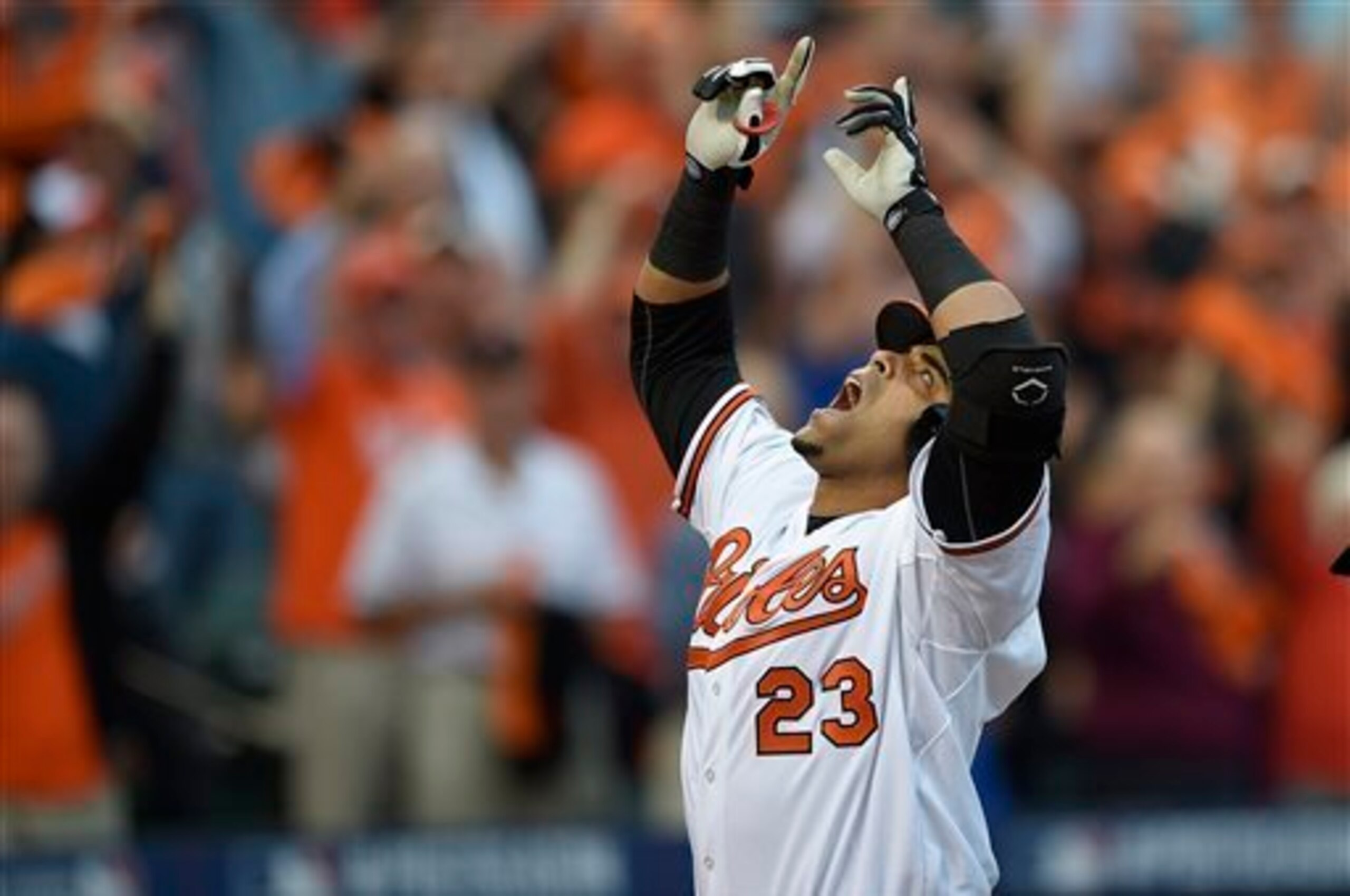
Baltimore’s one-year, $8 million gamble on post-suspension Nelson Cruz turned out to be the most important move made by any team in 2014. Beyond leading the major leagues with 40 home runs, Cruz’s consistent production from the heart of the lineup helped compensate for Matt Wieters, Chris Davis and Manny Machado’s respective lost seasons.
The Orioles want to bring back Cruz for at least the 2015 season and plan to offer him a qualifying offer (about $15 million), according to Peter Schmuck of The Baltimore Sun.
"The good news on this front is that Cruz has made it pretty clear that he enjoyed his Baltimore experience and would like to stick around for a few more years. On the flip side, the Orioles payroll is a fast-rising tide, with a large number of players due significant raises in arbitration, so it remains to be seen whether the 2015 budget will allow the club to make Cruz a competitive offer.
[…]
Since Cruz is 34, we're not talking about a six-year, $100 million contract. The Orioles likely would prefer to offer him a two-year deal with an option worth about $30 million guaranteed. He could get more than that on the open market, but some of the big-market teams might not be in play this year.
"
Baltimore knows that Cruz, depending on the type of deal he’s seeking, inevitably will receive more lucrative offers from other teams, but at the same time, any attempt the front office makes at replacing his 2014 production and overall impact will be expensive. Therefore, it makes sense for the Orioles to prioritize re-signing Cruz this offseason, even if that means giving the veteran $30 million to $35 million.
Boston Red Sox
2 of 30
No one will forget what Koji Uehara did with the World Series-champion Red Sox in 2013. However, the reality is the 39-year-old closer simply wasn’t the same pitcher this season, as he allowed roughly three more hits and one home run for every nine innings pitched.
On top of that, there’s legitimate concern about Uehara’s health moving forward after he dealt with shoulder soreness in April and appeared in only five games during the final month of the regular season.
Set to become a free agent with the conclusion of the World Series, Uehara is expected to draw interest from numerous clubs as one of the better closers on the market. For the Red Sox, retaining Uehara would mean offering him a qualifying offer of $15.3 million, which is more than what most other teams are likely to offer him.
But if Boston is willing to even consider spending that much on Uehara, then they’d likely be better off bringing back left-hander Andrew Miller, who isn’t eligible for a qualifying offer, argues Nick Cafardo of The Boston Globe:
"He is a strong union man who believes in the right of a player to seek the best contract for himself when he reaches free agency. Miller will go to the highest bidder and if that happens to be Boston, all the better, because that’s where he wants to play.
But if the Red Sox aren’t close on the money, he’ll sign with the highest bidder. Major league sources believe the bidding on Miller starts at three years, $21 million.
"
The Red Sox parted with Miller at the July trade deadline, but that had more to do with the organization wanting to capitalize on his value as opposed to him not being viewed as a long-term fit. Miller isn’t a true closer, per se, but the 29-year-old left-hander has proven to be one of baseball’s top relievers over the last two seasons, and it isn’t hard to imagine him dominating in the role if given the opportunity.
New York Yankees
3 of 30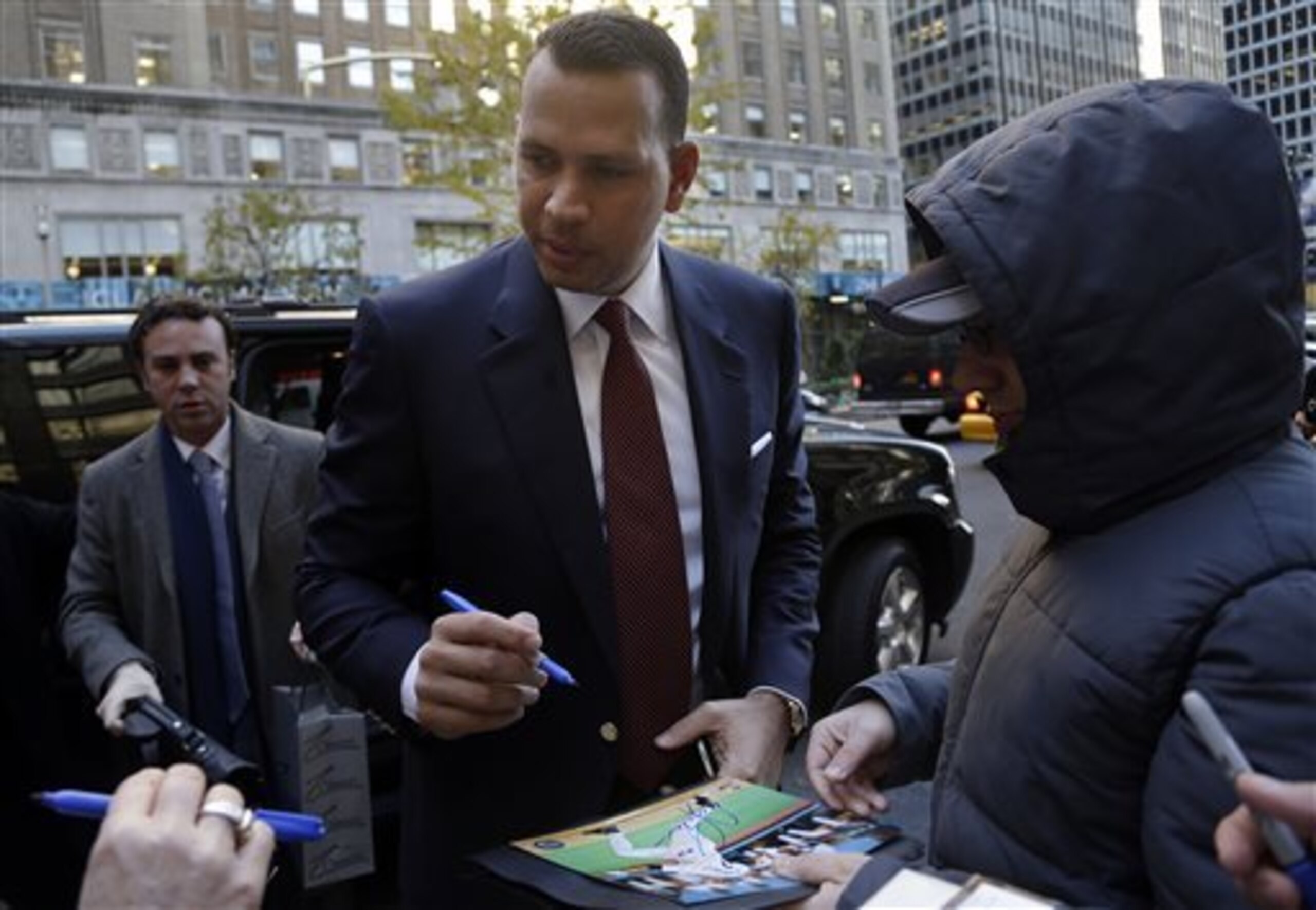
Sadly, the New York Yankees’ offseason agenda will come down to their plan for Alex Rodriguez, who’s coming off a 162-game suspension and owed $61 million through 2017.
If the Yankees view him as the every-day third baseman in 2015, then it’s doubtful they’ll try to re-sign Chase Headley or make a run at a free agent such as Pablo Sandoval. If Rodriguez is going to be the designated hitter, the Yankees will have to consider the at-bats he’ll steal from veterans such as Brian McCann, Jacoby Ellsbury and Mark Teixeira.
The Yankees also will need to figure out who will replace Derek Jeter at shortstop, though it’s hard to see that decision being made without first determining A-Rod’s role moving forward.
Bob Raissman of the New York Daily News believes that the Yankees might actually benefit from keeping Rodriguez on the field, provided he’s healthy and reasonably productive:
"If Rodriguez returns, and can still play, he does so with major buzz. He returns with the ability to sell tickets and bring eyeballs back to YES. His story will be the biggest here next spring. Battle lines will be drawn in the media. Those who despise him will find — or look — for faults. Others who believe in comebacks will keep an open mind.
No matter what side you take, if Rodriguez makes it to spring training he brings the kind of excitement, uncertainty, and chaos that was missing this season. It’s a story with the ability to jump-start the baseball season — something to actually look forward to.
"
All signs point to A-Rod returning in 2015 whether or not we like it. Therefore, decisions regarding his future role with the team need to be made as soon as possible to allow for the Yankees to address other offseason needs.


Tampa Bay Rays
4 of 30
After failing to make the postseason this year behind a franchise-record $80 million payroll—up from $62 million in 2013—the Tampa Bay Rays’ principal owner Stuart Sternberg anticipates the team’s 2015 payroll to be significantly lower, per Marc Topkin of the Tampa Bay Times.
The Rays will have nine players eligible for arbitration this year, but the need to cut payroll means the team is more likely to trade some of those guys rather than increase their salaries.
From Topkin:
"With the nine players signed for next year, including Balfour and Loney at $7 million each, and the expected return of Ben Zobrist on a reasonable $7.5 million option, they have about $53 million committed.
And they have nine players eligible for arbitration, and the requisite raises.
Of the five previously eligible for arbitration who combined to make about $10 million this season, a few are potential trade candidates, such as OF Matt Joyce and RHP Jeremy Hellickson, which could save around $10 million, while others will get paid, such as LHP Jake McGee, who was a $1.45 million bargain this year.
"
All that being said, I wouldn’t expect the Rays to be any less competitive in 2015 just because of a few payroll cuts.
Toronto Blue Jays
5 of 30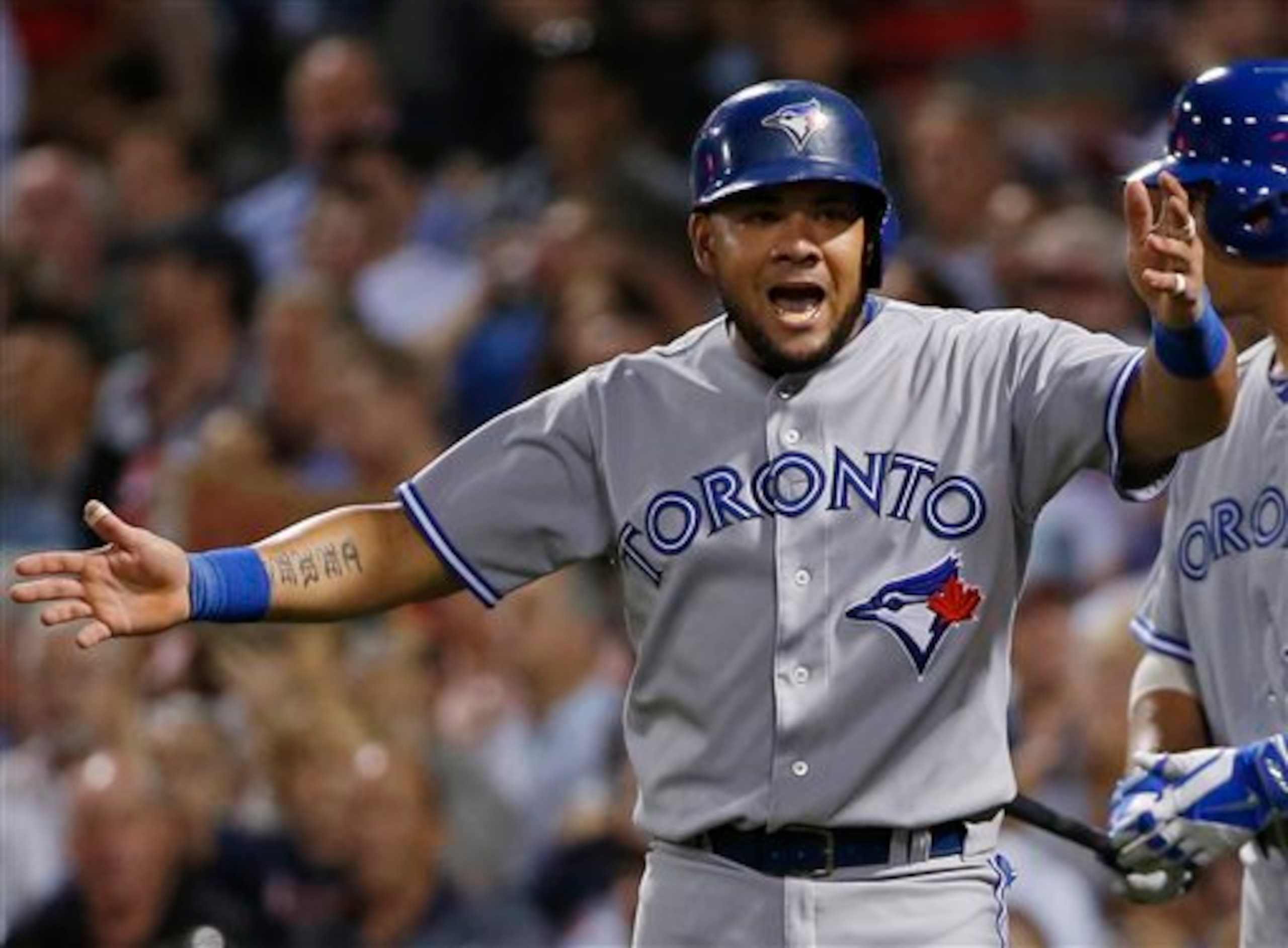
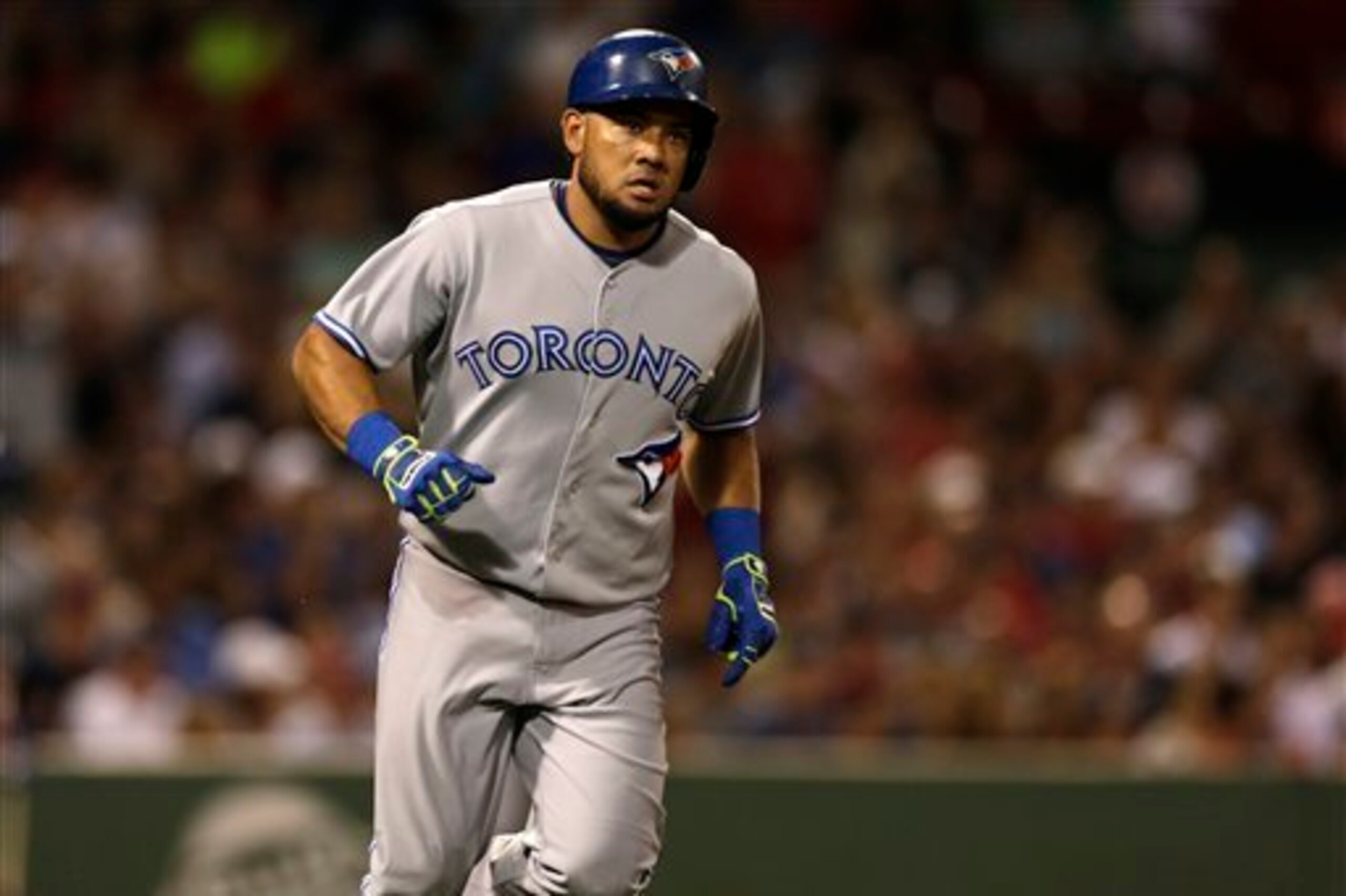
The Toronto Blue Jays’ 2015 payroll is expected to be less than this year’s $137 million, according to Mark Polishuk of MLB Trade Rumors, which means the team’s spending will be limited, with roughly $104 million already tied up in 13 players.
Specifically, Toronto’s lack of payroll flexibility hurts the club’s chances of re-signing outfielder Melky Cabrera, but it's already expressed interest in bringing him back next season and will make him a qualifying offer.
From ESPN Insider Buster Olney (subscription required):
"He managed to get a two-year, $16 million deal from the Blue Jays that offseason, and he'll probably do better than that this time around.
It's a slam dunk that Cabrera will get a qualifying offer from the Toronto Blue Jays -- $15 million to $15.5 million -- given his production for the team, the offensive drought in the game in general and how well-regarded he has been since signing with Toronto. The Blue Jays have had nothing but good experiences with Cabrera.
"
Toronto could try to deal a veteran player such as Mark Buehrle, R.A. Dickey or even Jose Reyes this offseason, but all three players have minimal long-term value given their respective ages and contracts and would require the Blue Jays to eat a portion of their salaries.
Chicago White Sox
6 of 30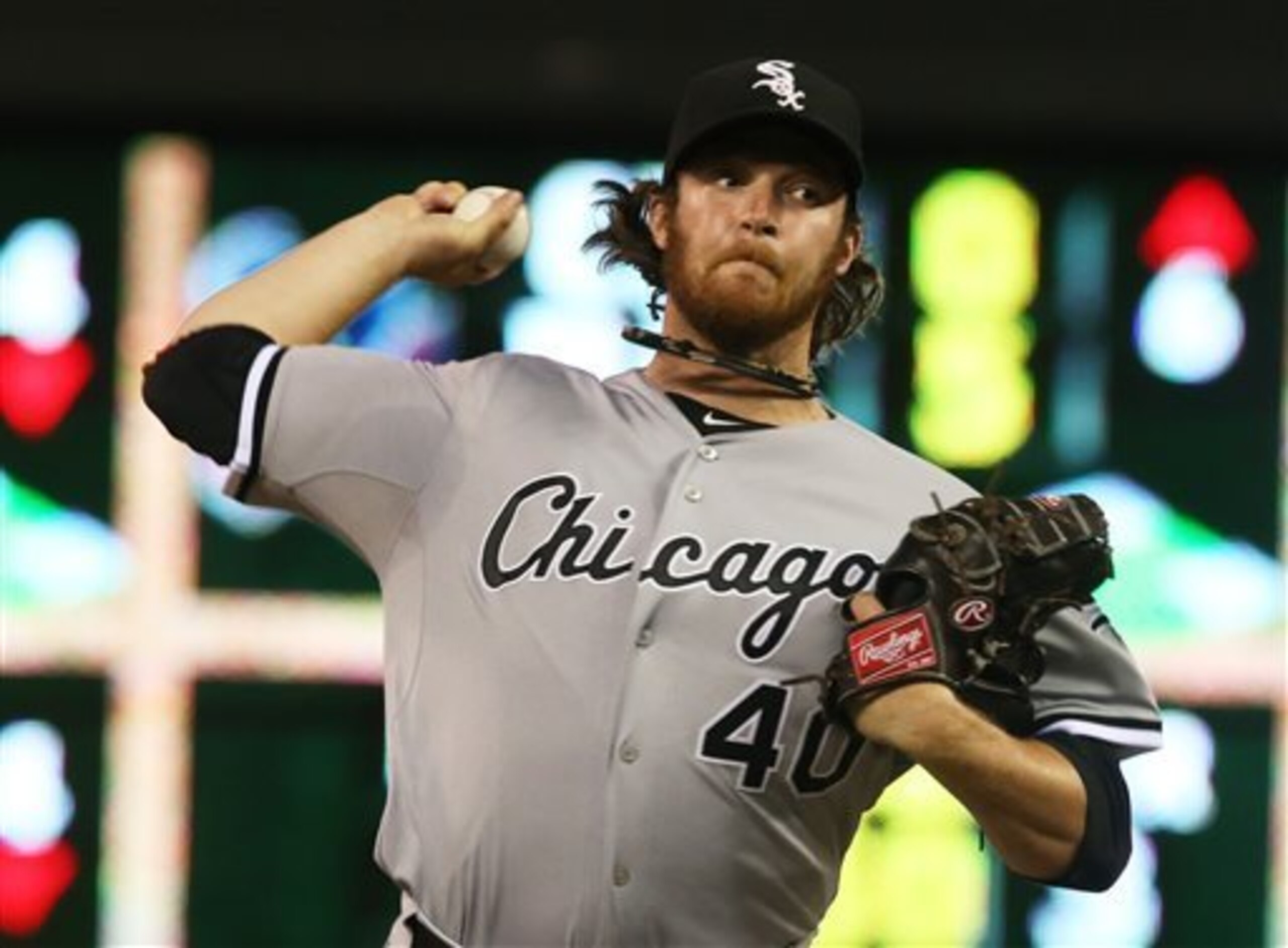
The Chicago White Sox’s bullpen was arguably the worst in baseball this season, ranking last in the American League in both FIP (4.22) and xFIP (4.29), while posting an MLB-worst 4.51 walks per nine innings, according to FanGraphs.
However, with only $46 million committed to its 2015 roster, general manager Rick Hahn will have the financial flexibility to improve the team’s bullpen before next season. At the top of the White Sox’s list of offseason needs should be signing a free-agent closer, and there are some intriguing options on this year’s market, argues Doug Padilla of ESPNChicago.com:
"There will be closer candidates on the free-agent market this winter, but all but one is younger than 32, and none of them figure to come cheaply. Guys such as Jason Grilli, 38; Casey Janssen, 33; David Robertson, 30; Francisco Rodriguez, 33; and Sergio Romo, 32, all could be looking for new homes this offseason.
"
The White Sox have a host of late-inning arms returning next season in Jake Petricka, Daniel Webb and Zach Putnam, but none of them are likely to offer the stability in the ninth inning as say a Robertson or Romo.
Cleveland Indians
7 of 30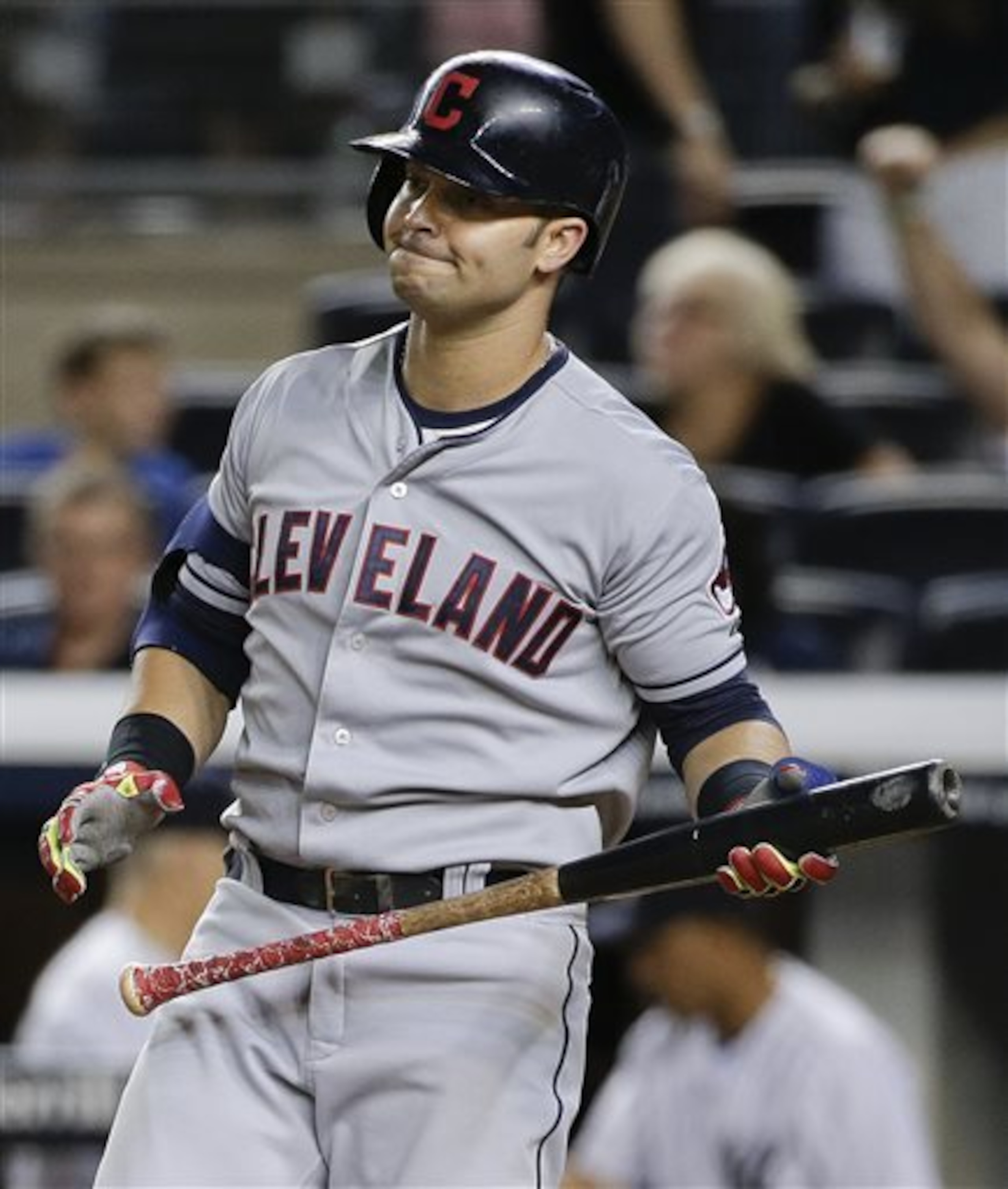
The Cleveland Indians already have about $70 million committed to their 2015 roster, according to MLB Trade Rumors’ Steve Adams and are unlikely to exceed this year’s $80 million to $84 million payroll. If that’s the case, the Tribe will have roughly $10 million to $15 million to spend this offseason.
The lack of payroll flexibility is a result of a few bad contracts given to free agents in recent years, argues Zack Meisel of Cleveland.com:
"Swisher, who turns 34 in November, will earn $15 million in 2015 (and in 2016). Should he reach 550 plate appearances in 2016 and pass a physical, his $14 million option for 2017 will vest.
Bourn, who turns 32 in December, will earn $13.5 million in 2015 (and $14 million in 2016). He has the same qualifications as Swisher for a $12 million vesting option for 2017.
The Indians are stuck with these overbearing, all-but-untradeable contracts, a reminder of how unappealing free-agent signings can look in the long-run.
"
Luckily, the Indians won’t have the funds to pursue such ill-advised contracts this winter. Meanwhile, the money that is available could be used to negotiate a contract extension with ace Corey Kluber.
Detroit Tigers
8 of 30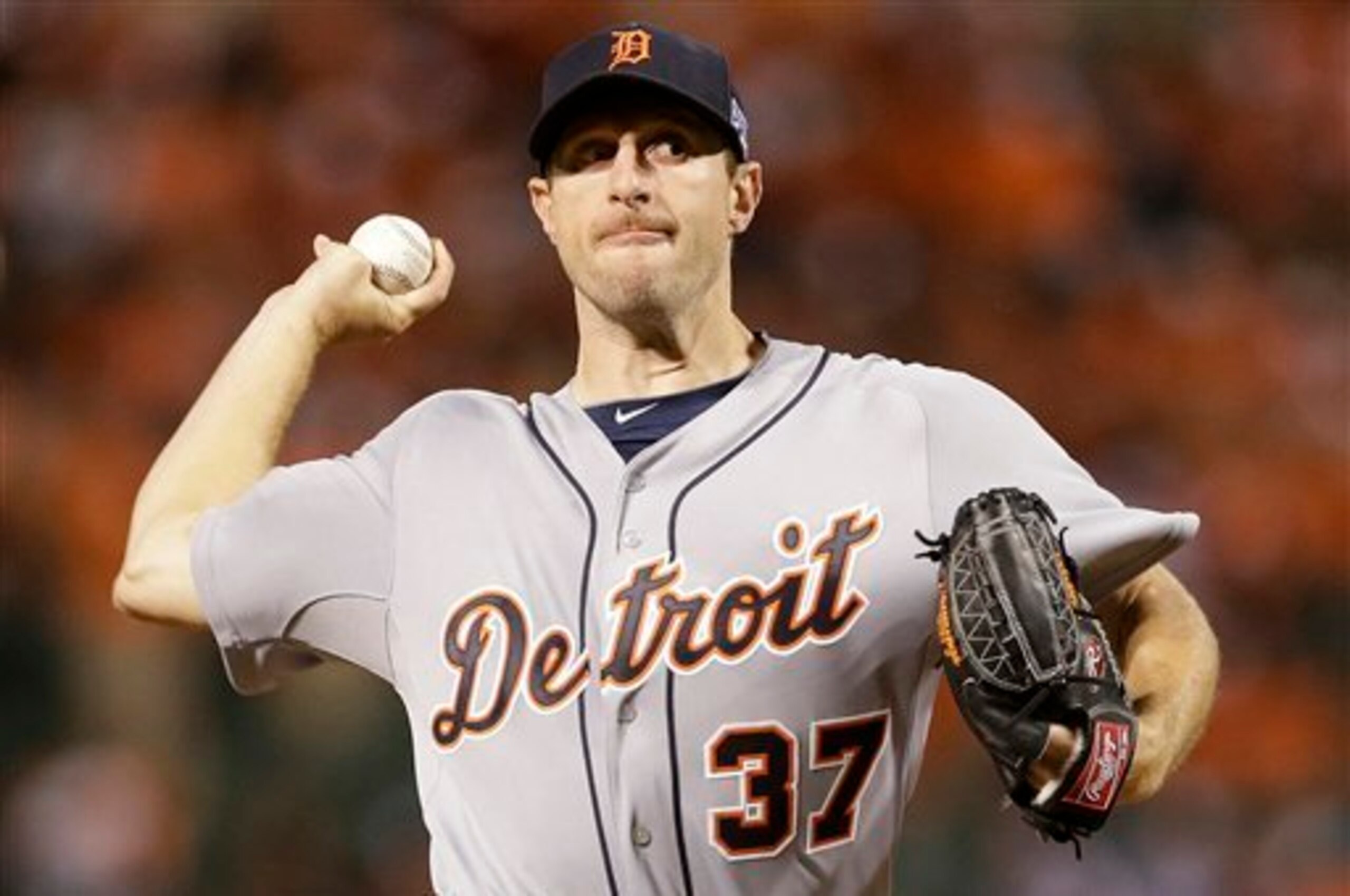
Max Scherzer rejected a six-year, $144 million extension offer from the Detroit Tigers during spring training, believing that he could land a more lucrative deal this offseason following another strong campaign. While the right-hander’s season wasn’t nearly as good as his Cy Young Award-winning campaign in 2013, it was still good enough to net him more than $144 million as a free agent.
But Joel Sherman of the New York Post argues that the team might have a better chance at re-signing Scherzer than many believe given the lack of offense and increased number of elbow injuries across the game:
"However, until the cycle flips back to better offense and/or advancements are made to reduce torn elbows, then a growing number of clubs are going to shy away from the mega-pitching deal.
[…]
So here’s a question: This offseason, would you rather invest six total years and $55 million-ish for Liriano and Miller or seven years at $175 million for just Scherzer?
"
The Tigers will be returning the rest of their starting pitchers in 2015, and the club has several candidates—namely Robbie Ray, Kyle Lobstein, Drew VerHagen and Buck Farmer—who could compete for a spot in the rotation if Scherzer walks.
Plus, for all we know, they could already have their sights set on signing another free-agent arm.
Kansas City Royals
9 of 30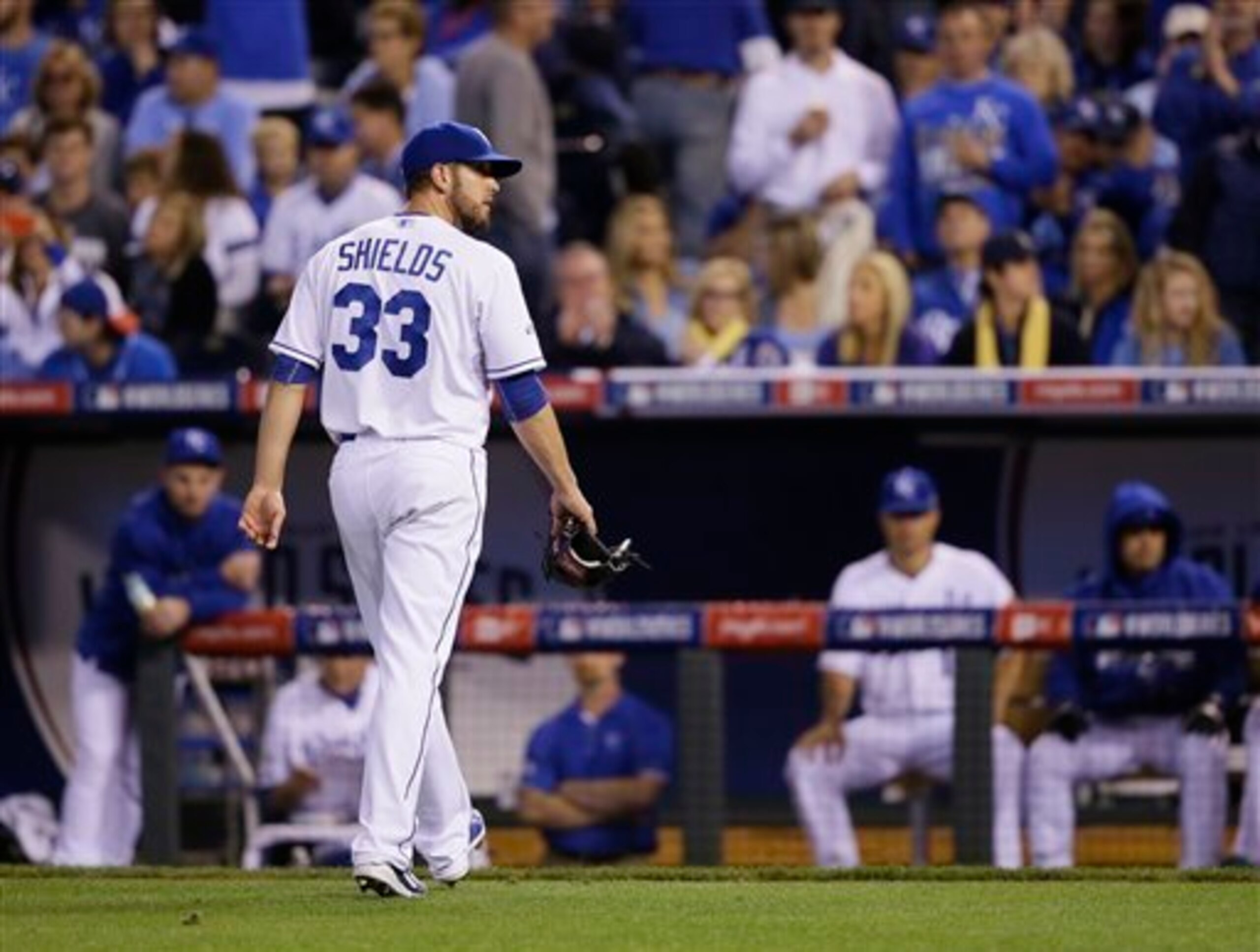
The Kansas City Royals will try to retain soon-to-be free agent James Shields for 2015, per Andy McCullough of the Kansas City Star, though the 32-year-old right-hander is expected to reject the team’s qualifying offer:
"Rival executives expect him to fetch a five-year deal worth somewhere between $80 million and $110 million. The largest contract in Royals franchise history was their $55 million pact with Gil Meche. The team did not attempt to engage in contract negotiations with Shields before this season began, and have made contingency plans for his potential departure.
"
Yet, the Royals remain hopeful they’ll be able to re-sign through free agency, thanks to the additional revenue generated by its postseason run, reports Jon Heyman of CBSSports.com.
Either way, the Royals will need to make a decision on Shields early in the offseason so as to keep their options open should he ultimately decide to sign elsewhere.
Minnesota Twins
10 of 30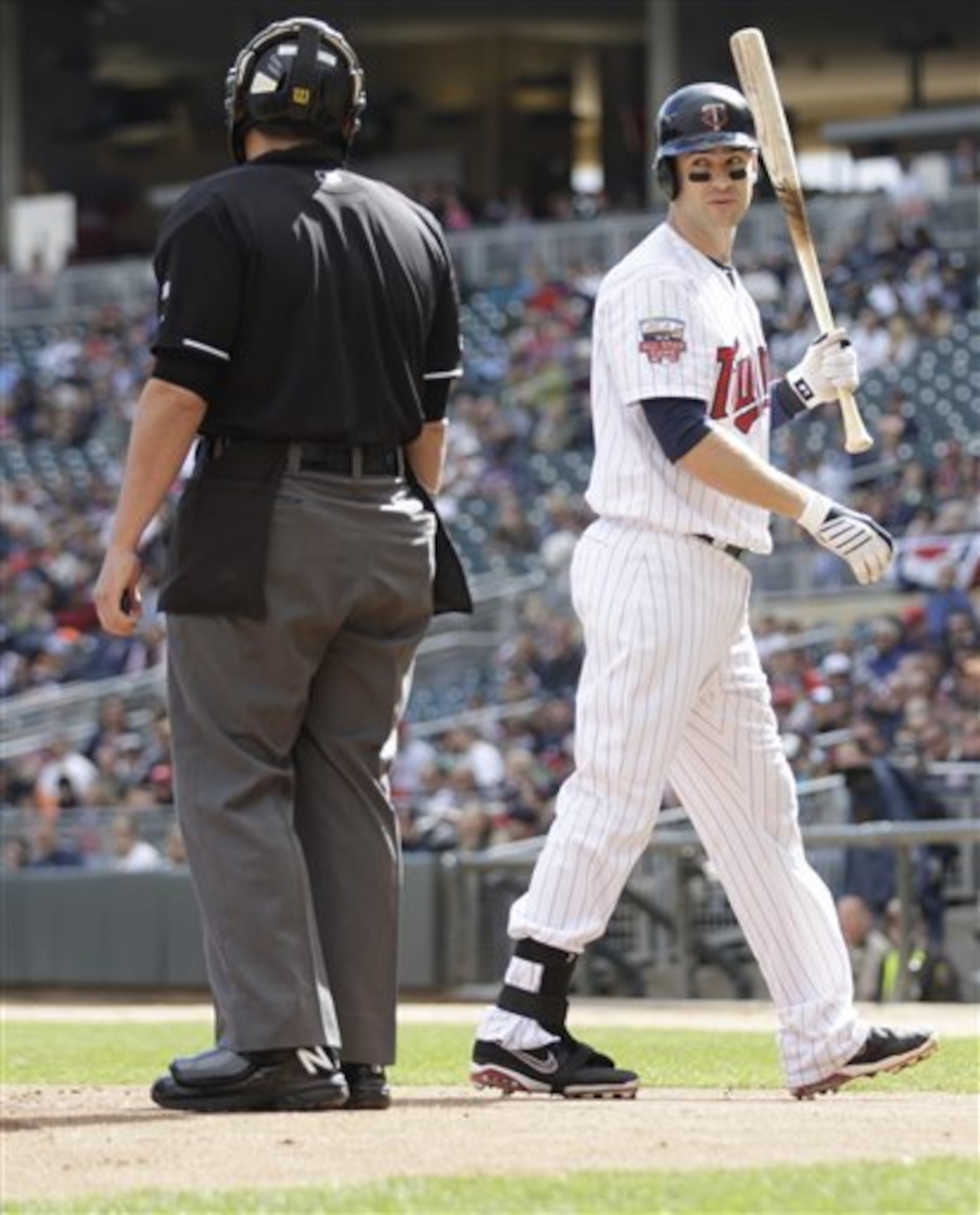
Much like the Indians, the Minnesota Twins spending this offseason will be minimal due to the $40.5 million reserved for Joe Mauer, Ricky Nolasco and Mike Pelfrey in 2015, which accounts for 47 percent of the club’s projected $86 million payroll, per Patrick Reusse of the Star Tribune.
Meanwhile, Phil Miller, Reusse’s colleague at the Star Tribune, believes the team is unlikely to free up additional money unless it decides not to offer contracts to arbitration-eligible players such as Brian Duensing, Tommy Milone or Anthony Swarzak.
Houston Astros
11 of 30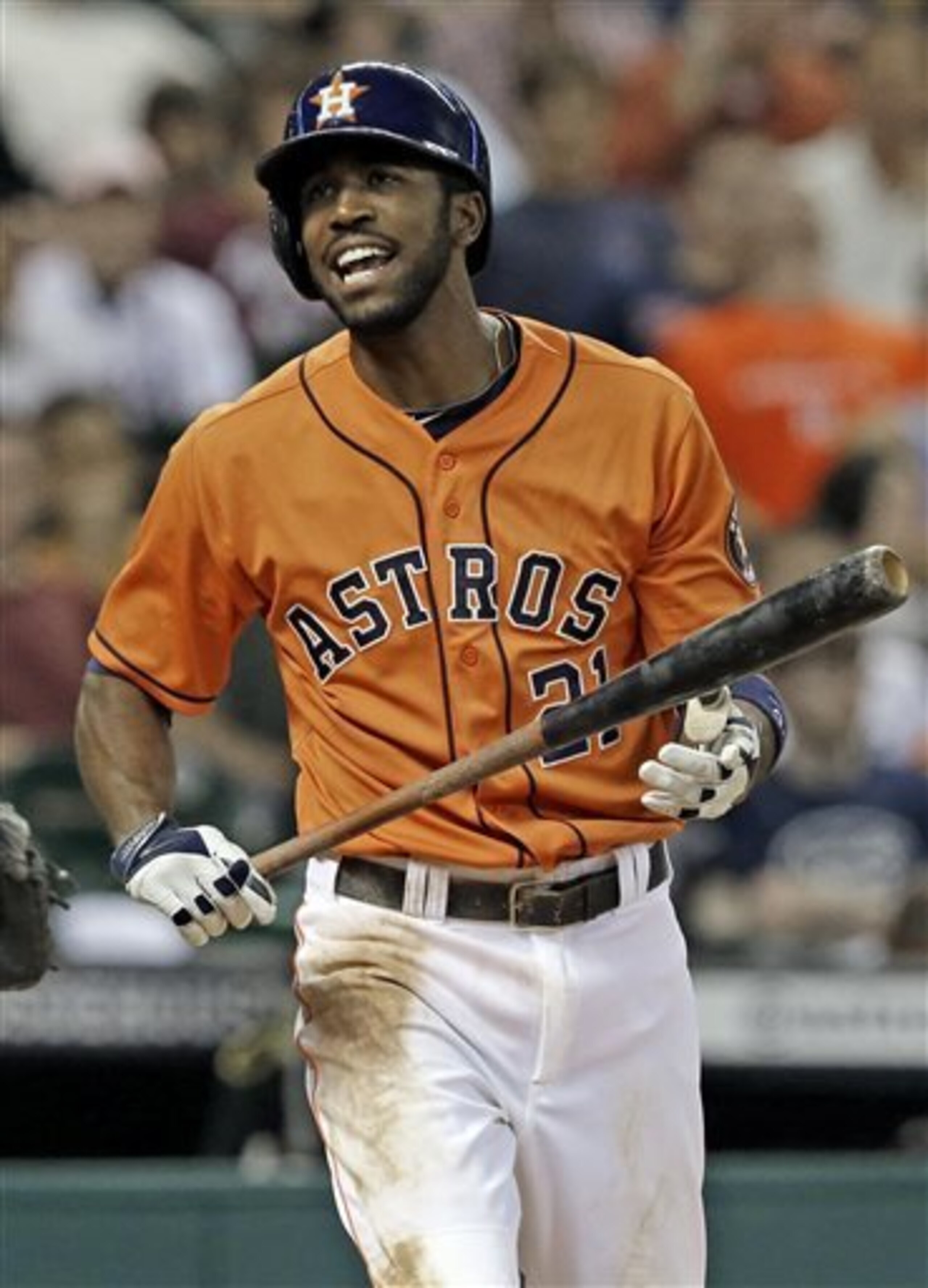
Houston Astros owner Jim Crane announced last week that payroll would increase by at least $20 million in 2015, per Brian McTaggart of MLB.com. However, that figure stands to rise even more in the near future with Houston’s television deal with Comcast almost done.
More from McTaggart:
"The Astros' $45 million payroll figures to jump because of the additions they'll have to make to keep some of their nine arbitration-eligible players, including Fowler ($7.85 million in '14), Carter ($510,000) and catcher Jason Castro ($2.45 million). All will get significant raises.
"
The Astros could make a run at affordable free-agent pitchers such as Justin Masterson, Ervin Santana and Brandon McCarthy, suggests Chris Perry of The Crawfish Boxes, though they’d likely get more bang for their buck by shoring up the bullpen—which ranked last in the major leagues with a 4.80 ERA, according FanGraphs—with a few cheap but dependable arms.
Los Angeles Angels
12 of 30
Due to the monster contracts given to veterans Albert Pujols, Josh Hamilton, C.J. Wilson and Jered Weaver in recent years, the Los Angeles Angels lack the payroll flexibility needed to pursue one of this year’s prized free agents even if they wanted to.
Plus, if the Angels ultimately decided to go all in on a guy such as Jon Lester or Max Scherzer, then the team would likely face a 17.5 percent tax for exceeding a payroll threshold of $189 million, per Alden Gonzalez of MLB.com.
"They're currently set up to have no more than $10 million of wiggle room below the tax threshold this offseason.
And if they do acquire starting pitching, Dipoto would like to do it in a very similar manner in which he did it last offseason, by using two arbitration-eligible position players (Mark Trumbo and Peter Bourjos) to land two zero-to-three starting pitchers (Tyler Skaggs and Hector Santiago).
"
However, the more likely scenario is the Angels make a few small moves in the offseason to improve their bench and bullpen.
Oakland Athletics
13 of 30
The Oakland A’s second-half collapse and eventual loss to the Royals in the AL Wild Card Game was bound to bring change within the organization. The only question was whether it would come in the form of trades or a front-office shakeup. So far it’s been neither, but that could quickly change once the World Series wraps up.
General manager Billy Beane has stated that the A’s are "open to trading" any player (via Nick Cafardo of The Boston Globe), and with that in mind, ESPN Insider Buster Olney (subscription required) believes this offseason is the best time to trade All-Star third baseman Josh Donaldson:
"…Donaldson, 28, in the prime of his career, probably will be traded this winter, into a market starved for power hitters.
He finished fourth in the MVP race in 2013 and hit 29 homers this season while playing through injuries, but he is about to get very expensive through arbitration and he will have major value to other teams.
Oakland could get a good return for him, as the Athletics reconstruct their roster.
"
Olney also notes that the A’s have “never stripped down completely,” but the circumstances surrounding their disappointing finish could lead to a busy (and hopefully productive) offseason.
Seattle Mariners
14 of 30
First base has been one of the Seattle Mariners’ greatest weaknesses for what seems like an eternity—likely because they’ve remained foolishly optimistic in Justin Smoak. However, the 27-year-old’s time in Seattle has likely come to an end.
“Justin Smoak has a club option for 2015,” writes Ryan Divish of The Seattle Times. “The Mariners will have to pay $150,000 buyout if they choose to move on. It’s almost a guarantee that will happen, and the Mariners won’t tender him a contract for 2015.”
With Smoak out of the equation, the Mariners will be able to expedite corner-infield prospect D.J. Peterson’s bat to the major leagues once he’s deemed ready, which could prove to be far more rewarding and cost-effective than giving Smoak one final chance.
Texas Rangers
15 of 30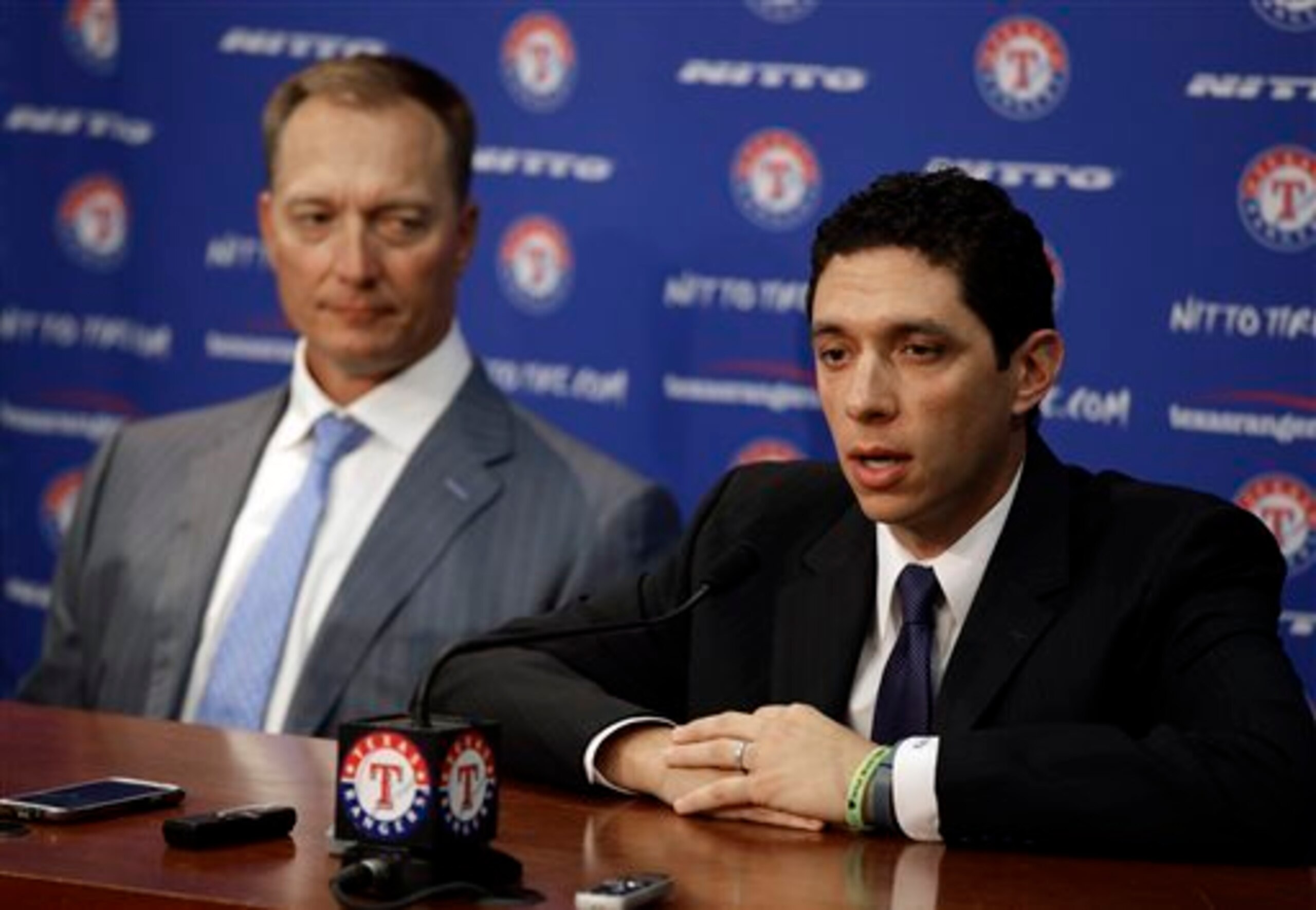
Now that the Texas Rangers have hired Jeff Banister to replace Ron Washington as the team’s manager, the team has shifted gears toward completing an extension before spring training with president of baseball operations and general manager Jon Daniels, according to Calvin Watkins of ESPNDallas.com.
Daniels has placed two teams in the World Series since taking over as GM in 2005 while his scouting and player-development departments are revered across the game. However, with one year remaining on his four-year contract, it makes complete sense for Rangers ownership to extend Daniels this winter, especially given the recent changes to the team’s coaching staff.
Atlanta Braves
16 of 30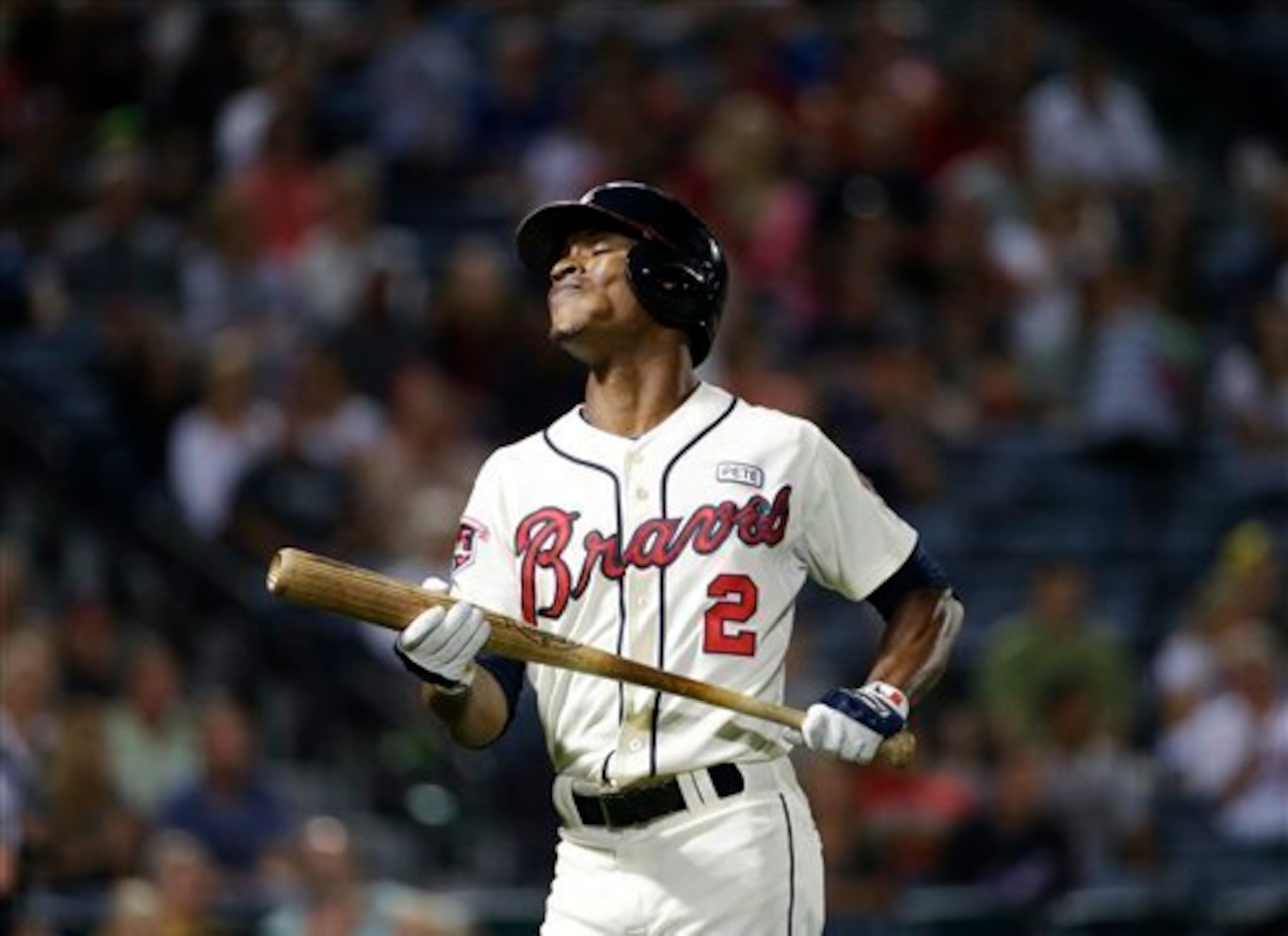
The Atlanta Braves took a step in the right direction when they cut second baseman Dan Uggla, though the club was forced to eat the remaining $20 million on his contract. Now it’s time for the Braves to part with another high-priced player: B.J. Upton.
From Dave O’Brien of the The Atlanta Journal-Constitution:
"This is what I’m told about where it stands going forward: The Braves will try to trade Upton this offseason – personally, I think it’s just about a fait accompli that he’s gone before spring training – and that they might do it by including Minor in a package.
In other words, they’d tell a team, you can have three years of contractual control of Minor before free agency, but you’re going to have to take B.J. Upton in the deal.
"
With Upton owed $47 million through 2017, getting rid of the perennially disappointing center fielder, even at the cost of eating a portion of his contract, should be at the top of Atlanta’s offseason agenda.
Miami Marlins
17 of 30
The Miami Marlins aren’t going to trade Giancarlo Stanton this offseason. Rather, the organization plans to do everything in its power to keep the prized slugger for at least a few more years, ideally preventing him from becoming a free agent in 2016, per Clark Spencer of the Miami Herald.
"To do that, the Marlins are prepared to increase payroll, going from $44 million in 2013 to about $60 million next year. A sizable percentage of that salary bump will be the direct result of raises given to existing players and, in particular, Stanton.
While the Marlins intend to soon offer Stanton a long-term contract that would keep him in Miami beyond the 2016 season, when he first becomes eligible for free agency, they’re not letting go of him even if he doesn’t accept. Instead, they would go through salary arbitration, a process in which Stanton stands to make as much as $13 million next season.
"
After a surprisingly strong season in which the team went 77-85 and hung around the NL wild-card race until September, it’s understandable that the Marlins believe they can build a championship team around Stanton in the coming years.
New York Mets
18 of 30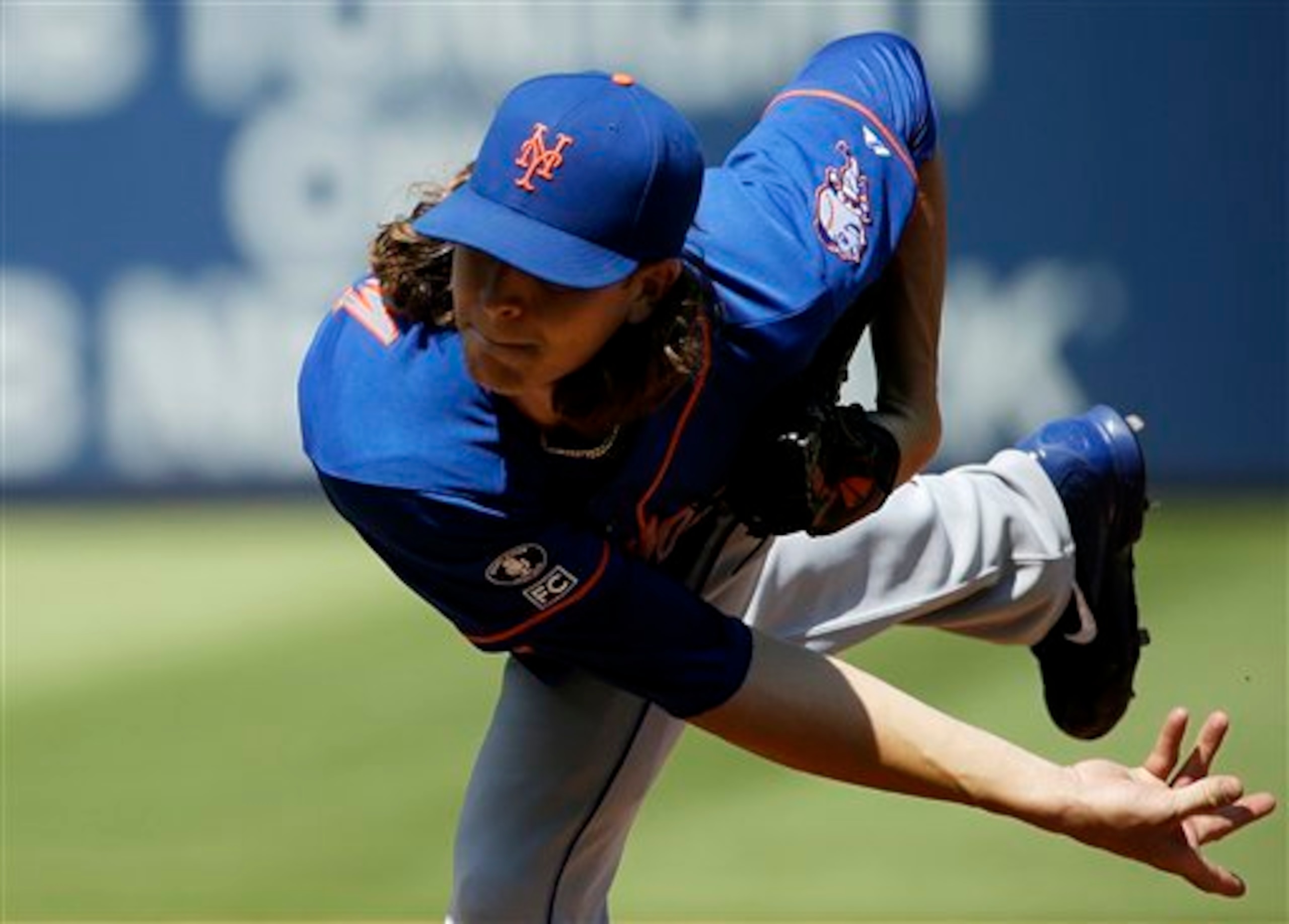
The New York Mets boast one the finest collections of young pitchers among all 30 teams in Matt Harvey, Jon Niese, Zack Wheeler, Jacob deGrom, Noah Syndergaard, Rafael Montero and Steven Matz. However, the team has been reluctant to include any of the aforementioned hurlers in trades, seemingly holding out for a perfect deal.
The Mets will have eight starting pitchers competing for five rotation spots heading into next season and could potentially trade from its depth in order to land an impact player, such as a power-hitting corner outfielder or long-term shortstop.
"We'll look at it and decide if we feel we can move one or more starters in a deal to fill out other areas on the team that are not as deep," said Mets assistant general manager John Ricco, via Matt Ehalt of The Record. "It's not a bad situation to be in. As you look around the league and see the injuries to pitchers, it's a reminder of how many guys you do need."
Philadelphia Phillies
19 of 30
The Philadelphia Phillies are looking to add right-handed power this offseason, but the impact of Ryan Howard’s long-term deal might prevent the club from making a similar offer to Nelson Cruz, reports Jim Salisbury of CSNPhilly.com.
"The team has discussed releasing Howard, but that seems to be a long shot. Howard’s huge salary -- he has $60 million remaining on his contract over the next two years -- and declining production will make him difficult to trade, but the Phillies will try to do that. They will have to eat a huge portion of salary to get a deal done, and indications are they are willing to do that.
"
Philadelphia also has been heavily linked to 23-year-old Cuban outfielder Yasmani Tomas, reports Eliot Shorr of NJ Advance Media, and it's one of a select few clubs capable of meeting his asking price of roughly $100 million.
Washington Nationals
20 of 30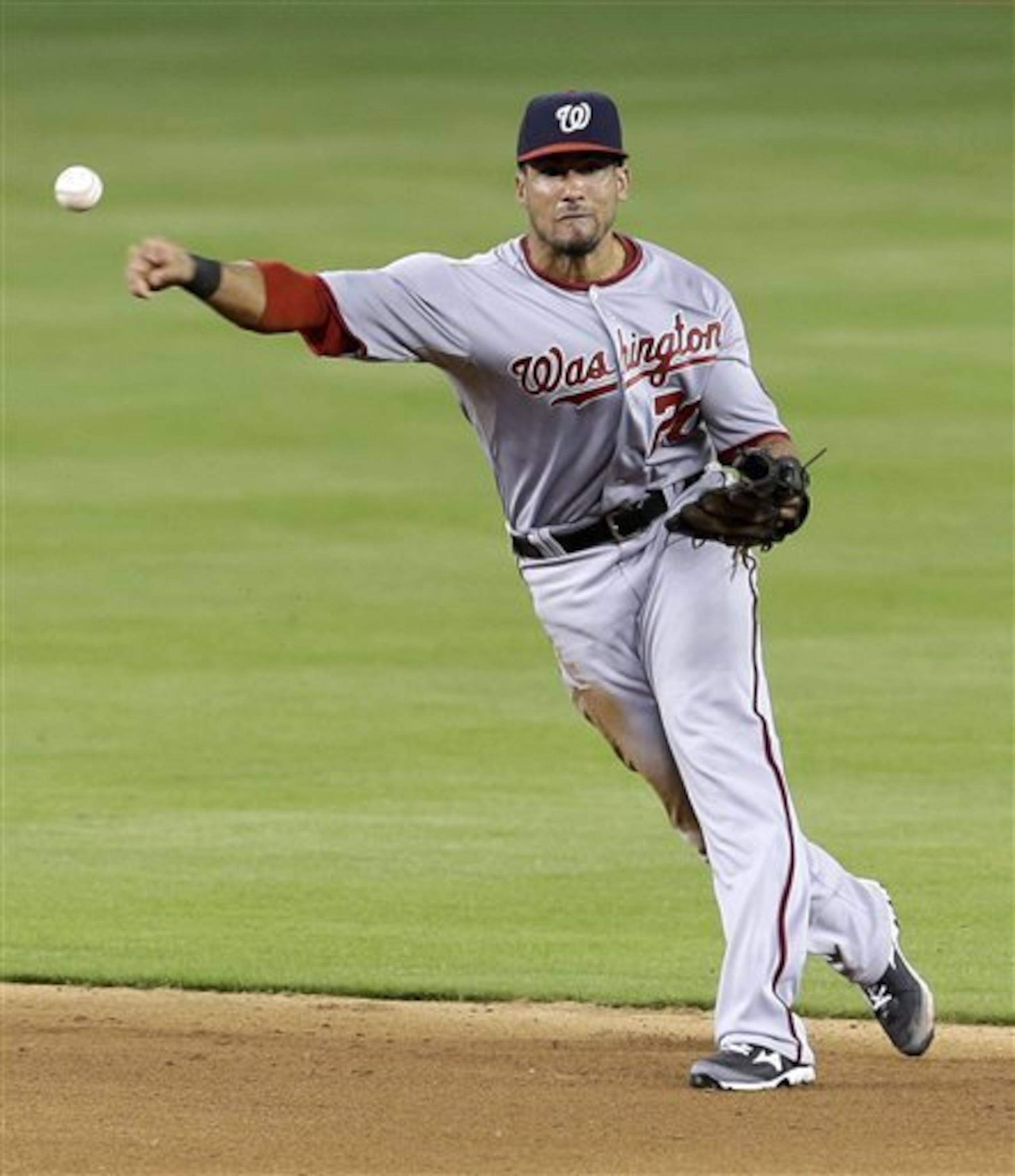
The Washington Nationals attempted to sign Ian Desmond to a long-term deal last offseason, but with free agency only a few years away, the All-Star shortstop decided to pass on the Nats’ reported offer of $90 million.
But with Desmond set to hit the open market after the 2015 season, and no obvious replacement waiting in the wings in the minor leagues, the Nationals need to do whatever is necessary to ensure he’s part of the team’s future.
"The most pressing issue of the offseason may be signing Desmond to a long-term contract extension,” writes Adam Kilgore of the Washington Post. “Shortstops who can hit 25 homers, steal 20 bases, play solid defense and provide leadership are not easy to find. But they aren’t cheap to keep, either.”
Chicago Cubs
21 of 30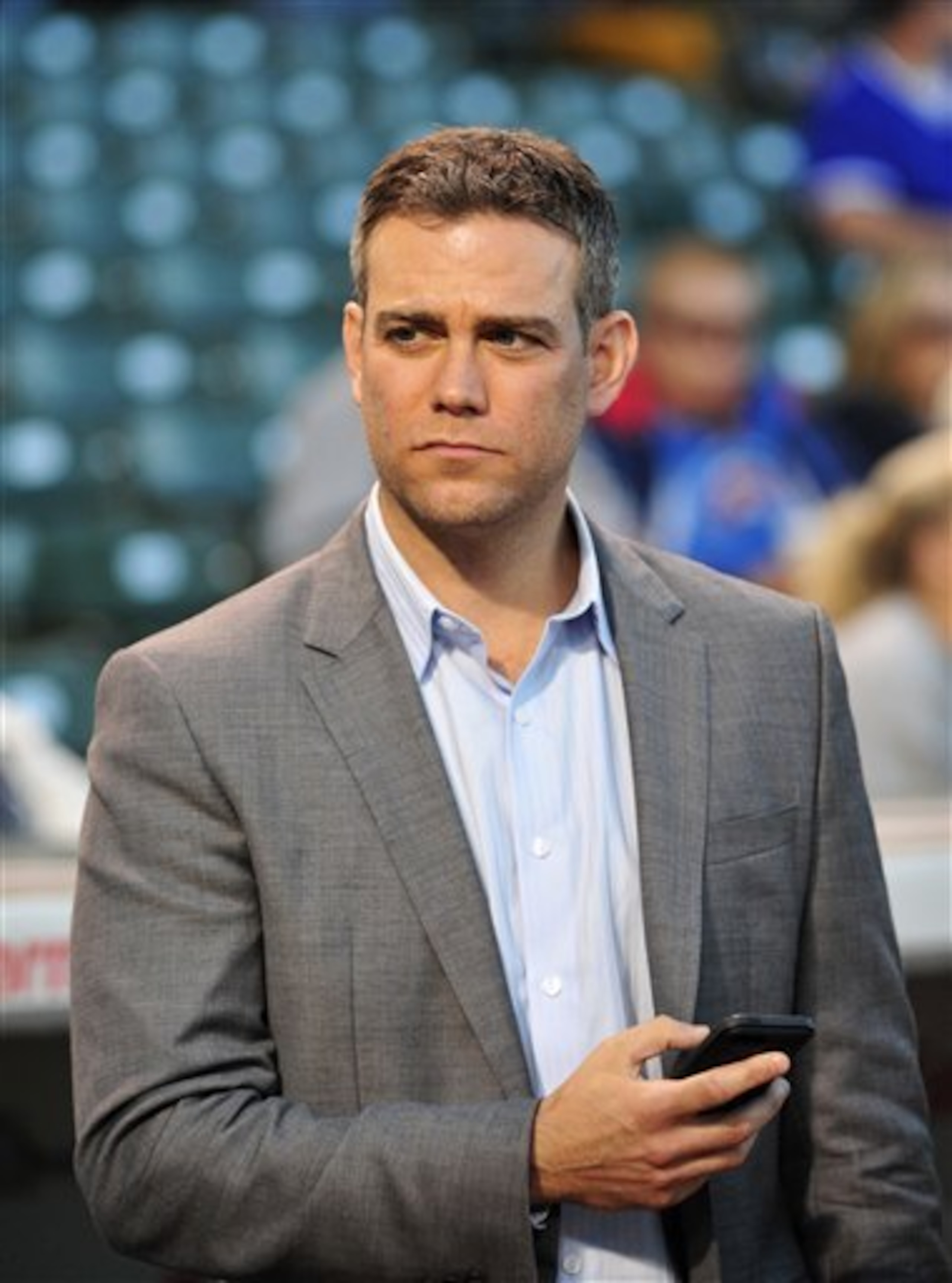
Chicago Cubs president of baseball operations Theo Epstein believes the Cubs will contend for the NL Central Division title next year, per Carrie Muskat of MLB.com. Now it’s time for Epstein to spend money and bring in the missing pieces, namely pitchers. And with roughly $70 million to spend this offseason, it’s hard not to think the Cubs will finally make a splash in the free-agent market.
"Regardless of Jackson, the Cubs will need to explore adding starting pitching from all angles. The 2014-15 free agent class is rife with options for all parts of a rotation. The Big Three are Max Scherzer, Jon Lester, and James Shields.
Lester is the most obvious fit for the Cubs, as a player who joined the Red Sox around the same time Epstein did and was a big part of the executive’s success there. That he isn’t eligible for a qualifying offer is helpful, but Lester’s price tag will probably exceed $150MM.
If they prefer the trade market, the Cubs could try to swing a deal for the Phillies’ Cole Hamels, who is owed $96MM through 2018.
"
Cincinnati Reds
22 of 30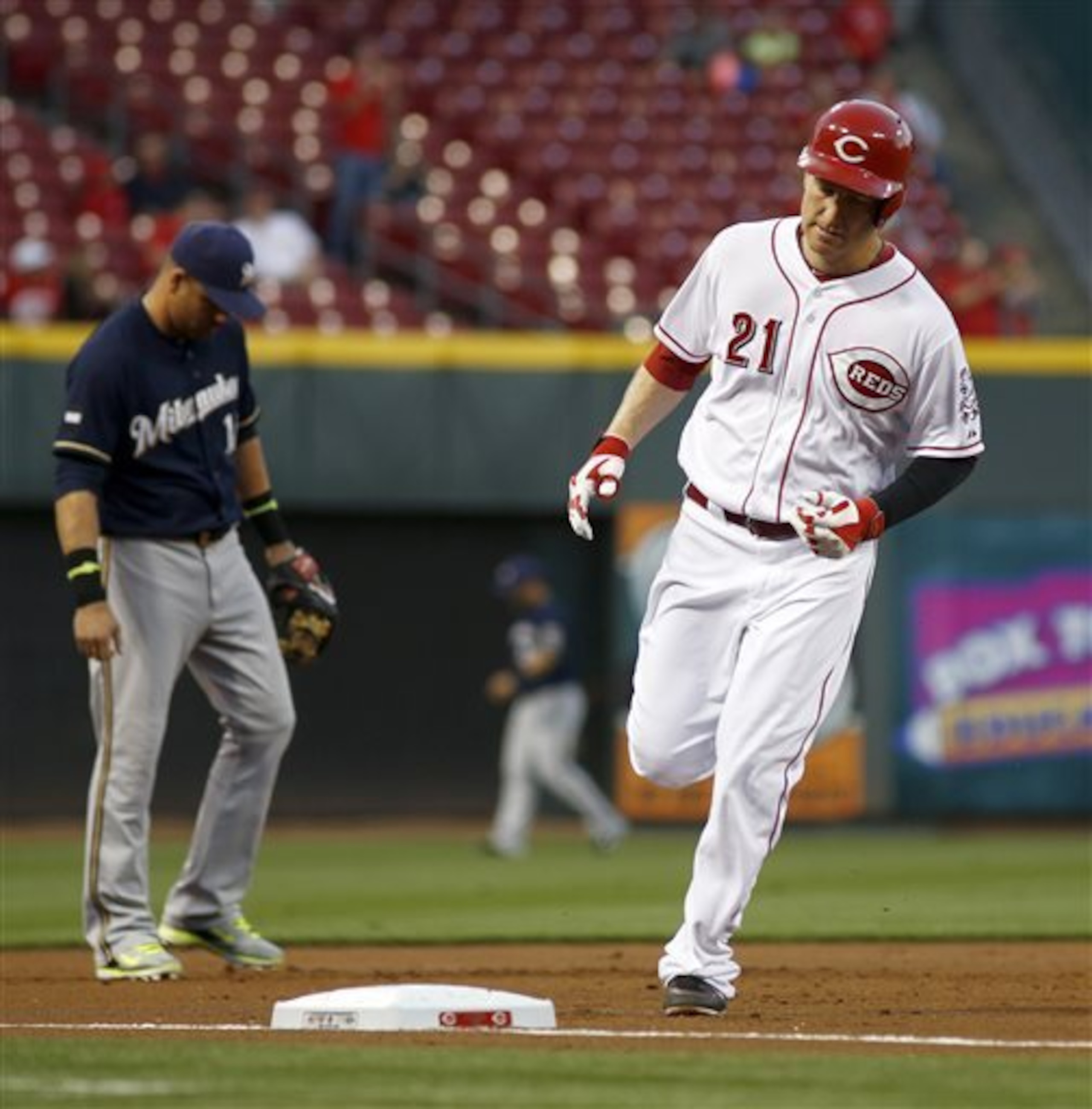
With Joey Votto, Brandon Phillips and Jay Bruce set to earn roughly $48 million next season (and even more the following year), the Cincinnati Reds are in a tough spot moving forward in terms of locking up its young players.
Yet, while the team is limited financial and hasn’t reaped the benefits of its previous contract extensions, the Reds should still make a serious effort to lock up both Devin Mesoraco and Todd Frazier this offseason, argues John Fay of the Cincinnati Enquirer:
"Both are arbitration-eligible for the first time. That means they'll go from making a bit over the minimum ($600,000 in Frazier's case; $525,000 in Mesoraco's case) to $3 million or so. If they continue to play like they have, they'll get huge raises in the second and third years of arbitration. I'm guessing $6 million the second year, $8 million the third.
"
If the Reds pursue this course of action, then they could potentially free up additional money by trading Johnny Cueto, Mat Latos, Mike Leake and/or Alfredo Simon, as all four starting pitchers will become free agents after the 2015 season.
Milwaukee Brewers
23 of 30
The Milwaukee Brewers’ lack of production from first base has become a perennial problem. Now they have to worry about the possibility of a similar situation arising at the hot corner with Aramis Ramirez.
From Adam McCalvy of MLB.com:
"The three-year, $36 million contract struck between Ramirez and the Brewers in December 2011 calls for a mutual option for '15 with a $4 million buyout to be paid in a pair of $2 million installments over the following two years.
Ramirez, 36, has already indicated a desire to play an 18th Major League season in 2015, but he has declined to declare his own intentions as it pertains to the option.
As Melvin suggested, Ramirez may be inclined to test his value on an offseason third-base market expected to be led by the Giants' Pablo Sandoval.
"
With Sandoval and Headley headlining this year’s class of free-agent third basemen, it would be wise for the Brewers to exercise Ramirez’s option and keep him around for at least one more season.
Pittsburgh Pirates
24 of 30
The Pittsburgh Pirates have one vacant spot in the starting rotation heading into the offseason, which means they’ll likely be forced to choose between signing Francisco Liriano or Edinson Volquez to another one-year deal.
However, if the Pirates believe Russell Martin is signable, then they’d be better off passing on both pitchers in favor of the veteran backstop, who’s coming off an impressive 2014 campaign in which he batted .297 with 11 home runs and 67 RBI while playing his usual stellar defense behind the plate.
From general manager Neal Huntington, per 93.7 The Fan's Cook and Poni Show (via CBS Pittsburgh):
"Were going to stretch. We are going to go way beyond our comfort level and hope it’s enough. If it’s not then we’ve got to work hard to get out and try to back fill as best as we can.
We won’t replace a Russ Martin but we can back fill and then how do we spend the money elsewhere to make the club stronger to overcome the loss if need be but we are going to go way beyond what some people anyway think we should go.
We do recognize that this man and this player has been really good this year and projects to be pretty good going forward.
"
St. Louis Cardinals
25 of 30
The St. Louis Cardinals struck gold last offseason when they signed Pat Neshek to a one-year, $1 million contract, though I doubt even they expected the 34-year-old to emerge as one of the top eight-inning arms in the National League and make an All-Star team.
However, Neshek’s overwhelming success this year means he’ll likely be too expensive to re-sign, which is why the club is already exploring ways to replace him next year.
As of now, manager Mike Matheny believes right-hander Carlos Martinez is top candidate to assume Neshek’s role in 2015, via Derrick Goold of the St. Louis Post-Dispatch:
"Right now, you look at the starters we have in place and you see a Marco and how he’s progressed, how he’s impressed us all. You can see there is a spot for Carlos in that bullpen that looks pretty nice when it fits right.
We’ll have him continue to prepare (to start), but there are only so many innings that we have in spring for starters. He’s always been an option, but we do like him in the back end of the bullpen.
"
Arizona Diamondbacks
26 of 30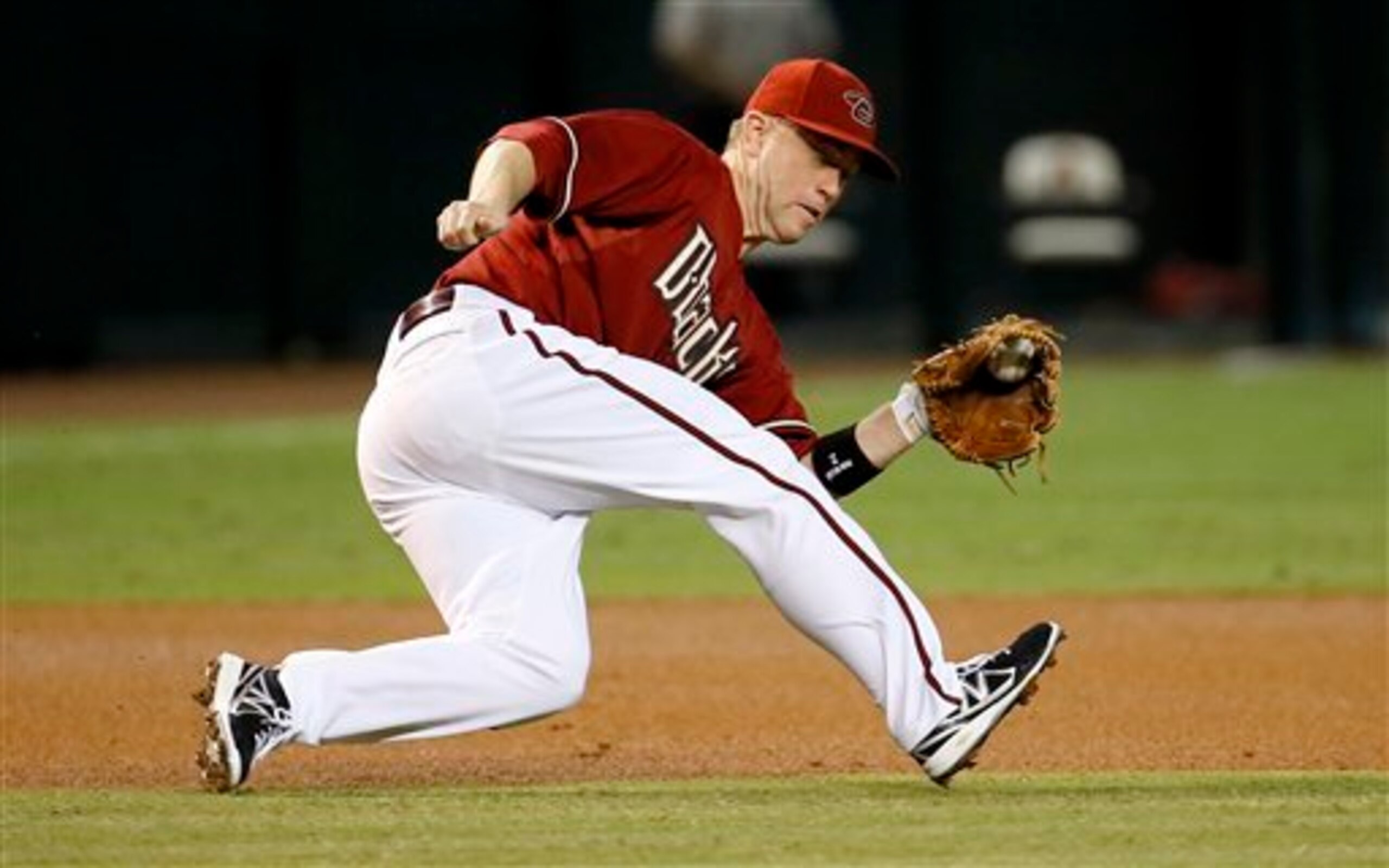
The Arizona Diamondbacks signed Aaron Hill to a three-year, $35 million extension following the 2012 season—a deal that appeared team-friendly at the time. But fast-forward two years and the remaining $24 million on Hill’s deal now is more of a sunk cost than a bargain.
However, with a plethora of talented infielders in the first and second years of their big league careers, the Diamondbacks would be wise to define Hill’s exact role with the club moving forward. Or they could try to move him during the offseason, though Jack Magruder of Fox Sports Arizona believes that’s unlikely given Hill’s current value:
"There is no reason to believe Hill, 33 next spring, will not return. He had 36- and 26-home run seasons with Toronto in 2009-10, but had only six in almost five months with the Blue Jays before being traded to the D-backs with John McDonald for Kelly Johnson on Aug. 23, 2011.
He hit .315 with 12 doubles in 33 games here that season, and followed with another Silver Slugger season, hitting .302 with 44 doubles, 26 homers and 85 RBI in 2012.
"
Colorado Rockies
27 of 30
There’s no good way for the Colorado Rockies to drastically improve their starting rotation in the offseason. However, the organization will have an opportunity not to make the same mistake twice with Brett Anderson.
Anderson has a $12.5 million option for 2015, which is way, way, way too much money for a guy who lands on the disabled list several times each season, which is reflected through his 123 combined innings since the start of 2012.
If the Rockies plan on moving Anderson and his contract this winter, then they’ll likely have to include him as part of larger deal given his minimal value at the present.
Los Angeles Dodgers
28 of 30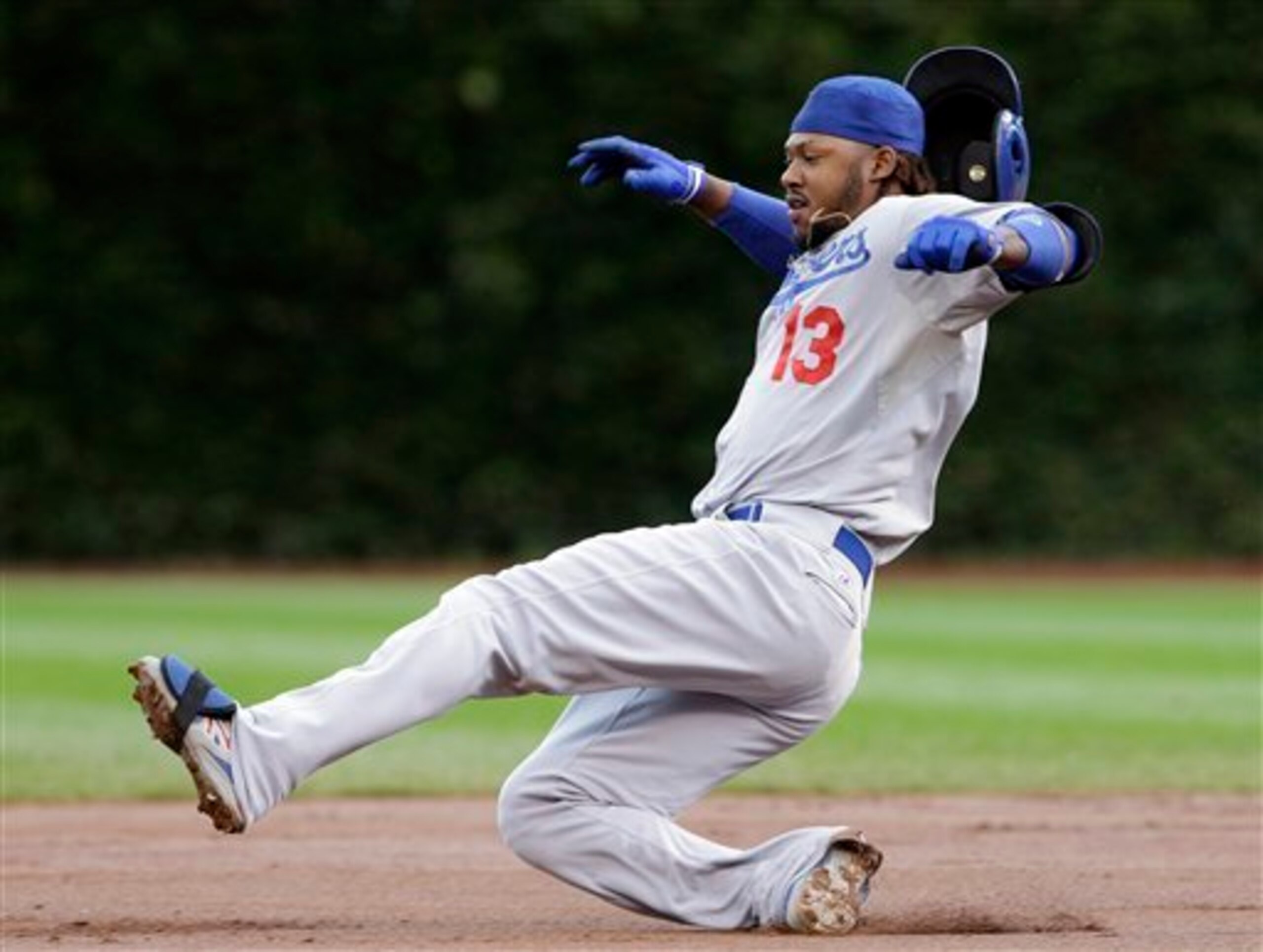
The Los Angeles Dodgers have a crucial decision to make regarding Hanley Ramirez’s future with the club. Specifically, does it make more sense to offer the free-agent shortstop a qualifying offer or attempt to retain via a multiyear deal?
Steve Dilbeck of the Los Angeles Times doesn’t believe the solution is as clear-cut as it seems:
"A qualifying offer to Ramirez assures the Dodgers a one-year bridge until Seager is ready, should he accept, or a first-round pick if he does not. That’s assuming someone else signs him, his best future looking like designated hitter now.
Unless they just want him gone and are ready to move on. You can bet the pitching staff would like a dependable glove at short. And management can’t be thrilled Ramirez stopped talking to the media for no announced reason.
"
Bringing back Ramirez for at least two years could have large-scale impact on the organization, and it’s all the more reason the Dodgers need to figure out where he stands as soon as possible.
San Diego Padres
29 of 30
The future appeared bright for Everth Cabrera headed into 2014, as the 27-year-old shortstop was coming off an All-Star campaign in which he batted .283/.355/.381 with 37 stolen bases.
However, hamstring issues limited him to only 90 games this year, and his production was down significantly across the board (.232/.272/.300, 18 SB). He also was arrested in early September for driving under the influence of marijuana.
Naturally, general manager A.J. Preller and the rest of the San Diego Padres’ front office have become leery of Cabrera moving forward. Per Corey Black of MLB.com:
"I think in Everth's case, we'll get started with our staff and our scouts, look at who fits and other ways to make improvements in all spots. In his case specifically, you need to see where he's at physically, the off-field deal, and make a decision going forward about what. In the next month or two months, we'll see where he's at.
"
The Padres paid Cabrera $2.45 million last year following arbitration, and he’s arbitration-eligible once again this year. What a difference a year makes, right?
San Francisco Giants
30 of 30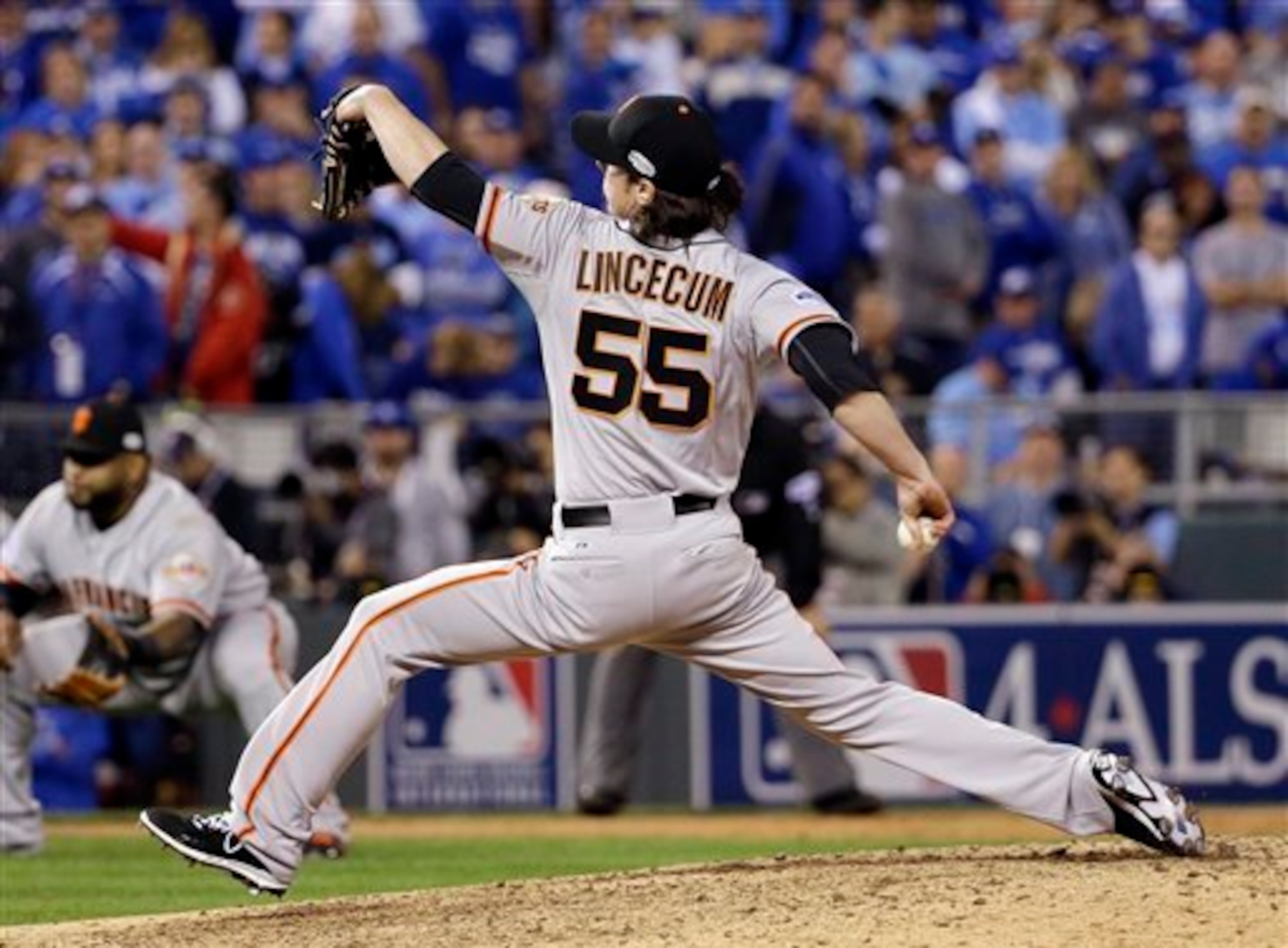
The San Francisco Giants are three wins away from winning a third World Series in the past five years, and they’ve done it with mostly the same cast of characters. As a result, the Giants have been able to largely avoid the craziness that is the offseason free-agent market.
However, with Tim Lincecum, Ryan Vogelsong and Matt Cain’s best days seemingly behind them, the Giants will be forced to consider ways to improve its starting rotation for 2015, even if they win another title. One option, though not necessarily the most desirable, is for the club to pass on trying to re-sign third baseman Pablo Sandoval and instead allocate his potential contract value toward a proven starting pitcher.
If the Giants choose to keep Sandoval, then it might make sense to pursue an affordable arm via trade such as Jeremy Hellickson.
.png?w=2560)

.jpg?w=2560 "NFL House in Paris Closes for Protests")

.jpg?w=2560 "Trevon Diggs Cut by Seahawks")