Clasico Is Too Close to Call as Real Madrid and Barcelona Adapt to Changes
If Saturday’s Clasico is half as good as last season's breathtaking corresponding encounter at the Santiago Bernabeu, which finished 4-3 in Barcelona’s favour, then it’s fair to say the global audience of around 400 million people are in for a treat.
Real Madrid avenged the league defeat less than a month later when they beat Barcelona 2-1 in the final of the Copa del Rey, and although it’s only six months since the teams last met, a lot has changed in both camps since those heart-stopping clashes.
At Barcelona, Luis Enrique inherited a team from Tata Martino that was lacking attitude—particularly in defence—overstretched, played too direct, devoid of purpose and without direction.
TOP NEWS
Live World Football Moments 🍿

Final Men's Ballon d'Or Rankings 📊
.jpg?w=2560 "NFL Paris Football")
NFL House in Paris Closes for Protests
It was patently obvious that Tata had lost the side early on in his tenure—some would say as early as the first training session—when some players ventured to suggest the methods being employed were out of date.
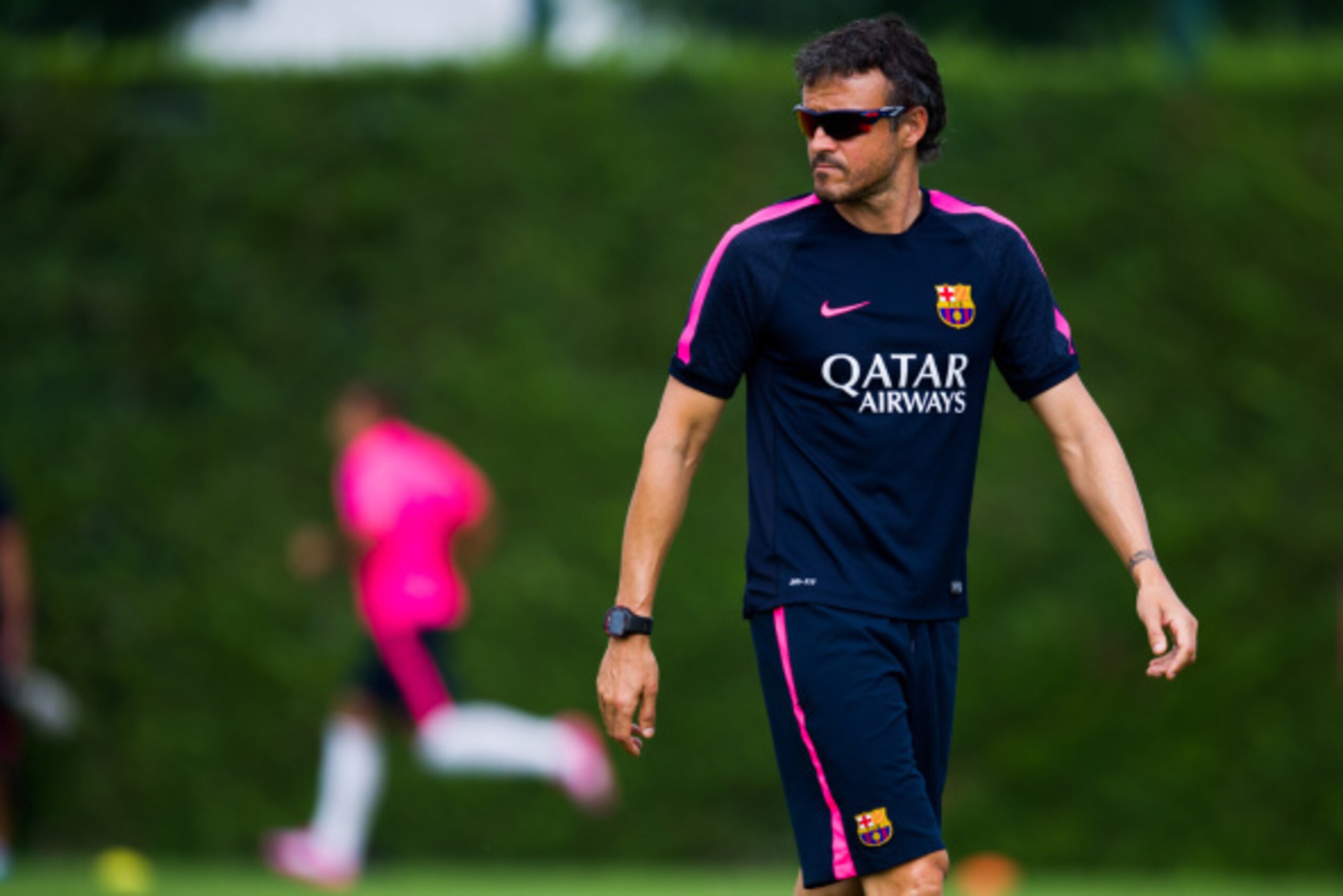
Luis Enrique has now come in, and his No. 1 priority was a pre-season so demanding that reports coming from the training ground stated that some players were unable to complete some of the sessions.
With the players fit enough for his liking, he has set about concentrating on trying to play a game that combines pressure high up the pitch along with a more direct approach, effectively a kind of hybrid that he considers an evolution of what Pep Guardiola tried and a way to admit that teams had found Barcelona out.
The problem is not everyone is convinced it will work. Those in favour point to a league record that shows 22 goals scored, none conceded and no defeats.
Detractors, however, will say the only real test they have had to face so far came in the Champions League against Paris Saint-Germain—a test they failed, as Barcelona didn’t look like they knew what to do with the ball. It was a bumpy ride of a game, and Barcelona need to control possession to get the best of their players.
A clash of styles in midfield means what Andres Iniesta brings to the party is not the same as Ivan Rakitic is offering, although the arrival of Luis Suarez, who will apply pressure high up, as well as score goals out of nothing, should help.
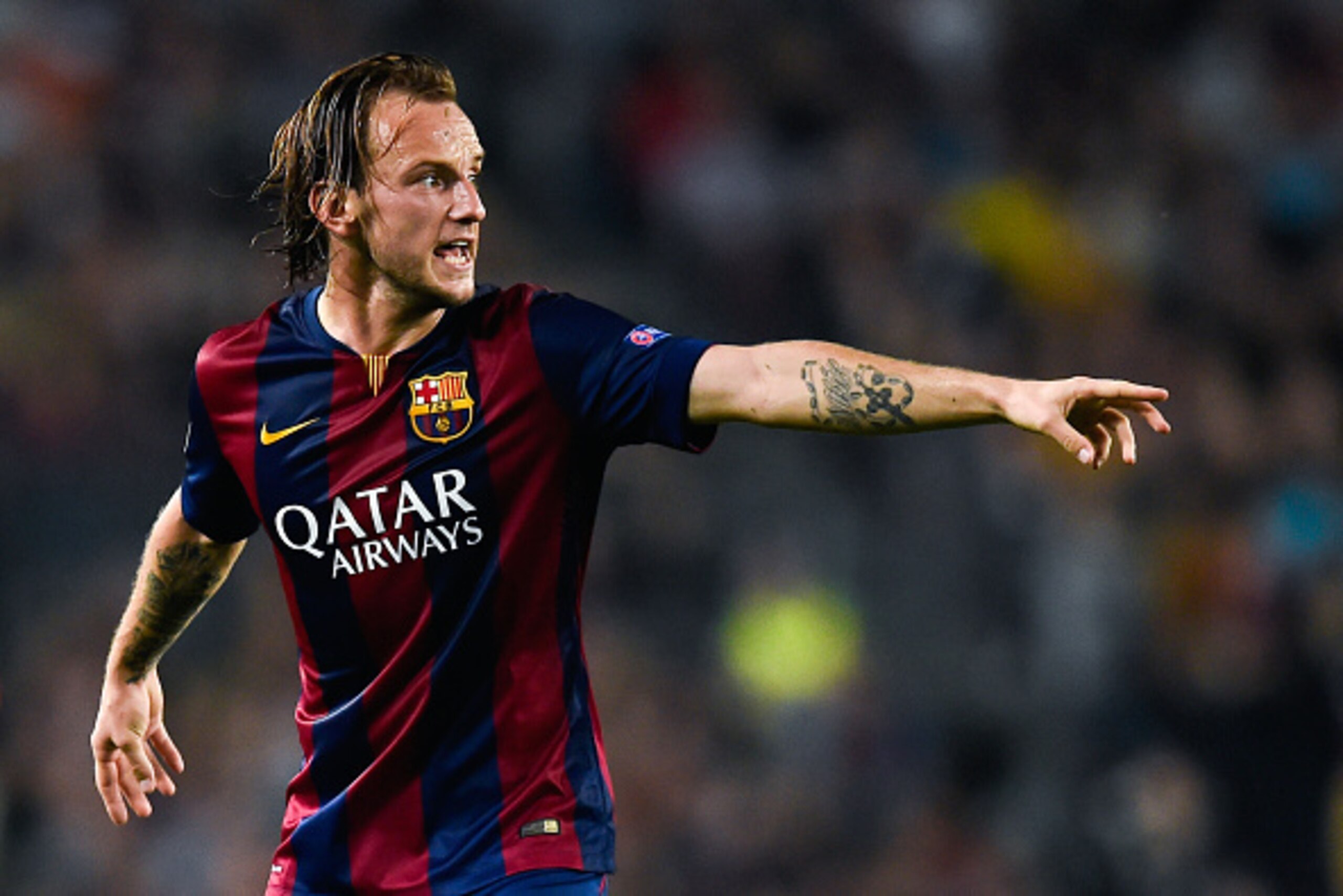
But before trusting everything to the individual, Barcelona should have a clear idea of where they are going.
Against Ajax, that hybrid of styles worked in the first half, but the high tempo and directness worked against them in the second. Gaps appeared, possession was lost, pressing high disappeared and Ajax almost drew the game.
It could prove to be the turning point of the season for Barcelona.
What’s also interesting is we are seeing a different Neymar to the one we saw in Brazil. That is quite simply because he was the main point of reference there, while at Barcelona, that honour falls to Leo Messi, who is once again playing in the position that he wants, scoring and assisting.

Neymar works for the ball and makes runs in behind the defence, which is basically what Suarez will also do. That’s a prospect that will have the Argentinian maestro licking his lips in anticipation, as spaces will be created if the movement is continuous.
But can Suarez do that enough when he is not yet match fit? Within the Barcelona staff, there are divided opinions about him starting. The debate centres on the surprise element and high motivation vs. fitness levels. The decision hasn't been made yet.
The only possible downside is the potential problem of a lack of midfielders coming into the box. So often the last pass is given by the full-backs, and a team like Barcelona need more inside channels to open up defences.
There are also changes at Real Madrid, although Carlo Ancelotti has claimed the style at Real had already been defined.
With James Rodriguez available, it wasn’t long before Ancelotti realised how hard-working and dynamic the Colombian could be when shown exactly what his role should be: track back a lot, play between the lines and be able to provide that final killer pass. This is a player who has the making of doing a great job for his new club.
Luka Modric and Toni Kroos have still to adapt to each other.
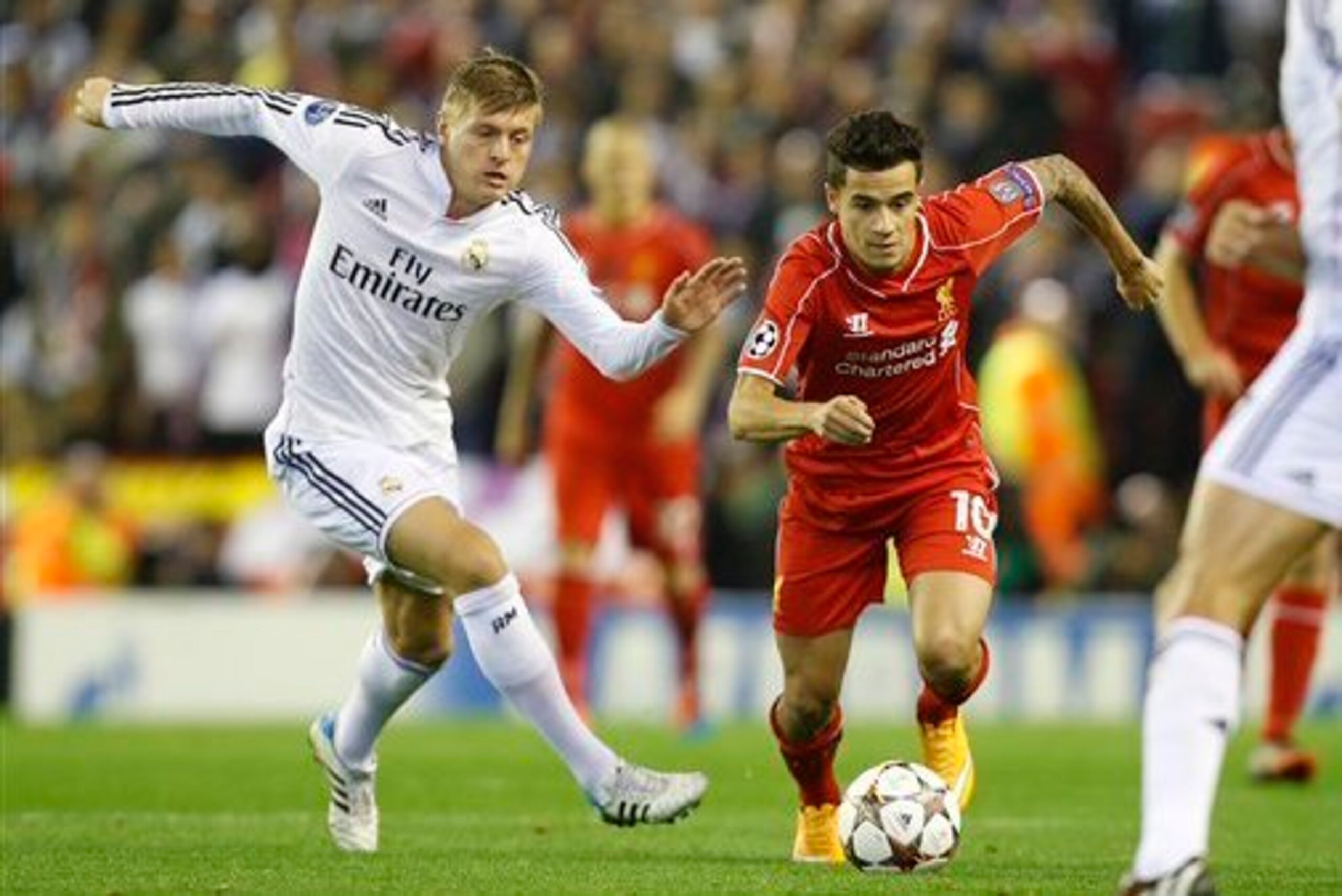
There are suggestions in some quarters Kroos will never be able to do the Xabi Alonso job. Ancelotti begs to differ because he believes the job is not so much about quality—which the former Bayern Munich man possesses in abundance—but application and attitude.
The team has only properly fit together in the last six weeks, which members of the staff said was the reason why we did not see a better Real Madrid earlier on.
It’s also very interesting up front. Cristiano Ronaldo has made an amazing transition from provider to goalscorer. Lightning fast, he does a lot of running without the ball, placing himself in and around the frame of the goal and not starting from wide areas as often as he used to.
In counter-attacking situations—and no one does these better than Real Madrid—he releases the ball early and is invariably the first man to get into the box.
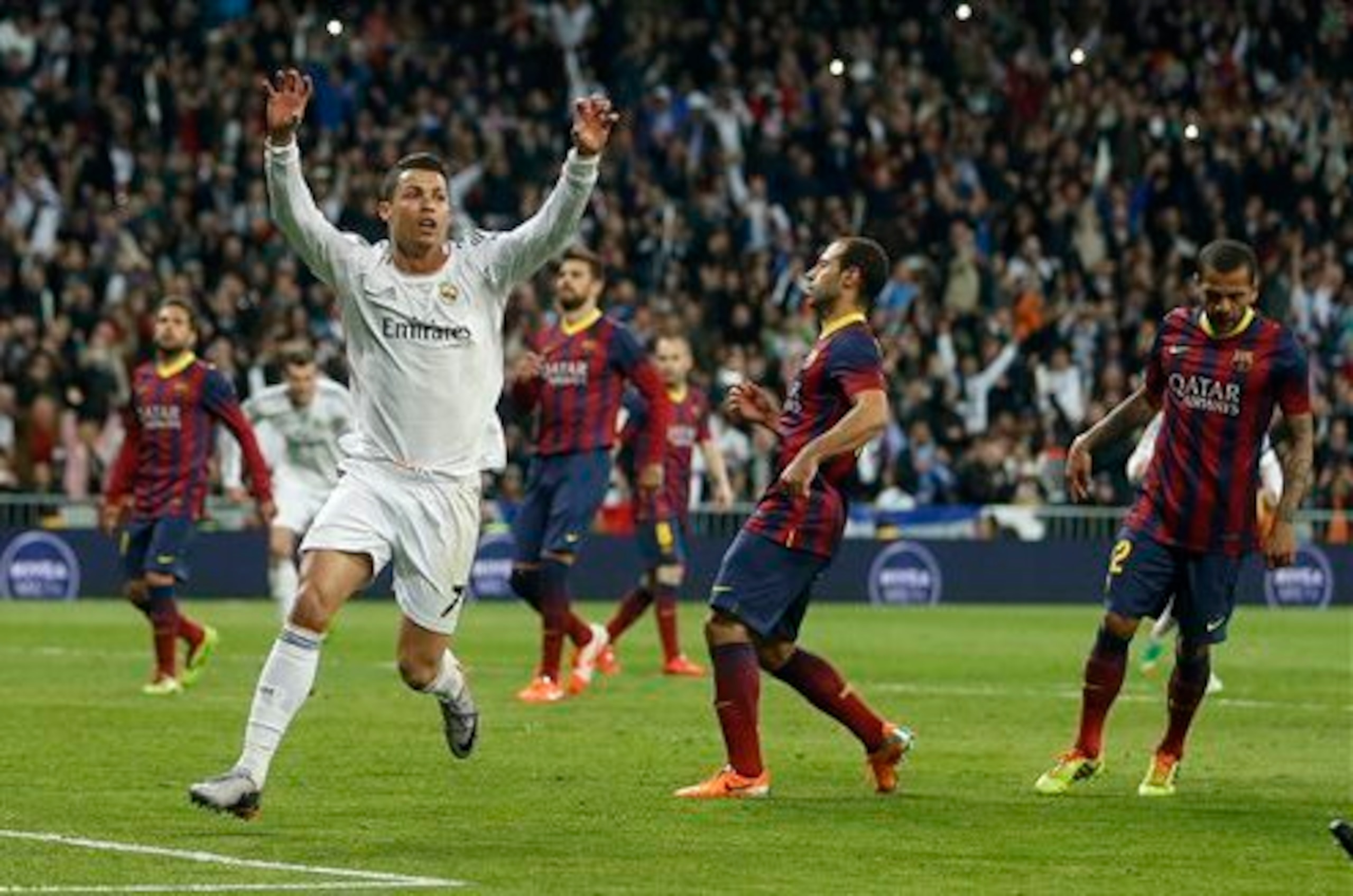
I know for a fact that some of the best strikers in the Premier League have been shown clips of what Ronaldo can do so they can learn from him.
This means, of course, Karim Benzema—despite the attitude of many who follow the club—is an ideal striker for Real, given he plays almost like a No. 10, an offensive midfielder.
Isco will be the replacement for Gareth Bale, meaning Ancelotti is guaranteed balance. He recovered possession like a defensive midfielder against Liverpool and was fully committed to the team's cause.
So who's going to win? Your guess is as good as mine, but if you’re forcing me to make a decision, I would say a fairly high-scoring draw is as good a bet as any other.
Whatever happens, I can’t wait.
All information sourced first-hand

.jpg?w=2560 "Seahawks Chiefs Football")