Roberto Mancini Deserves Huge Credit for His Part in Manchester City Success
In an interview with FourFourTwo, former Manchester City manager Roberto Mancini has claimed he played a significant role in putting together the champions’ current side.
The Italian was in charge at City from December 2009 to his sacking at the end of the 2012/13 season, leading them into the Champions League for the first time in the club’s history, and winning the FA Cup and Premier League title.
It was a glorious period in City’s history. Their 2011 FA Cup win brought to an end their 35-year wait for a major trophy, and the subsequent league win the following season was their first in 44 years.
Mancini told FourFourTwo he believes his four-year stint in charge at the Etihad has allowed them to take their seat at the top table of European football.
He said:
"I think that we started to build this team five years ago.
"
In two years we won the Premier League, the FA Cup, we won everything in England.
And this current team are playing nine of my players all of the time. I am very happy with that because I know these players.
I think it's not easy to build a strong team with only four or five years.
They are a team like Bayern Munich, Real Madrid and Barcelona ... big teams that have been like that for 50 years.
You need the time to improve. But we have a big chance also to be one of the best teams in Europe.
TOP NEWS
Live World Football Moments 🍿

Final Men's Ballon d'Or Rankings 📊
.jpg?w=2560 "NFL Paris Football")
NFL House in Paris Closes for Protests
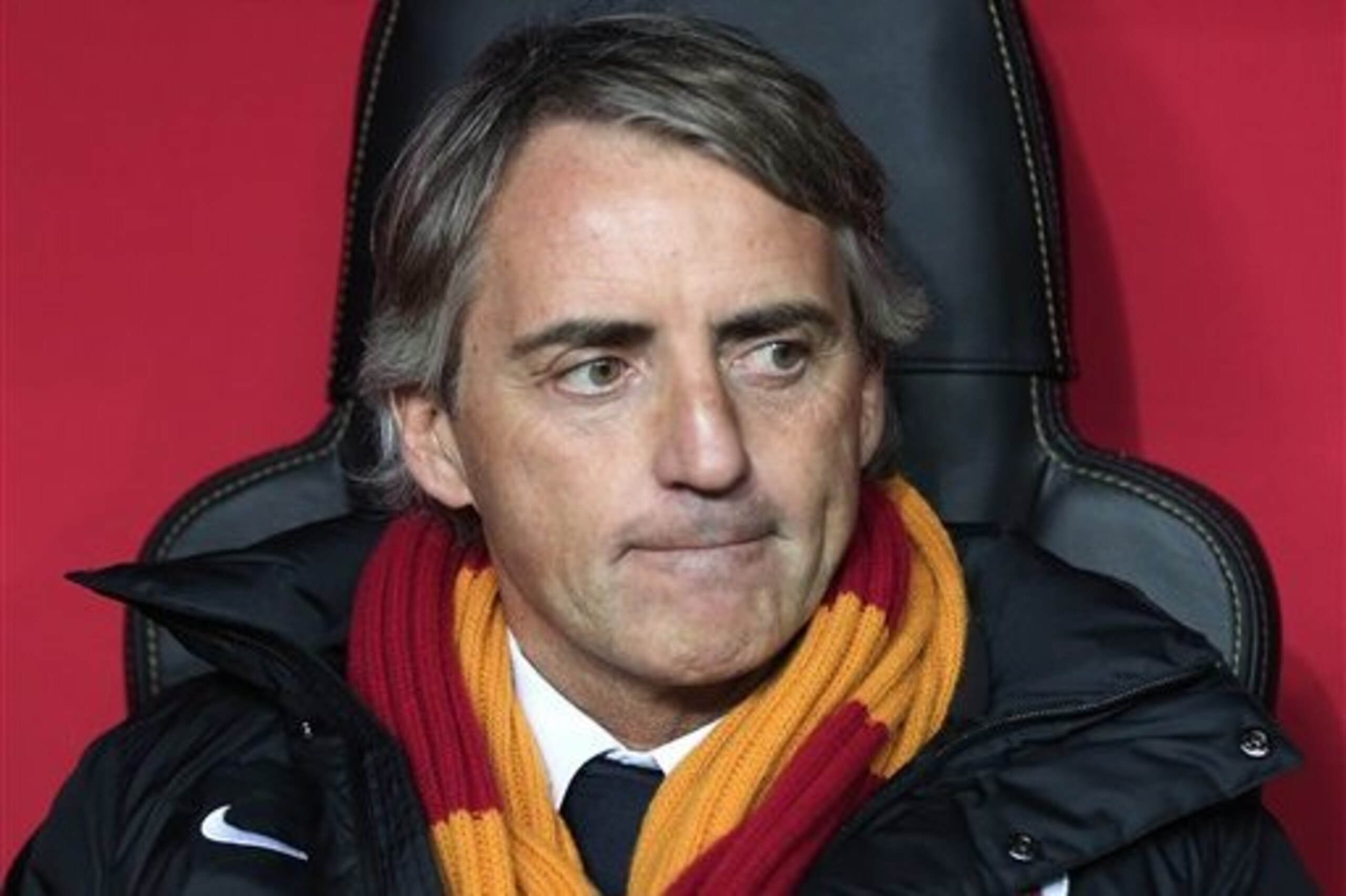
Some will see Mancini’s comments as a blatant attempt to promote himself as he looks to get himself back into work, which, to some extent, is true, but as a manager who has often faced unfair criticism, he probably feels the need to defend his record.
Before his arrival at City, the club, despite the huge sums of investment made during Mark Hughes’ time in charge, were miles away from success. Hughes had spent close to £200 million during his 18-month tenure, but he had only managed a 10th-place finish in his first season—a place lower than Sven-Goran Eriksson had managed on a limited budget. Hughes left halfway through the 2009/10 season with the club in sixth place having won just two of 11 league matches.
City looked lost, an array of expensive players less than the sum of their parts, conceding goals at an alarming rate. Mancini instantly made City harder to beat and, despite missing out on Champions League football to Tottenham at the end of the season, his first half-year in charge was an important platform for future success.
Having for so long been considered underachievers—a club with an unerring ability to snatch defeat from the jaws of victory—Mancini turned them into a side full of self-belief. He spent big money, but he spent it wisely, bringing in players such as David Silva, Yaya Toure and Sergio Aguero capable of taking City to new heights.
And in 2011 he buried 35 years of pain and suffering by delivering the FA Cup. Finally, City had rooted out the negativity and nervousness that had for too long characterised their play, and that was no easy task.
The next phase of Mancini’s development saw City begin playing with much more attacking freedom. The conservative approach that had steadied the post-Hughes ship and won City the FA Cup was abandoned in favour of a more free-flowing style. Silva, Aguero and Toure were augmented by an English core, and City began posting some huge wins.
Their early-season form in 2011/12 threatened to see them win the league at a canter, but City wobbled, allowing Manchester United a route back into the title race. But City under Mancini were a different proposition. They overhauled United, wiping out an eight-point deficit and winning the title in the most dramatic circumstances imaginable.
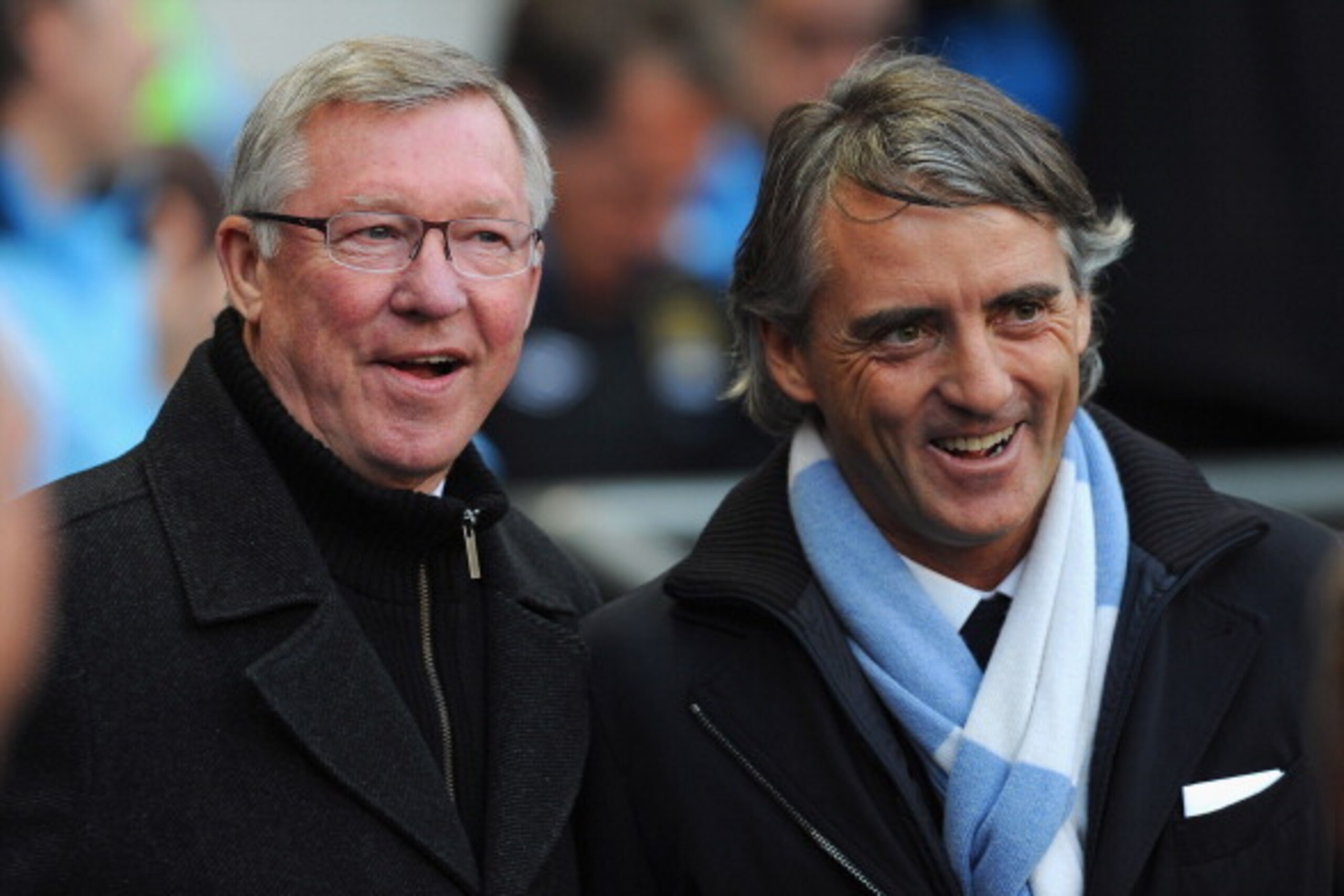
It was an extraordinary way to win the championship. Significantly, Mancini’s title was won in a battle with Alex Ferguson, the greatest manager of all time and for so long City’s nemesis. Mancini faces criticism from those who see him as a myth, but that, undeniably, ranks as a serious achievement.
But Mancini failed to capitalise. A disastrous summer full of missed targets led to regression. A pathetic title defence and more failure in Europe was compounded by a defeat in the FA Cup final to Wigan. Mancini, having lost the dressing room, had to go.
What is clear, though, is that Mancini paved the way for future success. Any manager coming into the City hot seat now has an easier task than prior to his arrival. He did the hard work in ridding City of their tag as perennial failures, ushering in a winning culture and mentality.
His assessment of City as a European superpower is somewhat misguided, and his use of "we" a little odd, but his assertion that he played a key role in City’s trajectory is absolutely correct. Manuel Pellegrini deserves praise for the way he has improved and evolved City—they are a better side than at any time under Mancini—but it’s clear the Italian laid the groundwork.
Rob Pollard is Bleacher Report's lead Manchester City correspondent and will be following the club from a Manchester base throughout the 2014-15 season. All quotes were obtained firsthand unless otherwise noted. Follow him on Twitter: @RobPollard.

.jpg?w=2560 "Seahawks Chiefs Football")