

African Giants Set to Miss out on Cup of Nations
At the halfway point of the group stage of 2015 Cup of Nations qualification, some of Africa’s major sides are in danger of missing out on the January showpiece in Morocco.
Remarkably, reigning champions Nigeria are the big nation most in danger of dropping out of the running.
Only 20 months ago, Super Eagles fans were celebrating their side’s victory in the tournament in South Africa. Under the stewardship of Stephen Keshi, Nigeria defeated Burkina Faso at Soccer City, Johannesburg to claim their third African crown—their first for 19 years.
TOP NEWS
Live World Football Moments 🍿

Final Men's Ballon d'Or Rankings 📊
.jpg?w=2560 "NFL Paris Football")
NFL House in Paris Closes for Protests
The Big Boss brought the trophy back to Lagos with a young and talented team that reignited passion for the national side in Nigeria and prompted optimism for the immediate future.
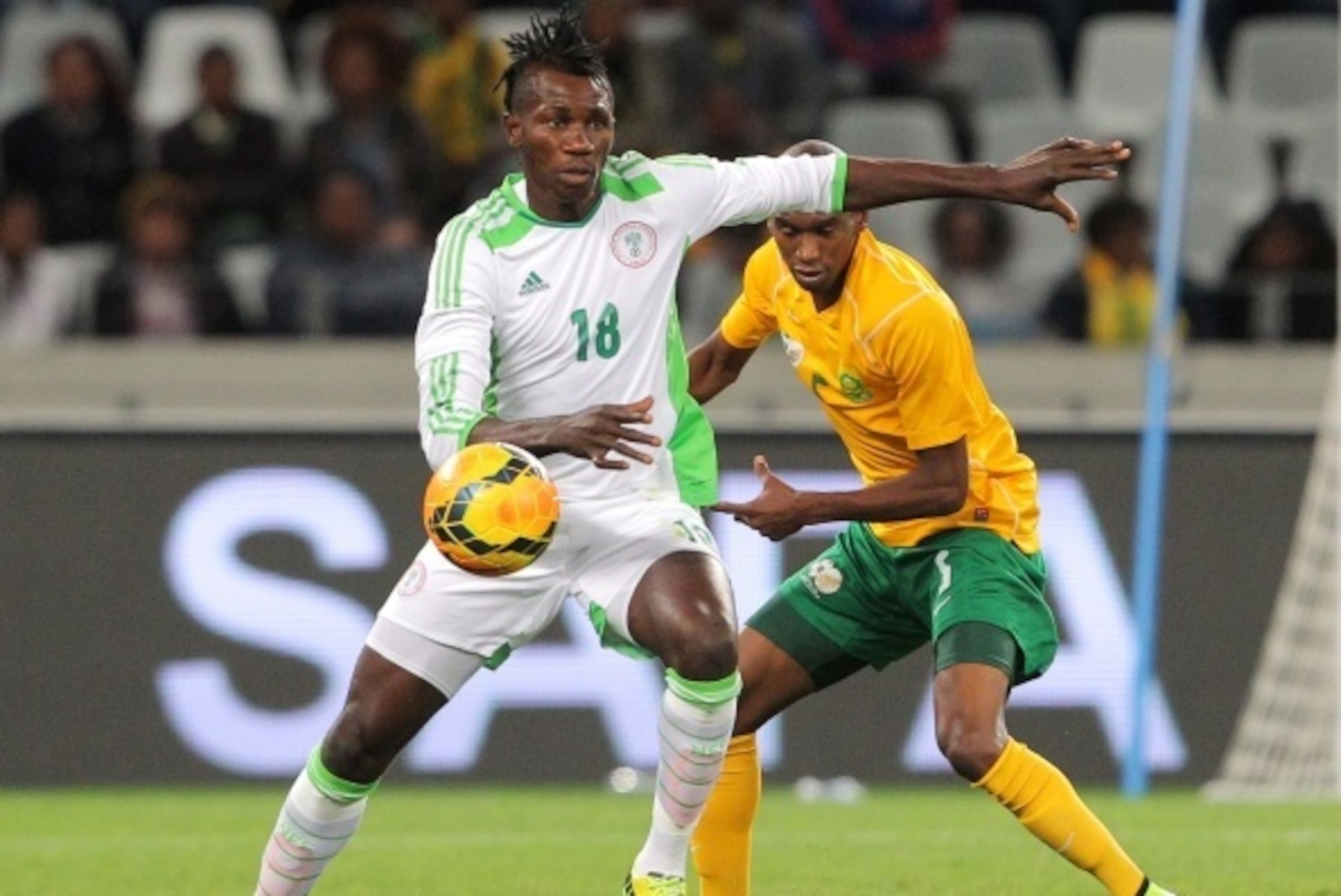
Keshi’s youthful outfit looked set to contest the key honours in the continental arena for years to come.
However, there has clearly been a subsequent decline. Initial post-victory stutters were explained away, while the underwhelming performance at the 2013 Confederations Cup was put down to injuries to Emmanuel Emenike and Victor Moses.
While Nigeria impressed once more in their World Cup qualifying double-header against Ethiopia to book their place in Brazil, their preparations ahead of the tournament itself were beset by further injury concerns and major questions over key positions in the team.
They remained resolute at the World Cup and were the last team to concede a goal, but their performances against Iran and France were characterised by a lack of cutting edge up front.
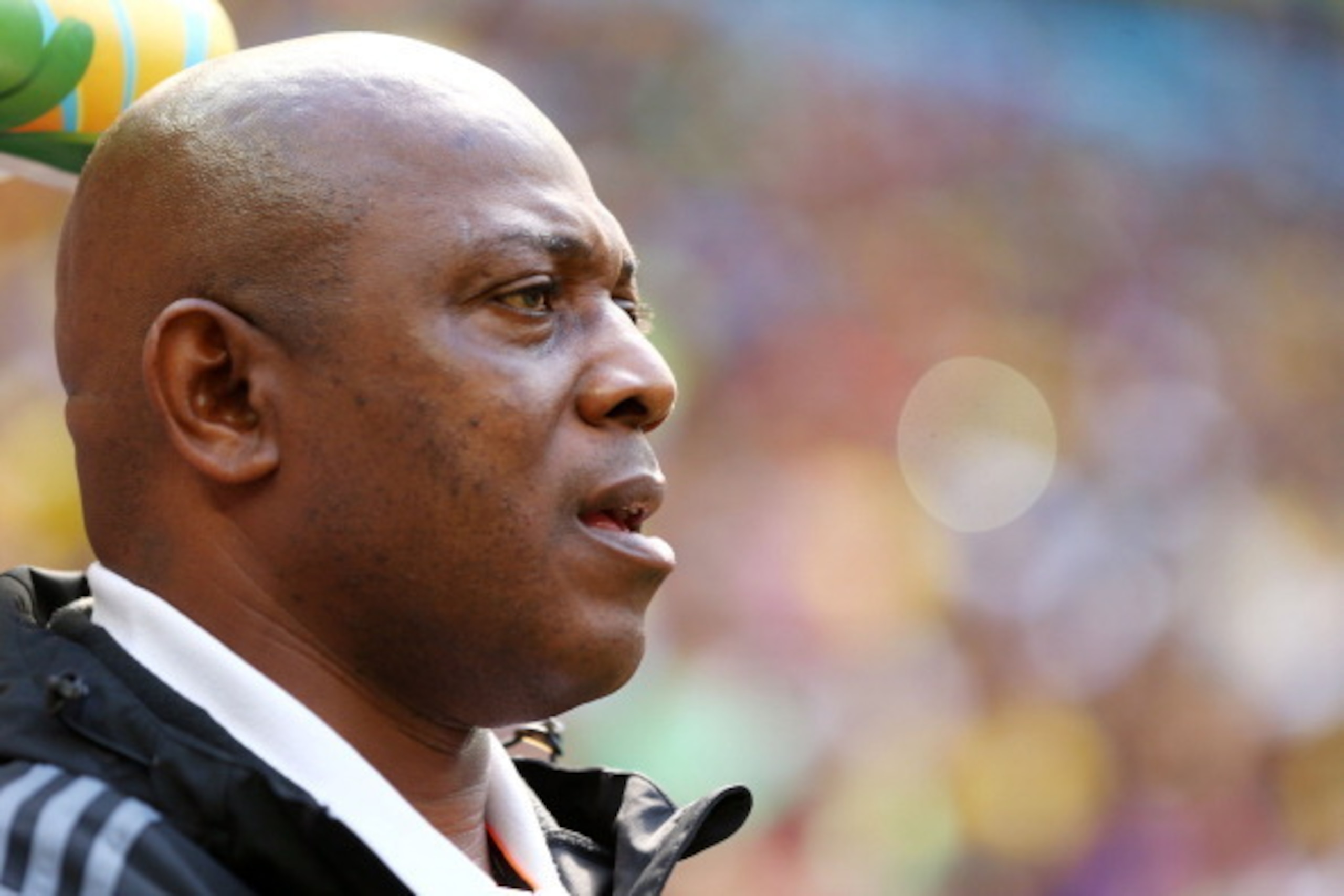
Since then, lingering doubts over the managerial position, a spat between Keshi and Emenike and the malaise of John Obi Mikel have begun to take their toll.
The ongoing controversy at the Glass House, the home of the Nigeria Football Federation, has also undermined the team.
The fallout has been bitter—the Super Eagles were defeated 3-2 by the Republic of Congo in Calabar in their open AFCON qualifier. The nature of the loss was disappointing, but to lose at home, for the first time in 33 years, was a disastrous beginning to the qualification process.
This was followed up by a 0-0 draw with South Africa.
After a month’s break, with an out-of-contract Keshi still in the dugout, Nigeria headed to Khartoum for the first match of a double-header against Sudan. The Falcons of Jediane were earmarked as the would-be whipping boys of the group and, having been beaten by both Congo and Bafana Bafana, looked like the ideal opposition to help Nigeria kick-start their qualifying campaign.
Unfortunately, the Super Eagles opted to reach their nadir in Khartoum.
Keshi’s decision-making was again called into question when he opted to start with Warri Wolves forward Gbolahan Salami. Admittedly, Victor Moses and Michael Babatunde were ruled out through injury, but surely—with the greatest respect to Salami—Nigeria can call on a forward with more of a threat than the barrel-chested striker.

Still, few could have predicted that Sudan would pick up the victory—their first over the Super Eagles for 51 years. Defensively, Keshi’s men can’t really be criticised for the goal, Mudathir El Tahir’s cross was perfect, while Bakri Almadina’s header gave Vincent Enyeama no chance.
In seeking to pull themselves back into the contest, however, the west African giants were insipid, lifeless and uninspired, while Keshi, with his predictable substitutions, looked exhausted and unable to manipulate the resources available to him.
It remains to be seen whether the manager will still be in the hot seat for the return fixture on Wednesday, but any change may be too little too late. With one point after three games, it would take an extraordinary turnaround for the Super Eagles to earn the chance to defend their title in Morocco.
A second key nation genuinely struggling to secure a spot at the Cup of Nations is Egypt.
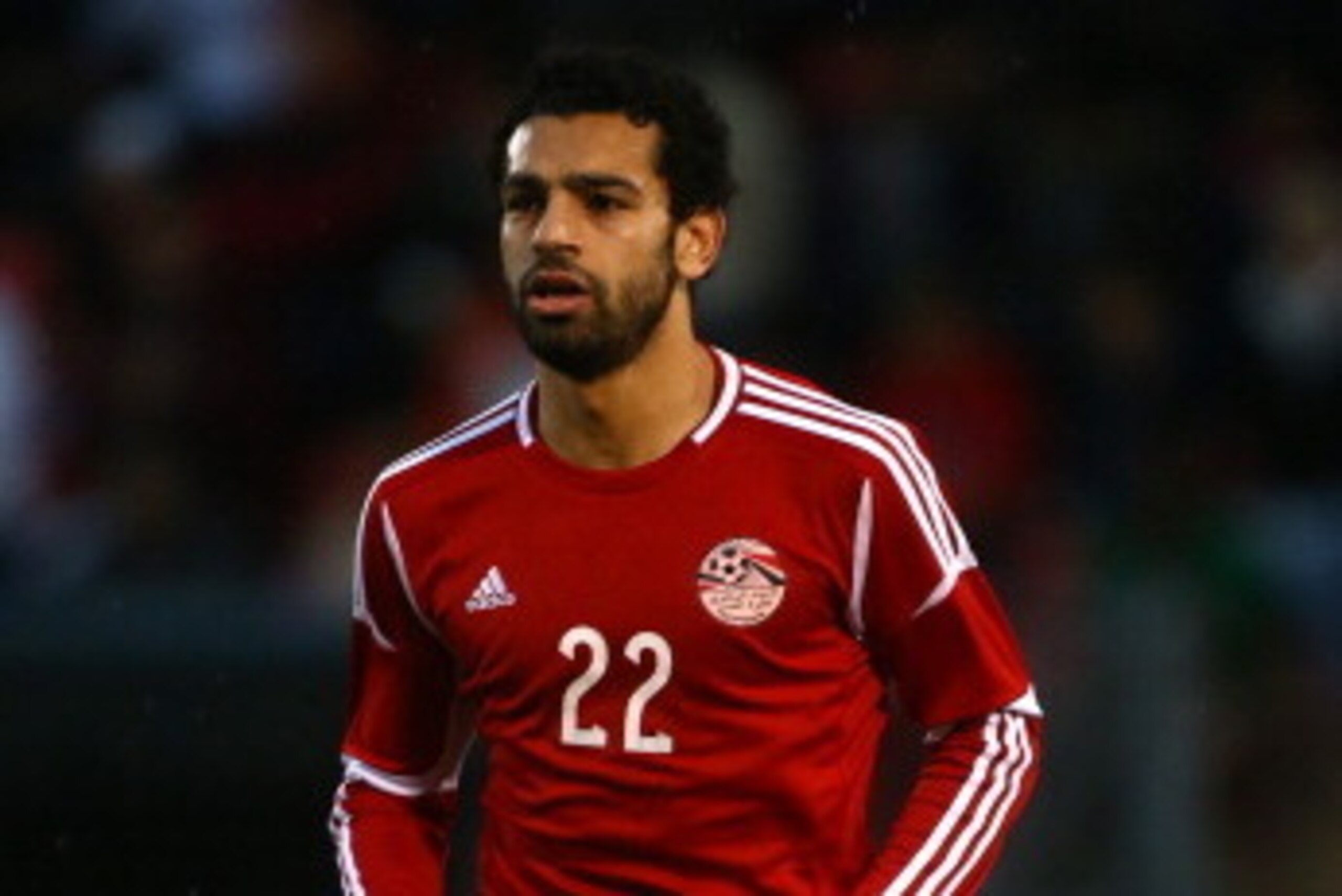
Apologists of the Pharaohs may argue that the North African giants are in a transitional period. But haven’t we been hearing this for some time?
The side won the Cup of Nations three consecutive times between 2006 and 2010 before missing out on both the 2012 and the 2013 editions of the tournament.
In 2012, they told us it was transitional; in 2013, the line was repeated. All these years later, how has this young and talented side not been moulded into something more effective and more menacing in the continental arena.
Admittedly, there are caveats, not least the political and military turmoil in the country.
At the same time, Mohamed Salah’s career choices must be brought into question.
The forward is an undeniable talent, but did the switch to Chelsea come too soon? One start for Chelsea—none in the Premier League—so far this season indicates that Salah—like Victor Moses and Christian Atsu—may need to take a step back before he can take a step forward.
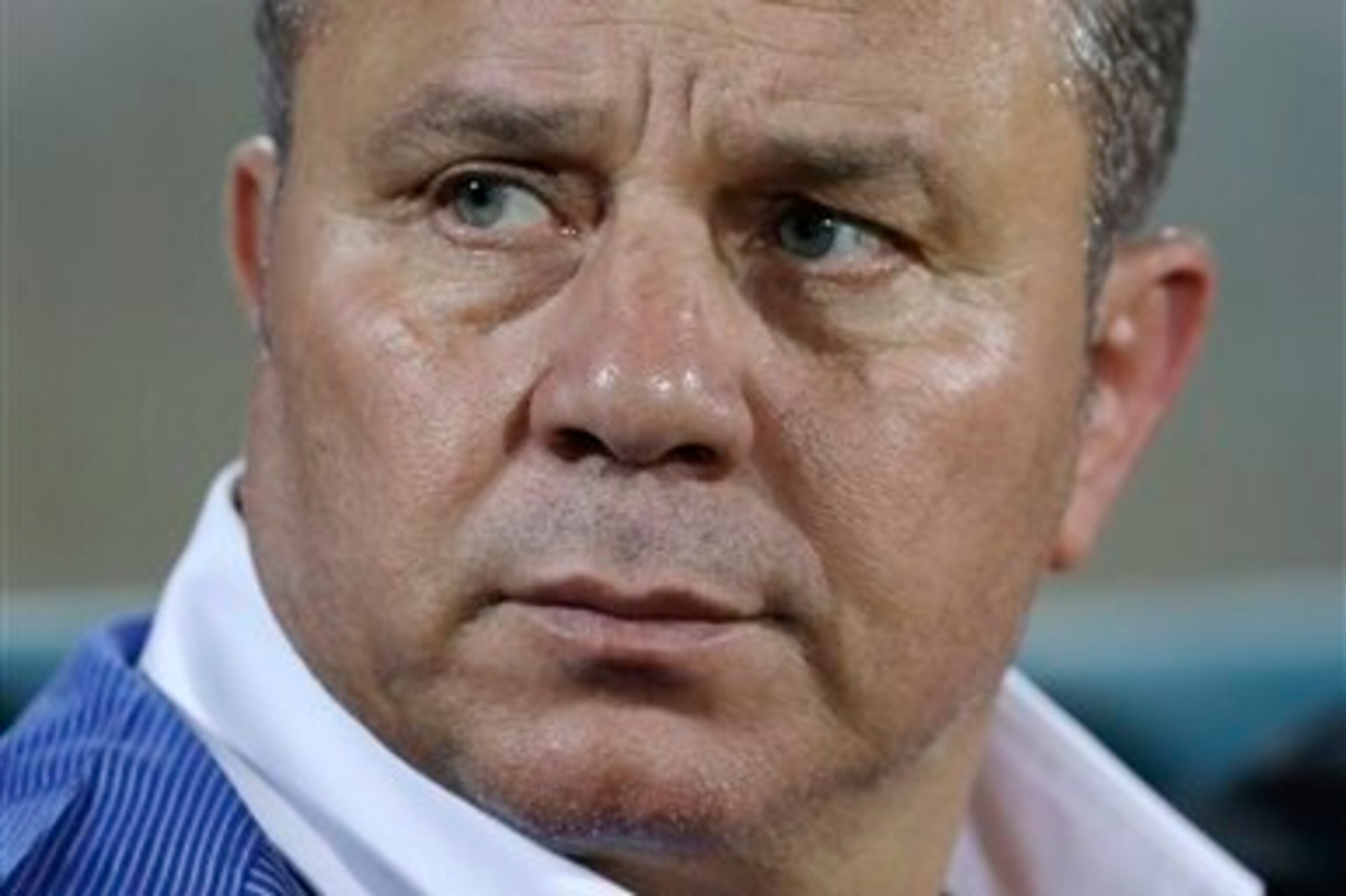
Salah scored against Botswana, helping the Pharaohs to their first victory of the campaign, but his poor finishing and overall performance against Senegal may well come back to haunt Shawky Gharib’s side.
With three games down, the Pharaohs sit in third place in Group G.
They have certainly been dealt a tough draw—pitted against the Lions of Teranga and Tunisia—but Egypt haven’t given a great account of themselves to dat.
It may be that the Pharaohs need to qualify as the best third-placed team in the qualifying programme, but they will need their results and performances to improve.
Of all of Africa’s major sides, Algeria, Tunisia, Senegal, South Africa and, to a lesser extent, Cameroon are the only ones who will be pleased with their showings to date.

The Ivory Coast’s new boss, Herve Renard, will probably admit that his side have been flattered by their six points to date. An unconvincing home showing against Sierra Leone and a late winner against the Democratic Republic of Congo have not done enough to distract from a devastating 4-1 capitulation at the hands of Cameroon.
Ghana, too, are yet to convince. The Black Stars demonstrated resiliency with a 3-2 away victory against Togo, but their draws against Uganda and Guinea have uncovered a weakness that might have been exposed in a tougher group.

.jpg?w=2560 "Seahawks Chiefs Football")






