The Humble Origins of Barcelona and Real Madrid's Clasico Superstars
On Saturday at the Santiago Bernabeu, arguably—inarguably?—the two biggest clubs in the world will go head to head, with seemingly more individual stars on display than ever before.
Luis Suarez could well make his Barcelona debut, while James Rodriguez's summer arrival at Real Madrid ensured the ever-escalating arms race between these two sides remains evenly poised.
Both sides have immensely attacking players to call upon, individuals who are supremely well compensated for their talent. Some, like Cristiano Ronaldo and Lionel Messi, earn more than £250,000 a week; the sides' respective attacks cost nearly £1 million per week to put out on the pitch.
TOP NEWS
Live World Football Moments 🍿

Final Men's Ballon d'Or Rankings 📊
.jpg?w=2560 "NFL Paris Football")
NFL House in Paris Closes for Protests
This is both the biggest game and one of the most expensive; the way modern football currently is, the two aspects are almost synonymous.
That makes the players involved millionaires beyond the wildest dreams of 99.9 percent of the population, just as they have an ability 99.9 percent of the world do not have.
They are rich now, but it wasn't always the case. It is tempting, when one watches games like this, to think of the actors as having emerged, fully formed, on this stage, without much of a backstory or path to this point.
That could not be further from the truth—in many cases, the players who will have the eyes of the world on them Saturday have come from some of the most obscure corners to get here.
Greatness can come from anywhere, as this article—and Saturday's game—will demonstrate.
Lionel Messi
Birthplace: Rosario, Argentina (Population: 1.3 million)
Path to Barcelona: Newell's Old Boys
Total transfer fees cost: £0
Estimated weekly salary: £304,000
Messi's personal story does not need much retelling. Everyone knows of the undersized kid with a once-in-a-generation talent, who moved across continents in order to receive the medical treatment he needed in order to fulfil all that potential.
The Argentinian might be at the pinnacle of the game now, but he came from some very humble origins. Born in Rosario in 1987, by the time Messi was two, hyper-inflation had led to an economic collapse in his home country.
Messi's talent was first becoming evident in 1995, when unemployment in Rosario was right around 20 percent. Opportunities were limited, ambitions often thwarted, although the Messis got by—his father working in a steel factory, his mother picking up a few hours as a cleaner.
Amid that, Messi's particular ability shone through. His team ("The Machine of '87") lost just once in four years before he was diagnosed with a growth-hormone deficiency at age 11.
Treatment cost about £600 a month, more than the family could afford. The hope was Newell's Old Boys, the club he was attached to, would pay. But it is hard to play the long game when money is so tight, and the club declined the opportunity.

That led the family to look further afield, with relatives in Catalonia, Spain, able to get Messi a trial with Barcelona. The club, having just changed presidents, was initially reluctant to confirm a deal, leaving the family in limbo. In the end, on December 14, 2000, sporting director Charly Rexach committed to a deal by writing it on a napkin.
That would set Messi on the path to where he is now. But there was further hardship along the way. The Barcelona deal split his family, with his father living with him in Spain and his mother and siblings staying back home.
Eventually they would all be united as the son became one of the richest sportsmen alive—but it seems a fair bet that none of them forget the sacrifices that were made to get to this point.
Luis Suarez
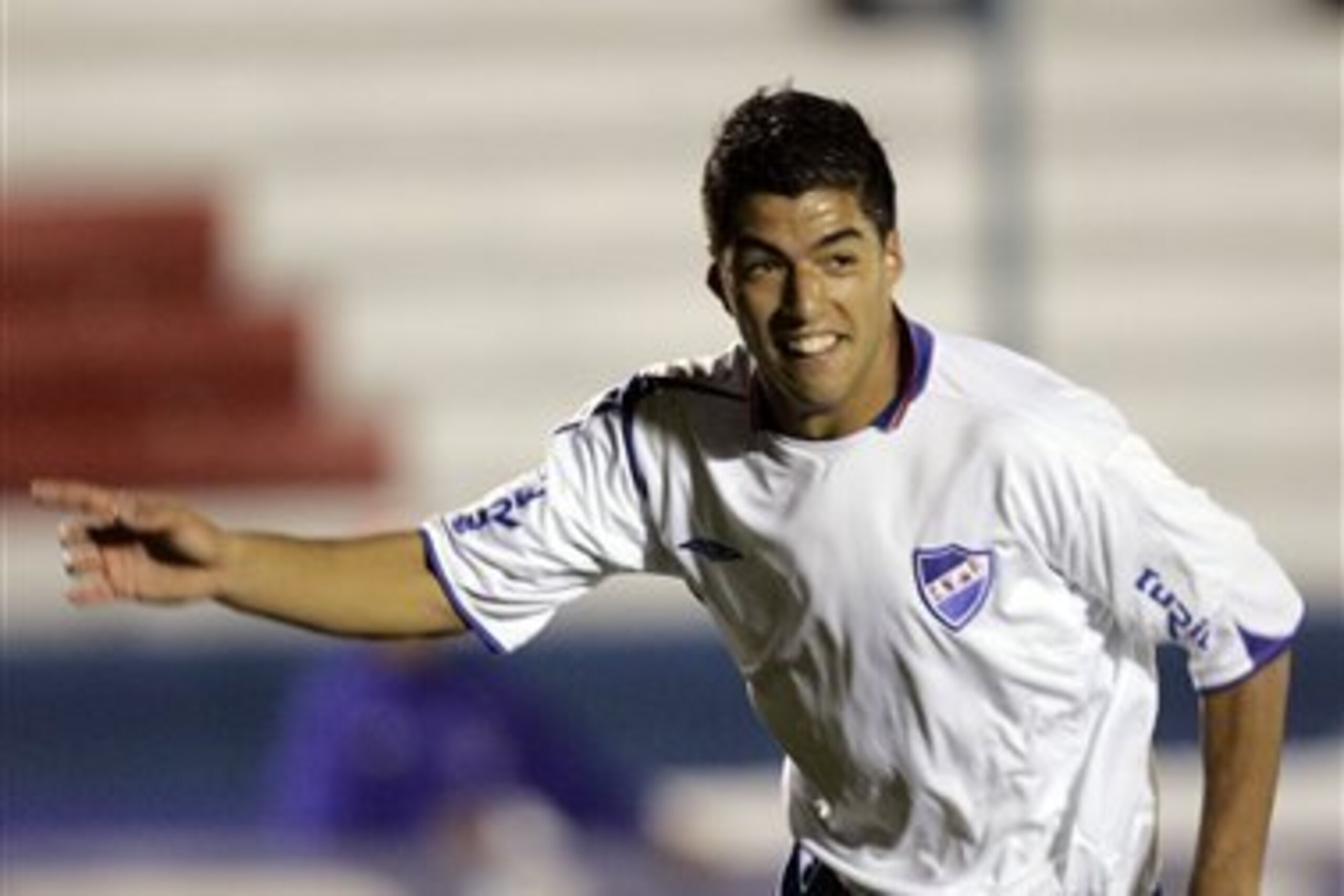
Birthplace: Salto, Uruguay (Population: 104,000)
Path to Barcelona: Nacional, Groningen, Ajax, Liverpool
Total transfer fees cost: £104 million (approx.)
Estimated weekly salary: £160,000
Suarez's story is similar to Messi's in some ways and markedly different in others. Like his new team-mate, the forward utilised his talent to take him out of modest surroundings; unlike Messi, it was a circuitous path that saw Suarez fighting opponents and demons—both real and imagined—at almost every turn.
Suarez was born in Salto, Uruguay's second city, as the fourth of seven brothers, but his footballing education really occurred in the streets of the capital Montevideo after the Suarez family moved there when he was seven.
The family was not rich (and had a lot of mouths to feed), so Luis soon went to work, sweeping the streets where he would also practise his skills (and pick up loose change to supplement his income).
Nevertheless, for a long time he could not afford proper football boots, an issue that cost him at least one trial with a professional side.
As he developed, he eventually joined the youth team of Nacional, one of the biggest sides in Uruguay. But, when he was a teenager, Suarez's father left the family home—sparking an off-the-field slide into drinking and larking about that angered his coaches and threatened his long-term prospects.
Then, when he was 15, he met a girl, Sofia Balbi, and fell in love. But the Balbi family left for Spain in 2003, around the same time Nacional were deciding which youth teamers to give a professional contract to and which ones to let go into an uncertain future.
As Wright Thompson wrote, in a brilliant pre-World Cup profile of Suarez for ESPN:
"Years later, his rise to the Premier League seems inevitable. It wasn't. The reason Suarez became a great player is that he loved Sofia. She lived in Europe, and he lived in South America, and he could clean streets for the rest of his life and not afford a plane ticket. So his young lovesick mind concocted a completely irrational plan, typical of the teenage boy species: He would dedicate himself to soccer, working hard and endlessly, and he'd get good enough to earn a position on a European team, and the team would fly him across the ocean to his Sofia.
"
The plan, as irrational as it was, worked. Suarez excelled for Nacional, impressing in a few games when European scouts turned up and earning himself a move to Dutch club Groningen. It wasn't Spain, but it was close.
At Groningen, a club with a track record of nurturing young talent, Suarez started slowly but soon found his feet, eventually attracting the interest of Ajax. From there his progression seemed inexorable, stunted only by the occasional lapses into street mode.
Liverpool paid more than £20 million to take Suarez to Anfield in 2011, with Barcelona nearly trebling that fee three years later. It took 11 years, but Suarez made it to Spain in the end.
Neymar

Birthplace: Mogi das Cruzes, Brazil (Population: 387,000)
Path to Barcelona: Portuguesa Santista (youth), Santos
Total transfer fees cost: £50 million (approx.)
Estimated weekly salary: £172,000
At 22, Neymar is five years younger than both his attacking partners. It is a significant age gap, especially in explaining his development into the player millions see today.
With footballing talent shown to be such a lucrative commodity (something Messi, in part, had illustrated) by the time Neymar was learning his trade, his natural aptitude afforded him the best opportunities possible.
Born in the town of Mogi das Cruzes in 1992, Neymar and his family moved to Sao Vicente, on the coast, soon after. His father, Neymar Sr., had been a professional player but not a good one, so in Sao Vicente he moved back in with his parents and then worked three jobs—car mechanic, bricklayer, council worker—to give his young family better opportunities.
It was here the son would learn the national game in the streets, against boys much bigger than him, eventually progressing to futsal—where his prodigious ability on the ball would truly develop.
"They were very dismissive, the other boys," Neymar told The New York Times in 2012. "'Who is this little kid?' But I managed to convince them to let me play that first time, and I scored a goal. That changed their attitude. That changed everything."
When he was seven, he was recruited by a small local side, Portuguesa Santista, but soon the big clubs would come calling as word of his remarkable ability spread. Both Sao Paulo and Santos showed interest, but it was the latter who would clinch a deal for the 11-year-old.
For the next few years, Neymar would split his time between training and schooling, his talent granting him and his sister a scholarship to a prominent local private school.
He would sign a professional contract with Santos when he turned 16, but his future had been mapped out long before that, with a deal for his "transfer image right" reportedly agreed months, if not years, beforehand.
He also had the chance to join Real Madrid when he was 14, an opportunity the family agonised over before ultimately declining.
"We're from a humble family, and in a humble family there is always the question of cultural values," his father said. "We thought he had to grow up in Brazil. That was the first serious choice we had to make."
From almost the moment he broke into the Santos first team, Neymar was touted as a star of the future, with Chelsea, Real Madrid and Barcelona all strongly linked with a move for the teenager.
Third-party investors—another growing element of the modern game in Brazil—became heavily involved, but eventually Barcelona stumped up the cash to bring the Brazilian to the Camp Nou.
Cristiano Ronaldo
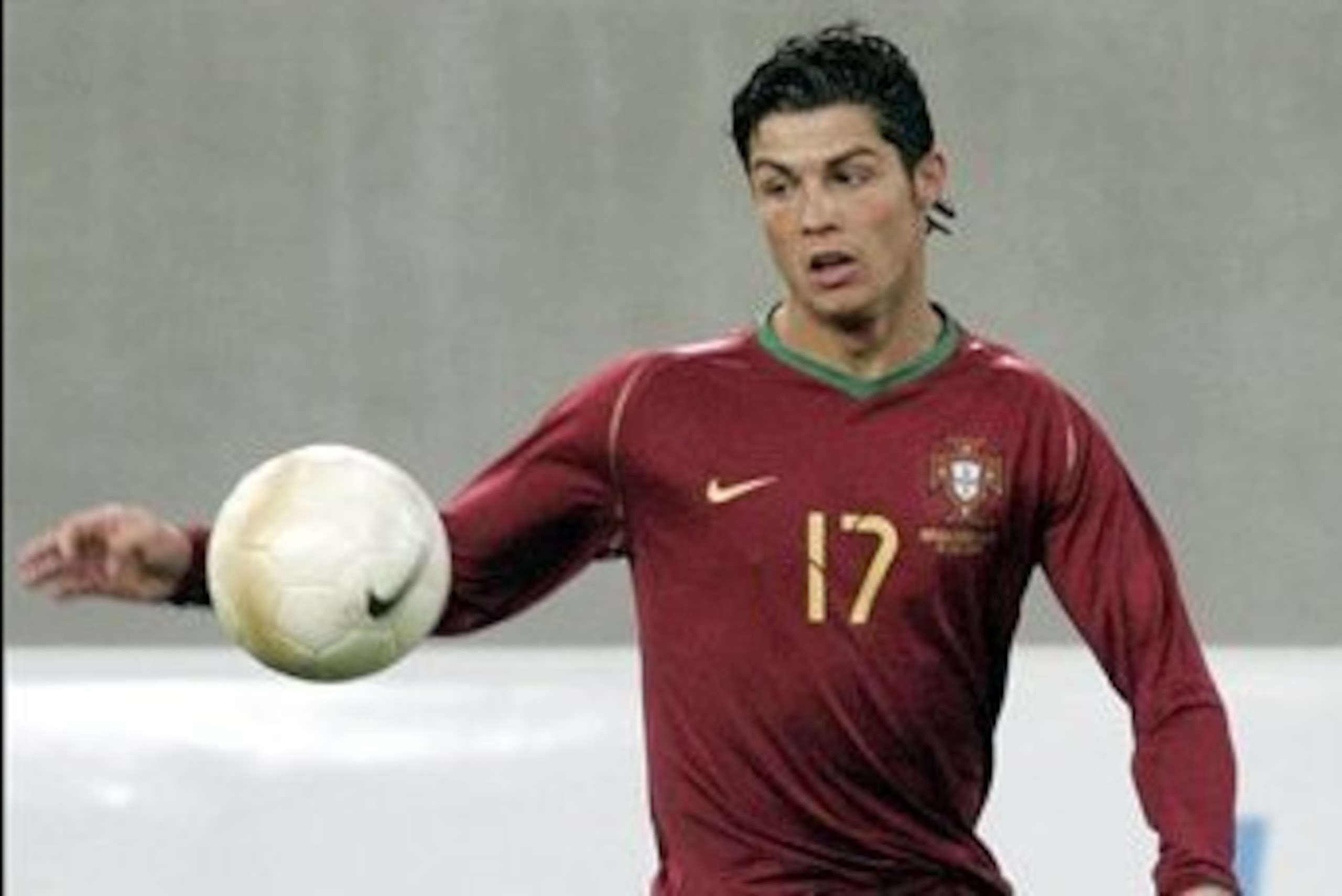
Birthplace: Funchal, Portugal (Population: 112,000)
Path to Real Madrid: Andorinha (youth), Nacional, Sporting Lisbon, Manchester United
Total transfer fees cost: £92.24 million
Estimated weekly salary: £317,000
The highest-paid player in Saturday’s game (at least, according to the best industry estimates), at 29, Cristiano Ronaldo is also the oldest on this particular list.
Like Messi, his career—and his origins—have been well discussed. Born in Funchal, on the island of Madeira, Ronaldo was the fourth child born to his parents Dolores, a cook, and Dinis, a gardener.
Money was scarce in the household, with the young Ronaldo finding refuge from that and other problems in football. He would play whenever possible and keep a ball with him seemingly wherever he went.
When he went along to start playing for the local team, Andorinha, as a seven-year-old, it was quickly apparent the extent of his talent.
"He had abilities that other players didn't," Rui Santos, then-president of Andorinha, told BBC Sport. "But nobody could know he would become the player he is today.
"At the time the club did not even have a pitch. When we sold him to Nacional they gave us two sets of kits and 20 balls, because we did not have a notion of his true worth."
Nacional, the biggest professional team on the island, were not considered the optimum location for Ronaldo, however. A local dignitary, Joao Marques de Freitas, reached out to the mainland, inquiring about the possibility of a trial with the famous Sporting, Lisbon's storied club.
After four days, an 11-year-old Ronaldo was off to one of the biggest clubs in Portugal—Nacional getting an outstanding £25,000 fee for a prior transfer waived in exchange for the child's playing rights.
At Sporting, the transition was initially difficult, with Ronaldo bullied by other kids because of his thick Madeira accent. But his troubles at home—his father had a long battle with alcoholism, one he eventually lost when he died in 2005—had inured him to some extent to adversity, and his natural talent would soon shine through.
Soon after breaking into the Sporting first team, Manchester United would swoop in a deal worth more than £12 million; Real Madrid would be waiting down the line.
"He had problems early on but he triumphed because of his very unique personality," De Freitas told Goal.com. "He is a winner and he had that fearless determination from a young age."
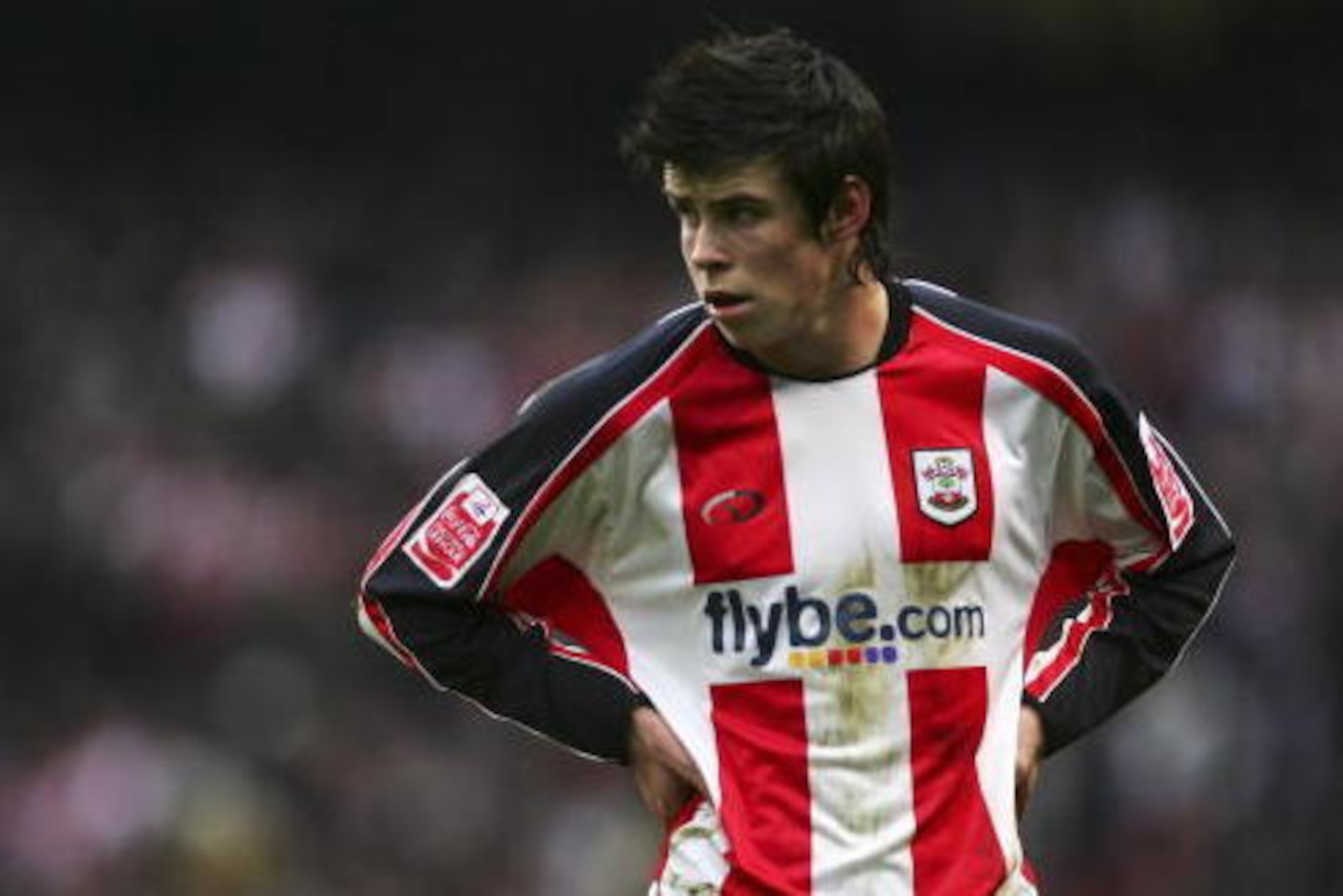
Birthplace: Cardiff, Wales (Population: 325,000)
Path to Real Madrid: Southampton, Tottenham Hotspur
Total transfer fees cost: £90 million
Estimated weekly salary: £288,000
British football continues to fret about its ability to produce world-class footballers, that the lack of open spaces for children to play in and opportunities for games such as futsal curb the development of young players.
The ascent of Gareth Bale is not a complete rebuttal to that, but it does prove that the sky is the limit for the right individual with the right attitude.
Bale, born in Cardiff in 1989, enjoyed a relatively unremarkable childhood, playing football out in the garden with his dad—a school caretaker—and excelling in sport at school (he went to the same institute as future Wales rugby captain Sam Warburton).
At nine, he was a key part of his local side, but he did not think he was anything out of the ordinary.
"I always thought I was quite good," Bale later told the Daily Telegraph. "Every little kid does. I didn't think about being the best."
When he was nine, however, things changed. Bale was playing for Cardiff Civil Services in a six-a-side tournament in Newport when a scout for Southampton, Rod Ruddick, spotted his talent.
"I didn't know of Gareth at the time, just went to the tournament to see if anything, or anybody stood out," recalled Ruddick to Wales Online.
"It was an August Bank Holiday Monday and I just stood on the sidelines with a cup of coffee, taking a look at what was going on around me.
"I always take the view that a player has to find me, if you see what I mean, rather than the other way around. In other words, I have to think 'Wow, he's good.'
"Well that summer day, I noticed a skinny little player, left foot, left foot and more left foot, who kept on running past players and either scoring or creating goals.
"I had to keep an eye on this one, I thought to myself. The more I looked, the more he kept on running, pretty much throughout the whole tournament."
Southampton, whose commitment to scouting far and wide also helped them spot the talents of Theo Walcott and Alex Oxlade-Chamberlain, invited Bale to train at the club's satellite training facility in Bath. When he was 14, they invited him down to the main base on the south coast.
Around the same time Bale started a growth spurt, one that would eventually expand his physical capabilities but in the short term left him struggling with his coordination and strength.
Saints staff hesitated on giving him a permanent contract before eventually signing him to professional terms when he was 16. He would make his club debut soon after and his Wales bow just months after that.
Eventually, as Southampton's financial situation grew from bad to worse, Bale went to Tottenham Hotspur—where he was famously not on the winning side in the first 24 Premier League games in which he appeared (a record).
Eventually, once he moved from left-back to left wing, his prodigious ability truly flourished—with Real Madrid eventually making him the world's most expensive player in the summer of 2013.
James Rodriguez
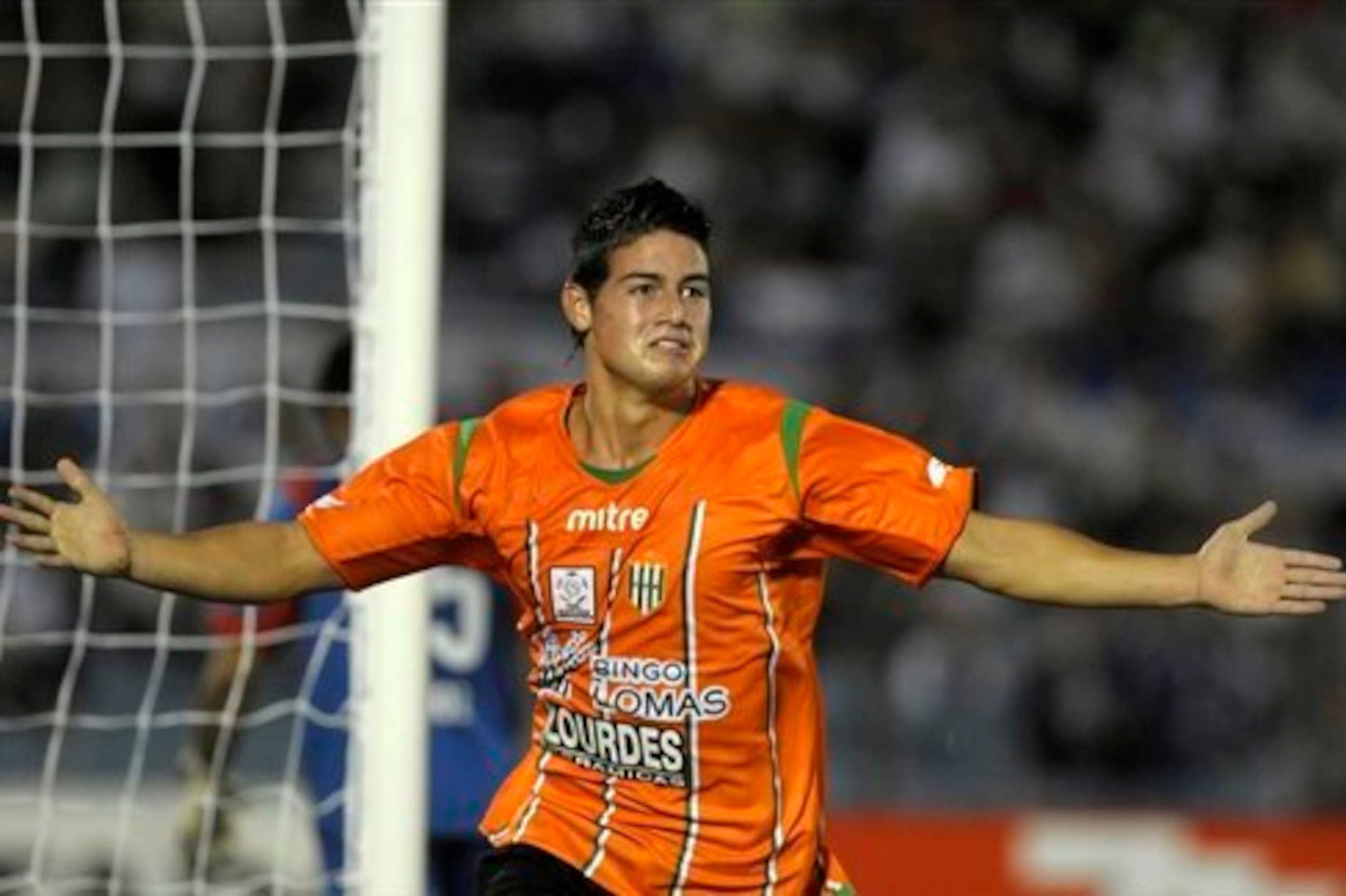
Birthplace: Cucuta, Colombia (Population: 637,000)
Path to Real Madrid: Envigado, Banfield, Porto, AS Monaco
Total transfer fees cost: £102.4 million
Estimated weekly salary: £115,000
Thanks to his performances at the summer World Cup, Rodriguez is both about to play in his first Clasico and to become the poster boy for a post-cartel Colombia.
Where the great Colombian side of the early 1990s was denied the chance to reach its full potential in part as a result of the violent war on drugs going on back home, Rodriguez and his generation have been given the chance to plot a different course out of that bloody haze.
Like all the other players on this list, Rodriguez was always obsessed with football. Born in Cucuta, near the Venezuelan border, his family soon moved to Ibague where, as a two-year-old, he would mimic the training drills being carried out by the local professional side Cooperamos Tolima.
At five, he joined a football school, Academia Tolimense, although around this time his father—who had played professionally for Independiente Medellin—left. Rodriguez, nurtured by his mother and godfather, continued to focus on his football, and at 12 he would score a goal direct from a corner in the nationally televised Liga Pony that would put him on the path to stardom.
"From my childhood the thing I remember the best is that I always wanted a ball, I was always thinking about playing football," Rodriguez later said (per the Daily Telegraph).
As a result of that goal, Envigado, a small team on the outskirts of Medellin, would sign the young Rodriguez. By the time he was 16, he had already made his debut for the club and earned a move to Banfield, the Argentinian side, for £200,000.
He had offers from other teams, choosing Banfield in part because they played in the same green and white of his favourite boyhood club, Medellin's Atletico Nacional.
Banfield were not the biggest club in Buenos Aires, but they allowed Rodriguez a greater chance to express himself. It was an example of the youngster's complete confidence in his own path.
"He has the maturity to take on life," his mother said, per The Times (subscription required). "At 16 years of age he went to Argentina and after 12 months he was on his own. He never said to me he wanted to come back. He always knew what he wanted and where he was going."
At Banfield, he would score a wonder goal against Lanus that elevated his reputation in similar fashion to that Liga Pony strike, eventually going on to help his side to their first Argentinian league title. Soon after, Porto would come calling, and the route to the Clasico became far clearer: Portugal, then Monaco, then the World Cup and now Madrid.
.jpg?w=2560 "Seahawks Chiefs Football")