

Japan and F1: Why Have Drivers Disappointed with Odds in Their Favour?
Japan has had more drivers start a Formula One grand prix than Australia, Austria, Canada, Spain, Finland and New Zealand (and plenty of other countries). In fact, there are only 10 countries in the world with more F1 drivers than Japan.
Despite those numbers, the countries listed above have something that Japan does not have: at least one F1 world champion. Only eight Finns have even started a race (17 Japanese drivers have), but three of them are world champs.
It gets worse: No Japanese driver has ever won a race. Japan and the Netherlands are the only countries with more than five F1 drivers that have failed to produce a race winner. And at least the Dutch have an excuse. There are only 17 million people in their country, not exactly a huge pool of talent to draw from (and lots of their best athletes become speed skaters). There are more than 125 million people in Japan.
.jpg?w=2560 "NFL Paris Football")

.jpg?w=2560 "Seahawks Chiefs Football")
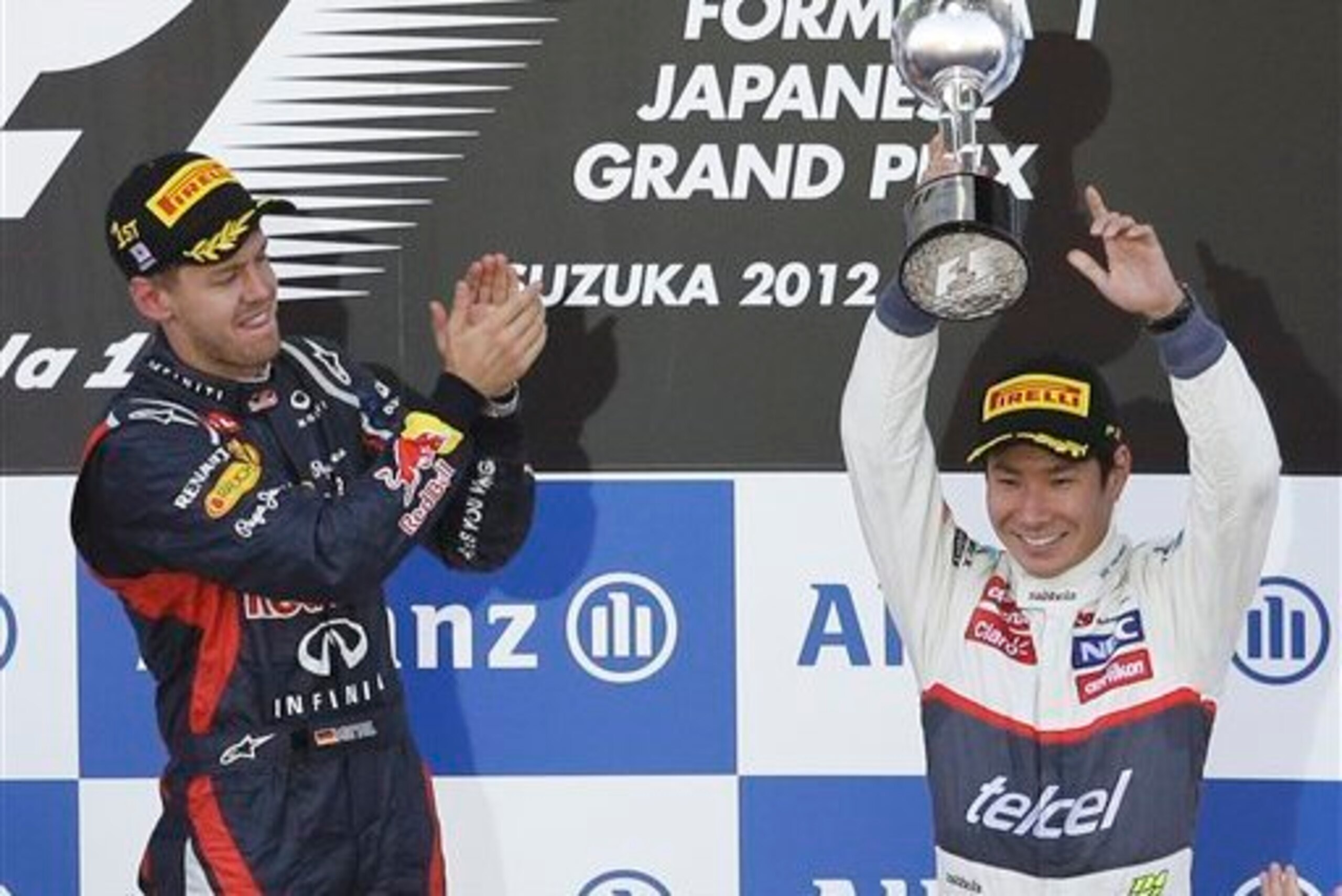
In 550 starts, Japanese drivers have scored three podiums. Three! Pastor Maldonado has a better podium percentage.
So why have Japanese drivers struggled in Formula One? Let's look at a few possible reasons.
First, it is possible that some of the best Japanese drivers are not even making it to F1. Not because they are not good enough, but because they choose to stay in Japan to race.
Andre Lotterer, who raced at the Belgian Grand Prix for Caterham this season—coincidentally replacing the only current Japanese driver, Kamui Kobayashi—has raced in the Japanese Super Formula series (formerly Formula Nippon) since 2003.
Speaking to NBC Sports' Tony DiZinno, he compared the two series:
"I have the purest and fastest race cars around the corners in the world, in Super Formula. They’re so precise, and you don’t want the race to end. The cars do exactly what you want. The combination of both things, sporting wise, are really good. ... F1 is another dimension in terms of media. For people who don’t know that much about racing, many think it’s the only thing.
But in terms of racing, F1 isn’t what it used to be anymore. I got to feel that when I did my race. There’s not much grip from the tires and not much downforce in the corners. You can’t go flat out. But it was still a good experience.
"
If Japanese drivers can have such a great racing experience without moving halfway around the world and learning a new language and culture, surely some are choosing to do so.
True, they won't become as rich or as famous as they would if they raced in F1, but they can still make a living by driving race cars.
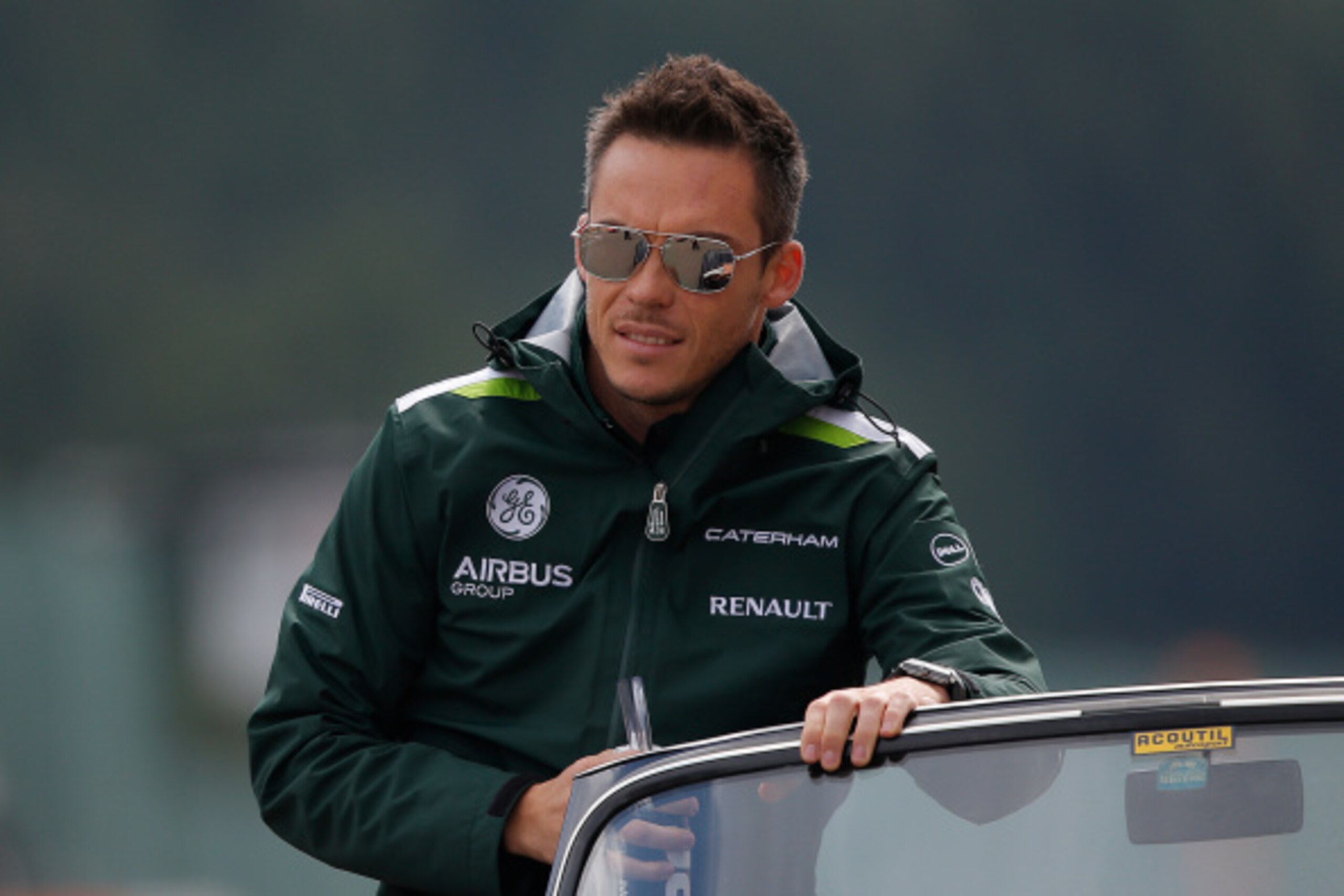
Also, the season is short enough—nine races spread over seven weekends—that Super Formula drivers can participate in other series if they want to. Lotterer, for example, is also racing in the World Endurance Championship (WEC) for Audi and has won the 24 Hours of Le Mans in three of the last four years.
Another possible reason for the lack of success among Japanese drivers is their difficulty finding sponsorship to race in F1.
According to the World Bank, Japan has the third-largest economy in the world. Yet when Kobayashi—one of the country's most successful drivers—needed to raise funds to stay in the sport after the 2012 season, he had to turn to crowdfunding. Ultimately, his fans raised about £1 million, which helped secure his seat at Caterham for this year.
Given the choice between sponsoring an individual driver or aligning themselves with one of the Japanese manufacturers, companies may prefer the latter, as it increases their exposure. Toyota and Honda are no longer F1 constructors (although Honda is returning as an engine supplier in 2015), but they are still participating in other motorsport series.
Toyota's WEC team, for example, boasts a long list of Japanese partners. Meanwhile, Kobayashi's fans have to chip in £10 to keep him racing.
The big Japanese car companies have generally been supportive of Japanese drivers, though, and the return of Honda next season may help. While a Honda works team has never featured a Japanese driver, as an engine supplier, the company has promoted Japanese talent.

From 1987 to 1991, Satoru Nakajima drove three seasons in Honda-powered cars. In the 2000s, the company supported Takuma Sato, first at BAR and then at Super Aguri.
Overall, though, aside from Honda's successful engine-supply partnerships, Japanese constructors have produced the same poor form as the country's drivers. And this has had a negative effect on Japanese drivers, as well, particularly the ones with strong ties to one of the Japanese manufacturers—if they are building slow cars, how can their drivers be expected to succeed?
Super Aguri (founded by former F1 driver Aguri Suzuki) tried to run an all-Japanese line-up in their first season, 2006. Yuji Ide partnered Sato for the first four races of the season, but then the FIA revoked his Super License after it became clear he was not ready for F1.
Sakon Yamamoto drove seven races for the team at the end of the year, but was replaced by Anthony Davidson the following year. Four races into the 2008 season, the Super Aguri withdrew from F1.
Toyota's involvement in F1 was even more embarrassing—although they can take credit for bringing Kobayashi into the sport.
The team raced from 2002 to 2009 and, despite a massive budget, never won a race. Their best finish in the Constructors' Championship was fourth, in 2005.

Honda had slightly more success, winning two races as a constructor in the 1960s and one more—Jenson Button's first-career win—in 2006. In the eight seasons where they built their own engine and chassis, though, Honda also never finished higher than fourth in the championship.
Despite these disappointing results from both drivers and teams, Japanese fans remain some of the most passionate on the calendar. In 2012, when Kobayashi finished third at his home grand prix, The National's Gary Meenaghan described a scene where he was chased through the paddock by adoring fans after the podium ceremony.
Eventually, someone from Japan will win a race. The drought can't go on forever. But if it does, the Japanese can just adopt Jenson Button, a race winner and world champion, who told the McLaren website, "Coming to Suzuka feels like a second home race for me. Japan is such a special place and my win here in 2011 really stands out as a personal highlight."
Follow me on Twitter for updates when I publish a new article and for other (mostly) F1-related news and banter:






