Why I Hate Twitter, and Why Football Would Be Better off Without It
I hate Twitter. I wish I could say Twitter is something I love to hate, but I’d be lying. I just hate it. Full stop. The detestation comes naturally. And it’s reciprocated. I have 126,000 so-called followers and would estimate that all but about 1,000 are overtly or potentially hostile.
Maybe some other football journalists could claim more benign figures. But they’d agree with me that whatever you say on Twitter is wrong.
If I woke up tomorrow and tapped out a cheerful "good morning everybody," there would be people in Dubai and Thailand screaming that it’s afternoon or evening for them, and the hashtags would feature the expressions #lazyjourno, #clueless and probably #xenophobic.
TOP NEWS

Final Men's Ballon d'Or Rankings 📊
Highlights and Viral Moments 🍿

J-Dub Suffers Gruesome Injury
OK, maybe I was joking slightly at some stops along that line, but it wasn’t funny a few years back when, stung by a lot of silliness from a group of Liverpool fans who felt I shouldn’t be defending Roy Hodgson—they seem to be sinking their teeth into Brendan Rodgers now, believe it or not—I reacted to an accusation that I should be ashamed of myself by using a reference to the often-neglected tragedy of Heysel.
It was a stupid thing to do, especially on Twitter, because Merseyside harbours expert manipulators of the medium. Within minutes, a belief that I had "mocked the Hillsborough victims" had gone viral.
I’ll never forget the outrage it caused—much of it to women who expressed more sorrow than anger—and having been at Hillsborough myself, I utterly sympathised.
The last thing such people deserve to hear is yet another lie. Yet because of this one, they had every right to consider me the very lowest of the low.
Without Twitter, all of our indiscretions—whether caused by alcohol or, in this case, anger—are soon sluiced away by a spray of contempt. Hardly anyone hears of them. You wince, live and learn. But whoever designed that 140-character limit was Machiavellian in the worst way. Nuance goes out the window; misunderstanding rules.
Sure, it "empowers people." It empowers people like the aerosol spray empowers a late-night vandal. It is the felt pen that empowers the dirty little man in the toilet cubicle. It is...all right, Twitter is not always that bad, and many of you reading this will think me completely ignorant of the pleasure that can be derived from it.
But can you put your hand on your heart and tell me of an hour of your life spent tweeting—and anyone who can limit it to an hour is doing well, in my deeply regretted experience—that could not have been better devoted to just about anything else?
Some young footballers are exempt from this. Some young footballers, as they proudly model haircuts that appear to have been done in their sleep by a practical joker, clearly have plenty of time on their hands.
Which brings us to Mario Balotelli and the tweet that had racists out in force after Manchester United’s 5-3 defeat at Leicester. "Man utd," his thumbs spelled out, "LOL."
Some of what flew back to him has been reported to Merseyside Police and other authorities, including, presumably, the Football Association. But don't they all have better things to do than track down a few idiots "empowered" by this evil medium?
Wouldn’t it be better if Balotelli had not said what he said—as a former Manchester City player who now wears the shirt of Liverpool, his attitude toward United fans and their team’s result at the King Power Stadium could surely have been predicted by the dimmest child—and the racists hadn't been given their platform of reply?
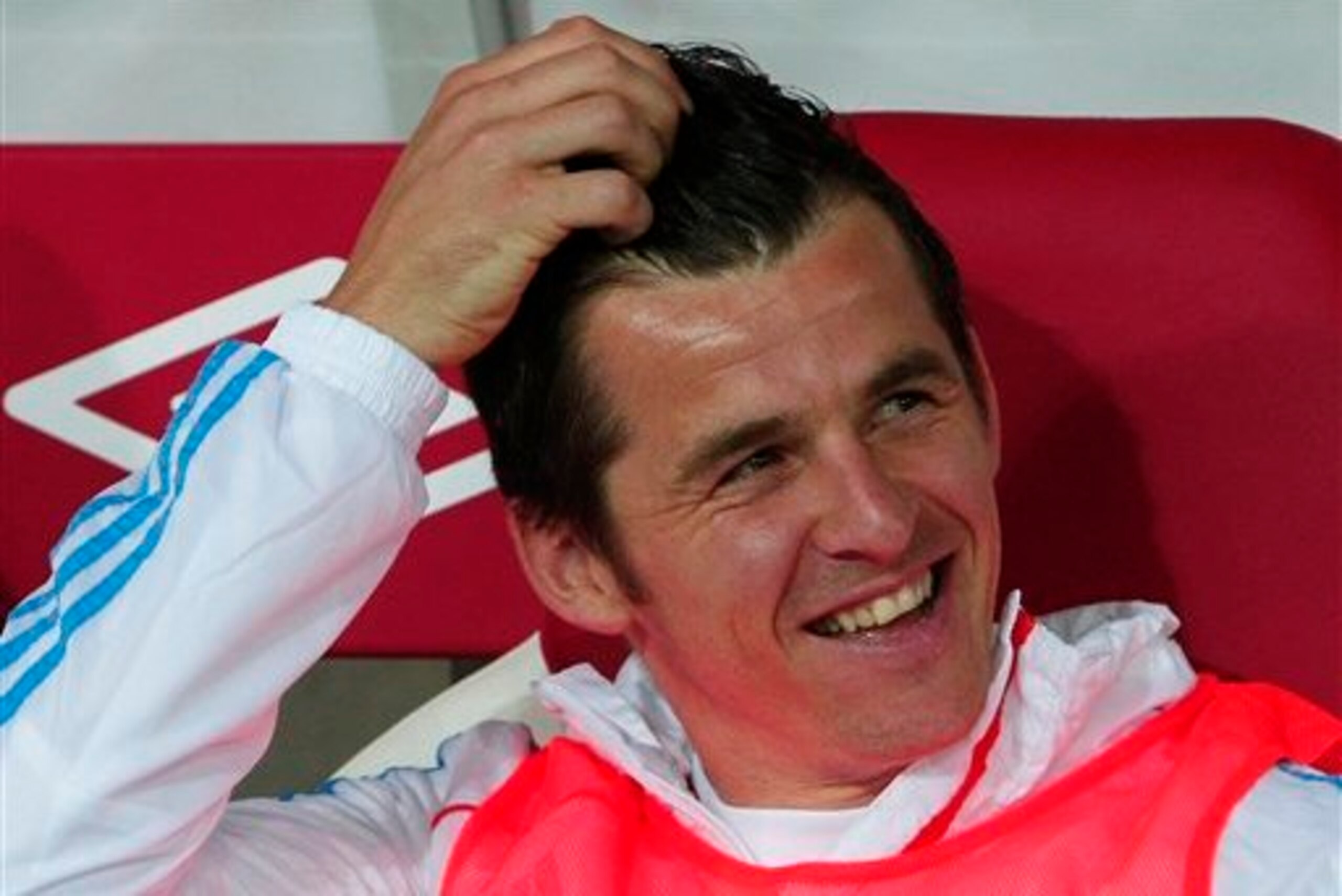
Football should get off Twitter as a matter of policy. There are only a few people in the game—including the self-serving but undeniably eloquent Joey Barton—clever enough to use it.
Even Rio Ferdinand, who was hailed a few years ago as (almost) football’s answer to Stephen Fry, could not deal with the tweeter who asked him if Ashley Cole had behaved in "choc-ice" style when supporting John Terry in the dispute with Ferdinand’s brother Anton.
Rio became identified with the accusation—accidentally, for the castigations he had in mind for Cole were probably being saved for his book—and was lucky not to be charged by the FA for what was undoubtedly a racially aggravated slur.
Football on Twitter brings us a mixture of the needlessly controversial and the utterly mundane. Most of it is ordinary players saying things like "great result today...hope we can do it next week." Worthless.
And am I alone in suspecting that some get their agents to do it? Whatever the truth, the freedom to comment that it employs is hardly worth the damage caused by the other stuff, as a spectrum of tweeters—from humble little me to the mighty Balotelli—could testify.
Patrick Barclay is an award-winning football journalist and best-selling author, whose portfolio includes biographies on Jose Mourinho, Sir Alex Ferguson and Herbert Chapman.
.jpg?w=2560 "Rams Raiders Football")


.jpg?w=2560 "Rodgers Iced Out on Plane 💎")

.jpg?w=2560 "Packers Safety Slams Refs 🤬")
.jpg?w=2560 "🚨 Week 8 AP Top 25 Poll")