

The Most Incredible Stats from Tennis' Top Male Stars in 2014
Within the bubble of sport, statistics are simultaneously pored over and rejected. While they don't tell the whole story, what they can provide is a solid indication of strengths and weaknesses. As the tennis season reaches its climax, it is perhaps the right time to assess some of the more incredible findings from the top stars' stats in 2014.
The following slides will analyse certain aspects of the game in detail, from the number of aces recorded to the number of break points won.
Although the usual suspects' names inevitably rise towards the top, there are some surprise inclusions that may potentially highlight the proximity of other players to usurping the territory of the top three.
Despite Susan Watts' assertion in 1993 that the collating of tennis statistics had something of a "Big Brother-style" about it, the slides will highlight the importance of the stats from the 2014 season and how they can be used as a foundation for predictions.
The ATP's MatchFacts system will be used as the trusted source for the following statistical analysis.
Aces
1 of 4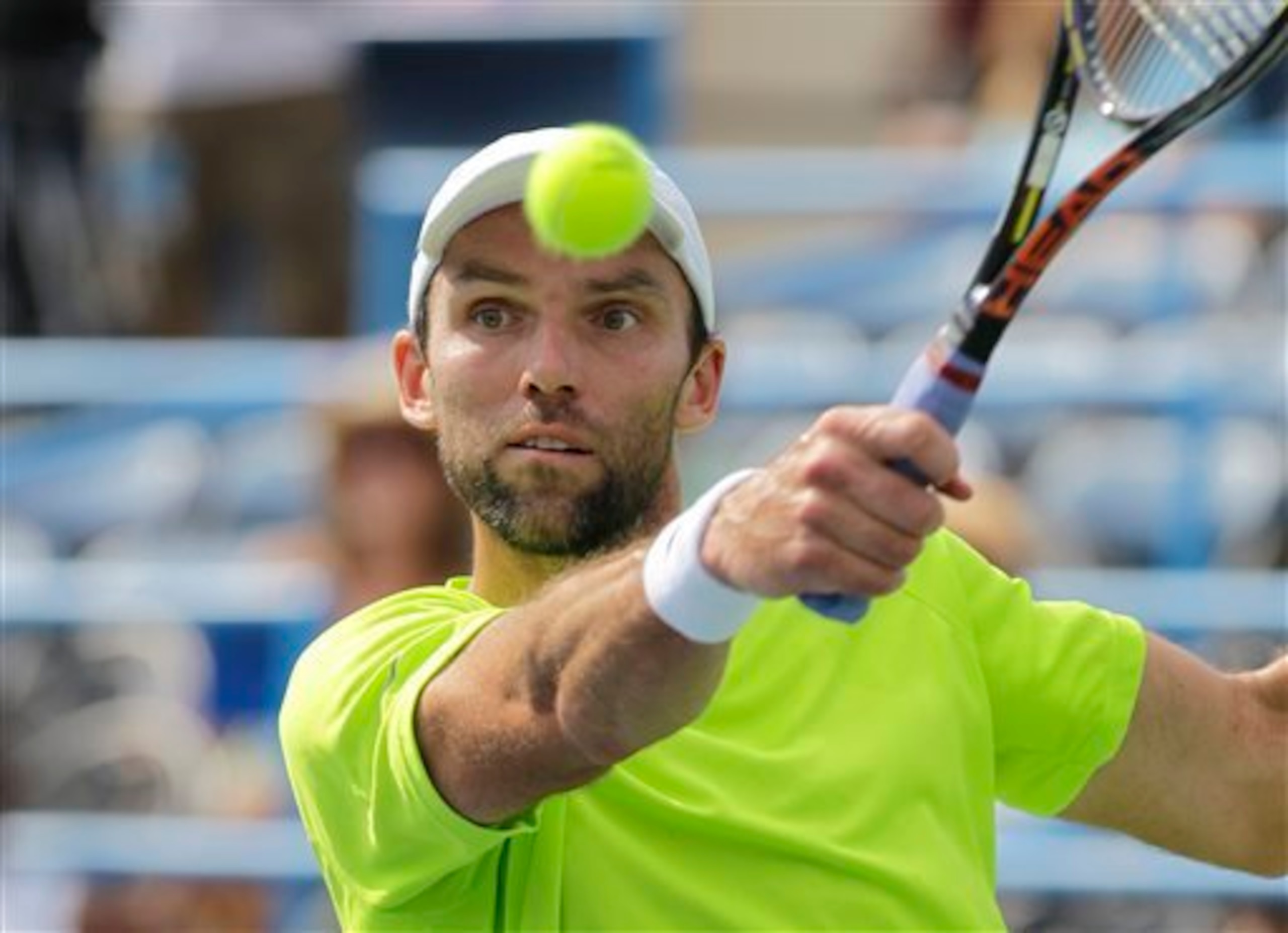
If Tim Cahill of the New York Red Bulls has long proved that you don't need to be tall to excel at heading a football, tennis makes no such exceptions for players looking to hit consistent aces.
Not one of the top five players on the ATP's list for number of aces recorded is below 6'5".
Ivo Karlovic, a regular in the upper echelons of the positive statistics for 2014, has recorded the most aces with a staggering total of 940 in 52 matches. The Croatian even made nine more than Novak Djokovic last year despite playing 48 less matches.
Indeed, Karlovic has history in this particular area. In 2009, he broke the world record for aces in a Davis Cup match, claiming 78 aces. Not since Ed Kauder in 1955 had anyone hit over 59 aces in a Davis Cup contest, per The Guardian.
While hardly groundbreaking that a significant height advantage will increase your chances of grabbing aces, what is telling is the fact that he and fellow serial ace winner, John Isner, are at the very bottom of the column in first-serve return points won.
This indicates that when the duo, two of the biggest hitters on tour, are not initiating play, they find themselves at a striking disadvantage.
Roger Federer, in ninth place, is the first player from the top three in the world to feature in the list, with world No. 1 Novak Djokovic positioned in 16th place behind Alexandr Dolgopolov and Jeremy Chardy.
Break Points Converted
2 of 4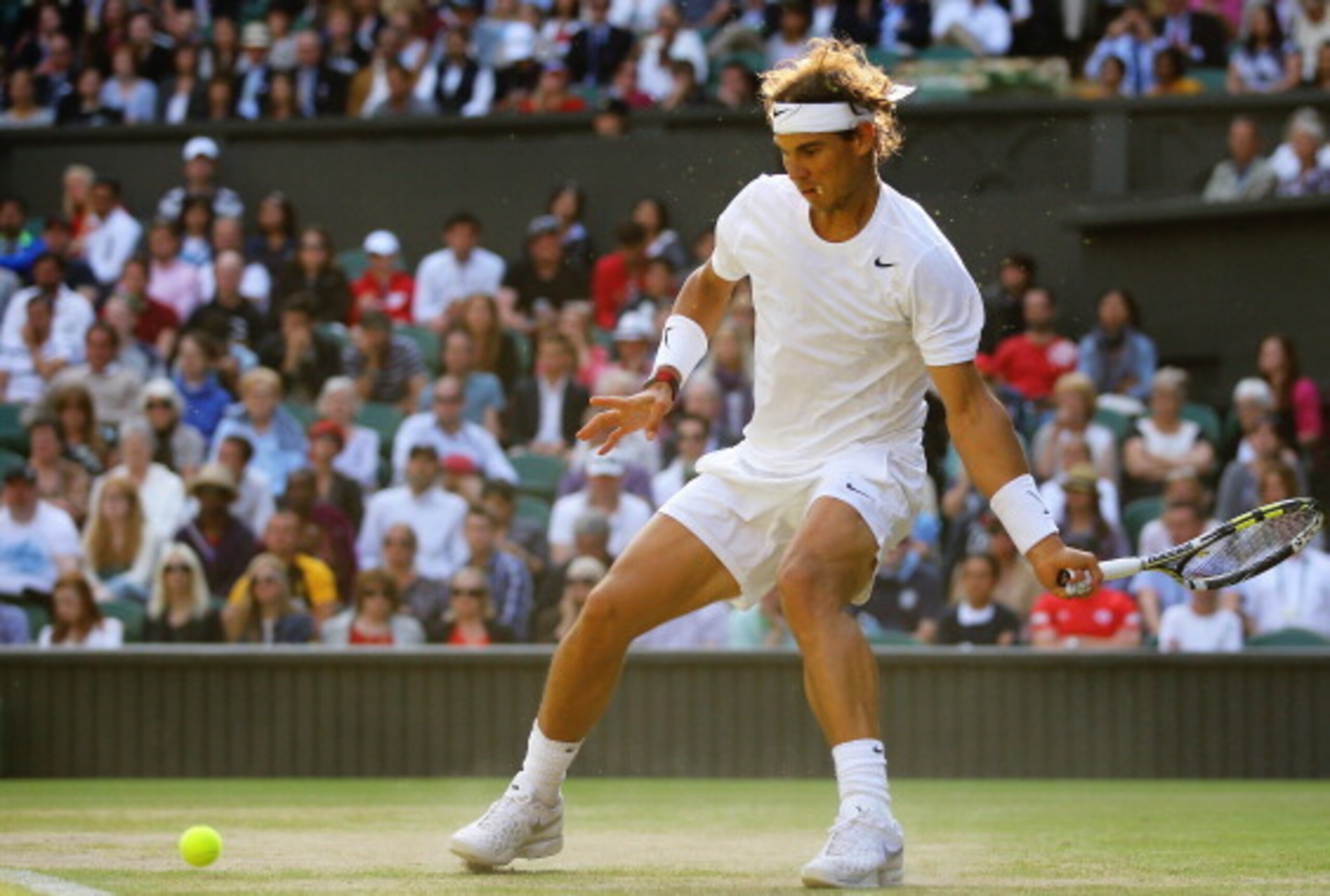
Observing the top five for converting break points in 2014 initiates both familiarity and surprise.
Atop the ranking is Rafael Nadal. The Spaniard converted 49 per cent of the 467 break points available to him.
Colin Duncan of the Daily Mirror referred to the Spaniard as "arguably the most resilient competitor in the history of sport" and a "warrior," with the fighting qualities Duncan highlights perhaps being the crux of attempting to top this particular statistic.
To be able to confront your opponent with such verve and aggression so as to convert half of the break points you earn is a remarkable feat from Nadal.
Perhaps equally as impressive is the work done by second and third placed Gilles Simon and Adrian Mannarino in this field.
Both played less than 40 matches compared to Nadal's 52, yet each took 46 per cent of their break-point opportunities.
It would be logical to expect to see the game's most decorated players placed on top of such rankings, yet the presence of Simon and Mannarino, the latter ranked 74th in the world by ATP, suggests that ruthlessness, one quality they share with Nadal, is not enough on its own to lift silverware.
Service Games Won
3 of 4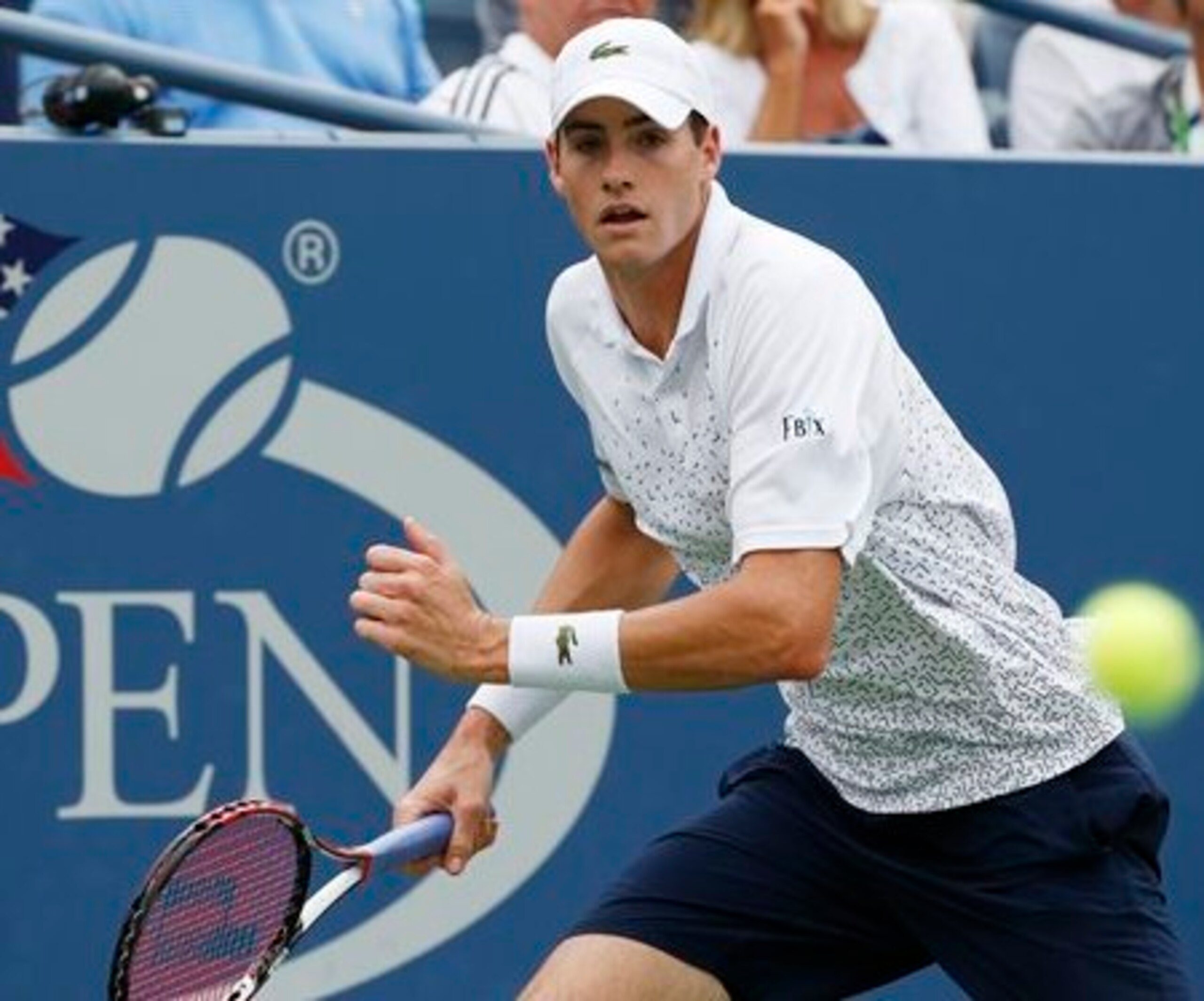
To achieve 94 per cent of what you do in any specific facet of the game is a commendable feat. Big-hitting John Isner can lay claim to this figure and a position at the summit of the percentage of service games won.
A fleeting glance at the top 5 from even the less attentive of tennis followers would notice that this particular category is again dominated by tall, powerful serve specialists.
Just behind Isner, with 93 per cent and 90 per cent respectively, are Ivo Karlovic and Milos Raonic. Here, there is a direct statistical correlation between number of aces achieved and the ability to win on your own serve.
In Stuart Miller's article for The New York Times, he wrote that "tennis's conventional wisdom is where sports psychology and statistics often meet—and clash."
While "conventional wisdom" dictates that tall men hit more aces, it has also been proven by the statistics analysed in an earlier slide.
As a result, the chances of winning your service games would appear to increase, which is exactly the position that Isner, Karlovic and Raonic occupy.
Here then, it is possible to say that the "sports psychology" Miller makes reference to in his article, of opponents being disheartened by losing a service game, does not appear to clash with the statistics for Isner, Raonic and Karlovic but is instead reinforced by them.
Using the information collected from the ATP website, it is possible to see Isner moving up the rankings, particularly if he continues to increase his figures in second-serve points won. This shall be analysed in the next slide.


Second-Serve Points Won
4 of 4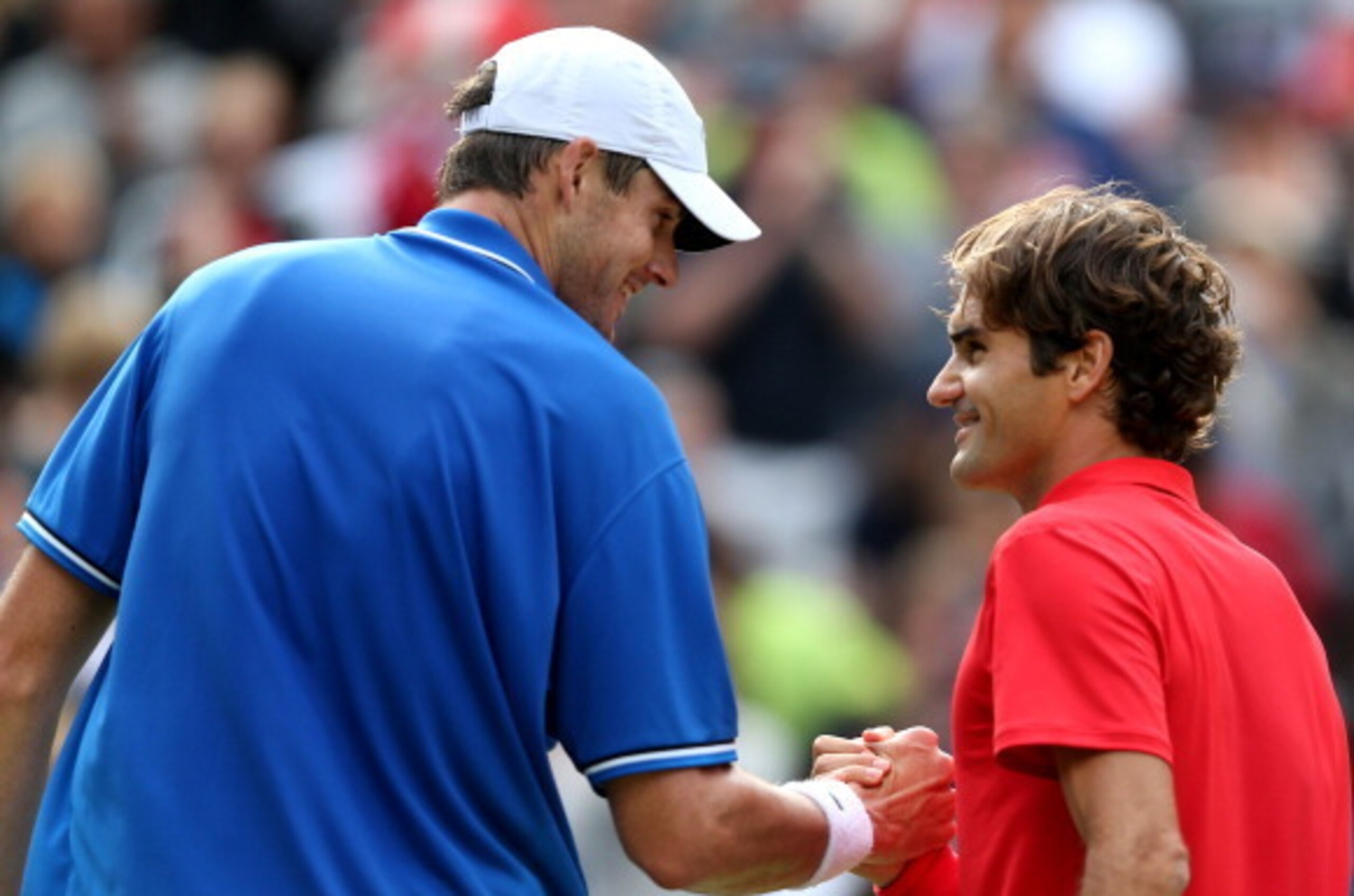
Four seasons ago, John Isner was having to contend with inevitability in the rankings for second-serve points won.
Roger Federer topped the list with 57 per cent, with Rafael Nadal and Novak Djokovic both ahead of Isner in sixth place.
However, the American has now risen to the top of the rankings, having won 58 per cent of his second serves. Federer played 12 more matches than Isner but still fell one per cent short of his impressive record.
Typically, second serves are slower. Players not wanting to risk a double fault tend to take more care.
But Isner, whose game has its foundations in strength from the serve, does well to either continue taking risks on his second serve or to prove that he can use a slower serve and still take the point.
However, if Barry Glendenning of The Guardian's argument was given credence by the authorities, then perhaps consolidating on a second serve wouldn't be an issue.
Glendenning wrote earlier this year that "the second serve rewards failure" and that the "time has come to rid tennis of this superfluous second-serve menace."
While Glendenning rightly points out that in few other sports is a competitor allowed a second opportunity to correct an error, the chance to serve again increases the likelihood of more playing time rather than potentially completing a game with three or four failed serves in a row.
The stats in this category from the ATP MatchFacts archive also show that no player ever wins more than 60 per cent of the points available on their second serves throughout the season.
This suggests that it is not a category where points are easily available and therefore isn't likely to contribute heavily to a player's success, as opposed to first-serve points won, which is topped at 84 per cent by Ivo Karlovic in 2014.
.jpg?w=2560 "Rams Eagles Football")
.jpg?w=2560 "Texans-Mixon Released Football")
.jpg?w=2560 "2 NFL Officials Suspended")

.jpg?w=2560 "Grading WWE Raw 🔠")
.jpg?w=2560 "Mahomes' Wife Trolls Kubiak 💀")

