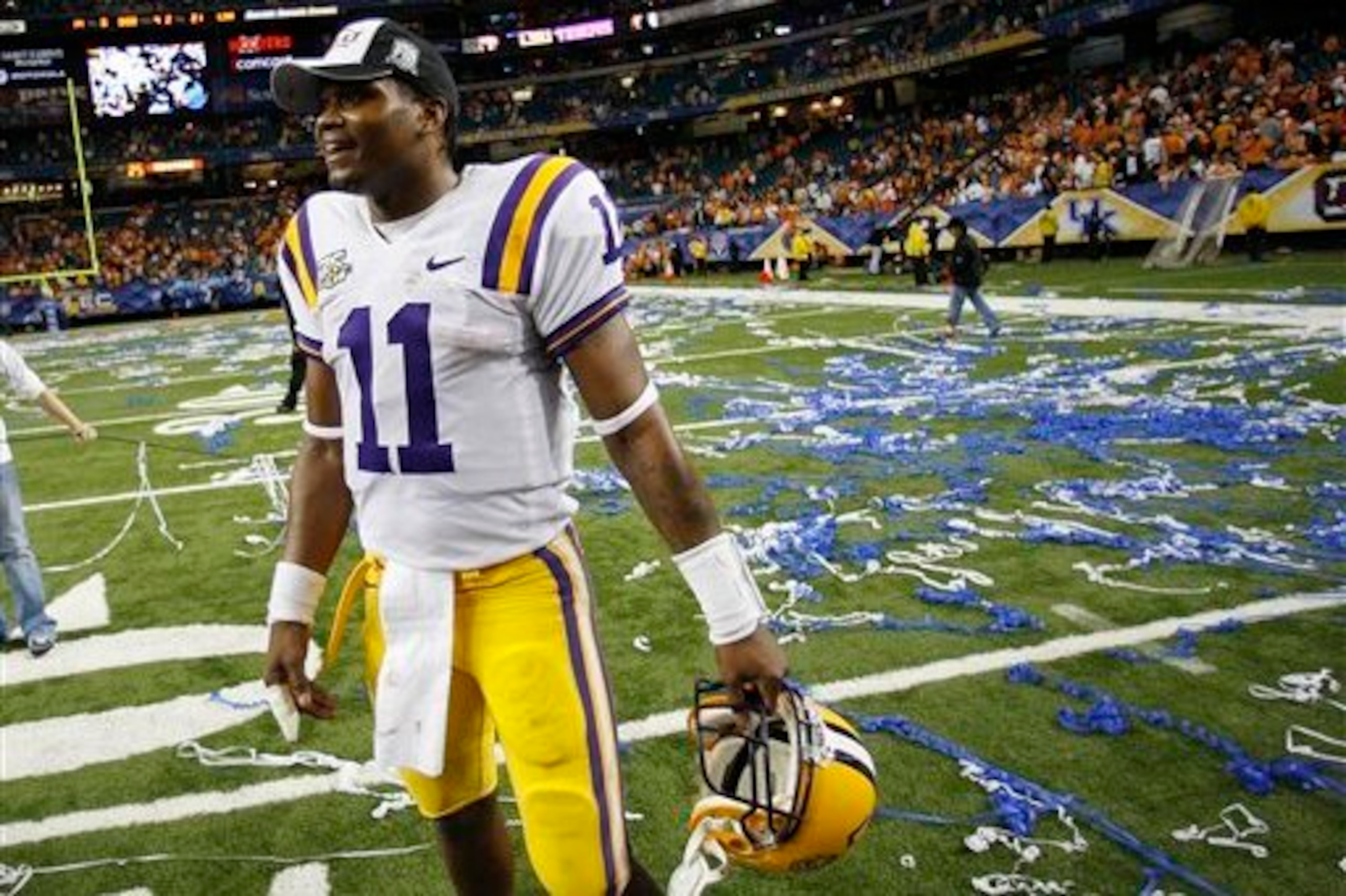

Every SEC Football Team's Biggest Recruiting Flop from BCS Era
New recruits promote optimism during the spring and summer around every SEC football team for good reason—the new crop of players represents a future with limitless possibilities.
Numerous high-profile prospects enroll with enormous expectations.
Those with 5-star status attached to their name show up as future conquering heroes.
Often, those players pan out to be superstars.
Players like Julio Jones, A.J. Green and Cam Newton (when signing with Auburn) in recent years all arrived on campus with 5-star profiles.
That trio represents the vast majority of elite prospects who meet expectations.
There are, however, many more players who never quite live up to the considerable hype for myriad reasons.
Today I examine the SEC’s biggest recruiting "flops" during the BCS era.
Players who never qualified or enrolled in school won’t be considered for this list because they weren’t true “flops.”
To be considered a “flop,” a player must have arrived on campus with expectations and failed to come close to meeting them.
Because Rivals recruiting rankings didn’t really become an institution until 2002, only players who signed in 2002 or later will be considered.
Furthermore, since Texas A&M and Missouri have yet to put an entire signing class through their careers, those two programs have been left out of this review.
Here is the list.
Alabama—ATH B.J. Scott/OT Tyler Love
1 of 12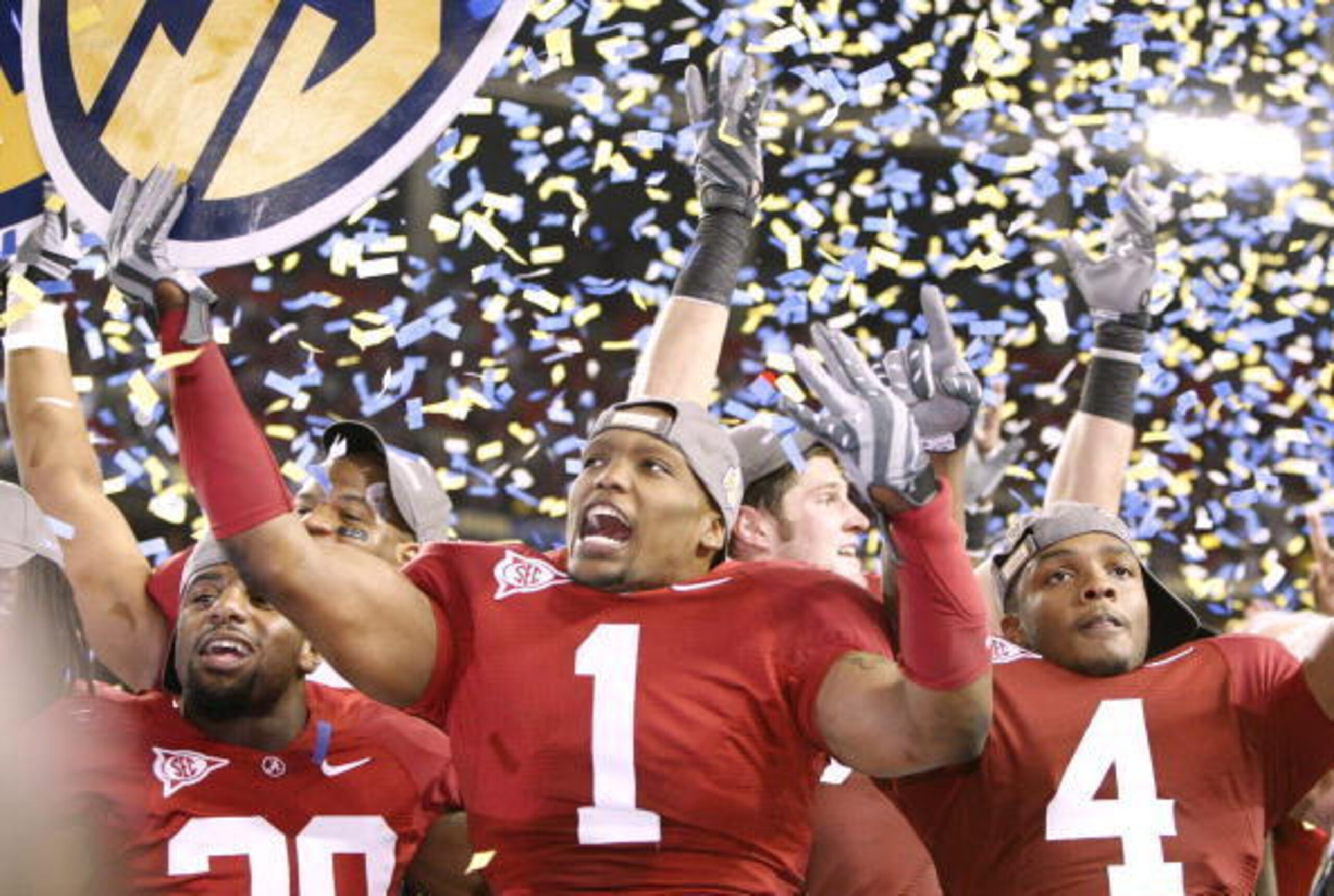
The two most obvious choices for Alabama signed in the same class.
Alabama’s 2009 signing class included a pair of highly sought 5-star prospects in athlete B.J. Scott and offensive tackle Tyler Love.
Neither did anything of note on the field for the Crimson Tide.
Ultimately, Love was a three-time letterman whereas Scott transferred out after one letter, a redshirt year and a position change.
Scott ended up at South Alabama, where he saw regular playing time as a starting cornerback.
Love’s high-ceiling potential never materialized. He finished his career having lettered on a pair of national championship teams.
During Love’s three seasons, he appeared in 13 games but never made a start.
Love decided not to return for his senior season after learning he had a neck issue.
Arkansas—QB Mitch Mustain
2 of 12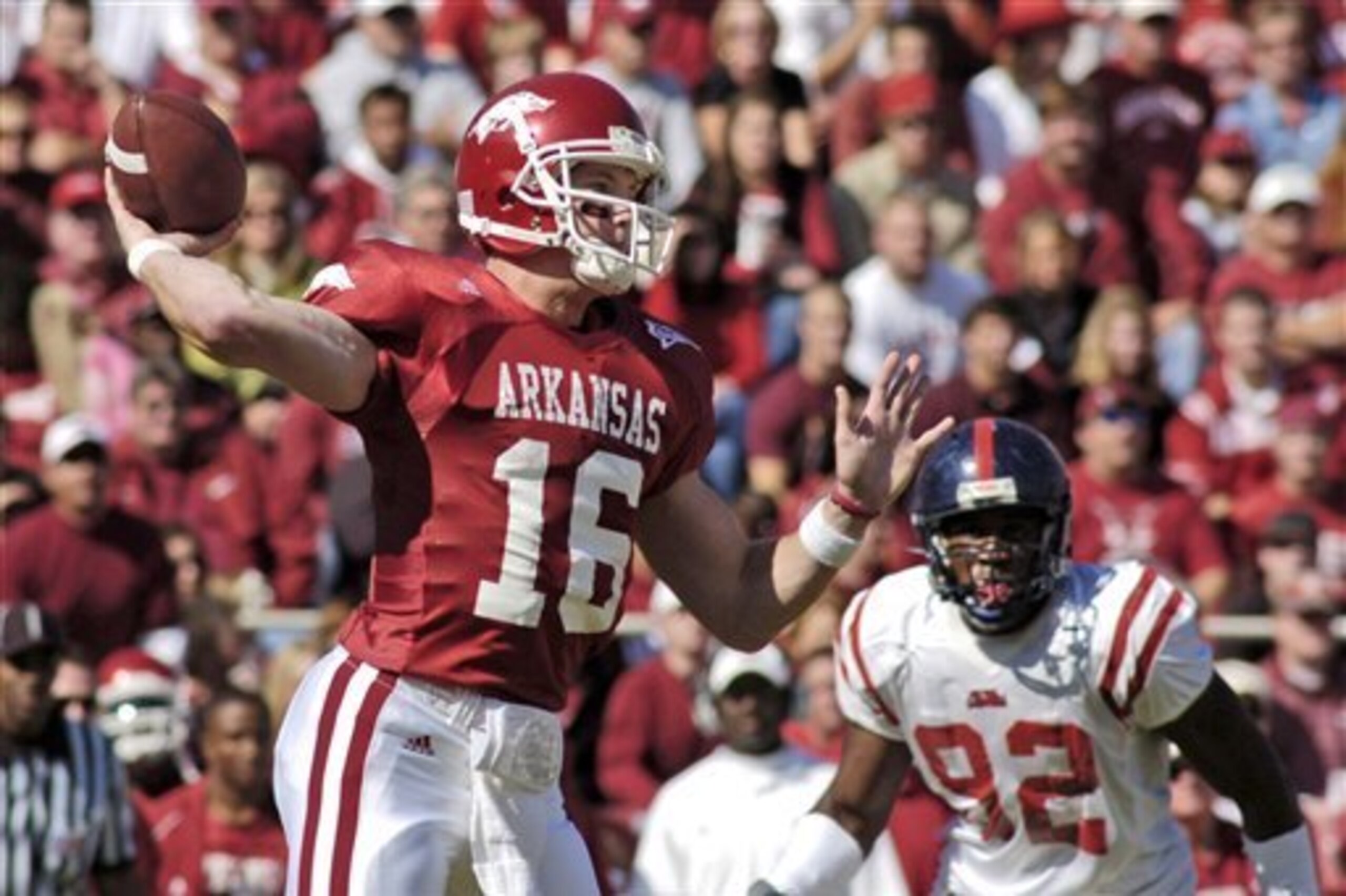
For so many reasons, Mitch Mustain represents Arkansas’ biggest recruiting flop during the BCS era.
During the BCS era, Arkansas signed three 5-star prospects—athlete Darren McFadden, defensive back Darius Winston and Mustain.
McFadden finished second in Heisman Trophy voting twice. Winston never fulfilled his potential but did serve as a part-time starter for four seasons.
Mustain, a 5-star prospect, joined the Razorbacks in 2006 with enormous expectations, having come over as part of the famed Springdale High School group.
Tight end Ben Cleveland and receivers Andrew Norman and Damian Williams joined Mustain in Fayetteville along with their high school coach, Gus Malzahn, who came over as the Razorbacks’ new offensive coordinator.
Unlike several players on this list, Mustain played a substantial role for at least one season. He went 8-0 as the starting quarterback, helping Arkansas win the SEC West.
The Sporting News even gave Mustain an honorable mention spot on its Freshman All-America team.
However, Mustain’s name makes its way onto this list largely because of unfulfilled potential—for which then-coach Houston Nutt may never be forgiven in Fayetteville.
Mustain threw for 894 yards with 10 touchdowns and nine interceptions in 12 games, largely seeing his role limited to handing off to talented tailbacks Darren McFadden and Felix Jones.
During Mustain’s eighth start, Nutt replaced him with Casey Dick because of the latter’s experience.
When the season ended, holes in the Springdale-Arkansas connection surfaced quickly.
Malzahn left quickly for the same offensive coordinator role at Tulsa—a massive backslide considering he held that role for an SEC program.
Mustain subsequently transferred to USC, where he started one game—a loss to Notre Dame.
Nutt left Arkansas for Ole Miss amid rumors of his pending firing after the 2007 season.
Malzahn, of course, went on to coach at Auburn. As offensive coordinator, he led the Tigers to the 2010 national championship.
He returned as head coach in 2013, leading Auburn back to the BCS National Championship Game during his first season.
Arkansas fans probably can’t help but look back on Nutt’s overbearing tendencies and wonder what might have been had 2006 been handled differently.
Auburn—DT Greg Smith
3 of 12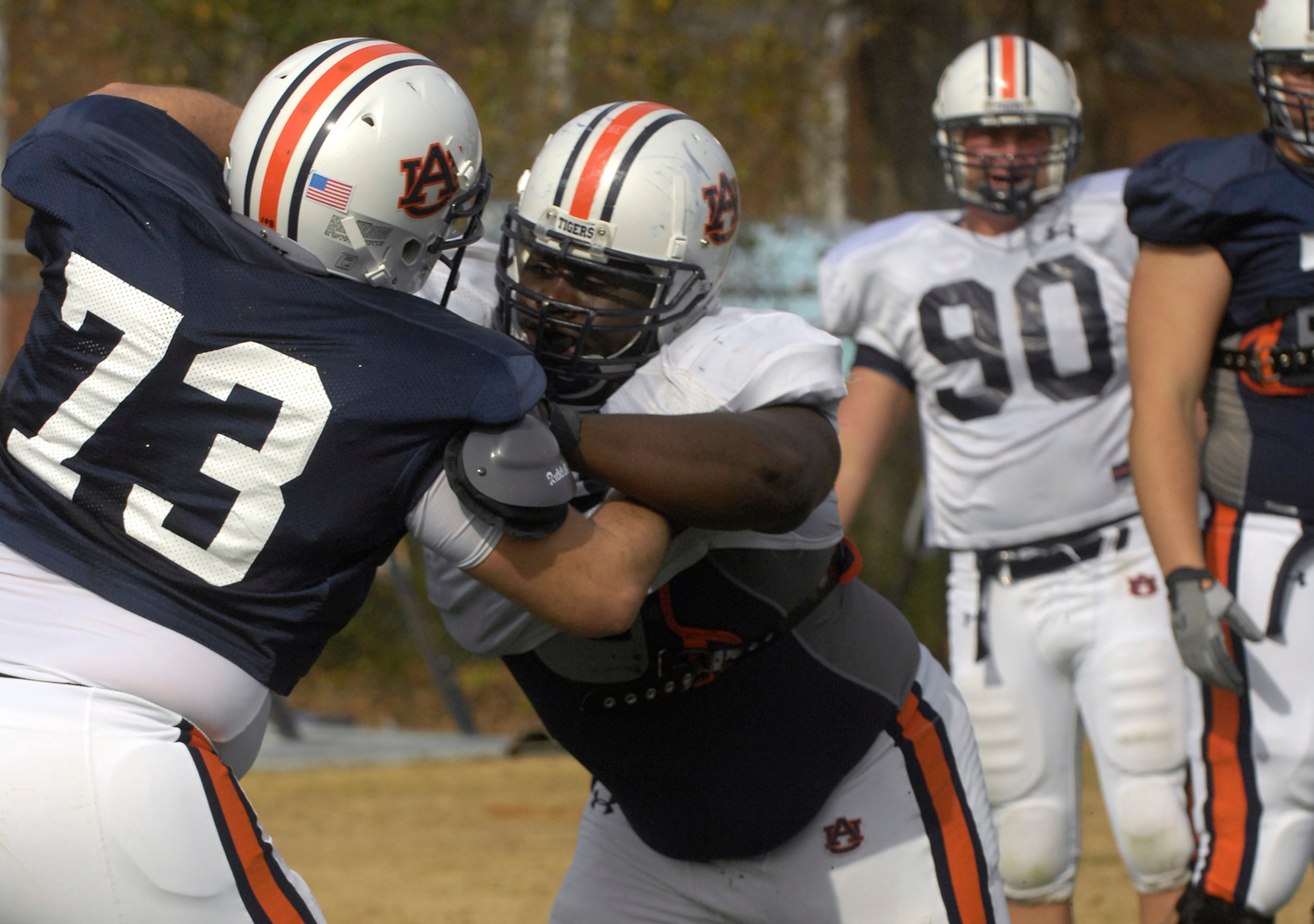
This interesting case is perhaps proof that recruiting rankings sometimes get it right the first time even without the benefit of hindsight.
Greg Smith initially signed with Auburn in 2004 as a 2-star prospect from Chattanooga, Tenn.
After Smith failed to qualify academically, he instead attended Northeast Mississippi Community College.
Two years later, he emerged as one of the most heavily sought junior college players in the nation.
A 5-star prospect this time around, Smith arrived on Auburn’s campus with huge expectations.
Then-coach Tommy Tuberville might not have bought into the hype quite as much, referring to Smith as the “Internet king” in response to publicity generated within the media and on message boards.
Smith, overweight and out of shape, never made waves at Auburn. He never played a game for the Tigers and, per al.com, eventually enrolled at NAIA Cumberland to finish his football career.

Florida—DT Gary Brown
4 of 12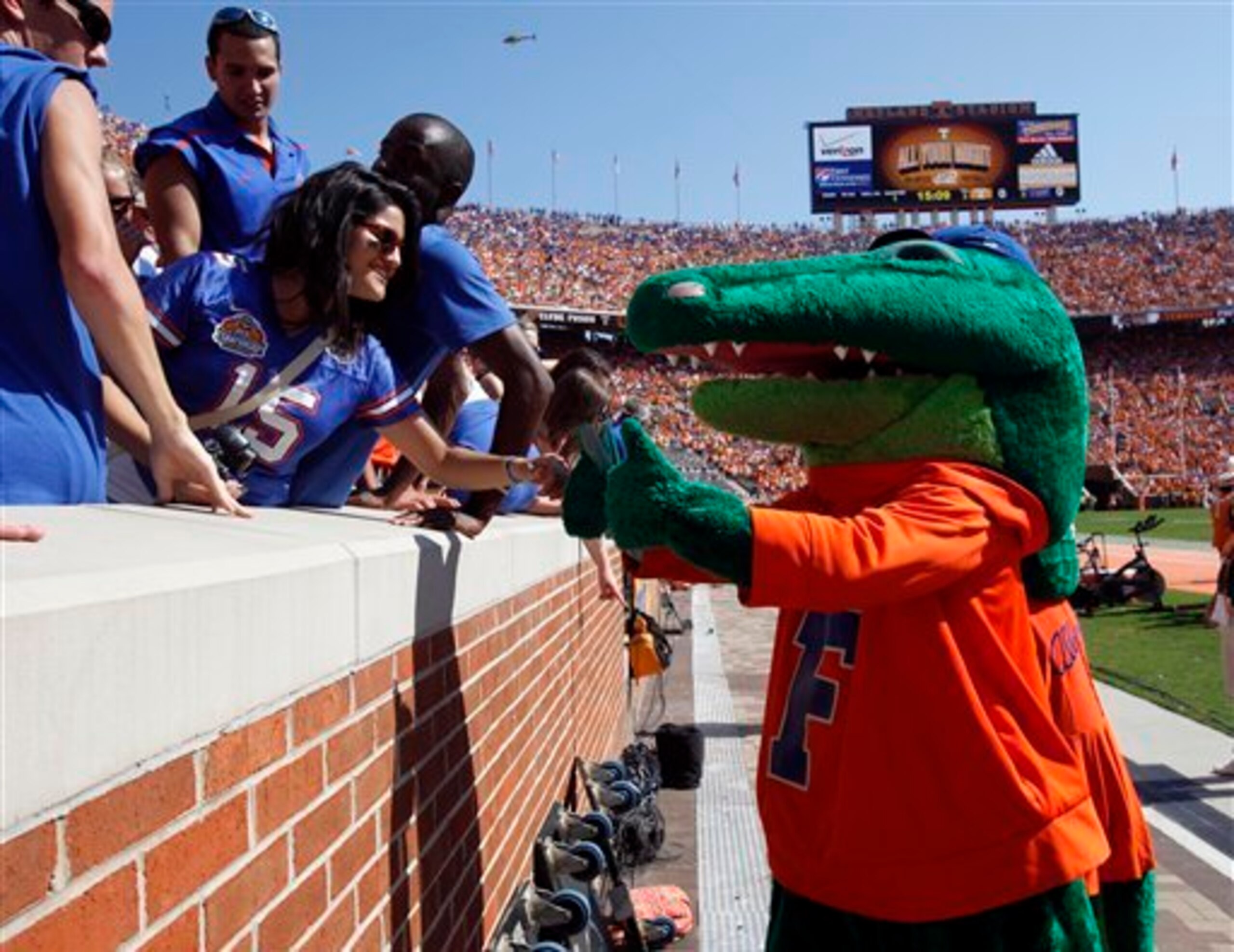
Florida thought it lured one of the nation’s top players in the 2009 class when Gary Brown chose to sign with the Gators.
A little more than one year later, coach Urban Meyer dismissed Brown from the team.
Brown redshirted in 2009, his freshman season, and further hurt his status by getting into legal trouble in the form of two misdemeanor battery charges.
The former 5-star prospect ultimately settled the charges, getting six months probation.
Brown never reemerged prominently for a major college football program.
As one might expect, Florida signed a number of 5-star prospects during the BCS era. Many of them mapped out, with only a few going the way of Brown.
Georgia—LB Marquis Elmore
5 of 12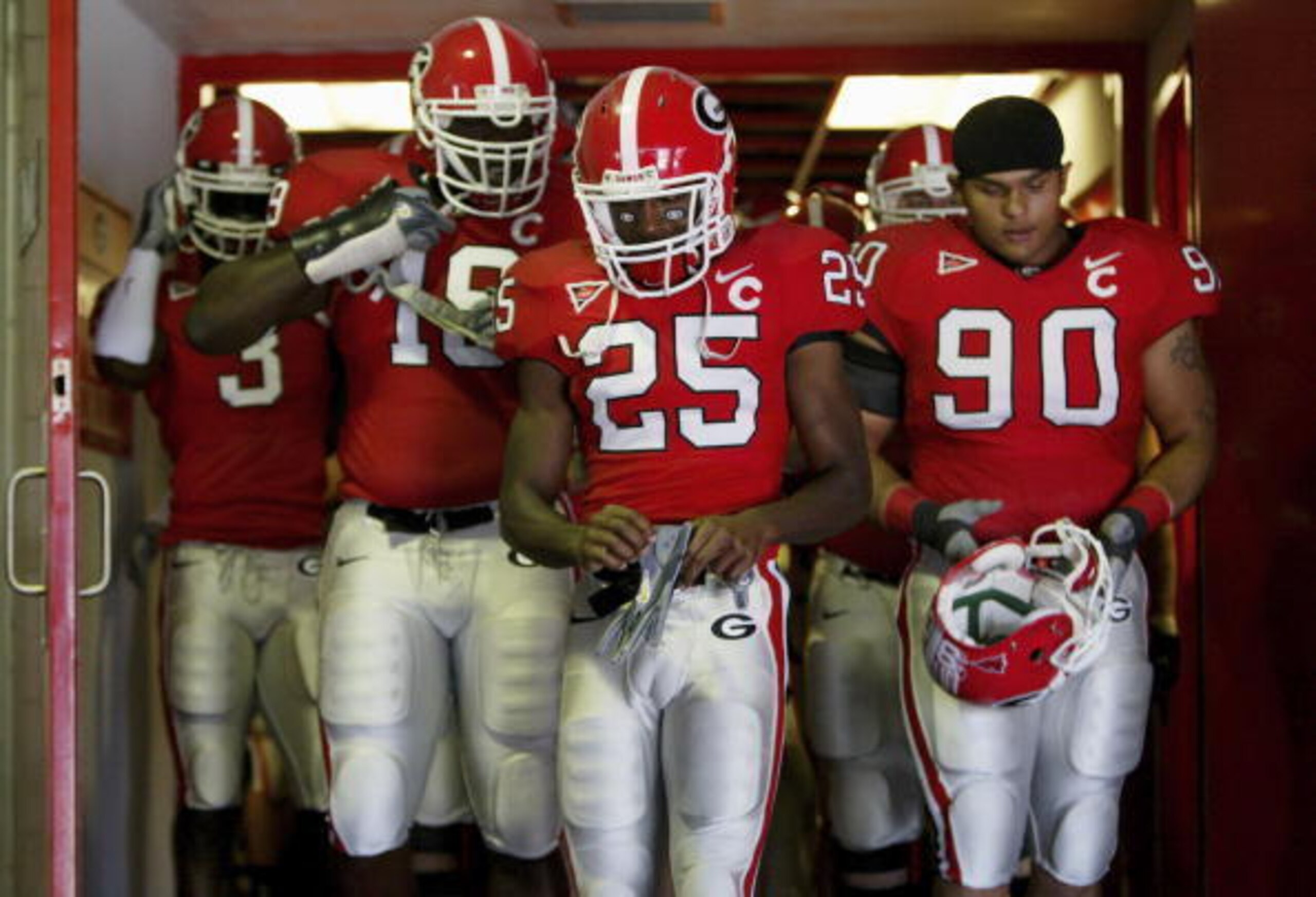
A combination of grades and health played culprit in watching Marquis Elmore fall from 5-star recruit to career reserve contributor.
Elmore—once one of the nation’s most coveted prospects—didn’t qualify the first time around, instead going to Hargrave (Va.) Military Academy.
Once Elmore got to Athens in 2002, team doctors discovered he required back surgery.
The linebacker gained weight during recovery and ultimately moved to defensive tackle.
He never played a significant role during his career at Georgia, recording eight total tackles over four seasons.
Kentucky—QB Ryan Massakowski
6 of 12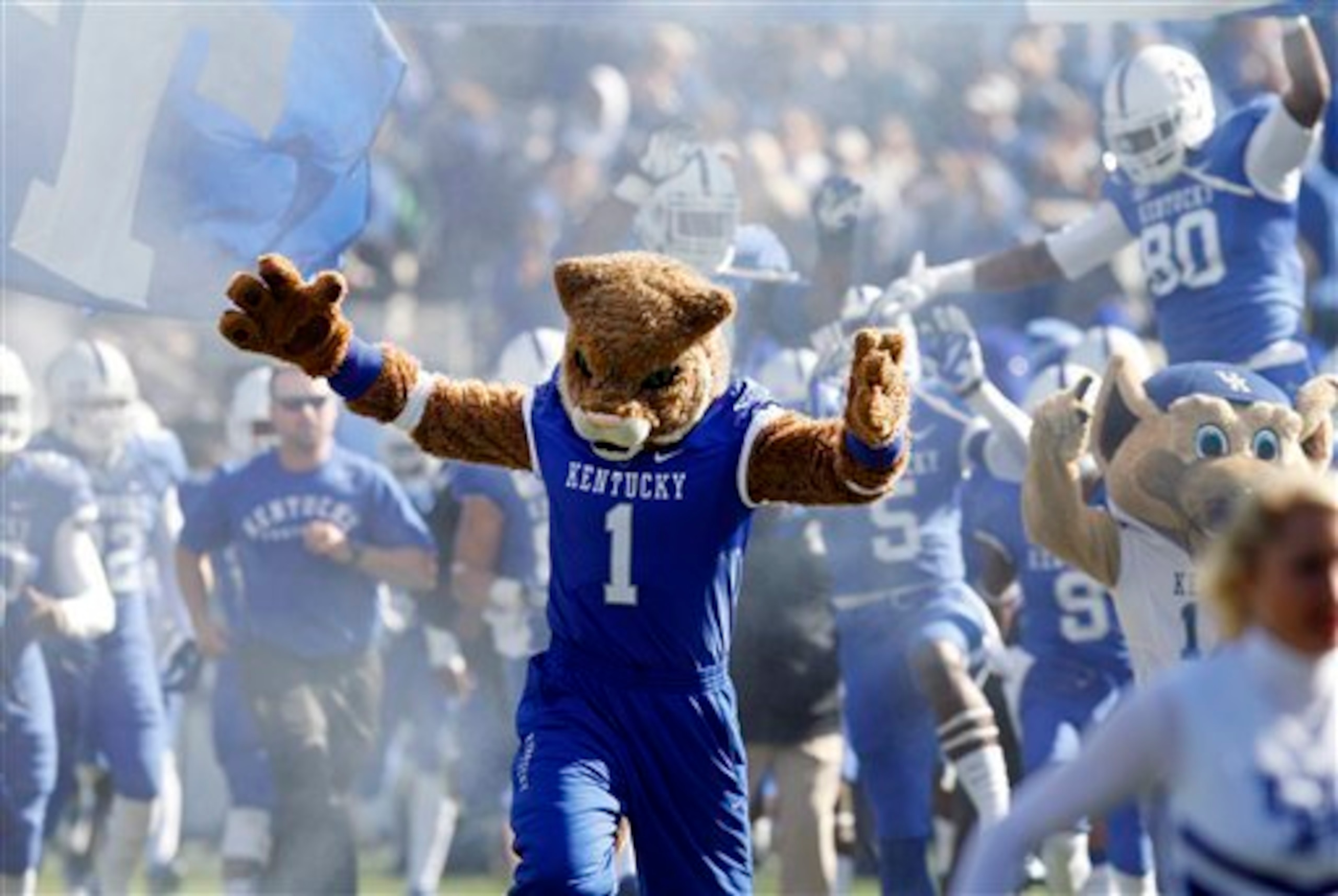
Kentucky landed a pair of 4-star quarterback prospects on National Signing Day in 2009—Ryan Massakowski and Morgan Newton.
Considering only one quarterback can play at any given time, perhaps it was inevitable one would transfer.
Wildcats fans might have been surprised that player turned out to be Massakowski—the higher-rated of the two.
A torn labrum cost Massakowski his true freshman season, instead forcing him to watch and learn rather than physically accustom himself to the collegiate speed.
When Massakowski returned to health in 2010, Mike Hartline won the starting quarterback job. Hartline got hurt later in the season, prompting coach Joker Phillips to turn to his backup—Newton.
The decision stung Massakowski, but he remained hopeful he would see some action.
Kentucky.com reported that Massakowski felt deceived when he didn’t play in the BBVA Compass Bowl following the 2010 regular season.
The former high-profile prospect elected to leave the program shortly thereafter, ultimately resurfacing with FCS program Lamar back in his native Texas.
LSU—QB Ryan Perrilloux
7 of 12
Ryan Perrilloux might be the highest-profile case of a Signing Day switch.
Rivals rated the Houston native as the No. 16 prospect in the nation and No. 2 quarterback. He seemed destined to wear burnt orange for Texas, the program to which he had long been committed.
Instead, on National Signing Day, Perrilloux shocked the college football nation by faxing in his paperwork to LSU.
Perrilloux took a redshirt in 2005 and couldn’t beat out JaMarcus Russell or Matt Flynn in 2006, settling for third-team quarterback.
With Russell gone in 2007, Perrilloux seemed to have new life. However, Flynn beat him out for the starting job.
Perrilloux’s only opportunities came as a result of injuries to Flynn, including when Perrilloux led the Tigers to an SEC Championship Game victory over Tennessee.
Perrilloux—who was no stranger to off-field trouble—instead dealt his LSU career a series of behavioral blows that ultimately proved to be fatal to his future within the program. Worse, his transgressions came during the offseason, when he seemed destined to start the following fall.
Rather than starting for the Tigers, Perrilloux ended his college career as Jacksonville State’s starting quarterback.
Considering where Perrilloux started on National Signing Day in 2005, such an ending must have been unfathomable.
Mississippi State—OL Templeton Hardy
8 of 12
Templeton Hardy came to Mississippi State as one of the nation’s top defensive line prospects.
He left as a reserve offensive lineman who appeared in just 19 career games.
Hardy racked up accolades during his high school career, earning a spot on The Jackson Clarion-Ledger’s Dandy Dozen as a senior at North Panola High School.
Rivals made similar observations. The recruiting site named Hardy to its Rivals 250 list (No. 152) as a 4-star recruit. Rivals also listed Hardy as the No. 11 defensive tackle in the nation and the No. 3 prospect in Mississippi.
Seemingly destined for a great career, Hardy instead spent his first year on campus redshirting and moving to the offensive line.
He played in 12 games as a senior but never made a start.
Ole Miss—RB Enrique Davis
9 of 12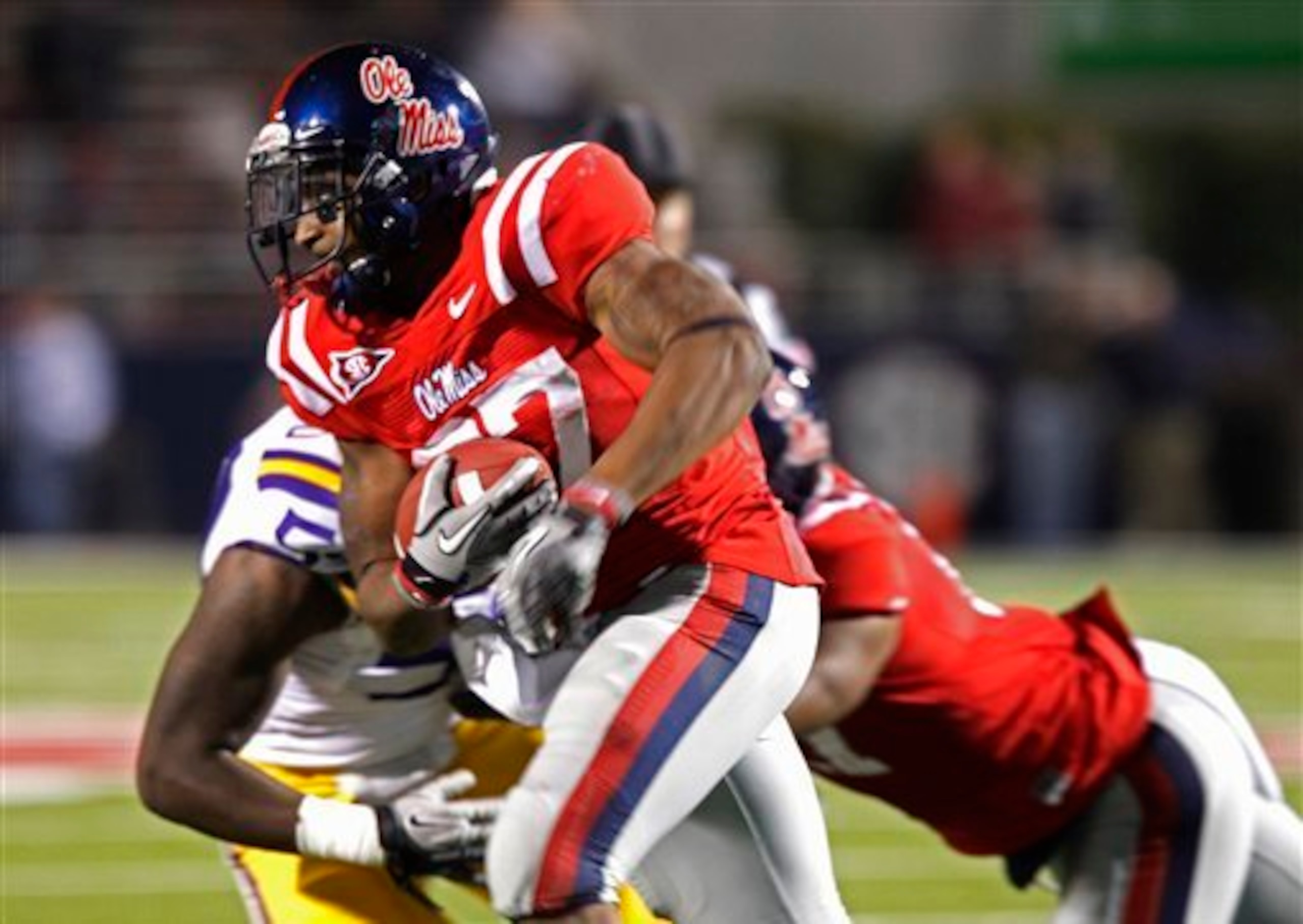
Unlike many players on this list, Enrique Davis played a role for the program with which he signed for four seasons.
He simply didn’t have the type of impact expected.
Rivals initially placed Davis on its Rivals 250 list during his senior year in high school. In 2007, Davis chose Auburn, but attended Hargrave (Va.) Military Academy when he failed to qualify academically.
A great year there led to Rivals boosting Davis’ rating to a 5-star prospect.
This time, Davis chose Ole Miss.
As a Rebel, Davis seemed to be in line for more immediate playing time.
It didn’t turn out that way.
Davis never emerged as the go-to tailback for Ole Miss, getting a career-high 82 carries during his junior season in 2010.
Through his four-year career, Davis compiled 862 rushing yards and eight total touchdowns, a respectable accomplishment.
He simply didn’t come close to living up to the 5-star hype he had before joining Ole Miss.
South Carolina—DT Randy Jackson
10 of 12
Linebacker Ricardo Hurley sometimes unfairly gets his name attached to that of Randy Jackson.
Both players signed in 2002 as highly sought 5-star prospects and neither ultimately lived up to the hype, causing them to be linked.
However, while Hurley never reached his considerable ceiling, he did turn in a productive career that featured 110 tackles over his final two seasons.
Jackson, conversely, arrived on campus as a 5-star defensive tackle ahead of a career marred by an ankle injury and unspectacular play.
During his two seasons, Jackson appeared in 16 games and registered 20 tackles. He never recorded a sack or even a tackle for loss.
Tennessee—LB Chris Donald
11 of 12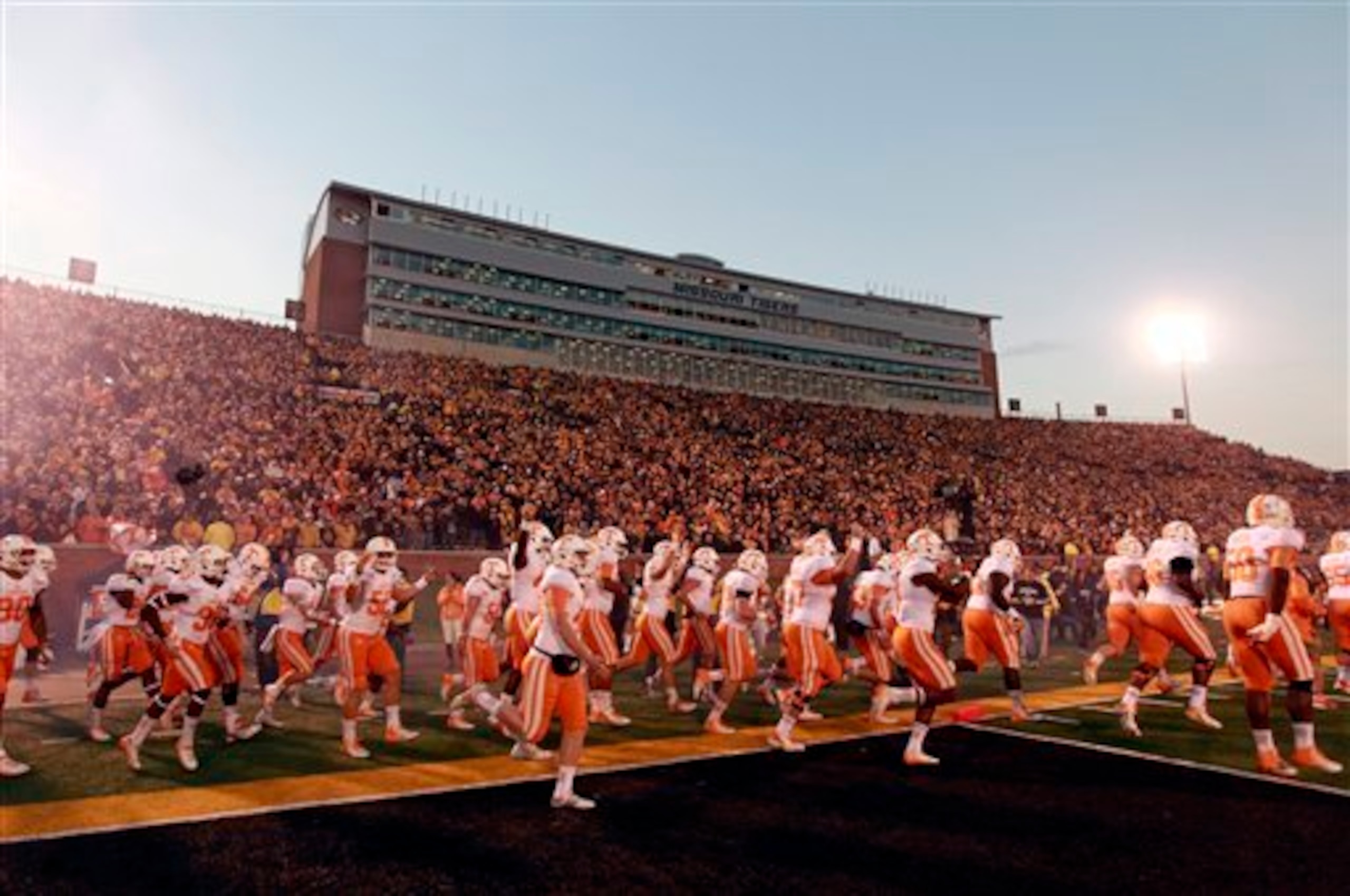
Chris Donald never made any significant impact while at Tennessee.
The former 5-star recruit earned a spot on the Rivals 250 list as a senior, and the site also ranked Donald as the No. 1 inside linebacker in the nation ahead of eventual Alabama standout Rolando McClain.
It never worked out in Knoxville for Donald.
He took a redshirt in 2007 and played sparingly in 2008, appearing in two games.
The 2009 season turned into Donald’s last. He played in seven games for the Volunteers, mostly on special teams.
The highly touted linebacker never recorded a tackle at Tennessee, leaving the program before the Chick-fil-A Bowl in 2009.
He played one season at UT Chattanooga before calling it a career.
Vanderbilt—None
12 of 12
Vanderbilt signed three 4-star prospects during the BCS era who have finished their collegiate careers, and calling any of the three a “flop” would be unfair.
Two of the three never played for the Commodores.
Defensive end Marcus Dixon accepted a scholarship offer, but it was revoked when he was charged with six crimes, including rape, after the 18-year-old Dixon had sex with a 15-year-old. A jury ultimately found Dixon guilty of aggravated child molestation, though a Georgia Supreme Court ruling knocked his conviction down to a misdemeanor and allowed him to allude jail time.
Dixon never played for Vanderbilt, instead enrolling at Hampton and making his way to the NFL.
Tailback Rajaan Bennett, another 4-star prospect who was the crown jewel of Vanderbilt’s 2010 signing class, marks a tragic story.
Bennett was killed as part of a murder-suicide committed by Clifton O’Neal Steger—Bennett’s mother’s ex-boyfriend.
The third 4-star prospect, defensive end John Stokes, enjoyed a productive career for the Commodores.



.jpg?w=2560 "Dak to Stroud: Get Some Wins 💯")
.jpg?w=2560 "5 NFL Players Getting Trade Buzz")

.jpg?w=2560 "NFL Won't Fine 'Beverage' Celebrations 🍻")