
What Novak Djokovic's Loss to Kei Nishikori Means for Remainder of 2014
Top-seeded Novak Djokovic was a big favorite at the 2014 U.S. Open coming off his previous Grand Slam triumph at Wimbledon, but his heartbreak at Flushing Meadows continued.
Djokovic strung together another deep run but was defeated in the semifinals by Kei Nishikori in a stunning upset. This comes after the Serbinator lost the previous two U.S. Open singles finals.
HuffPost Sports provides details on Nishikori's 6-4, 1-6, 7-6 (4), 6-3 win:
TOP NEWS

Geno Explains Wilson Exchange
.jpg?w=2560 "Steelers Saints Football")
Rodgers Iced Out on Plane 💎
.jpg?w=2560 "Chiefs Giants Football")
Mahomes Told Teammate to Leave Meeting
For a player who has looked almost unbeatable at various stages of the season and his career for that matter, it's a bit of a shock that Djokovic hasn't won more than one U.S. Open. Given how much of a juggernaut he's been at Melbourne Park, his outlook for the 2015 Australian Open shouldn't have any dimness to it. Rather, it ought to serve as a source of optimism when Djokovic kicks off the next season.
Flushing Meadows hasn't been as kind to Djokovic. He's consistently contended for the trophy only to fall short more often than not. This time around, it again wasn't meant to be. With four titles won in 2014 and a brilliant overall singles record of 39-7, just about any player on the planet would envy what Djoker has been able to accomplish.
All that had been missing before his championship at Wimbledon was a major win. Since Djokovic managed to capture that, the loss to Nishikori isn't as devastating, even though it marked yet another disappointment in this particular tournament.
Just when it looked as though he was poised to commence a perpetual reign as the top-ranked player in the world, though, discouraging signs began to surface leading up to the U.S. Open. First, Djokovic fell in the third round at the ATP Rogers Cup to eventual title winner Jo-Wilfried Tsonga, which was understandable to a degree.
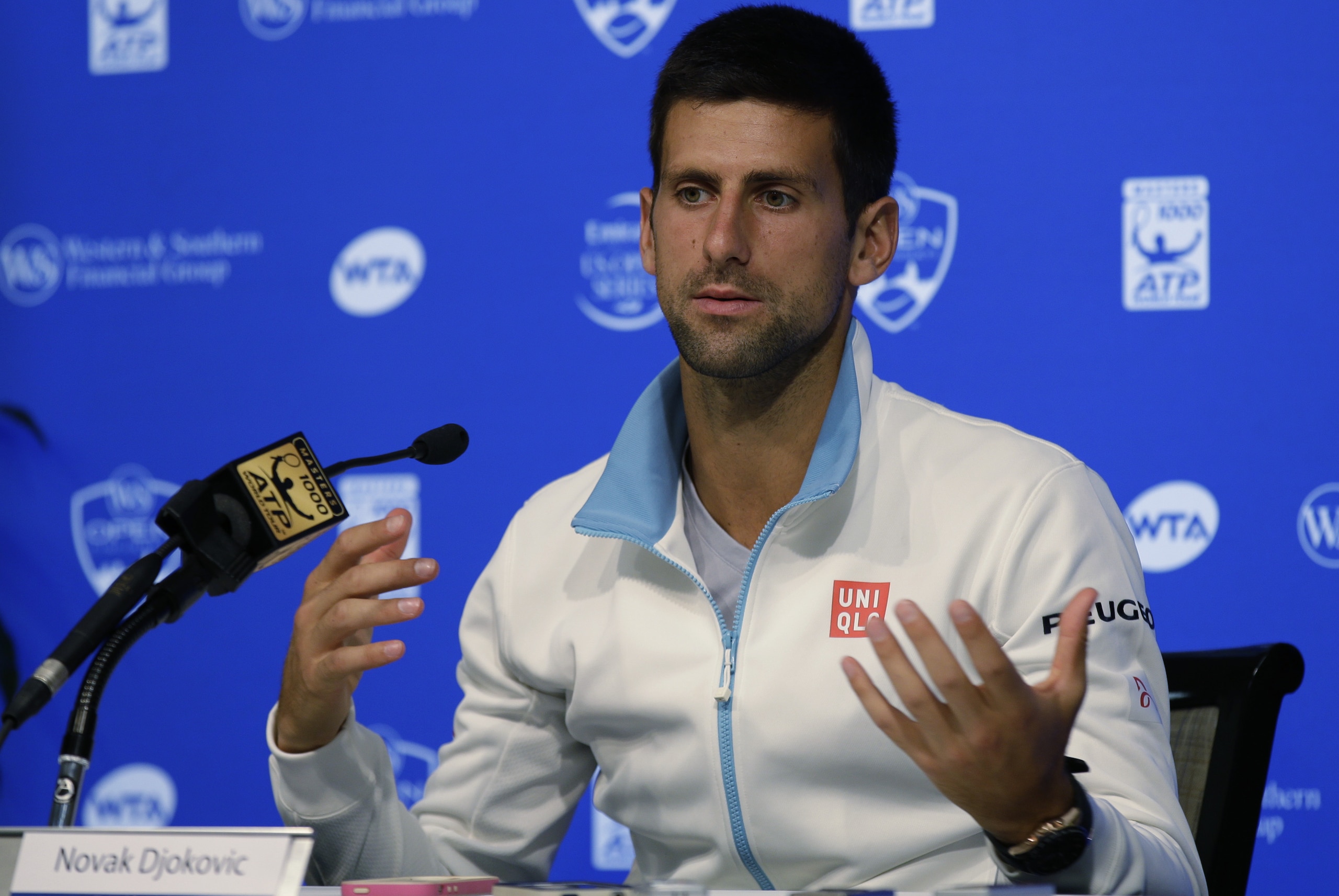
But an upset loss to Tommy Robredo at the Western & Southern Open in Cincinnati was perplexing to say the least. Ben Rothenberg of The New York Times alluded to the apparent hex on Djokovic at the event:
SI Tennis noted what Djokovic had to say after the defeat and his discomfort on the hard courts:
"Just many, many, many things are not clicking these two weeks on hard courts," said Djokovic, per ATPWorldTour.com. "It's unfortunate, but it's more than obvious I'm not playing even close to what I'm supposed to play. I have to keep on working and trying to get better for US Open."
A nagging right wrist injury forced Djokovic to pull out of multiple tournaments earlier in the 2014 campaign, including withdrawing from the Boodles exhibition just before Wimbledon. However, his recent tribulations on the hard courts seem to have more to do with his feel for the game than any potential health issues.
Adjusting to different conditions and surfaces is something all players have to deal with, but there's nary enough time to adapt to the drastic change. Nevertheless, that works to the advantage of all-court dynamos like Djokovic, whose game can be flat-out transcendent on any surface when he's locked in.
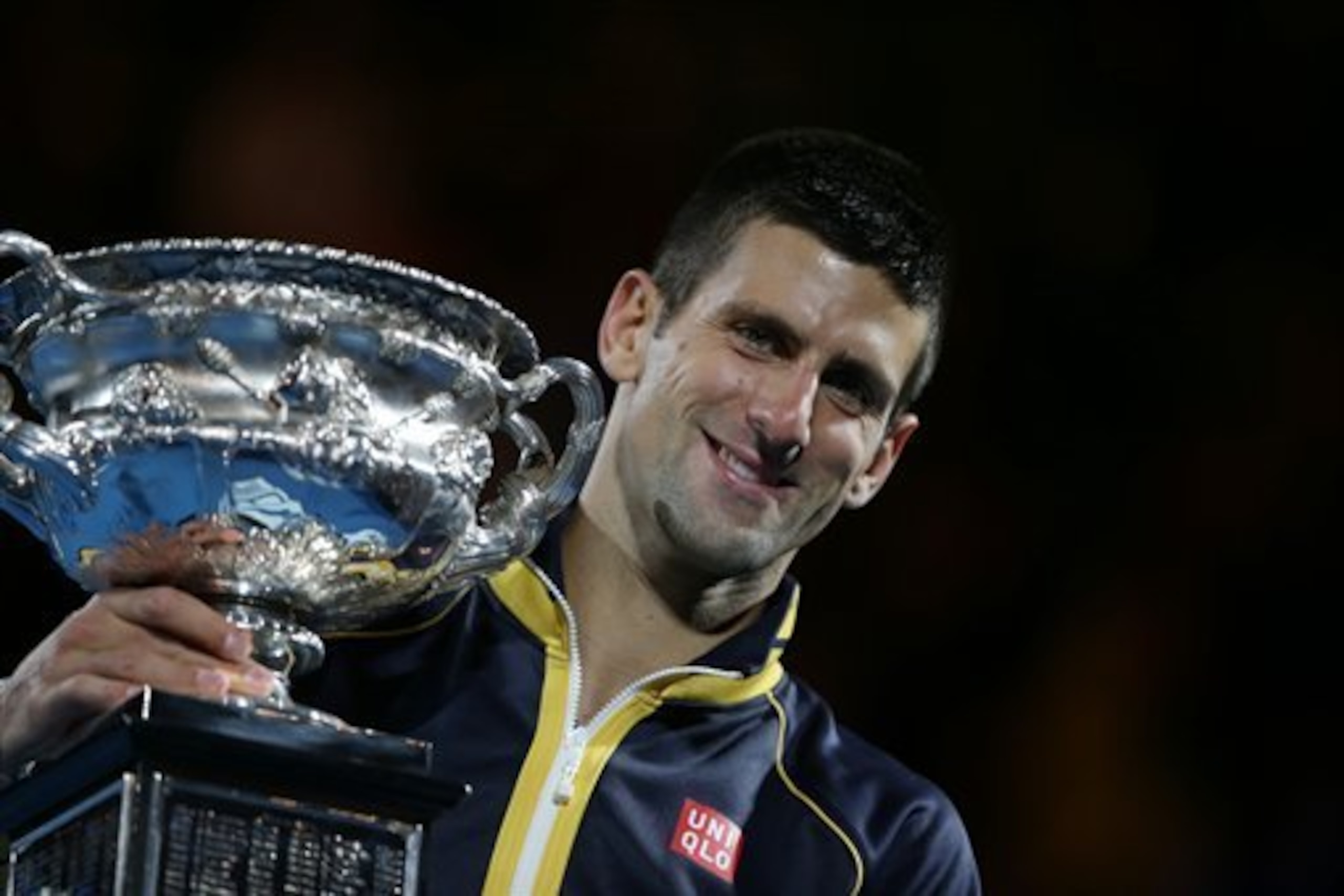
A long wait looms for Djokovic to prove himself on the massive Grand Slam platform at Melbourne Park. At least he can take solace in the fact that the pinnacle of his major prowess has been on hard courts.
Four of Djokovic's seven Slam titles have come at the Australian Open, with the last Melbourne coronation coming in 2013.
With more adequate time to prepare, tangible competitive reps to be had and a load of hard-court success to reflect on and ultimately draw on, Djokovic will once again be the man to beat in the 2015 Australian Open.
One caveat: It has to be wearing on Djokovic to have lost five of his last seven Grand Slam finals appearances—even with his victory at the All England Club.
All great champions find a way to dig deep and bounce back, though. Djokovic has proven capable of that before, and now he'll have to muster fortitude to remain atop men's tennis for the long haul.
.jpg?w=2560 "AP Poll Top Five Week 9")


.jpg?w=2560 "Raiders Could Start Mendoza")
.jpg?w=2560 "Lamar Being Out Shocked Ravens")