

Telstar to Jabulani to Brazuca: Evolution of World Cup Final Ball
The inaugural World Cup in 1930 used the old heavy leather balls with no definitive markings or designs on them. It took until 1970 before Adidas made the first official World Cup ball used in the final.
Since then, there have been a further 11 balls designed by Adidas that have featured in World Cup finals up to the present day.
Let’s take a look through the archives to see the evolution of the World Cup finals ball from the Telstar to the modern-day Brazuca.
Adidas Telstar: Mexico 1970
1 of 12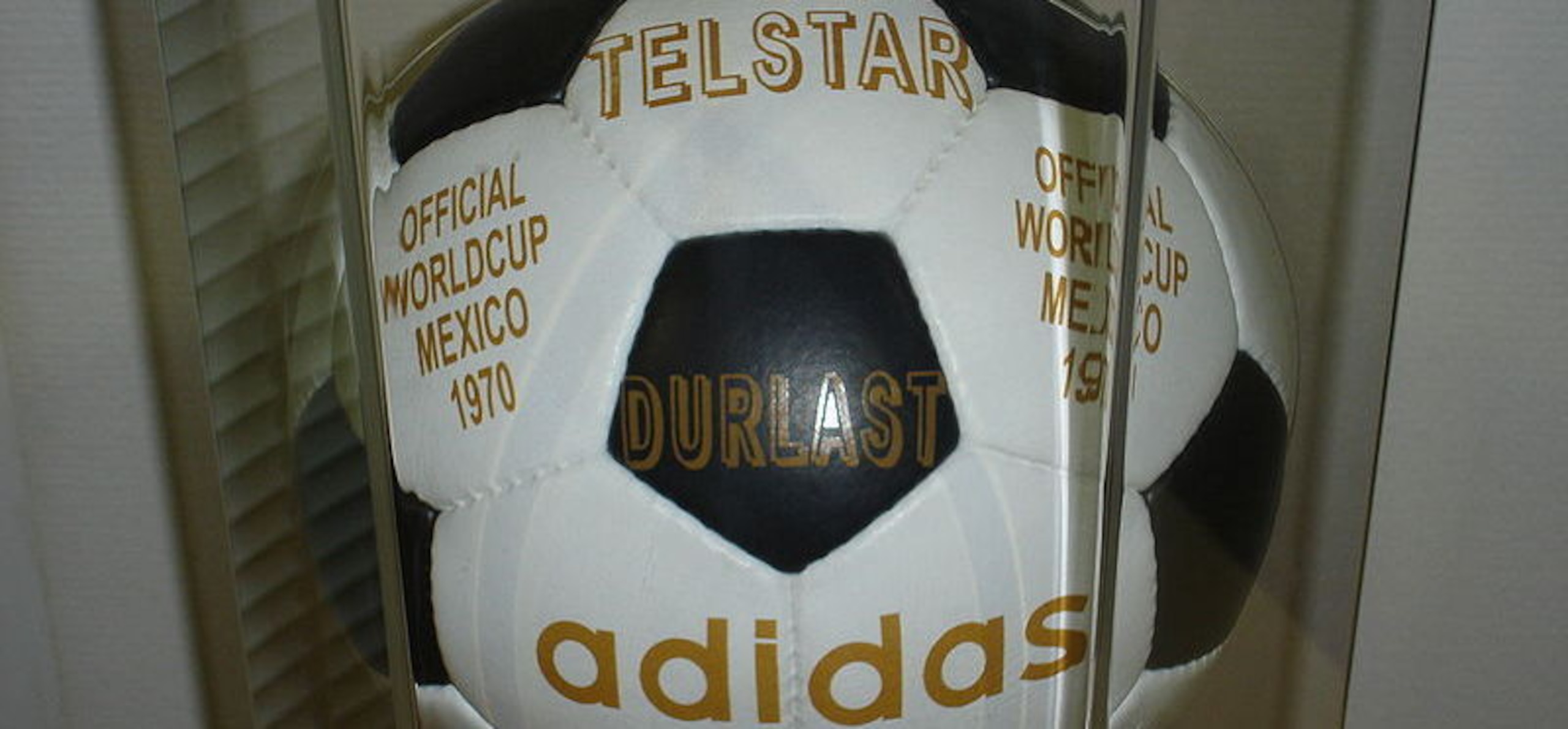
The Adidas Telstar was the official match ball for the 1970 World Cup in Mexico.
Making its debut in 1970, it was first ball to feature 32 painted black and white panels so it would look more visible on black and white television sets.
Adidas Telstar Durlast: West Germany 1974
2 of 12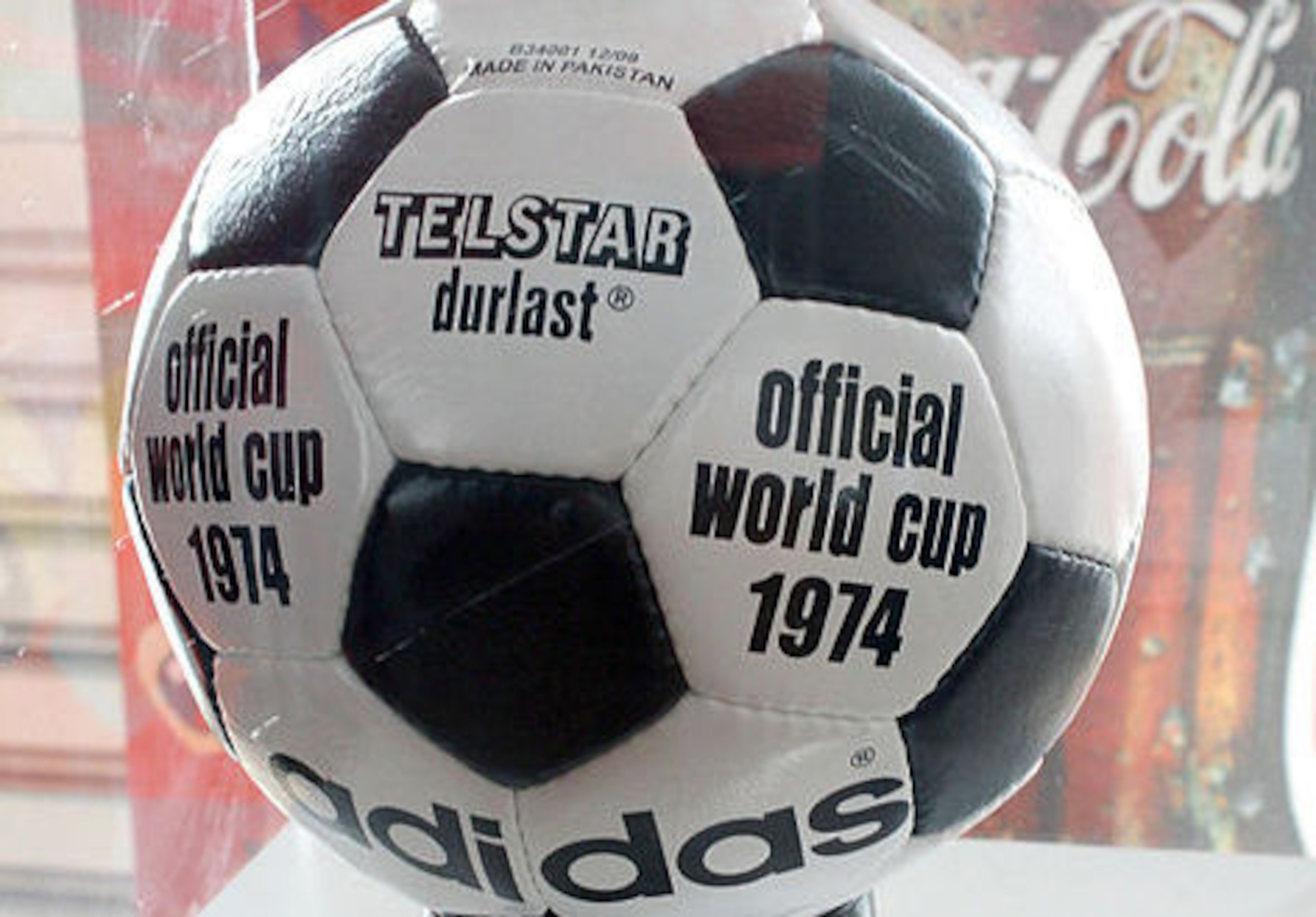
The Telstar Durlast match ball was used for the following 1974 World Cup in Germany, but there was a second ball also introduced called Adidas Chile.
Adidas Tango Durlast: Argentina 1978
3 of 12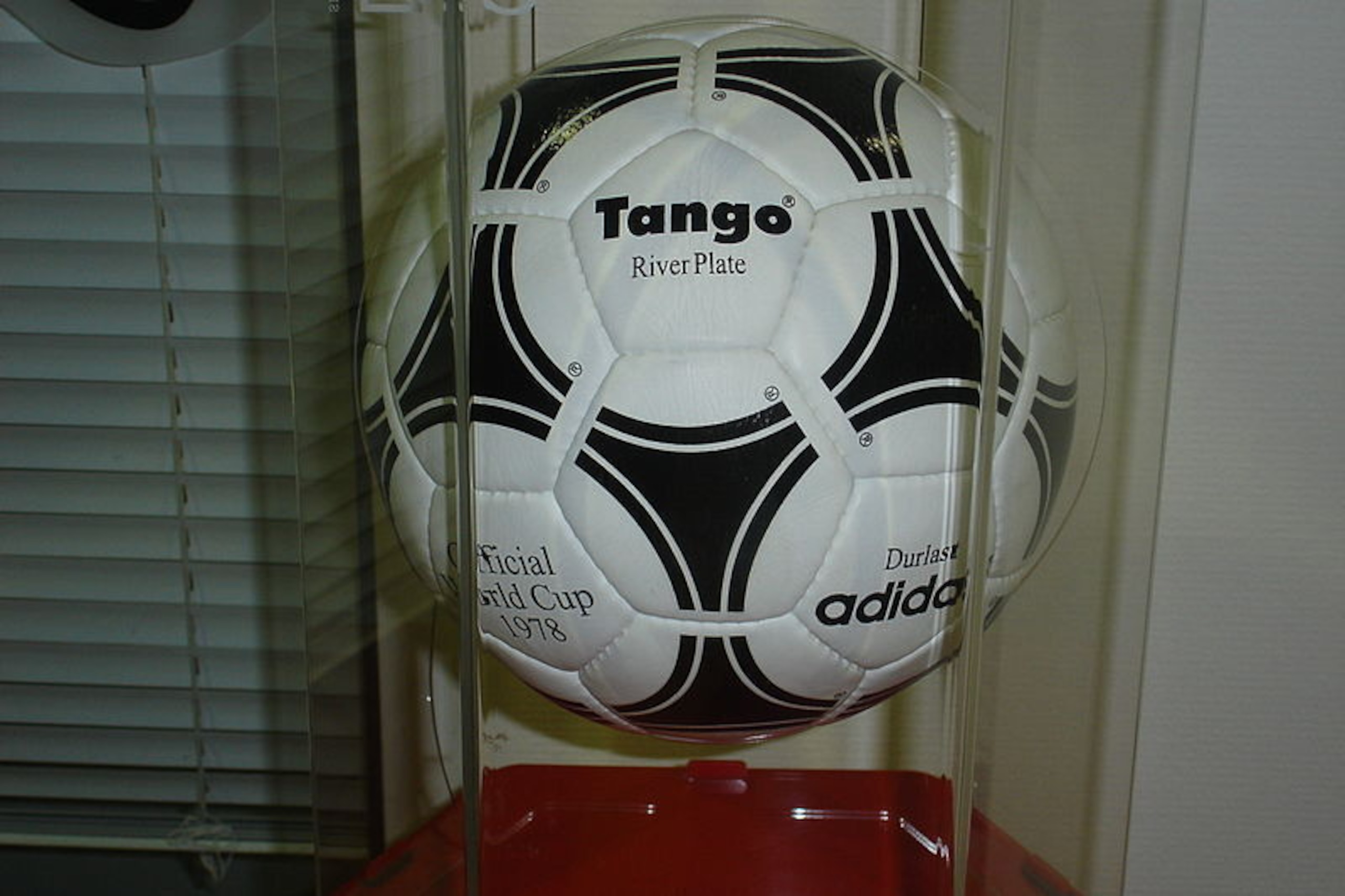
Priced at £50, the Adidas Tango was the most expensive football of its kind when it originally came out.
The design of triads which form an optical illusion of football shapes on the ball was used for the next two decades.



Adidas Tango Espana: Spain 1982
4 of 12
The aptly named Tango Espana football was designed to be more waterproof than its predecessors. It brought to an end the genuine leather ball used at World Cups as the synthetic era was introduced.
Rubber infused to keep water out, excessive use meant it needed to be replaced during the game due to general wear.
Adidas Azteca: Mexico 1986
5 of 12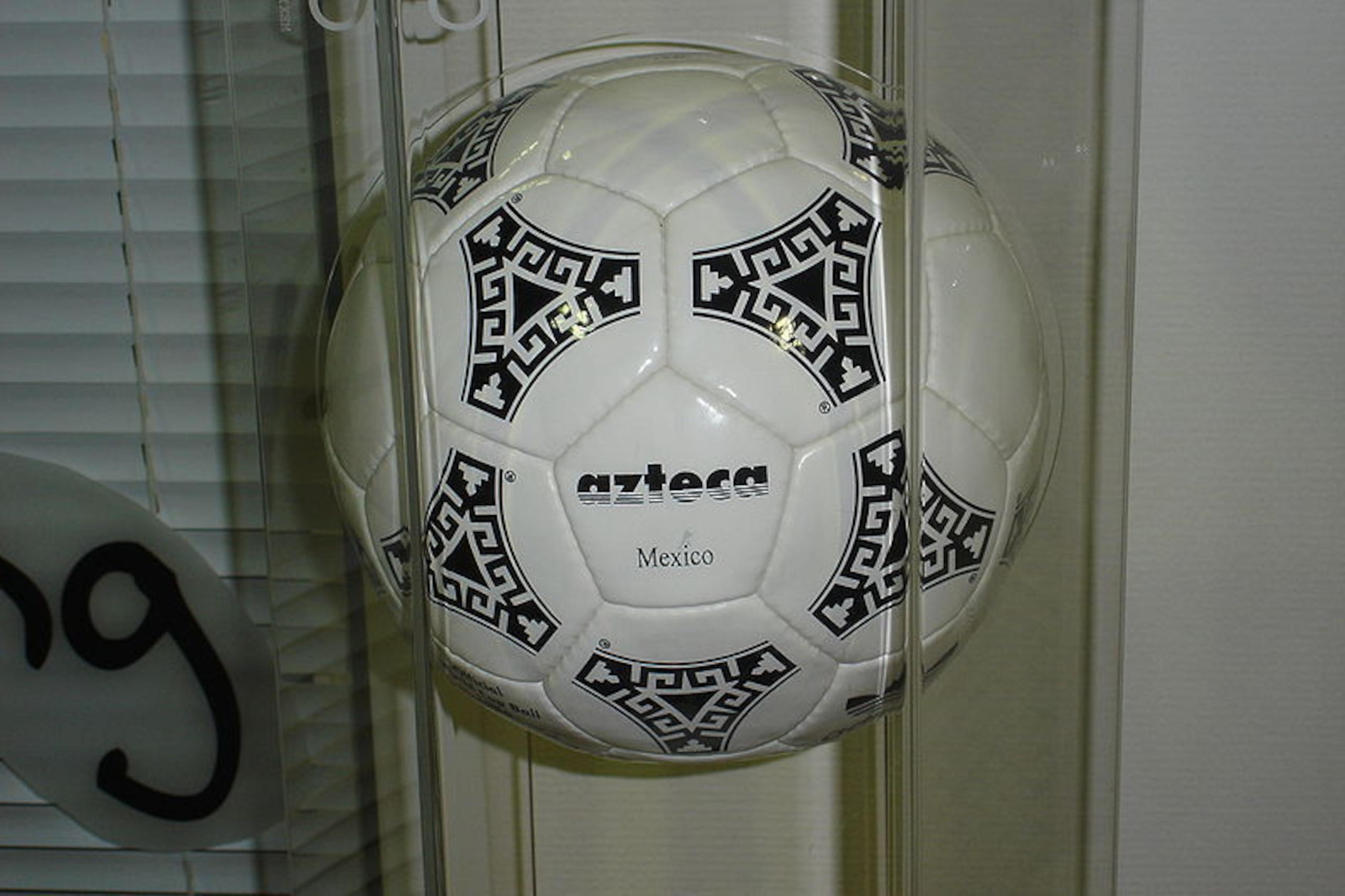
The Azteca was the first fully synthesized ball to be used at a World Cup. It was said to have been modelled on the native Mexico Aztec architecture.
The Azteca was the first polyurethane coated ball, designed to endure hard and wet surfaces.
Adidas Etrusco Unico: Italy 1990
6 of 12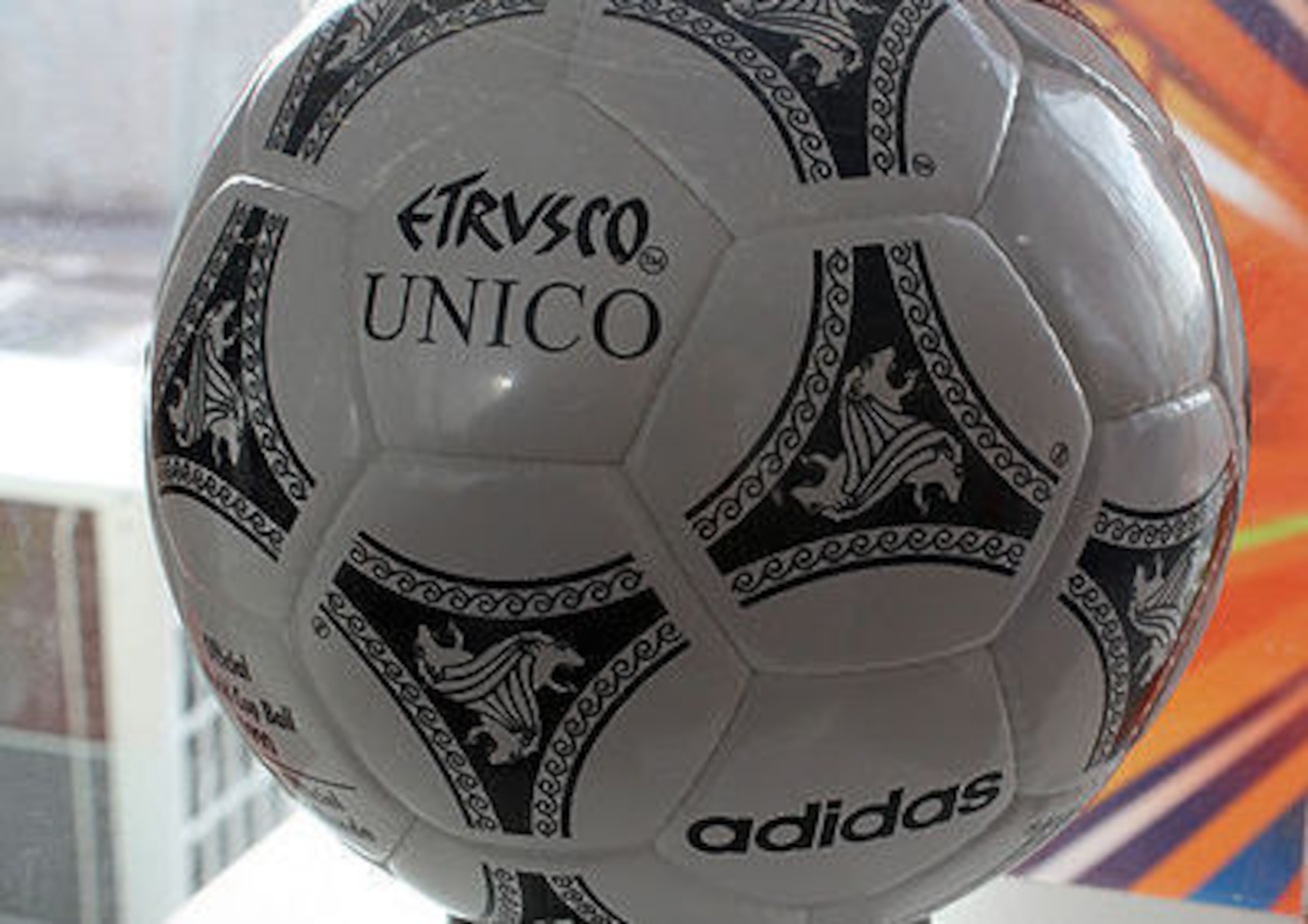
Keeping up with their theme of taking design tips from the host nation’s ancient history, the Entrusco Unico was both named and designed from the country’s proud heritage.
It was the first ball with an internal layer of black polyurethane foam.
Adidas Questra: USA 1994
7 of 12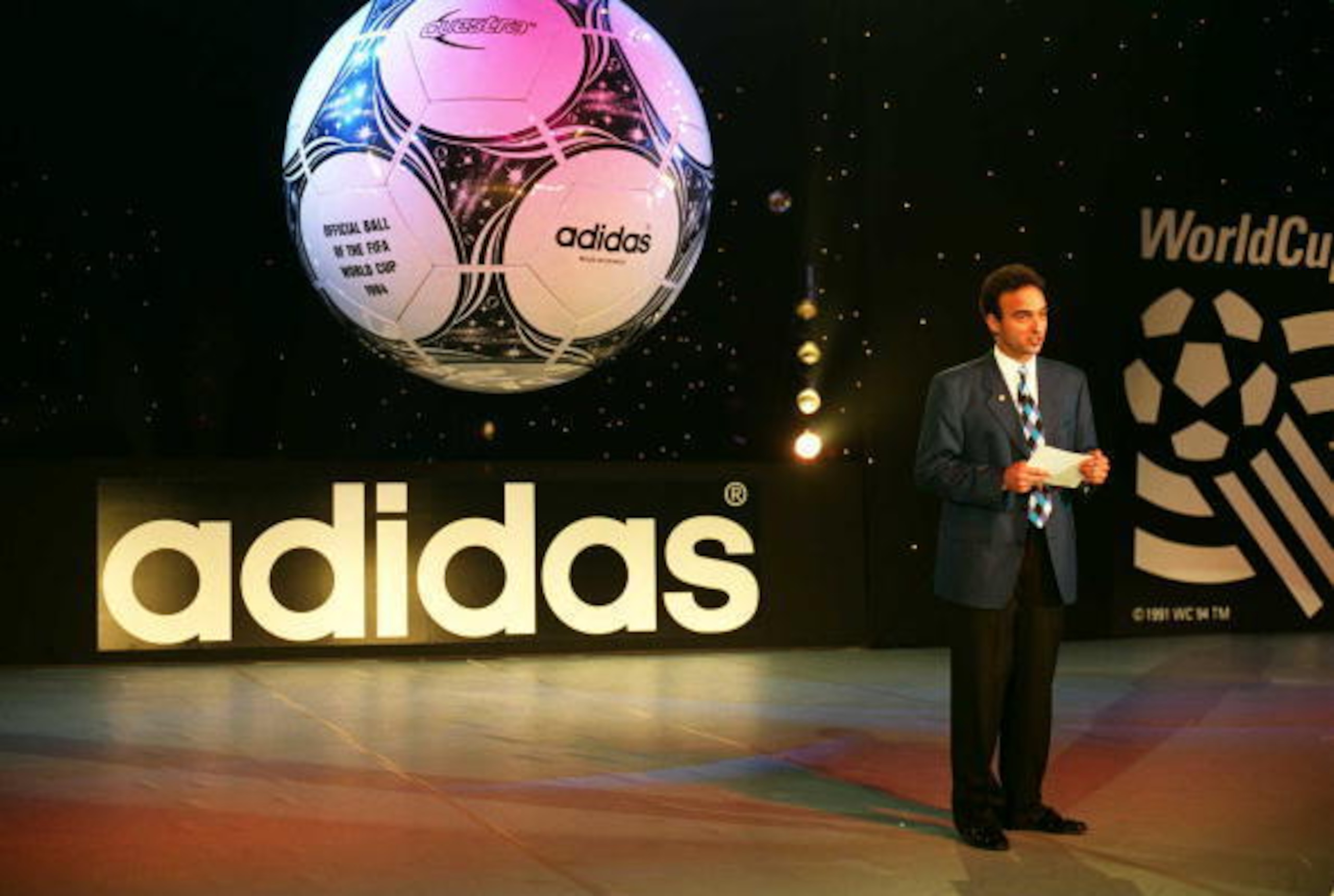
The Questa was a controversial ball in the ‘94 World Cup.
Many goalkeepers complained it was erratic in the air and the speed that could be generated. Strikers, conversely, enjoyed how much control they had over it.
The design was inspired by space technology, due to America’s love for space travel.
Adidas Tricolore: France 1998
8 of 12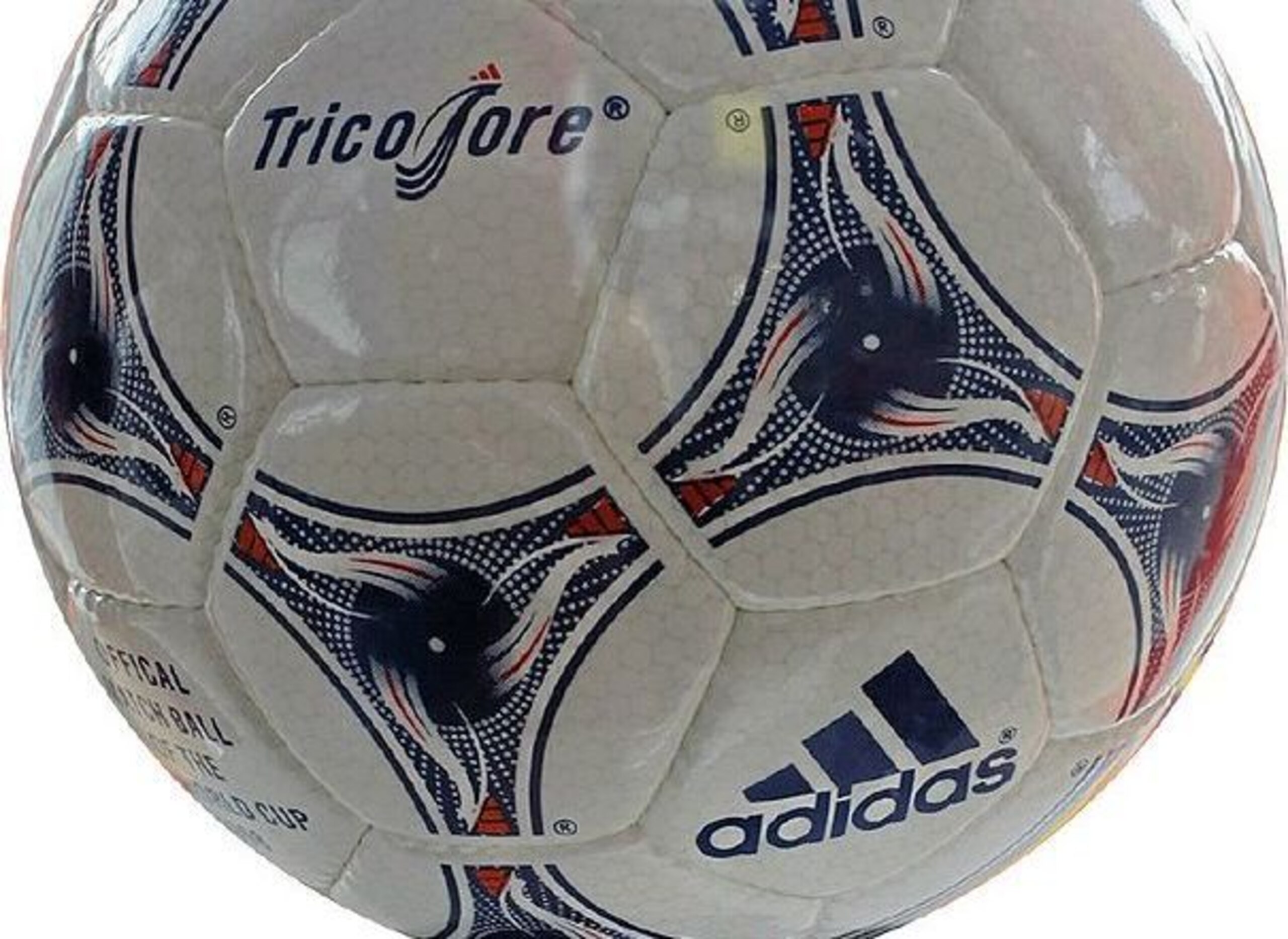
The Tricolor was the first ball used at the World Cup that featured colour in the design. It was modelled on the colours of the French flag, with the blue triads and cockerel motifs representing the red white and blue.
Adidas Fevernova: Korea and Japan 2002
9 of 12
Featuring part of the Adidas Tango design, the Fevernova was made with thick inner layers to offer more accuracy with the flight of the ball. It meant goalkeepers wouldn’t be fooled by the path of the ball dramatically changing in the air.
Considering the hosts were Korea and Japan, an Asian theme was the inspiration for the Fevernova’s design.
Adidas Teamgeist: Germany 2006
10 of 12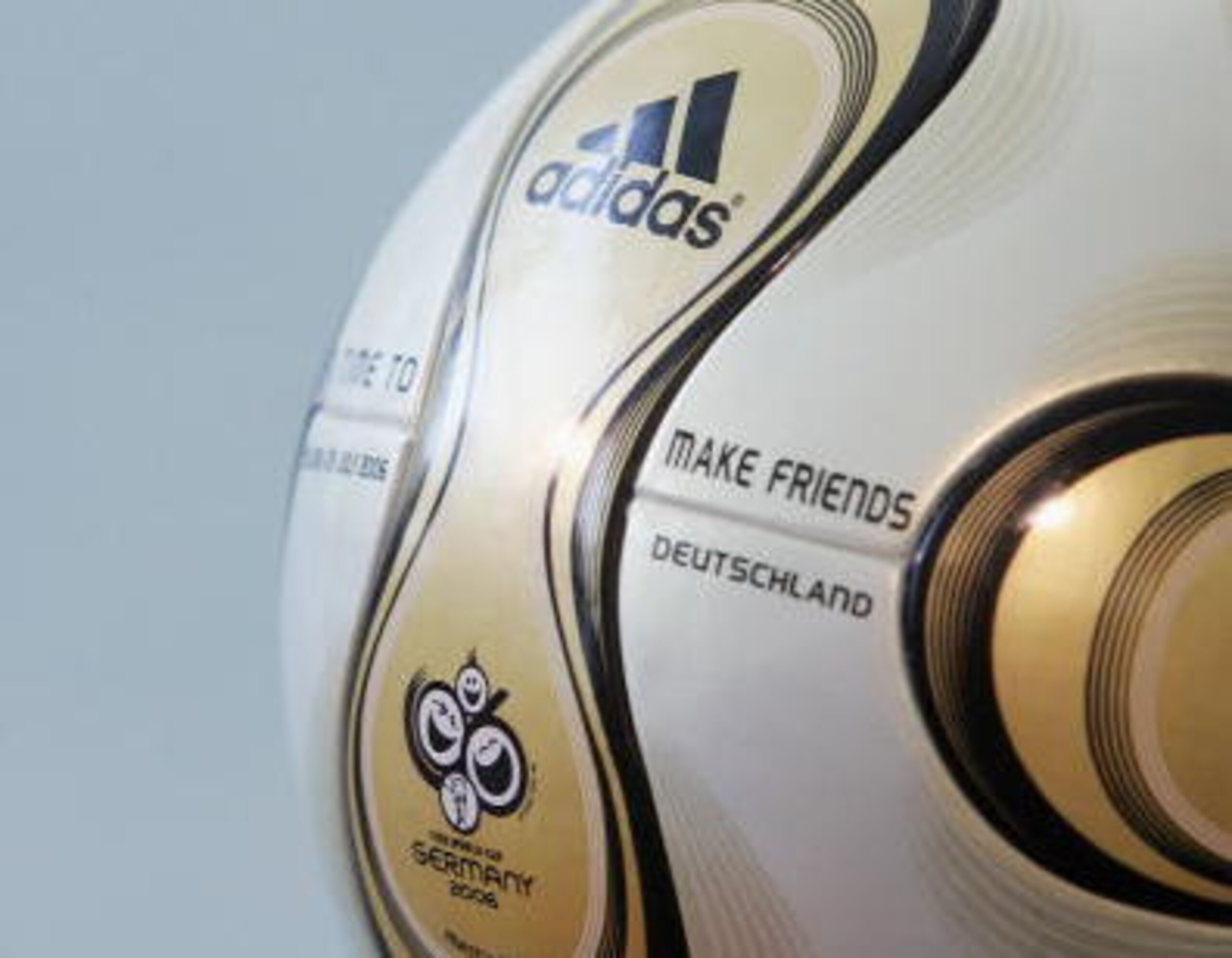
The Teamgeist featured a lesser amount of panels forming the ball, and instead was focused on improving the control and accuracy. With previous balls being manipulated depending on what part of the ball was struck, the Teamgeist tried to reduce such variance.
It was designed on the German flag, while the gold colour of the ball was taken from the gold coloured World Cup trophy.
Adidas Jabulani: South Africa 2010
11 of 12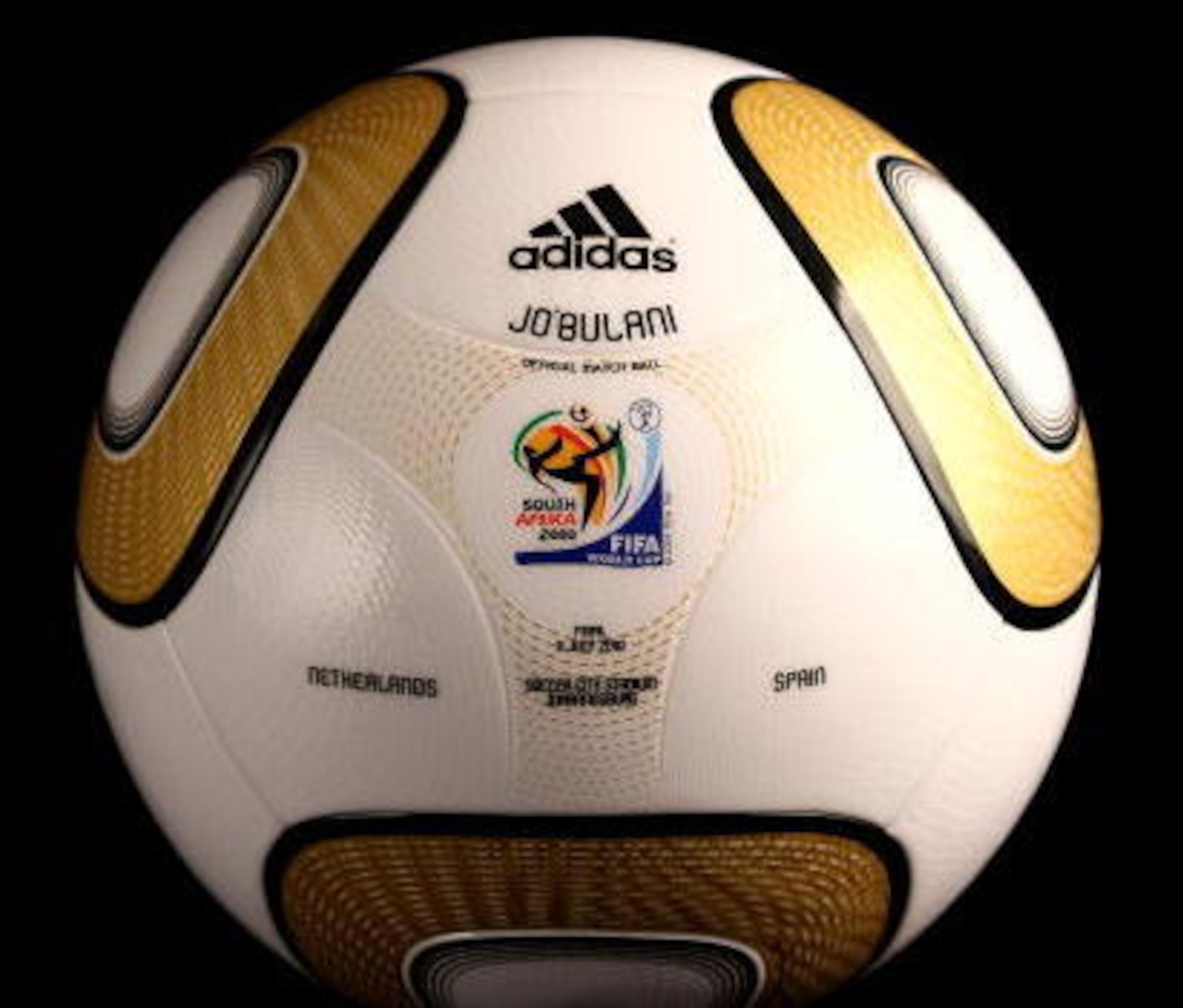
The name is an isiZulu word which means "to celebrate," but there was little to celebrate following its release.
Designed with a grip and groove technology to ensure stable flight, the Jabulani was a scourge for many goalkeepers in the 2010 World Cup due to its unpredictable flight.
Adidas Brazuca: Brazil 2014
12 of 12
Brazuca won the honour to have the match ball name of the 2014 World Cup following a public vote in host nation Brazil—over one million fans reportedly participated.
The ball was tested by more than 600 players over two-and-a-half years before release.
About the design, FIFA said:
"The brazuca’s colours and ribbon design of the ball panels symbolise the traditional multi-coloured wish bracelets worn in the country, in addition to reflecting the vibrancy and fun associated with football in the South American country.
"
The Brazuca even has its own Twitter account, @brazuca.
Facts compiled from the Telegraph and Soccerballworld


.jpg?w=2560 "Latest Peyton-Colts Rumors")




.jpg?w=2560 "Landing Spots for Trade Candidates 📍")
.jpg?w=2560 "Ugly Jets Scoring Stat 😳")