

Predicting the Top 20 Sophomores for the 2014-15 College Basketball Season
Even with the one-and-done marquee names having left for the NBA draft, college basketball’s rising sophomore class is loaded with star power. Mighty Kentucky held on to more of its freshmen than ever before under John Calipari, and the Wildcats have no monopoly on elite talent coming back for a second season on campus.
One of the biggest surprises among 2013-14’s freshmen was Texas point guard Isaiah Taylor. The novice floor general put the Longhorns back in the NCAA tournament, and now he’s got his sights set on leading them to a Big 12 title.
Read on for more on Taylor and the rest of the 20 rising sophomores positioned to turn in the biggest performances in 2014-15. Although prior effectiveness is important, potential for success next year is the biggest factor in these rankings.
20. Dakari Johnson, Kentucky
1 of 20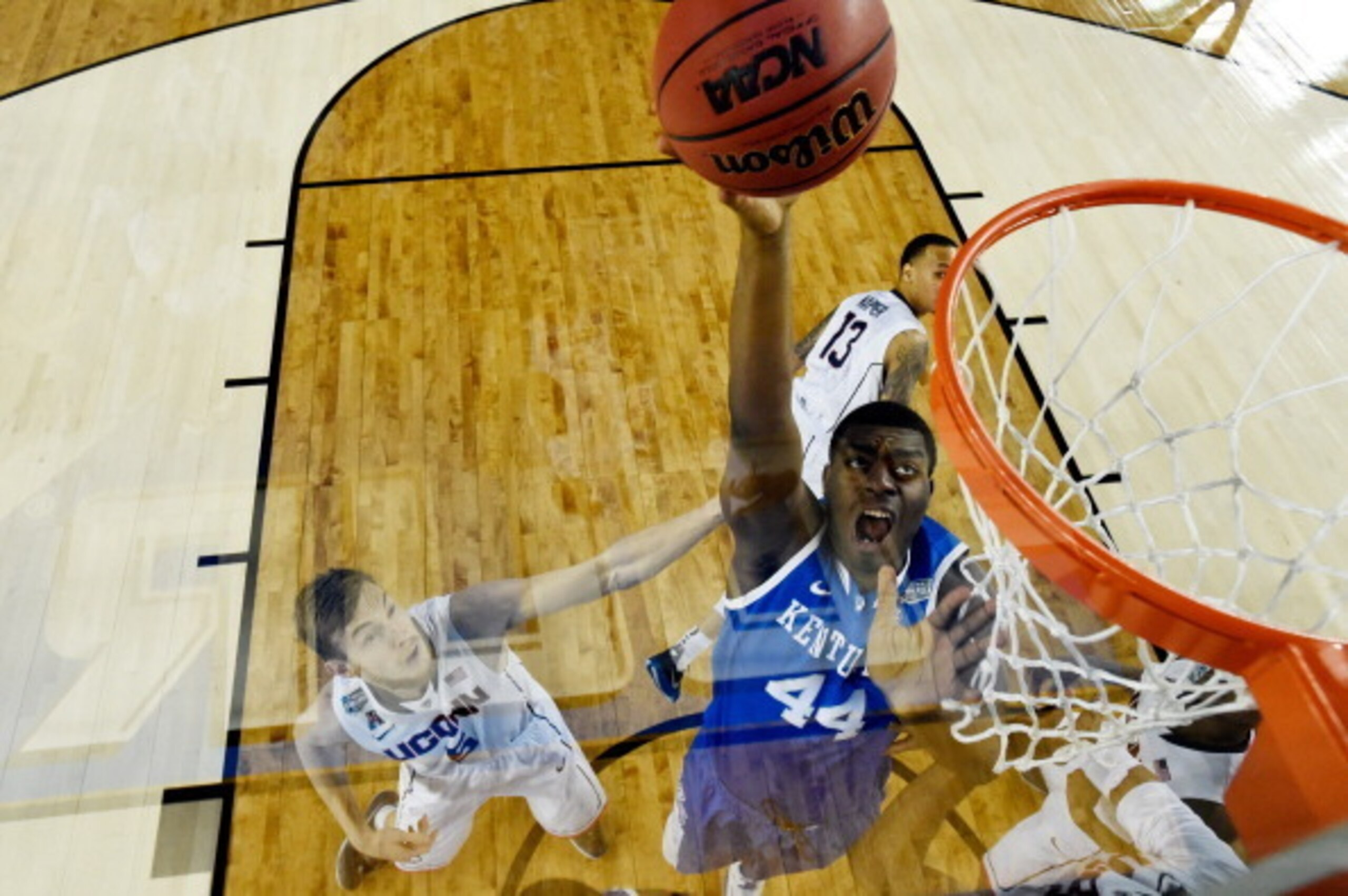
During the 2013-14 regular season, Dakari Johnson (who split time with Willie Cauley-Stein at center all year) had two double-digit scoring nights.
In Kentucky’s run to the NCAA title game, Johnson equaled that total in six contests, including a 15-point, six-rebound effort in dominating Louisville.
Cauley-Stein is also back in the pivot, but the hulking Johnson’s late-season development should guarantee him enough minutes to put up substantial scoring numbers.
If he adds just a little more quickness to what’s currently a 7’0”, 265-pound frame, he should also see a massive upswing in his disappointing 3.9 rebounds per game.
19. Mamadou Ndiaye, UC Irvine
2 of 20
No matter what kind of stats Mamadou Ndiaye puts up as a sophomore, his most impressive numbers will always be 7’6” and 290 pounds.
The behemoth center is still learning how to use all that size, but his 3.1 blocks per game as a freshman show that he’s been a quick study.
Ndiaye showed flashes of potential to match his bulk, narrowly missing triple-doubles on multiple occasions (including an 18-point, eight-rebound, nine-block showcase against Washington).
Now that the Senegalese import has a year of American experience behind him, he could make the Anteaters one of the most dangerous NCAA tournament sleepers of 2015.
18. Wayne Selden Jr., Kansas
3 of 20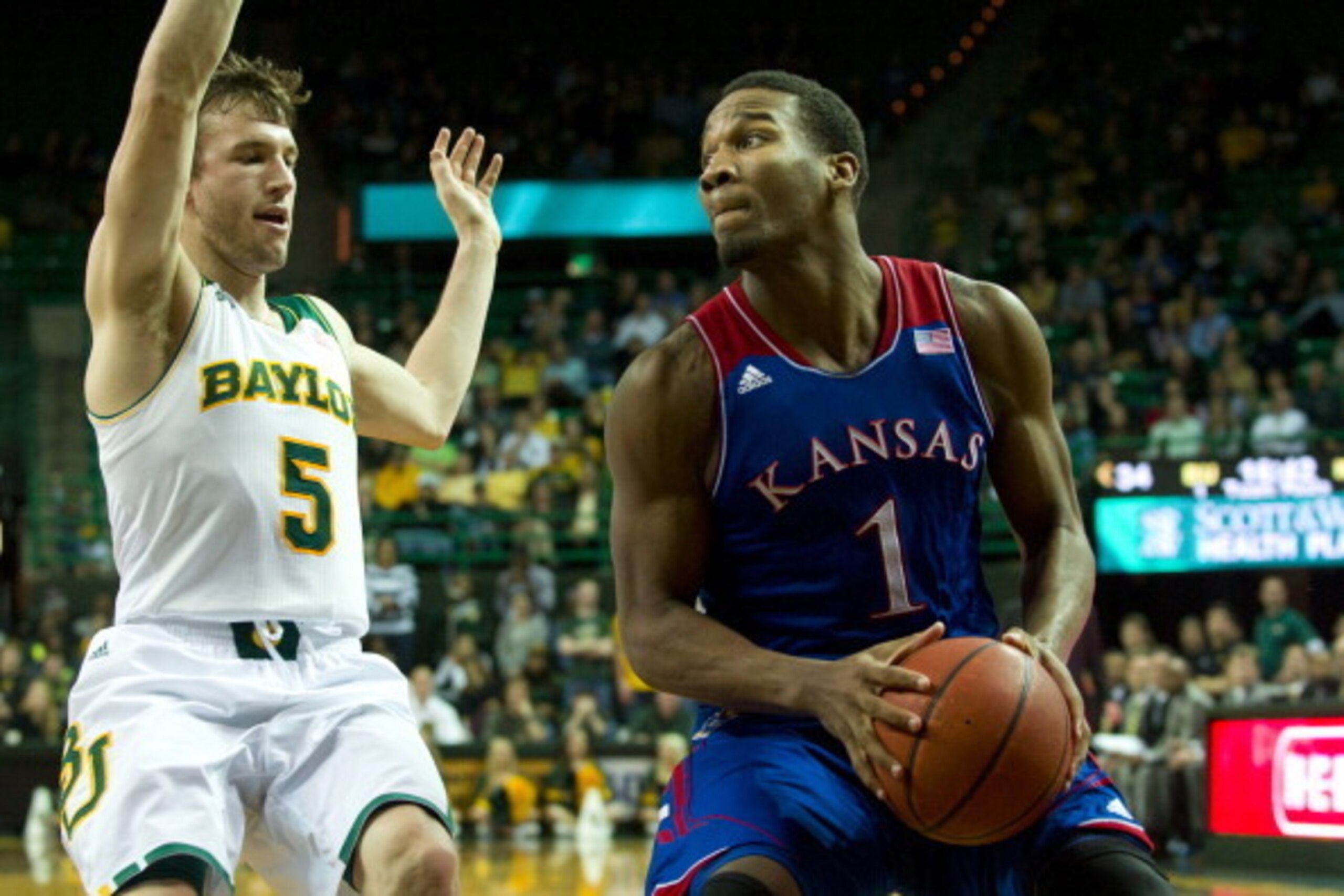
Wayne Selden Jr. is going to be one of the most overlooked players in the Big 12 this offseason.
The focus in Lawrence is (as usual) on the jaw-dropping recruits Bill Self has brought in, and any leftover attention will go to rising senior leader Naadir Tharpe, but Selden stands to play a major role of his own for next year’s Jayhawks.
The 6’5” wing did a little bit of everything as Andrew Wiggins’ sidekick last season, averaging 9.7 points, 2.6 rebounds and 2.5 assists per game.
He’s a big-time scorer when he gets hot—making 5-of-10 three-pointers in a shootout win over Oklahoma—but he makes his name with his physical defense and ability to contribute up and down the box score.
.jpg?w=2560 "49ers Giants Football")
17. Demetrius Jackson, Notre Dame
4 of 20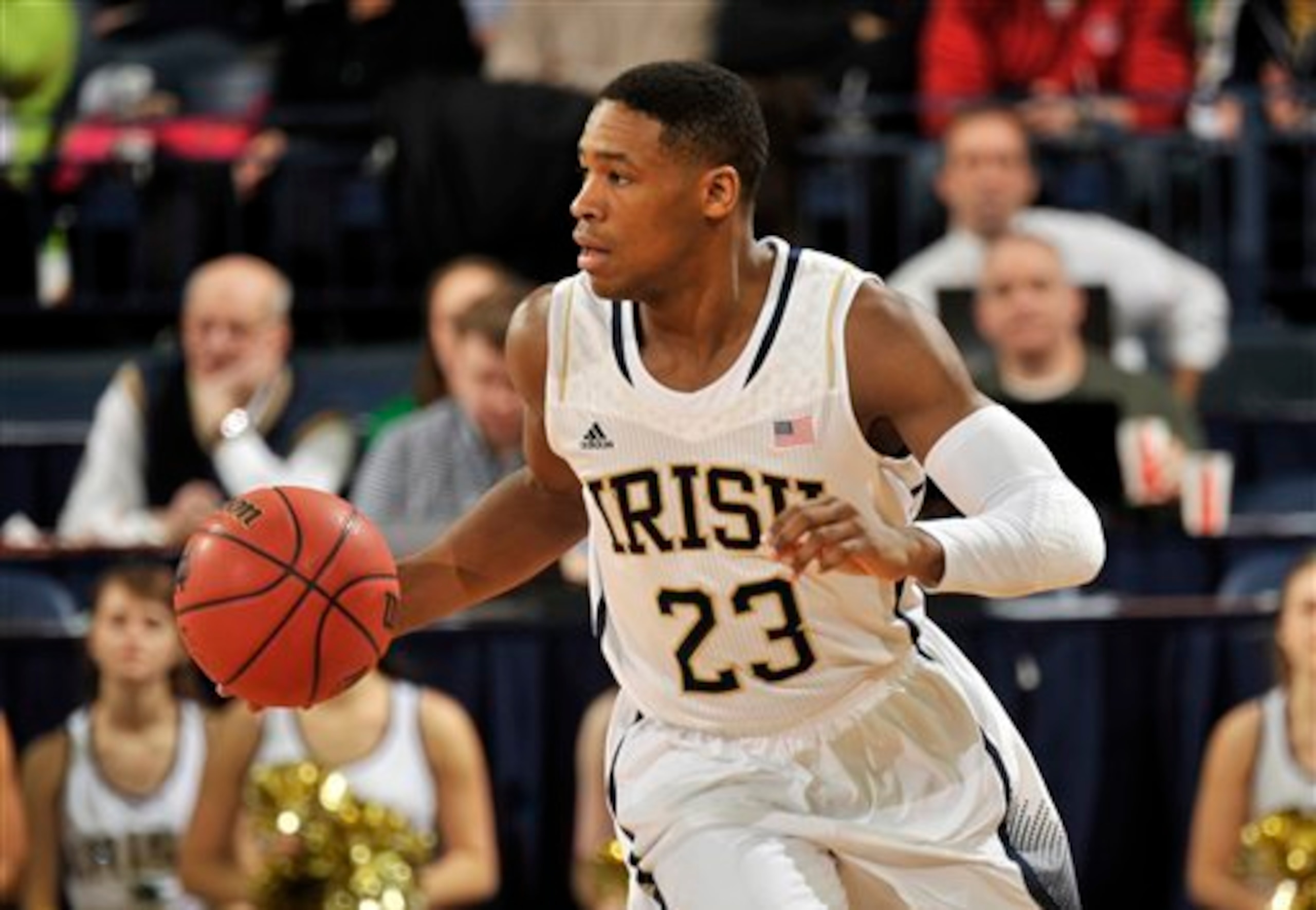
The presumed return of Jerian Grant is a good bet to spark a revival of the offense that deserted the Fighting Irish last season.
Grant will do plenty of his own scoring, but the biggest beneficiary of the senior’s passing skills is likely to be new shooting guard Demetrius Jackson.
Jackson showed promise as a scorer off the bench a year ago, and he should fit right into Eric Atkins’ old starting spot alongside the do-it-all Grant.
The 6’1” youngster is (like Atkins) a natural point guard; it's a skill set he’ll also get plenty of chances to use with veterans such as Pat Connaughton spotting up for jump shots.
16. Andrew Harrison, Kentucky
5 of 20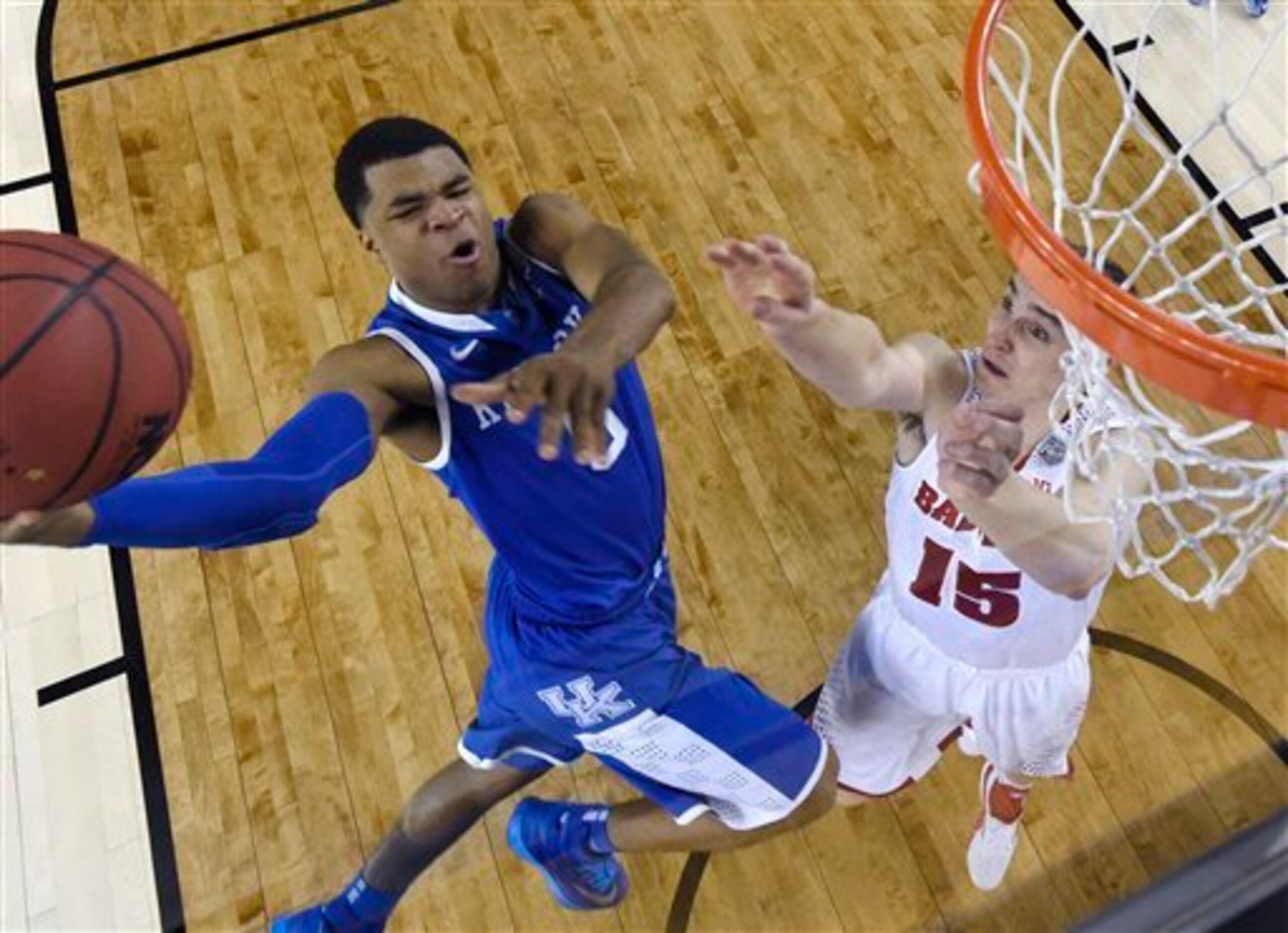
As a scorer, Andrew Harrison was erratic all season. As a playmaker, though, the 6’6” point guard steadily improved, as shown especially well by Kentucky’s offensive resilience in the NCAA tournament.
For the year, Harrison averaged 10.9 points (mostly on penetration and free throws) to go with his 4.0 assists per game.
He’ll have at least as strong an offense around him in 2014-15, and he should make a good run at fulfilling his potential as the top-rated guard in his recruiting class.
15. Eric Mika, BYU
6 of 20
If Eric Mika can shore up his defense over the offseason, he’ll be one of the top mid-major post players of any age in 2014-15. The 6’10” Cougar is already a serious force in an offense that stands to be among the country’s best once again.
Despite a season-ending slump, Mika finished with 11.8 points and 6.4 rebounds per game last season. In the WCC, he won’t face many big men who can stand up to his low-post arsenal, and with Matt Carlino gone, his point production is only likely to rise.
14. Nigel Williams-Goss, Washington
7 of 20
Although Washington has gotten used to much more impressive finishes, the Huskies’ 17-15 record last year was appreciably better than expected for a patchwork roster.
The biggest key to that overachieving year was the fast start from point guard Nigel Williams-Goss, whose versatility helped cover for a lot of deficiencies in the rest of the lineup.
The 6’3” Williams-Goss averaged 13.4 points, 4.4 assists and 1.1 steals per game (all first or second on the roster) while also contributing 4.4 rebounds a night and .356 three-point shooting.
He’ll have a tough time keeping the Huskies competitive with high-scoring C.J. Wilcox gone, but then, he’s already shown an aptitude for overcoming serious challenges.
13. Austin Nichols, Memphis
8 of 20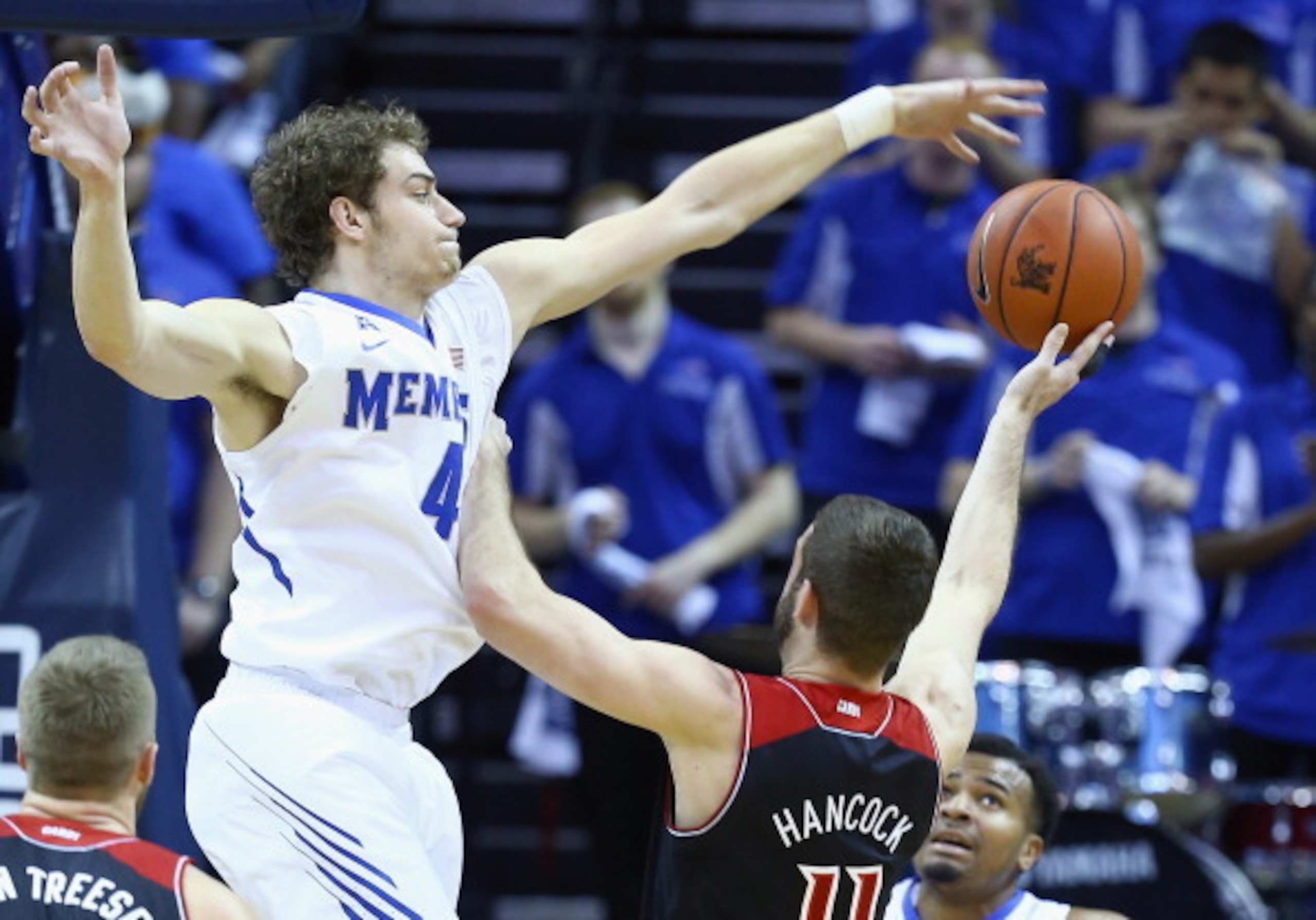
Few teams in the country are going to change more over the offseason than the Memphis Tigers, who graduate four terrific senior guards. With the backcourt depleted, Austin Nichols and the big men will get their chance to run the show.
A highly skilled 6’8” PF, Nichols displayed great intensity while putting up solid numbers—9.3 points, 4.3 rebounds and 1.2 blocks per game—in his collegiate debut.
If he spends the offseason at the foul line (where he shot just .536 as a freshman), he should become one of the AAC’s top post players for 2014-15.
12. Kasey Hill, Florida
9 of 20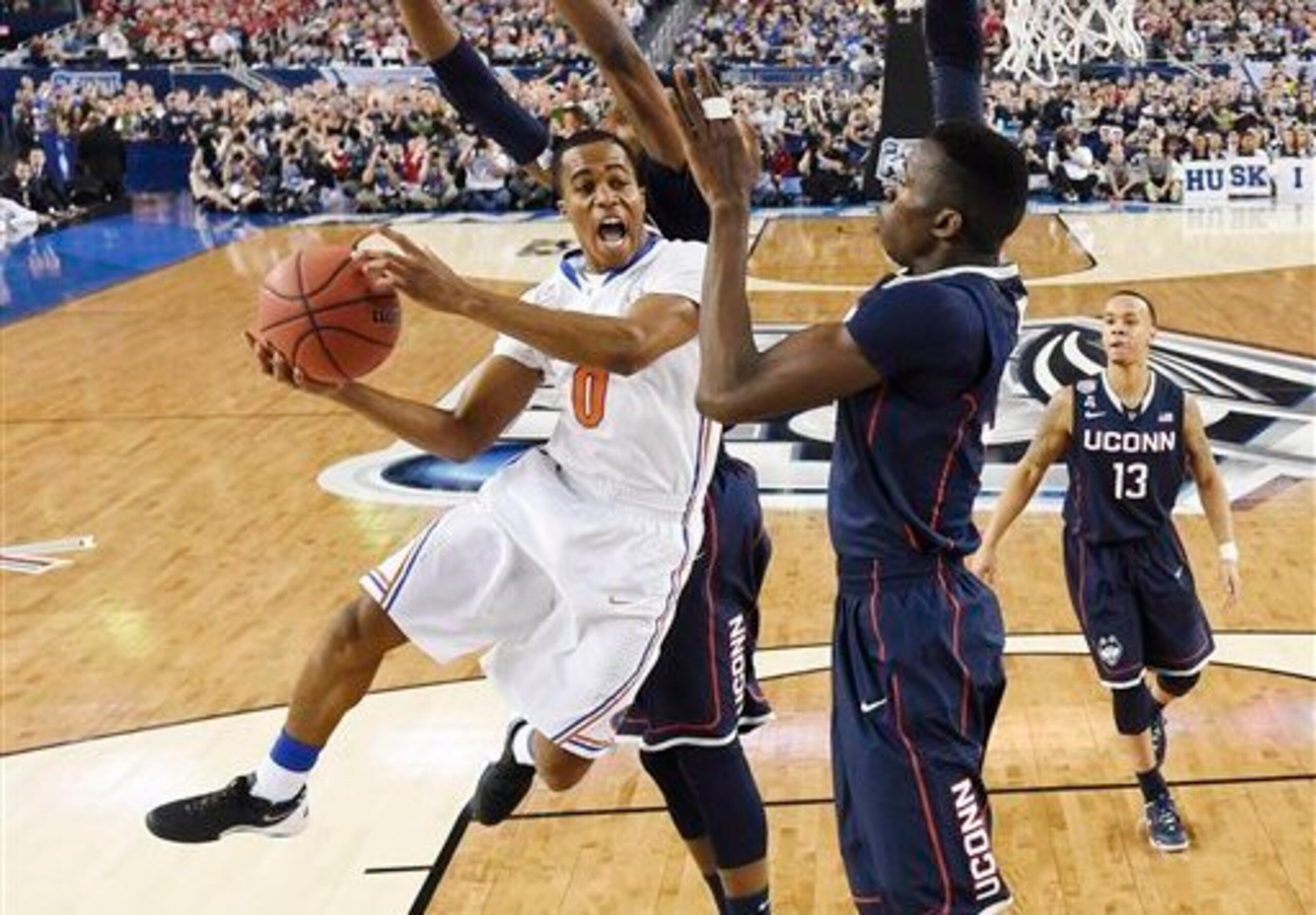
Despite Florida’s major graduation losses, the Gators will still have plenty of offensive weapons, including three-point marksman Michael Frazier II and versatile forward Dorian Finney-Smith.
The man in charge of feeding those scorers will be Kasey Hill, who’s already shown flashes of being a devastating playmaker.
Hill doesn’t have Scottie Wilbekin’s scoring punch, but he turned in some tremendous offensive games—six points and 10 assists against UCLA, eight points and seven assists against Kentucky—as Wilbekin’s understudy.
He’s also got the quick hands to be a worthy replacement for Wilbekin in the Gators’ predatory full-court press.
11. Sindarius Thornwell, South Carolina
10 of 20
With so many superstar freshmen in last year’s SEC, it was easy for Sindarius Thornwell to get lost in the shuffle.
Although Thornwell’s 14-20 Gamecocks weren’t up to the challenges of a deep league, he came through as the most consistent weapon for a struggling offense.
Thornwell not only poured in 13.4 points per game, but he shifted into a de facto point-guard role midseason and still finished with 3.0 assists a night.
A .370 long-range shooter, Thornwell will be in line for even more points with scoring leader Brenton Williams graduating.
10. Jarell Martin, LSU
11 of 20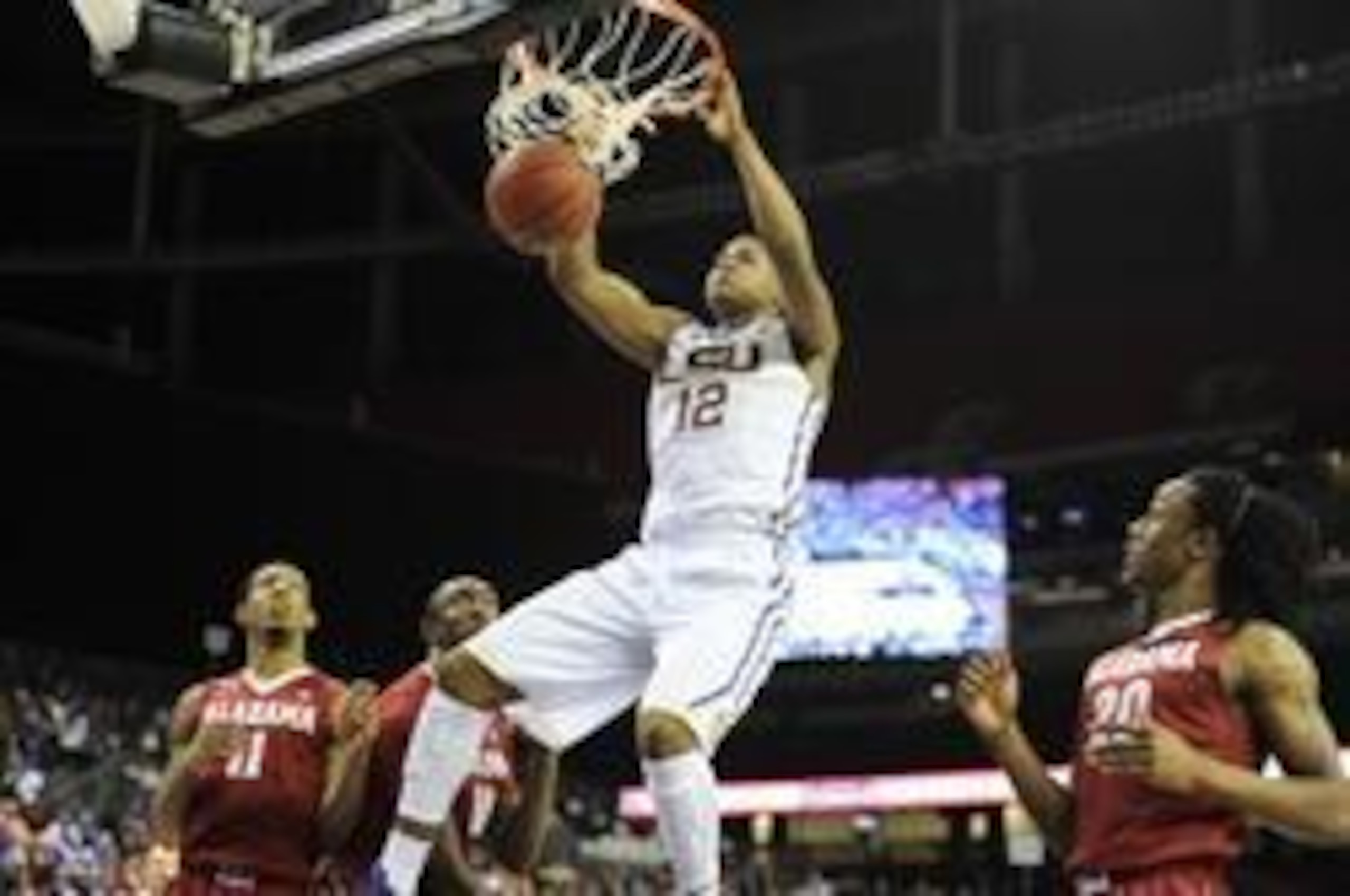
Slowed early in the season by a high ankle sprain, Jarell Martin was one of the few freshmen who actually improved during conference play last year.
Twenty-point outbursts against Mississippi State and Texas A&M last February are harbingers of what the Tigers can expect from their erstwhile top recruit in his second season.
Martin is a combo-forward type who poses a respectable three-point threat at 6’9” and 241 pounds.
With Johnny O’Bryant III gone, he may have to spend more time mixing it up with bigger opponents down low—and he’s already shown the rebounding potential to handle that assignment—but that will also provide plenty of opportunities to beat slower foes off the dribble on the offensive end.
9. Aaron Harrison, Kentucky
12 of 20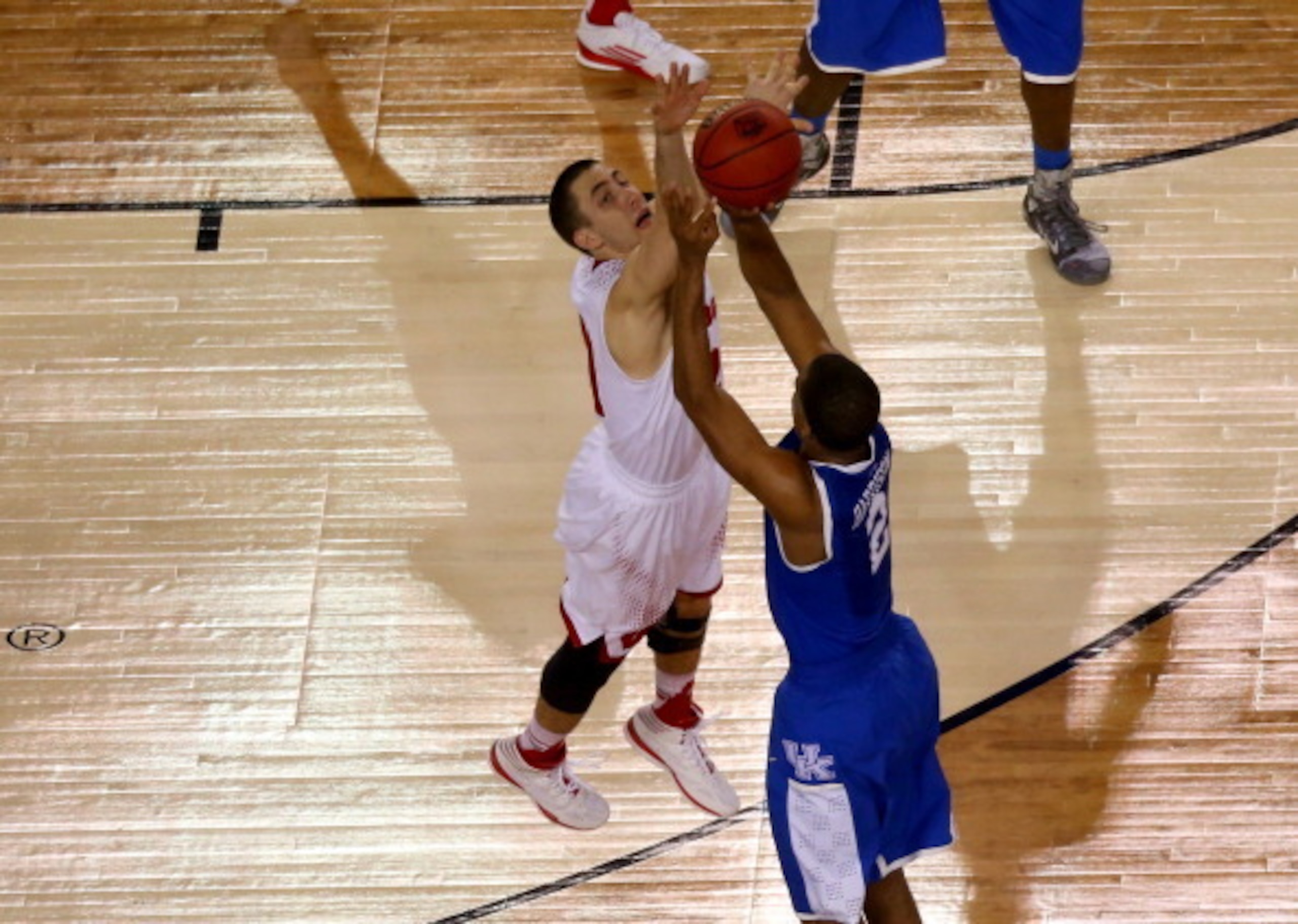
Obviously, Aaron Harrison would be No. 1 on the list of “Top 20 Sophomores for the Last 10 Seconds of Games.”
Even without accounting for his buzzer-beating heroics in the postseason, though, the 6’6” shooting guard is a substantial asset for Kentucky on both ends of the floor.
Harrison’s length helped make him the team’s most successful perimeter defender at 1.1 steals per game, a valuable feat overshadowed by his offensive contributions.
He provided Kentucky’s best three-point shooting option (.356) and a welcome extra ball-handler while also scoring 13.7 points a night.
8. Kennedy Meeks, North Carolina
13 of 20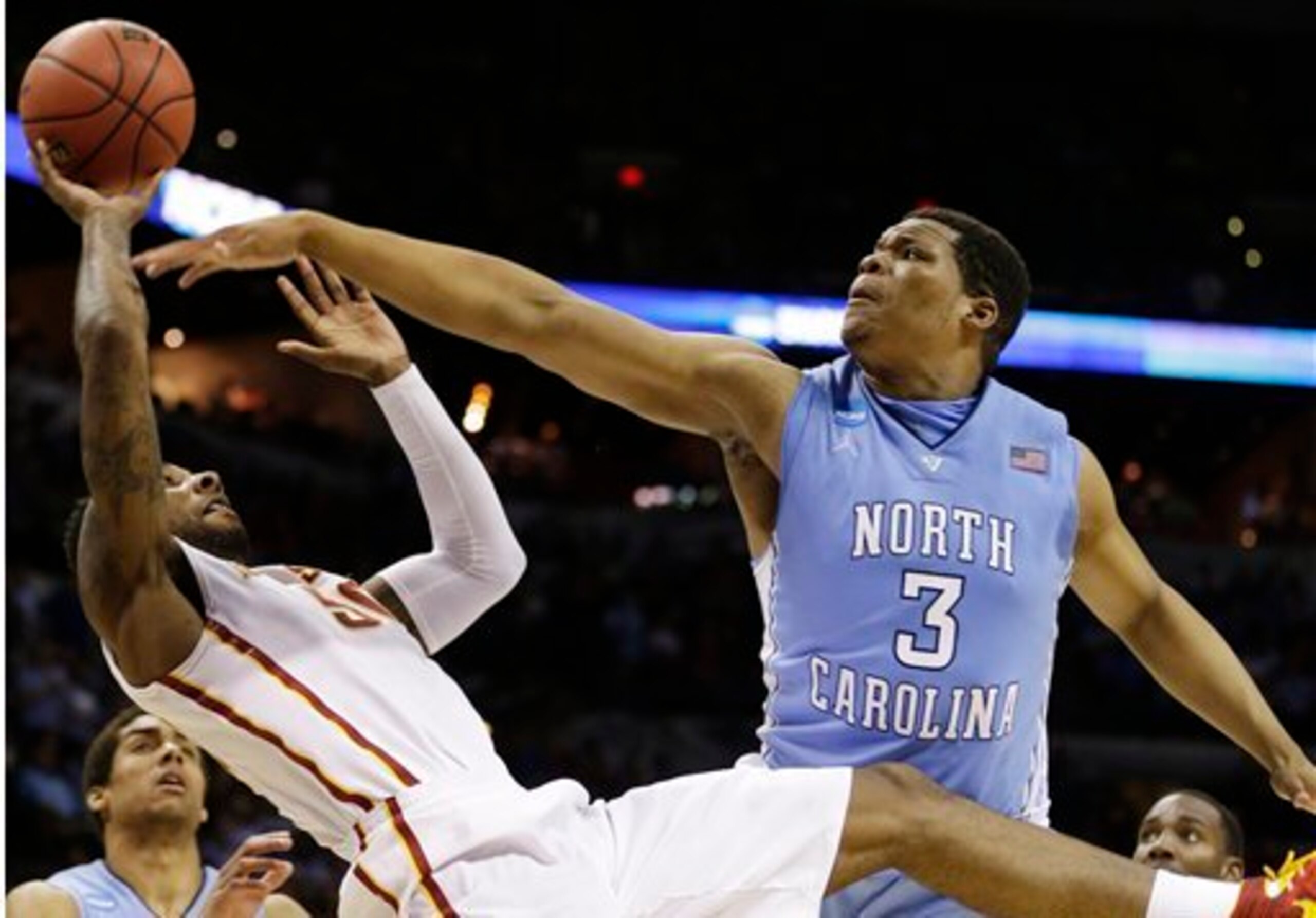
It took until late December for Kennedy Meeks to force open a starting spot for himself in the crowded North Carolina frontcourt. Of course, it takes a pretty big spot to accommodate the 6’9”, 290-pound bulldozer of a forward.
Meeks finished with 7.6 points and 6.1 rebounds per game for his freshman season, and both those numbers figure to shoot up in the absence of James Michael McAdoo.
Meeks will also benefit from the arrival of a platoon of high-scoring recruits on the perimeter, a group that will make it far more difficult for opponents to double-team him when he establishes position deep in the post.
7. Jabari Bird, California
14 of 20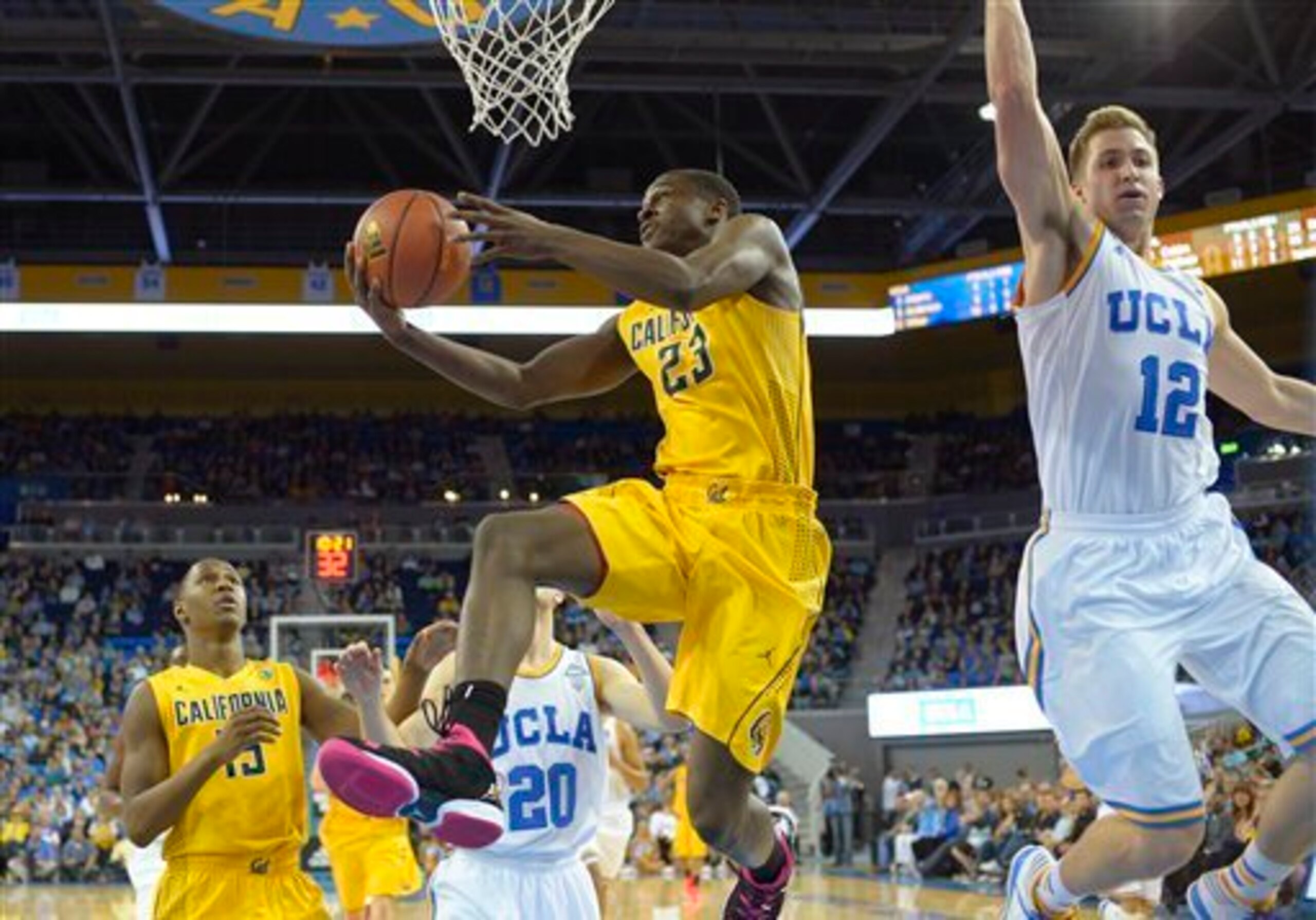
California’s new head coach, Cuonzo Martin, helped develop Jordan McRae into one of the SEC’s most dangerous scorers during his time at Tennessee.
In Jabari Bird, he’s got a shooting guard with the potential to be even more impressive than the one he left in Knoxville.
The 6’6” Bird is a first-class athlete (as seen especially in his dunking prowess) who got off to an excellent start before a January ankle injury wrecked his season.
He finally hit his stride again in the NIT (39 combined points against Arkansas and SMU), and his mix of slashing and three-point shooting make him a good bet to take over as the Golden Bears’ top scorer next season.
6. Bobby Portis, Arkansas
15 of 20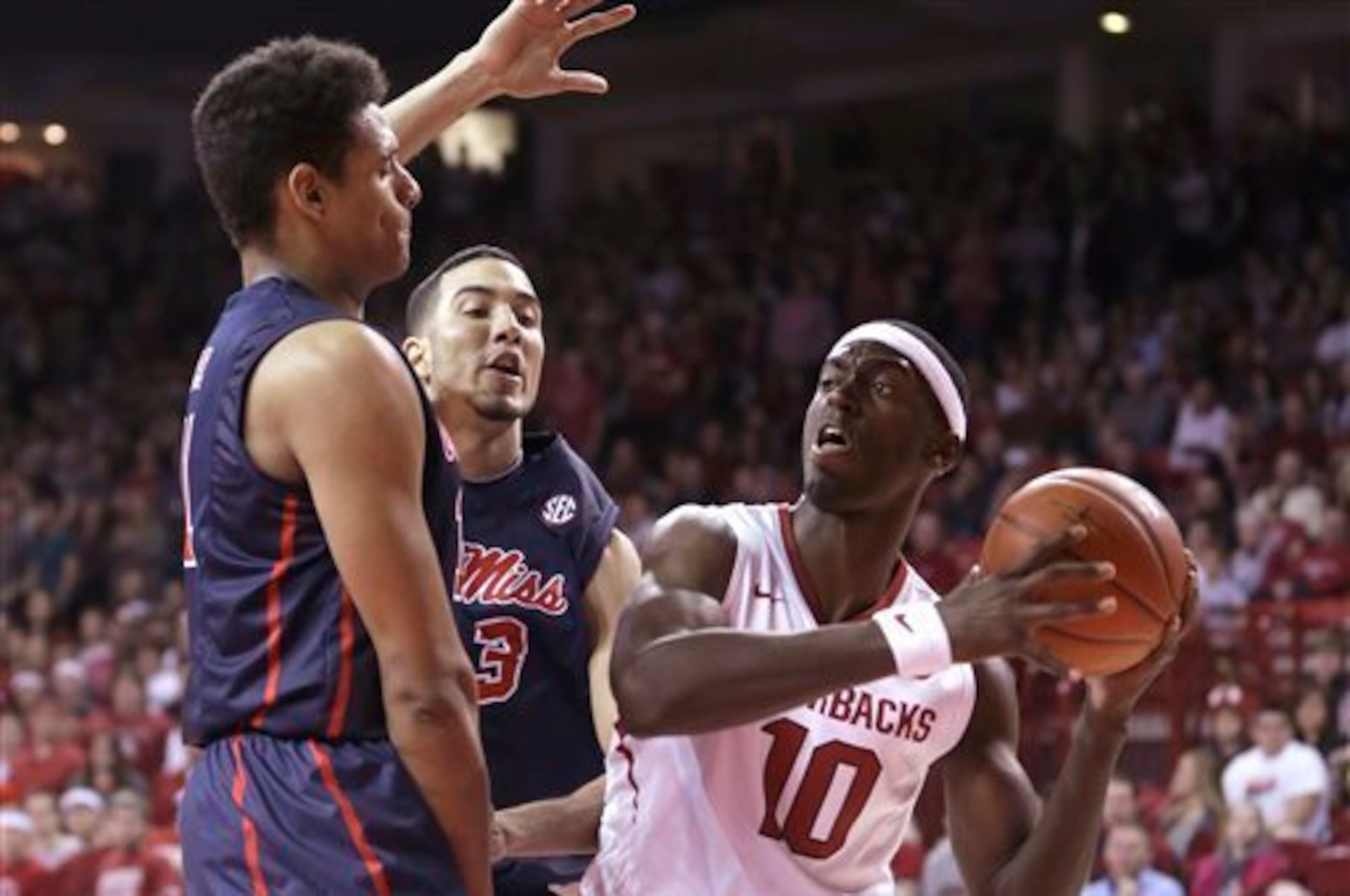
The amount of low-post talent departing the SEC—Julius Randle, Jarnell Stokes, Patric Young, Johnny O’Bryant III...—is a draft class unto itself.
One star who did stick around is Bobby Portis, who held his own against that exalted competition as the best player on a shaky Arkansas roster.
Portis’ two-way talent (12.3 points, 6.8 rebounds and 1.6 blocks per game) led the Razorbacks to 22 wins, including a blowout over a tough Indiana State squad in the NIT.
He capped his season with back-to-back double-doubles (his fourth and fifth overall), and his strength and leaping ability are going to be even scarier after a full year of college weight training.
5. Rondae Hollis-Jefferson, Arizona
16 of 20
Even as a freshman and part-time starter, Rondae Hollis-Jefferson had an excellent case for being the best defensive player in the Pac-12.
Heading into his second season in Tucson, the versatile forward will continue to provide lockdown D for an Arizona team with serious championship aspirations.
Hollis-Jefferson, whose offense depends almost entirely on getting to the rim, will benefit from classmate Aaron Gordon’s departure (which should space the floor a little more).
Even at just 6’7”, he’ll also be among the Wildcats’ top rebounders after grabbing 5.7 boards per game last year.
4. Marcus Foster, Kansas State
17 of 20
Even Marcus Foster’s solid 15.5 points per game don’t tell the whole story of his value to Kansas State.
In Bruce Weber's ball-sharing, low-scoring motion offense, it took a minor miracle for one player—and a freshman at that—to put up 22.2 percent of his team’s points.
The 6’2” Foster is a terrific shot (.395 from beyond the arc), and he also showed some ability as a distributor with 2.5 assists a night last season.
His defense is still a work in progress, but whatever success K-State has in 2014-15, he’ll be right in the middle of it.
3. Isaiah Taylor, Texas
18 of 20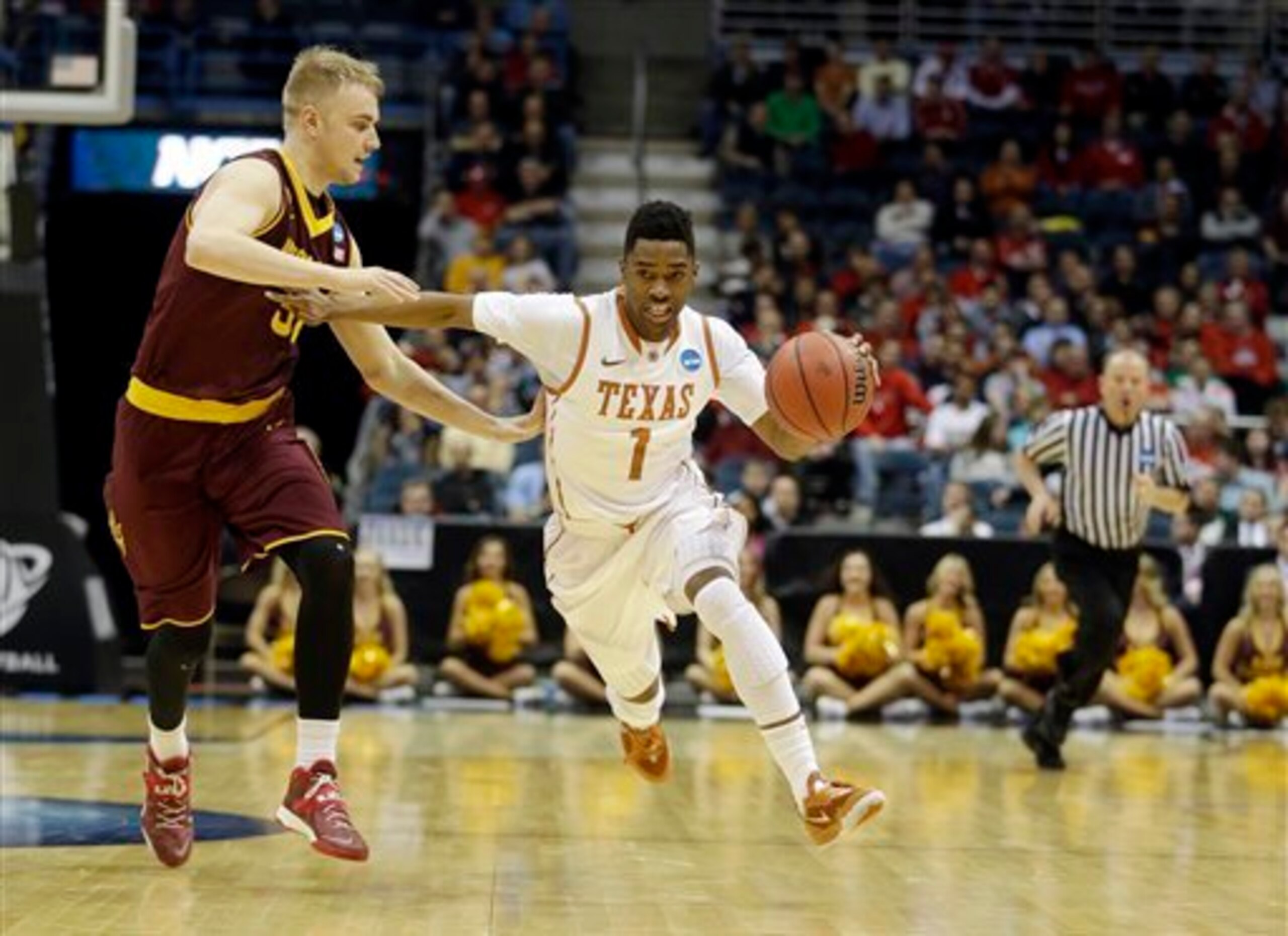
Looking at many of his biggest games—including a 23-point explosion in an upset of Kansas—it’s not necessarily obvious that Isaiah Taylor’s most important job is running the point for Texas.
Over the course of the season, though, the 6’1” guard handed out four assists per contest to fuel a welcome turnaround for a Longhorns roster that had underachieved badly in 2012-13.
Taylor does need plenty of work on his jump shot after hitting just 39.1 percent of his field goals as a freshman.
Of course, if he could average 12.7 points a night on his penetration abilities alone, imagine what he’ll be capable of with an offseason worth of shooting practice to expand his range.
2. Jordan Mickey, LSU
19 of 20
Just looking at proven productivity, no sophomore in the country can touch Jordan Mickey. The SEC’s leading shot-blocker as a freshman (3.2 a night), Mickey was also a serious offensive weapon, especially when it came to finishing dunks.
Even playing in the shadow of Johnny O’Bryant III, Mickey averaged 12.7 points and a team-leading 7.9 rebounds per game last season.
With O’Bryant gone, the only thing that will limit Mickey’s offensive numbers is his 6’8” height, hardly impressive in this conference but also made less of a concern by his tremendous leaping ability.
1. Chris Walker, Florida
20 of 20
Obviously, Chris Walker didn’t do nearly as much in his truncated freshman season as the rest of the players on this list. However, with a solid Florida team around him and his own titanic potential, he’s set up to become the best sophomore in the country.
The 6’10” Walker can jump out of the gym, and he’s a good bet to add some muscle to his 220 pounds by the start of next season.
Despite playing a mere 87 minutes last season, he still found time to show moments of phenomenal talent and instincts (as both a shot-blocker and a dunker), and he’ll challenge even the loaded Kentucky front line for a spot on the All-SEC roster next season.
.jpg?w=2560 "Giants Rams Football")
.jpg?w=2560 "WWE Raw Live Grades 🔠")
.png?w=2560 "Davante's MONSTER MNF 🤯")

.png?w=2560 "McVay's Funny Travel Quote 🤣")