
Players Who Will Regret Leaving Early for the 2014 NBA Draft
The 2014 NBA draft is expected to be a tremendously strong one, which is good news for pro teams but not such good news for college players stuck in good-but-not-great limbo. With so much talent at the top, it’s an especially dangerous year for middling underclassmen to leave early, as they could be sacrificing many spots on the draft board (and many millions in salary).
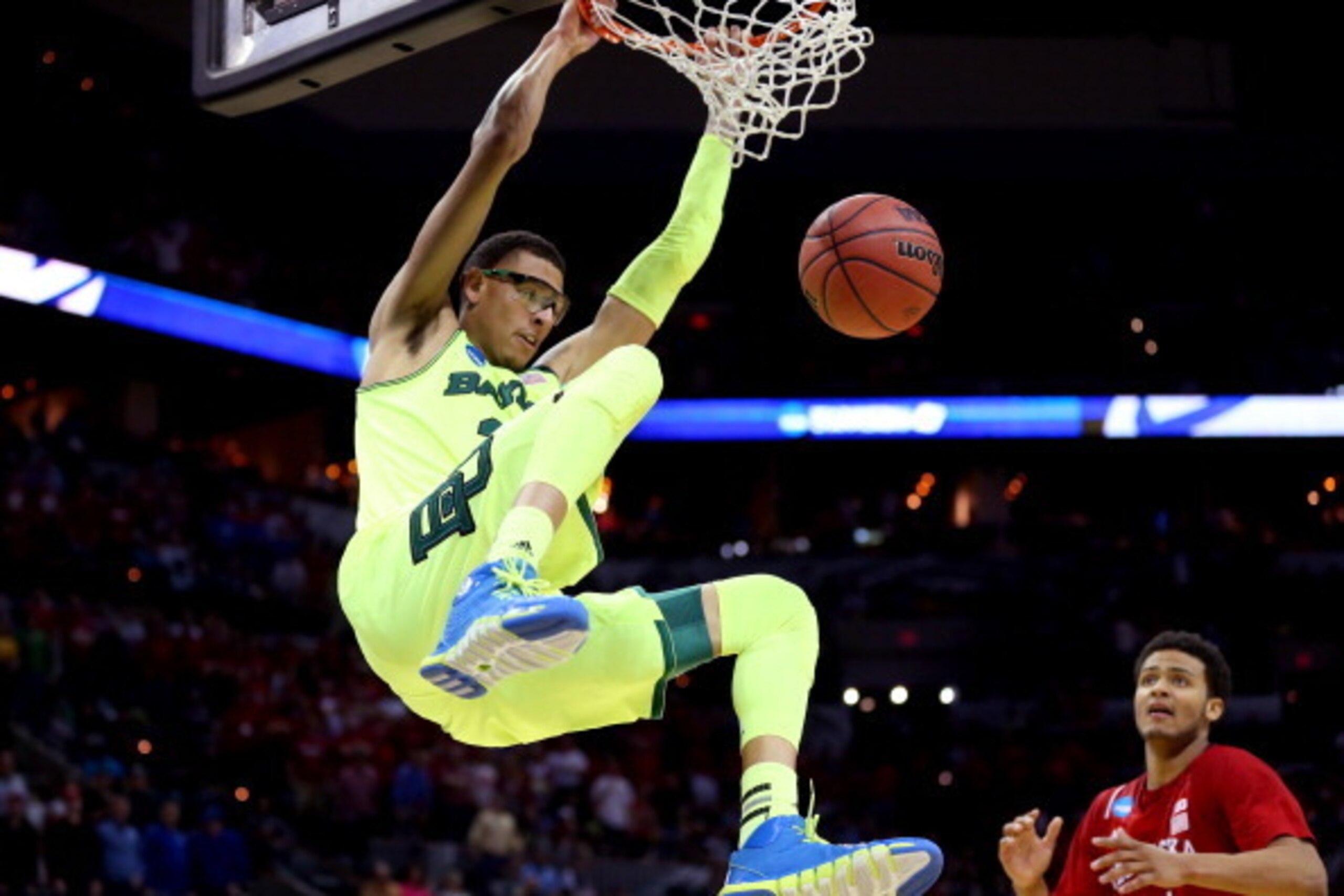
One such youngster is Baylor sophomore Isaiah Austin, whose 7’1” frame and perimeter skills have been tantalizing scouts since he was a high schooler. Two years into his college career, he’s a long way from fulfilling his potential, but he’s opted to throw his hat into the NBA ring anyway.
Herein, a look at why Austin would have been better off staying for another year in Waco, along with nine more freshmen, sophomores and juniors who won’t be happy with the results of draft night in June.
LaQuinton Ross, Ohio State
1 of 10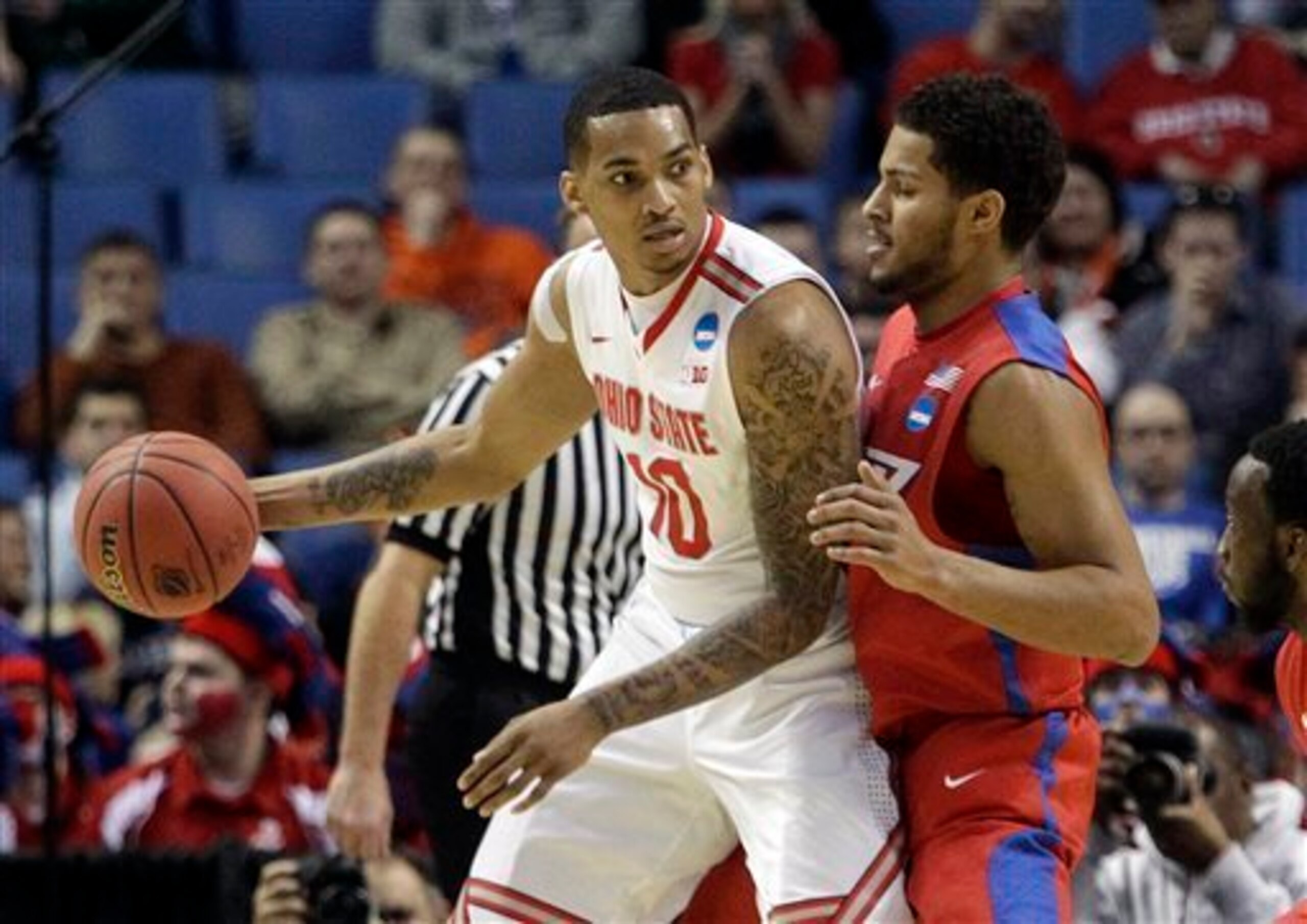
In a lot of ways, LaQuinton Ross had exactly the year you’d expect from a player who leaves early for the NBA. After two seasons on the bench, Ross thrived in a starting role, leading the Buckeyes in scoring and rebounding in a 25-win season.
However, his numbers (15.4 points and 6.1 rebounds a night, .353 long-range shooting) leave him in a similar boat to predecessor Deshaun Thomas, who didn’t get drafted until the 58th selection of 60 last year.
There’s little reason to expect better for Ross, who could instead have stayed in Columbus to enjoy the arrival of D’Angelo Russell and a loaded recruiting class.
Roscoe Smith, UNLV
2 of 10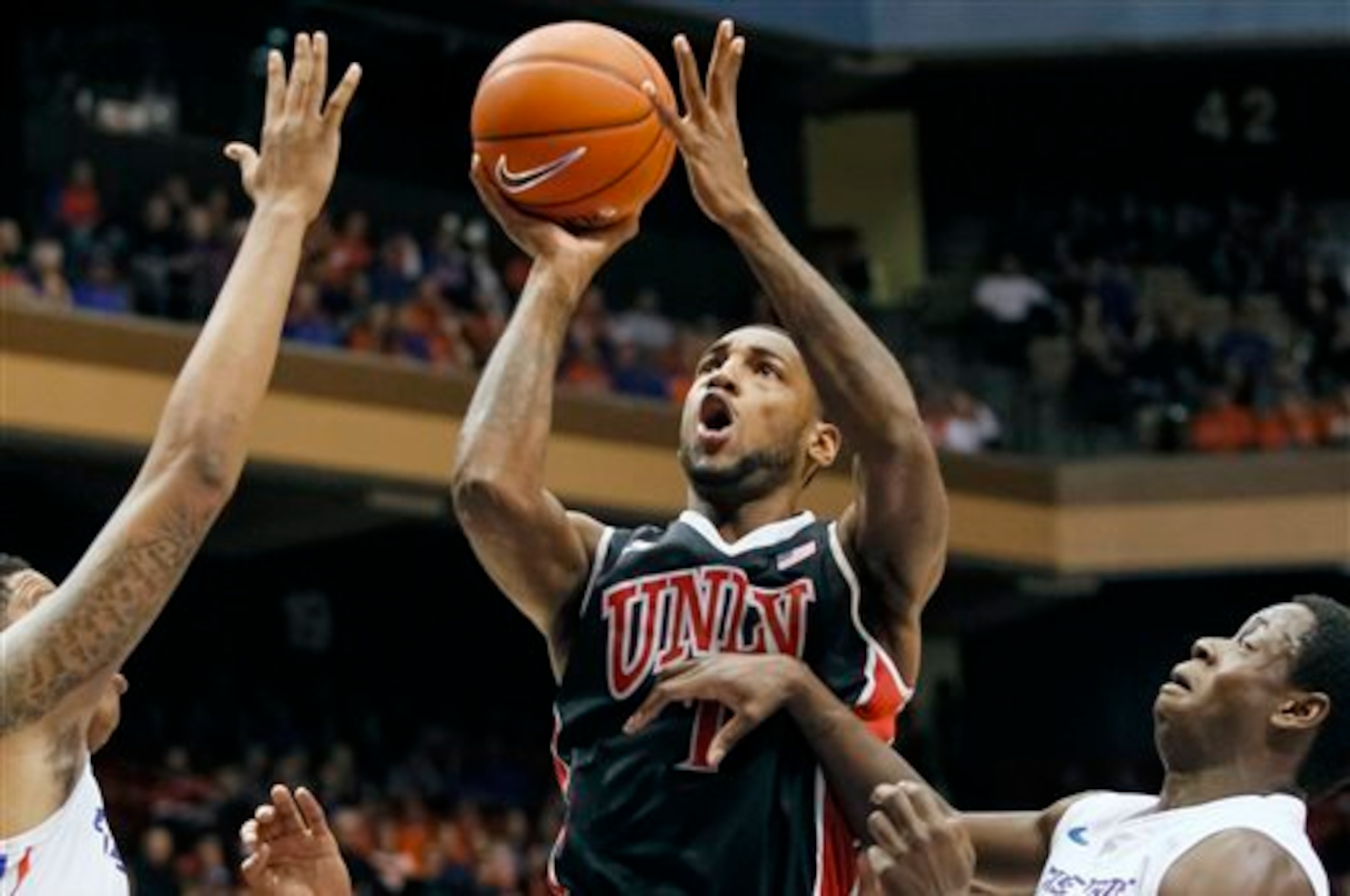
Roscoe Smith did one thing extremely well for one season at UNLV. Unfortunately for him, being the fifth-best rebounder in the nation won’t be enough to have NBA teams beating a path to his door.
The former UConn big man has yet to show any other skills that could help him stay afloat in the NBA, and at 6’8”, 215 pounds, he’s not built to handle pro power forwards.
Undersized rebounders have succeeded before in the NBA, but not with so little muscle (or so little scoring off their second-chance opportunities).
Semaj Christon, Xavier
3 of 10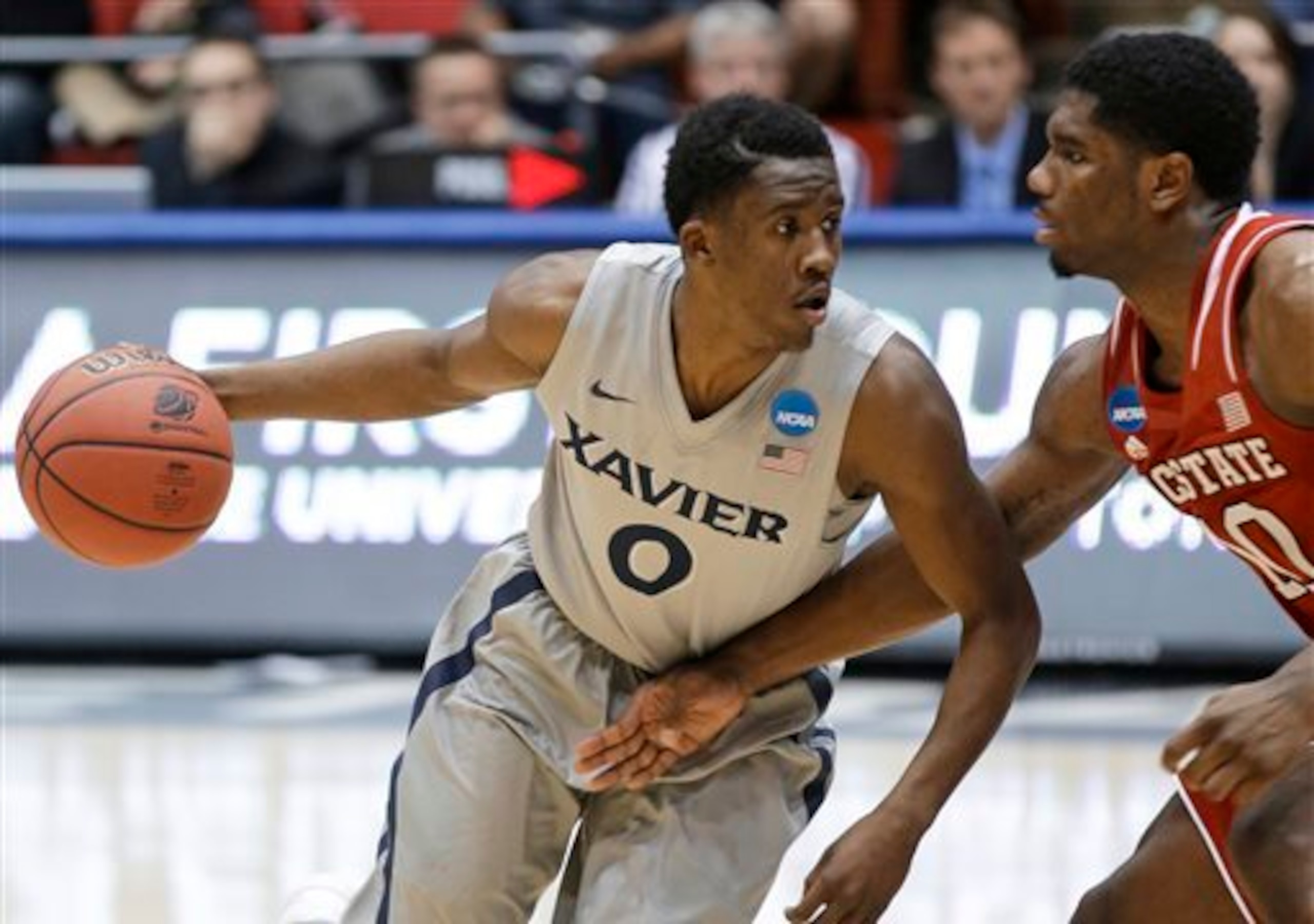
If you’re looking for a poster boy for victims of 2014’s deep draft class, Semaj Christon is a great candidate.
The Musketeers point guard has an NBA body (6’3”, 190 pounds) and great numbers (17 points, 4.2 assists and 1.3 steals per game), but he’s picked the wrong year to vie for scouts’ attention.
At best, Christon is the fifth-best point guard prospect available behind Marcus Smart, Dante Exum, Tyler Ennis and Shabazz Napier.
He might not have gotten any better with another year at Xavier—though improving on his team's 21-13 finish would’ve helped him considerably—but he’d almost certainly have faced a less crowded field in the 2015 draft.


Jakarr Sampson, St. John’s
4 of 10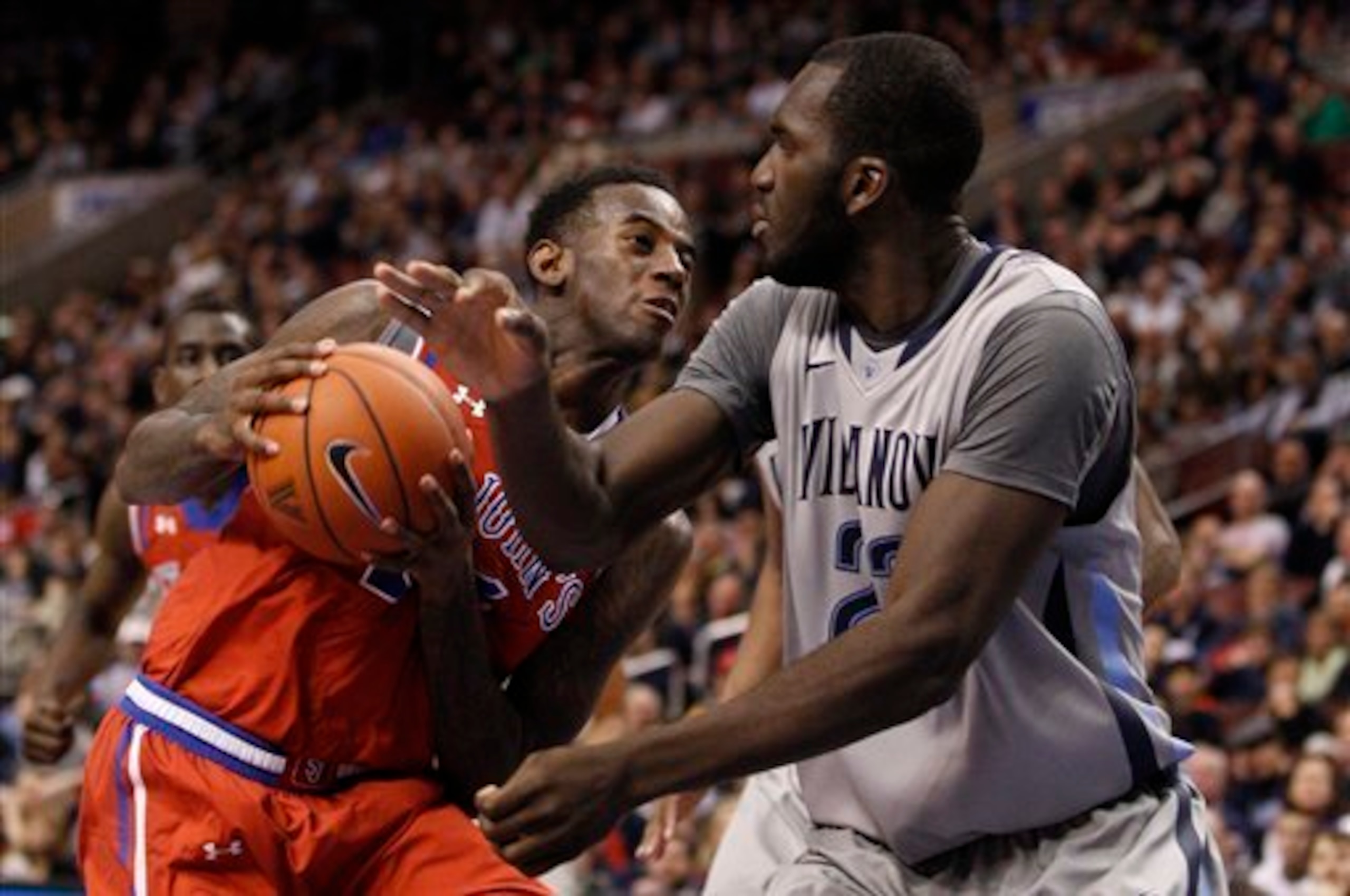
Two years ago, Moe Harkless parlayed a solid but unremarkable season at St. John’s into a No. 15 draft pick. Jakarr Sampson would love to replicate that performance, but he’s overestimating his appeal to pro teams.
Like Harkless, the slender (6’9”, 214-pound) Sampson will need to move to SF in the pros, but unlike the Magic forward, he’s not ready to make that transition.
He hasn’t dominated defensively the way Harkless did at St. John’s—one indication that he’s not quite the superb athlete that Harkless is—and his total absence of a three-point shot as a collegian bodes ill for his offensive contributions in the NBA.
Jordan Clarkson, Missouri
5 of 10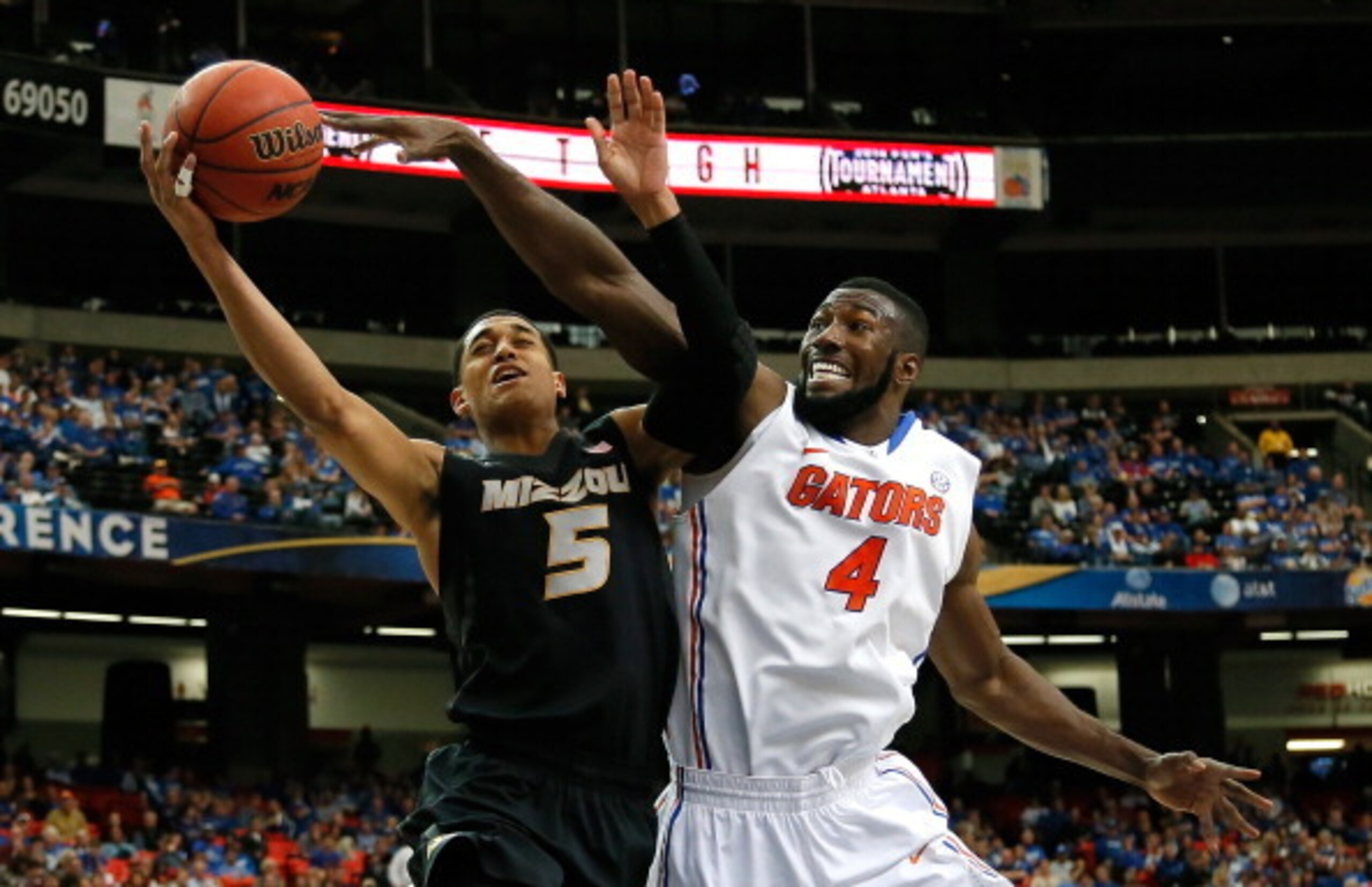
High-scoring Jordan Clarkson ran the point for a Missouri offense that had no shortage of weapons last season. That’s why it’s so worrisome that he finished with a sickening assist-to-turnover ratio of 1.2.
With both his point guard and shooting guard skills in serious question—he shot an anemic .281 from long range—even his impressive 6’5”, 193-pound build won’t save him in this draft.
He should have stuck around in Columbia to show that he has an NBA position, because right now the lack of one will do serious damage to his draft position.
Isaiah Austin, Baylor
6 of 10
There’s no doubt that Isaiah Austin is a better player now than he was at the end of his freshman season.
He’s improved his ball-handling and low-post scoring, he doesn’t take as many bad shots and he’s a vastly superior shot-blocker to the player he was in the spring of 2013.
He’s also not ready to contribute to an NBA team, especially not after averaging a paltry 5.5 rebounds per game as a 7’1” center.
A borderline first-round pick now, Austin would have been a probable lottery pick if his development had continued at this rate for another year as a Bear.
Sim Bhullar, New Mexico State
7 of 10
Make no mistake: the NBA cannot ignore Sim Bhullar’s potential. At 7’5” and 355 pounds, he’s a physical specimen in the class of a Yao Ming or a Gheorghe Muresan.
However, he’s not a basketball player in their class, having manifestly failed to dominate (10.4 points and 7.8 rebounds a game) against unimpressive WAC competition.
Even more important, he hasn’t proved that he has the stamina to deal with the speed of the NBA, something he could’ve done by averaging better than 26.3 minutes per contest in a junior year he’ll never get to play.
Nick Johnson, Arizona
8 of 10
An argument can certainly be made that a consensus first-team All-American—which Nick Johnson was—has nothing left to prove at the college level. In Johnson’s case, though, he still could have benefited from staying another season in Tucson.
In the first place, as an undersized (6’3”) shooting guard, he’s never going to be that hot an NBA prospect, making it a questionable move to give up a year of college success on the chancy proposition of making a pro roster.
Just as important, after seeing Aaron Harrison’s stock skyrocket on the basis of a great NCAA tournament, Johnson (a clutch standout himself) might well have chosen to boost his own cachet by leading the talent-rich Wildcats on a possible championship run.
Zach LaVine, UCLA
9 of 10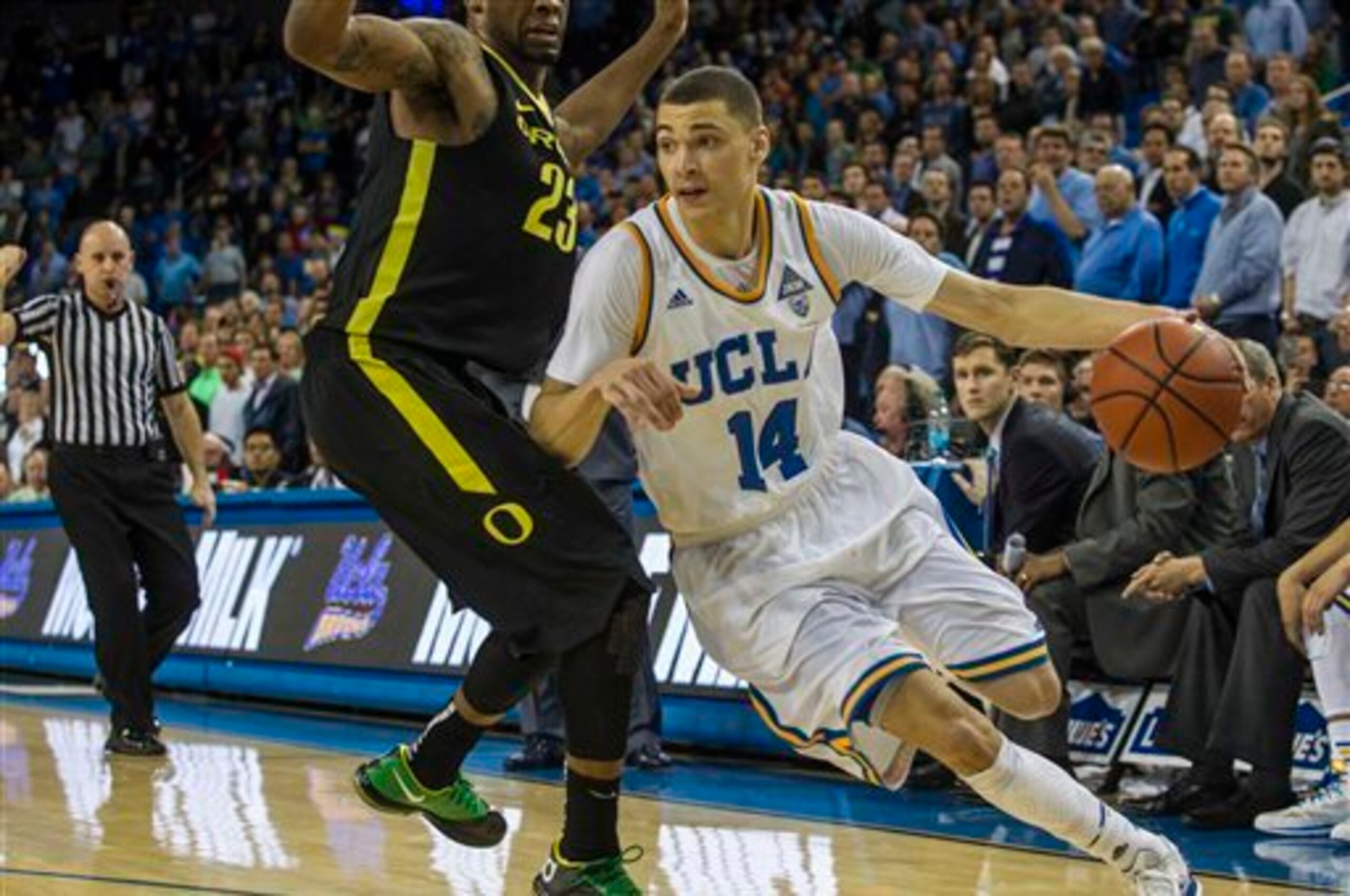
Zach LaVine would’ve done well to jump to the NBA after half a season at UCLA. That’s not how the system works, though, and his huge drop in performance against Pac-12 competition will be hard for pro scouts to overlook.
LaVine, who was averaging 13.8 points per game off the Bruins bench on December 14, lost 4.4 points off that average by the end of the season.
His point guard potential is still entirely theoretical after he averaged 1.8 assists against 1.1 turnovers a night, and at 6’5”, 180 pounds, he’s not ready to bang with NBA shooting guards by any stretch of the imagination.
James Michael McAdoo, North Carolina
10 of 10
Given that James Michael McAdoo had the sense not to jump to the NBA in the summer of 2013, it’s mystifying that he sees a reason to do so now. He’s a year older, but that’s the only advance he made in terms of his pro prospects as a junior.
McAdoo still isn’t much of a shot (.458 from the floor as a power forward, .537 from the foul line) and he isn’t a star rebounder (6.8 boards a game) despite his 6’9” length and leaping ability.
Strangest of all, in many ways, is the fact that he’s bolting Chapel Hill just as the Tar Heels add a recruiting class loaded with the perimeter talent, a group poised to fuel a Final Four run that could’ve rounded out McAdoo's career in style.
.jpg?w=2560 "Rams troll Jameis, Giants on social media")

.jpg?w=2560 "WWE Raw Live Grades 🔠")
.png?w=2560 "Davante's MONSTER MNF 🤯")

.png?w=2560 "McVay's Funny Travel Quote 🤣")