
2014 NBA Draft Declaration Tracker: Latest Updates on This Year's Class
It's that time of the year when prospects must choose between returning to school or making the NBA jump.
These are the prospects who have decided to enter the NBA draft as early-entry participants.
All seniors are considered automatically eligible for the draft. Those in the NBA D-League who've never entered the draft will also be eligible.
Below are some key dates to keep in mind. Players who are looking to sustain their college eligibility only have until April 15 to withdraw their name from NBA consideration.
April 15: NCAA early entry withdrawal deadline
April 27: NBA draft early entry eligibility deadline
May 20: NBA draft lottery
June 16: NBA draft early entry withdrawal deadline (international prospects)
June 26: 2014 NBA draft
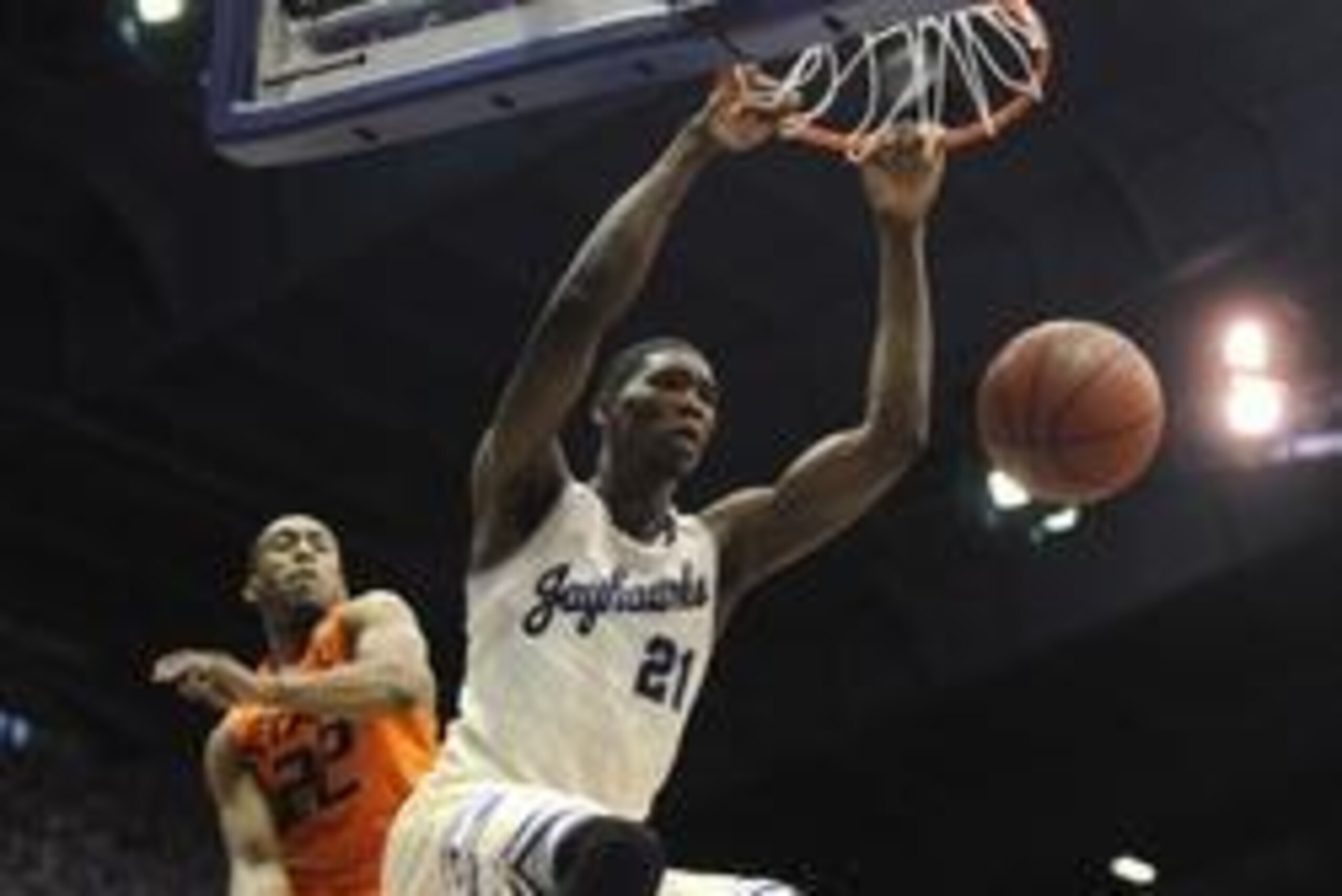
Joel Embiid, Kansas, 7'0", C, Freshman
1 of 44Projected NBA Draft Range: Top Four
NBA Comparison: Hakeem Olajuwon
Joel Embiid stole the spotlight early, showcasing his two-way upside as Kansas' go-to option in the post and overwhelming rim protector. He's shown every move in the book on offense, from dream shakes and jump hooks to up-and-unders and spin moves.
Defensively, he used his sensational footwork, 7'0" size and 7'5" wingspan to block 2.6 shots in 23 minutes.
Unfortunately, Embiid suffered a stress fracture in his back late in the season, and it has scouts and executives in wait-and-see mode until the results come back on his predraft physical. But if Embiid checks out and doctors reveal that there won't be any long-term concerns, we could be talking about the top prospect on the planet and the No. 1 pick.
Andrew Wiggins, Kansas, 6'8", SF, Freshman
2 of 44Projected NBA Draft Range: Top Three
NBA Comparison: Paul George
Though he might not have been as convincing as the hype led many to believe he would be, Andrew Wiggins still averaged 17 points in a loaded lineup for a top team in the nation. And we can officially confirm that he indeed is a one-of-a-kind athlete. Between his mind-blowing hops and lightning quickness, you forget he's 6'8".
Wiggins was also a better shooter than advertised, both in the mid- and long range, while his defensive potential is special.
The only question is whether or not his unselfish and passive approach will hurt his stock or outlook. But with this much talent and two-way upside, consider Wiggins locked into the top three with a great chance of going No. 1.
Jabari Parker, Duke, 6'8", SF, Freshman
3 of 44Projected NBA Draft Range: Top Three
NBA Comparison: Carmelo Anthony/Paul Pierce
Jabari Parker came firing out of the gates for Duke, having scored at least 20 points in each of his first seven games. And he never really cooled off. Parker finished the season averaging 19.1 points a game while leading the ACC in rebounding.
With a polished scoring repertoire consisting of everything from pull-up and step-back jumpers to fadeaways in the post, Parker demonstrated his takeover ability as a go-to scoring option. And with that 6'8, 235-pound frame and deceptive athleticism, he's shown he can play inside or out.
The knock on Parker is his defense—he lacks the lateral quickness to guard the perimeter and the awareness to defend the post. Still, given his tremendous offensive upside, Parker should be considered the safest prospect in the field, and probably the favorite for 2015 Rookie of the Year depending where he ends up.


Dante Exum, Australia, 6'6", PG/SG, 1995
4 of 44Projected NBA Draft Range: Top Five
NBA Comparison: Penny Hardaway/Michael Carter-Williams
Arguably the biggest wild card in the field, Dante Exum has been a hot name since he led Australia to back-to-back medals at the 2012 and 2013 FIBA World Championships.
At 6'6", he is a dynamite athlete and absolute mismatch at the point, where he can handle the ball or take over as a scorer. He has a lightning first step off the bounce and an explosive last step up toward the rim.
Exum has to improve his shooting consistency, but he's capable of knocking down shots with range and in bunches.
This blend of size, athleticism, skill set and basketball IQ is just too rare. I've got him No. 4 on my big board, but if a team in need of a point guard jumps into the top three, it's not out of the question that's where he'll be drafted.
Noah Vonleh, Indiana, 6'10", PF, Freshman
5 of 44Projected NBA Draft Range: Top Eight
NBA Comparison: Chris Bosh
You wouldn't know it by looking at his box scores, although he did lead the Big Ten in rebounding, but Noah Vonleh stood out as an NBA prospect from Day 1 of the season.
At 6'10" with a 240-pound frame and massive 7'4" wingspan, he's hard to miss. Vonleh, who doesn't turn 19 years old until August, is still raw, but he's incredibly talented. He has a back-to-the-basket post game filled with hop-steps, drop-steps and righty or lefty jump hooks. And he also showed off his promising outside stroke—the one he used to knock down 16 of 33 three-pointers.
Vonleh isn't a high-flying athlete, but he has monster size and length to go with great hands and a complete game for a power forward. I've got him locked into the No. 5 spot on my big board.
Julius Randle, Kentucky, 6'9", PF, Freshman
6 of 44
Projected NBA Draft Range: Top Seven
NBA Comparison: Zach Randolph
Julius Randle had a standout freshman season that resulted in an awesome run to the championship game.
Throughout the year, he showcased his destructive blend of size, strength and athleticism, whether he was dominating the glass, scoring in the post or attacking his man off the bounce. He averaged a double-double this year, and he certainly looks the part of an NBA power forward.
Still, some are hesitant on Randle, given his short arms and non-existant perimeter game as a stretch option. He also struggles with defensive awareness.
It won't keep Randle from falling too far, thanks to his offensive appeal and presence on the interior. It seems fair to assume he'll be fighting for draft position in that No. 4 to No. 7 range.
Marcus Smart, Oklahoma State, 6'4", PG/SG, Sophomore
7 of 44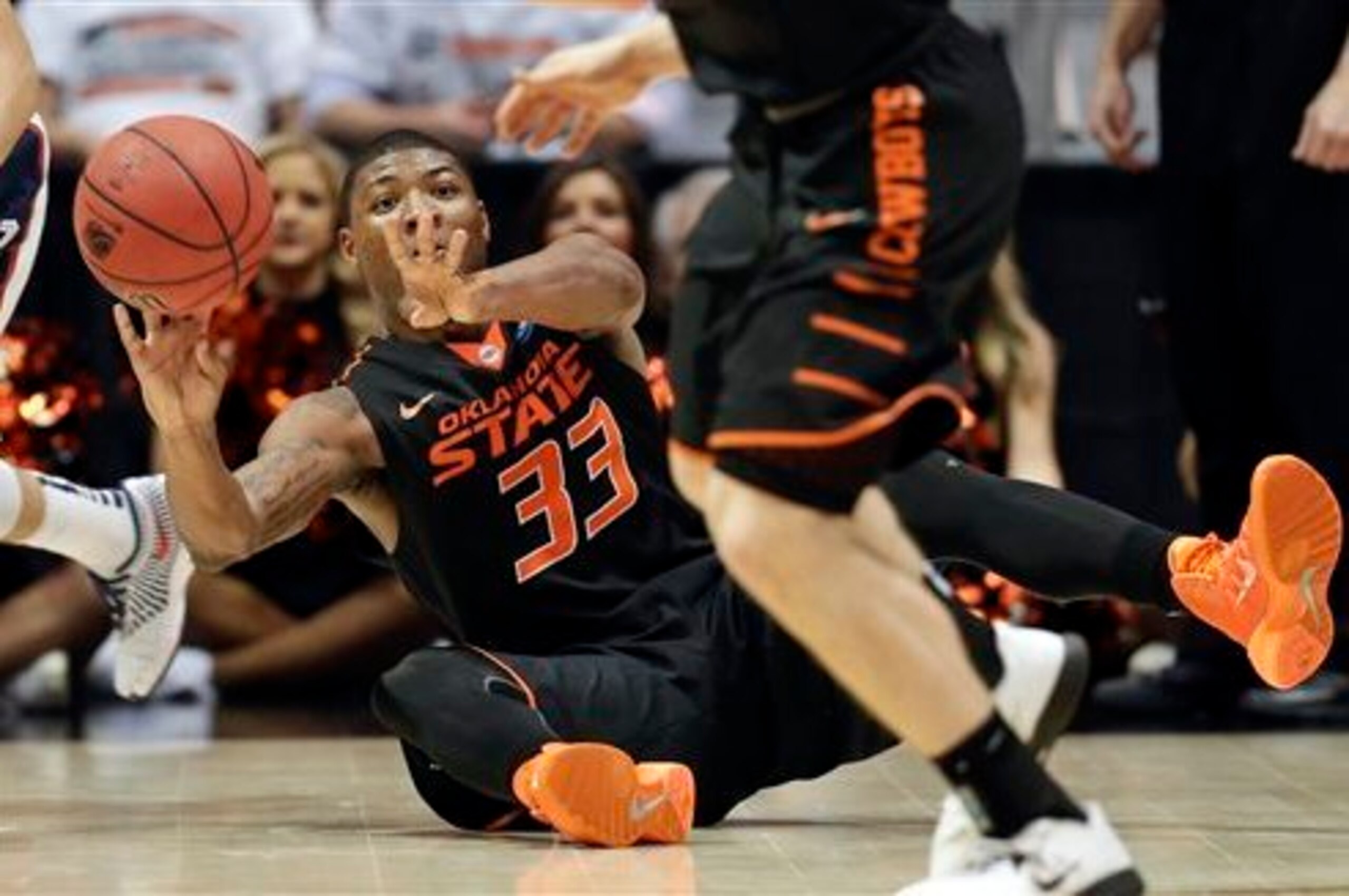
Projected NBA Draft Range: Top 10
NBA Comparison: Jarrett Jack/Lance Stephenson
Marcus Smart had a bizarre year at Oklahoma State, which saw his team underachieve and his character come under question. He did average 18 points and 4.8 assists per game, but he couldn't translate individual production into team wins, while a shoving incident in the stands with a fan at Texas Tech cost him three games and a whole lot of bad publicity.
Still, he took over some games this year as a scorer, facilitator, defender or all three. He finished third in the country in steals and got to the line more than eight times per game.
He's tough, relentless and intense, and his most glowing qualities stem from his motor and physical approach. He has to improve his jumper, as he shot less than 30 percent from downtown for the second straight year, but don't expect Smart to fall too far down the board.
Aaron Gordon, Arizona, 6'9", SF/PF, Freshman
8 of 44
Projected NBA Draft Range: Lottery
NBA Comparison: Shawn Marion
Aaron Gordon's blend of video-game athleticism and high basketball IQ has allowed him to contribute valuable minutes without much of an offensive game. He's given his guards a monster finishing target around the rim, and his offense some margin for error as a put-back machine off offensive rebounds.
He also finished No. 1 in the country in defensive win shares. Gordon has showcased the foot speed to guard the perimeter and the size and length to man the post.
He doesn't do much creating, and his jump shot needs plenty of maintenance, but there's just too much upside to pass on at a certain point. With his stock pointing up, expect Gordon to get plenty of top-10 looks in June.
Dario Saric, Croatia, 6'10", SF/PF,
9 of 44
Projected NBA Draft Range: Late Lottery
NBA Comparison: Boris Diaw/Tony Kukoc
The 2013 FIBA Europe Young Player of the Year and the MVP of the Adriatic League, Dario Saric has emerged as one of the top prospects abroad. He's incredibly versatile—at 6'10", Saric can handle the ball and create for teammates or score as a driver and shooter. He's also a relentless presence on the glass. Saric led the Adriatic League in scoring and rebounding.
It's unclear if he's going to stay in Europe next season or if he'll be willing to come over immediately, but his offensive versatility should be worth waiting on.
Tyler Ennis, Syracuse, 6'2", PG, Freshman
10 of 44
Projected NBA Draft Range: Late Lottery to Mid-First Round
NBA Comparison: Andre Miller
Despite the disappointing loss in the NCAA tournament, Tyler Ennis had guided the Orange to a terrific season, and he did so playing more than 35 minutes per game in his first year on the job.
He finished in the top 10 in the country in assist-to-turnover ratio, a reflection of his poise and maturity as the team's floor general. He was also insanely clutch down the stretch of a number of games, and he showed he can score and shoot opportunistically if that's what the possession called for.
Though not a standout athlete of any means, Ennis' NBA appeal is driven by his decision-making instincts and natural feel as a facilitator. He's shown the ability to command an offense, run the pick-and-roll and create open looks for teammates in a variety of ways.
There isn't much visible upside here, but for teams in need of a point guard outside the top 10, Ennis should get strong consideration.
Gary Harris, Michigan State, 6'4", SG, Sophomore
11 of 44
Projected NBA Draft Range: Late Lottery to Mid-First Round
NBA Comparison: O.J. Mayo/Rip Hamilton
Gary Harris emerged as Michigan State's top offensive gun after playing more of a supporting role as a freshman. He averaged almost 17 points a game while doubling his assist rate. Harris became a bigger threat with the ball in his hands this year, having improved his off-the-dribble game and shot creativity.
His shooting consistency fell off—Harris nailed 16 more three-pointers than he did a year ago, but he needed to take an extra 72 to get there.
Regardless, Harris is a dangerous shooter and perimeter scorer who knows how to play without the ball. His lack of explosive athleticism and size limits his upside, but Harris looks like one of the safer prospects in the field, and one who projects as a solid supporting 2-guard.
Nik Stauskas, Michigan, 6'6", SG, Sophomore
12 of 44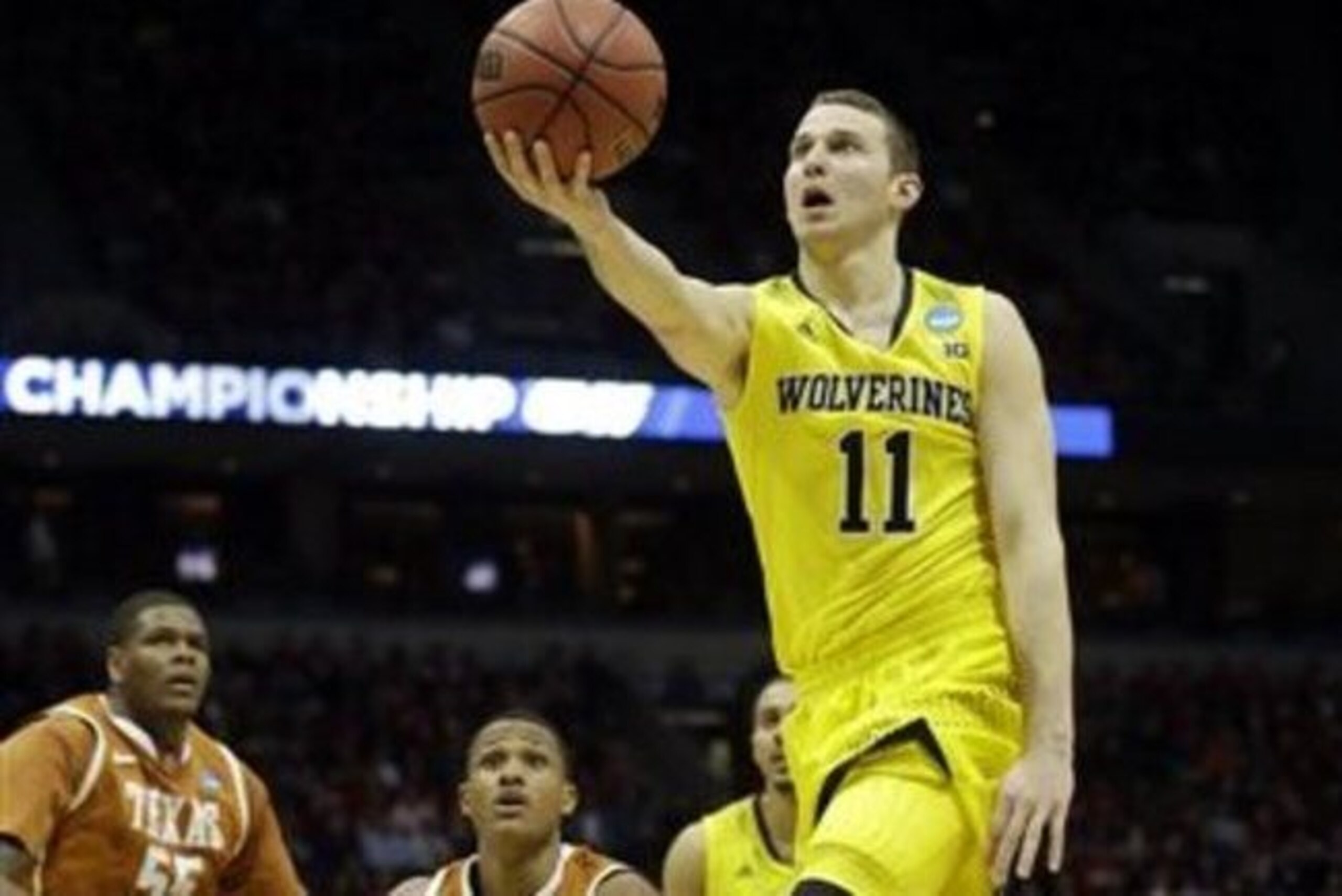
Projected NBA Draft Range: Late Lottery to Mid-First Round
NBA Comparison: Klay Thompson
Nik Stauskas might have been the most improved prospect in the country this year, after he transformed himself into a go-to offensive option and Michigan's primary playmaker.
He developed a mean off-the-dribble game, which made him a bigger threat with the ball in his hands to complement the danger he poses without it as a lethal spot-up shooter. Stauskas shot it 44 percent from downtown, again, but added a pull-up, step-back and attack game to go with it.
His Achilles' heal is his defense, as he's been too easy to beat on the perimeter, but Stauskas' outside stroke, advanced scoring arsenal, high basketball IQ and size for the position should be enough for him to make a difference on offense.
Kyle Anderson, UCLA, 6'9", PG/SF, Sophomore
13 of 44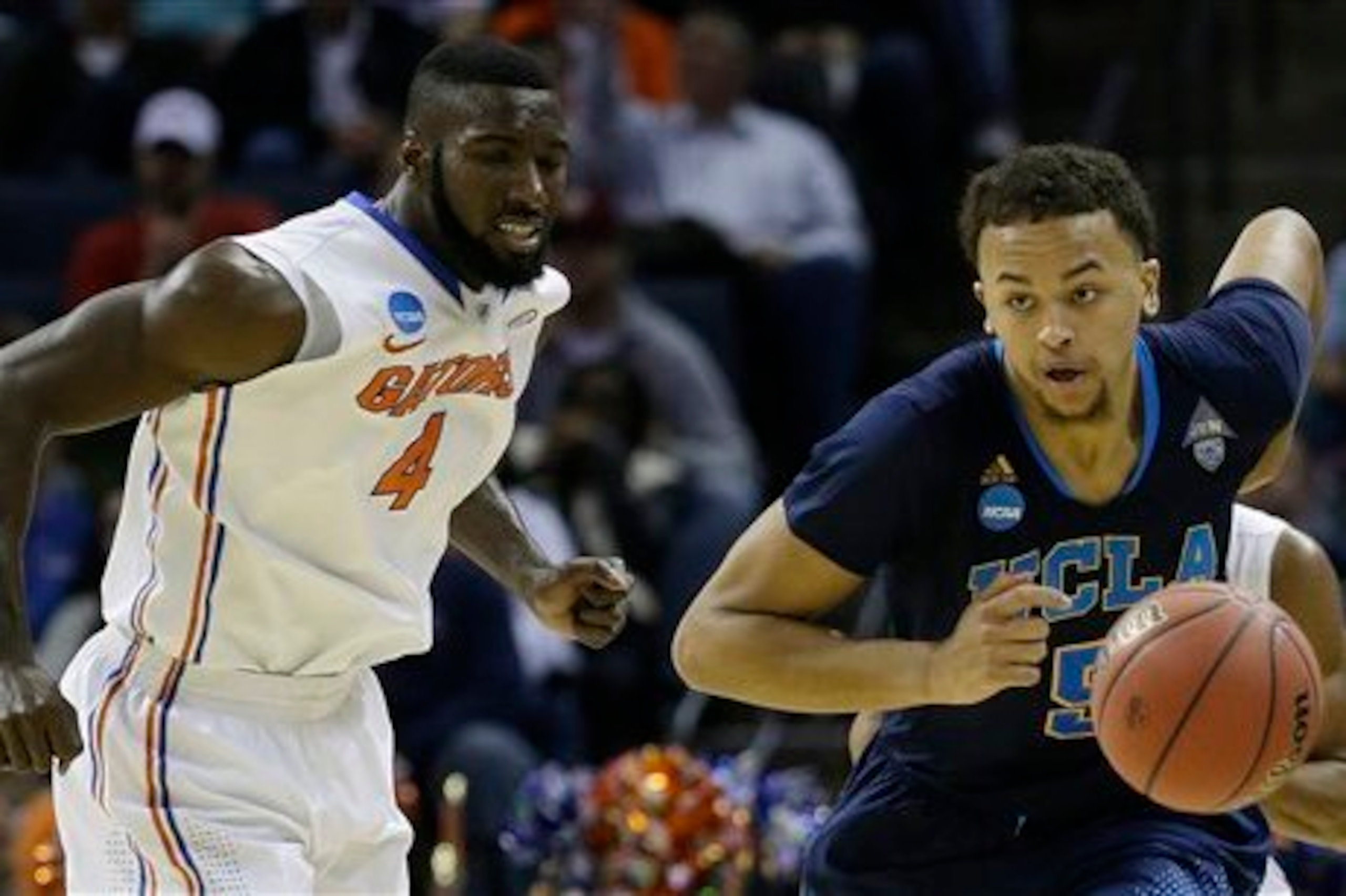
Projected NBA Draft Range: Late Lottery to Late First Round
NBA Comparison: Jalen Rose/Boris Diaw
Kyle Anderson has established himself as one of the most unique prospects in the field, given the pros and cons attached to him. At 6'9", he has a natural feel for the point guard position, where he averaged more than 14 points, 8.8 boards and 6.5 assists for UCLA.
On paper, it seems too good to be true. And it might be.
Anderson has incredibly slow feet and minimal athleticism. But he takes the right steps at the right speeds, and he has some unteachable offensive instincts. He is terrific passer and threatening shooter, so the question on scouts' minds centers on his uncertain NBA position.
He doesn't have the traditional quickness to run the point or defend the perimeter, but if Anderson can find a way to make it work, we could be talking about a steal and a potential mismatch down the road.
James Young, Kentucky, 6'6", SG/SF, Freshman
14 of 44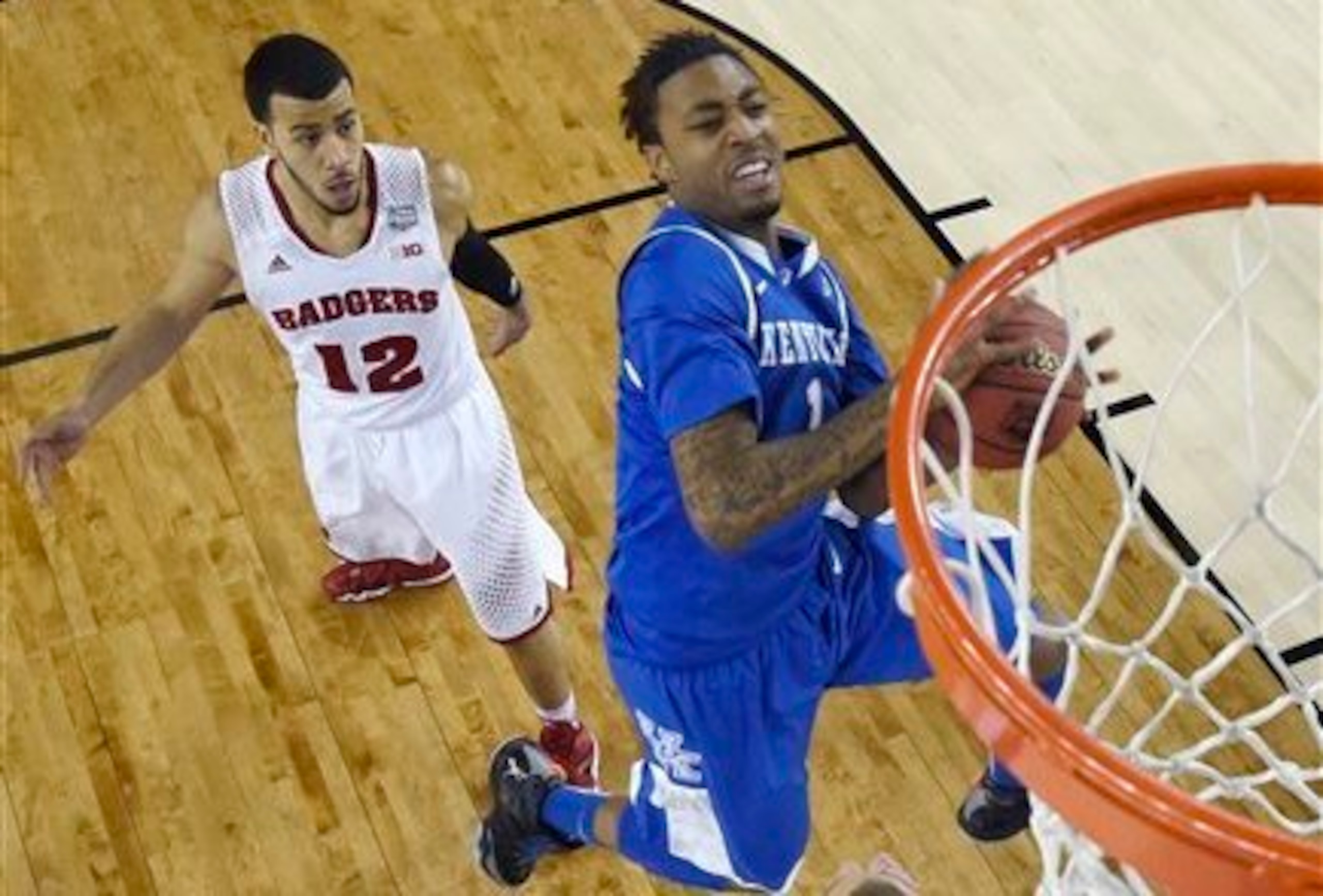
Projected NBA Draft Range: Late Lottery to Late First Round
NBA Comparison: Michael Redd/Xavier Henry
James Young was Kentucky's top offensive spark on the wing this season, having averaged 14.3 points and over two three-point makes per game. Young has that ability to heat up and knock down shots in bunches as a drive-and-kick option and target around the arc.
In between, he's got the runner game working, and he's crafty in the open floor. However, Young showed limited shot-creating ability off the dribble and his shooting consistency suffered, as he shot only 34.9 percent from downtown on a whopping 235 attempts. Young also struggled mightily on defense, where he was just too easy to lose on the perimeter.
Still, his offensive game should translate nicely in a supporting role, given his ability to make shots and complement what's around him.
Zach LaVine, UCLA, 6'5", PG/SG, Freshman
15 of 44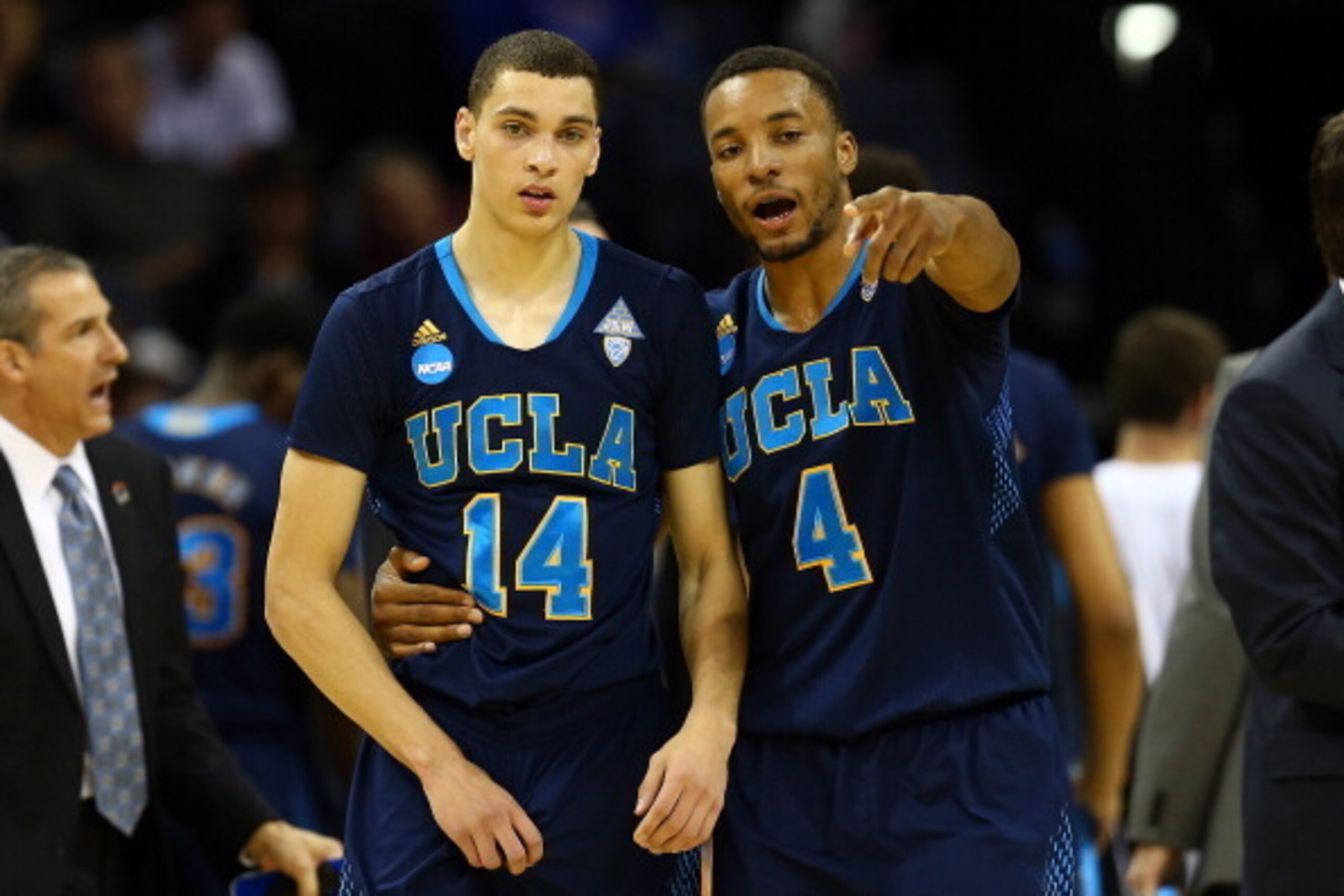
Projected NBA Draft Range: Late Lottery to Mid-First Round
NBA Comparison: Jamal Crawford/Gerald Green
Zach LaVine blew up early at UCLA but then cooled off as the season progressed. He didn't get many playmaking opportunities behind three older guards and the coach's son, which led to inconsistency and a bunch of duds in the box scores.
But there's no doubting LaVine's potential—when he had the chance and found some rhythm, he flashed monster upside thanks to his 6'5" size, show-time athleticism, tight handle and dangerous outside stroke. If he can put it all together, we could be talking about one of the draft's most explosive playmakers a few years down the road. But he has a lot to work on, including his 180-pound body, if he wants to reach his NBA ceiling.
K.J. McDaniels, Clemson, 6'6", SG/SF, Junior
16 of 44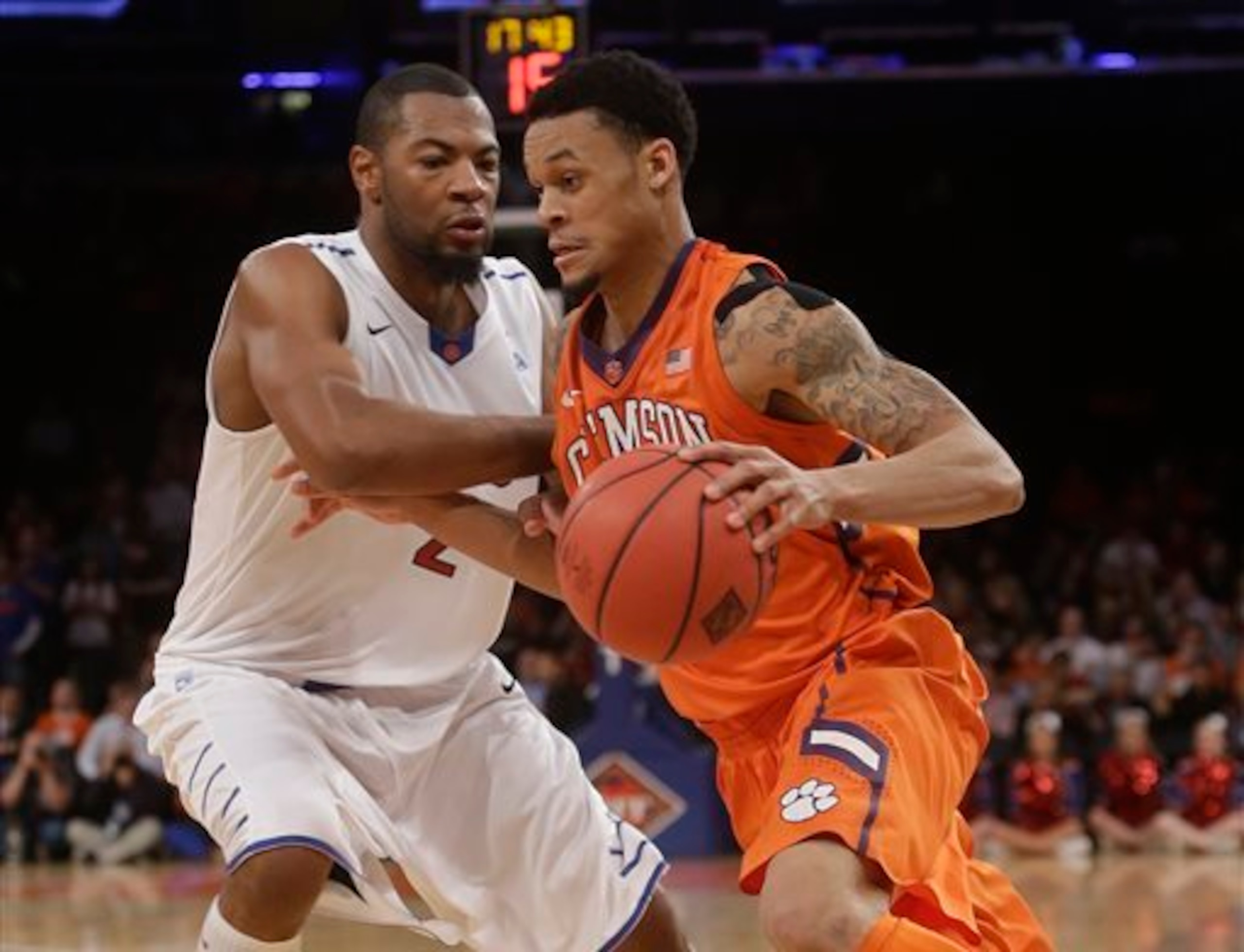
Projected NBA Draft Range: Mid-to-Late First Round
NBA Comparison: Wilson Chandler/Jeffery Taylor
K.J. McDaniels was a standout at Clemson this year, having led the ACC in blocks per game as a high-flying 6'6" wing. He also averaged 17 points, scoring the majority of them as a slasher, driver or dynamic weapon in the open floor.
McDaniels ultimately needs to improve his perimeter game, as he shot just 30 percent from downtown while struggling with shooting consistency. But given the gradual improvement he's shown, along with his above-the-rim athleticism and top-notch defensive instincts, there's some intriguing two-way upside here worth a first-round look.
Rodney Hood, Duke, 6'8", SF, Sophomore
17 of 44
Projected NBA Draft Range: Mid-First Round
NBA Comparison: Rashard Lewis
After sitting out last season following his transfer from Mississippi State, Rodney Hood had himself a strong year at Duke as the team's second-leading scorer.
He averaged 16 points a game on 42 percent shooting from downtown, thanks to a smooth lefty stroke and a refined game in the mid-range. Hood showed he can score in the post, on the move and by pulling up off the dribble.
He's not much of a factor on the glass (3.9 rebounds per game), and he projects poorly on the defensive end, but at 6'8", he's a guy who can step right in and knock down shots over the defense.
Elfrid Payton, Louisiana-Lafayette, 6'3", PG, Junior
18 of 44
Projected NBA Draft Range: Mid-to-Late First Round
NBA Comparison: Devin Harris
Elfrid Payton took his game to a new level as a junior, where he led his Ragin' Cajuns to an appearance in the NCAA tournament.
At 6'3", Payton is explosive off the bounce, and he can get to the rim at will for a finish or a drive-and-dish. He's also a dynamic weapon in the open floor and one of the best transition guards in the field.
To sweeten the deal, Payton was named the Lefty Driesell Defensive Player of the year after averaging 2.6 steals a game.
The big hole in Payton's game is his outside stroke—he shoots it poorly from downtown and at the line. But if he's able to improve that jumper, there's plenty of upside left for Payton to it.
T.J. Warren, North Carolina State, 6'8", SF, Sophomore
19 of 44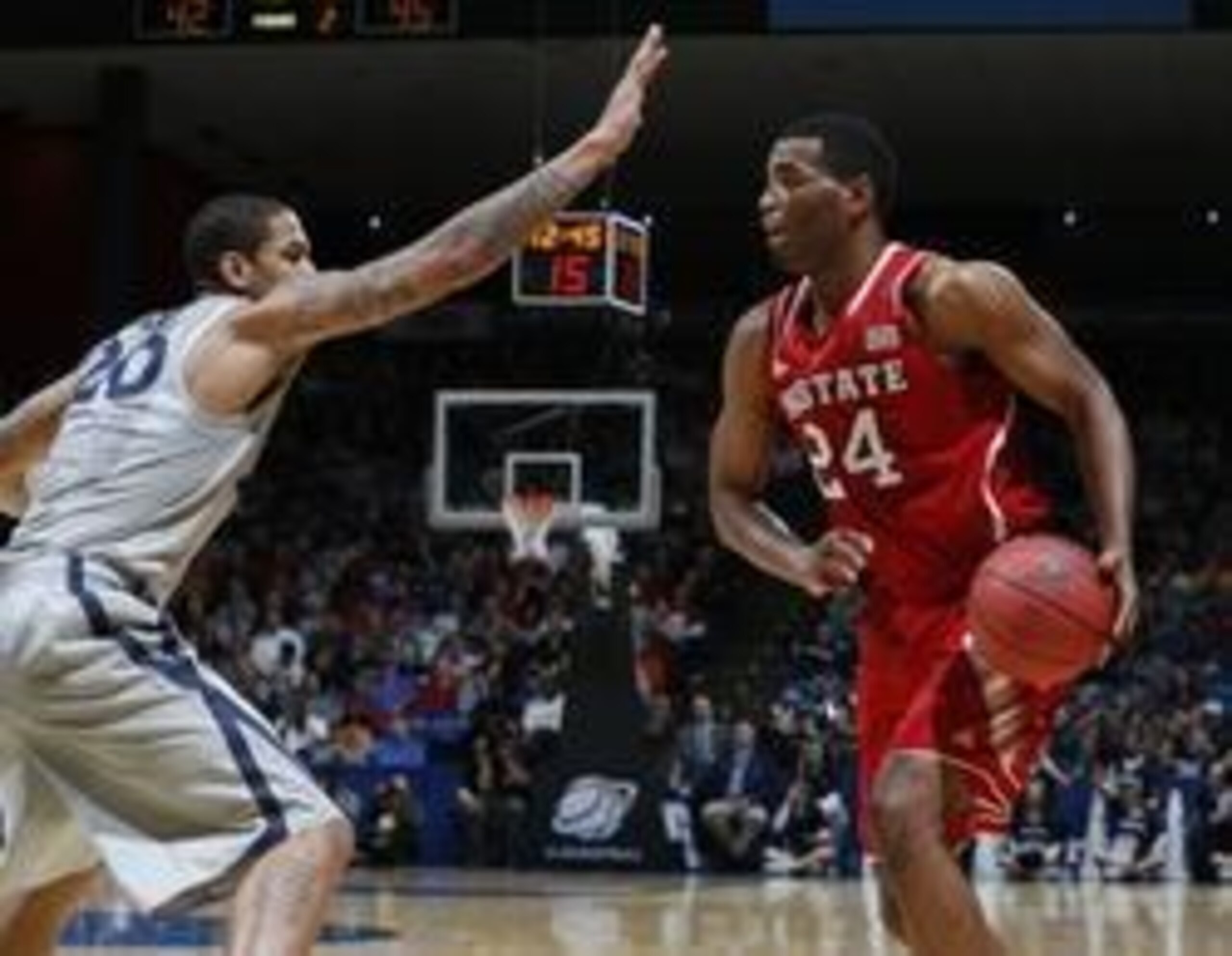
Projected NBA Draft Range: Mid-to-Late First Round
NBA Comparison: Caron Butler
T.J. Warren exploded this year for North Carolina State, where he finished No. 3 in the country in scoring.
He has incredible offensive instincts, with the ability to knock down shots from every spot and angle on the floor. He did most of his damage inside the arc, torching opposing defenses with his pull-up jumper and floater. He also moves well off the ball and finds ways to catch and finish around the hoop.
Unfortunately, Warren plays mostly below the rim and has short arms and limited range on his jumper. He only shot 26.7 percent from downtown, though he proved he has the range to connect when locked in. At 6'8" with a fluid overall game, he might be worth a first-round pick to find out just how well his offensive game will translate.
Clint Capela, Switzerland, 6'11", PF/C, 1994
20 of 44
Projected NBA Draft Range: Mid-First Round to Second Round
NBA Comparison: Ian Mahinmi
Clint Capela was a standout in France this season, where he's made a living in the paint as a finisher, rebounder and rim protector. In 28 games in the Pro-A League, his per-40 minute averages were 17.3 points, 13.5 boards and 3.2 blocks per game.
At the Nike Hoop Summit, he measured in at 6'11" with a monstrous 7'4.5" wingspan. Capela is a tremendous athlete who gets up and down the floor and plays high above the cylinder.
But at this point, he's extremely limited offensively, and he isn't likely to be able to contribute for another few years. His upside as an interior weapon should generate first-round looks, but consider Capela more a long-term project.
Jerami Grant, Syracuse, 6'8", SF/PF, Sophomore
21 of 44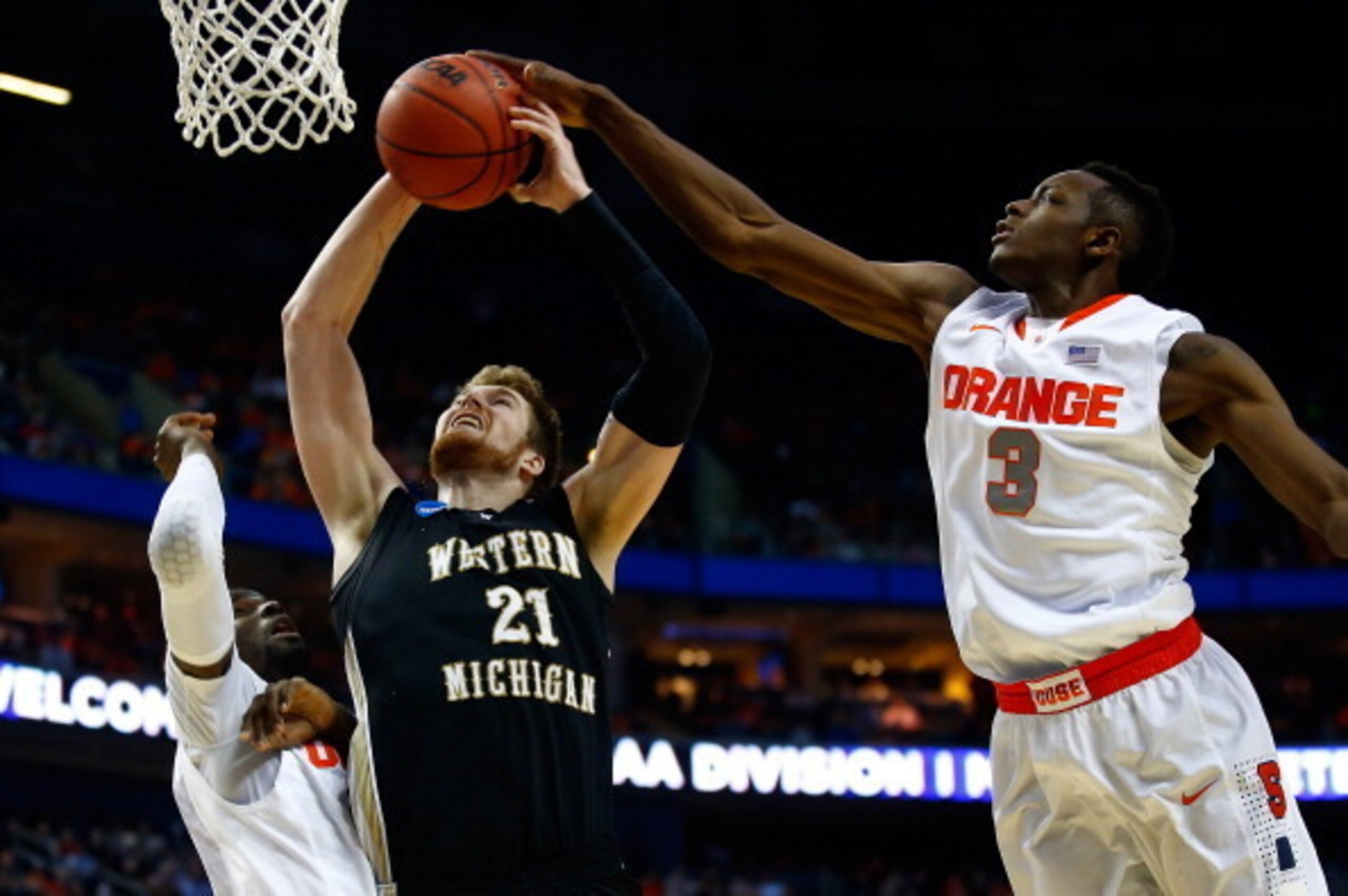
Projected NBA Draft Range: Mid-to-Late First Round
NBA Comparison: Thaddeus Young
Jerami Grant had a productive season for Syracuse, though his sensational physical tools are still far ahead of his skill set. At 6'8" with a 7'2" wingspan and above-the-rim athleticism, he's a constant threat to throw one down off a dump pass, lob or offensive rebound.
Grant hit some mid-range shots this year, but he didn't hit one three-pointer, a scary sign for forward who's likely going to have to spend time playing the NBA wing. He looks the part, and he's capable of making plays around the hoop without the ball in his hands, but given how raw and unpolished he is offensively, the mid-to-late first round seems like a better bet than the lottery.
Vasilije Micic, Serbia, 6'5", PG, 1994
22 of 44Projected NBA Draft Range: Late First Round to Second Round
NBA Comparison: Jose Calderon
Vasilije Micic had a strong year abroad, where he ranked No. 3 in the Adriatic League in assists for Mega Vizura. Micic, a natural, pass-first point guard with NBA size, is a crafty ball-handler with terrific vision. He's also a capable shooter, although his consistency hasn't been there yet.
He isn't much of an athlete in terms of quickness or explosiveness, and it's fair to question how well his game will translate on both sides of the ball. But he has the size and skill set that should attract plenty of NBA attention.
He actually just broke his hand, which will require a four- to six-week recovery period. Regardless, Micic would be on my sleeper list of fringe first-rounder prospects.
Jordan Adams, UCLA, 6'5", SG, Sophomore
23 of 44
Projected NBA Draft Range: Late First Round to Second Round
NBA Comparison: Wesley Matthews
Jordan Adams, a strong, physical 2-guard, had a big season at UCLA, where he averaged 17.4 points on 48.5 percent shooting.
Adams isn't the most explosive or athletic, but he can get to the rack and finish after contact or score in the mid-range area. He even boosted his three-ball up to 35.6 percent.
A two-way guard who averaged 2.6 steals a game, Adams is a late-first round talent, but a deep draft could push him into Round 2, where he'd be a steal.
DeAndre Daniels, Connecticut, 6'8", SF, Junior
24 of 44
Projected NBA Draft Range: Late First Round to Second Round
NBA Comparison: DerMarr Johnson
DeAndre Daniels broke out in the NCAA tournament, when he helped lead Connecticut to a national title after dropping 27 points on Iowa State and 20 on Florida.
He certainly looks the part at 6'8" with long arms and smooth athleticism. This year, he shot it 41.7 percent from downtown, a promising number for player who projects as an NBA small forward.
Daniels was inconsistent for three years at Connecticut, but he's flashed the whole package consisting of shooting, mid-range scoring and attacking.
Damien Inglis, France, 6'9", SF, 1995
25 of 44
Projected NBA Draft Range: Late First Round to Second Round
NBA Comparison: Nicolas Batum
Damien Inglis has been a prospect on the rise since last May's Nike International Junior Tournament in London. At this year's Nike Hoop Summit in Portland, he measured in at 6'8.5" with a ridiculous 7'3" wingspan—scary measurements for a projected small forward.
Inglis has tremendous defensive potential on the wing, along with some intriguing offensive versatility. He can handle the ball and dish it, as well as drive and shoot from outside.
He's got the reputation as being somewhat unfocused, and given the little playing time he's getting abroad, he's probably more of a draft-and-stash candidate if he keeps his name in the pool.
But he's definitely earned the attention of scouts, and his upside could really be worth a late-first round look.
Glenn Robinson III, Michigan, 6'6", SF, Sophomore
26 of 44
Projected NBA Draft Range: Mid-First Round to Second Round
NBA Comparison: Wesley Johnson/Khris Middleton
After flashing tremendous promise as a freshman, Glenn Robinson III was somewhat underwhelming as a sophomore, given the expectations set for him. However, his long-term potential remains intact, thanks to his effortless athleticism, size for the wing and skill set for the position.
Robinson is a dynamic weapon in the open floor, and he's got a knack for making plays without the ball as a cutter and slasher in the half court. On the perimeter, he's a capable shooter who can stretch the floor and step into pull-ups.
But his consistency fell off big-time—not just as a shooter, but as a contributor. He disappeared far too often throughout the season, showing little improvement in terms of his ability to create. There's plenty of upside and potential to tap into here. Robinson just seems a little too far from his ceiling to generate lottery attention.
Mitch McGary, Michigan, 6'10", PF/C, Sophomore
27 of 44
Projected NBA Draft Range: Late First Round to Early Second Round
NBA Comparison: Brian Cardinal/David Lee
After learning of his one-year ban for testing positive for marijuana by the NCAA, Mitch McGary has decided to test his luck in the 2014 draft, where he'll be selling himself based on what he did in the 2013 NCAA tournament.
He averaged over 14 points and 10 boards during Michigan's six games in last year's dance. At 6'10", McGary moves well, has soft hands and a great nose for the ball.
But he missed most of this year with a back injury.
Still, if McGary can return to full strength, he could be a sneaky pickup for a team looking for an active interior presence and cleanup man inside.
Spencer Dinwiddie, Colorado, 6'6", PG/SG, Junior
28 of 44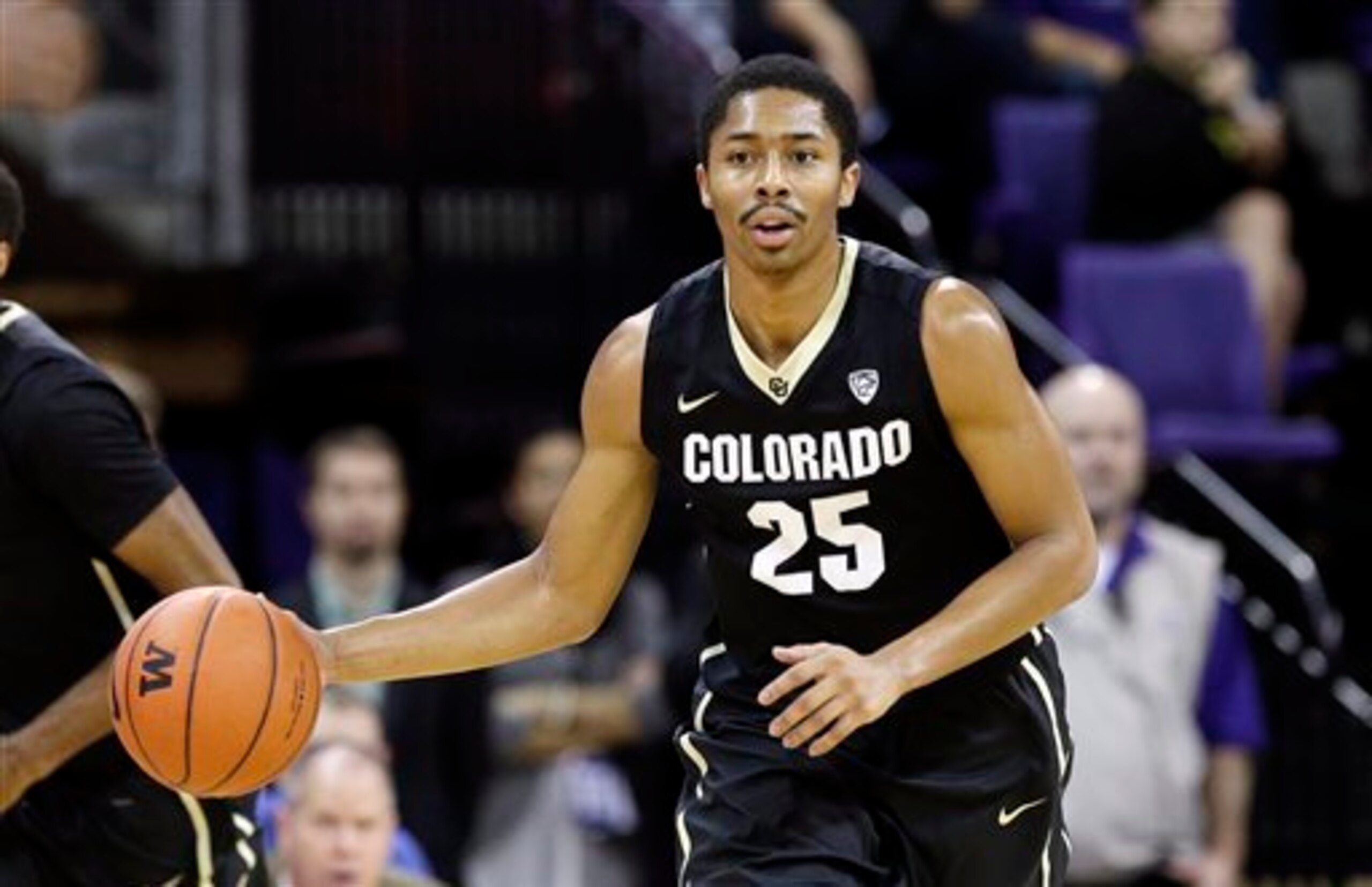
Projected NBA Draft Range: Second Round
NBA Comparison: Jason Terry/Evan Turner
Spencer Dinwiddie was having a solid start to the year before he tore his ACL in January.
A scoring ball-handler with the size and skill set to play the point or the wing, Dinwiddie was averaging 14.7 points and 3.8 assists to only 1.8 turnovers a game. He's excellent in the drive-and-dish game, and he's averaged at least seven free-throw attempts per game in each of his last two seasons.
Dinwiddie is also a threat in the mid-range, while he was shooting it 41.3 percent from three prior to going down.
The obvious question is just how badly his injury will hurt his stock. It will probably keep him from Round 1, which could make him a value pick to a patient believer in Round 2.
Nick Johnson, Arizona, 6'3", PG/SG, Junior
29 of 44
Projected NBA Draft Range: Late-First Round to Second Round
NBA Comparison: Avery Bradley
Nick Johnson stepped up as Arizona's catalyst and most dynamic two-way playmaker this season.
An incredible athlete with trampoline bounce, Johnson can fly in the open floor and play high above the rim. Johnson averaged over 16 points a game while hitting a number of clutch shots throughout the season. However, Johnson is undersized for the NBA 2 and he lacks the necessary instincts to run the point.
Still, his motor, elite athleticism, command of the ball and threatening jumper should be enough to get him looks as a potential spark and combo guard off a bench.
Jordan Clarkson, Missouri, 6'5", PG/SG, Junior
30 of 44
Projected NBA Draft Range: Late First Round to Second Round
NBA Comparison: Jerryd Bayless
Jordan Clarkson put himself on the map at Missouri after transferring from Tulsa. He averaged 17.5 points and 3.4 assists as the Tigers' primary playmaker. He isn't a pure point guard, but he can handle the ball and create with it, and at 6'5", he has the size and athleticism to finish in the lane.
However, he only shot 28 percent from downtown, a tough number for a combo guard. And without a reliable perimeter game or a natural feel at the point, he's slightly stuck between positions.
Still, Clarkson could get some first-round looks based on his production as a junior and his ability to generate offense with the ball in his hands.
Jabari Brown, Missouri, 6'5", SG, Junior
31 of 44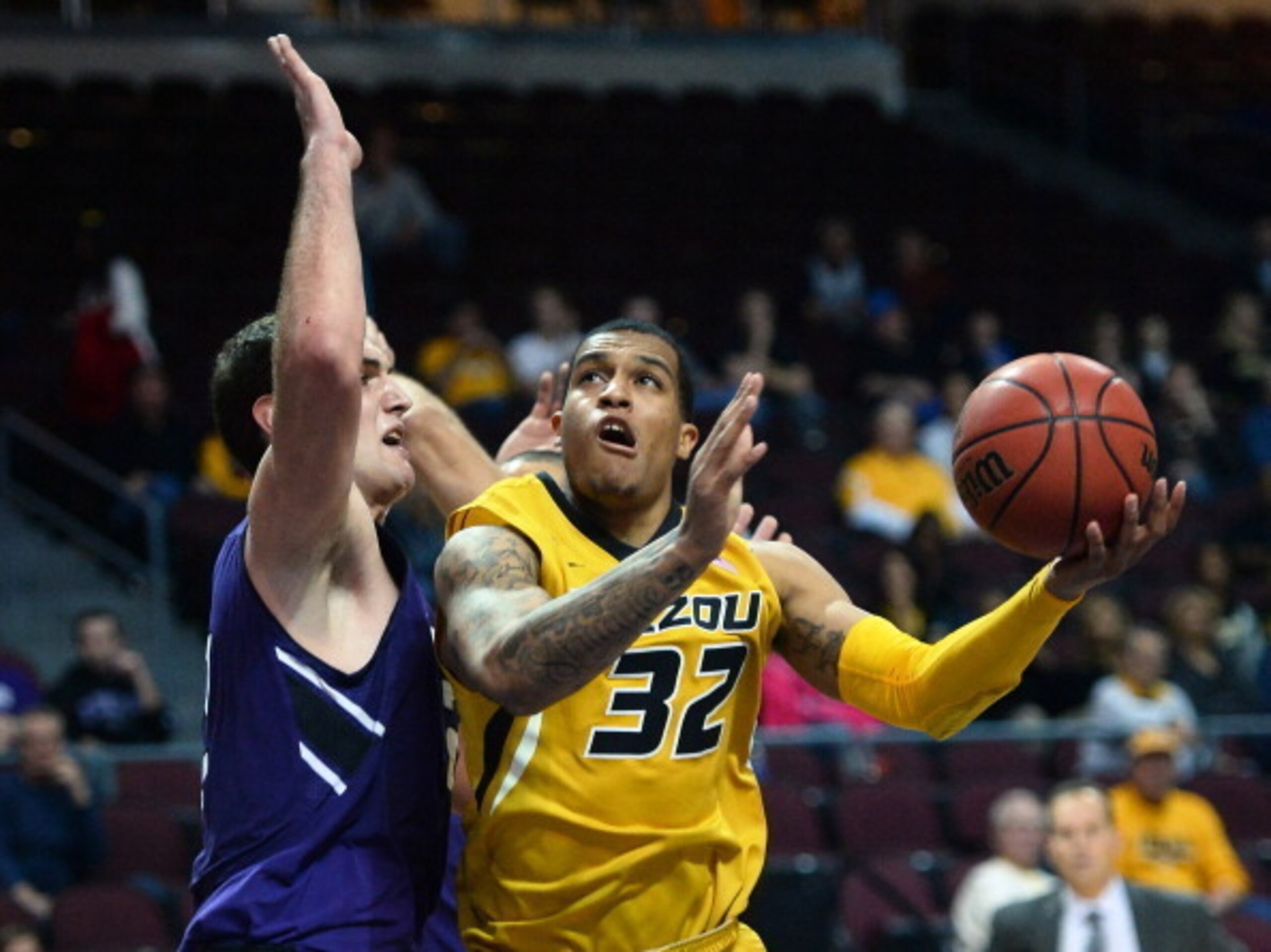
Projected NBA Draft Range: Late First to Second Round
NBA Comparison: Allen Crabbe
Jabari Brown had a breakout season in Missouri where he averaged nearly 20 points on 41 percent shooting from downtown. At 6'5", 214 pounds, he has NBA 2-guard size to go with an accurate shooting stroke with deep range and a quick, effortless release.
He even got to the line more than seven times per game, showing some strength and elusiveness while attacking the rim and in transition.
Defensively, he's not too quick laterally, and he averaged less than one steal per game. Brown projects more as a shot-maker than a scorer, but with his size, offensive instincts and outside touch, he could be a second-round steal if he slips.
James Michael McAdoo, North Carolina, 6'9", PF, Junior
32 of 44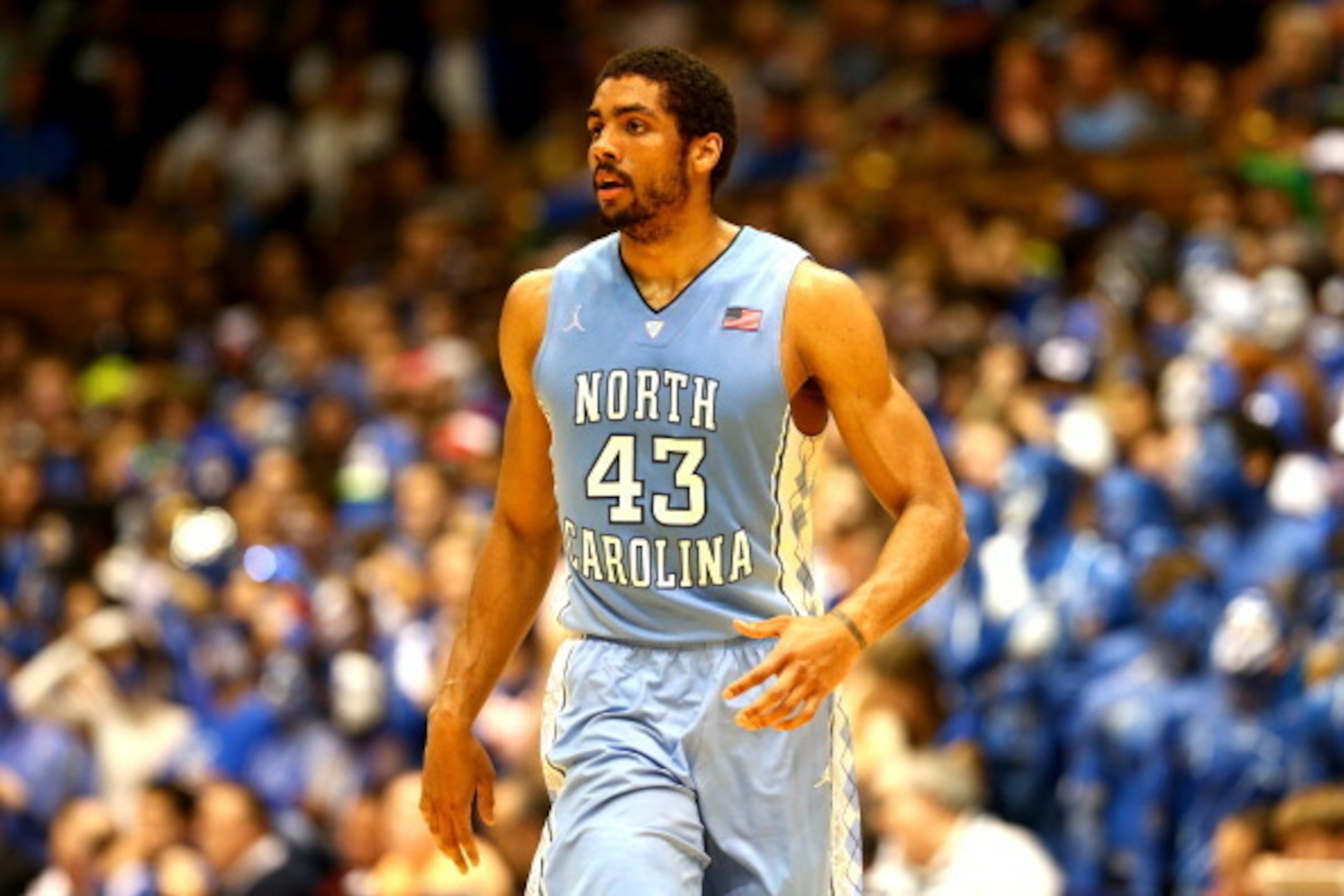
Projected NBA Draft Range: Late First to Second Round
NBA Comparison: Anthony Randolph
James Michael McAdoo never took that step that scouts were hoping he'd take following his promising freshman year. As his role expanded, his efficiency fell off big time.
He's a phenomenal athlete with the mobility of a guard and the size of a power forward. He runs the floor and plays above the rim, and he's a tough cover at the high post, where he can hit the elbow jumper or attack the basket.
But he averaged just 6.8 rebounds and 0.9 blocks, and he shot a dreadful 53.7 percent from the line. McAdoo hasn't hit a three-pointer in three years at North Carolina, so he hasn't shown any stretch potential, either.
He's a talented kid, but there has to be some fear that he's going to fall between positions at the next level. Plan on hearing McAdoo's name called sometime in the second round.
Semaj Christon, Xavier, 6'3", PG, Sophomore
33 of 44
Projected NBA Draft Range: Late First Round to Second Round
NBA Comparison: Will Bynum
Semaj Christon came into the year as a prospect to watch after a strong freshman season. But we just didn't see much visible improvement.
At 6'3", he has excellent size and athleticism, and he's at his best when attacking the rim. But his perimeter game is still limited, as he hit only 26 three-pointers in two years. He also hasn't demonstrated that natural feel as a facilitator. He has NBA-caliber physical tools, which adds to his upside, but his skill set doesn't quite match the job description for the position he'll be expected to play.
Isaiah Austin, Baylor, 7'1", PF/C, Sophomore
34 of 44
Projected NBA Draft Range: Late First to Second Round
NBA Comparison: Charlie Villanueva
Isaiah Austin has a high offensive skill level to match his tremendous size and length. Offensively, we've seen Austin score from the high and low post or stretch the floor as a shooter.
However, he hasn't been able to make a consistent impact throughout his two-year career, and he saw his scoring and rebounding numbers fall significantly as a sophomore. But he did average over three blocks a game this past season, and he finished strong with a couple of big games down the stretch.
Given his 7'1" size and offensive skills, it wouldn't be a surprise to see a team ignore his up-and-down college production to focus on his strengths.
Jarnell Stokes, Tennessee, 6'8", PF, Junior
35 of 44
Projected NBA Draft Range: Second Round
NBA Comparison: Chuck Hayes
Jarnell Stokes averaged a double-double as a junior, where he set up shop inside the paint and used his 6'8", 260-pound frame. He's terrific on the glass and has excellent hands around the rim. Stokes can score with his back to the hoop or can work from the high-post area.
However, he plays strictly under the rim and averaged less than one block per game. Without much of a perimeter game or explosiveness, he doesn't have much upside, but for a team in need of a physical presence up front, Stokes should be worth a strong second-round look.
LaQuinton Ross, Ohio State, 6'8", SF, Junior
36 of 44
Projected NBA Draft Range: Second Round
NBA Comparison: Devin Ebanks
LaQuinton Ross had a productive year for Ohio State, where he averaged 15 points per game. But at this point, he's fairly one-dimensional.
He is a perimeter-oriented scorer who can knock down shots in the mid- to long range, but he only hit 35.3 percent of his three-pointers, a drop-off from his 38.9 percent clip a season ago. Ross can score in the open floor and attack in drives, though he's limited off the dribble and does little creating (averaged less than one assist per game).
He also averaged less than one steal per game, which is a bad look for a small forward.
He's a shot-maker—a guy who can catch and shoot from anywhere on the floor, but without much of a one-on-one game or defensive potential, the first round sounds off limits.
Jahii Carson, Arizona State, 5'11", PG, Sophomore
37 of 44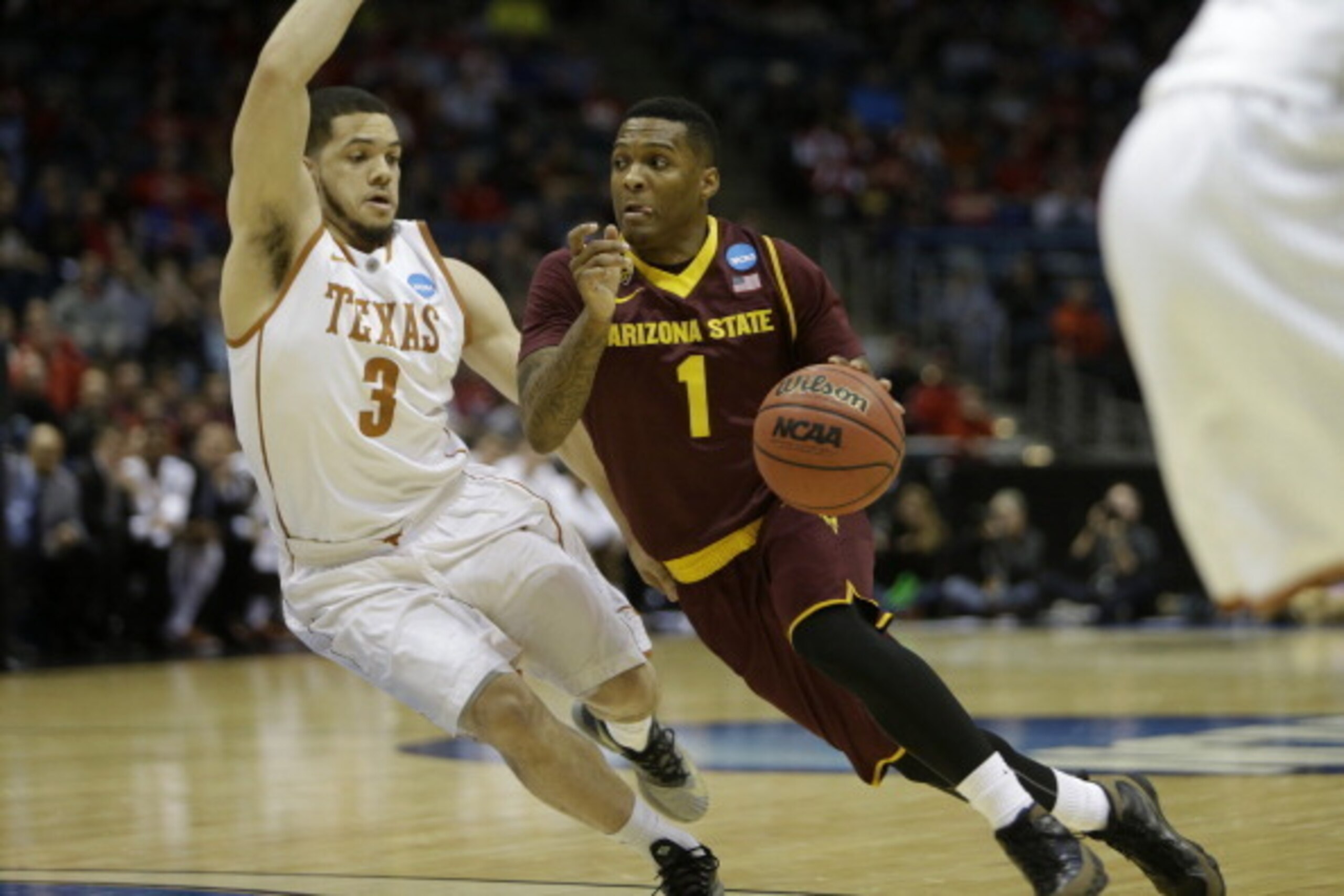
Projected NBA Draft Range: Second Round to Undrafted
NBA Comparison: Maalik Wayns
Jahii Carson entered the season as a prospect to keep an eye on, after a promising freshman year when he put up 18 points and five assists per game at Arizona State. But we just didn't see any improvement, particularly with his point guard play, something scouts were looking for from the 5'11" Carson.
He's superquick and can get to just about every spot on the floor. And if a team scoops him up in the second round, it will be because of his playmaking and breakdown ability. But at this point, Carson's decision-making is still questionable, and his defensive outlook is awfully poor. And given his size, there's just not much margin for error here.
Consider Carson a potential second-rounder with the D-League or Europe in his immediate future.
Johnny O'Bryant, LSU, 6'9", PF, Junior
38 of 44
Projected NBA Draft Range: Second Round
NBA Comparison: Brandon Bass
Johnny O'Bryant had a strong year at LSU, where he averaged 15.4 points and 7.7 boards on 49 percent shooting. At 6'9", 256 pounds, he has a legit power forward body with the ability to score around the rim and create his shot at the high post. He's shown touch on his mid-range jumper as well, although he shot just 63.4 percent from the line, which was sadly a career high.
He plays mostly below the rim, and he averaged less than one block and steal per game. He also turned the ball over 108 times this season, and his rebounding numbers took a hit. There isn't much upside here, but O'Bryant should be worth a second-round look for a team in need of offense at the 4 position.
JaKarr Sampson, St. John's, 6'8", SF, Sophomore
39 of 44
Projected NBA Draft Range: Second Round to Undrafted
NBA Comparison: Chris Douglas-Roberts
JaKarr Sampson looks the part at 6'8" with smooth athleticism and the foot speed of an NBA wing. He's an effective slasher and finisher above the rim, and he's also sharp in the mid-range with his jumper. But that jumper lacks range—in two years at St. John's, he only hit one three-pointer.
He's also limited off the dribble in the half court, and without the ability to stretch the floor with a three-ball, his sales pitch to the pros is incomplete. Because there's upside, a team might feel inclined to take a second-round shot, but that seems like a best-case scenario at this point.
Khem Birch, UNLV, 6'9", C, Junior
40 of 44
Projected NBA Draft Range: Second Round to Undrafted
NBA Comparison: Stromile Swift
Khem Birch only took 28 shots at Pittsburgh before deciding to transfer to UNLV back in 2011-12. He finally broke out as a junior this season—Birch averaged a double-double to go along with a whopping 3.8 blocks a game.
He's strong, athletic and long, and he makes his living around the rim. But he's pretty limited everywhere else, offering little offensively.
Birch could be a nice second-round option based on his interior presence and shot-blocking ability.
Roscoe Smith, UNLV, 6'8", PF, Junior
41 of 44
Projected NBA Draft Range: Second Round to Undrafted
NBA Comparison: Jeff Adrien
He'll be 23 years old by the time the draft rolls around, but if there's a team out there targeting his specialty, Roscoe Smith just might hear his name called. He rebounds—he averaged nearly 11 boards in less than 30 minutes per game. He has terrific hands and a nose for the ball.
He's also shown some touch in the mid-range. But Smith is pretty much limited otherwise, and at 6'8", 215 pounds, he might have trouble making a living in the NBA paint.
Without much of an offensive or defensive game, he has little margin for error as a rebounding specialist. We'll give him a shot at the second round.
Alex Kirk, New Mexico, 7'0", C, Junior
42 of 44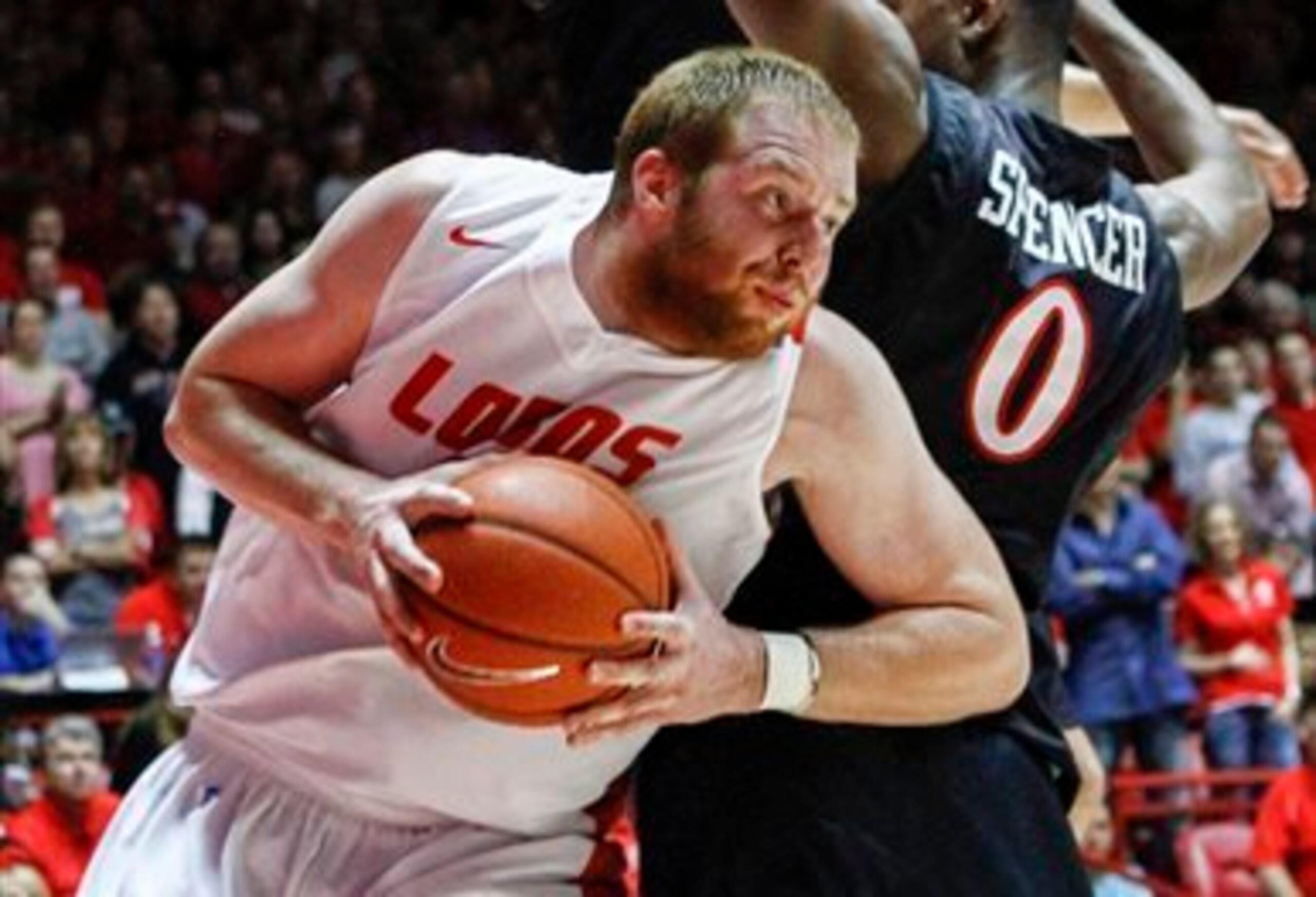
Projected NBA Draft Range: Second Round to Undrafted
NBA Comparison: Josh Harrellson/Kosta Koufos
At 7'0", 250 pounds, Alex Kirk is a big boy and a fairly skilled player in the half court. He averaged 13.3 points and 8.7 boards as a junior, to go along with 2.7 blocks, which was almost one block per game more than he averaged as a sophomore.
Kirk has also shown the ability to stretch the floor as a shooter, and he has great hands and instincts as a scorer around the rim. But he's an underwhelming athlete without a standout strength. He'll need to impress during workouts to steal a second-round bid.
Aquille Carr, 5'6", PG
43 of 44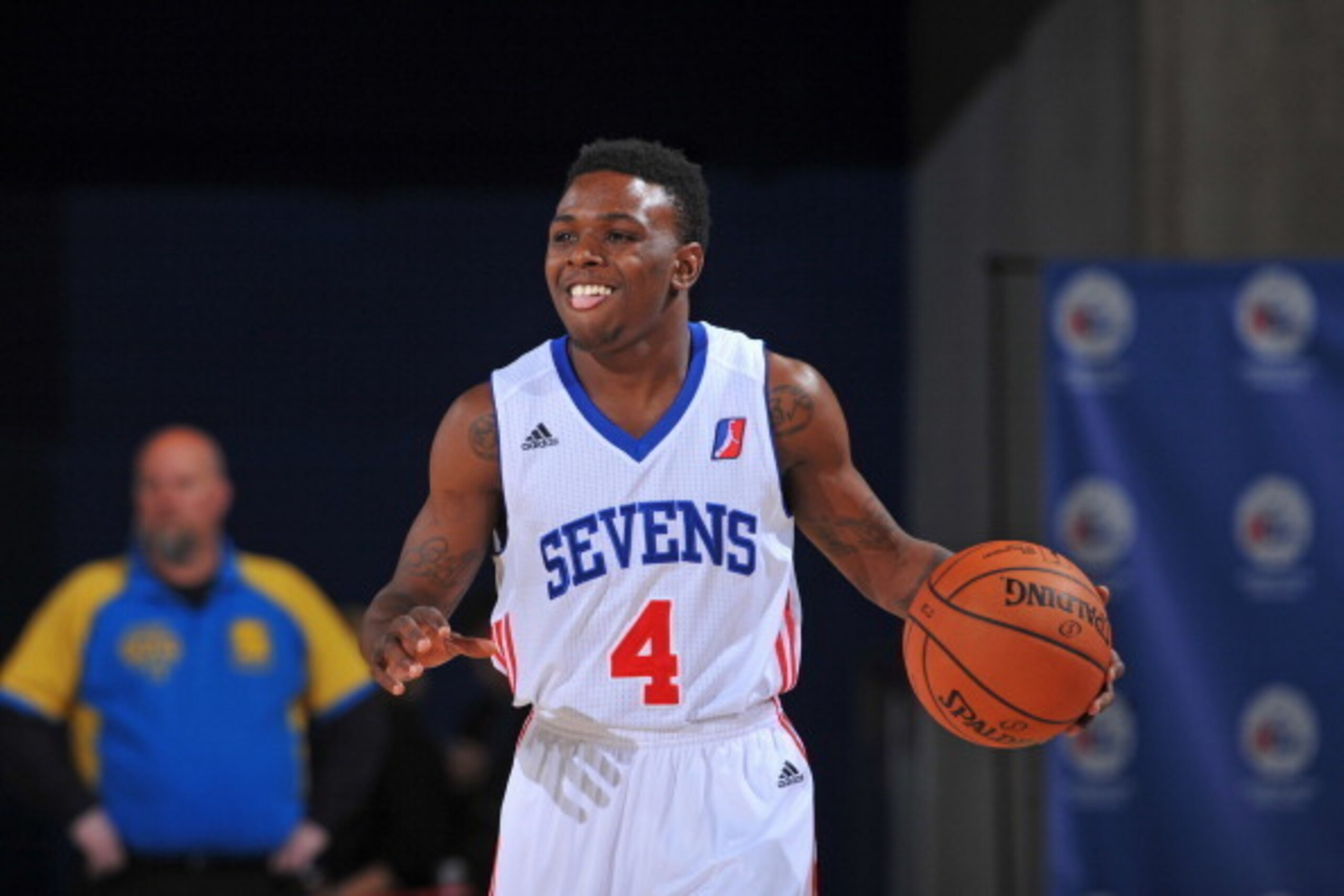
Projected NBA Draft Range: Undrafted
NBA Comparison: Earl Boykins
Aquille Carr has attempted to take a pretty unique path to the draft. A former Seton Hall pledge, Carr chose to skip college and go play overseas, though that didn't last very long. He was then drafted into the D-League by the Delaware 87ers, where he averaged 10 points a game before he was cut back in January.
At 5'6", Carr is lightning quick off the dribble, but he just doesn't have the discipline or point guard skills to make up for his severe lack of size. Don't expect to hear his name called this June.
First reported by SNY's Adam Zagoria, news confirmed to me by agent
Chane Behanan, Louisville, 6'6", SF/PF, Junior
44 of 44
Projected NBA Draft Range: Second Round/Undrafted
NBA Comparison: Corliss Williamson
Chane Behanan was kicked off Louisville's team earlier this year, and instead of playing for Colorado State, the school he transferred to, he's decided to test his luck in the draft.
Behanan played a role in Louisville's 2013 NCAA championship—he went for 15 points and 12 boards in the title game against Michigan.
But as a prospect, he's severely undersized for a power forward, his natural position. Between his limited game, lack of position and behavior issues (cited for marijuana possession earlier this month), even the second round seems like a long shot.
.jpg?w=2560 "Rams troll Jameis, Giants on social media")



.jpg?w=2560 "WWE Raw Live Grades 🔠")