
Backlash: The 14 Greatest Moments from Post-WrestleMania Broadcasts of WWE Raw
WrestleMania is, in no uncertain terms, the night of the year for the professional wrestling world.
Never failing to deliver an eye-catching array of mega-matches and superstar from the likes of Hulk Hogan, The Rock and Stone Cold Steve Austin, the WWE’s 'Mania has been the preeminent event in the sports entertainment calendar since Vince McMahon introduced his brainchild to the world on March 31, 1985.
While the Showcase of the Immortals immerses itself in the limelight year after year, there is another night, however, that consistently has as much impact as WrestleMania. It occurs a mere 24 hours later.
Since its inaugural year of 1993, the WWE has provided a superbly entertaining fall-out show in the form of the post-'Mania broadcast of Monday Night RAW. From the early moments involving Shawn Michaels to the beginnings of the “Fandangoing” craze started by a ferocious New Jersey crowd last year, the night after WrestleMania never ceases to supply a flurry of memorable moments.
With the monumental WrestleMania XXX and last night’s RAW now in the history books, it is time to turn our attention towards some of the greatest moments in WWE history that, unfortunately, often get lost in the afterglow of the Show of Shows. The following article takes a closer look at the 14 greatest, and most historically significant, moments to ever come from the 'Mania backlash.
Honorable Mentions
1 of 16
A collection of moments that fell just short of the list…
For All Mankind (San Bernardino, California - 04/01/1996)
Mere hours after Shawn Michaels’ monumental title victory at WrestleMania XII, another moment occurred that would be beneficial for the main event scene—Mick Foley, unveiling the deranged Mankind character, made his official WWF debut. Defeating Bob Holly in a glorified squash, Mankind would quickly move onto a revered feud with the Undertaker.
The Abduction of Stephanie McMahon (East Rutherford, New Jersey - 03/29/1999)
The fallout from a disappointing WrestleMania XV took an emphatic turn the next night on RAW. With Vince McMahon and his cronies preoccupied with new WWF Champion Stone Cold Steve Austin, the Undertaker’s Ministry of Darkness faction took the opportunity to send a stark message to the boss through his daughter, Stephanie.
The Return of Hulkamania (Montreal, Quebec, CA - 03/18/2002)
Following on from the incredible fan reaction he received at WrestleMania X8 in Toronto, Hollywood Hulk Hogan cemented his babyface turn and reiterated his new partnership with former foe The Rock. Officially dropping his New World Order association with Scott Hall and Kevin Nash, Hogan’s resurgence as a face would lead to a WWF Undisputed title run a month later.
The Nature Boy gets Bulldozed (Chicago, Illinois - 03/04/2006)
Despite his underwhelming stint as 3 Minute Warning’s Jamal from 2002-2003, WWE rightly realised in 2006 that Eddie Fatu’s in-ring talent was too good to waste. Repackaged as the savage Umaga, the Samoan Bulldozer made his RAW debut the night after WrestleMania 22 by crushing Ric Flair at the behest of his manager, Armando Estrada.
The Backstab Kid (Dayton, Ohio - 04/02/2007)
A day after their main event barn-burner at WrestleMania 23, Shawn Michaels and John Cena defended their World Tag Team titles in two 10-team over-the-top battle royals. After winning the first bout, Michaels and Cena lost the belts to the Hardys in the second battle when the Heartbreak Kid turned on his partner and threw him over the ropes and to the floor.
The Animal halts The Viper (Houston, Texas - 04/06/2009)
The fierce rivalry between Randy Orton’s Legacy group and Triple H and the McMahons had escalated through The Game’s successful title defence against The Viper at WrestleMania 25. In an electric segment the next night on RAW, the champion and his in-laws were saved from a post-WrestleMania beating by a returning Batista, whom Orton had punt-kicked onto the injury shelf several months earlier.
14. The Rock becomes The Ruler
2 of 16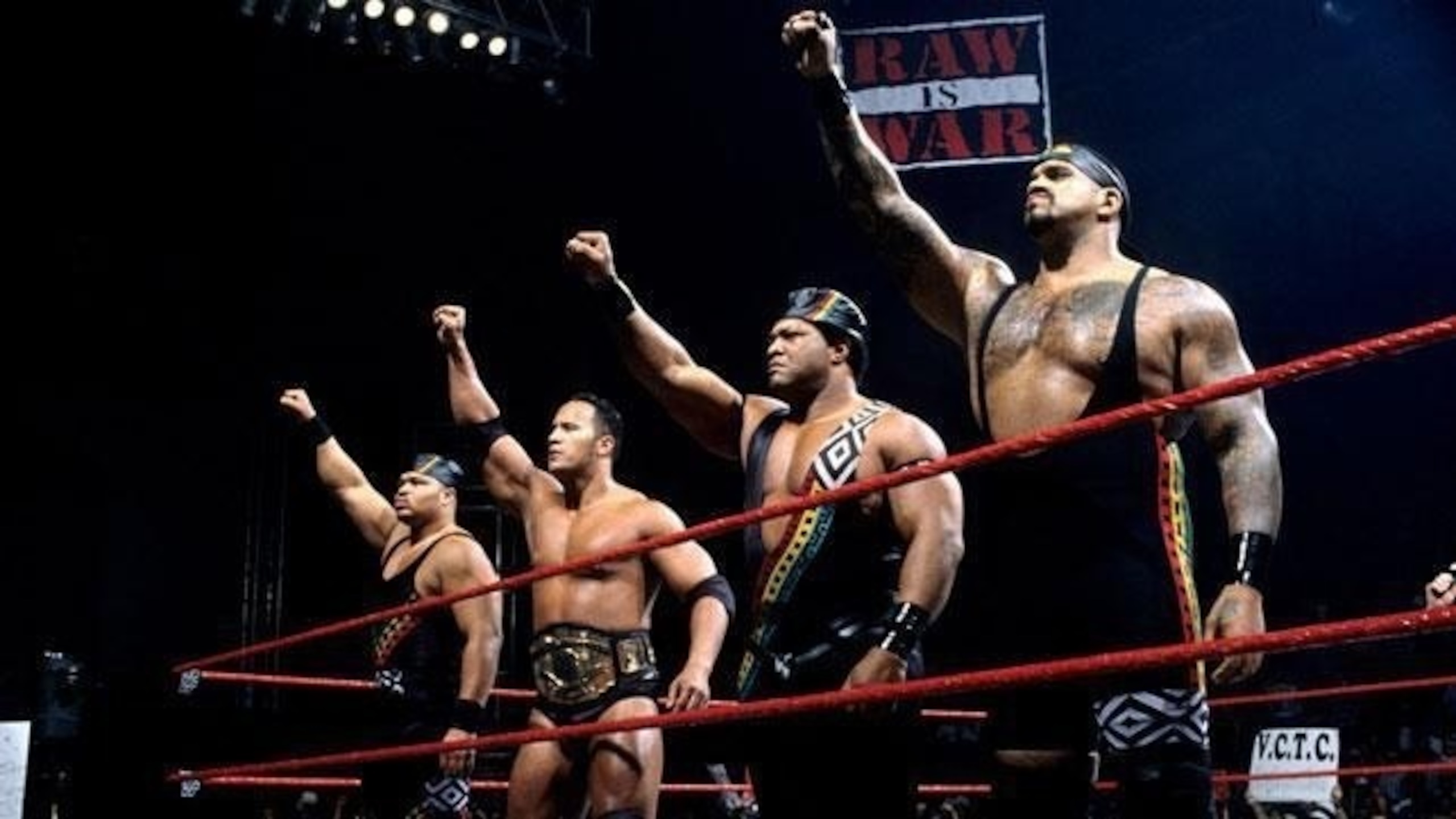
Throughout the early stages of 1998, The Rock was quickly emerging as a stand-out personality in the WWF mid-card picture. As the reigning Intercontinental Champion and a member of the extremist Nation of Domination faction, the performer once vehemently heckled as a babyface had become one of the most effective heels in the company.
The night after a brutal but successful IC title defence against Ken Shamrock at WrestleMania XIV, The Rock addressed Faarooq, the leader of the NOD, in a backstage promo. Dismissing weeks of dissention within the ranks, the champion uncharacteristically expressed his gratitude towards his leader, claiming, amongst other praises, that he would not be a success were it not for Faarooq’s help and guidance.
Later in the night, following a tag match that saw The Rock and Faarooq taste defeat at the hands of Shamrock and Steve Blackman, the inevitable swerve occurred. Under the instructions of their new leader, D’Lo Brown, Mark Henry and Kama Mustafa attacked Faarooq from behind, with The Rock claiming that not only was he the new leader of the Nation of Domination, he was now “the ruler”, too.
In effect, the segment was a watershed moment for both the former and new leader of the group. The young Rock would go onto to lead the NOD into a popular feud with Triple H’s D-Generation X before eventually joining Vince McMahon’s side as the WWF Champion while Faarooq, already 10 years into a storied career, formed a fabled team with Bradshaw before slowly beginning to wind down his in-ring duties.
13. A New Paige
3 of 16
Over the past few years, WWE has paid attention to European wrestling talent like never before. Noteworthy performers such as Wade “Bad News” Barrett, Cesaro and the current NXT Heavyweight Champion PAC have become integral parts of the WWE product, and with the repeated rumours of Irish superstar Prince Devitt inking a deal (via WrestleZone.com), the trend looks certain to continue.
The WWE’s latest “Anti-Diva”, Paige, hails from Norwich, England and first came to the attention of WWE through her remarkable reputation built on the British wrestling scene. A member of the famous Knight family that has been involved in numerous promotions across Europe scene since the 1980’s, Paige built her name as Britani Knight in such revered companies as WAW and Pro-Wrestling: EVE before being cherry picked to join the FCW development system in September 2011.
A stand-out in the Women’s division of developmental, now rebranded as NXT, Paige became an instant hit amongst smart fans that recognised her unique talent amongst the traditional, cookie-cutter types of Divas waiting in the wings. After defeating Emma in a tournament final to win the newly created NXT Women’s title in 2013, many correctly believed that it was simply a matter of time before the Women’s division’s best kept secret made her way to the main brand of Monday Night RAW.
And so, it transpired on the April 8th, 2014 broadcast of RAW, one night removed from the delectable WrestleMania XXX. Playing the plucky underdog role in a verbal battle with long-reigning Divas’ Champion AJ Lee and her bodyguard Tamina Snuka, the newcomer made her way into a title match after the cocky titleholder vowed to give the fans a post-WrestleMania treat in the form of a beat down.
After a short affair in which Lee was dominant, Paige surprisingly pinned the champion to the mat following her Paige Turner manoeuvre to become the holder of both the NXT Women’s title and the Divas’ Championship. Greatly received by the New Orleans crowd, the title change announced the arrival of a new era in Women’s professional wrestling.
Of course, the verdict is still unclear on whether the new champion can carry her valuable NXT momentum onto the main stage but, judging by her body of work in the developmental system and her pleasing appearance under the bright lights of RAW, Paige is more than capable of adding a much-needed injection of fresh talent to the WWE.
.jpg?w=2560)
12. Sid turns Sycho on the Kid
4 of 16
While WrestleMania XI is generally considered to be one of the poorer editions of the event, there is no denying that the WWF title clash between Shawn Michaels and Diesel was the proverbial diamond in the rough. A thrilling back and forth affair, the match was a decent outing from both men and the finish, inadvertently influenced by HBK’s bodyguard Sycho Sid when he distracted the referee, featured Big Daddy Cool pinning his former friend to retain his belt.
The mistake by Sid was the last straw for Shawn Michaels, who relieved the big man of his duties for the scheduled title rematch 24 hours later. Incensed at being given the night off, the psychotic one went on the attack during an in-ring interview with Vince McMahon, powerbombing Michaels several times until the save was made by, of all people, Diesel. The WWF Champion sent Sid packing, but the injuries sustained were enough to put Michaels out of action for over six weeks (the injury angle was purely kayfabe, as in reality HBK was taken off-screen to be repackaged as a babyface).
The exchange with Sid and subsequent reconciliation with Diesel was the first step towards said face turn for Michaels, and in turn he became the reliable backbone of a troubling business period for the World Wrestling Federation. While the company struggled financially, Michaels’ flourished artistically, with his switch to the good side culminating a year later at WrestleMania XII, when the Heartbreak Kid realised his “boyhood dream” and captured his first WWF Championship from Bret “Hitman” Hart.
11. Bizarro World
5 of 16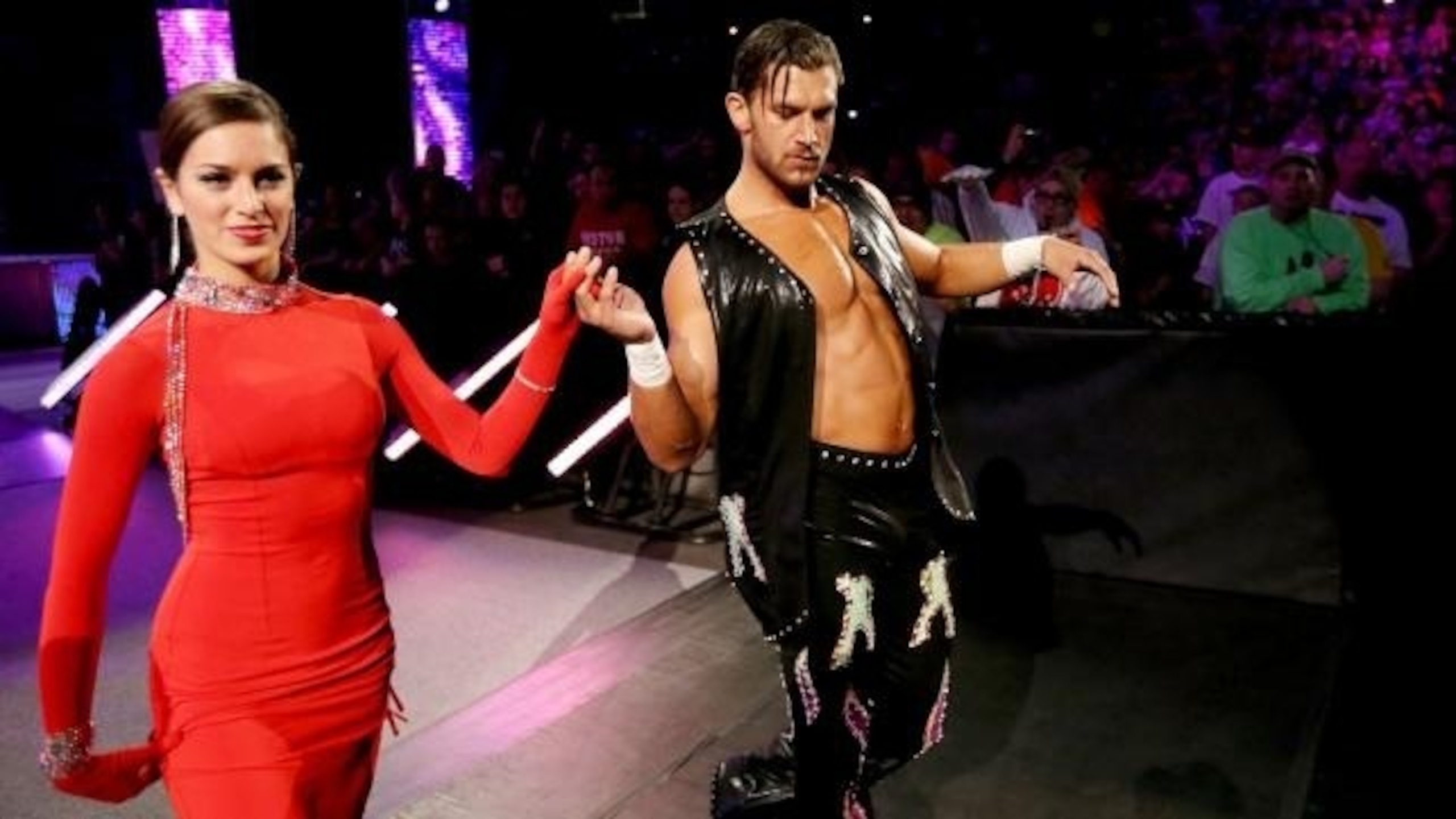
With so many hardened wrestling fans keen to enjoy every last moment of WrestleMania weekend, it is no surprise that the RAW taping the night after attracts a flood of fervent fans year after year. Held in the Izod Center, a mere stone’s throw from the MetLife Stadium that hosted WrestleMania 29, the 2013 edition was certainly no exception.
However, this crowd took audience participation to a whole new plateau. In addition to popping for the inevitable (Daniel Bryan, Dolph Ziggler, etc.) and booing the obvious (John Cena, Randy Orton), the New Jersey crowd managed to make a star out of a main stage newcomer through the sheer force of their support.
The Ballroom dancer-turned-wrestler Fandango, also known as Johnny Curtis from his time in NXT, had made his first in-ring appearance in a grudge match with Chris Jericho at WrestleMania the previous night. Defeating the former Undisputed Champion via a schoolboy roll-up, the debutant must have realised that WWE was setting him up for a significant push.
When he entered the RAW stage the next night for a match with Kofi Kingston, however, he would have had no idea that he would walk out of the ring as one of the brightest stars in pro wrestling. Throughout the match, and the remainder of the show for that matter, the RAW audience made it abundantly clear that Fandango was a new favourite.
With thousands of fans singing and dancing along to the music, the “Fandangoing” craze was born.
WWE wisely capitalised on this happy accident, and the next few weeks saw the coveted mainstream media, across the world, adopt Fandangoing in a variety of humorous ways. For example, animal rights group PETA used the craze in an online advertisement, while UK football team Everton used the superstar’s theme to welcome their players to the field for a Premier League game.
Somewhat inevitably, the furore was fairly short-lived but, as much as WWE likes to avoid the fact, the support for Fandango was a reminder that wrestling fans can make or break a performer in an instant. For a small while, New Jersey had made Fandango one of the brightest stars among the WWE roster.
10. Flair's Farewell
6 of 16
There is no better pro wrestling company than WWE when it comes to pomp and circumstance. WrestleMania, for instance, is renowned for being on a par with such events as the NFL’s Super Bowl in terms of extravagance. In fairness to McMahon and co., however, when a 30+ year in-ring career comes to an end, said grandiose celebrations are more than justified.
Ric Flair, the 16-time World Champion and genuine contender for best ever performer to lace up a pair of boots, bowed out of active competition in an exceptional Retirement Match with Shawn Michaels at WrestleMania XXIV. One of the more emotional matches you will see in the squared circle, Flair looked at the lights after the Sweet Chin Music, but not before Michaels could deliver one last message to his friend the Nature Boy—“I’m sorry, I love you.”
The following night on RAW, Flair addressed the Orlando crowd, and said goodbye to the both the WWE and the professional wrestling world. Joined by an all-star cast including the original members of the Four Horsemen and legendary adversaries such as Ricky “The Dragon” Steamboat, the farewell presentation was one of the most sentimental, and highly deserved, send-offs in the history of WWE programming.
Despite Flair’s reneging on the retirement promise during his less than flattering run with TNA between 2010 and 2012, Ric Flair’s goodbye was a fitting end to a career that had featured everything from 60-minute broadways with Ricky Morton in the NWA to the last ever WCW Nitro match with Sting. In fact, the off-the-air footage of Vince McMahon and the Undertaker breaking the kayfabe wall to pay tribute to the Nature Boy says it all.
09. The Next Big Thing Arrives
7 of 16
Owner/booker/manager extraordinaire Paul Heyman has sculptured a career out of nurturing raw talent. From Steve Austin to Tommy Dreamer, the former ECW mastermind has a reputation as being the go-to-guy in order to get a new performer over with wrestling crowds. The night after WrestleMania X8 in March 2002, in front of a rabid Canadian crowd fresh from such triumphs as Rock vs. Hogan, Heyman introduced his most significant apprentice yet.
The presence of Heyman on this occasion, however, was a mere footnote in terms of the bigger picture. The arrival of Brock Lesnar, Heyman’s new protégé and one of the most incredible athletes to ever compete in a WWE ring, signalled the dawning of a new era in the company. The Next Big Thing, whose first impressions could not have been stronger, would go on to rapidly climb the card as a monster heel, culminating in a King of the Ring tournament victory and a blockbuster clash with WWE Undisputed Champion The Rock at SummerSlam 2002.
Lesnar would win that much-anticipated contest and, in turn, become the youngest WWE Champion in history at the age of 25. In addition, the fact that his crowning moment came a mere six months after his emphatic debut is more than sufficient evidence to show that the Lesnar package took the company by storm.
The former NCAA Champion would help carry the company until his rather acrimonious departure in early 2004, and would count certain moments such as a WrestleMania main event opposite Kurt Angle and a stunning Hell in a Cell bout with the Undertaker as definitive highlights. Of course, his success would extend to the MMA scene and, while becoming one of the biggest draws in the sport’s history, Lesnar would defeat such names as Randy Couture en route to capturing the UFC Heavyweight title.
But all of that could not have happened without his first big moment on the main stage of WWE, and, indeed, neither could his return 10 years later.
08. Once in a Lifetime
8 of 16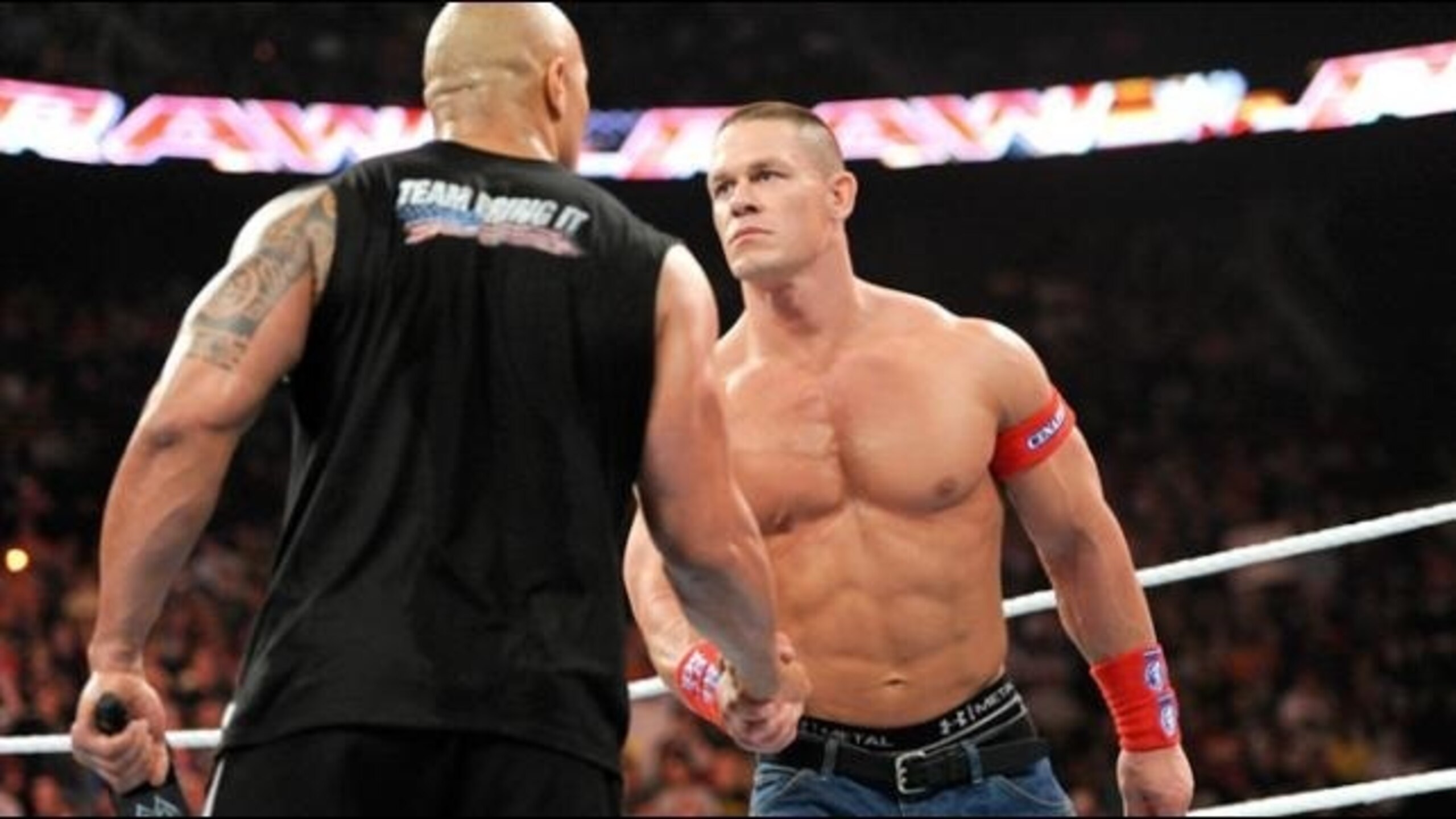
As difficult to picture as it is now, WrestleMania XXVII from Atlanta closed with The Miz emerging victorious over John Cena in their WWE Championship headliner with more than a little help from the special guest host, Dwayne “The Rock” Johnson.
The animosity between Cena and The Rock (often believed to be legitimate) can be traced back to several disparaging remarks featured in the UK newspaper The Sun in 2008. Attacking The Rock’s dedication to the business and his fans, the comments made by the notoriously buttoned up John Cena were surprisingly brutal, and raised many an eyebrow (pardon the pun) in the locker room.
As is often the case with The Rock, a rebuttal was inevitable, and that moment came at the 2008 Hall of Fame ceremony a number of weeks later, where upon inducting his father and grandfather, the Great One took a shot at Cena’s role in the dismal WWE Studios film The Marine in front of his friends, family, and peers.
With this one-upmanship escalating, the money-making cogs had to be turning in the mind of Vince McMahon. The Rock vs. John Cena would be a guaranteed money-spinner and, of course, with the involvement of a Hollywood movie star would come a mainstream interest that would normally be absent. And thus, in early 2011, The Rock made his return to the WWE to not only host that year’s WrestleMania, but to also set the groundwork for a marquee match, set to take place 12 months later, on RAW the next night.
The face-off on the post-WrestleMania XXVII edition of RAW was an entertaining segment that was effective in driving up anticipation for the Miami spectacle a whole year in advance. Responding to Cena’s challenge, The Rock agreed to step back into the ring for the first time in eight years for the main event of the 2012 Showcase of the Immortals.
Unfortunately, it is fair to note that the feud between The Rock and John Cena has been diluted to the point of apathy since this special moment in 2011, despite a thrilling showing at WrestleMania XXVIII. In fact, a number of fans will most likely remember the “Twice in a Lifetime” debacle at WrestleMania 29—an event where both men received a shower of boos in their not-exactly-anticipated rematch—first and foremost when considering the rivalry.
In that respect, it is easy to forget that at the time, this was massive. The Rock, a symbol of the celebrated Attitude Era, was returning to the ring to face the general of the current PG generation, John Cena, on the grandest stage in pro wrestling. For a small period at least, Rock vs. Cena was one of the most anticipated attractions in recent memory.
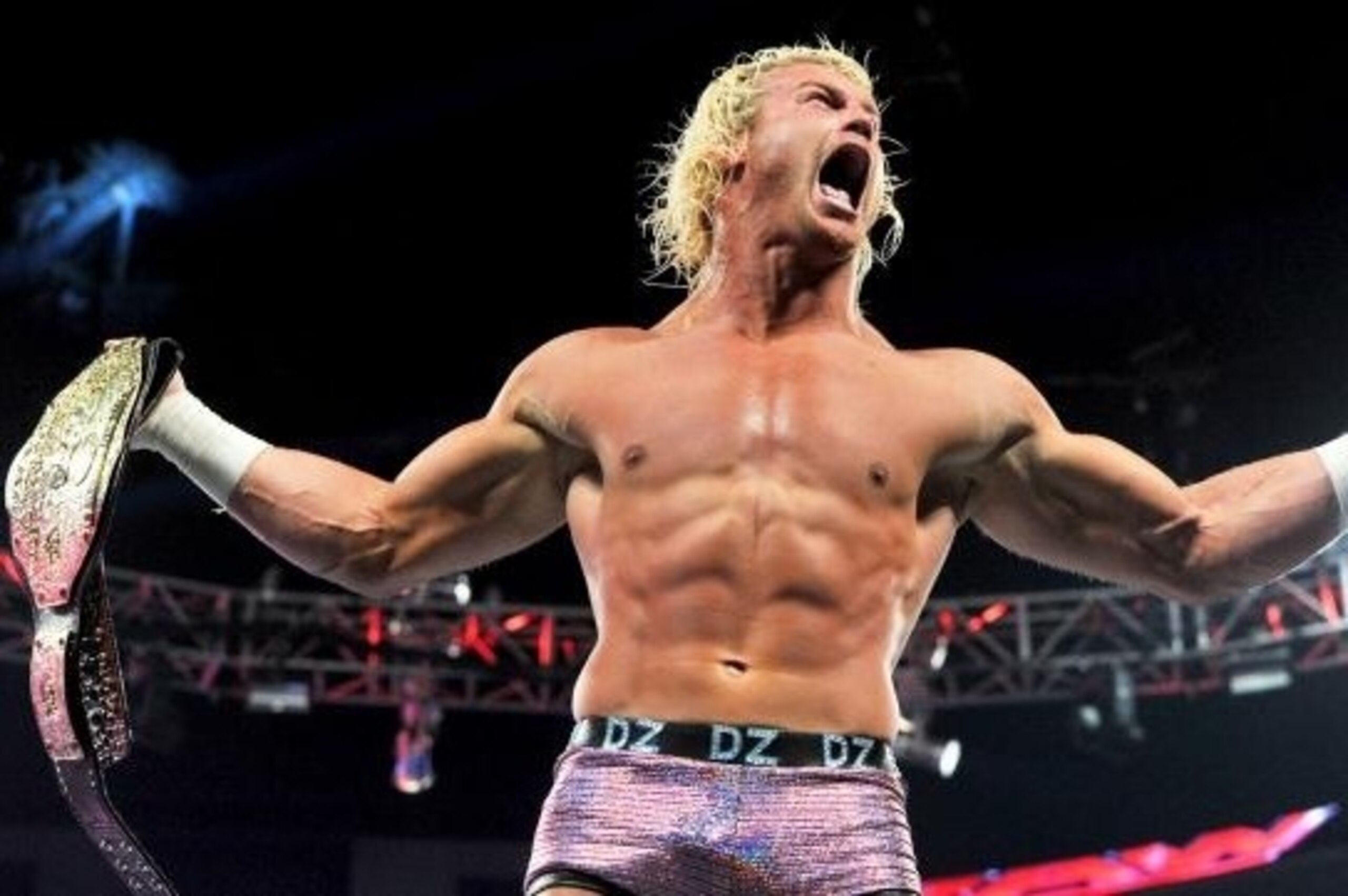
07. Ziggler shows the World
9 of 16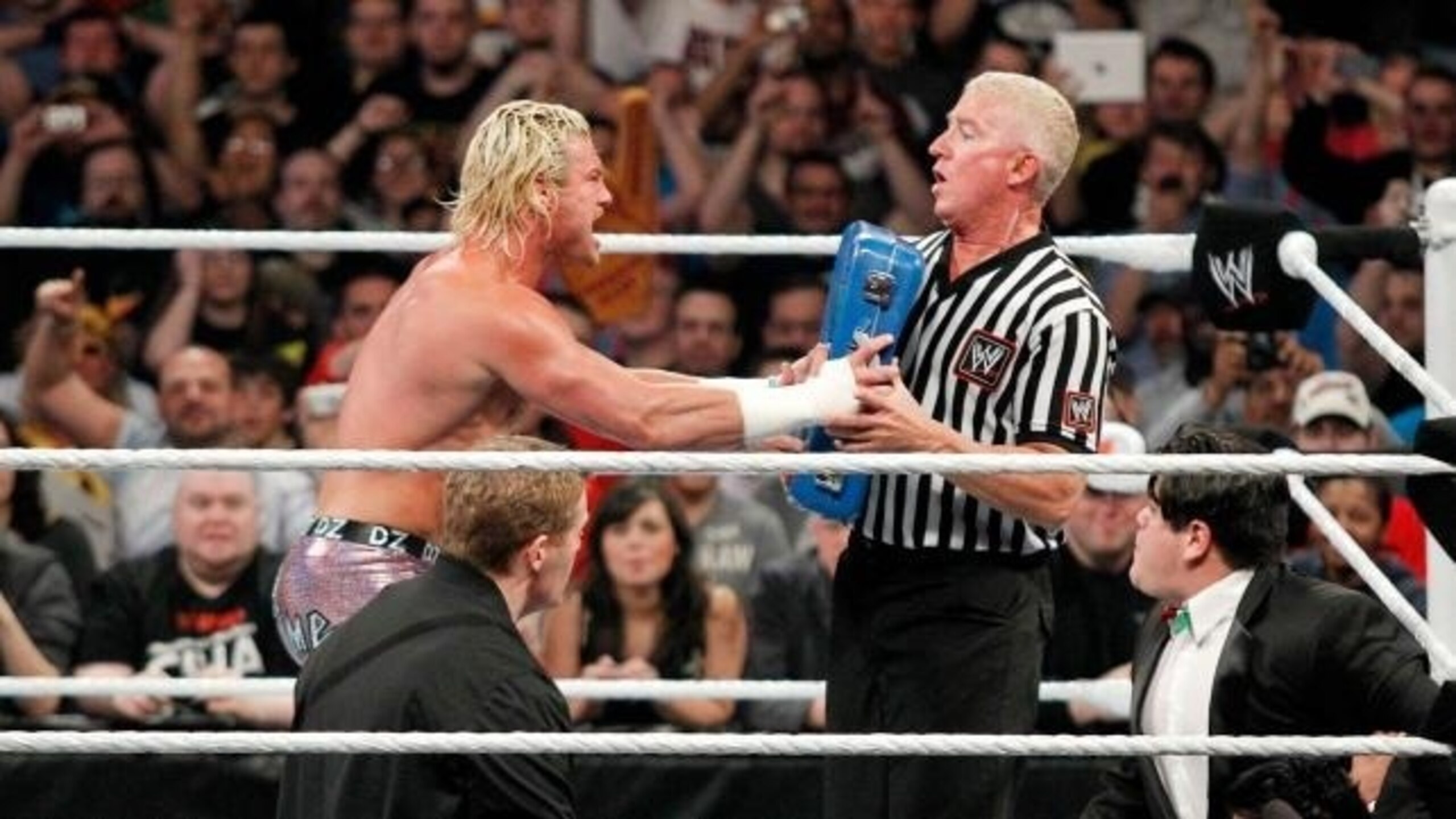
Prior to WrestleMania 29 in New Jersey, many seasoned fans were dispirited by the seemingly limited role that the incredibly talented Dolph Ziggler was portraying. An athletic, charismatic all-rounder with the amount of untold potential not seen since the likes of Mr. Perfect, Ziggler had been a victim of the start/stop booking treatment that has blighted WWE programming for several years. A prospective main eventer in late 2012, Ziggler was reduced to the tag team ranks by April 2013.
However, the situation changed dramatically on the April 8th episode of RAW.
Taking advantage of an injured Alberto Del Rio, Ziggler entered the Izod Center to a rapturous reaction from one of the most boisterous crowds ever seen at a WWE broadcast. The Show Off, flanked by lackeys Big E Langston and AJ Lee, proceeded to cash in his Money in the Bank contract that he had been acquired months earlier, and defeated Del Rio in a short but pleasing bout to become the new World Heavyweight Champion.
Refreshingly, Ziggler’s moment on the post-WrestleMania RAW represented an aspect that was notably missing from the supershow that occurred the night before. Ziggler’s big title win, as opposed to the underwhelming Lesnar vs. Triple H bout or the non-event that was Rock vs. Cena II, was a true WrestleMania moment. With Ziggler’s victory came a coming-of-age moment that smart fans would likely never forget, as one of their favourites had finally been rewarded for his talents with a heavyweight championship, a la Shawn Michaels at WrestleMania XII.
Ziggler’s resultant title reign was somewhat of a mixed bag, with the champion having a number of decent matches with the likes of Del Rio and Jack Swagger before the after effects of a legitimate concussion cut the run short at the Payback pay-per-view in June.
While the title victory is a moment that can never truly be tarnished, it is certainly a shame to see how far Dolph Ziggler has fallen down the pecking order in the year since. Heading into WrestleMania XXX, the man that was once tipped to be the next Shawn Michaels has struggled, for a variety of reasons, to fulfil the potential that singled him out from the mid-card pack originally.
06. The Heartbreak Kid leaves the Building
10 of 16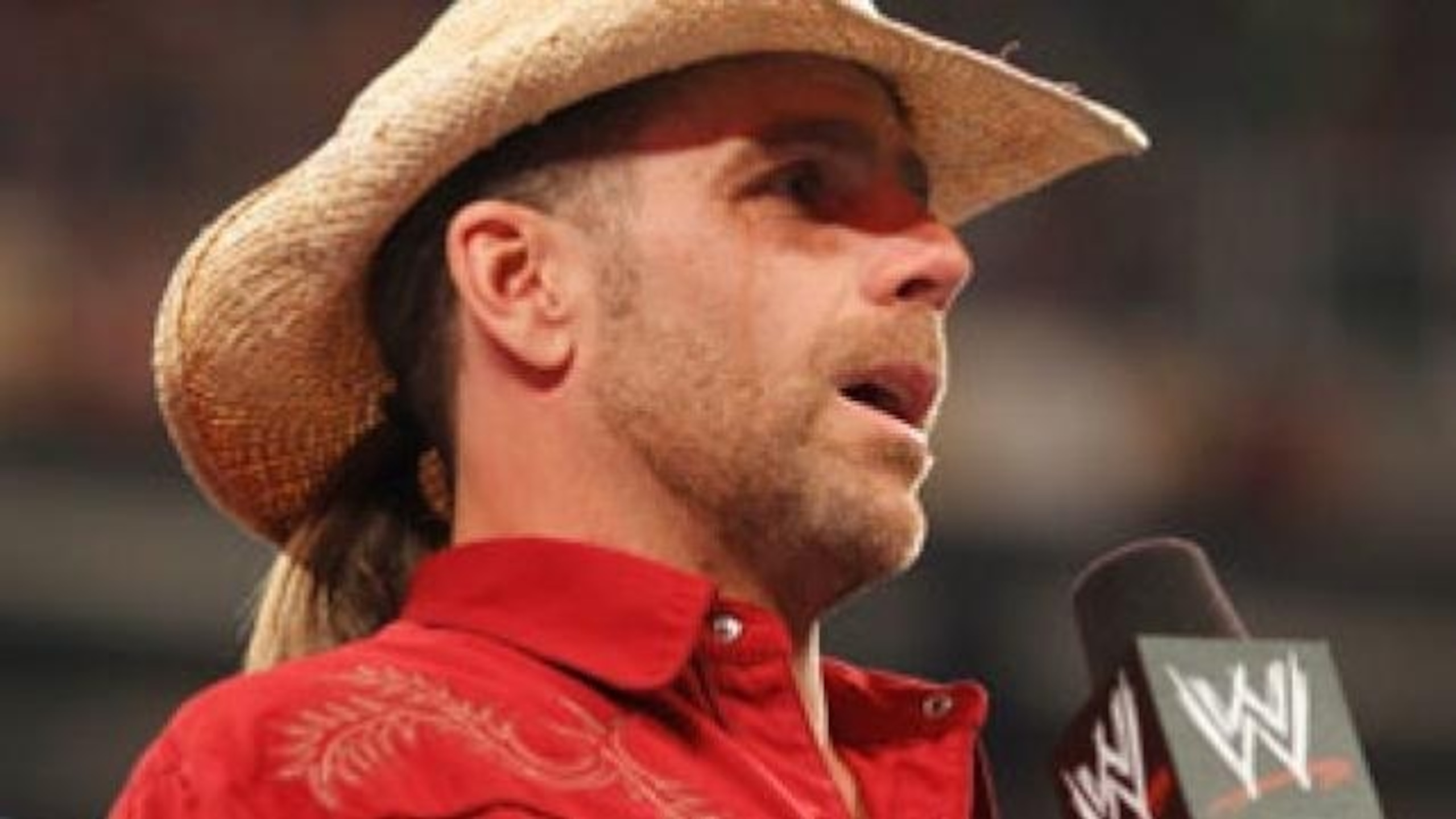
Shawn Michaels’ reputation left a lot to be desired for a significant chunk of his professional wrestling career.
Alongside the infamous “Kliq” that consisted of such known backstage politicians as Scott Hall and Kevin Nash, Michaels’ alleged prima donna attitude during the mid-to-late 90’s ticked off many and as good as the Heartbreak Kid was in the ring, a number of enemies were made throughout his days in the squared circle.
Jump forwards to the March 29th, 2010 taping of RAW, with Michaels stood alone, preparing to say goodbye to the crowd for the last time.
But this was not the HBK that many people in the business had once loathed. Here was a man that, unlike many in this turbulent profession, had managed to overcome a number of personal issues and build bridges with the people he had once been at loggerheads with. Indeed, Shawn Michaels had been to the bottom and had managed to rise to the top of the wrestling business once again. And that, in effect, was what made his goodbye so emotional.
Michaels’ remarkable comeback story came to a head the previous night at WrestleMania XXVI in Arizona, where the consequences of his enthralling loss to the Undertaker forced HBK, much like the Ric Flair match two years earlier, to leave the ring for good. His battle with the Deadman, now revered as one of the grandest bouts presented in a WWE ring, was the perfect swansong for Michaels’ glittering career, and the next night on RAW would be the stage for a most special farewell address.
In an industry where retirement gimmicks are often taken with a pinch of salt, what was significant about HBK’s goodbye speech was his insistence that he would keep his promise to the Undertaker and the fans—he truly would never compete again. Happily, despite a mini-heel turn in late 2013 that threatened to set up a match with former protégé Daniel Bryan, Michaels has remained true to his word, and for that he should be praised.
While we will most likely never see a performer quite like Shawn Michaels again, it is only fitting that his farewell was like most of his matches—unforgettable.
05. One becomes Two
11 of 16
When Vince McMahon and his creative team decided that Stone Cold Steve Austin’s anti-hero gimmick was in danger of becoming stale and that a change in direction was needed, the decision was made to turn the Rattlesnake—the biggest WWF babyface since the Hogan era—into a heel champion at the conclusion of WrestleMania X-Seven.
It seems laughable to the jaded fan of today, but the ending of the WWF Championship bout between Austin and The Rock at the seventeenth WrestleMania, the greatest WWF card ever staged, was truly shocking. Aligning himself with his former foe Vince McMahon in order to win the belt, the beloved Austin cemented his heel turn by turning his back on the fans in his home state of Texas.
The storyline heading into the next night on RAW centred upon The Rock demanding a return bout against Austin for the title that he was cheated out, and the match—to be held inside a steel cage -was made following an altercation involving McMahon and a Sharpshooter submission hold courtesy of the People’s Champion.
Inside the cage, The Rock and Austin registered another entertaining showing to their storied feud. Much like the events that happened the previous night, McMahon was heavily involved, and once again cheated The Rock, with the challenger having the championship won with a Rock Bottom, only for the WWF Chairman to knock out the referee. Austin and McMahon beat the bloodied Rock down, when the most unlikely of sources came storming to the ring to join them.
Super-heel Triple H, only a month removed from an excellent Three Stages of Hell match with Austin at the No Way Out pay-per-view, burst into the cage ready to confront his father-in-law and his new charge. Armed with his trademark sledgehammer, The Game looked poised to level the Rattlesnake, until a lightning-quick shift in direction saw the weapon strike The Rock.
Triple H and Stone Cold, once the most hated of rivals, were now working together.
The attack on The Rock, writing him out of storylines to aid his Hollywood obligations as part of The Mummy Returns, marked the birth of the Two Man Power Trip concept—Triple H and Austin, with McMahon pulling the strings. The team achieved success instantly (including a stint with the WWF, Intercontinental and Tag Team titles around their waists simultaneously) and entertained a number of thrilling feuds until Triple H’s infamous quad injury ended the storyline prematurely.
Although the turn of Stone Cold and subsequent alignment with McMahon and Helmsley turned out to be ill-advised due to lack of fan investment, this shocking RAW ending remains one of the most superbly executed segments in the show’s 20 year history.
04. The Genesis of D-Generation X
12 of 16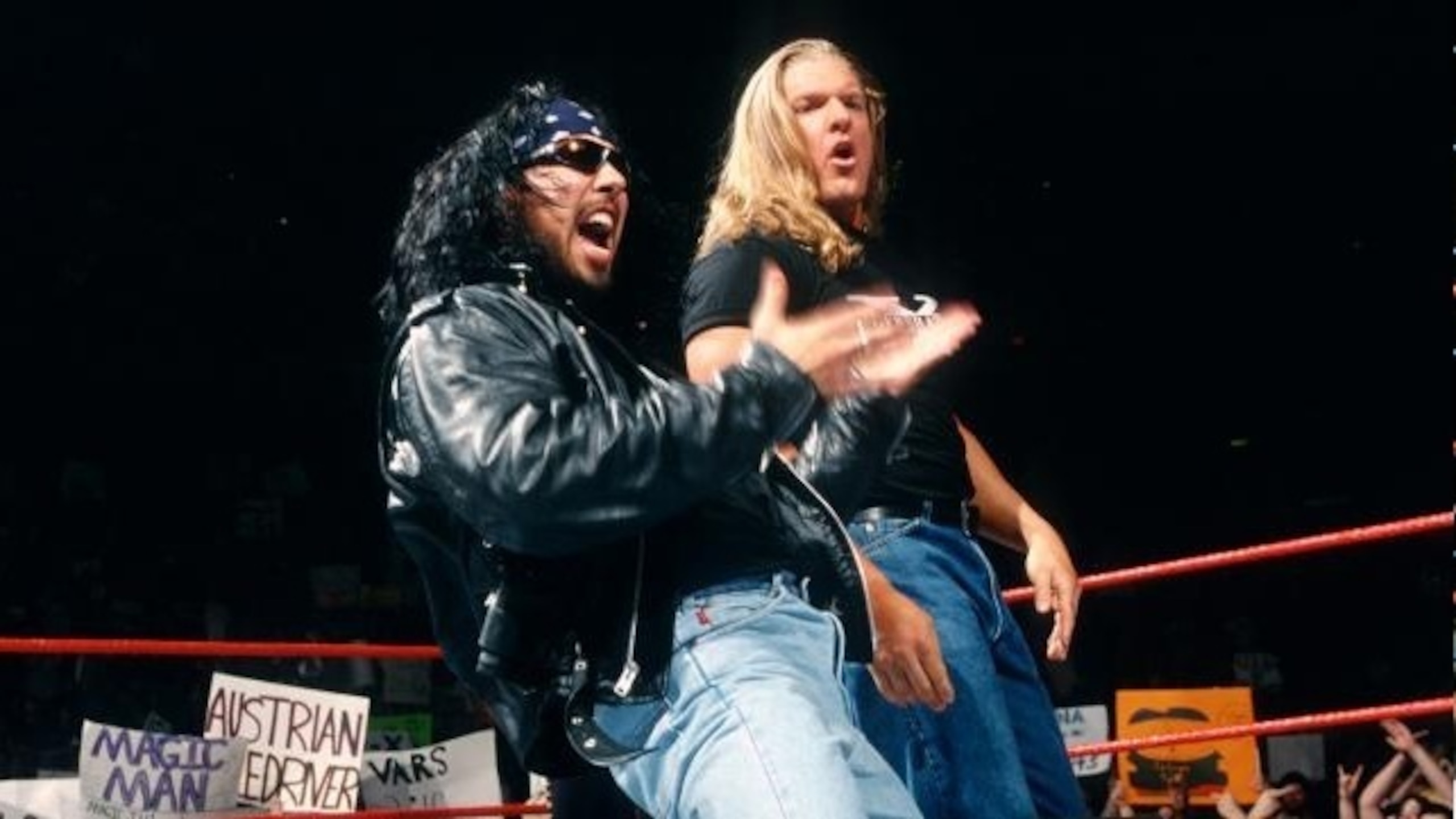
The Attitude Era version of the World Wrestling Federation was known to covet the idea of gang warfare within its product. Inspired by the success of WCW’s New World Order faction, the WWF introduced a number of stables from 1997 onwards, with notable groups such as the Nation of Domination and the Hart Foundation making up an essential part of the company’s roster.
One gang, however, really started to make strides when its leader and founding member was forced to take a sabbatical following 1998’s WrestleMania XIV.
When Stone Cold Steve Austin pinned Shawn Michaels’ shoulders to the mat in the main event of the supershow in Boston, not only did the WWF Championship change hands, but the innovative D-Generation X group looked to be over. Sophomoric, brash and, most importantly, hugely successful, the DX concept had already made headlines in the pro wrestling world, but with Michaels’ last match setting him up for an absence of over four years, the group was seemingly done.
The next night in New York, the remaining members of DX, Triple H and Chyna, teased a bombshell that was to change the face of the company, and the arguably the entire attitude of late 1990’s pro wrestling. After lambasting former leader Michaels for his inability to get the job done the night before, Helmsley revealed his plan to turn to The Kliq to form a DX army, and introduced his first acquisition.
Enter Sean Waltman, previously known to WWF audiences as The 1-2-3 Kid, but now going by the alias X-Pac.
Berating former employees WCW and Hulk Hogan and Eric Bischoff in particular, X-Pac delivered a remarkable promo that peeled back the curtain and revealed a plethora of inside information, an act that was still a shock in 1998. Whilst claiming, amongst other things, that the WCW regime was holding Scott Hall and Kevin Nash “hostage”, Pac announced the beginning of a new chapter in the DX story.
Not only did this segment reassure the audience that the D-Generation X idea would live on following the departure of the Heartbreak Kid, but also earmarked Triple H and X-Pac as performers to pay close attention to going forwards. Coupled with the dramatic addition of the New Age Outlaws to DX later in the night, this segment remains a cornerstone in the celebrated Attitude Era.
03. The Rock is Next
13 of 16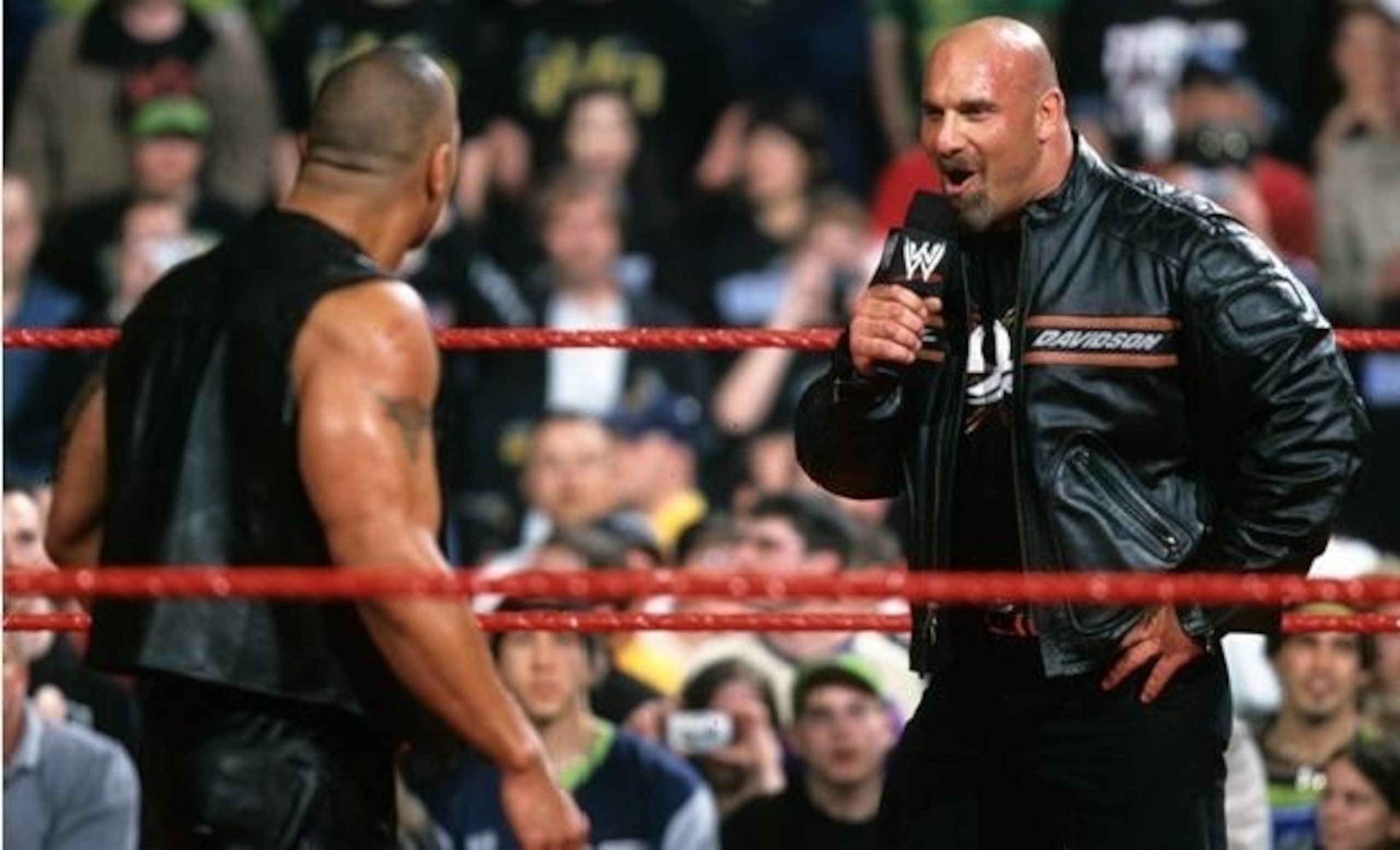
When World Championship Wrestling closed its doors for good in March 2001, a number of marquee performers decided to avoid signing with the WWF whilst sitting out their lucrative contracts with Time Warner.
By early 2003, however, the majority of former WCW headliners had made their way to New York and tried their hand at a stint in the newly christened WWE, with names such as Ric Flair, Scott Steiner and Rey Mysterio joining the company to much fanfare. On the post-WrestleMania XIX broadcast of Monday Night RAW, however, a performer that many believed would never make the jump made his first steps in a WWE ring.
Bill Goldberg, the former World Champion and one of the few truly home-made WCW stars, made his much-anticipated debut by interrupting the “Rock Appreciation Night”, a night designed to celebrate The Rock, in his Hollywood heel guise, and his monumental victory over Stone Cold Steve Austin at Safeco Field the previous evening.
When the Great One declared his intention to spite the fans by leaving the WWE, the familiar drones of Christian Poulet and Jean-Yves Rigo’s theme filled the arena, and Goldberg made his way from the backstage area to the ring in typical style. In this moment, two of the greatest performers from the Monday Night Wars stood face-to-face for the first time, hinting at the type of punch that the WCW/ECW Invasion angle from summer 2001 could have achieved had it managed to attract the right names.
Once in the ring, Goldberg simply stated that The Rock was next and, following a trademark Spear, the groundwork was set for a mammoth showdown between the two at the Backlash pay-per-view event four weeks later.
Unfortunately, the enthusiasm surrounding Goldberg’s debut could not last and, partly due to shoddy booking decisions, his WWE run lasted just one year and left a lot to be desired, despite a run as World Heavyweight Champion. In fact, Goldberg’s farewell bout—opposite Brock Lesnar, who was also departing the company, at WrestleMania XX in 2004—was a complete disaster, with both men being viciously taunted by the New York crowd throughout.
02. Here comes the Pain... Again
14 of 16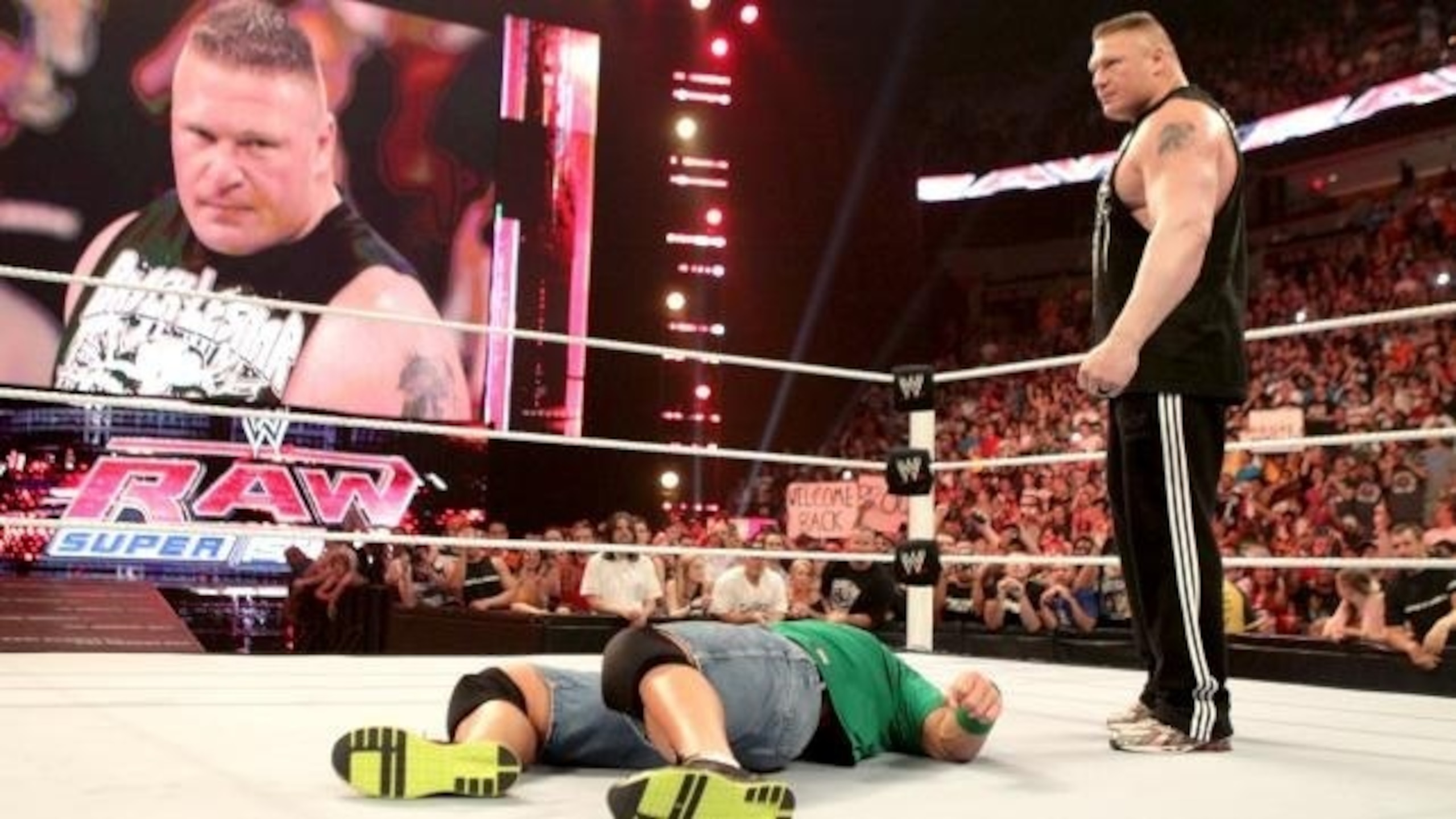
It is widely documented that wherever Brock Lesnar has gone, success has often followed. From his early days in NCAA amateur tournaments to his phenomenal MMA run with the UFC, Lesnar has invariably imposed his force on whatever endeavour he pursues.
In early 2004, this tradition continued as Lesnar was at the forefront of a WWE main event scene that was in a rapid transition. With The Rock and Steve Austin no longer involved and the likes of John Cena and Randy Orton yet to fully mature, the company had relied on Lesnar’s vast array of abilities to get talent such as Eddie Guerrero over with the fans as genuine headline material. At this point in WWE history, Brock Lesnar was a very important cog in the wheel.
Then, shortly before WrestleMania XX, he dropped the news that shook WWE, and the SmackDown brand in particular, to its very core: he was leaving the organisation.
A bitter legal struggle ensued, with both Lesnar and WWE battling it out over the nuances (specifically a no-compete clause) of the contract that had been agreed, and signed, by both sides. Understandably, relations soured to the point of no return (Lesnar even claims in his autobiography that his gigantic “sword to throat” tattoo was a direct response to the WWE’s treatment of him). Needless to say, by the end of the case in 2006, the bridge between Lesnar and Vince McMahon and co. was officially burnt.
So, when Lesnar strolled into Monday Night RAW the night after WrestleMania XXVIII to confront John Cena, many found it hard to believe their eyes. Speculation of a return had run wild since injury confirmed his departure from the MMA world in late 2011, but to actually see Lesnar back in a WWE ring was almost impossible to believe. The crowd in Miami absolutely erupted for the return of the Beast, and an F-5 to Cena solidified Lesnar’s return to the top.
Although Lesnar’s return to RAW was as triumphant as they come, his actual return to in-ring competition got off to a shaky start with the nonsensical loss to Cena at the Backlash event in April 2012. Happily, Lesnar has since returned to a stable grounding through entertaining programmes with Triple H and CM Punk, not to mention the recent ending of a certain undefeated streak.
01. Stone Cold chooses the hard way
15 of 16
Fan opinion is often divided on when the Attitude Era truly began. Some claim the period started in the aftermath of the Montreal Screwjob at the 1997 Survivor Series, while some trace the era back as far as King of the Ring 1996. For a definitive moment that symbolised a new generation in the World Wrestling Federation, however, look no further than Stone Cold Steve Austin’s monumental title victory at WrestleMania XIV.
Austin, the redneck anti-hero that struck a chord with the rebellious fans of the 1990’s, was absolutely white-hot as the leading babyface in the company by March 1998. The brawling, take-no-prisoners attitude of the Texas Rattlesnake instantly became a hit with audiences, and his famous altercation with boxing star Mike Tyson in January truly turned the tide in the vicious ratings war with World Championship Wrestling.
While Austin was the undeniable star of the show even prior to WrestleMania XIV, his true crowning moment came when a Stone Cold Stunner put heavyweight champion Shawn Michaels down for the three count. When Austin’s hand was raised by special guest enforcer Tyson, the WWF not only had a new champion, but a new face. As Jim Ross succinctly put it, the Austin Era had begun.
Questions surrounding Austin’s suitability as WWF Champion were answered emphatically on the next evening’s taping of Monday Night RAW. Presenting the new champion with a debuting “Winged Eagle” championship belt, Vince McMahon—still finding his feet as the tyrannical owner following the previous year’s Survivor Series event—congratulated Austin on his victory, but laid down the law in terms of who was in charge. Challenging Stone Cold to choose between doing business “the easy way or the hard way”, McMahon was attempting to reinforce the fact that he was the boss.
In an act that would become an instant trademark for the Rattlesnake, Austin responded with a Stunner to McMahon, a shocking moment that would define the business for years to come. The Austin vs. McMahon rivalry was officially underway, and the professional wrestling boom period was about to reach an unprecedented high.
Although Steve Austin’s run at the top only lasted until the early stages of 2002, it would be near impossible to find another performer who achieved more in the space of four short years. With Austin at the helm, the World Wrestling Federation took the industry mainstream. And it all began with this moment, the greatest segment to ever feature on a post-'Mania broadcast of RAW.
Summary
16 of 16
In the wake of WrestleMania XXX and the fall-out RAW, former WWE announcer Jim Ross took to Twitter to comment on his view of the current WWE landscape. Acknowledging that the scenery is changing, Ross simply stated that “new photos are being painted [with] vivid, new colours”.
It is indeed hard to argue his point. For example, this year’s post-WrestleMania RAW featured Daniel Bryan as the World Heavyweight Champion, Paige as the new Divas Champion, Cesaro as the new Paul Heyman apprentice, Bray Wyatt and The Shield stealing the show and a performer gloating about the fact that he had ended the Undertaker’s undefeated WrestleMania streak the night before. Undoubtedly, times have changed.
As the dawning of a new era sweeps across the WWE and its fans, the excitement is apparent for all to see. The events of WrestleMania XXX may not have transpired exactly how all fans had predicted, but it was a show that needed to make a statement of intent. And it did—just as older fans fondly remember Stone Cold Steve Austin’s mammoth title victory at WrestleMania XIV, today’s fan will never forget when their undeniable favourite, Daniel Bryan, won the big one.
The first RAW in the WrestleMania aftermath, in every year, always has and always will be a show that provides significant moments. The 14 historic events mentioned in this article are proof of just that. However, this year’s episode may have been the most important of all.
The message from the new WWE generation is clear: Laissez les bons temps rouler.
Thank you for reading!
What are your favourite moments from post-WrestleMania episodes of Monday Night RAW? Comments welcome below and on Twitter: @matthewtsquires
Matt Squires is a contributor to Bleacher Report, and has recently joined the writing team for the UK’s premier pro wrestling fanzine Calling Spots. Matt also covers other sports for websites such as The Metro and This Is Futbol. For more, please visit his personal website Matthew T Squires.

.jpg?w=2560 "Old Brady Vid Goes Viral 🐐")