NCAA Tournament 2014: Ranking All 68 Teams
The NCAA tournament's selection committee is supposed to seed the field based on a team's entire resume.
In these rankings, I throw out seeding. What matters is how teams are playing right now and who has the best shot at winning a national title.
Easy enough, right?
Not this year. Wichita State is undefeated but hasn't played anyone of note since December. Florida looks like the national-title favorite but plays in a weak SEC. Kansas has looked downright dominant at times with Joel Embiid, but will Andrew Wiggins carry his team far enough for the big man to ever play again?
As I look up and down these rankings, I could see teams in the 30s making a Final Four run.
Get ready for a crazy next three weeks.
All advanced stats, unless otherwise noted, come from kenpom.com.
68. Mount St. Mary's
1 of 68
By the Numbers
Taking away a win over Coppin State in the play-in game in 2008, Mount St. Mary's has played in three NCAA tournaments and lost each game by an average of 36 points.
Player to Watch: Rashad Whack
Whack, who started his career at George Mason, averages a team-best 17.7 points per game.
Bottom Line
The Mountaineers played an extremely tough nonconference schedule with road games at West Virginia, Villanova, BYU, Michigan State, Penn State and Texas Tech. That should help them handle the stage, but the results from those games aren't exactly encouraging. The closest loss out of that bunch was a 10-point setback at Penn State.
67. Cal Poly
2 of 68
By the Numbers
The Mustangs are the small-school version of Wisconsin. They play the fifth-slowest pace in the country and turn it over on only 14.8 percent of their possessions.
Player to Watch: Chris Eversley
Eversley leads Cal Poly in scoring (13.6 points per game) and rebounding (7.1).
Bottom Line
If the Mustangs can control pace, they may be able to at least keep the Round of 64 game close. They lost by only 11 in their season opener at Arizona.
66. Texas Southern
3 of 68
By the Numbers
Mike Davis found a star in Aaric Murray, and Murray has carried his team to an NCAA tourney bid. He takes nearly one-third of Texas Southern's shots when he's on the floor.
Player to Watch: Aaric Murray
Murray played at West Virginia last season and never lived up to his abilities. He then used the grad-school transfer rule to play right away at Texas Southern and has dominated at that level, averaging 21.2 points, 7.7 rebounds and 2.6 blocks per game.
Bottom Line
There's simply not enough talent around Murray to compete against big schools.

.jpg?w=2560)
.png?w=2560)
65. Coastal Carolina
4 of 68
By the Numbers
Cliff Ellis is taking his fourth school to the NCAA tournament.
Player to Watch: Elijah Wilson
The freshman guard attended the same high school as Michael Jordan. He leads the Chanticleers in scoring at 16.1 points per game.
Bottom Line
Ellis' last two teams made Sweet 16 runs, but that was at Auburn and Clemson. Coastal Carolina's best win this season was against St. Francis Brooklyn, ranked 202nd by Ken Pomeroy's ratings.
64. Wofford
5 of 68
By the Numbers
The Terriers average just 10.7 turnovers per game and have had only 20 giveaways in the last four games.
Player to Watch: Karl Cochran
The junior guard leads Wofford in scoring at 15.7 points per game and shoots 39.7 percent from deep.
Bottom Line
The Terriers played only two big-conference schools this season, losing by 20 at Georgia and 22 at Minnesota. Their stay in the tourney will be short and sweet.
63. Weber State
6 of 68
By the Numbers
Weber State has shot the ball better the last two seasons than when Damian Lillard was a senior. Randy Rahe's team shoots a lot of threes and knocks down 39.2 percent of them.
Player to Watch: Davion Berry
Berry took over the role of Weber State's go-to guy and has been a star the last two years. He averages 19.1 points and 4.0 assists.
Bottom Line
The Wildcats have a culture of winning, but this is their first trip to the Dance since 2007. They would have a better shot at winning with last year's 30-7 team that finished as the runner-up in the CollegeInsider.com Tournament.
62. Albany
7 of 68
By the Numbers
Albany got hot shooting the ball to win the America East tournament, knocking down 21 of 47 threes in the three games.
Player to Watch: Peter Hooley
Hooley averages 15.7 points and is the three-point marksman for the Great Danes. He made 12 of 23 treys in the America East tournament.
Bottom Line
The Great Danes finished fourth in America East. They're not advancing past the Round of 64, and after you see their jerseys, you'll be thankful for that.
61. American
8 of 68
By the Numbers
The Eagles play slow and take good shots. They're making 38.2 percent of their threes and an impressive 55.7 percent of their twos.
Player to Watch: Jesse Reed
Reed leads four players who average double figures at 13.9 points per game and shoots a team-best 46.8 percent from deep.
Bottom Line
Don't underestimate the Eagles. They're one of the best-shooting teams in the country, and the Patriot League usually represents itself well in the tournament. Last year, Bucknell led Butler much of the way in the Round of 64, and Lehigh knocked off Duke two years ago.
60. Eastern Kentucky
9 of 68
By the Numbers
The Colonels have six players who shoot better than 37 percent from the arc. Much like Belmont, the team the Colonels upset to win the Ohio Valley, they can spread the floor with shooters.
Player to Watch: Glenn Cosey
The senior point guard averages 18.8 points and 4.2 assists per game.
Bottom Line
One reason the Colonels could at least keep the game close is Cosey. He had 17 points in a three-point overtime loss at VCU earlier this year, a game that proves Eastern Kentucky can hang with more talented teams.
59. Milwaukee
10 of 68
By the Numbers
Milwaukee is 12-2 when leading scorer Jordan Aaron scores at least 15 points.
Player to Watch: Jordan Aaron
Aaron returned from a four-game suspension and averaged 20.5 points in the Horizon League tournament.
Bottom Line
The Panthers went 7-9 in the Horizon League and pulled off the huge upset of Green Bay in the semis to get here. In other words, they're just happy to still be playing.
58. Mercer
11 of 68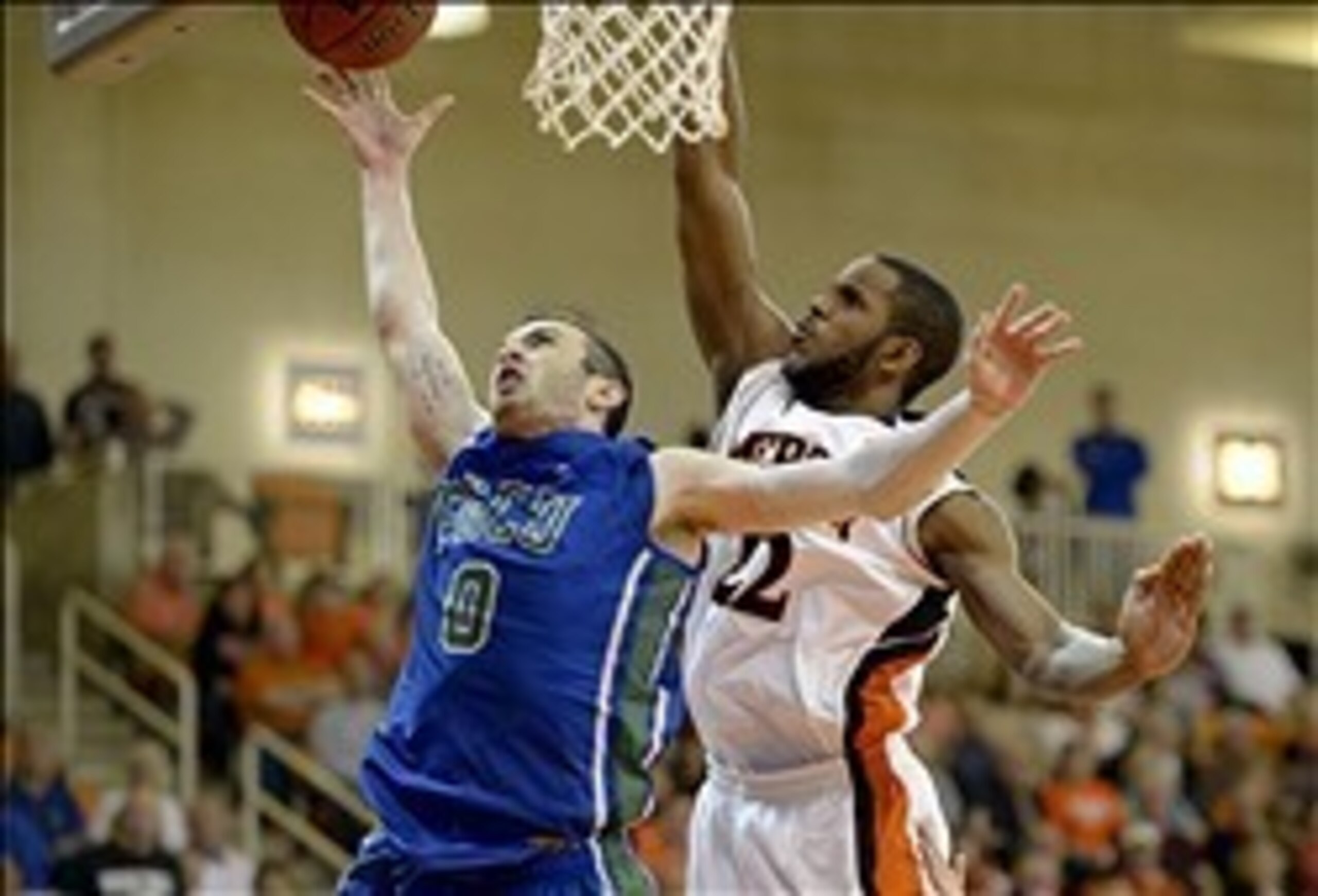
By the Numbers
Mercer was the favorite to make it out of the Atlantic Sun last year—not Florida Gulf Coast. The Bears look nothing like Dunk City, depending on threes (38.4 percent) instead of high-percentage shots from the interior.
Player to Watch: Langston Hall
The senior point guard averages 14.7 points and 5.6 assists.
Bottom Line
Hard to say the team that knocked off Florida Gulf Coast in the A-Sun final on Dunk City's home court doesn't have a chance.
57. Louisiana-Lafayette
12 of 68
By the Numbers
The Ragin' Cajuns rely a lot on inside-outside duo Elfrid Payton and Shawn Long. They combine for 38 points per game and use 58 percent of Lafayette's possessions when they're in the game.
Player to Watch: Elfrid Payton
Payton was one of the best players for the United States Under-19 team last summer. He looked like a pro in those games and has built off that this season, filling up the stat sheet with 19.1 points, 5.9 rebounds, 6.0 assists and 2.3 steals per game.
Bottom Line
The Ragin' Cajuns struggle against bigger teams. Louisville hung 113 points on them earlier this year, and Montrezl Harrell scored 20 points on 9-of-10 shooting.
56. Western Michigan
13 of 68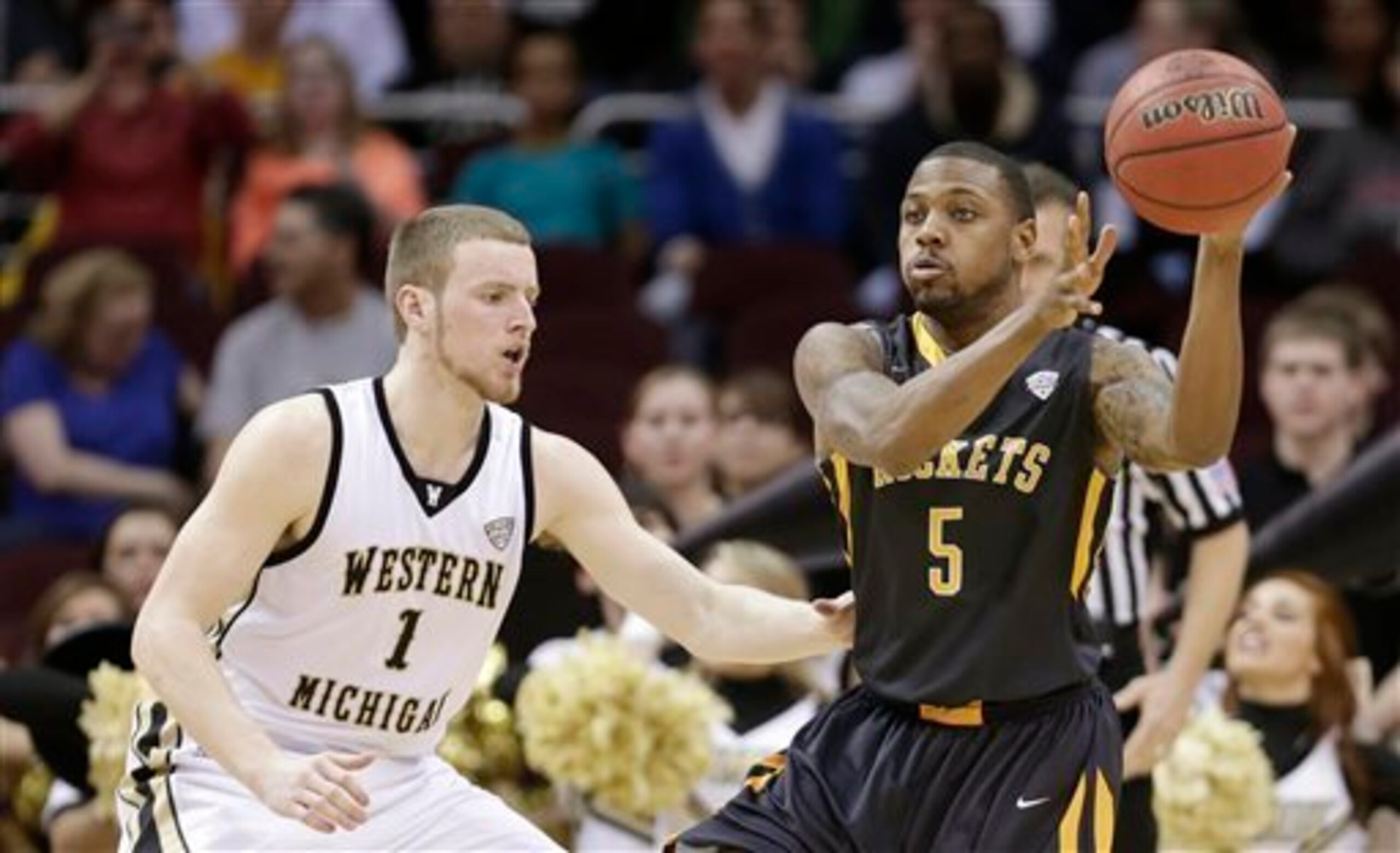
By the Numbers
Western Michigan has made nearly as many free throws (605) as its opponents have shot (634).
Player to Watch: David Brown
Brown is a high-volume shooter who produces. He averages 19.4 points per game.
Bottom Line
The Broncos could be a decent upset pick, as the MAC was strong this year and they tied with Toledo for the conference title.
55. New Mexico State
14 of 68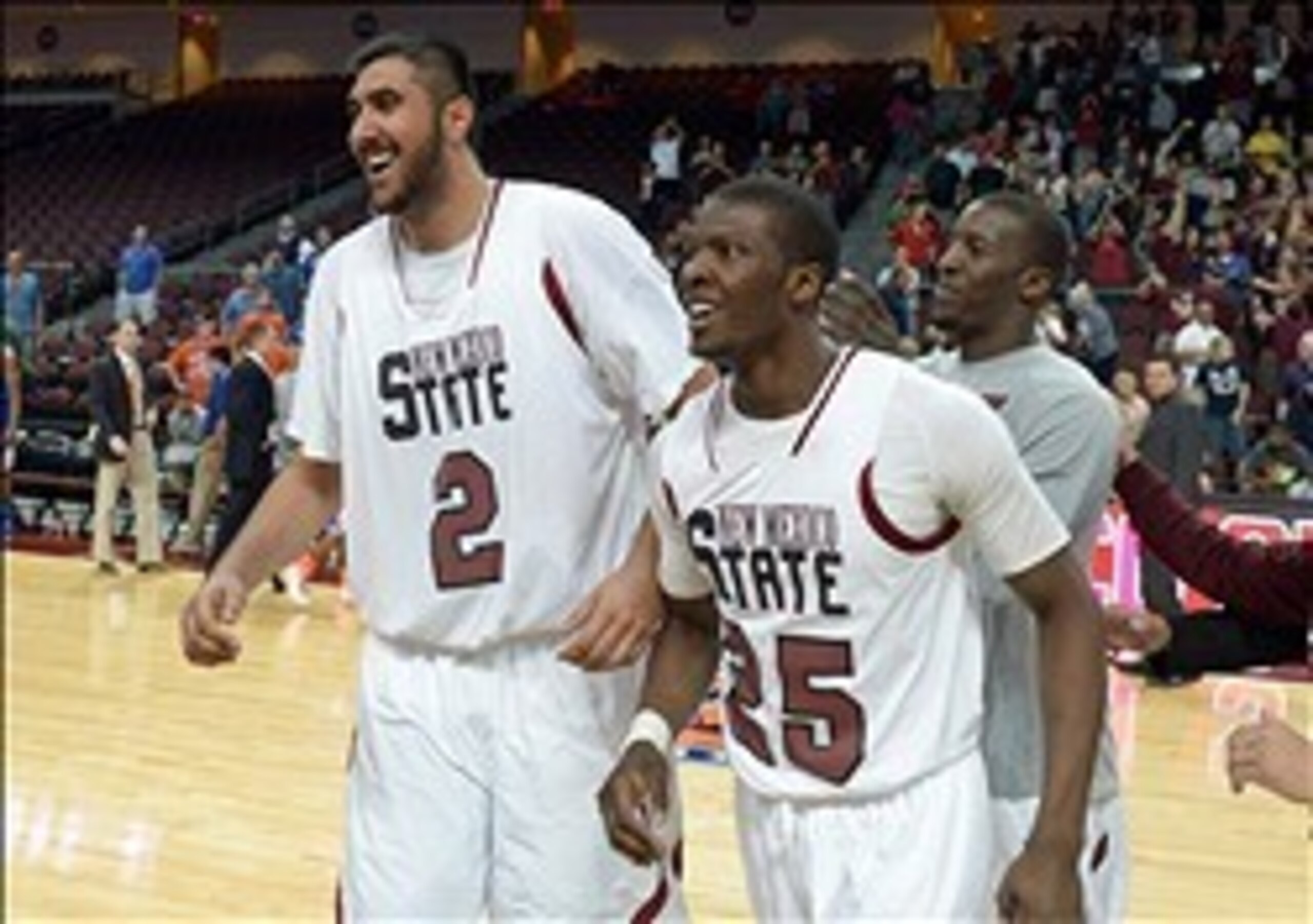
By the Numbers
The Aggies do most of their scoring in the paint with three players no shorter than 6'10", including 7'5" Sim Bhullar. They also get to the line often, averaging 28.8 attempts per game.
Player to Watch: Daniel Mullings
Mullings is the team's leading scorer and has also taken on point guard responsibilities since K.C. Ross-Miller was suspended for his role in the brawl at Utah Valley.
Bottom Line
The Aggies are a tough matchup with their size inside. They've also played in two straight NCAA tournaments but have yet to win.
54. North Carolina Central
15 of 68
By the Numbers
The Eagles are tough to score against in slow-paced games. They rank second nationally in points allowed per possession in the half court (0.74), according to Synergy Sports Technology (subscription required).
Player to Watch: Jeremy Ingram
Ingram averages 20.6 points per game, and he's proved he can score against top competition. He dropped 27 points in the season opener at Cincinnati and 37 points at Wichita State back in December.
Bottom Line
With Ingram and that defense, the Eagles are a tough out as a low seed. They won at North Carolina State this year and made it respectable against Cincy (losing by 13) and Wichita State (losing by 11).
53. Delaware
16 of 68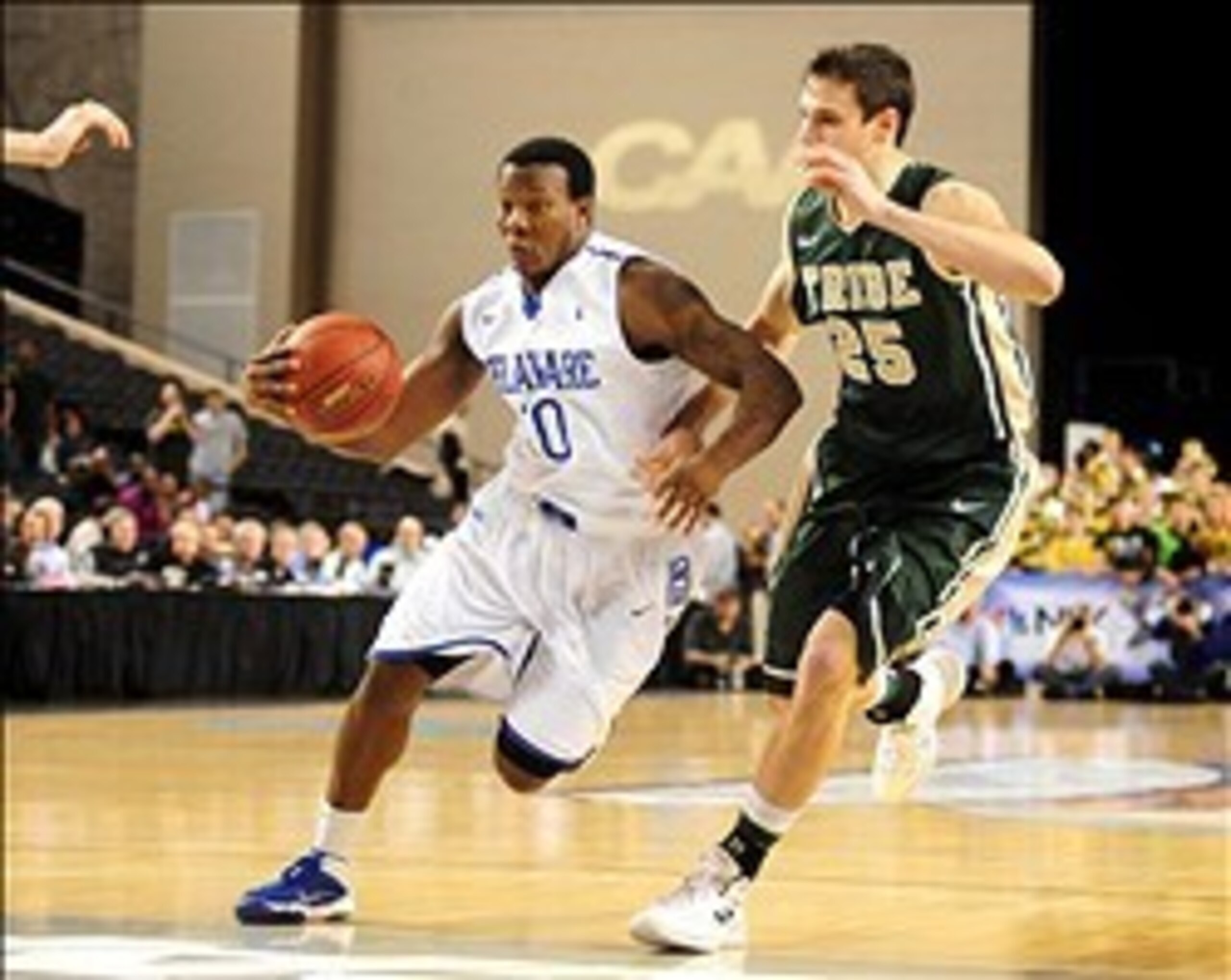
By the Numbers
The Blue Hens play the 10th-fastest tempo in the country and have five players averaging double-figure scoring.
Player to Watch: Devon Saddler
The All-CAA first-team selection averages 19.7 points and 3.6 assists per game.
Bottom Line
Looking for a Florida Gulf Coast? Last year, the Eagles proved they could play with the big boys by upsetting Miami. This season, Delaware hung with Villanova (losing by four), Notre Dame (losing by five) and Ohio State (losing by 12). Like FGCU, the Blue Hens also try to push the pace.
52. Manhattan
17 of 68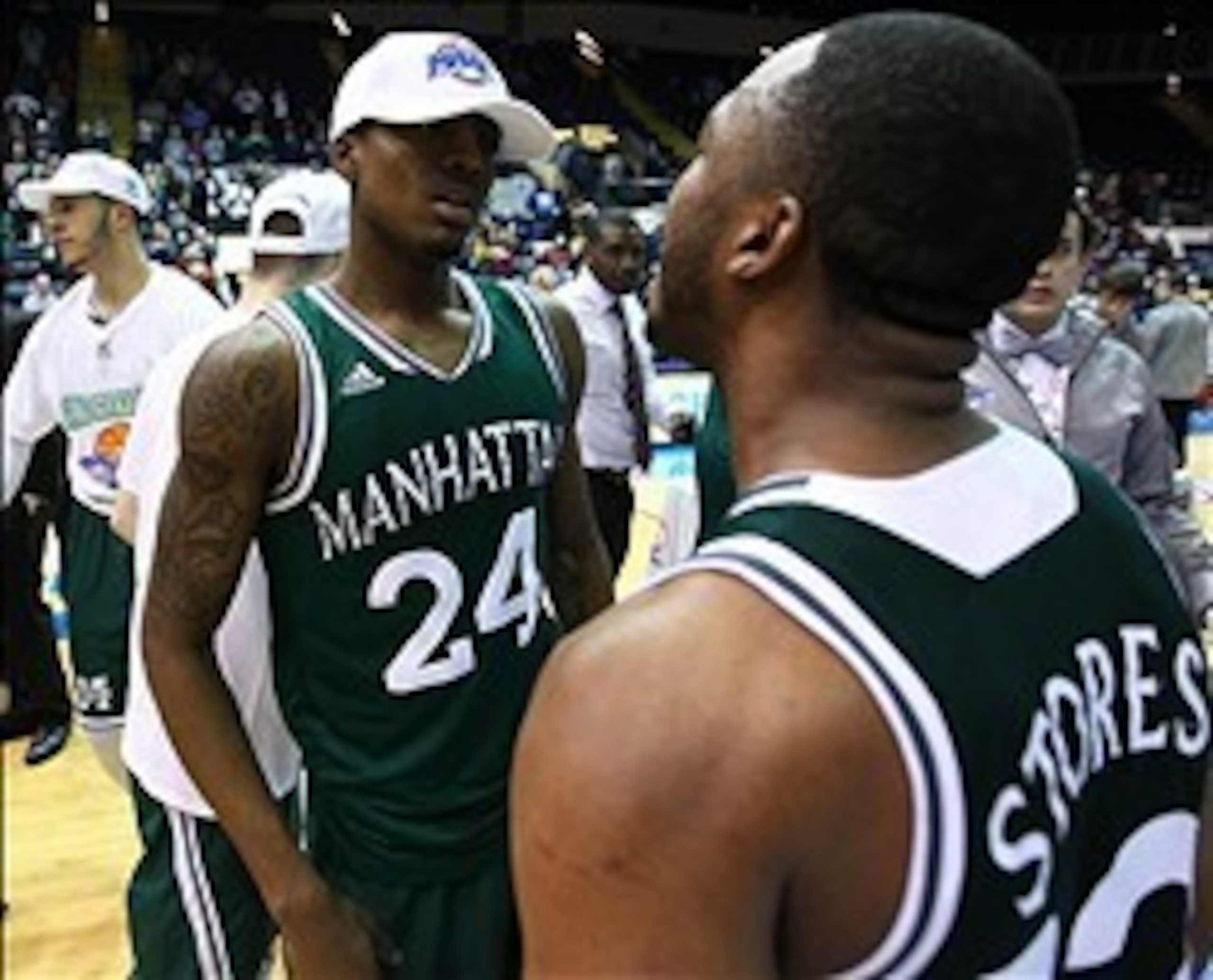
By the Numbers
The Jaspers attempt 31.2 free throws per game but rank just 283rd nationally in free-throw rate.
Player to Watch: George Beamon
Manhattan's leading scorer at 19.2 points per game is the guy who gets to the line most often. That's a good thing, as he shoots a team-best 82.7 percent at the stripe.
Bottom Line
There will likely be a renewed emphasis on the new rules regarding physical contact in the tournament, and that could make the Jaspers a decent upset pick.
51. Colorado
18 of 68
By the Numbers
The Buffs do not foul and do not give up many second-chance opportunities. They rank seventh nationally in offensive rebounding percentage.
Player to Watch: Askia Booker
Without Spencer Dinwiddie, Booker has had to shoulder much more of the scoring load. He takes 30 percent of CU's shots when he's on the floor.
Bottom Line
The Buffs wouldn't be in the tournament without the success they had before Dinwiddie was lost for the season, and without Dinwiddie, they're not good enough to go far in the tourney.
50. Tulsa
19 of 68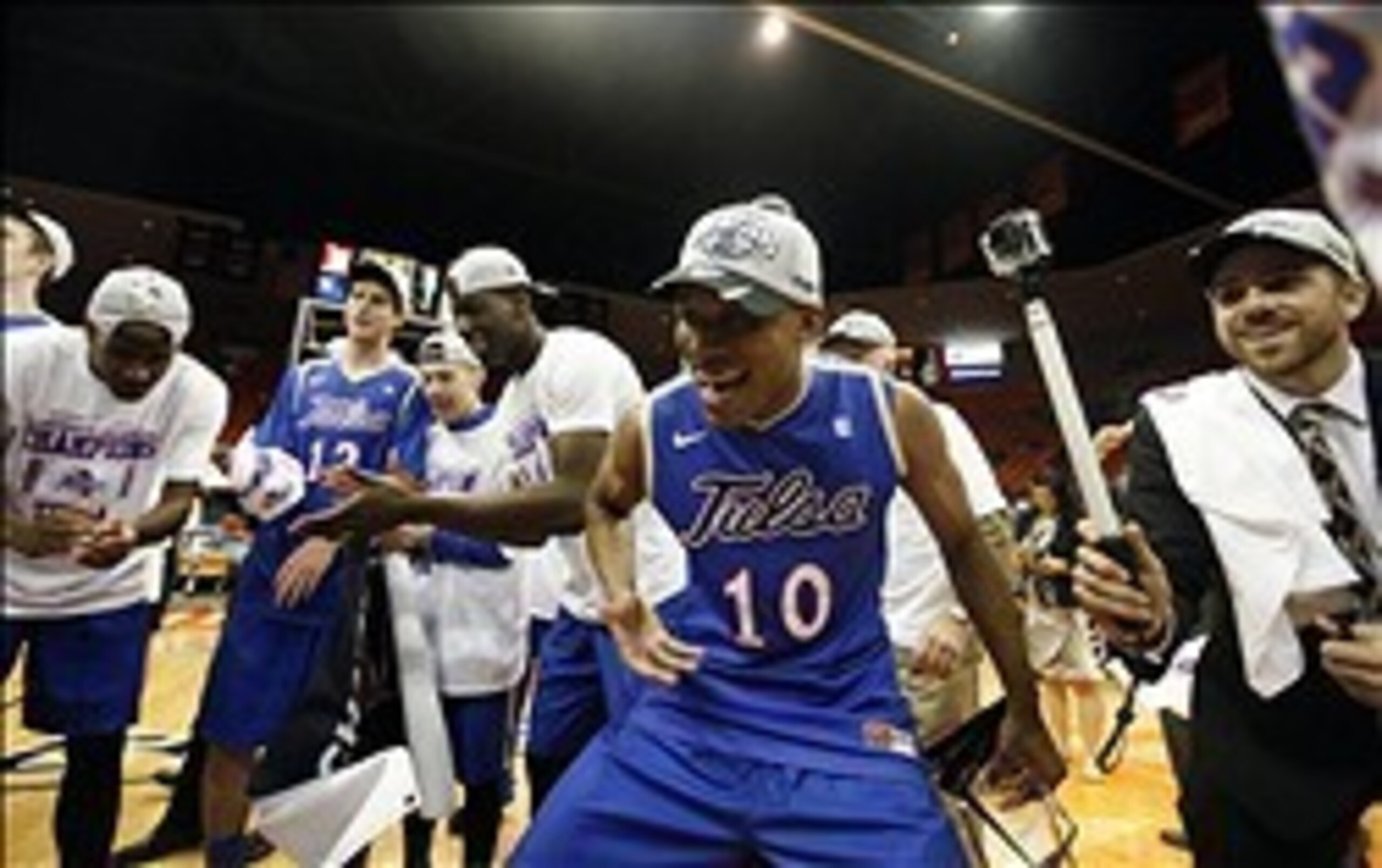
By the Numbers
Danny Manning comes from the school of Bill Self, and his Golden Hurricane are even better than Self's Kansas Jayhawks on the defensive end this year. They've gotten better as the season has progressed, and like Self's teams, the Hurricane are best defending inside the arc. They held C-USA opponents to 41.8 percent shooting from two-point range.
Player to Watch: James Woodard
Woodard, the brother of Oklahoma guard Jordan Woodard, averages 15.7 points per game. It's important that he hits shots, as he's the only Tulsa player in the rotation shooting better than 35 percent outside the arc—he's at 38.9 percent.
Bottom Line
Confidence is key this time of year, especially for a young team; Manning plays seven sophomores in his rotation. The Golden Hurricane should have it, entering the tourney on an 11-game winning streak. There is reason to be skeptical, however, as Tulsa did not play a team ranked in the RPI Top 50 during that stretch.
49. Xavier
20 of 68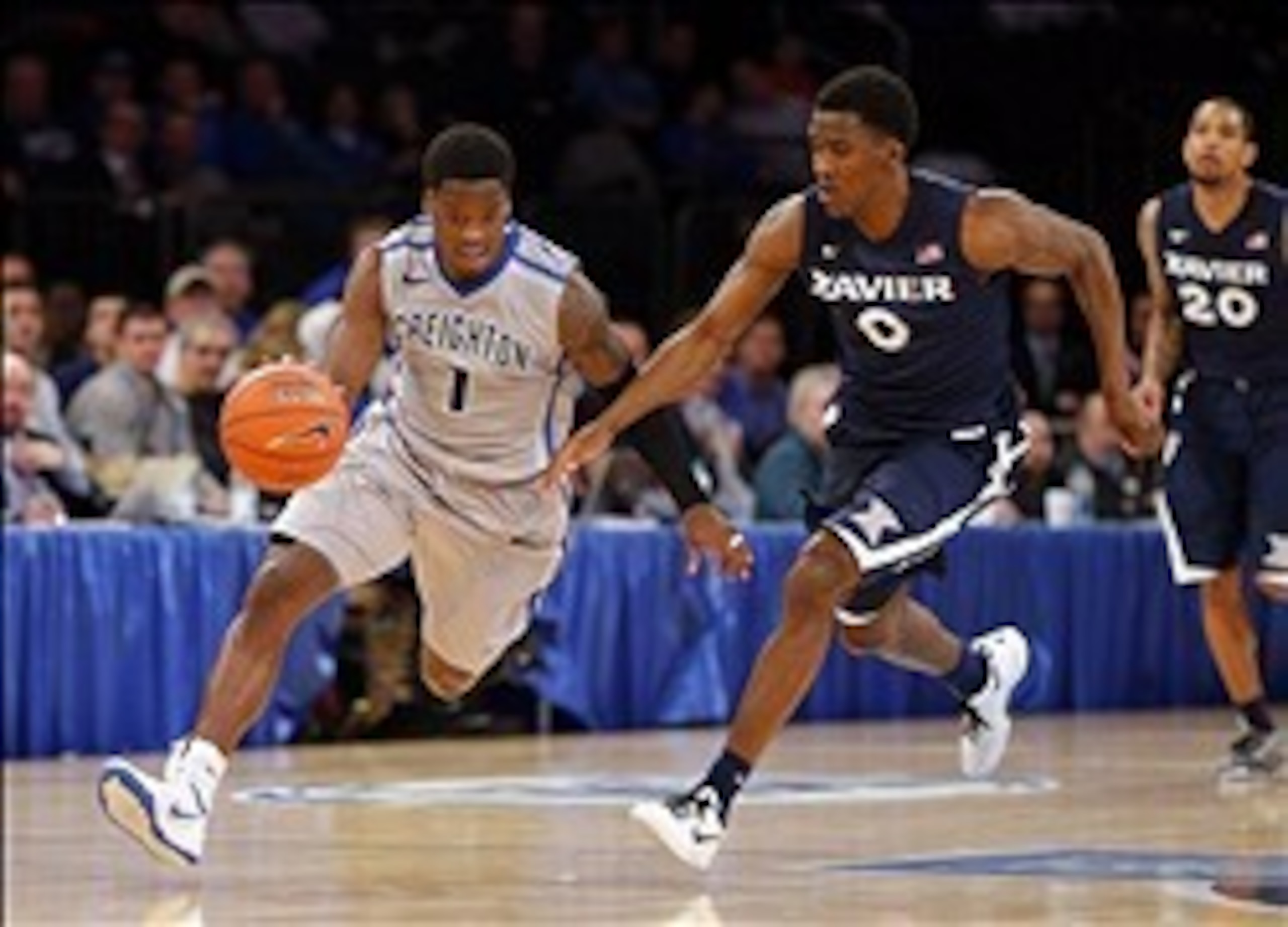
By the Numbers
Xavier has made three Sweet 16s and an Elite Eight since 2008. Only once during that stretch (2011) have the Musketeers made the tourney and not won at least one game.
Player to Watch: Semaj Christon
Christon is an NBA prospect at point guard and extremely difficult to keep out of the paint. He averages 17.1 points and 4.2 assists per game.
Bottom Line
Even with Christon, Xavier is not as talented as the previous teams that have had tourney success. Advancing past the Round of 64 would be considered a success.
48. BYU
21 of 68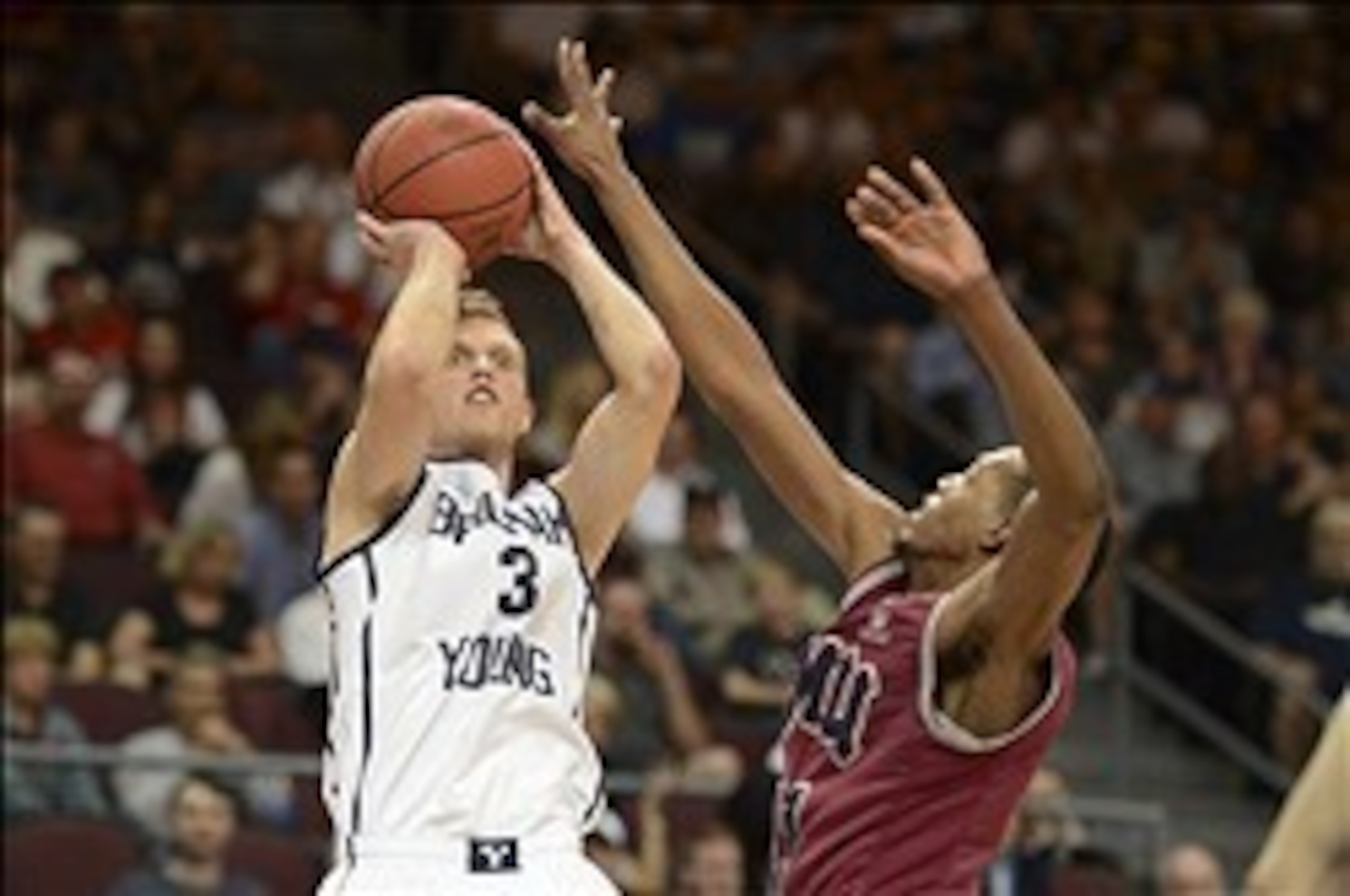
By the Numbers
The Cougars try to play at a break-neck pace and have had mixed results against good teams. In their 10 games with opponents ranked in the top 51 by kenpom.com, they are 3-7 and have allowed 86 points per game.
Player to Watch: Tyler Haws
Haws is a clever scorer and thrives in the mid-range. He averages 23.4 points per game.
Bottom Line
BYU doesn't play good enough defense to get far in the tournament. It's also going to be without second-leading scorer Kyle Collinsworth.
47. North Dakota State
22 of 68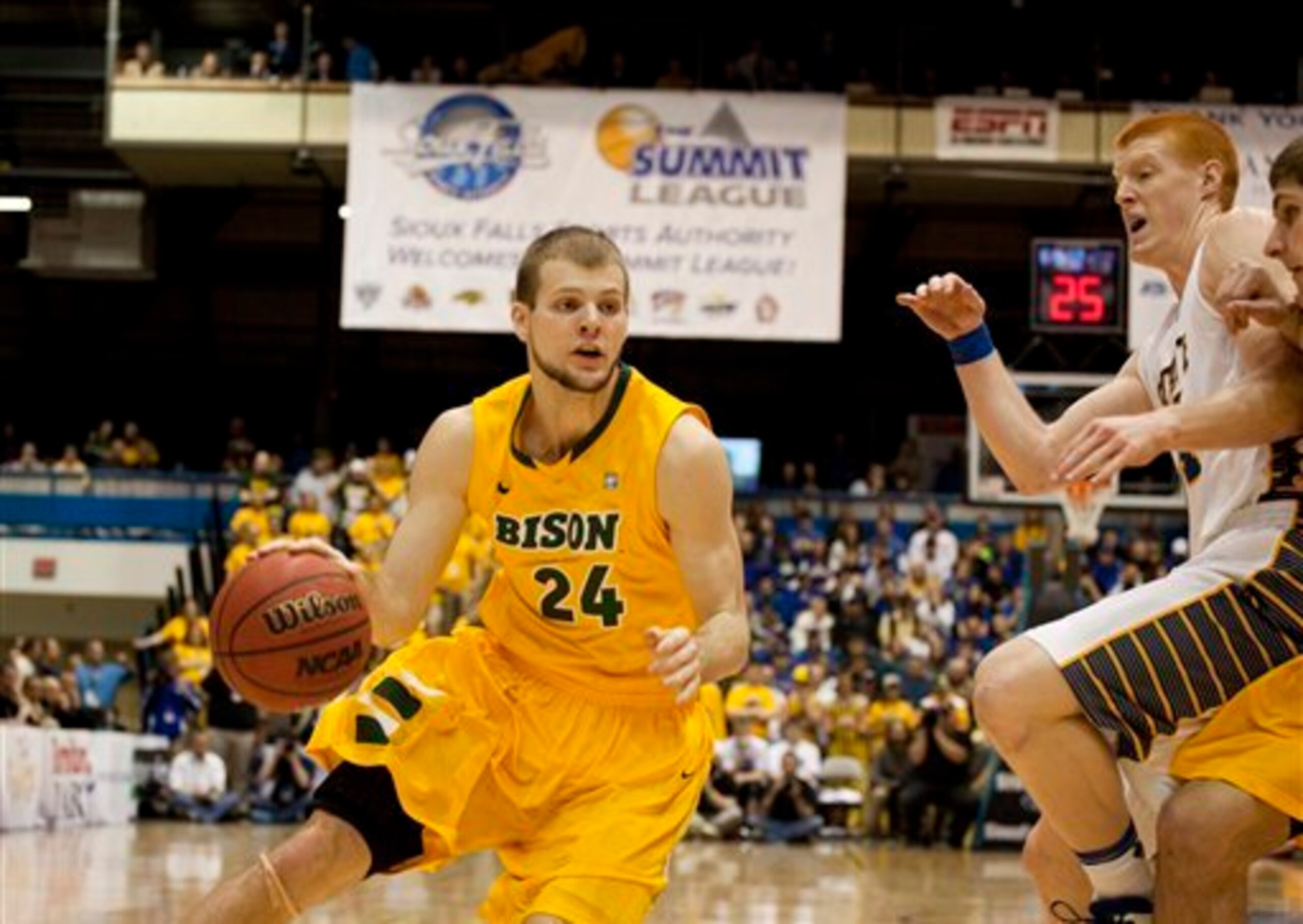
By the Numbers
Against most teams, the goal should be to prevent good looks at the rim and beyond the arc. Not against the Bison. They make 44.9 percent of their two-point jumpers, second-best in the country, according to Hoop-Math.com.
Player to Watch: Taylor Braun
Braun is a big guard at 6'7" who can shoot it from deep (44.1 percent) and attack off the bounce. He averages 18.2 points per game and also leads his team in assists (3.9 per game).
Bottom Line
Braun could start for just about any team in the country, similar to former South Dakota State guard Nate Wolters. The Bison have a win over a major-conference school (Notre Dame) and aren't a bad upset pick in the Round of 64.
46. George Washington
23 of 68
By the Numbers
George Washington has five players who have attempted more than 100 free throws. The Colonials have made 126 more freebies than their opponents.
Player to Watch: Isaiah Armwood
Armwood is one of the best defenders in the country. Want proof? He held Doug McDermott to seven points on 2-of-12 shooting, the only time all season McDermott scored less than 14 points.
Bottom Line
The Colonials played a tough schedule and went 11-8 against the RPI Top 100 and 3-3 against the RPI Top 25. Will they go far? Probably not. But they will not be fazed by the competition.
45. Stephen F. Austin
24 of 68
By The Numbers
The Lumberjacks have won 28 straight games under first-year head coach Brad Underwood, who had been an assistant under Frank Martin. Like Martin's teams, the Lumberjacks hit the offensive glass hard, recovering 38.5 percent of their misses, and force a lot of turnovers—opponents give it away on 24.4 percent of their possessions.
Player to Watch: Jacob Parker
Parker is an efficient scorer, averaging 14.2 points on only 9.2 field-goal attempts per game.
Bottom Line
The Lumberjacks are a difficult team to prepare for because Underwood runs Johnny Orr's pinch-post offense, an offense that few teams employ, and it's difficult to simulate their defensive pressure in practice. They played a weak schedule, but no one wants to face a team capable of winning 28 straight games.
44. Providence
25 of 68
By the Numbers
It's impressive Providence won three straight games in three straight days this past week at the Big East tourney. Ed Cooley plays only six guys, and his starters all log more than 30 minutes per game.
Player to Watch: Bryce Cotton
Cotton might be the most well-conditioned player in the country. He plays an NCAA-high 39.9 minutes per game and is a large part of everything Providence does. He averages 21.4 points and 5.8 assists.
Bottom Line
The Friars don't exactly pass the eye test, but they did just win the Big East tournament. If they win more than a game in the NCAA tourney, I'll be surprised.
43. Stanford
26 of 68
By the Numbers
Stanford is 15-0 when finishing on the positive side of assist-to-turnover ratio.
Player to Watch: Chasson Randle
Randle averages 18.7 points per game, and he's an excellent spot-up shooter.
Bottom Line
Two years ago, the core of this team won the NIT. After missing the tournament when it was expected last year, just getting there for the first time under Johnny Dawkins could be considered a success. The Cardinal could maybe win a game, but they struggle against more talented teams—as evidenced by going 1-4 against UCLA and Arizona and losing by 25 in the Pac-12 semis to the Bruins.
42. Dayton
27 of 68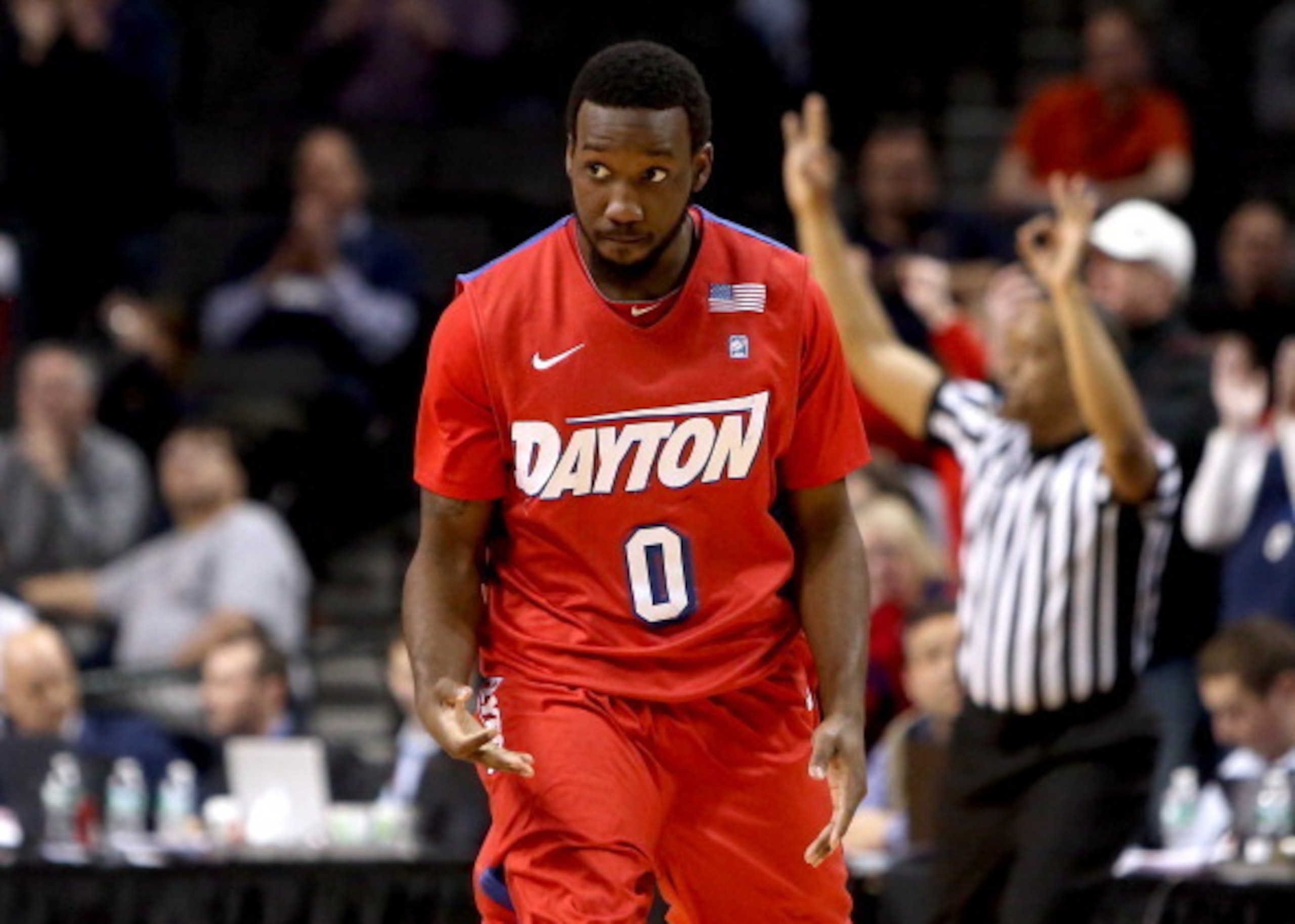
By the Numbers
The Flyers have won 10 of 12, with those only two losses coming to Saint Joseph's.
Player to Watch: Jordan Sibert
The Ohio State transfer leads the Flyers in scoring at 12.5 points per game and shoots 43.9 percent from deep. He averaged 14.9 points in Dayton's last 10 wins.
Bottom Line
The A-10 went 5-0 in the Round of 64 last year, so don't underestimate the league's ability to get through the first weekend.
41. Massachusetts
28 of 68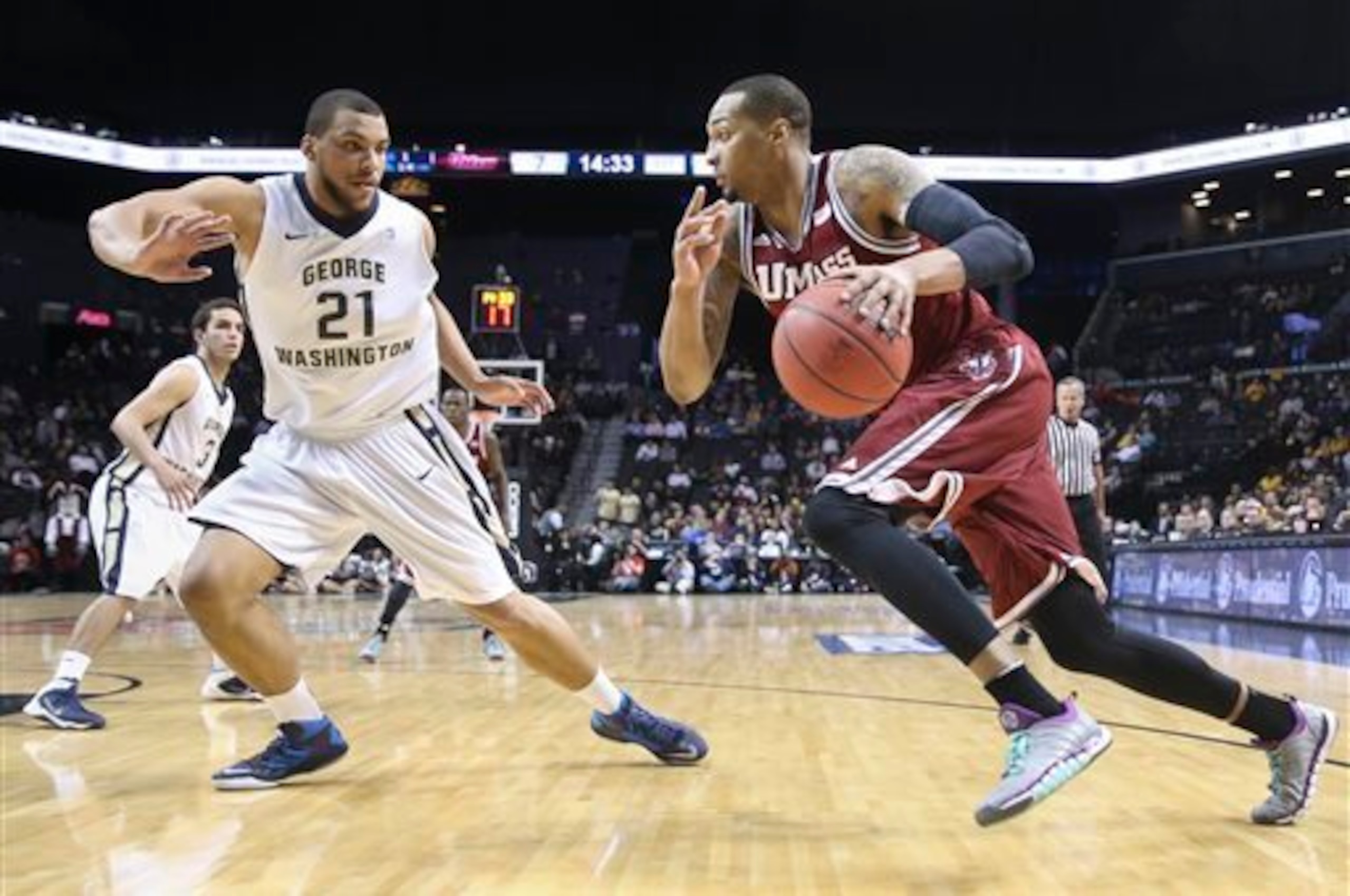
By the Numbers
The Minutemen play at the 14th-fastest tempo in the country, and 80 has been a magic number for them. When they score at least 80 points, they're 12-1.
Player to Watch: Chaz Williams
Williams averages 15.8 points and 7.0 assists. He's great at creating off the dribble for himself or teammates.
Bottom Line
The Minutemen like to play an up-and-down game, which can thrive in a tournament setting, as it did earlier in the year when they beat Nebraska, New Mexico and Clemson to win the Charleston Classic. If they can get past the Round of 64, don't be surprised to see them in the Sweet 16.
40. Arizona State
29 of 68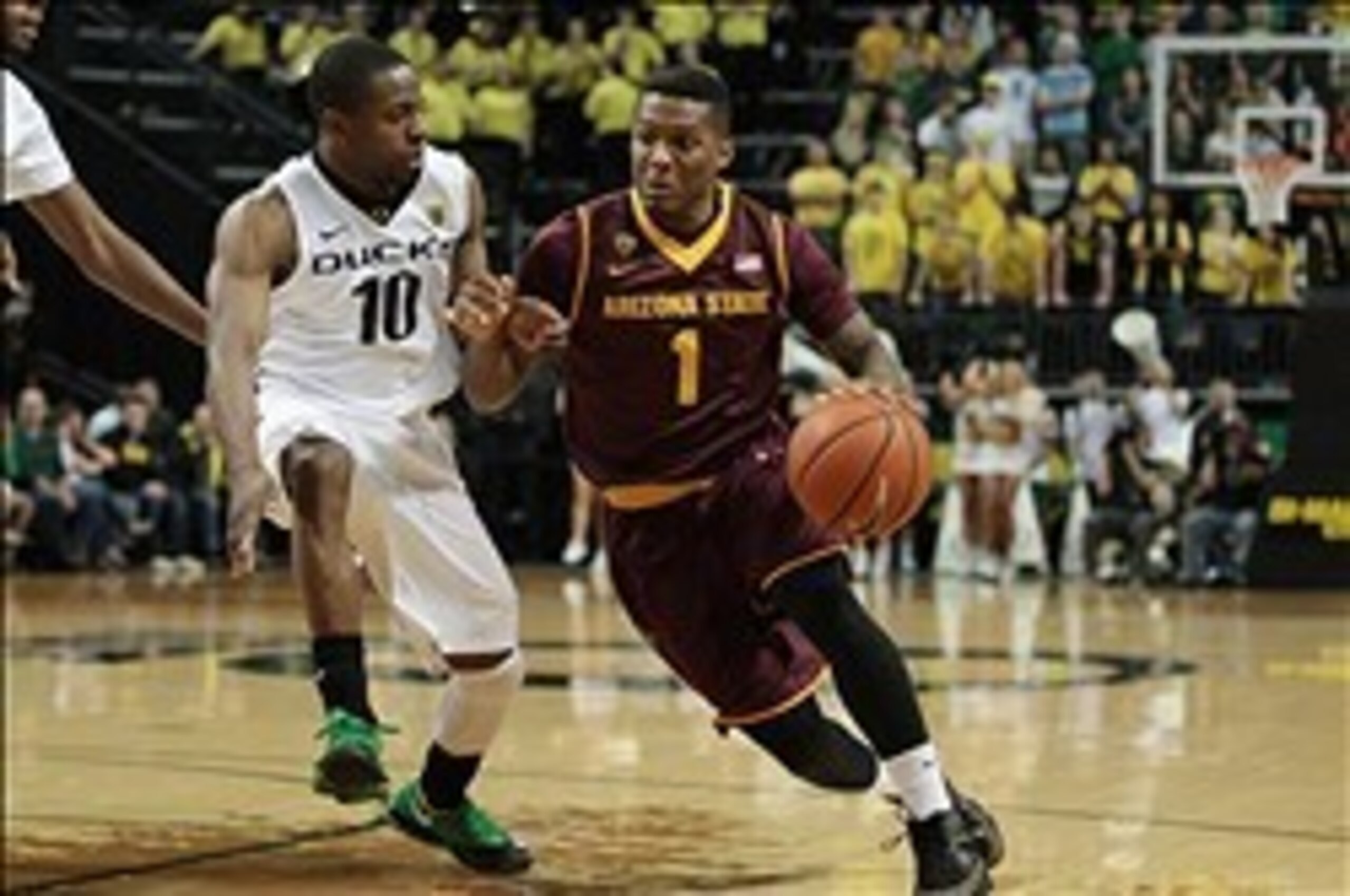
By the Numbers
The Sun Devils have not made it past the Round of 32 since 1995, the only Sweet 16 appearance in school history.
Player to Watch: Jahii Carson
Carson is a blur with the ball and one of the most talented scoring point guards in the country, but he tries to do too much at times. The Sun Devils have lost three straight, and he's taken 49 shots in those three games.
Bottom Line
The Sun Devils are at their best when they're locked in on the defensive end, as they were in a double-overtime win against Arizona on Valentine's Day. With Jordan Bachynski, the leading shot-blocker in the country, defense should be their identity, but we haven't really seen that team since the Arizona win.
39. Saint Joseph's
30 of 68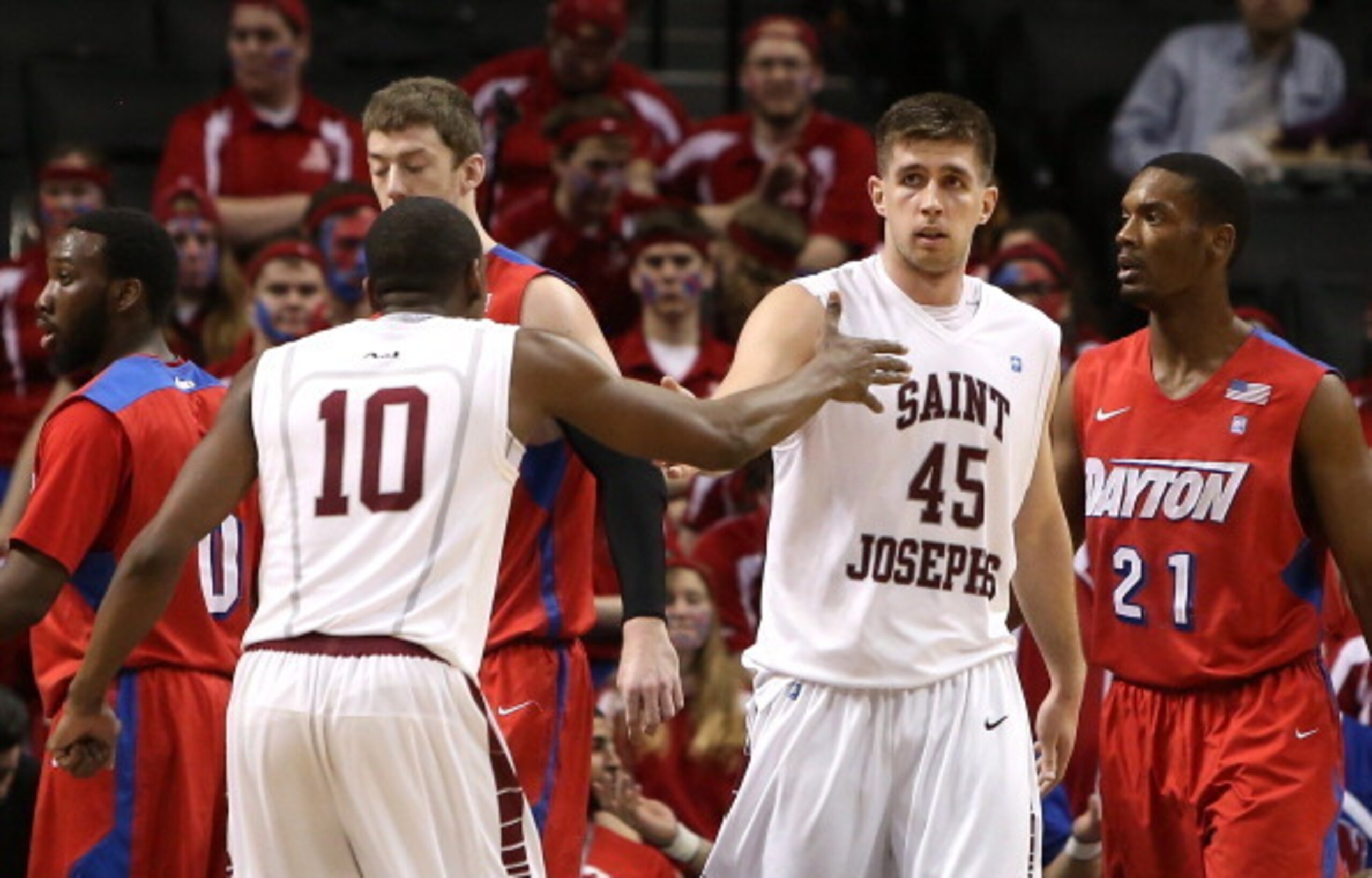
By the Numbers
The Hawks play sound, fundamental defense. They rarely gamble or foul, rather trying to force a tough shot and then rebounding the miss. Opponents grab only 27.6 percent of their misses.
Player to Watch: Halil Kanacevic
Kanacevic was a beast in the A-10 tournament. He averaged 15.3 points and 14.3 rebounds in three games.
Bottom Line
No one wants to see the A-10's hottest team. Phil Martelli has his best team since the one that went undefeated in the regular season and made the Elite Eight in 2004. The Hawks are not as talented as that bunch, but they have more inside.
38. Kansas State
31 of 68
By the Numbers
K-State puts a lot of pressure on the ball, and the best way to beat its defense is attacking the paint. Teams that settle for perimeter jumpers are typically in trouble, as the Wildcats hold opponents to 29.4 percent from beyond the arc.
Player to Watch: Marcus Foster
K-State runs the freshman guard off a lot of screens. When he's knocking down rhythm jumpers, that usually means Bruce Weber's motion offense is working.
Bottom Line
Weber has done a great job with this team, which started the season losing at home to Northern Colorado. The Wildcats have already overachieved. A win in the NCAA tournament would be a bonus.
37. Texas
32 of 68
By the Numbers
The best way to beat Texas is knocking down perimeter shots. The Longhorns block 16 percent of opponents' two-point jumpers.
Player to Watch: Javan Felix
In UT's 23 wins, Felix has made 46 of 113 threes (40.7 percent). In 10 losses, he's made only 11 of 58 threes (19.0 percent).
Bottom Line
Felix needs to step up. When he's shooting well, it opens up the inside game for Cameron Ridley and Jonathan Holmes. Plus, it gives everyone else confidence. The Longhorns, who don't have any seniors, are probably a year away from really making a run.
36. NC State
33 of 68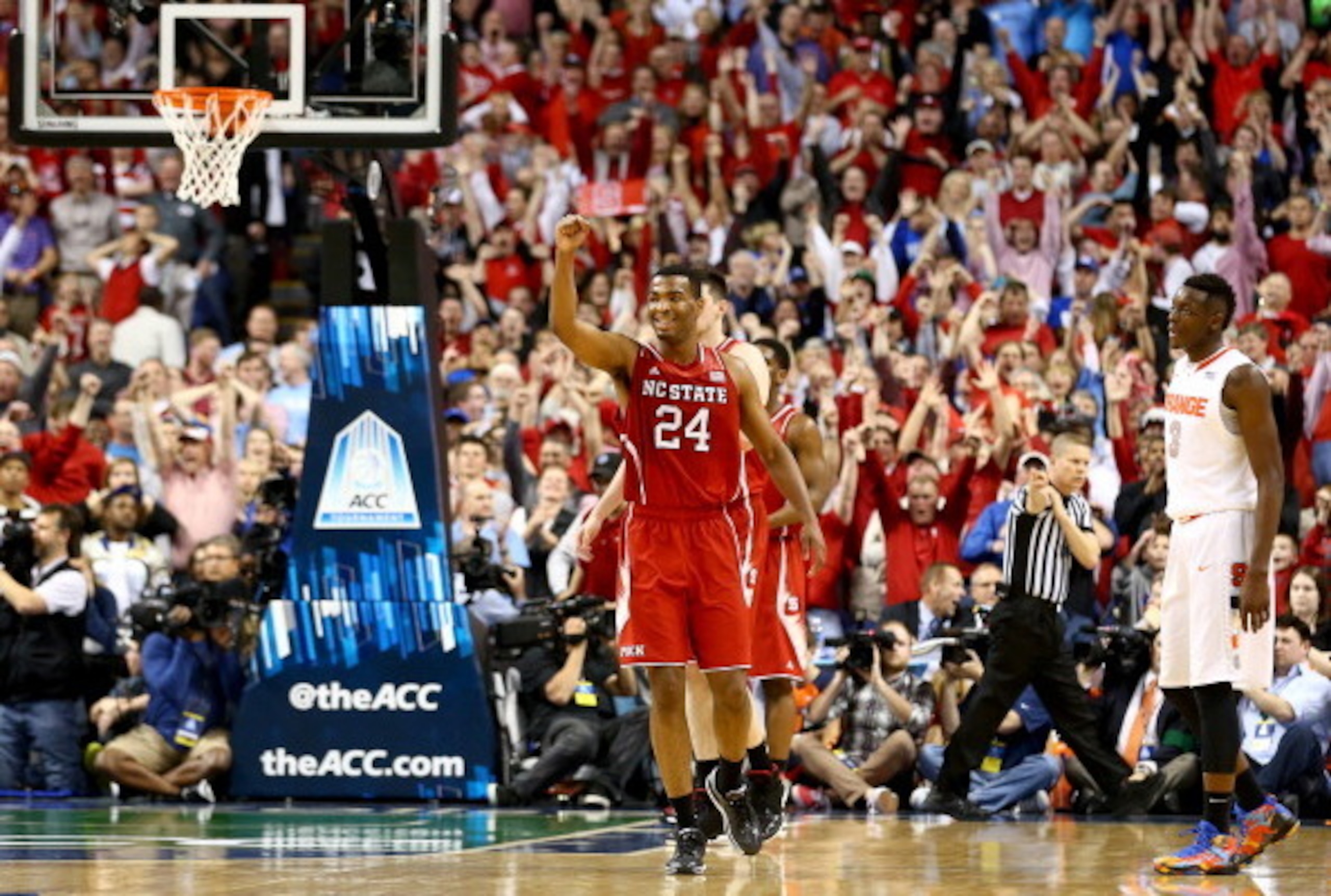
By the Numbers
The Wolfpack are all about one man, T.J. Warren. The ACC Player of the Year takes 37.1 percent of his team's shots.
Player to Watch: T.J. Warren
He's a guy you don't want to face in a single-elimination tournament. He's gone for 40-plus twice already in March.
Bottom Line
The Wolfpack were not expected to make the tourney. Look at what happened a few years ago when VCU wasn't expected. The Wolfpack are playing with house money.
35. Iowa
34 of 68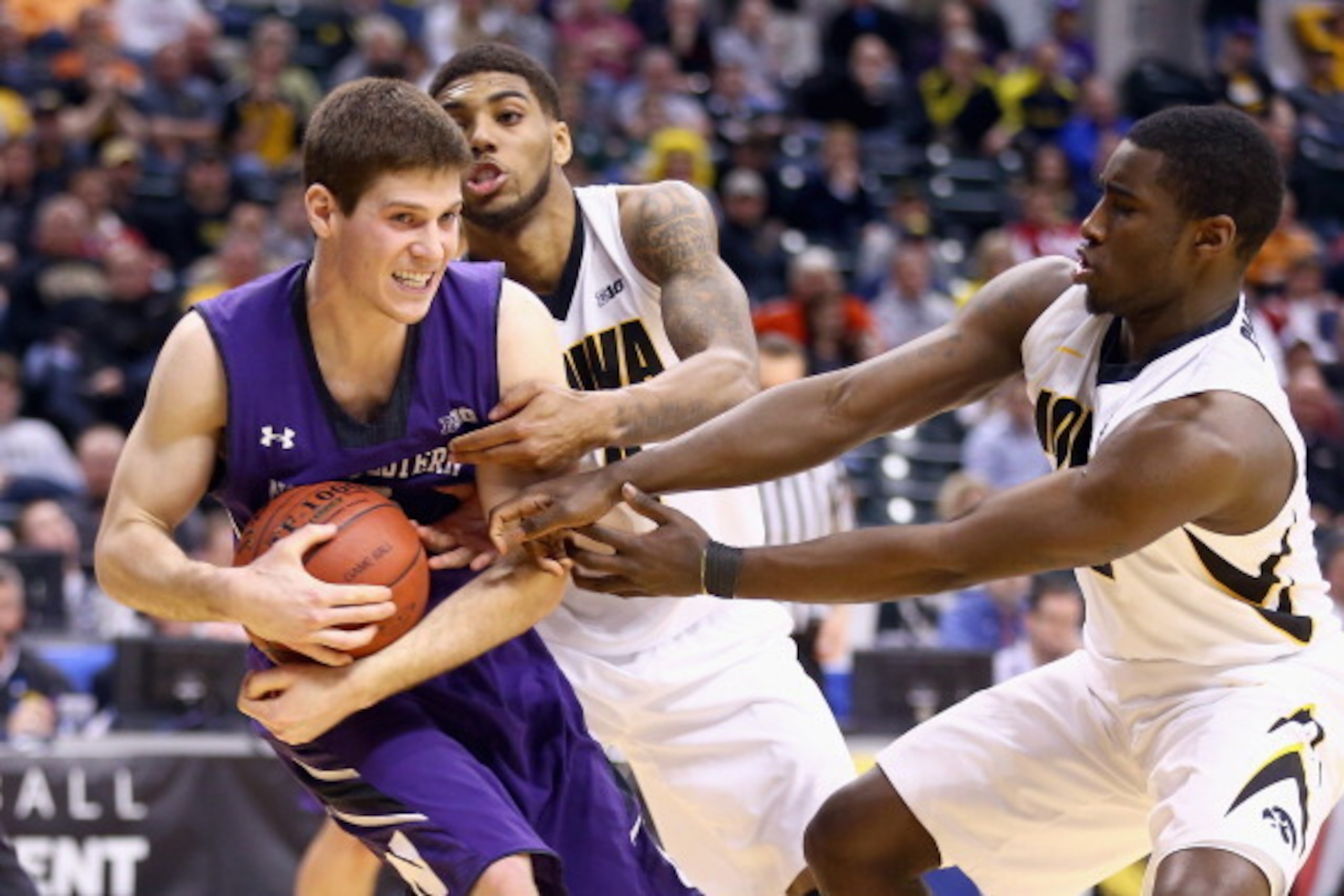
By the Numbers
Iowa has lost six of its last seven games, and its defense is almost entirely to blame.
During that stretch, the Hawkeyes have allowed 1.18 points per possession. Had they been that bad all season, they'd be the third-worst defense in all of college basketball.
Player to Watch: Roy Devyn Marble
Marble has still been getting his numbers during the losing streak. As a senior, he needs to step up and play with great effort on the defensive end and hope his teammates follow suit.
Bottom Line
At one time, the Hawkeyes were a trendy Final Four pick. Nothing has changed other than they went from playing mediocre defense to terrible defense. The thing is they have the personnel to play well on that end. They just need to get the desire back.
34. Harvard
35 of 68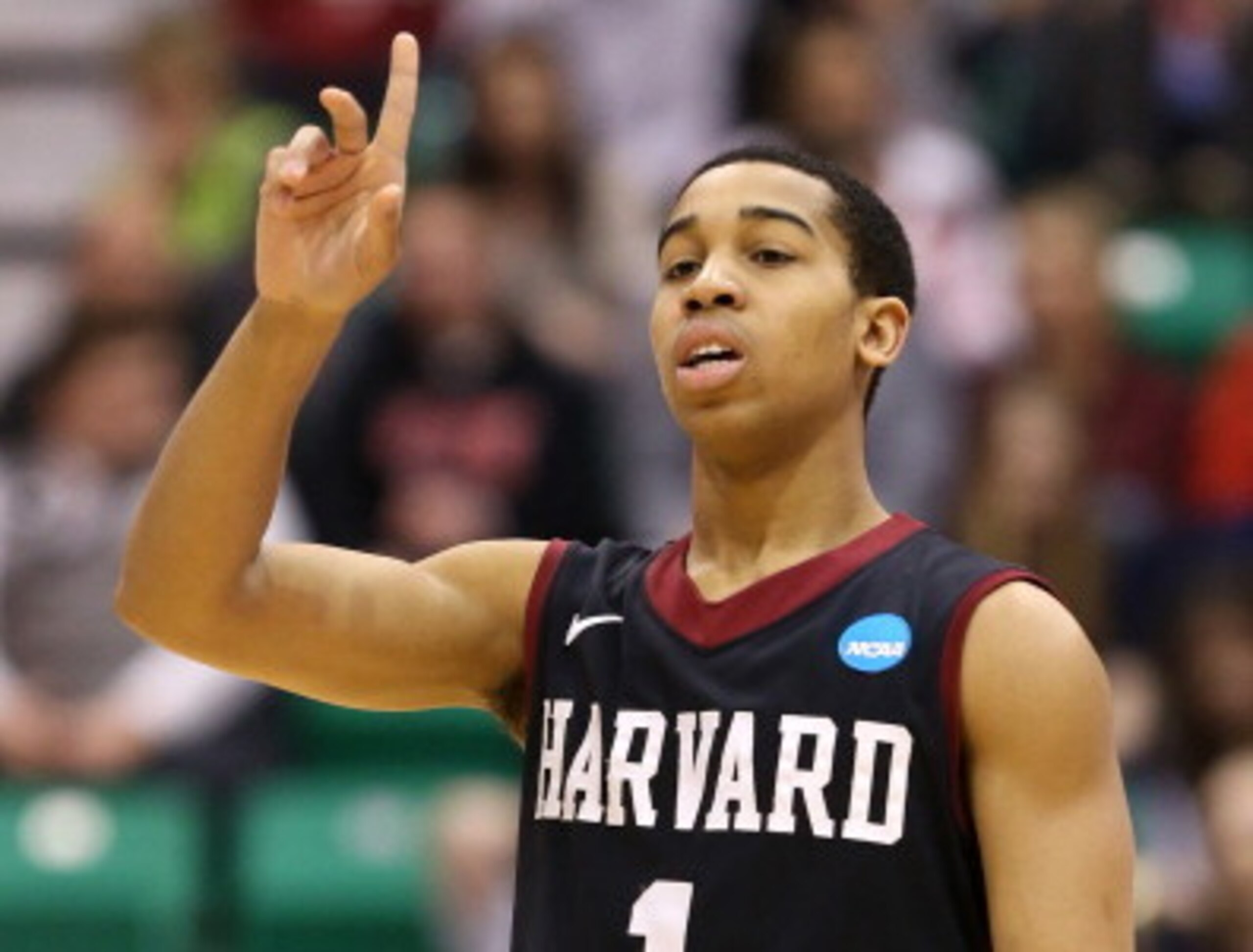
By the Numbers
Harvard upset New Mexico last season with four players scoring in double figures in that game and point guard Siyani Chambers setting up his teammates with penetration. Chambers has more options this year with six teammates averaging better than nine points per game.
Player to Watch: Laurent Rivard
Dating back to last season, Harvard has won 13 straight when the sharpshooter scores 15 or more points. He hit five threes and scored 17 points last year against New Mexico.
Bottom Line
Tommy Amaker doesn't have Ivy League talent. This team is more talented than the last one after getting back Kyle Casey and Brandyn Curry, who missed last season because of an academic cheating scandal. A Sweet 16 run wouldn't surprise anyone who's been paying attention.
33. Memphis
36 of 68
By the Numbers
The Tigers are at their best when their guards are playing unselfish and sharing the ball. They assist on 60.6 percent of their field goals but had only six assists in the 19-point loss to Connecticut in the AAC tournament.
Player to Watch: Shaq Goodwin
Goodwin, who averages 11.8 points per game, has scored only 23 points in the last four games. Memphis is too one-dimensional when he's not scoring.
Bottom Line
The Tigers have quickness on the perimeter, depth and muscle inside with Goodwin. In terms of talent, they're a top-15 team, but they don't always play like it. They're one of those teams that could go on a deep run or be one-and-done.
32. Oregon
37 of 68
By the Numbers
Last year, Oregon's adjusted defensive efficiency was 89.2; this year, it's 100.6. The Ducks have improved on the offensive end, but they had it going on both ends in March last year.
Player to Watch: Joseph Young
The Houston transfer is a great jump shooter and dangerous in transition. He averages 18.6 points per game.
Bottom Line
Oregon had an odd final week of the season. The Ducks upset Arizona in their regular-season finale and then lost by 19 in the Pac-12 tournament to UCLA. The Ducks are too reliant on their offense to go far in the tourney.
31. Oklahoma
38 of 68
By the Numbers
Lon Kruger's team has the green light. The Sooners have shot 120 threes in their last four games. Obviously, how they shoot from deep will determine their fate. For the season, they shoot 40.6 percent from beyond the arc in wins and 30.3 percent in losses.
Player to Watch: Buddy Hield
Hield is OU's main gunner. He averages 16.8 points on more than 13 shots per game.
Bottom Line
Don't be fooled into thinking the Sooners just shoot with reckless abandon. Kruger runs good stuff to get his team those shots, and they're a scary team to see in your region. Still, a Sweet 16 run seems like the best-case scenario for this team.
30. Pittsburgh
39 of 68
By the Numbers
The Panthers aren't viewed as a good offensive team due to their slow pace and some of the low-scoring affairs they've had—like a 44-43 loss to Cincinnati—but they're better than perceived. Pitt's adjusted offensive efficiency (115.1) ranks 18th nationally.
Player to Watch: Lamar Patterson
Patterson has an old-man's game that reminds me of Paul Pierce. The herky-jerky scorer averages 17.6 points per game.
Bottom Line
Pitt has racked up a lot of wins against lesser teams and struggled against top-tier opponents, but a lot of those losses were close. The Panthers lost to Cincy (by one), to Syracuse twice (by five and two), Virginia twice (by three both times) and at North Carolina (by four). Patience and experience are not lost on Jamie Dixon's squad, one of many lower-seeded teams capable of a Sweet 16 run.
29. Saint Louis
40 of 68
By the Numbers
The Billikens have lost four of five, and during that stretch they've made just 23 of 92 threes (25 percent). They're not a great three-point shooting team (32 percent), but they need to start hitting some shots to keep defenses from simply packing it in.
Player to Watch: Dwayne Evans
Evans isn't the guy to give the Bills perimeter shooting—he's made only four threes all year—but he's the toughest matchup on the roster with the ability to score with his back to the basket or off the bounce.
Bottom Line
Saint Louis is struggling, but this is an experienced team with a dominant defense that was 25-2 at one time and ranked in the Top 10. This is a tough team to project because the intangibles are there for a tourney run; shots just need to start falling.
28. Gonzaga
41 of 68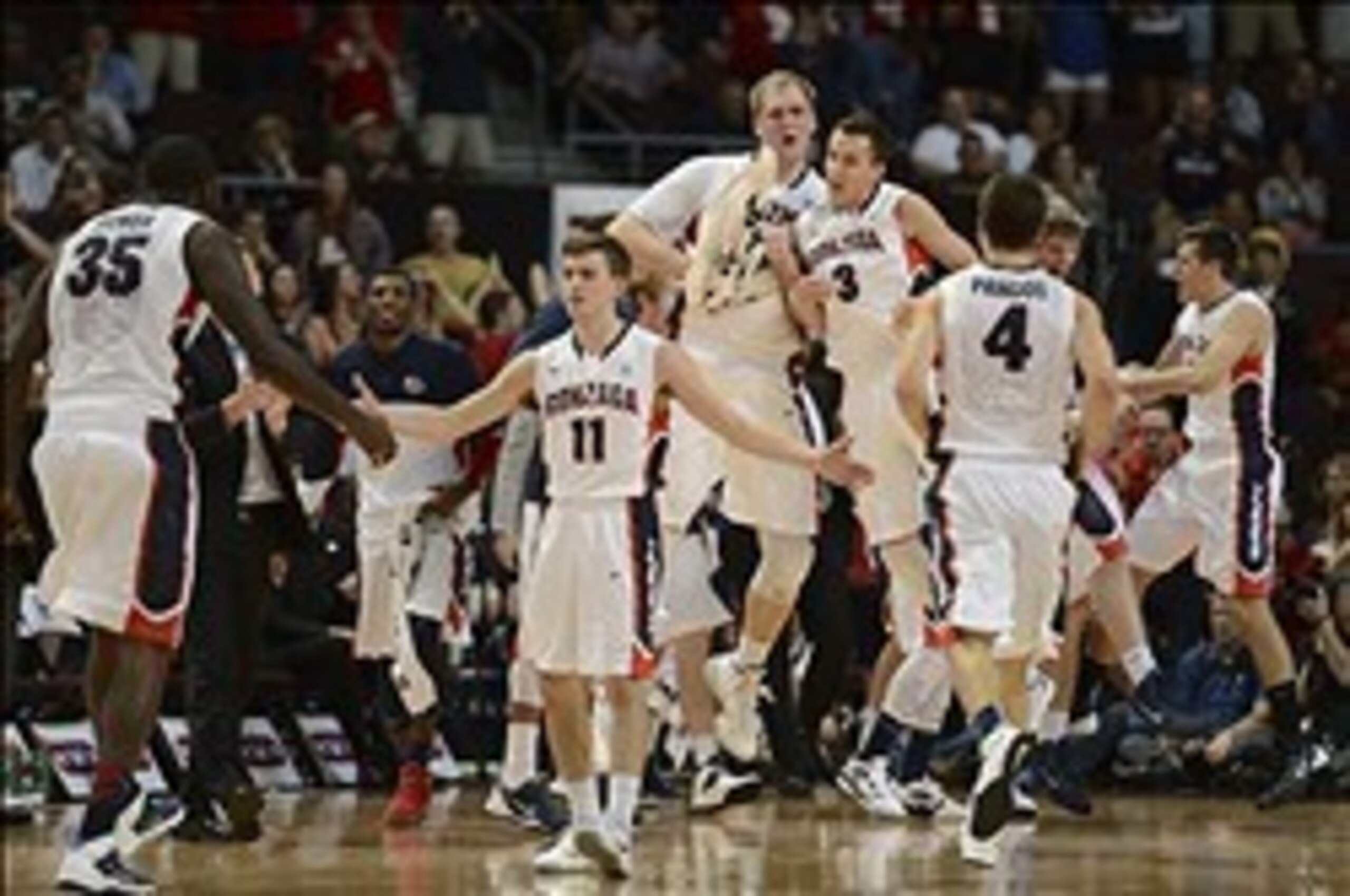
By the Numbers
You don't think of Mark Few's program as a great defensive one, but that's his team's strength this year. The Zags hold opponents to an effective field-goal percentage of 44.4 percent, which ranks 14th nationally.
Player to Watch: Sam Dower
Dower is no Kelly Olynyk, but he's still an effective scorer from the post. He scores 1.205 points per possession on post-ups, best in the country for players who have accumulated at least 100 possessions in the post, per Synergy Sports Technology. He leads the Zags in scoring at 15.0 points per game.
Bottom Line
This team isn't as talented as last year's that was a No. 1 seed and got upset in the Round of 32 by Wichita State. That doesn't mean, however, that this team cannot end up going on a deeper run.
27. Nebraska
42 of 68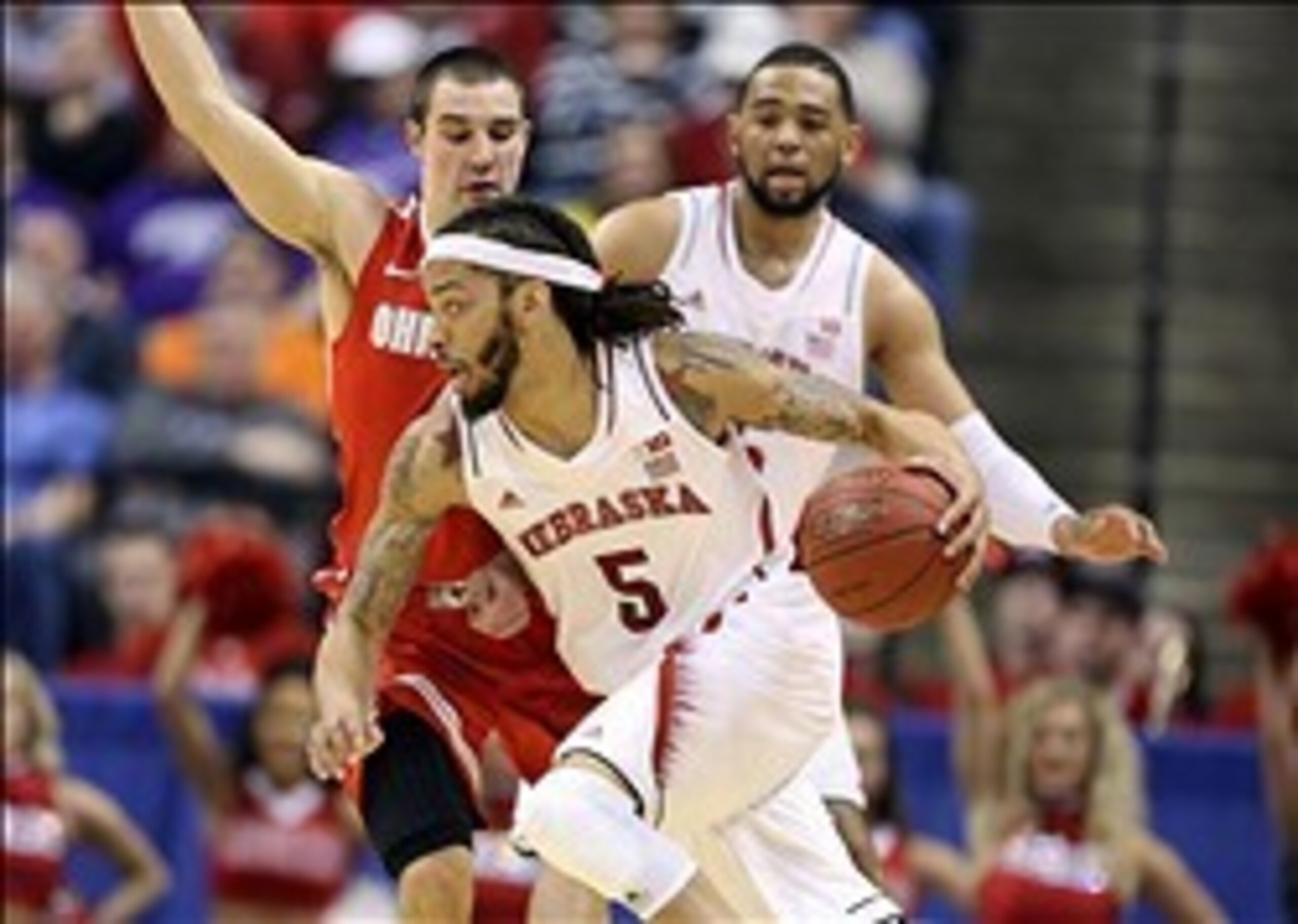
By the Numbers
The Huskers have won eight of their last 10 games, and during that stretch, they held opponents to 58.8 points per game and 0.93 points per possession.
Player to Watch: Terran Petteway
The Huskers set a lot of ball screens for the 6'6" guard, and he's a tough cover. Petteway averages a team-best 18.1 points per game.
Bottom Line
Nebraska has wins over Ohio State, Michigan State and Wisconsin. The Huskers should not be lacking in confidence. Any team that can win eight of nine in the Big Ten is capable of winning multiple games in the NCAA tournament.
26. Connecticut
43 of 68
By the Numbers
The Huskies shoot 38.7 percent from deep, but that number is misleading because of a hot start to the season. They shot just 34.7 percent from long range in AAC play.
Player to Watch: Shabazz Napier
If the Huskies can get to crunch time within striking distance, Napier is one of the best crunch-time scorers in the game. The Huskies are also good at closing out wins as a team, shooting 76.1 percent at the free-throw line.
Bottom Line
The Huskies are led in rebounding by Napier, a 6'1" point guard. This is not a good thing. Napier and UConn's guards have to carry this team. Of course, Napier has been Kemba Walker-esque at times this season and capable of winning a couple of games on his own. But once the Huskies get past the opening round, the lack of help from the interior guys will likely cost them.
25. Kentucky
44 of 68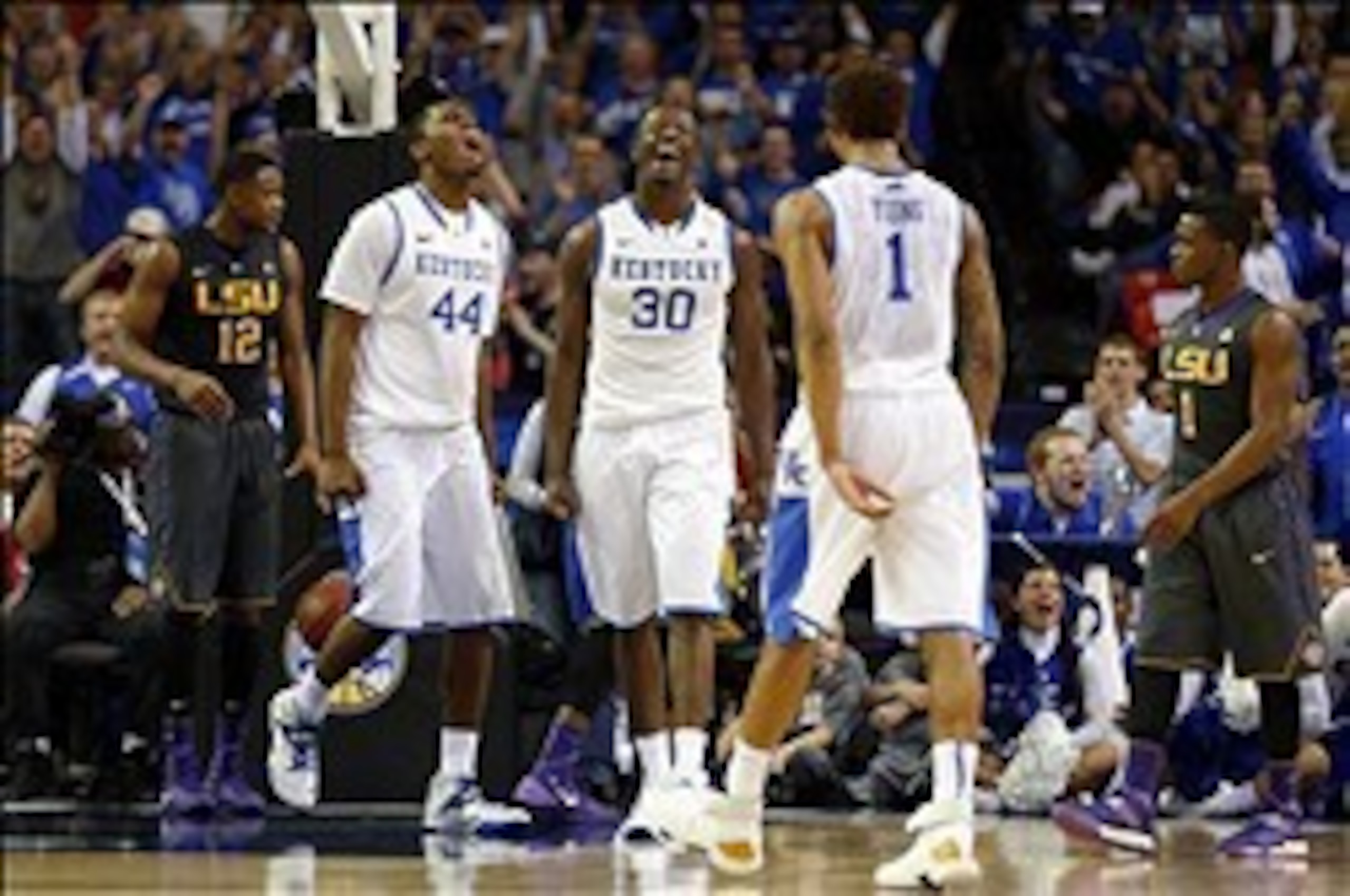
By the Numbers
The Wildcats entered Sunday corralling 42.5 percent of their misses, best in the country. When they're focused on getting the ball to the paint, they can look dominant.
Player to Watch: Andrew Harrison
John Calipari's teams typically go as far as the point guard can take them. Harrison has been focused on distributing, with 19 assists over three games in the SEC tournament.
Bottom Line
The Wildcats may be the biggest X-factor in this tournament. We've come to expect that they're just never going to figure it out, but they have shown glimpses and still have the talent to go on a run.
24. Ohio State
45 of 68
By the Numbers
The Buckeyes somehow force a ton of turnovers (on 22 percent of opponents' possessions) without fouling. Ohio State opponents shoot only 15.9 free-throw attempts per game, ranking seventh in the country in defensive free-throw rate.
Player to Watch: LaQuinton Ross
The Buckeyes are limited offensively and need Ross to produce. He's averaging 20.7 points over his last six games.
Bottom Line
The Buckeyes are never out of a game because of their defensive pressure, which wears opponents down. They've come back from late-game deficits of eight (in the last minute against Notre Dame), seven (against Michigan State) and 18 (against Nebraska). The offense is too inconsistent, however, to win more than a game or two.
23. Baylor
46 of 68
By the Numbers
Baylor has won 10 of its last 12 games, and in those 10 wins, big man Isaiah Austin has blocked 49 shots. When Austin is focused on the defensive end, the Bears are a much better team. He has only 24 blocks in their 11 losses.
Player to Watch: Brady Heslip
On the offensive end, getting Heslip open looks should be the ultimate goal. He shoots 47.3 percent from deep and went 12-of-20 over his last three games in the Big 12 tournament.
Bottom Line
Baylor made an Elite Eight in 2010 and 2012 and won the NIT last year. Scott Drew's team usually plays its best in March, and that has been the case so far this month. The Bears are a tough matchup with Cory Jefferson and Austin inside and definitely talented enough to keep the streak going of getting to an Elite Eight every other year.
22. Tennessee
47 of 68
By the Numbers
Jarnell Stokes and Jeronne Maymon are beasts on the boards, and the Vols get back 39.7 percent of their misses.
Player to Watch: Jordan McRae
McRae is one of the best wing scorers in the country. He can shoot from deep (37.1 percent) and is strong off the bounce.
Bottom Line
The Vols had won five straight—by an average margin of 23—before losing Saturday to Florida. That's a game Tennessee led by seven at halftime. In terms of caliber of talent, Tennessee is vastly under-seeded and is good enough to beat anyone in the country. Looking for a sneaky Final Four pick? The Vols would be a good one.
21. Oklahoma State
48 of 68
By the Numbers
The Cowboys are at their best when they're engaged defensively, which is where Marcus Smart makes his biggest impact. They're 15-0 when holding opponents to less than a point per possession.
Player to Watch: Marcus Smart
When Smart is attacking the basket and setting up teammates, the Cowboys play well. When he's settling for perimeter jumpers, the Cowboys typically struggle. For instance, they're 5-5 when Smart attempts six or more threes.
Bottom Line
Early in the year, most believed Oklahoma State would end up as a top-two seed. With a foursome of Smart, Markel Brown, Le'Bryan Nash and Phil Forte, the Cowboys have the talent of a higher seed. This team has been so hit-or-miss that a Final Four appearance or first-round exit wouldn't surprise me.
20. Cincinnati
49 of 68
By the Numbers
The Bearcats make running an offense a chore. They force a lot of turnovers (22.5 percent of opponents' possessions) and block a lot of shots (15.8 percent of opponents' two-point attempts).
Player to Watch: Sean Kilpatrick
The senior guard is a pro scorer. He carries the Bearcats on offense, averaging 20.7 points per game.
Bottom Line
Kilpatrick is a stud, but the other Bearcats struggle to score. Their defense gives them a chance in every game, but avoiding an offense that can score enough against the Cincy defense is difficult to do in the tournament.
19. VCU
50 of 68
By the Numbers
For the third straight season, Shaka Smart's "Havoc" is forcing a higher percentage of turnovers (25.8 percent of opponents' possessions) than any team in the country.
Player to Watch: Treveon Graham
Graham, a 6'6" wing, can create his own shot and is a good shooter in the mid-range.
Bottom Line
Smart's team is difficult to prepare for, especially in a tournament setting. We've seen that before. This is the best team he's coached, although the Rams could be without third-leading scorer Melvin Johnson, who injured his knee in the A-10 semis.
18. UCLA
51 of 68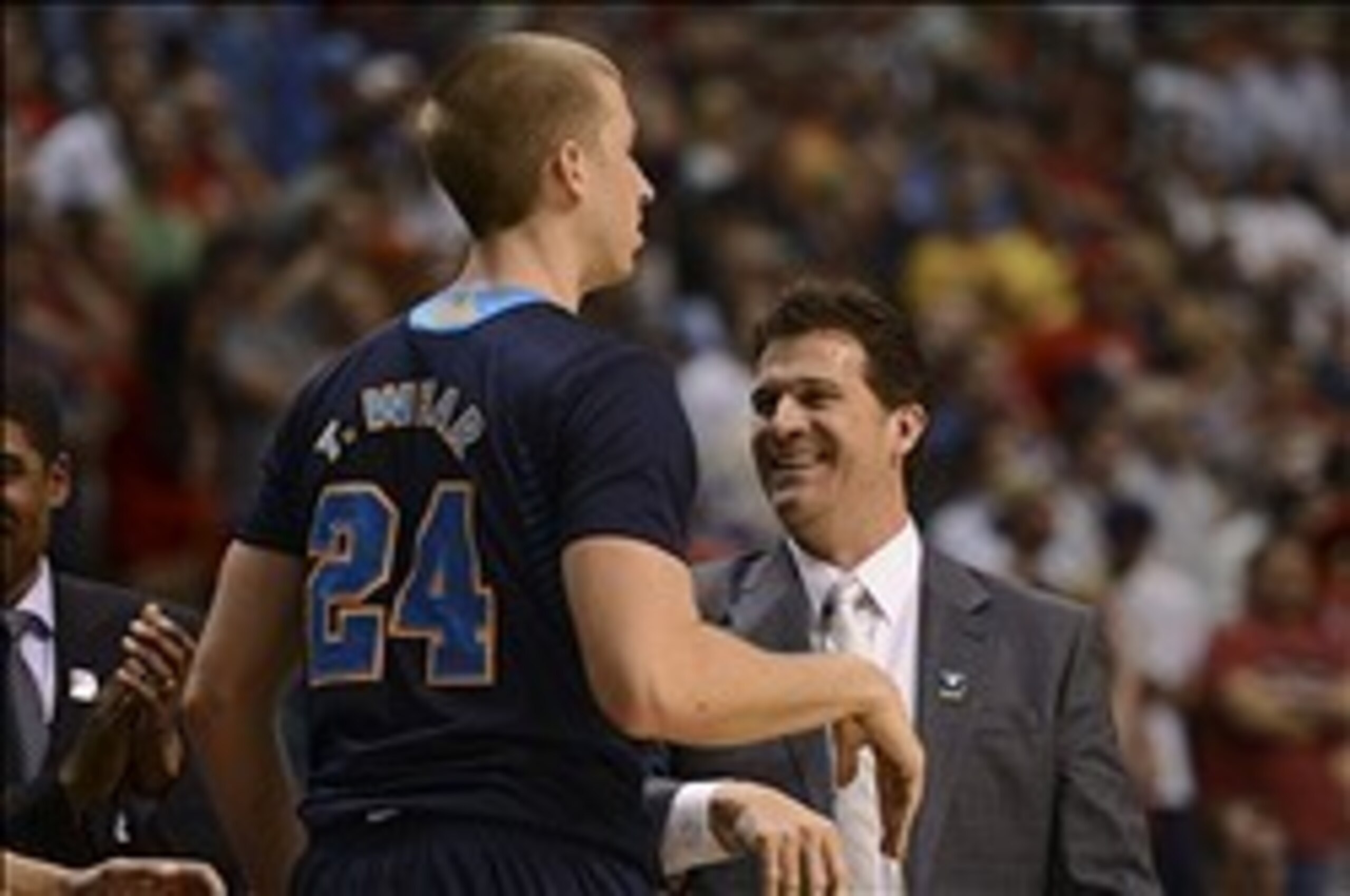
By the Numbers
Steve Alford hasn't been to the Sweet 16 since 1999 with Missouri State (then known as Southwest Missouri State). He's also never had an offense this good. The Bruins average 81.8 points per game and have at least three future pros in Kyle Anderson, Jordan Adams and Zach LaVine.
Player to Watch: Kyle Anderson
He does everything for the Bruins, averaging 14.9 points, 8.8 rebounds and 6.6 assists per game.
Bottom Line
The Bruins are capable of real stinkers—they lost their regular-season finale at Washington State by 18. They can also be world-beaters—they won the Pac-12 tournament, knocking off Arizona in the title game. The talent is there for a Final Four run depending on which team shows up.
17. Syracuse
52 of 68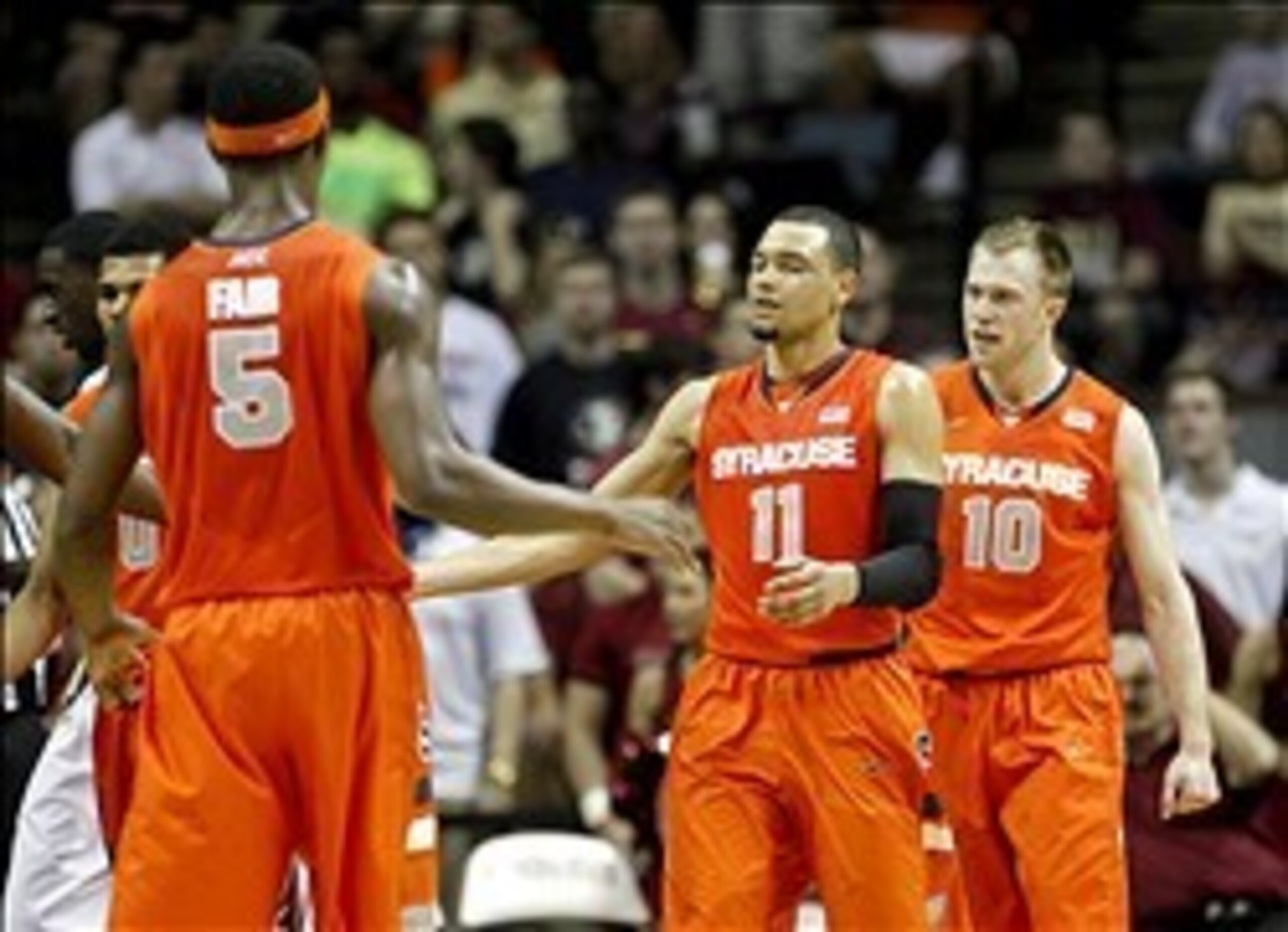
By the Numbers
Trevor Cooney has made 10 of 51 threes over the last seven games, five of which Syracuse has lost. At one point this season, Cooney made 31 of 59 threes over an eight-game stretch—all wins, of course.
Player to Watch: C.J. Fair
Fair struggled in the latest loss, making just three of 16 shots against NC State. The Orange may not be able to count on Cooney, but they'd like to think they can count on Fair. Last year, he came on in the NCAA tournament and averaged 15.4 points per game during Syracuse's Final Four run.
Bottom Line
The Orange just need to make shots. Simple as that. If the shots start falling, this team is talented enough to get back to the Final Four. If not, an early exit could be looming.
16. Wisconsin
53 of 68
By the Numbers
In typical Bo Ryan fashion, these Badgers don't turn it over (8.1 per game), take good shots and try to stretch the floor—all five starters have made at least 29 threes. They rank fifth in adjusted offensive efficiency.
Player to Watch: Frank Kaminsky
The seven-footer is capable of blowing up in any given game. He had 43 points earlier this year on only 19 shots against North Dakota and scored 28 points in Saturday's loss to Michigan State.
Bottom Line
This is one of Ryan's worst defensive teams, so the Badgers need to shoot it well to advance. They've been streaky, winning their first 16 games, then losing five of six, then winning eight straight before losing two of their last three.
15. San Diego State
54 of 68
By the Numbers
The average height of the Aztecs' top six players is a hair over 6'7", and they're all tremendous athletes. It's hard to score against them in the half court, and they don't give up many easy buckets in transition either. Opponents score on only 40.7 percent of their transition opportunities, best in the country according to Synergy Sports Technology.
Player to Watch: Xavier Thames
Thames is a good spot-up shooter and is also effective pulling up off the bounce, which makes him really difficult to guard. He leads the Aztecs in scoring at 16.8 points per game.
Bottom Line
The Aztecs are very similar to Cincinnati. They struggle to score, but their defense can carry them. Steve Fisher is really good at dialing up a defensive game plan as well, which makes the Aztecs a tough team to knock out of the tourney. It's not going to be pretty, but they could muck it up all the way to the Final Four.
14. New Mexico
55 of 68
By the Numbers
The three-headed monster of Cameron Bairstow, Kendall Williams and Alex Kirk averages a combined 50.3 points per game.
Player to Watch: Cameron Bairstow
The Aussie big man can score facing up or with his back to the basket. He's averaging a career-best 20.3 points per game and has been extremely consistent, scoring 14 or more points in 29 straight games.
Bottom Line
The Lobos have the rare traditional frontcourt, going 7'0" (Kirk) and 6'9" (Bairstow) up front. Those two are tough to guard and do a good job protecting the paint defensively—New Mexico opponents shoot only 41.4 percent inside the arc. With three players as good as Bairstow, Williams and Kirk, the Lobos are capable of getting to the Final Four.
13. Creighton
56 of 68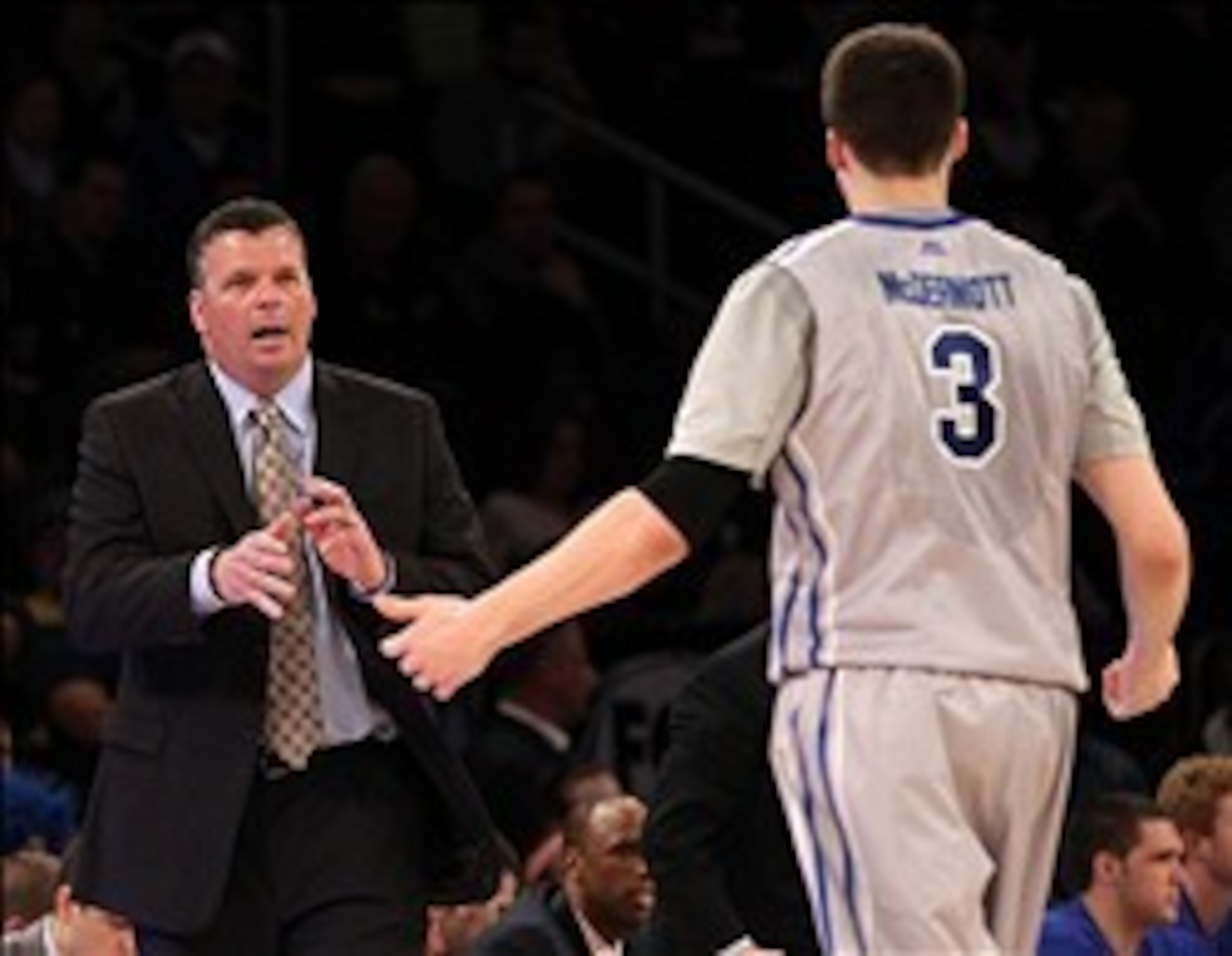
By the Numbers
Live by the three and thrive by the three. The Bluejays shoot 44.7 percent of their attempts from deep. This is not a red flag. Greg McDermott has the best-shooting team in the country, knocking down an NCAA-best 42.1 percent of its threes.
Player to Watch: Doug McDermott
Might as well hope the rest of the Bluejays are off—as they were in the Big East final against Providence— because McDermott is going to get his buckets. He's averaging an absurd 31 points in the last 13 games.
Bottom Line
Remember Danny (Manning) and The Miracles in 1988? How about Larry Bird and Indiana State in 1979? McDermott is on that kind of level as a college player with the ability to take his team to a Final Four. Don't underestimate Creighton because of the name on the front of the jersey.
12. North Carolina
57 of 68
By the Numbers
The Tar Heels have great length and athleticism, a combination that has scared away opponents from trying to attack the rim. UNC's defense leads the country in limiting the number of looks under the basket, according to Hoop-Math.com.
Player to Watch: Marcus Paige
Paige will often wait until the second half to take over. The sophomore guard has become extremely comfortable in his role as the team's go-to scorer, especially in crunch time.
Bottom Line
This is an odd Roy Williams-coached team because the Heels are better in an ugly game. They won with defense during their 12-game winning streak late in the season. If they defend and Paige is on, this team can beat anybody.
11. Villanova
58 of 68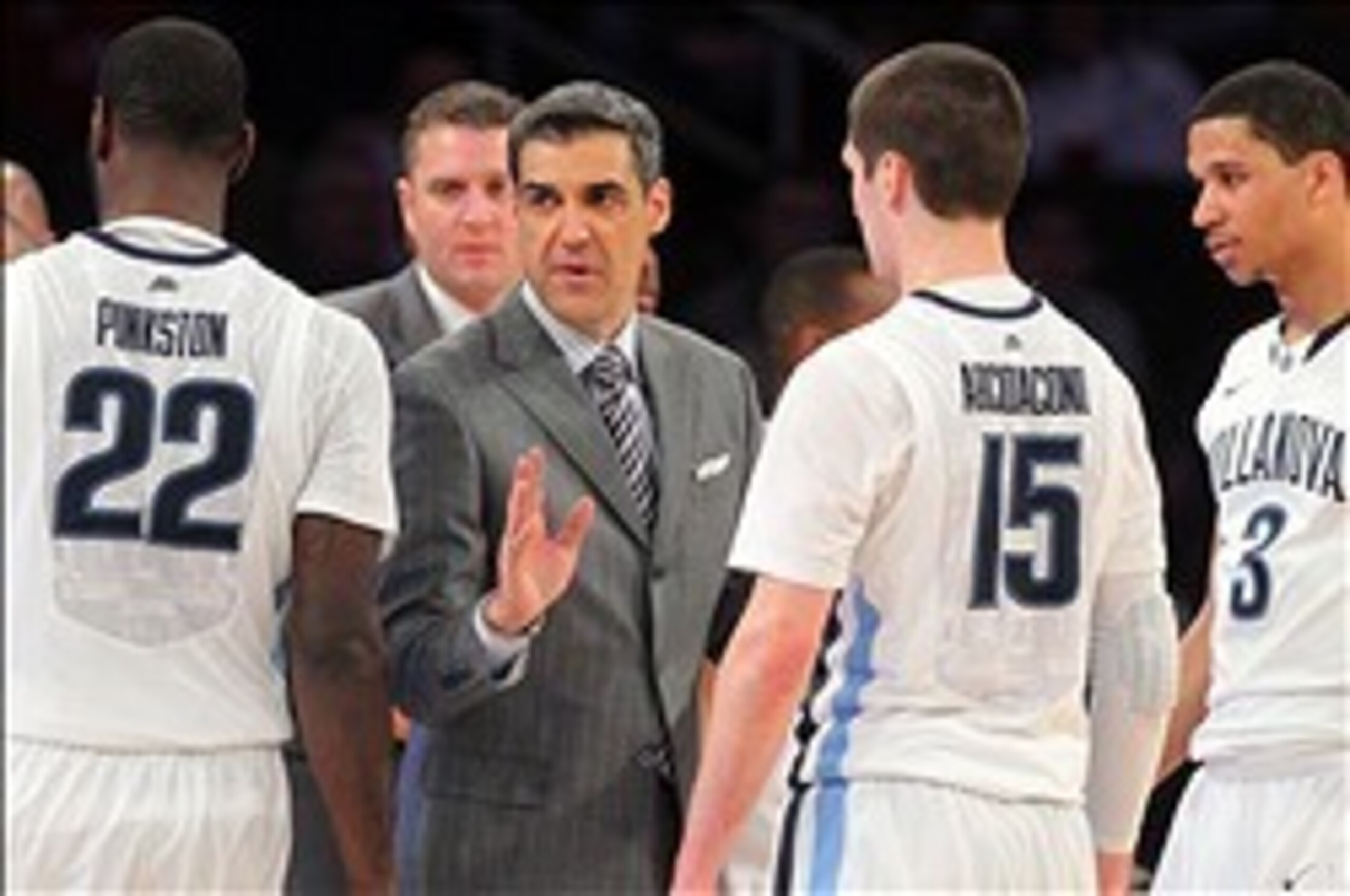
By the Numbers
Matchups are so important this time of year, and Villanova is going to want to avoid great perimeter-shooting teams. In 'Nova's four losses, opponents have shot 45 of 82 (54.9 percent) from deep.
Player to Watch: James Bell
Bell is in a slump. He missed all eight of his shots and scored just three points in the loss to Seton Hall in the Big East tournament. He's averaged 7.7 points over the last six games. To go on a run, the Wildcats need to get their leading scorer back on track.
Bottom Line
Don't be fooled by the offensive outbursts Creighton had against Villanova. Jay Wright's team really defends. The Wildcats can also spread you out and attack from multiple positions. They're a tough team to play and capable of getting to the Final Four.
10. Iowa State
59 of 68
By the Numbers
Like all Fred Hoiberg teams, this one shoots a lot of threes (23.7 per game). But what the Cyclones do best this season is exploit mismatches inside the arc (just ask Kansas), where they shoot 54.6 percent.
Player to Watch: DeAndre Kane
Melvin Ejim won Big 12 Player of the Year, yet an argument could have been made that Kane was this team's most valuable player. He averages 17.0 points and 5.8 assists per game.
Bottom Line
Hoiberg is one of the best game coaches in college basketball. He managed the Big 12 tournament brilliantly with the different adjustments he made. He has some nice chess pieces to work with—the Cyclones can score from all five positions—and they're talented enough to get to the Final Four.
9. Kansas
60 of 68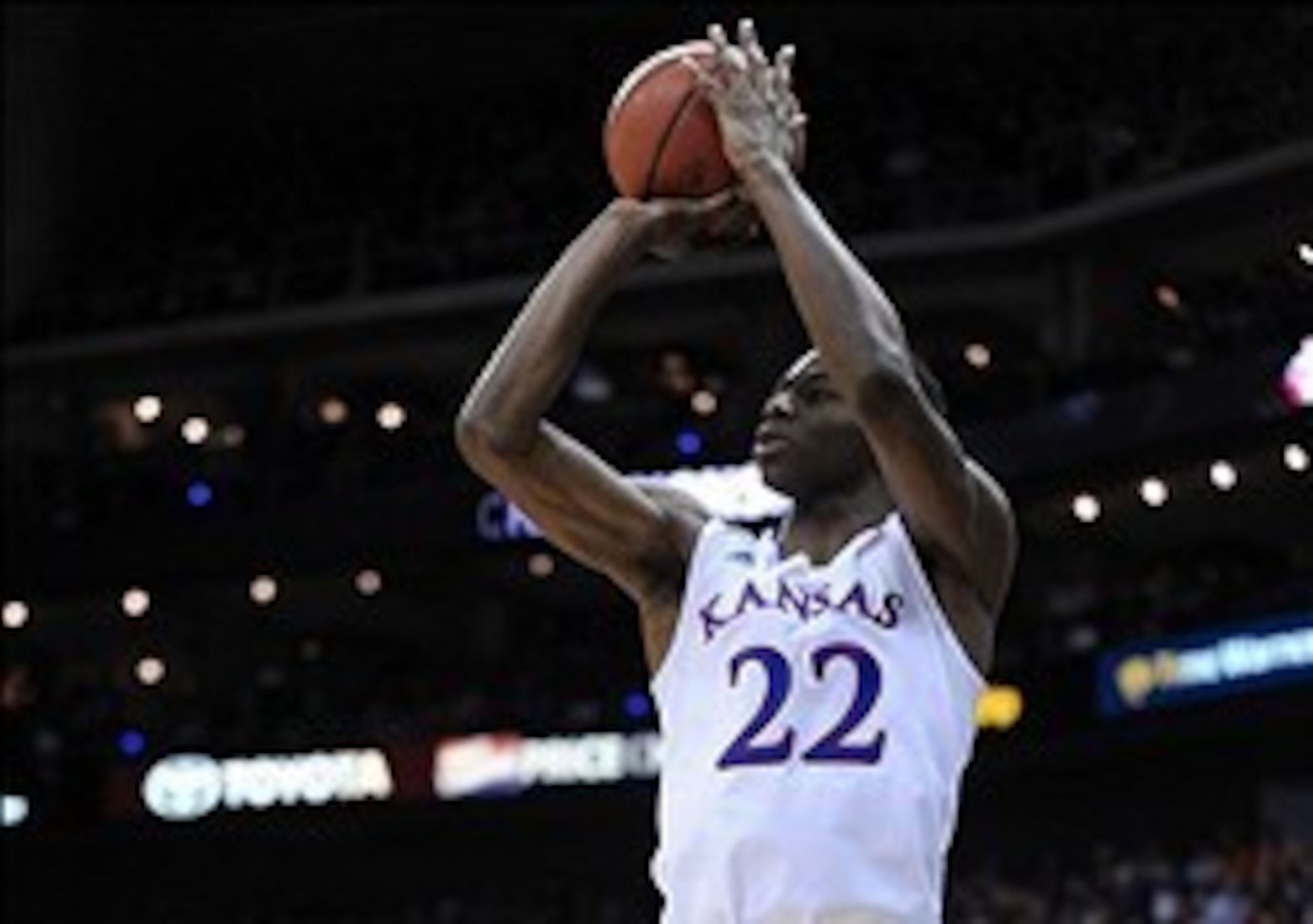
By the Numbers
In the last two losses without Joel Embiid in the lineup, KU's defense allowed West Virginia and Iowa State to shoot a very un-Bill Self-like 51.9 inside the arc and 57.1 percent beyond. The Jayhawks miss their rim-protector, and their guards cannot apply as much pressure on the perimeter without Embiid behind them.
Player to Watch: Andrew Wiggins
The aggressive Wiggins everyone has wanted to see has arrived. He's averaging 31 points on 18.7 shot attempts in his last three games.
Bottom Line
The Jayhawks are at their best when they're scoring in the paint, and not only do they miss Embiid's offense, but his presence helps guys like Perry Ellis. Iowa State figured that out and slowed down Ellis on Friday in the second half by helping off KU's other big, putting the pressure on Wiggins to carry his team. For the Jayhawks to go on a run without Embiid, they need Wiggins to be on. Considering the level he's playing at right now, that's entirely possible.
8. Michigan
61 of 68
By the Numbers
Michigan entered Sunday scoring at a more efficient rate than last year's national runner-up team—1.18 points per possession to 1.15.
Player to Watch: Nik Stauskas
He's become almost impossible to defend with the ability to score off the dribble and work off ball screens. And not only is he a great scorer, but he's Michigan's best playmaker.
Bottom Line
The Wolverines are extremely hard to guard when they're making shots. On the other end, however, they are vulnerable. Teams that are big up front—like Michigan State—can bully them in the paint. That's where they miss Mitch McGary. How the bracket breaks will be key for Michigan to get back to the Final Four.
7. Duke
62 of 68
By the Numbers
Duke is one of the best-shooting teams in the country and rarely turns it over. The Blue Devils shoot 39.1 from deep (22nd-best nationally) and give away only 14.4 percent of their possessions (10th-best nationally).
Player to Watch: Jabari Parker
Here's what you need to defend Parker: a player with the length and strength of a big man and the foot speed of a wing. There aren't a lot of those guys in the country, and Mike Krzyzewski does a good job of moving Parker around to exploit the weakness of his defender.
Bottom Line
This is one of Coach K's worst defensive teams, particularly on the interior. That's why it's hard to see Duke winning six straight games. The Blue Devils haven't won six straight all season. But with scorers like Rodney Hood and Parker, a Final Four run is within reason. Get there, and who knows?
6. Virginia
63 of 68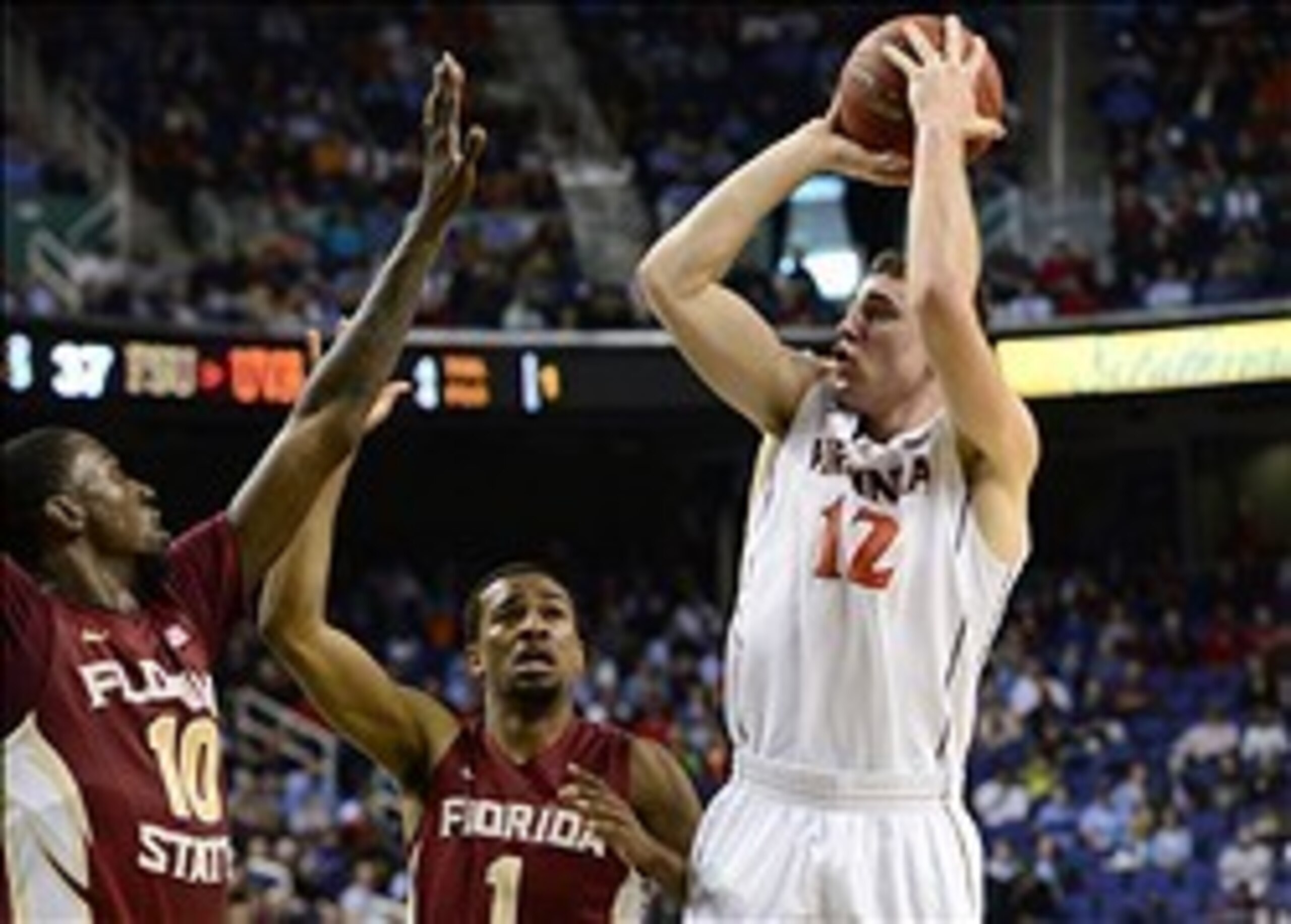
By the Numbers
Tony Bennett has only one player under 6'5" in his rotation (point guard London Perrantes). That is a big reason why his defense dominated the ACC, holding conference opponents to 30.1 percent from deep and 43.8 percent inside the arc.
Player to Watch: Malcolm Brogdon
Brogdon, not Joe Harris, has been the star for the Hoos. He averaged 14.8 points per game in ACC play, which followed his (and the team's) worst game of the season, a scoreless game for Brogdon in a 35-point loss to Tennessee.
Bottom Line
Any team that can win an ACC that includes Syracuse and Duke is in the national-title hunt. Much like Syracuse's zone, it will be a challenge to face a defense like Virginia's pack-line D for teams that haven't seen it all season.
5. Arizona
64 of 68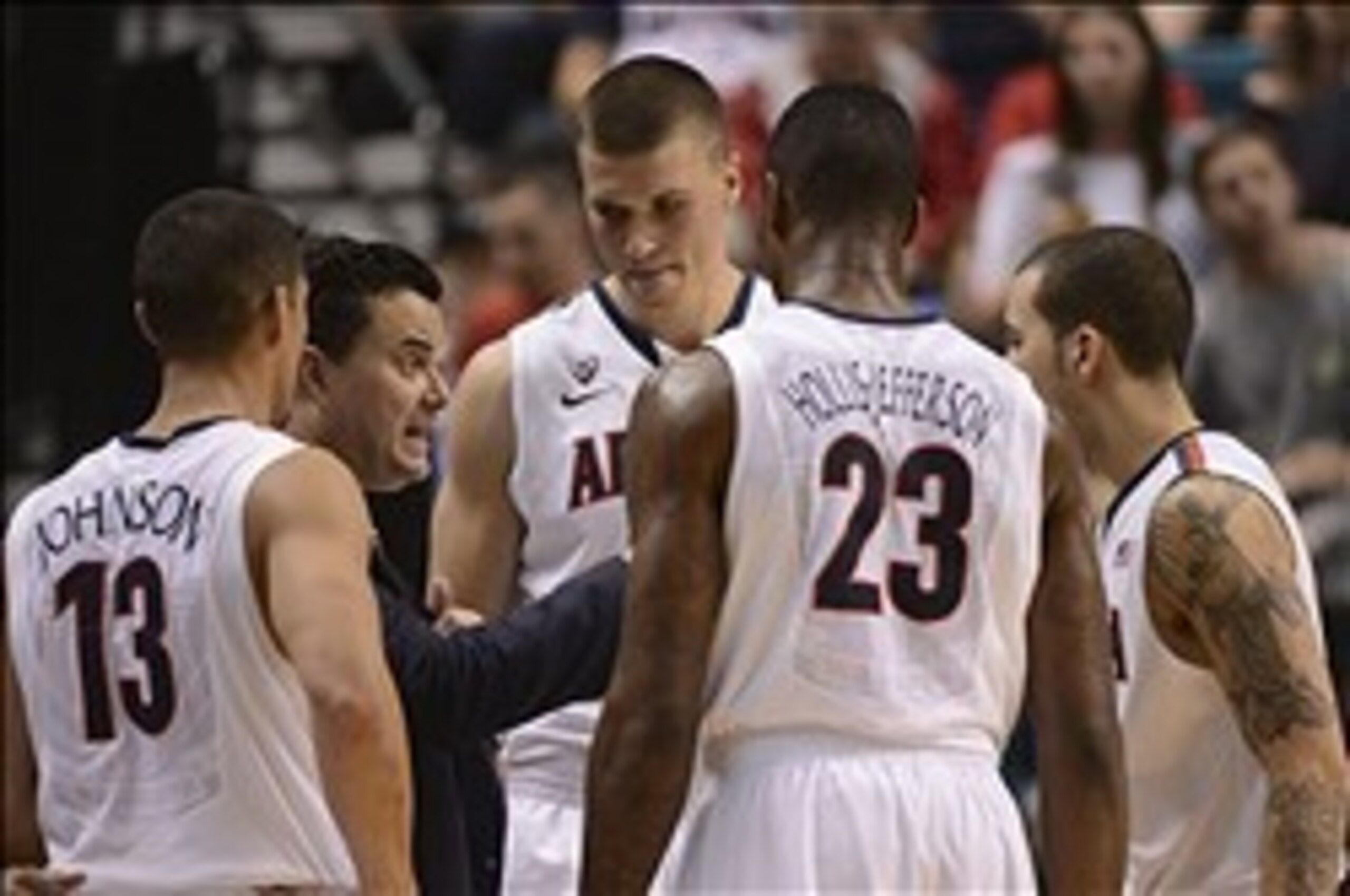
By the Numbers
Why is Arizona so hard to score against?
Sean Miller's pack-line defense forces a lot of tough shots and the Wildcats lead the country in defensive effective field-goal percentage (42.2 percent).
Player to Watch: Nick Johnson
The Wildcats need Johnson to be on. In their three regular-season losses, he averaged 9.7 points and went 10-of-46 from the field.
Bottom Line
The Wildcats miss the offensive production of Brandon Ashley, especially his perimeter shooting. With Ashley, the 'Cats were a national-title threat. Without him, they're still in that conversation because of the defense, but they'll need Johnson to be consistent.
4. Louisville
65 of 68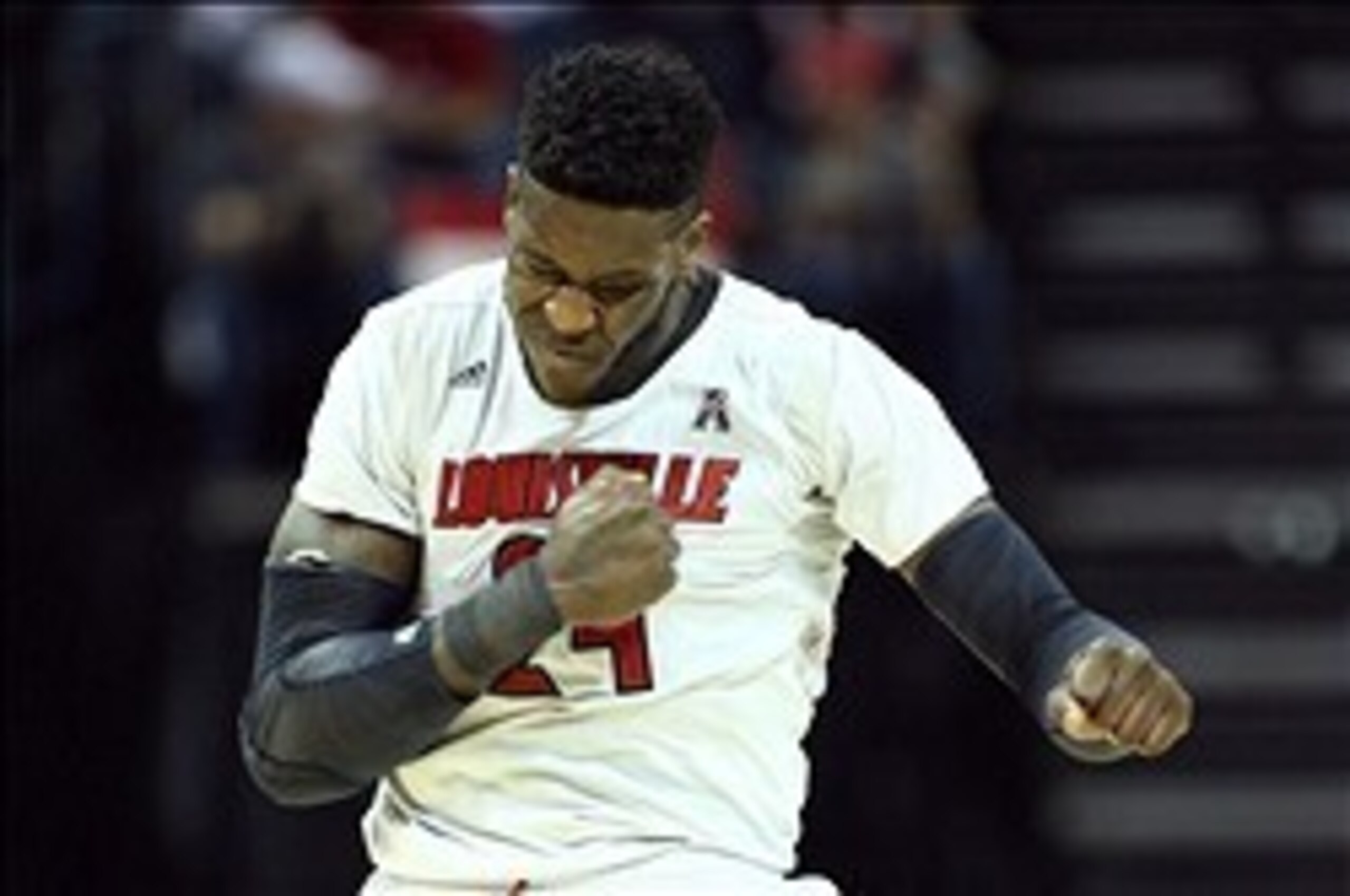
By the Numbers
The new rules have not negated the dominance of Louisville's defense. The Cards have the best half-court defense in the country, holding opponents to 0.73 points per possession, according to Synergy Sports Technology. It is the only major-conference school that ranks in the top 10 nationally in both defensive effective field-goal percentage (seventh) and turnover percentage (second).
Player to Watch: Russ Smith
Smith is no longer just effective when he scores. He's Louisville's best creator. For the Cards to go on a run, they need Smith and Montrezl Harrell playing well. Harrell's success depends a lot on Smith setting him up.
Bottom Line
A year ago, Louisville entered the tournament playing better basketball than anyone and was the tournament favorite. You could argue the Cards are once again playing better than anyone. The only difference this year is they haven't played the same level of competition, and that's why they're seeded lower.
3. Wichita State
66 of 68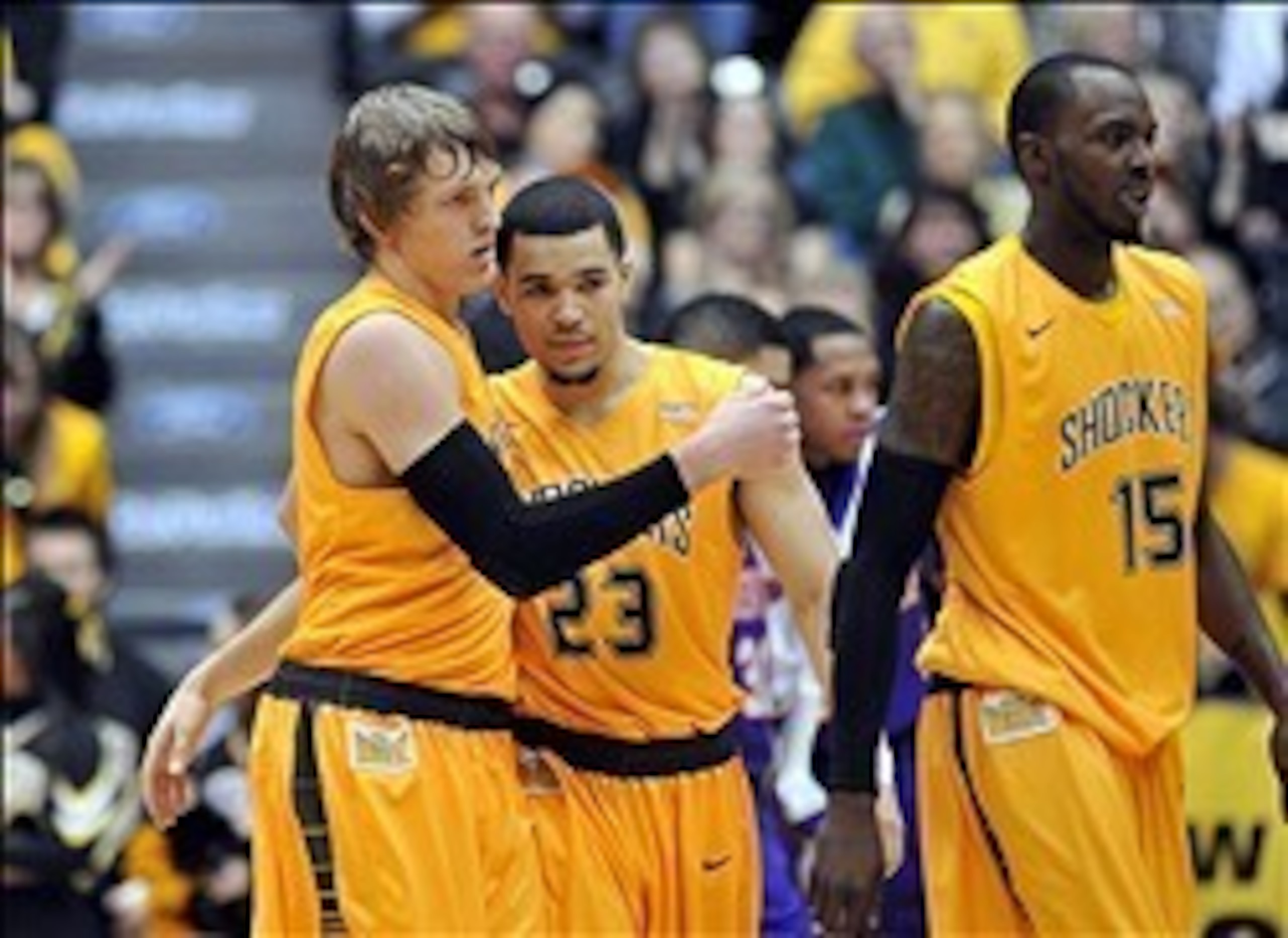
By the Numbers
You can count on two things when you play the Shockers. They're going to get a shot (and usually a good one) because of Fred VanVleet, who has only eight turnovers in his last seven games.
And if you get a shot against the Shockers D, better make it a good one because they're the seventh-best defensive-rebounding team in the country.
Player to Watch: Fred VanVleet
Player X makes 30.2 percent of his threes, 51.6 percent of his twos, has a 1.88 assist-to-turnover ratio and averages 2.8 steals per game.
Player Y makes 44.7 percent of his threes, 52 percent of his twos, has a 3.79 assist-to-turnover ratio and averages 1.9 steals per game.
Player X is Marcus Smart. Player Y is VanVleet. Not to knock Smart, but who would you want leading your team in the NCAA tournament?
Bottom Line
It's not easy to get to back-to-back Final Fours, but the Shockers are not just good enough to get there; they have the talent and moxie to win the title. If they do lose, it's not going to be because of the pressure of being undefeated.
2. Michigan State
67 of 68
By the Numbers
Tom Izzo's best four players (Keith Appling, Gary Harris, Branden Dawson and Adreian Payne) have missed a combined 23 games. You can pretty much throw Michigan State's record out the window.
Player to Watch: Keith Appling
He started to regain his confidence in the last week. He doesn't need to put up big numbers; he just needs to be a threat to score and be able to knock down open shots.
Bottom Line
The Spartans looked like the best team in the country for most of the first two months of the season, and they've got that swagger back after winning the Big Ten tournament. The key is Appling. When he plays well, the Spartans can beat anybody.
1. Florida
68 of 68
By the Numbers
The last four times Florida has had a top-three seed, Billy Donovan's team has won two national titles and been to two Elite Eights.
Player to Watch: Scottie Wilbekin
Wilbekin might be the most underrated point guard in the country. He's a great defender, has turned into a consistent three-point threat (40.1 percent) and is great attacking off ball screens.
Bottom Line
The Gators have earned the right to enter this tournament as the favorite. They defend. They have a great point guard, an inside presence (Patric Young), a three-point ace (Michael Frazier) and a great coach. They may lack the surefire lottery pick that most national champions feature, but they're the most complete team in the country.
C.J. Moore covers college basketball for Bleacher Report. You can follow him on Twitter @CJMooreBR.

.jpg?w=2560 "Monday Night Raw Blog 🔴")