Tom Glavine's Release Serves as Reminder: Baseball Is a Business
We live in a "what have you done for me lately" society. As sports fans, we tend to forget the past in favor of the present or future, and we have every right to do so.
That being said, I was shocked when I saw the news that Tom Glavine had been released by the Atlanta Braves last Wednesday.
I felt for the guy; I really did. I mean, how can you just discard a player who has done so much for your organization during a split-tenure of 17 seasons. This is a player who recorded 244 wins for your ball club, two Cy Young Awards (’91 and ’98), and was MVP of your lone World Series success in 1995.
TOP NEWS

MLB Commissioner Defends Salary Cap
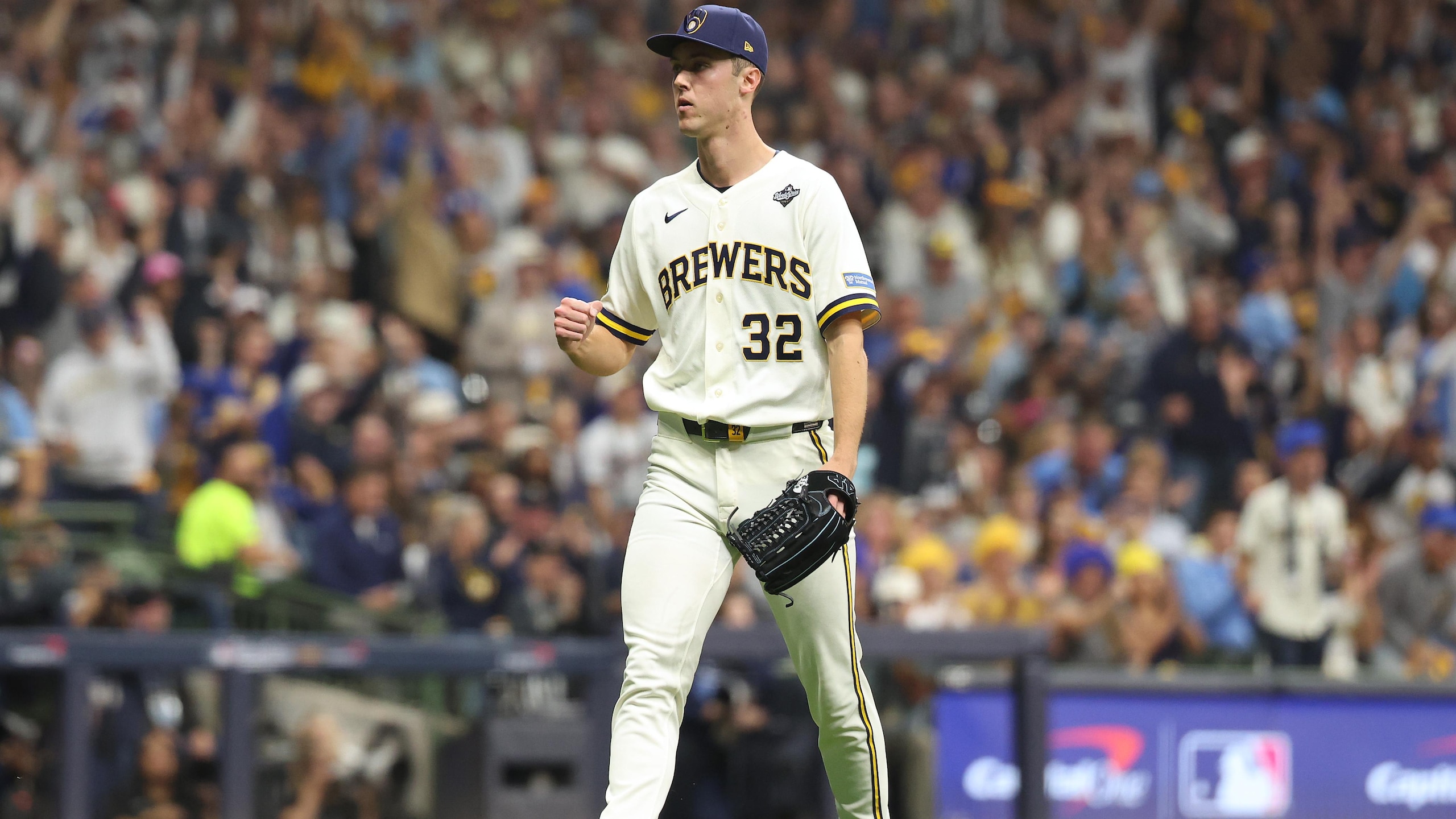
Miz Sets WS Record Already ⛽
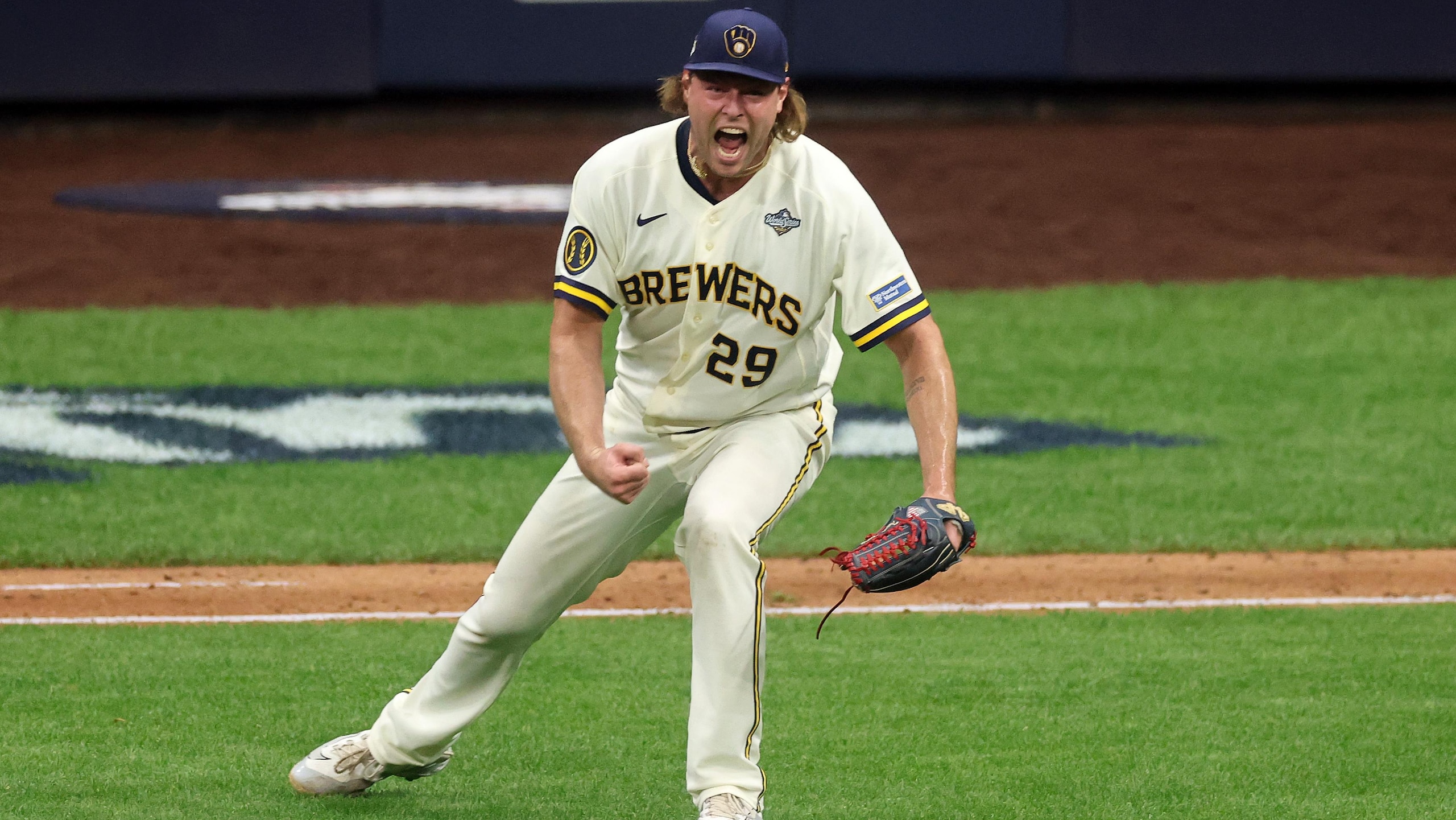
Brewers Get 1st WS Win Since 1982 💪
What an appalling and classless act by an organization that for so long has prided itself upon integrity and mutual respect between players and the front office. Shame on you, Braves powers that be, I thought. First Smoltz, now Glavine; only Chipper remains as a vestige of the glory days of Braves baseball. I wondered grimly when his time would come as well.
For several days, I felt that way: bitter at an organization that I’ve loved since youth. It just didn’t seem right; I couldn’t justify it. Then, all of a sudden, I could quite clearly.
The simple fact of the matter is that Major League Baseball, like any other revenue-generating venture, is a business. To run a successful business, employers must have employees working under them who create the best opportunity at attaining success.
Tom Glavine, at age 43, does not give the Atlanta Braves the best shot at winning; All-Star Nate McLouth, formerly of the Triple-A Pittsburgh Pirates, and 22-year-old rookie pitching phenom Tommy Hanson certainly do.
It doesn't make sense to pay a 43-year old with serious health issues $1 million guaranteed with $3.5 million in incentives when you can free up that money to fill a void in the outfield and potentially strengthen an already formidable Braves pitching staff.
The NL East is very much up for grabs, considering the plights of the pitching-deficient Phillies and the injury-plagued Mets. Why not make a move that gives your business the best shot at success? That makes all the sense in the world to me, and I have no experience in business.
Sure, it was handled inappropriately, but sometimes the toughest decisions have to be made without regard to human sentiment. Business and personal must be separated because at the end of the day, it’s not how nice you are, but how successful you are. Besides, where was Glavine’s loyalty in the winter of 2003, when he signed a four-year, $42.5 million deal with the division-rival New York Mets, or when he chose to re-sign with the Mets in 2006 when a return to Atlanta was certainly on the table?
The bottom line is, athletes should not expect loyalty if they themselves have not been loyal. Glavine needs to get over it, weigh his present options, and move forward with his life and career.
The only issue I have is with GM Frank Wren’s statement that Glavine’s release was a “performance decision,” not a “business decision.” That, Mr. Wren, is wrong, because as you so bluntly reminded Braves fans and sports fans everywhere, performance decisions go hand-in-hand with business decisions.
.png?w=2560)

.jpg?w=2560 "NFL House in Paris Closes for Protests")

.jpg?w=2560 "Trevon Diggs Cut by Seahawks")