

Much More Than a Fighter: Muhammad Ali's Greatness Defies Comparison
"I am the greatest," he said, even before he was champ. He rapped it too, before there was rap. He starred in a movie about himself. It was called The Greatest, based on his autobiography, The Greatest: My Own Story. But was Muhammad Ali really the greatest boxer?
Was he the greatest—as he liked to put it, eyes wide and mouth gaping—"of ALL TIME"?
I'd say yes, because I loved Ali. Like millions of others worldwide, I loved his bragging and trash-talking—routine today but unique at the time and not appreciated by most of my fellow white Americans—and the way he backed it all up in the ring.
TOP NEWS
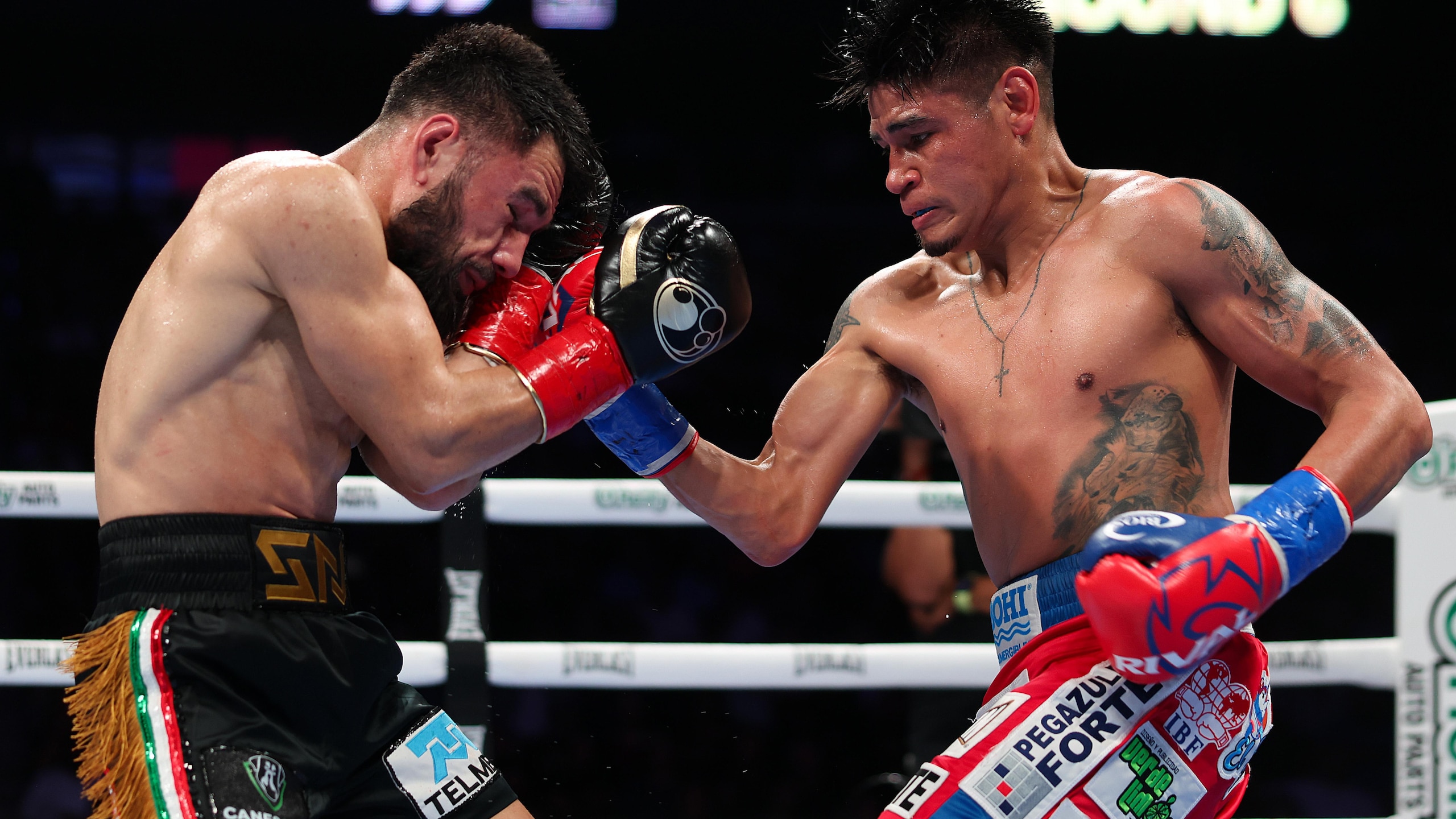
Emanuel Navarrete vs. O'Shaquie Foster
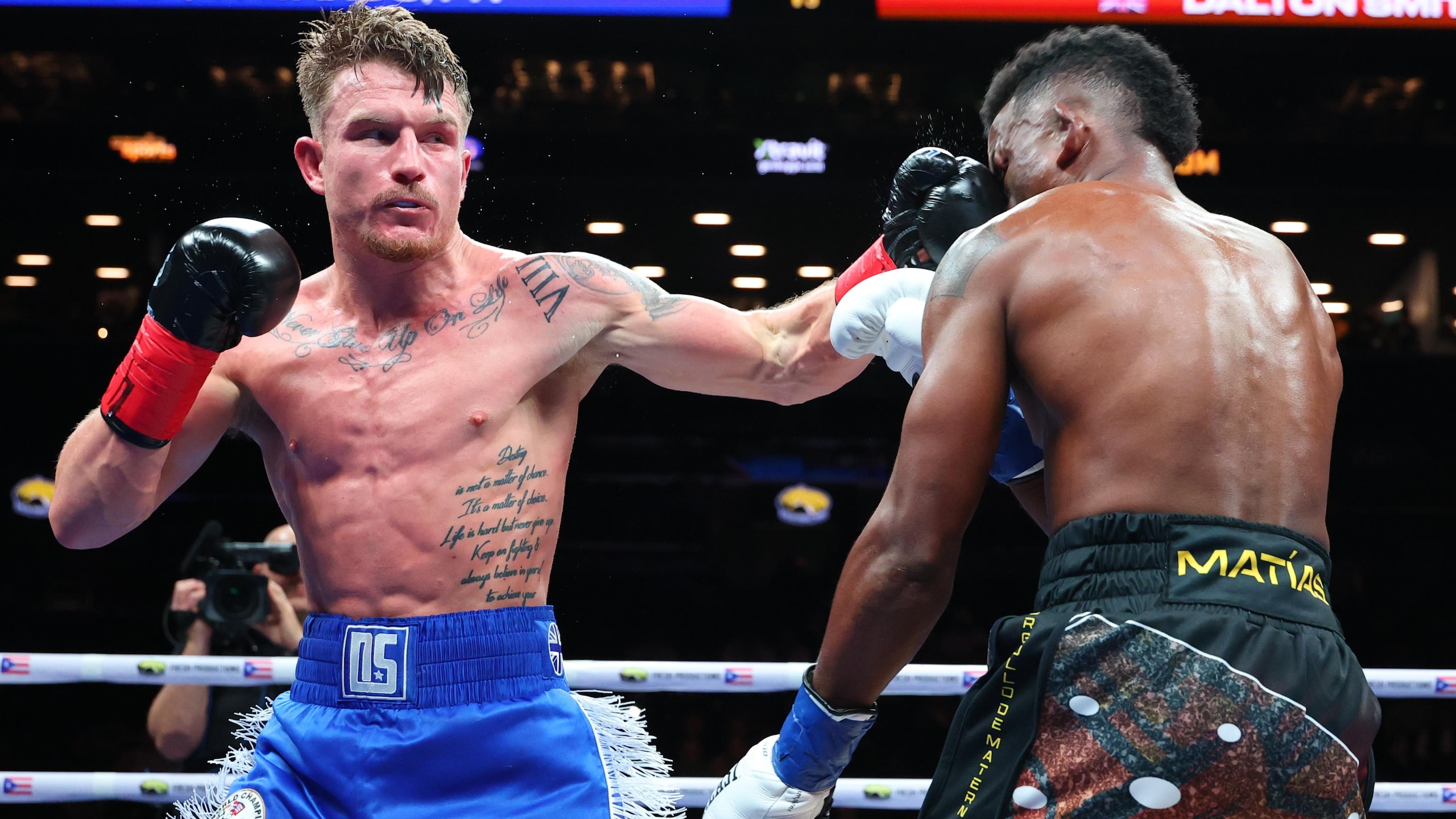
Dalton Smith Retains WBC Belt 🏆
_0.png?w=2560 "CFB Top 25")
Unranked Teams Cause Chaos in Rankings 📊
I'd say yes, because it's hard to separate Ali the fighter from Ali the man, the most compelling character boxing has ever produced, which is saying something. How can you look at the athletic brilliance, beauty, charisma and leadership of Ali's youth or the courage, perseverance, strength and dignity of his later years and not see greatness?
Then again I'd say no, because when I covered boxing in the 1990s, I knew some men who were old enough to have seen Henry Armstrong, who was simultaneously featherweight, lightweight and welterweight champion of the world in the '30s. They'd all seen Ali, too, of course, and Sugar Ray Robinson, and they were pretty much unanimous: "Homicide Hank" was the greatest of them all. Hard to discount that.
The real and not very satisfying answer is that we can never know. One of the things that makes boxing so fascinating to people who love it is how hard it is to compare one fighter to another across eras and sizes.
Have you ever actually seen film of Jack Johnson fighting? It's almost a different sport than the one Ali ruled half a century later. And how are we to compare a heavyweight like Ali with someone like Sugar Ray, the immortal welterweight and middleweight? The boxing formulation "best pound-for-pound" may have been invented for Robinson, so pundits could argue for his greatness without having to say that he would beat heavyweight champ Joe Louis, who had 40 pounds on him.

"Ali was Sugar Ray Robinson squared," boxing film collector, historian and manager Jim Jacobs once said. Jacobs told Ali biographer Thomas Hauser that, having long called Robinson the greatest ever, he'd made a close study of films of Robinson and Ali, including timing the speed of their punches. He said that Ali, 63 pounds heavier than Sugar Ray when both were at their best, was faster.
"Robinson as a welterweight was close to perfect," Hauser quotes Jacobs in the definitive Muhammad Ali: His Life and Times. "If you made Sugar Ray Robinson a 200-pound fighter with no loss of speed and coordination, I still think Ali in his prime would have beaten him."
Hauser quotes a host of other boxing experts saying either that Ali was the greatest fighter or the greatest heavyweight of all time.
Why? What made Ali so great in the ring?
He was certainly not "close to perfect." He did a lot of things wrong. He held his hands low and pulled his head straight back to avoid punches, both usually express tickets to lights-outville. He rarely punched to the body.
None of it mattered, because the things he was good at, he was a genius at. As writer Martin Kane put it in a 1969 Sports Illustrated article that dissected the then-suspended champ's methods: "Ali gets away with the insolence because of astoundingly quick reflexes, speed of foot and an uncanny ability to gauge distance."
And as Ali aged in the '70s, he showed the last pieces of his greatness in the ring: his toughness and granite chin. No longer able to overwhelm opponents with punches too fast for them to see, no longer able to keep his pretty face a half inch beyond the edge of their reach, Ali stood and fought. This era surely hastened the disability of Ali's last decades, but at the time it was simply one more way for him to be great.
"Man," Joe Frazier said after being forced to retire on his stool after the 14th round of the "Thrilla in Manilla," their epic third fight in 1975, "I hit him with punches that'd bring down the walls of a city."
George Foreman, a legendary puncher, beat on Ali for the better part of seven rounds in 1974 before Ali emerged from his "rope-a-dope" defense to knock him out in the eighth and win back the title he'd lost outside the ring in 1967, when he'd refused induction into the Army.
That might be the best argument for Ali being the greatest of all time: As great as he was, we may never have seen him at his best. His legal battle with the U.S. government kept him sidelined from two months after his 25th birthday to three months before his 29th.
"Due to his beliefs, he was robbed of the best years of his life," his trainer, Angelo Dundee, told ESPNdeportes.com boxing columnist Carlos Irusta, "which is something that must be taken into account when talking about Ali: He was robbed of his best years, his prime years."
So, was Muhammad Ali really the greatest boxer of all time? Ultimately, it doesn't matter.

If he wasn't the best ever, he's certainly in the middle of a very spirited conversation. You can argue, not always convincingly, that a few others were greater in the ring. But as much as any fighter in history, Ali was more than a man in the ring. Boxing has never produced a greater character, a greater life story, a greater villain or a greater hero.
If nothing else, we can reward his towering achievements and long life with the last word.
"I am the greatest," he said—many times, of course. And once, he added: "I said that even before I knew I was."

.png?w=2560)
.jpg?w=2560 "Jonathan Taylor Landing Spots 📍")





