College Football's Aggressive Stance on Targeting Isn't What the Game Needs
College football had it right. See the issue, assess it using ample time to consider all necessary details and react once all information has been gathered.
This was how targeting—or in layman’s football lingo, aggressive contact on defenseless players above the shoulders—was viewed and punished during the 2012 season.
In 2013, however, that process has been drastically overhauled. Targeting will become an ejectable offense when foot finally hits tee on August 29, meaning players could be removed from games directly after a questionable hit.
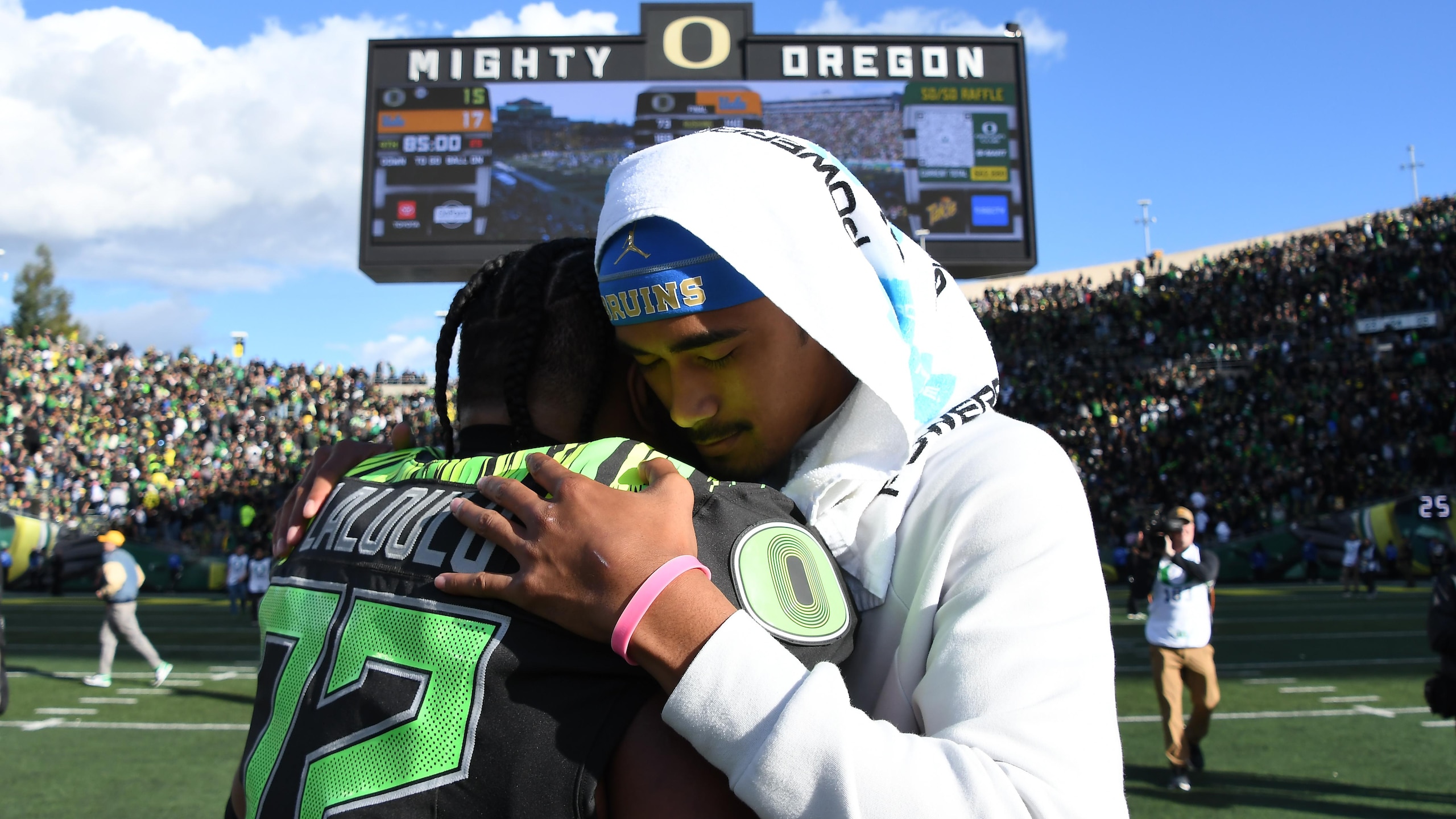
If an official sees a dangerous tackle up near the helmet—or even if he thinks he did—a player could be told to leave. Aggression on the field is being tackled with aggressive legislation, and officials are being encouraged to strictly enforce the new rule.
“When in doubt, throw him out.”
This mentality was stressed at a recent officials’ football summit in Chicago, where officials from various conferences congregated, according to Big Ten Network’s Tom Dienhart.
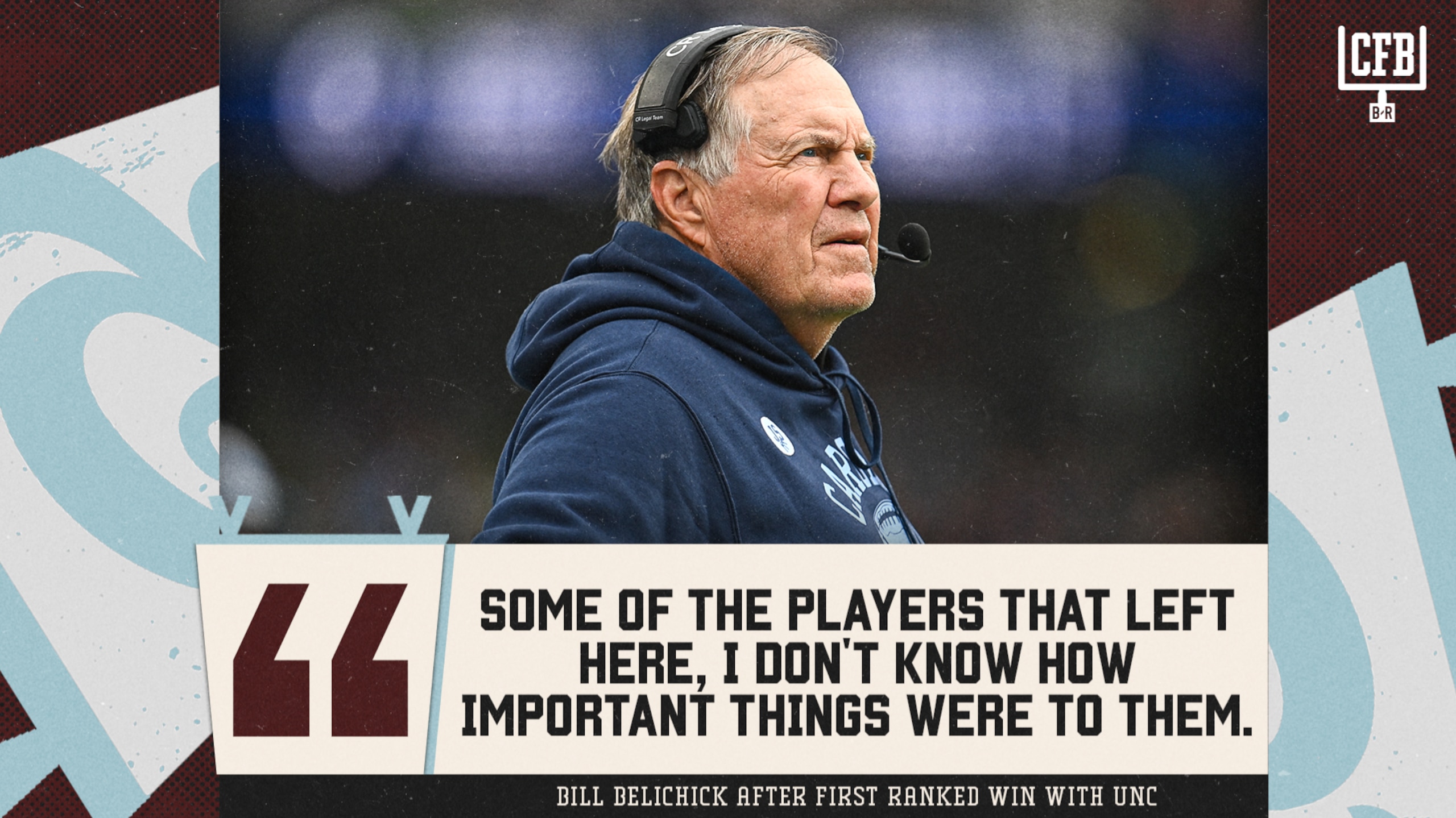
“We have to change behavior,” said Big Ten official coordinator Bill Carollo. “Otherwise, we won’t have a game.”
This frightening but accurate truth applies at all levels of the sport, signifying a crossroads where the possibility of life without football is gaining steam.
Improving player safety and learning more about the long-term impact on the brain of football's repeated blows to the head is integral to the future of the sport. The intention of these rules changes—including hasty immediate ejections for targeting—is praiseworthy. But the implementation of this specific rule won't have the desired effect.
Not only are officials being placed in impossible situations, with judgment calls moving at mach speeds, but the powers that be are expecting immediate results.
Like a cop trying to hit a speeding ticket quota at the end of the month, officials have been put on notice. Make the call, even if you’re not exactly certain of what you saw.
"#B1G Officials have been told if they don't adjudicate targeting hits/suspensions on Saturdays, they aren't doing their job.
— Tom Dienhart (@BTNTomDienhart) July 13, 2013"
All ejections will be subject to immediate review, a necessary backup plan. Even this, however, feels laced with bias before it is officially put in action.
"In an effort to address concerns when one of these plays is erroneously called on the field, the ejection is reviewable through video replay. The replay official must have conclusive evidence that a player should not be ejected to overturn the call on the field. But, as most officials said at this event, the likelihood of a booth reversal is slim.
"
These hits also come equipped with a 15-yard penalty, a punishment that was in place a year ago. Dangerous plays were subject to review following the game, and discipline was applied the following week.
Ole Miss defensive back Trae Elston was on the wrong end of this suspension last season following a questionable hit on a UTEP player. Although no flag was thrown, the review led to a one-game suspension that prompted plenty of debate over whether it was warranted.
It’s difficult to determine how this hit falls under the still indistinct “targeting” umbrella, and the criteria remain open to interpretation as a new era begins.
Still, it was reviewed at length following the game, and officials decided—after heedful assessment—that a one-game suspension was warranted.
The process took the appropriate course.
In 2013, on-field officials will be forced to make these decisions in real time. The backup replay system to confirm these calls will be utilized with a deafening stadium demanding immediate response.
A challenging call to make with ample time without boisterous boos just became more grueling in a football environment. Why rush it? Why attempt to make a statement that was already being made?
Inconsistency and controversy will follow.
The hits that are a result of targeting have no place in college football. Meathead fans who glory in the “good ol’ days” and embrace the prehistoric culture of dangerous hits will become dinosaurs in due time. In order for all forms of football to survive, flexibility from all parties is key.
Despite the growing discontent from fans and players with this more stringent legislation—including standout Florida defensive tackle Dominique Easley, who isn’t happy about this rule—this isn’t the end of the changes.
"Florida DT Dominique Easley on the new targeting rule: "They're basically making us play flag football."
— Jon Solomon (@jonsol) July 16, 2013"
You don’t need to be a scientist to understand that large objects colliding at high speeds aimed at the body’s most vital organ present a danger. Discouraging these moments with severe punishments is optimal, as long as each situation undergoes the appropriate evaluation.
However, hastily doling out punishments doesn’t solve the problem. It doesn’t tell us more about the brain, and it likely won’t discourage an unavoidable hit any more than an appropriate punishment after the fact.
The confusion forced onto the game’s rule enforcers could only further cloud a play already rife with gray area.
For once, college football had it pegged. See it, assess it after the fact, and suspend the offending player (if necessary).
When in doubt, get it right.

.jpg?w=2560 "Grading WWE Raw 🔠")