When Tennis Married Fashion, Part One : The Evolution
To call a spade a spade—we all know that tennis stars today, both male and female, are some of the most sought-after athletes in the world.


But it always wasn’t like this. Fashion in tennis has emerged slowly but surely, although the journey has been far from smooth.
An indulgent exercise it might be—but for a few moments it will take our minds off the who is better and who is worse debate, and see them in a new light maybe?
I am tackling men’s tennis first, as I feel more comfortable with it. However if I manage to handle it well, I might do a similar exercise for our lovely ladies.
So enjoy!
 1500-1900: Did you know that the earliest male tennis players most closely resembled today’s baseball players? Royal decree ensured that all players wore balloon-like shorts!! And they were accompanied by stockings!
 1900-1932 During these decades, men dressed in white flannel trousers and white shirts, sometimes adding v-neck or cable-knit sweaters to their kit to add an element of style. This made them virtually indistinguishable from test cricket players.
‘Big’ Bill Tilden emerged as the first male tennis fashion icon, transforming the image of men’s tennis from that of a sport played by wealthy, leisured men, into a man’s game played by the toughest athletes.
Naturally, his style was emulated by many—the long shirts rolled up to the elbows, the customary flannel trousers and a selection of elegant sweaters became all the rage.
 1932-1970: A major revolution took place in men’s tennis in 1932. English tennis player Henry ‘Bunny’ Austin, grew frustrated with having to wear cumbersome flannel trousers, and ditched these in favour of a pair of shorts. When Austin wore his shorts at Wimbledon in 1932, he initiated a fashion revolution that transformed the face of the sport forever.
During the next four decades changes to men’s tennis fashion were minor. The length of shorts varied from decade to decade, as did the cut of the tennis shirts players wore during tennis tournaments.
 1970-1990: It was not until 1970 that players decided to add a little colour to the game. The change was introduced after spectators complained that the bland colouring made it difficult to distinguish between players. Even after colour made an appearance in men’s shirts, it remained toned-down, with most using only pastel hues.
At around this time the use of headbands became popular, with both John McEnroe and Bjorn Borg sporting this headgear during the period of their famous rivalry.
 1990-present: From the '90s onwards, colours started taking up more space in men’s shirts—first in the form of designs, and then fully coloured shirts finally became an acceptable item of clothing for male players.
Shorts were soon to follow, with the likes of Andre Agassi pushing the boundaries of men’s tennis fashion ever further with denim shorts!
During the 1990s, the short-shorts favoured during the 1980s were dropped in favour of baggier, Bermuda style shorts. Players like Agassi started wearing lycra cycling shorts underneath these shorts.
As the shape of shorts changed, so did that of shirts, with some players discarding the traditional tennis shirt entirely.
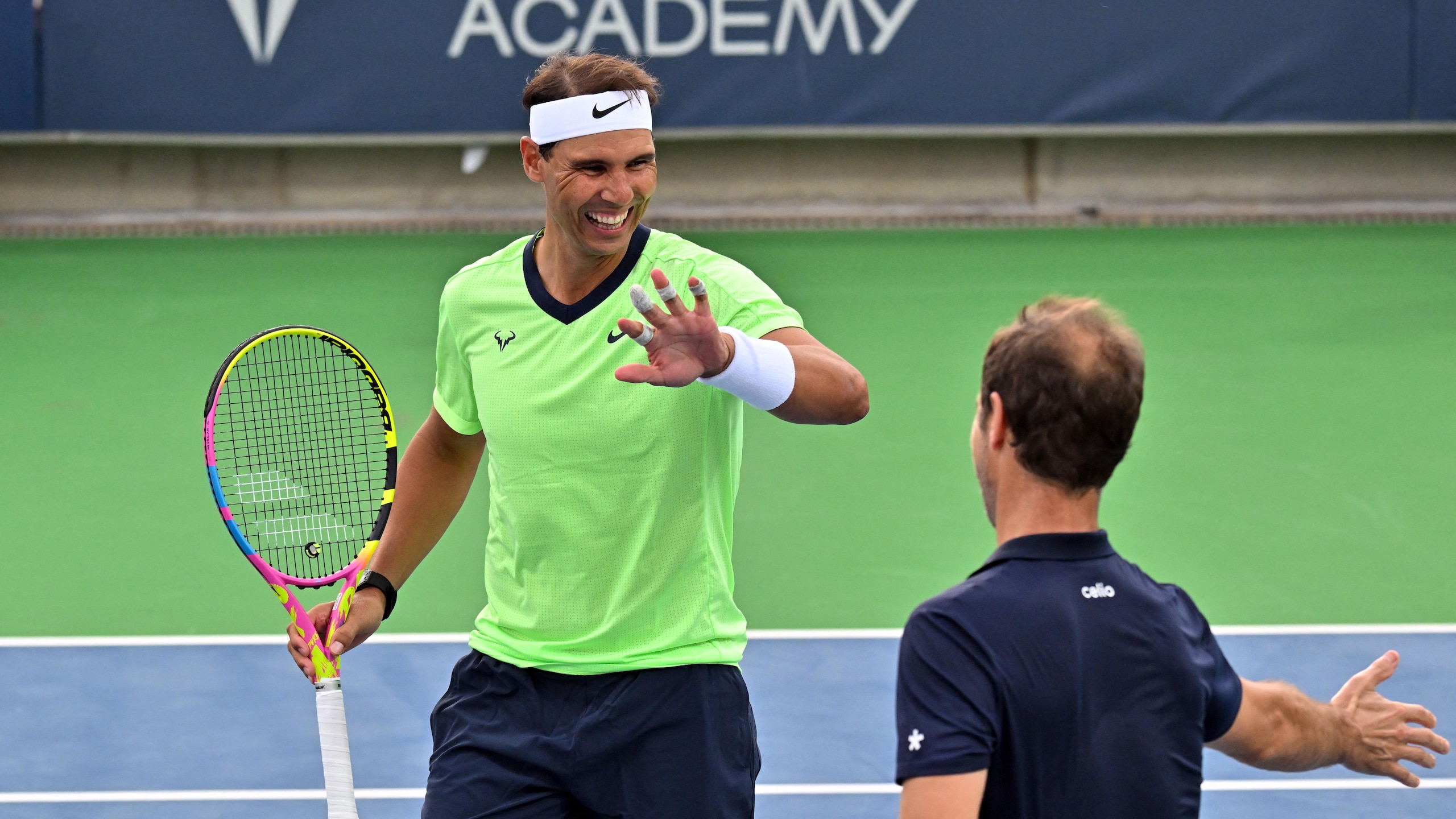
Tennis today is at its fashionable best. Male players now choose from a wide variety of shirt styles, ranging from t-shirts to sleeveless shirts to polo shirts. A riot of colours on the shoes, the wristbands, and the headbands is also on display. Image truly is everything and experimentation with on-court apparel is in full swing.
However, the tennis stars today aren't only satiated by looking good on the court—they want to look impeccable off-court too. They are fashion savvy and want to put their best foot forward, irrespective of the occasion. Which brings me to the next part of my discussion—personal style.
Everyone has it, but not everyone can flaunt it! In my next post I would be deconstructing the signature style of none other than Roger Federer.
Stay tuned!



.jpg?w=2560 "Latest Peyton-Colts Rumors")