
Maria Sharapova: Why Past Injuries Make Career Grand Slam Special
Maria Sharapova cruised to a 6-3, 6-2 straight sets victory over Italian Sara Errani in the French Open Women’s final, collecting a career Grand Slam in the process.
A career Grand Slam (winning all the major titles: U.S. Open, French Open, Australian Open and Wimbledon) is a stunning feat by itself. When you factor in the roller coaster career Sharapova has ridden to this point in her life, that achievement becomes truly special.
As a 17-year-old in 2004, Sharapova (the No. 13 seed in the tournament) won Wimbledon, becoming the third-youngest woman to win the title. In the United States, most 17-year-olds are preoccupied by the ability to go see R-rated movies. At 17, Sharapova was busy winning one of the most prestigious titles in all of sports.
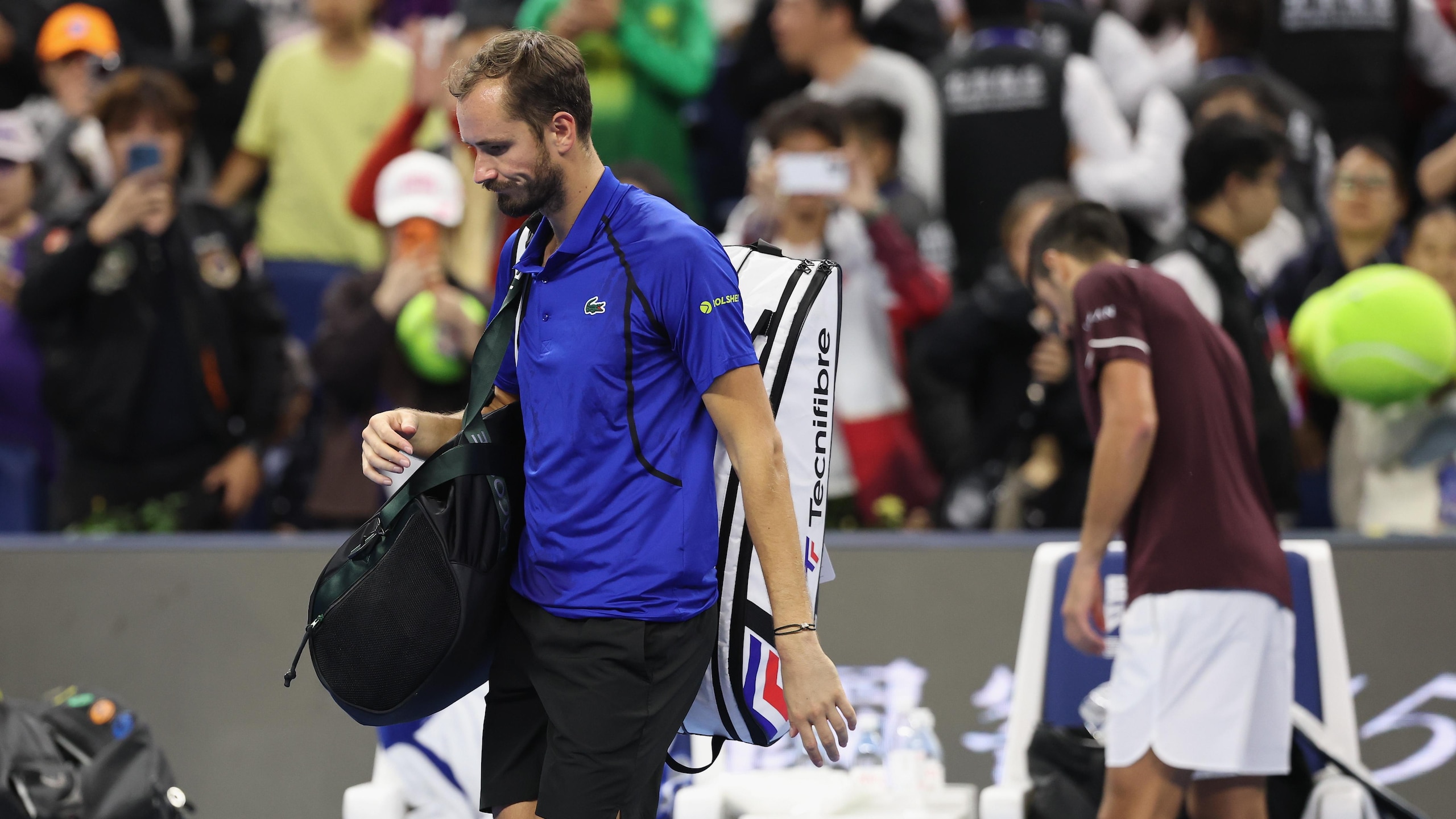


She had an extremely bright future from a very young age.
Sharapova continued her strong play and attained the No. 1 ranking in women’s tennis in September 2005. Sharapova had become one of the most talented and popular tennis stars just a few years into her career.
In spite of her rapid success, Sharapova has not been invincible and has found herself shelved frequently due to injury. In fact, if you Google “Maria Sharapova injury,” the suggested search brings up the years: 2008, 2009, 2010, 2011, and the areas afflicted: shoulder, ankle, elbow, foot.
The most serious of Sharapova’s many injuries was certainly that to her shoulder, which required surgery and prevented her from competing in the 2008 Olympics in Beijing.
The surgery sidelined the Russian phenom for nine months, and speculation that the injury could have threatened Sharapova’s career began to surface.
From a New York Times article by Greg Bishop, Martina Navratilova, a fantastic tennis player herself, had this to say of Sharapova’s resiliency:
"“Most people would have called it a day. She stayed with it. I wouldn’t have thought she was capable of doing that two, three years ago. Great for the sport, I think, and good for her. She’s a superstar, and it’s always good if a superstar is on top.”
"
Not only did Sharapova come back to the sport and compete, but she’s been competing at the highest level. She now has a career Grand Slam to show for her efforts after winning this year’s French Open.
Sharapova’s work ethic to get back to this point should not be overlooked.
She triumphed in the face of tremendous odds against her. She had to rehabilitate an injury that could very well have been career-ending and fought through countless hours of practice to polish her game after nine months on the shelf (trust me when I say that playing tennis is the furthest thing from riding a bike—if you don’t keep at it, you lose the feel).
Sharapova will savor this victory for what it was, a commanding and dominating win on the highest stage to collect a career Grand Slam. But she should be equally as proud of coming back to the sport after injury.
Fans will remember Sharapova for her wins and on-court achievements, but they shouldn’t forget her work ethic and resilience in the face of adversity.
.jpg?w=2560 "Cardinals Giants Football")

.jpg?w=2560 "Tyreek Deal May Come Soon")


.jpg?w=2560 "Ward Nearly Walks Out of Presser ▶️")