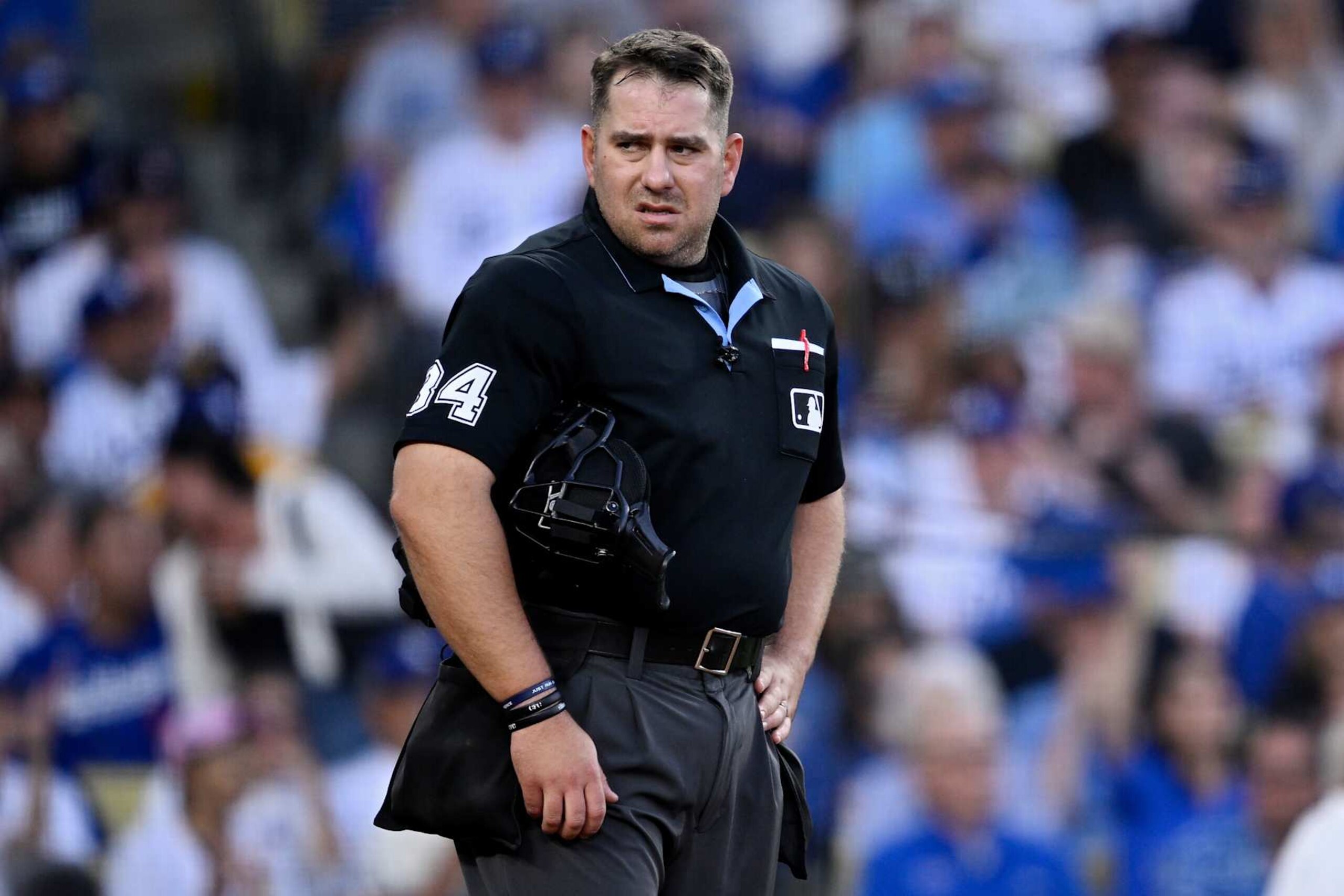


MLB commissioner Rob Manfred is optimistic about implementing an automated strike zone in the future, but it may still take some time.
Appearing on The Dan Patrick Show, Manfred explained a version of the automatic strike zone could come to MLB within the next four years.
TOP NEWS
10 Most Expensive Memorabilia Sales of 2026 🤑

Pro athletes we'd want to see play other sports
Yankees higher ups annoyed with Aaron Judge
MLB has utilized an automated strike zone in the minors since 2019. One thing that is unique to the system is that the zone isn't the same for every league.
Baseball America's J.J. Cooper noted in March that games in Triple-A and the High-A Florida State League, which has certain parks equipped with the ABS technology, would use the system to call balls and strikes for games from Tuesday through Thursday during the 2024 season.
Cooper added the Triple-A strike zone would be 17 inches wide, the length of home plate, with the top and bottom of the zone set at 53.5 percent and 27 percent of the batter's height. The height for the top of the zone was an increase of 2.5 percent from 2023.
The FSL zone was 20 inches wide, with the bottom of the zone set at the height of a batter's back knee and top of the zone based on the midpoint of the batter's hips. The zone could actually change based on the hitter's stance, but it was based on a rolling median of the player's stance from previous pitches using the Hawk-Eye visual tracking system.
Umpires make the call using a system similar to what pitchers and catchers have with PitchCom, where the system determines a ball or strike and relays the call to the ump via an earpiece.
Manfred's assessment that it could take years for MLB to implement the system isn't a total surprise. He told reporters in May after an owners meeting that there were "some technical issues" with the "the operation of the system" that would likely take it off the table for 2025, but the technology was working well.
One of the issues Manfred cited was the definition of the strike zone and how to set the zone for each individual hitter, either based on a percentage of their height or positioning of camera systems within the stadium.
"I'm not sure that anybody is wholly satisfied with either approach," Manfred said. "We have not started those conversations [with the MLBPA] because we haven't settled on what we think about it. It's hard to have those conversations before you know what you're thinking."
During a pre-All-Star Game event in July, Manfred called the 2026 regular season a "viable possibility" for the ABS system to be implemented if things go well during a test run in spring training before the start of next season.
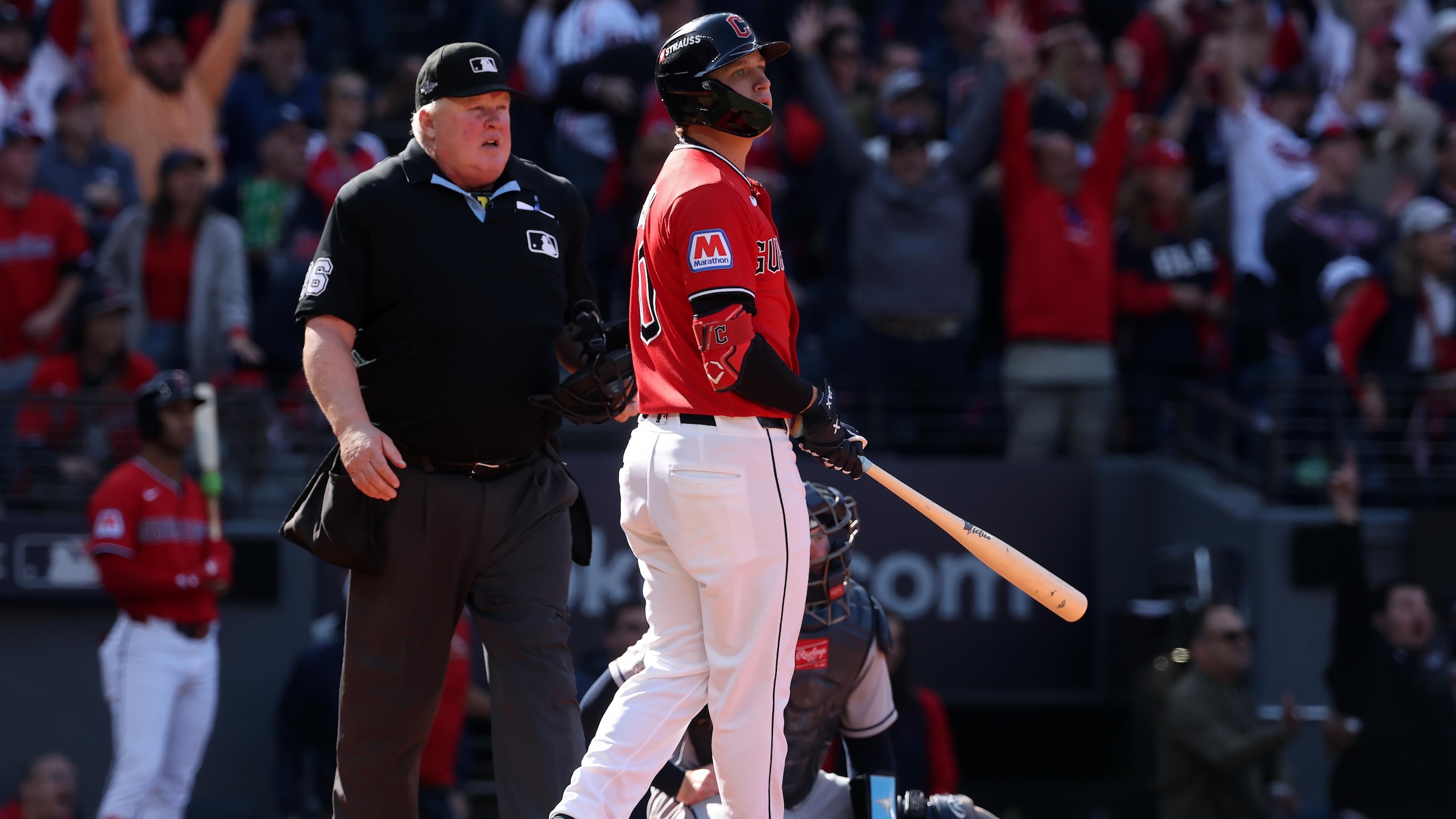
There has been continued scrutiny on the umpires throughout the postseason. Some estimates tracked 116 incorrect calls combined across the 11 games in the American and National League Championship Series.
A four-year timetable for MLB to implement the ABS system would mean that it happens before the end of Manfred's tenure as commissioner. The 66-year-old told reporters in February he would retire when his current term ends in January 2029.
.jpg?w=2560 "Jalen Hurts Out Sunday")
.jpg?w=2560 "Bleacher Report's Expert NFL Picks 🔮")
.jpg?w=2560 "Troy Aikman teases ESPN departure")


.jpg?w=2560 "Tennis Player Gets 24-Year Ban for Match Fixing (AP)")