
Predicting What NFL's Roster-Building, Playcalling Trends Will Be in 5 Years
As is the case in most team sports, NFL games are largely won or lost by the players on the field. Miscues can change outcomes, of course, but the team with the most talent and the deepest roster will usually win any given matchup more often than not.
However, coaches and executives will always seek to gain additional edges through playcalling and creative roster building. And since the NFL is a copycat league, niche concepts that work often become leaguewide trends.
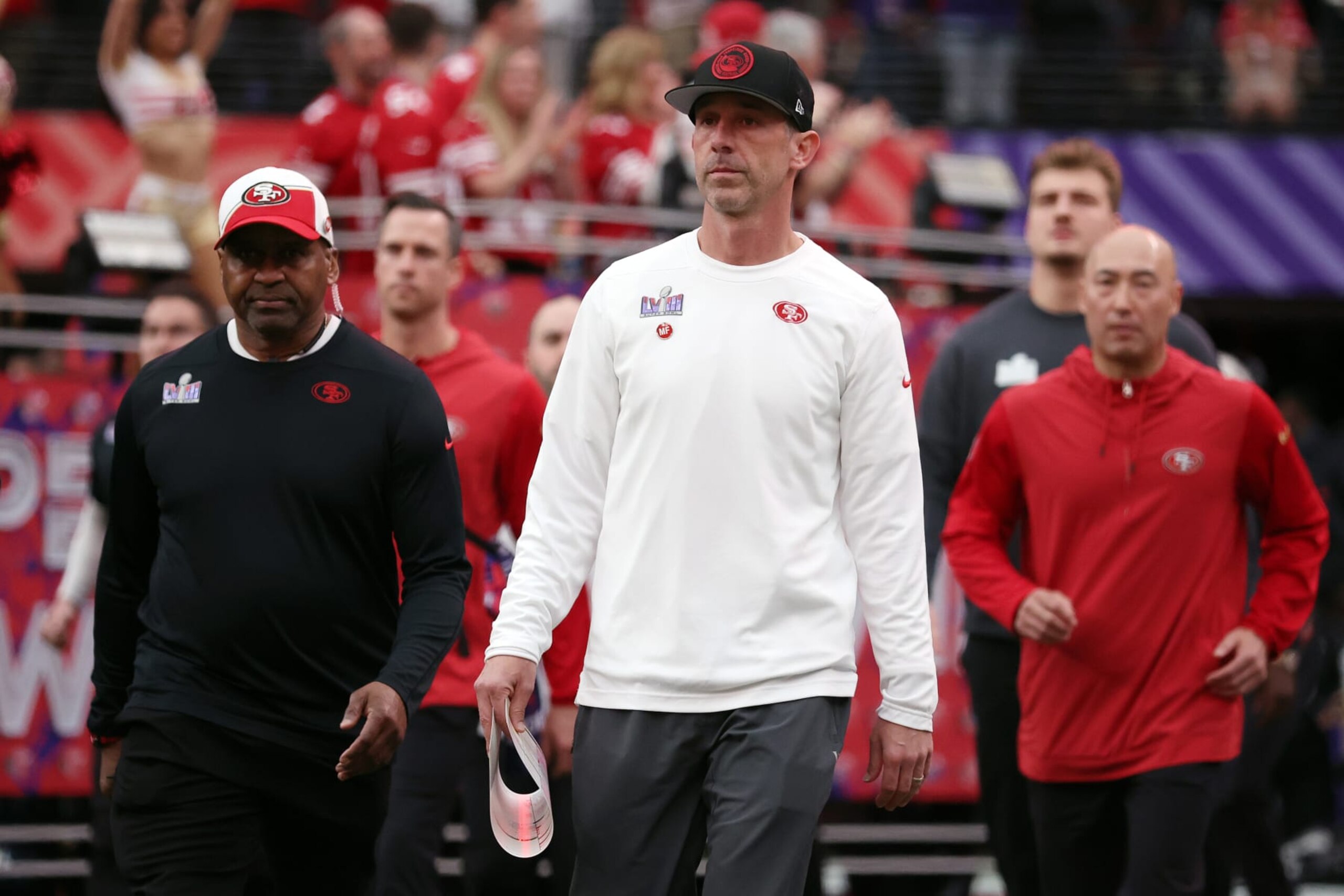
The spacing-based, often motion-heavy offenses of Sean McVay and Kyle Shanahan, for example, have led to coaches from their trees—like Matt LaFleur, Zac Taylor, Mike McDaniel, Kevin O'Connell, Mike LaFleur, Liam Coen and Bobby Slowik—earning prominent coaching roles elsewhere around the league.
Predicting what trends will be popular in 2029 is tricky because they'll hinge heavily on what becomes successful in the next few years. However, we're here to make a few predictions based on factors like recent results, recent coaching hires, college trends and some good, old-fashioned guesswork.
A Running Game Resurgence
1 of 6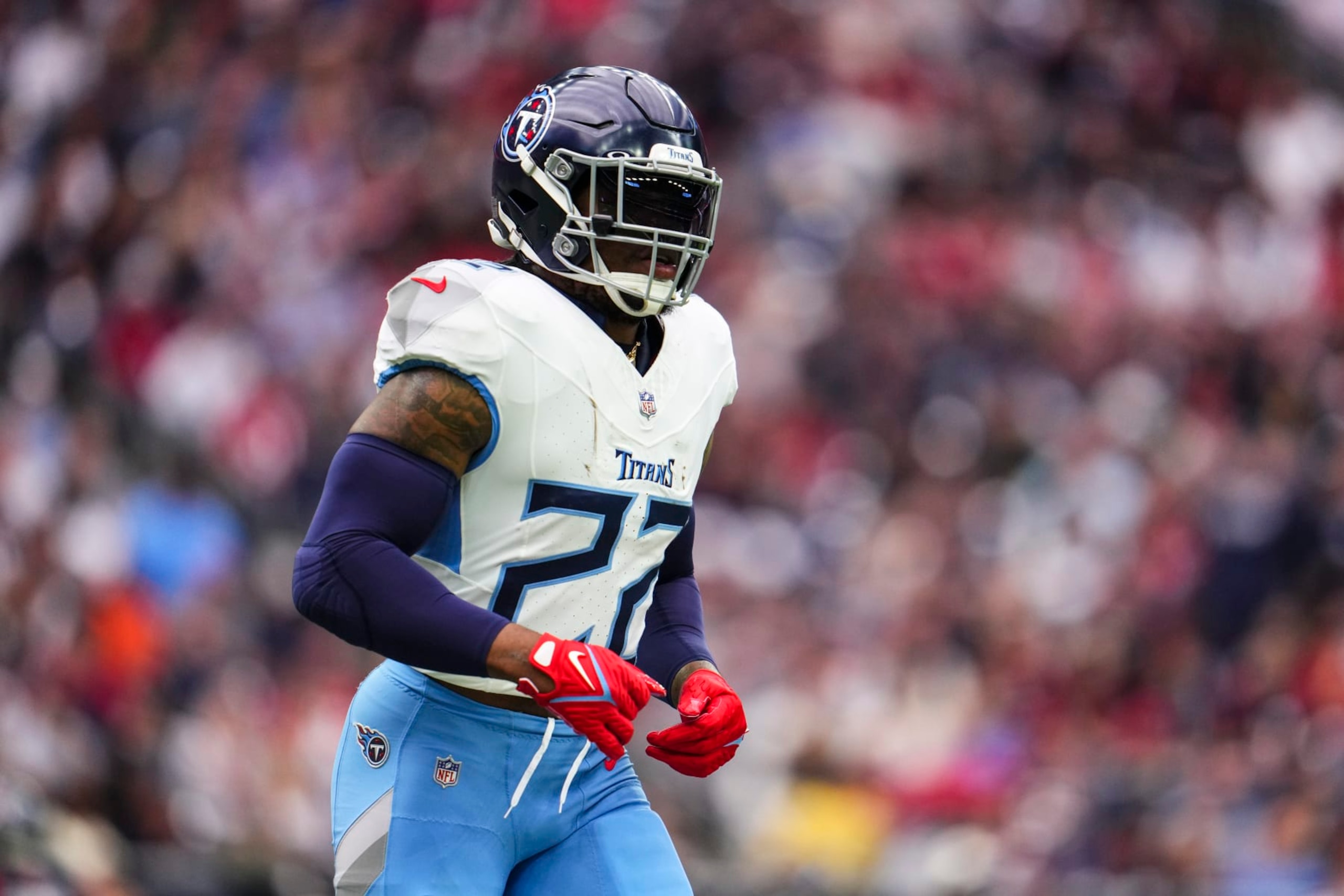
The NFL remains a quarterback-driven league and, therefore, has become a pass-driven league. In 2023, teams passed on a collective 57.5 percent of their offensive plays. That's a high rate, but it's actually down from a peak passing percentage of 59.3 in 2016.
We're not likely to see quarterbacks and wide receivers disappear from the highlight reels any time soon, but we may see an increased emphasis on the ground game in the coming years.
It's worth noting that in 2023, according to The Football Database, the Baltimore Ravens were the only team to run more than it passed. However, the Buffalo Bills, Philadelphia Eagles, Pittsburgh Steelers and San Francisco 49ers also ranked in the bottom seven of pass rate and all made the postseason.
The rise in passing over the past decade-plus has led to an influx of lighter, quicker linebackers and an increase in subpackages that feature five or more defensive backs. According to TruMedia (h/t The Athletic's Jake Ciely), the leaguewide use of nickel defense reached an all-time high at 67.2 percent in 2023.
The defensive shift seems to have worked, as scoring has dropped over the past two years—down from 24.8 points per game in 2021 to 21.9 and 21.8 points per game in 2022 and 2023, respectively.
There will always be teams looking to zig where other teams are zagging, however, and we've seen some of that from teams like Philadelphia, San Francisco and Baltimore. The Ravens may take things even further in an against-the-grain direction in 2024, after pairing dual-threat quarterback Lamar Jackson with bruising runner Derrick Henry.
It's a solid plan because, while lighter, faster defenses are better equipped for coverage, they can struggle against bigger backs, physical scramblers and pulling linemen. We've seen this at the college level, where physically imposing teams like Georgia, Alabama and Michigan continue to fare well in the spread-offense era.
Defensive trends often take time to catch up to offensive trends, so don't be surprised if even more teams are utilizing more balanced run-pass playcalling five years from now.
Running Backs, and Even Fullbacks Return to Prominence
2 of 6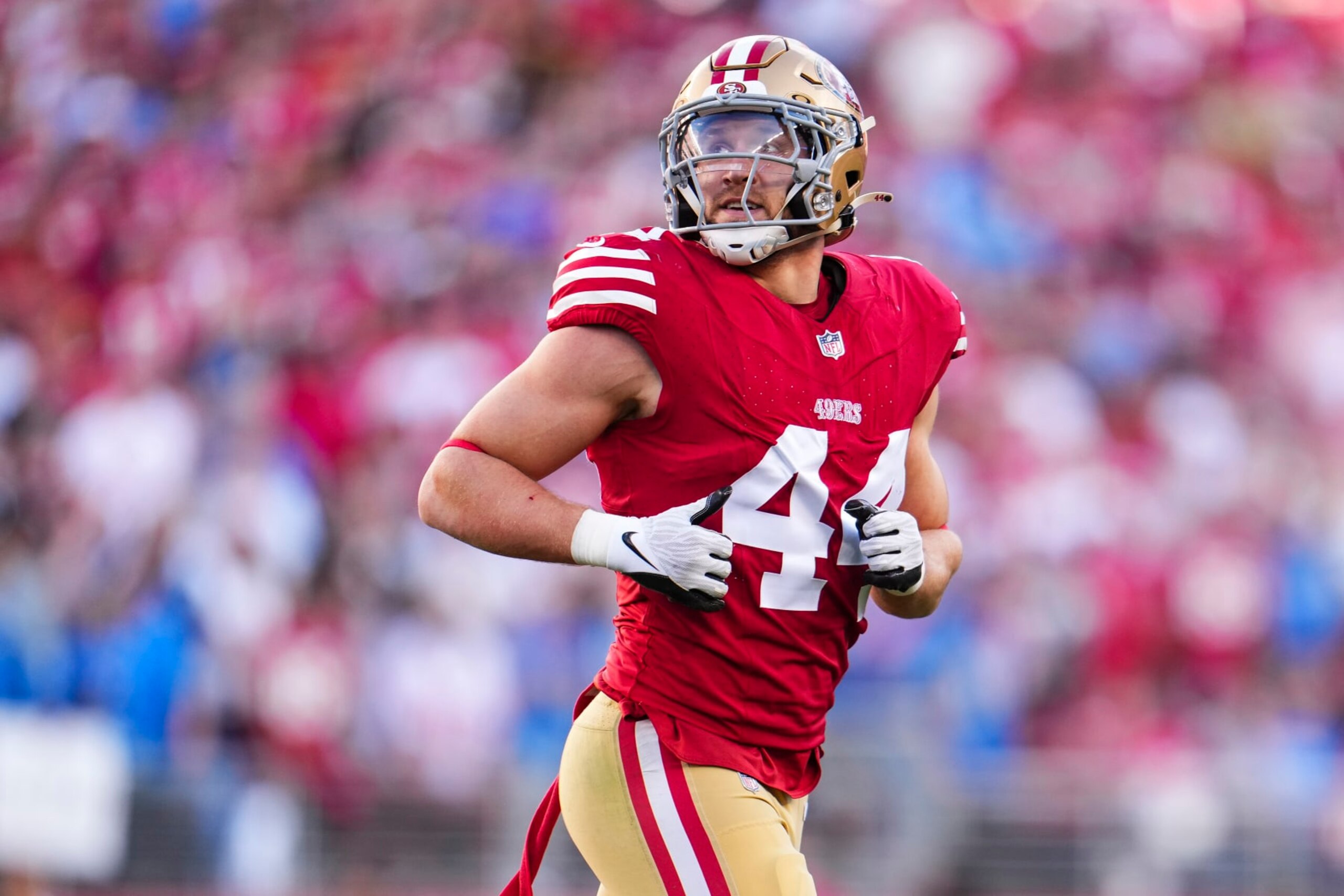
Let's be clear. The days of star running backs being offensive centerpieces are probably over. The position doesn't carry a lengthy shelf life, and teams won't be eager to invest heavily in long-term running back contracts.
However, we're likely to see a shift in how teams prioritize the running back position, which has been significantly devalued recently. We've seen a bit of a resurgence over the last couple of years, though, with Jahmyr Gibbs and Bijan Robinson both being 2023 first-round picks, while Saquon Barkley, Tony Pollard, D'Andre Swift and Henry were signed early in free agency.
Part of this falls in line with the idea of countering defensive speed with offensive size. Part of it comes from the fact that versatile backs like Gibbs, Robinson, Barkley and Christian McCaffrey can also create serious mismatches in the passing game.
Expect the turnaround of the running back market to intensify a few years from now, in a sense, anyway. Running backs will be targeted earlier in draft classes that are deep at the position, and top free-agent backs will be coveted in years with fewer high-end prospects.
We may also see more teams carrying fullbacks on their active roster, which few teams currently do. There are a few reasons for this.
The first is that athletic fullbacks like San Francisco 49ers Pro Bowler Kyle Juszczyk can create mismatches of their own as runners and receivers. In recent years, teams have looked to counter defensive speed by finding tight ends who are athletic enough to operate, essentially, as big wide receivers.
Pass-catchers like Travis Kelce, Mark Andrews, George Kittle and Sam LaPorta are often too quick for linebackers to cover and too physical for corners to contain. Defenses look to adjust by using multiple-safety sets and big-nickel packages. Using fullbacks, or H-backs, who can operate almost as another tight end in the backfield, is a logical way for offenses to respond.
Fullbacks are also valuable as lead blockers, which will become important if there is indeed a rise in rushing over the next several years. And with the college ranks struggling to provide enough quality pro-ready offensive linemen, teams may embrace having another pass-protector in the backfield.
Tight Offensive Formations Take over the NFL
3 of 6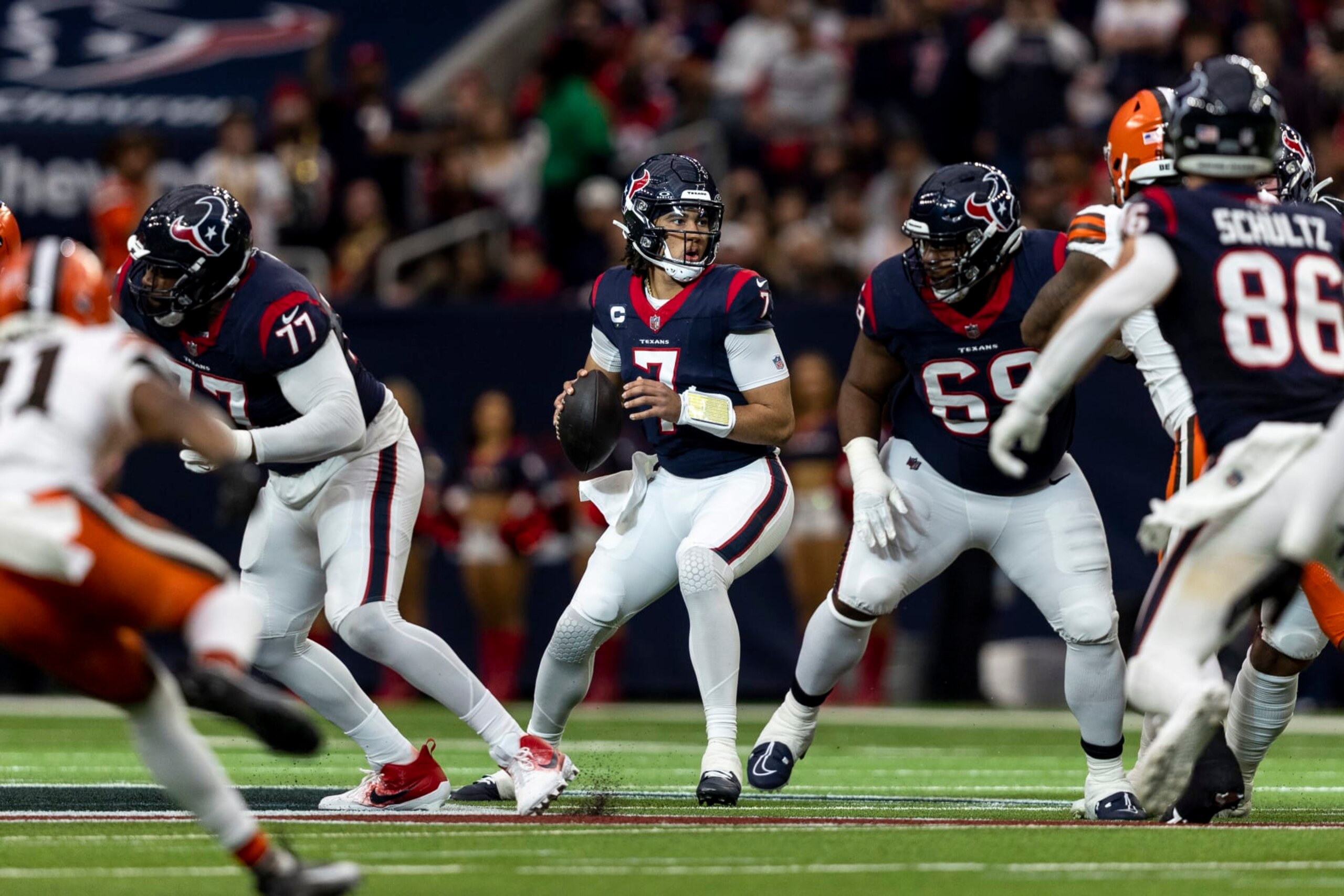
McVay and Shanahan were once on the same offensive staff with the Washington Commanders, and the offenses they've created as head coaches yielded many imitators. Other franchises have either mimicked some of their offensive philosophies—pre-snap motion, play-action, wide-zone runs, spacing-based receiver patterns—or outright hired away members of their staffs.
The trend is likely to continue for as long as defenses are playing catch-up with Los Angeles Rams and 49ers offenses. One of the Shanahan philosophies we're starting to see more of involves tight personnel groupings, or condensed formations.
According to Next Gen Stats (h/t the Ringer's Ben Solak), the 49ers have ranked in the top five of condensed formation rate in each of the past five seasons and, in 2023, used formations that averaged just 19.9 yards wide—the lowest number in Next Gen Stat's history.
Tight formations can provide an offensive advantage in a couple of different ways. Along with the presence of a fullback, they can present the threat of the run without the need for play-action. They also leave space on the perimeter for receivers to operate, taking away the defense's ability to squeeze receivers and use the sideline almost as an extra defender.
"I personally like being in tighter, just because there's more space to work with," 49ers receiver Brandon Aiyuk said, per Danny Emerman of The Mercury News.
Slowik, the Houston Texans offensive coordinator who served as Shanahan's passing game coordinator in 2022, used condensed formations to great effect in 2023. The concept's efficacy was on full display when rookie quarterback C.J. Stroud shredded the Cleveland Browns' top-ranked pass defense—largely a Cover 1, man-based scheme—in the wild-card round.
When a rookie comes into the NFL and plays like a top-five quarterback, teams are going to take notice. Stroud's quick success is likely to land Slowik a head coaching opportunity in the not-too-distant future, and we should expect more teams to adapt the passing concepts that worked for the duo this past season.
And while tight formations can present the threat of the run, they also make running the ball a bit easier because receivers are in position to run block at the snap. If there is a resurgence in running the ball, condensed formations will likely be a big part of the process.


.jpg?w=2560 "Commanders Eagles Football")
Zone Coverage Remains En Vogue
4 of 6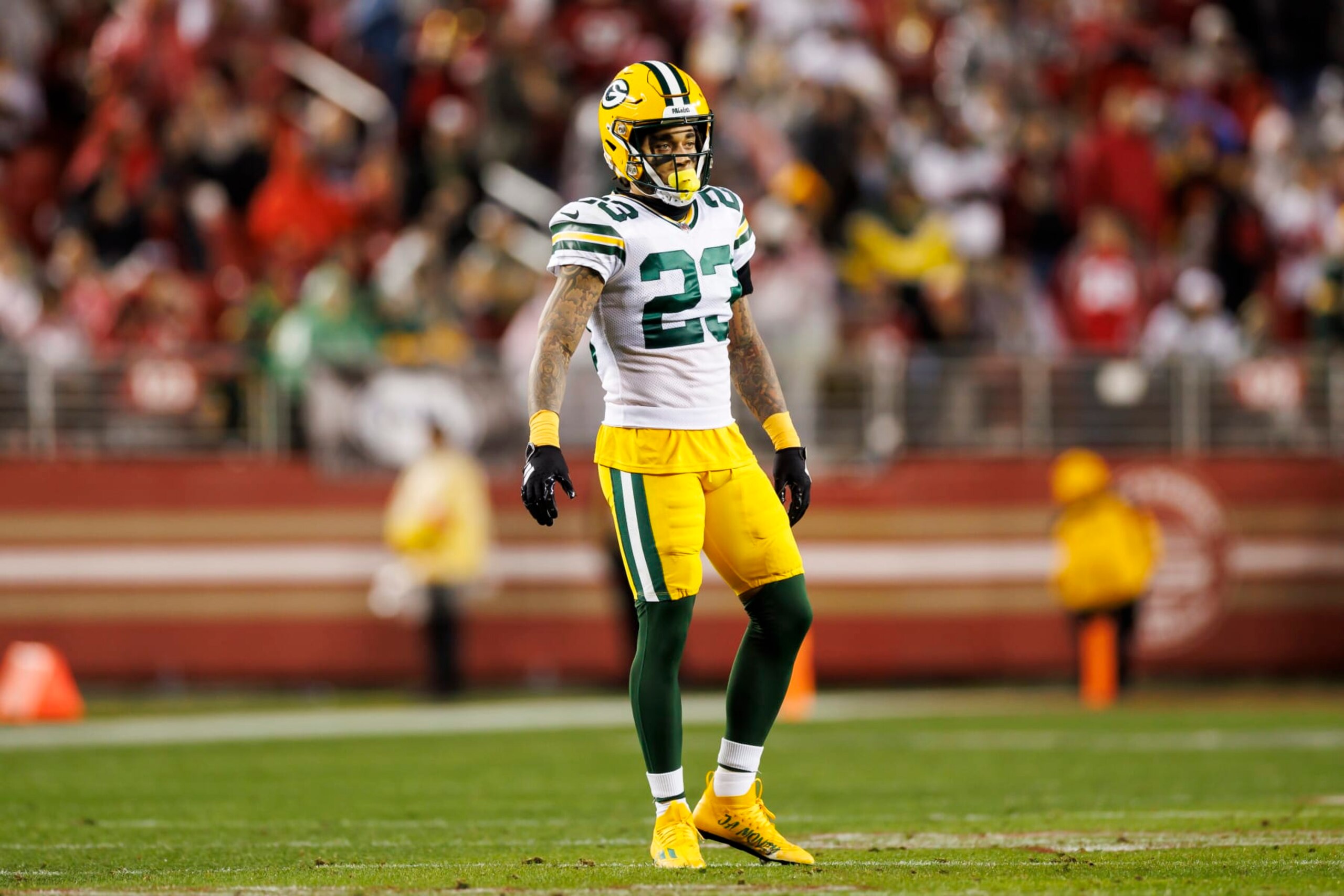
While the Browns defense got exposed by the Texans in the playoffs, it was a legitimately dominant unit for most of the regular season. Defensive coordinator Jim Schwartz's use of man defense, largely Cover 1, even helped Cleveland stymie Shanahan's offense in a 19-17 win over the 49ers.
Similarly, Chiefs defensive coordinator Steve Spagnuolo used plenty of man defense in 2023. He mixed in a lot of it, including some Cover 0, against San Francisco in Super Bowl LVIII.
"I feel like it was (always) third and long. (The Chiefs) were just sticky across the board when they played man coverage,' 49ers quarterback Brock Purdy said, per Andy Benoit of the 33rd Team.
With Shanahan-style offenses becoming the hot thin in the NFL, teams will look to emulate what has worked against them. As Houston proved, man defense isn't a perfect answer. but we can probably expect a rise in man coverage over the next couple of years.
That upcoming trend may have played a role in San Francisco's firing of defensive coordinator Steve Wilks, even though he helped the team reach the Super Bowl. According to ESPN's Nick Wagoner, the 49ers employed man coverage on 33.6 percent of their snaps in 2023, the lowest rate of the Shanahan era.
However, zone defense remains the preferred option in today's NFL. According to TruMedia (h/t Ciely), the league's zone-coverage rate has increased every season over the past four years and was used 70.2 percent of the time in 2023.
While teams may tinker with more man coverage in the near future, the league will probably be back to a high-zone rate by 2029. The rise of scrambling quarterbacks—and a potentially renewed focus on the ground game—will play a role in this.
If a defender is locked onto a receiver and has his back turned to the line of scrimmage, he's essentially useless in the first level of run support.
Many college programs lean exclusively on zone coverage too, which means even some of the top cornerback prospects enter the NFL only knowing one style of play. With coaches getting less and less on-field practice time with their players—both in-season and during the offseason—it can be difficult to teach the uninitiated concepts like press-man and trail technique.
Expect man coverage to still be used by teams with enough secondary talent to make it successful. However, a league-wide lean toward zone isn't going away.
Big Shifts in the Quarterback Market
5 of 6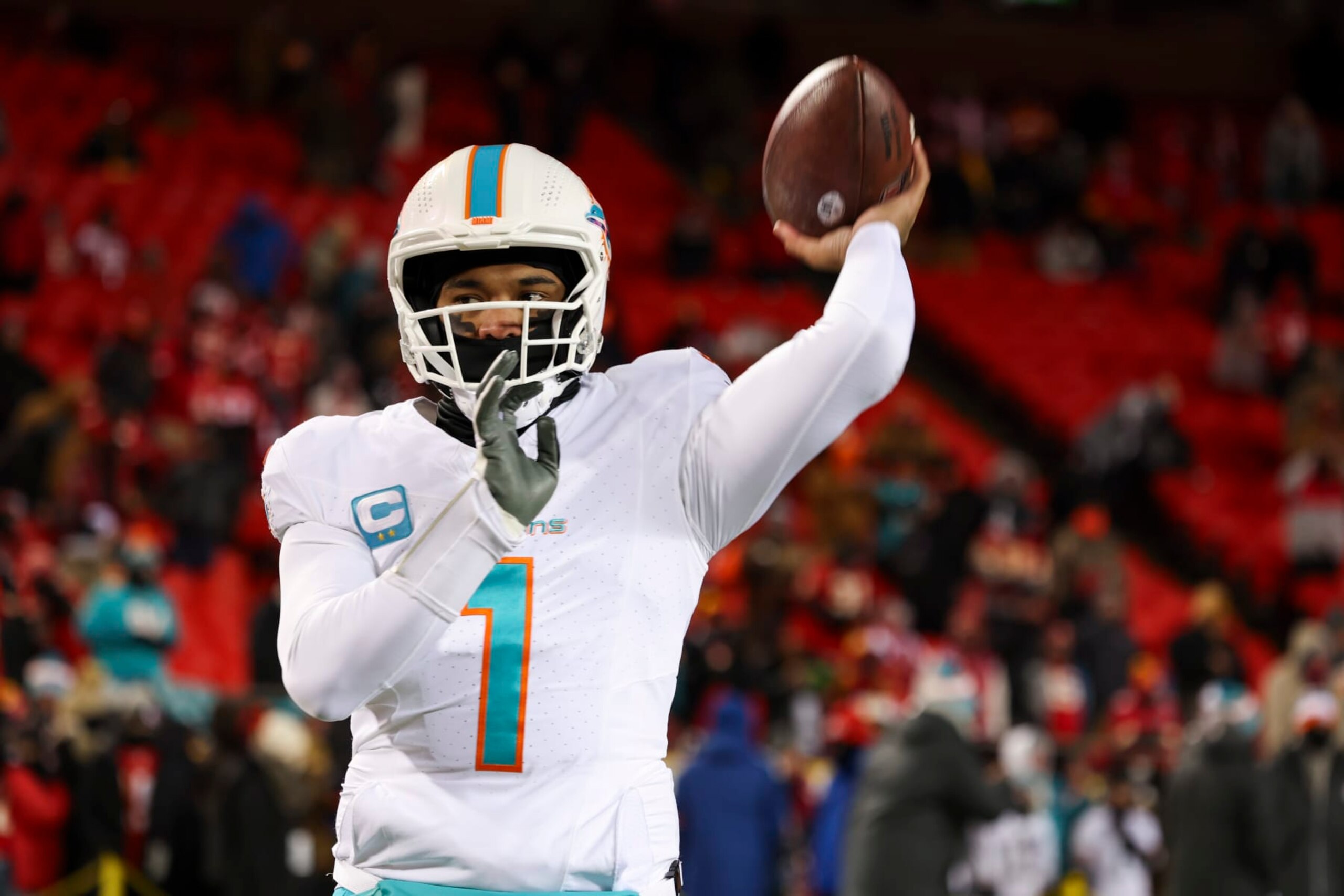
Quarterback will remain the most important position in football for the foreseeable future. However, we're likely to see a few shifts in how the position is approached from a roster-building perspective.
The biggest shift may be teams' reluctance to give upper-market deals to quarterbacks who are good but not quite elite. Trevor Lawrence and Joe Burrow currently lead the quarterback market with deals worth $55 million annually. Even quarterbacks who don't top that number are likely to approach it—as Tua Tagovailoa did with and extension worth $53.1 million annually.
In five years, the price for high-end quarterbacks would easily approach $70 million per season. There's going to be a breaking point where franchises won't be willing to pay close to that for a signal-caller who hasn't at least shown he can carry a team deep into the postseason.
General managers will still pay handsomely for top-tier quarterbacks, but they're going to stop overpaying for those who are merely "good." Expect second-tier signal-callers to command more team-friendly deals—like the three-year, $100 million contract Baker Mayfield signed this offseason—or to be replaced by rookies and/or cheaper veteran alternatives.
The days of giving a guy like Daniel Jones a top-10 quarterback contract will be over.
Also expect the value of backup quarterbacks to rise dramatically over the next few years. Quarterback injuries were a plague on the 2023 season, with starters like Burrow, Jones, Aaron Rodgers, Justin Herbert and Kirk Cousins all landing on injured reserve.
The push to an 18-game NFL season feels inevitable, so franchises should be more willing to pay for quality quarterback insurance.
This offseason, we saw quarterbacks like Drew Lock, Tyrod Taylor, Marcus Mariota and Jacoby Brissett all sign deals worth $5 million or more annually to fill backup or bridge roles. In five years, the price for a good backup could be well into the $10-15 million-per-year range.
And we may see more good backups than we've seen in years past thanks to the rise of the UFL as a developmental league. Since NFL Europe disbanded in 2007, quarterbacks who haven't made NFL rosters have had few opportunities to sharpen their skills after college. When NFL Europe was a thing, it helped produce second-chance standouts like Brad Johnson, Kurt Warner and Jake Delhomme.
One thing that isn't likely to change is the disappearance of pure dropback pocket passers. Quarterbacks don't have to be true scramblers to succeed in the NFL, but they must at least be able to buy time in the pocket and pick up the occasional first down with their legs. That's a reality that may still exist 50 years from now.
Wide Receiver Is the New Running Back
6 of 6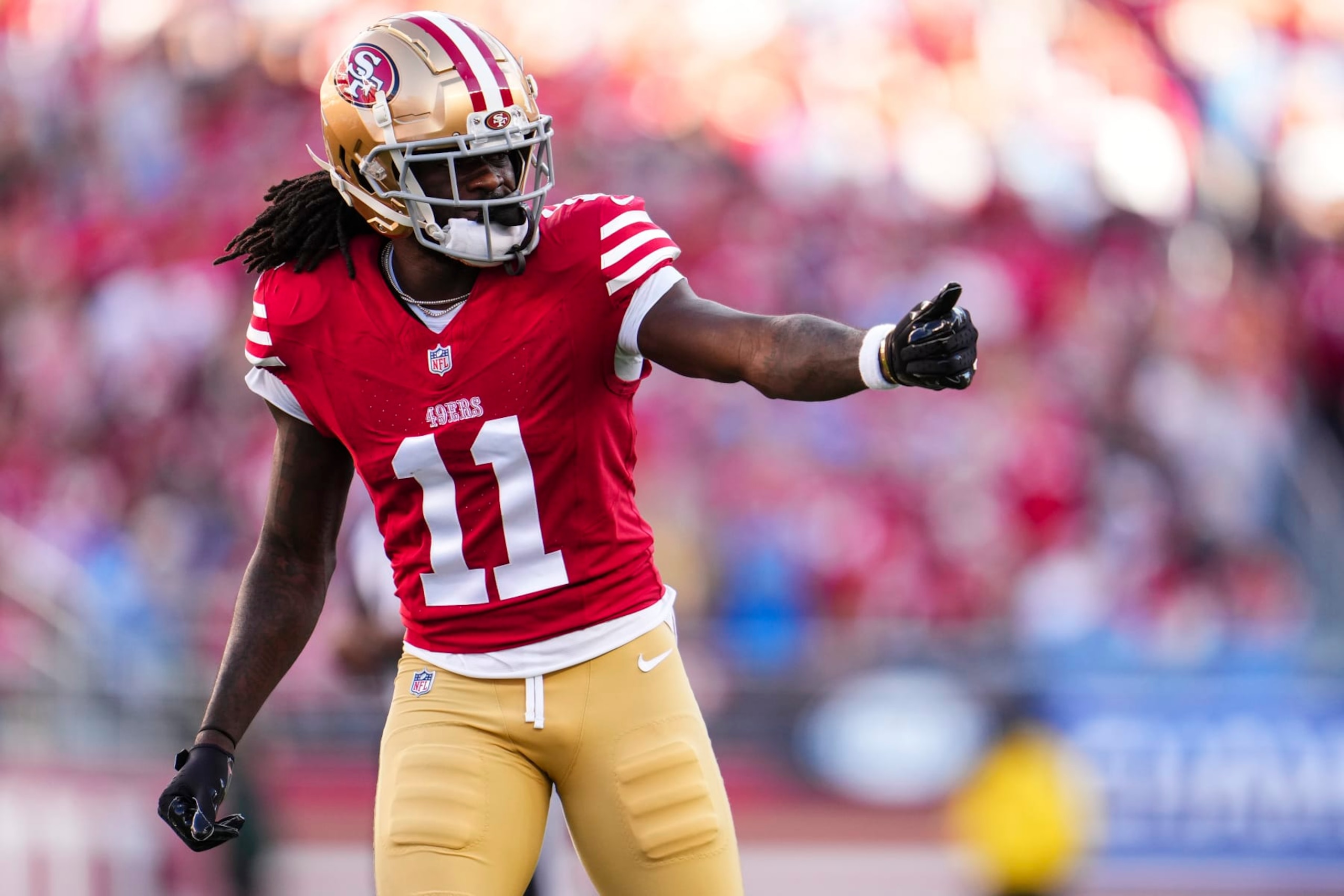
As the 2024 season approaches, we're still seeing a few contract standoffs involving wide receivers. 49ers wideout Brandon Aiyuk, for example, is "holding in" for a new deal, and his stance isn't entirely unsurprising.
The San Francisco Chronicle's Michael Silver told KNBR 680 in June (h/t Taylor Wirth of NBC Sports Bay Area) that San Francisco's offer to Aiyuk was in the $26 million-per-year range. After seeing receivers like Jaylen Waddle and Amon-Ra St. Brown sign deals worth more than $28 million annually—and watching Justin Jefferson reset the market with a $35 million-per-year contract—why wouldn't Aiyuk want more?
Receiver contracts aren't going to come down over the next five years, and by 2029, we're likely to see many teams treating receivers, financially, the same way they currently treat running backs.
Teams will still pay the truly elite pass-catchers. However, many will be willing to keep a very good receiver through his rookie contract, possibly longer via the franchise tag, and then replace him with a younger, cheaper option in the draft.
Since receivers tend to have longer careers than running backs, this will purely be a financially motivated shift. Even with a rising salary cap, it will be hard for franchises to justify typing up $100 million in just their quarterbacks and No. 1 receivers.
The financials will be a big part of this. The fact that the draft continues to pump out quality pro-ready receivers will be another factor.. 11 wide receivers were selected in the first or second round of the 2024 draft, and we will see teams continue to target the position early.
Rookie receiver contracts sit far, far below what is considered fair market value for veterans—three-time Pro Bowler Ja'Marr Chase, for example, will carry a cap hit of only $9.8 million this season. Building around rookie receiver contracts will soon be viewed as a massive roster-building advantage, not unlike building around a rookie quarterback contract.
Because of this, we may well see very good receivers struggling to land second long-term contracts from the teams that drafted them, just as we see running backs struggle to do so today.
*Contract information via Spotrac.
.jpg?w=2560 "Chiefs Dolphins Football")
.jpg?w=2560 "Cardinals Giants Football")