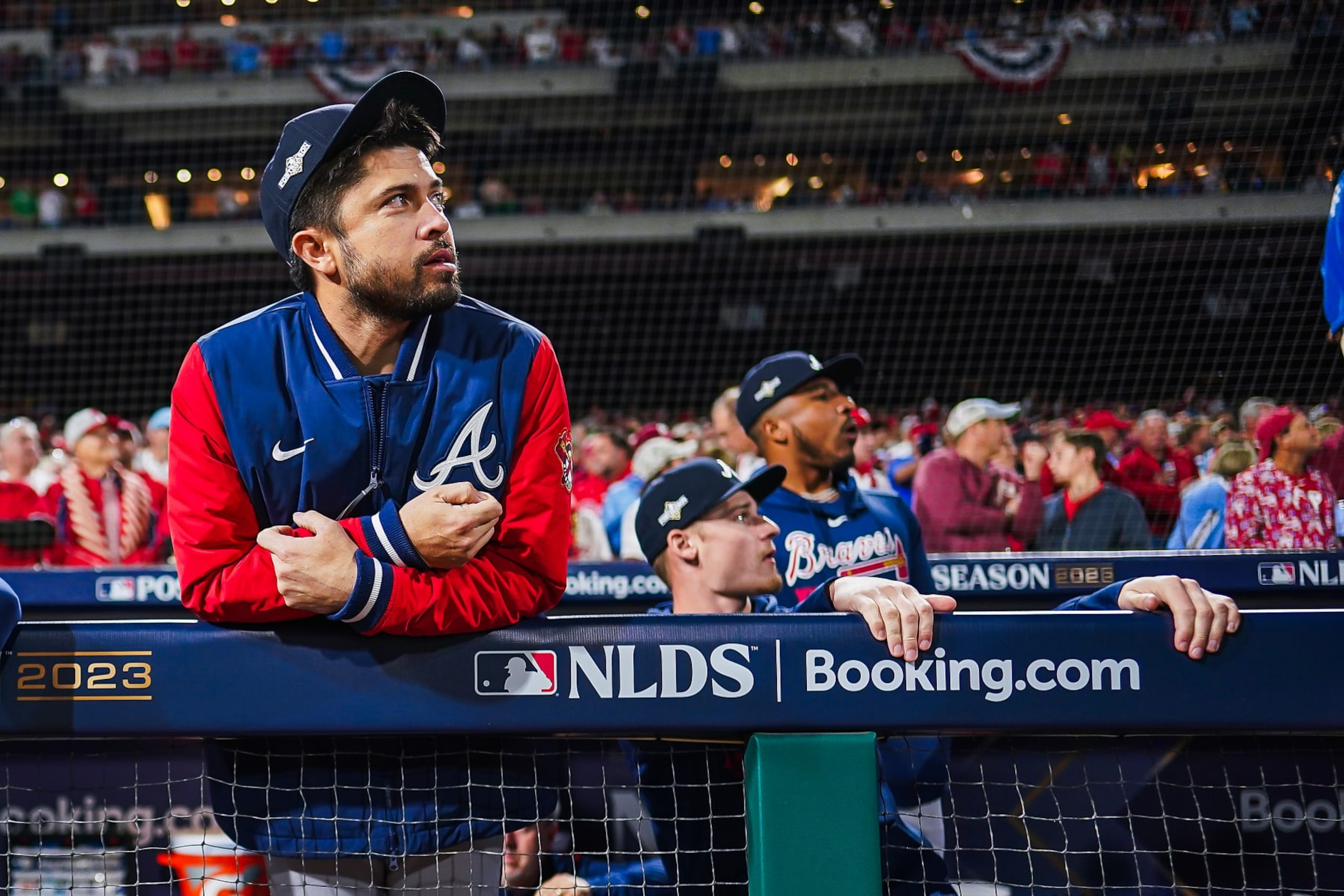


There's nothing quite like postseason baseball, but it has at least one thing in common with some of the other great things in life.
It could be better.
This is apparent every time the Major League Baseball playoffs come around, and the 2023 iteration is proving to be no different. There are too many dang home runs. Umpires make too many dang mistakes. Batters strike out too dang much. Pitchers' leashes are too dang short. And the format might be too dang unfair.
Merely complaining about these things isn't going to get anyone anywhere. The real question is how these problems might be fixed, including through rule changes.
With this in mind, let's discuss modest proposals to five real problems being exposed in the 2023 MLB playoffs. We'll start with the one that has the easiest potential solution and finish with the one that has the hardest.
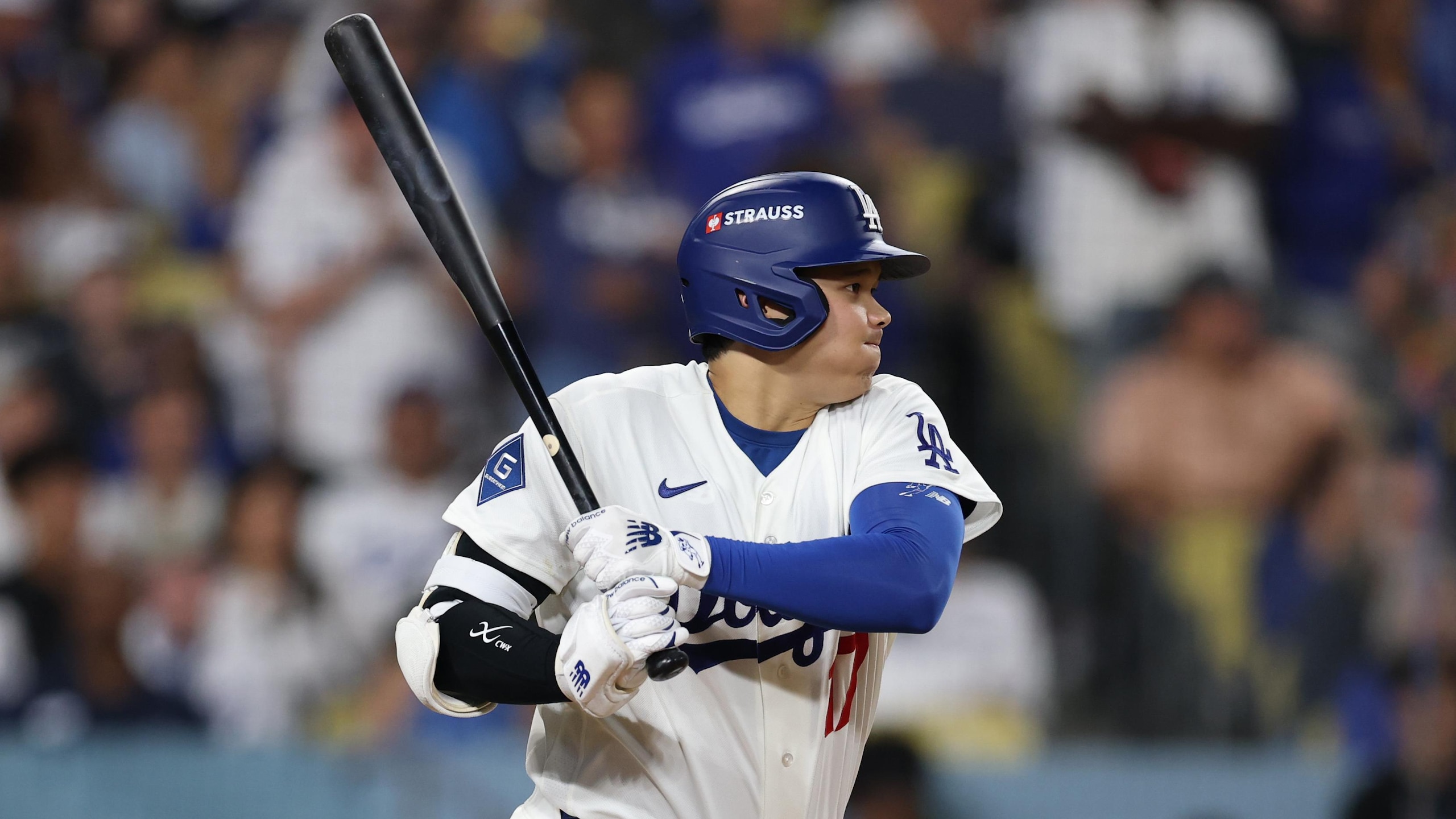
The Home Run Still Rules October
1 of 5
The Problem: Playoff Games Still Revolve Around the Long Ball
Anyone who would argue that this isn't really a problem has at least one solid leg to stand on, and that's that home runs are kind of awesome.
Yet if one also buys that variety is the spice of life, then one might find oneself getting a little bored with the long ball's outsized influence on playoff baseball.
Out of 33 games so far in the 2023 postseason, 19 have been won by a team that out-homered the opposition. That's 58 percent, putting this year on track to be the ninth straight postseason in which winning the home run battle has meant winning the game itself more often than not. It happened just once in the eight prior postseasons.
The Solution: Just Be Patient
Of the magic bullets MLB has at its disposal for diversifying offense, several major ones—i.e., the pitch timer, bigger bases and shift limitations—are already in play and it's doubtful that anyone wants the league to keep futzing with the actual baseballs.
Sometimes the best thing to do is nothing at all, and that's the case here.
This is only Year 1 of baseball's New Rules Era, after all, and the long ball's grip on the playoffs is already loosening. A 58 percent win rate for home run battle victors is still strong, but it's barely up from 55 percent last year and way down from the 60-plus percent clips of 2016, 2017, 2019, 2020 and 2021.
Umpires Still Aren't Perfect at Calling Balls and Strikes
2 of 5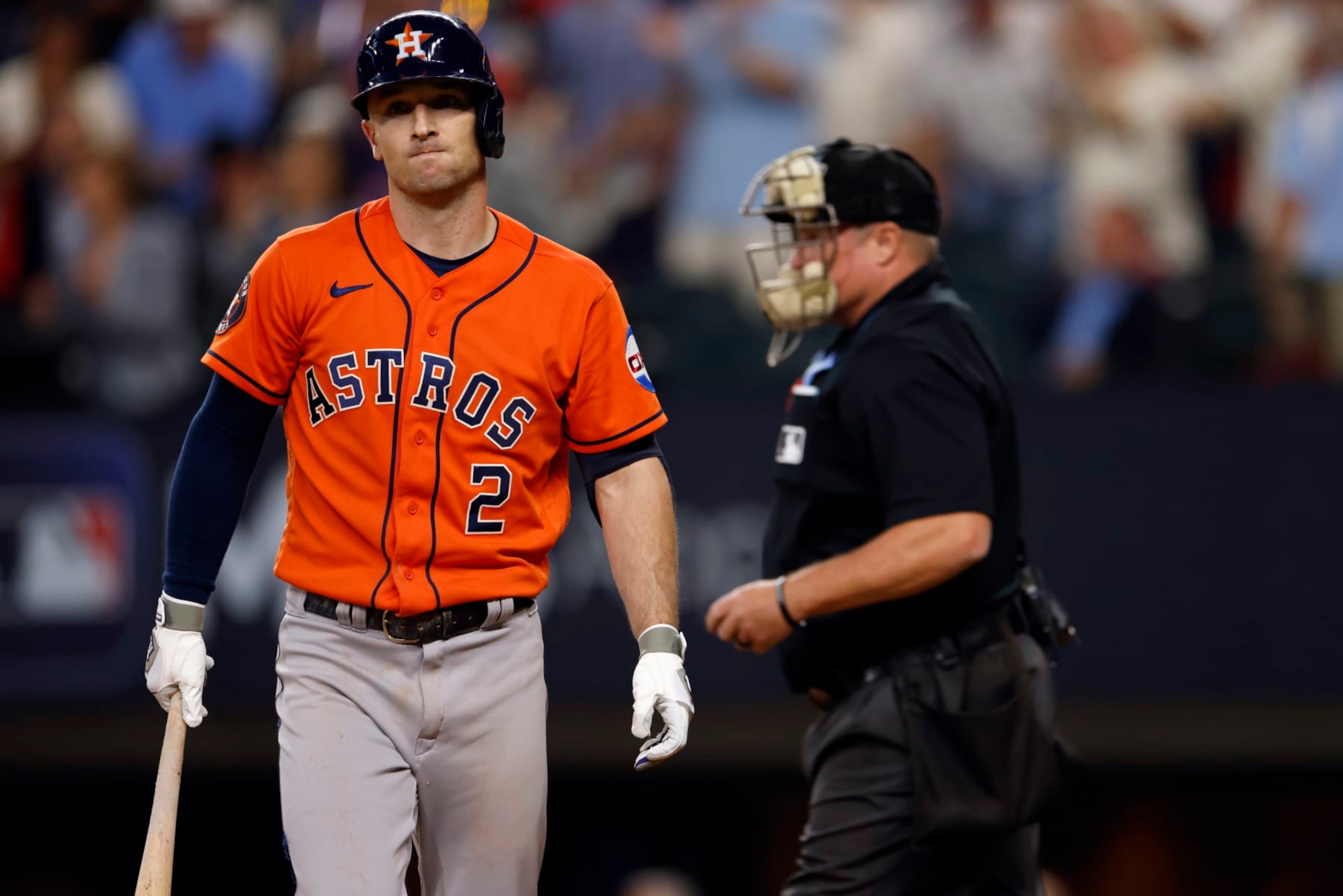
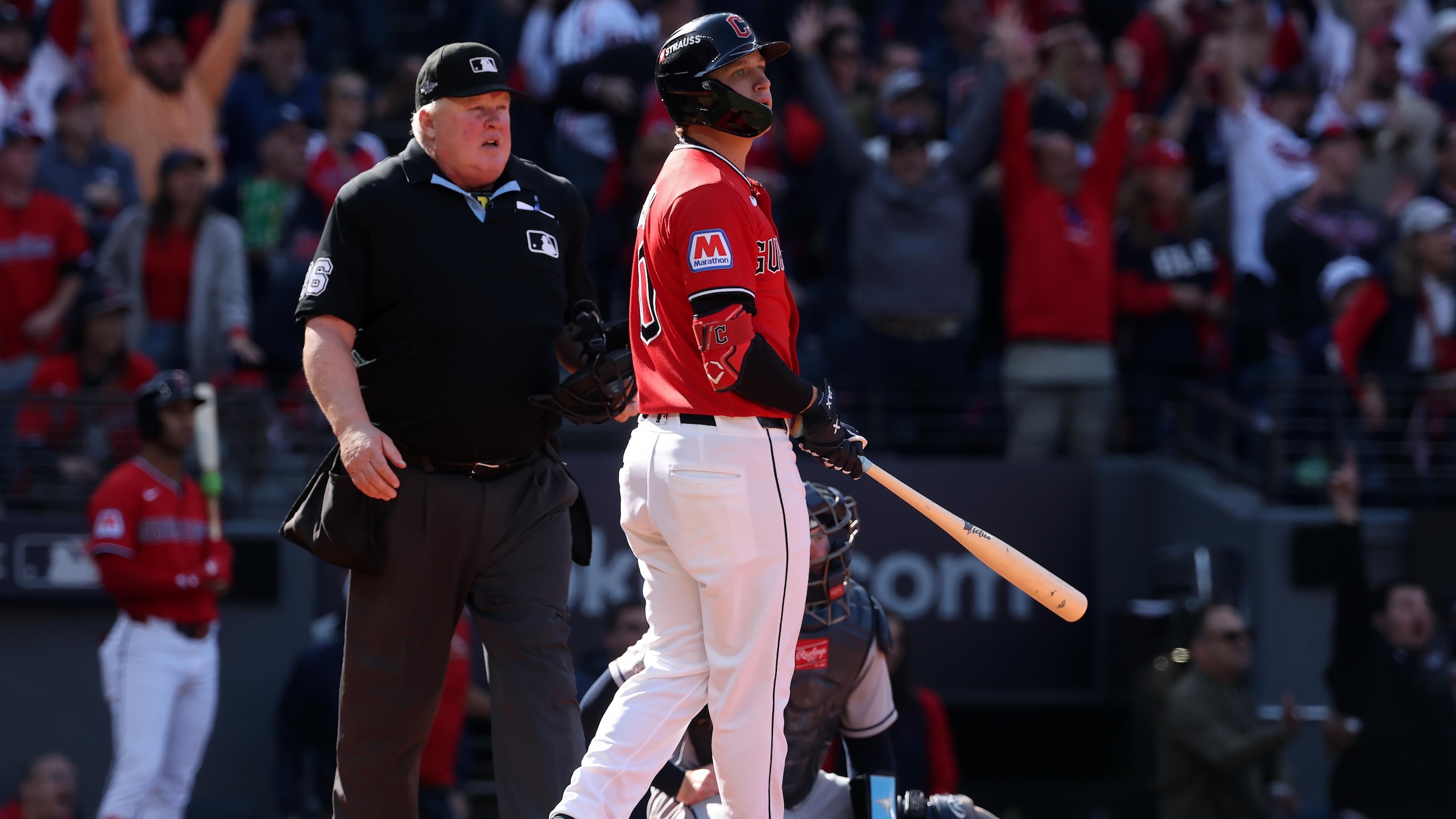
The Problem: Umpires Are Still Making Bad Calls in Big Spots
By rule, the strike zone is the width of home plate with a height that spans the midpoint between a batter's shoulders to just below his kneecap.
In actuality, however, the strike zone is whatever the home-plate umpire thinks it is at a given moment. As Alex Bregman well knows from his dealings with Marvin Hudson in Game 5 of the American League Championship Series on Friday, that can be a problem:
The obligatory defense of umpires is that they're a lot better at calling balls and strikes than they used to be. That includes in the postseason, for which this year is notably seeing the lowest rate of called strikes outside the zone on record.
One catch is that there's been a corresponding increase in miscalled balls inside the strike zone. Another is that as long as humans are making the calls, neither the rate of miscalled balls nor that of miscalled strikes is now or is ever likely to be at the optimal number: zero.
The Solution: Simply Implement the ABS
Even if MLB Commissioner Rob Manfred doesn't think it's ready for primetime, the technology to automate balls and strikes indeed exists and is already in use in the minors. It's called the ABS, or automated ball-strike system.
The ABS still has kinks in need of ironing, and then there's the larger question of whether it should make all the calls or whether it should be limited to challenges. But either way, some kind of automated zone is an inevitability at this point and [/fingers crossed] can only change baseball for the better.
MLB's Strikeout Problem Goes from Bad to Worse in October
3 of 5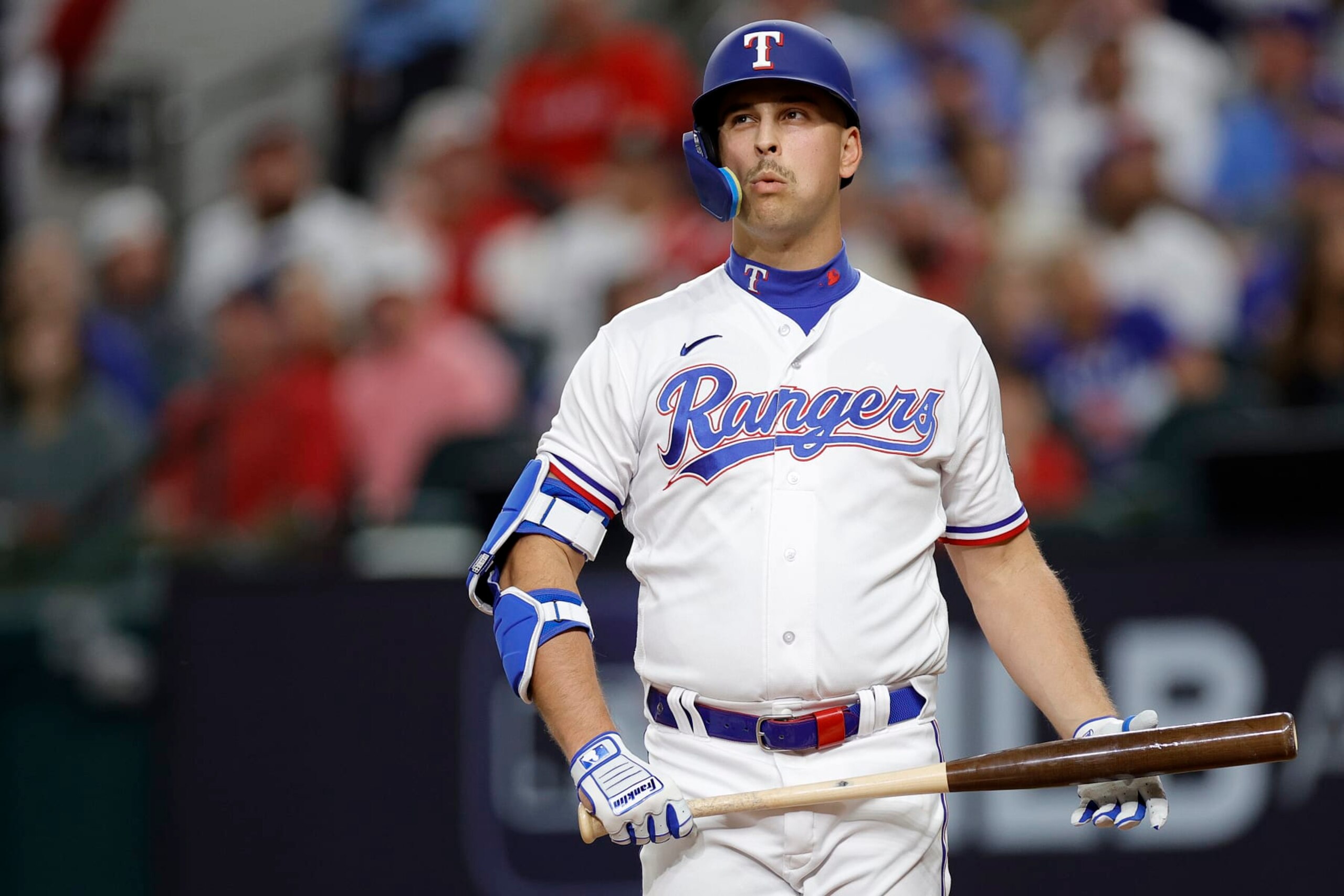
The Problem: Strikeouts Get Even More Prevalent in the Playoffs
Just as you may have heard that Major League Baseball has a strikeout problem, you might also have noticed that it seems to get worse in the playoffs.
Both things are true.
Though MLB finally broke free of a pattern of annually worsening strikeout rates in 2021, the trendline went up again in 2023 and the playoffs are thus far continuing a tradition of there being even more frequent strikeouts in October.
Because the playoff strikeout rate is down to 24.3 percent from an all-time high of 27.0 percent in 2022, this is not the worst this problem has ever been. But that's little comfort, as any situation that involves one in four plate appearances ending without a ball in play is a suboptimal one.
The Solution: It Might Be Time to Shrink the Strike Zone
In defense of modern hitters, it's hard not to strike out so much when seemingly every pitcher is throwing 95 mph and snapping off breaking balls that were designed in literal laboratories. And for pitchers, these are genies that won't be going back in bottles.
One nuclear option that's still in play for MLB, though, is altering the strike zone to make it smaller.
The zone has technically been the same since 1996, but in practice it's gotten larger and contributed to the strikeout problem accordingly. Not that anyone should be surprised, but at least one study shows that shrinking the zone would lead to more balls in play.
The Quick Hooks Are Kind of a Drag
4 of 5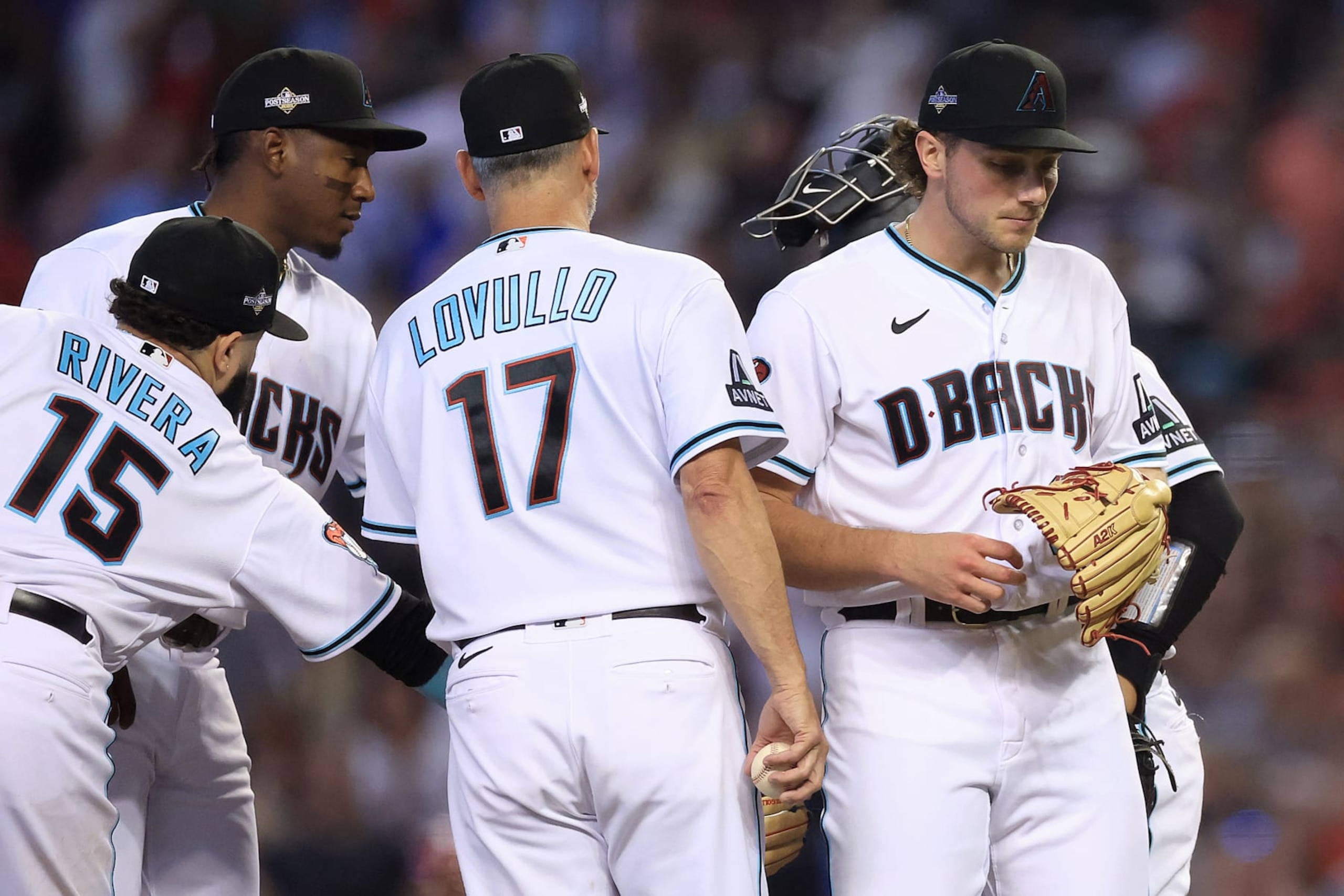
The Problem: Starters Just Don't Go Deep Into Playoff Games Anymore
There were 76 total starts made in the 2003 playoffs, and the starters went at least six innings in 49 of them. Their median pitch count was 101 pitches.
Things couldn't be any more different 20 years later, where only 19 of the 66 starts have seen pitchers go six or more innings and the median pitch count is a mere 84 pitches.
This is partly because teams have gotten more comfortable doing bullpen games, but the shortening of actual starters' leashes can't be ignored. Just ask Brandon Pfaadt, who's gotten pulled from two shutouts in which he had thrown only 42 and 70 pitches, respectively.
That the Arizona Diamondbacks ultimately won both games confirms that the only thing that matters is whether the outs getting recorded. But at the least, the short leashes aren't great for entertainment value. It's the guys who go deep into games who tend to get immortalized as playoff legends, and they've unfortunately been turned into a dying breed.
The Solution: Impose Roster Limitations
During the regular season, teams are allowed to carry as many as 13 pitchers on their 26-man rosters. Which makes sense, really. When you play 162 games in fewer than 190 days, you need as many functional arms as you can get.
But must those same rules apply to the postseason, where any given team will play a maximum of 22 games in the span of a month?
It's at least worth wondering whether teams could safely be restricted to carrying, say, 10 or 11 pitchers. If so, managers would have no choice but to be more judicious with their hooks.
Does the Format Need Tweaking?
5 of 5
The Problem: The New Format May Be Unfair to Elite Teams
Major League Baseball is now in Year 2 of its expanded playoff format, wherein the top two seeds in the American League and National League get to rest for five days while the bottom four battle for tickets to the Division Series.
It's possible that the rest isn't doing the top seeds any good. They're 3-5 in the Division Series over the last two years, with all five losers having won 100-plus games in the regular season.
Granted, two years isn't much of a sample size and it's not anything new for the playoffs to look random relative to the regular season. Upsets happen, and isn't that the beauty of it?
Yet the notion that the top seeds get rusty during their breaks has some merit, particularly where offense is concerned. On average, teams lose about 67 points off their OPS from the regular season to the Division Series. The top seeds from the last two years have lost 132 points on average, with an average of 183 points for the losers.
The Solution: Either Change the Schedule or Change the Format
The most straightforward solution would be to change the scheduling so that the top seeds wouldn't have to sit for so long. There are off days on either side of the best-of-three Wild Card Series. One or both could go.
Failing that, the format itself could always change.
One idea would be to give the top three seeds in each league a bye, with the bottom three taking part in a quick play-in consisting of two games: No. 6 vs. No. 5 for the right to play No. 4 with a ticket to the Division Series on the line. In this scenario, the Division Series would then be upgraded from a best-of-five to a best-of-seven.
Stats courtesy of Baseball Reference, FanGraphs and Baseball Savant.


.jpg?w=2560 "Jalen Hurts Out Sunday")
.jpg?w=2560 "Bleacher Report's Expert NFL Picks 🔮")
.jpg?w=2560 "Troy Aikman teases ESPN departure")


.jpg?w=2560 "Tennis Player Gets 24-Year Ban for Match Fixing (AP)")