
As we approach the 2023-24 NBA regular season, the league feels about as talent-rich as it's ever been.
And that means just about every team in the league has multiple legitimate options for starting and closing lineups.
Determining the best for each will be based on talent and fit. And the lineups below won't necessarily be how each team will start and end games, but rather how they should.
Atlanta Hawks
1 of 30
Starters: Trae Young, Dejounte Murray, De'Andre Hunter, Saddiq Bey and Clint Capela
This lineup only started two games last season, but it feels like a safe bet in the absence of John Collins, who was moved to the Utah Jazz this summer.
Young or Murray can initiate two-man actions in the middle of the floor with Capela, while surrounded by decent shooting from Hunter and Bey.
Closers: Trae Young, Dejounte Murray, Bogdan Bogdanović, AJ Griffin and Onyeka Okongwu
This group may have a bit of playmaking overload with Young, Murray and Bogdanović, but that adds to the team's unpredictability. It can be hard to keep a solid defensive rotation when the opposition can initiate from three positions.
It also features a forward who may be the team's most consistent shooter in AJ Griffin, who shot 39.0 percent from three as a rookie, and a more switchable defender in Okongwu at the 5.
Boston Celtics
2 of 30
Starters: Jrue Holiday, Jaylen Brown, Jayson Tatum, Kristaps Porziņģis and Al Horford
This lineup should be a nightmare for opponents, with multiple high-level scorers, plenty of outside shooting, two rim protectors and one of the best point-of-attack defenders in the NBA in Holiday.
The debate will be whether to start the two bigs together or the point guards with Holiday and Derrick White. Beginning games with the extra size sets a bit more menacing tone.
Closers: Jrue Holiday, Derrick White, Jaylen Brown, Jayson Tatum and Kristaps Porziņģis
On just the second team of the slideshow, we already have a case for the starters and closers being the same group. And in Boston's case, that's this lineup which is overflowing with perimeter defense, switchability, playmaking and shooting.
These five can play a wildly unpredictable, five-out offense that can attack from just about anywhere without sacrificing much on the other end.
Brooklyn Nets
3 of 30
Starters: Spencer Dinwiddie, Mikal Bridges, Dorian Finney-Smith, Cameron Johnson and Nic Claxton
This lineup started more games than any other for the Brooklyn Nets in 2022-23. And even with the return of Ben Simmons to action, it should probably be the starting lineup heading into the season.
Having two non-three-point-shooters in Simmons and Claxton together would make things a little too cramped. This group, on the other hand, has shooting at four positions, defensive switchability at spots 2 through 4 and rim protection from Claxton.
Closers: Spencer Dinwiddie, Mikal Bridges, Dorian Finney-Smith, Cameron Johnson and Ben Simmons
The clearest path to success for Simmons is having him create in the middle of the floor while surrounded by plenty of shooting. This lineup gives him that path, while also bringing tons of defensive versatility.
Simmons obviously isn't a traditional 5 or rim protector, but this group's ability to switch everything and fly up and down the floor could make up for that absence.
.jpg?w=2560 "NBA Gambling Charges")

Charlotte Hornets
4 of 30
Starters: LaMelo Ball, Terry Rozier, Brandon Miller, P.J. Washington and Mark Williams
This lineup gives Ball a traditional rim-runner to run pick-and-rolls with in Williams, and it surrounds those two with three outside shooting threats.
Defensively, there's versatility from Ball, Miller and Washington and rim protection from Williams.
Closers: LaMelo Ball, Brandon Miller, Gordon Hayward, Miles Bridges and P.J. Washington
This lineup adds to the versatility by sliding Miller and Washington to the 2 and the 5, respectively, and replacing Rozier and Williams with more switchable forwards.
Ball is still the lead playmaker, but Hayward can create in a pinch, which also makes this group a little less predictable.
Chicago Bulls
5 of 30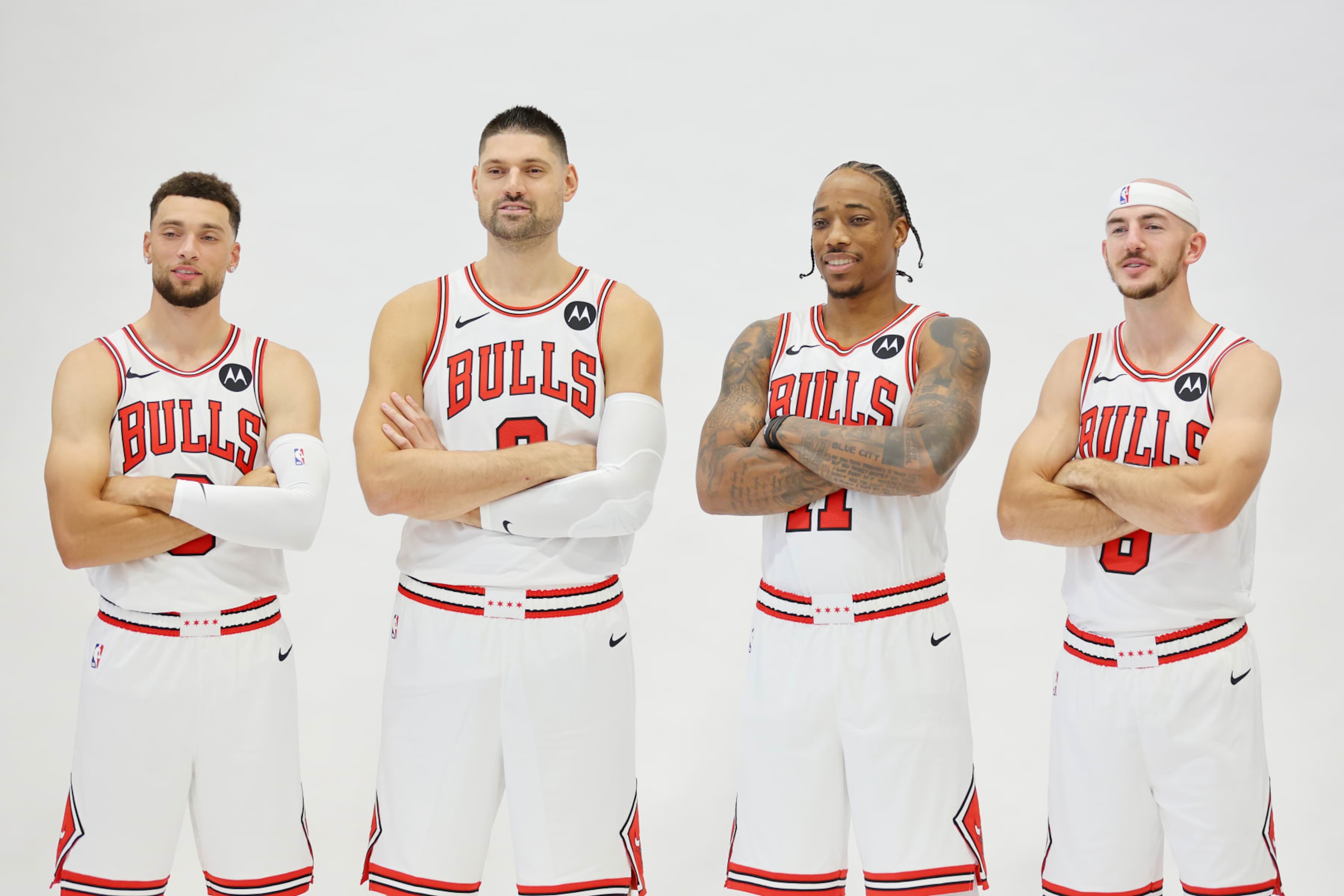
Starters and Closers: Alex Caruso, Zach LaVine, DeMar DeRozan, Patrick Williams and Nikola Vučević
Caruso isn't a traditional 1, but LaVine and DeRozan provide plenty of the ball-handling, and Caruso's defense is indispensable for a team that doesn't boast a ton of that.
Last season, Chicago allowed 108.9 points per 100 possessions and was plus-9.8 when Caruso, LaVine and DeRozan were all on the floor. When the two scoring stars played without Caruso, Chicago surrendered 115.7 points per 100 possessions and was minus-4.8.
After those three, Vučević can also provide a little creation and hopefully some shooting.
But the real key to Chicago taking a step forward may be Williams. If he can expand beyond being mostly a standstill catch-and-shoot threat, the Bulls' outlook could be much different.
Cleveland Cavaliers
6 of 30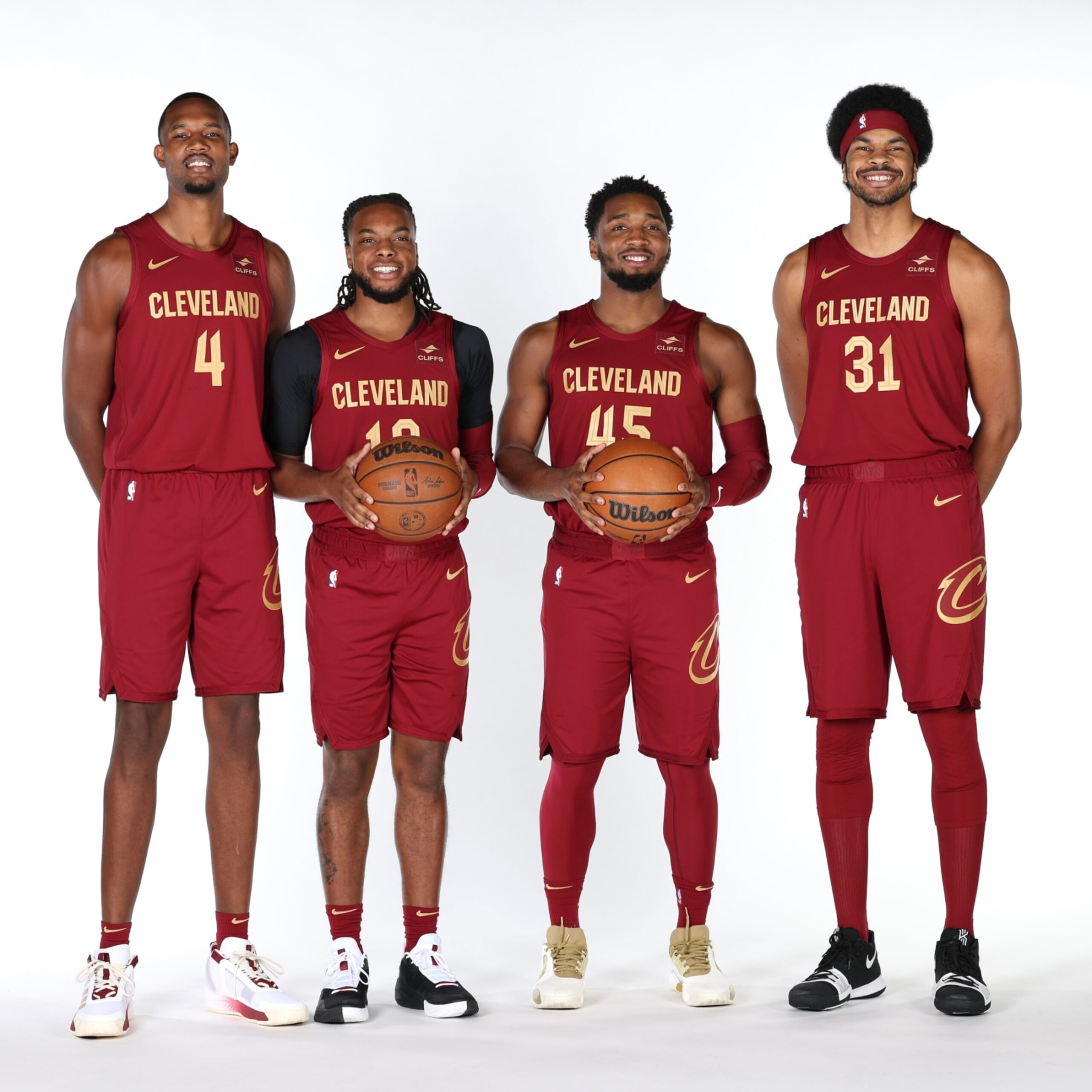
Starters and Closers: Darius Garland, Donovan Mitchell, Max Strus, Evan Mobley and Jarrett Allen
They were dominated in the postseason by the New York Knicks, but the Cleveland Cavaliers were plus-10.2 points per 100 possessions when Garland, Mitchell, Mobley and Allen were on the floor last regular season.
And they have a chance to perhaps be slightly better in 2023-24, if newcomer Max Strus can shoot like he did in 2021-22, when he hit 41.0 percent of his threes.
Like Chicago, though, the shot at a real leap may depend on the development of a young forward. If Mobley can turn into a reliable outside shooter, the two-big lineup may not be as susceptible to a postseason letdown.
Dallas Mavericks
7 of 30
Starters: Luka Dončić, Kyrie Irving, Olivier-Maxence Prosper, Grant Williams and Dereck Lively II
I'm going to default to the perhaps unconventional starting five that Dallas Mavericks coach Jason Kidd is already rolling out.
Starting two rookies on a team in the playoff hunt is bold, but the desire to get live, athletic and lengthy defenders into a lineup with Dončić and Irving is understandable.
This group will allow those two to cook on offense, while sparing them a bit on the other end.
Closers: Luka Dončić, Kyrie Irving, Tim Hardaway Jr., Grant Williams and Maxi Kleber
The offensive potential of this lineup is off the charts. Beyond having two of the league's best one-on-one players in Dončić and Irving, the other three are reliable outside shooters, which will make it harder for opponents to double off the three-point line.
There isn't as much defensive upside here, but Williams and Kleber can still offer some resistance.
Denver Nuggets
8 of 30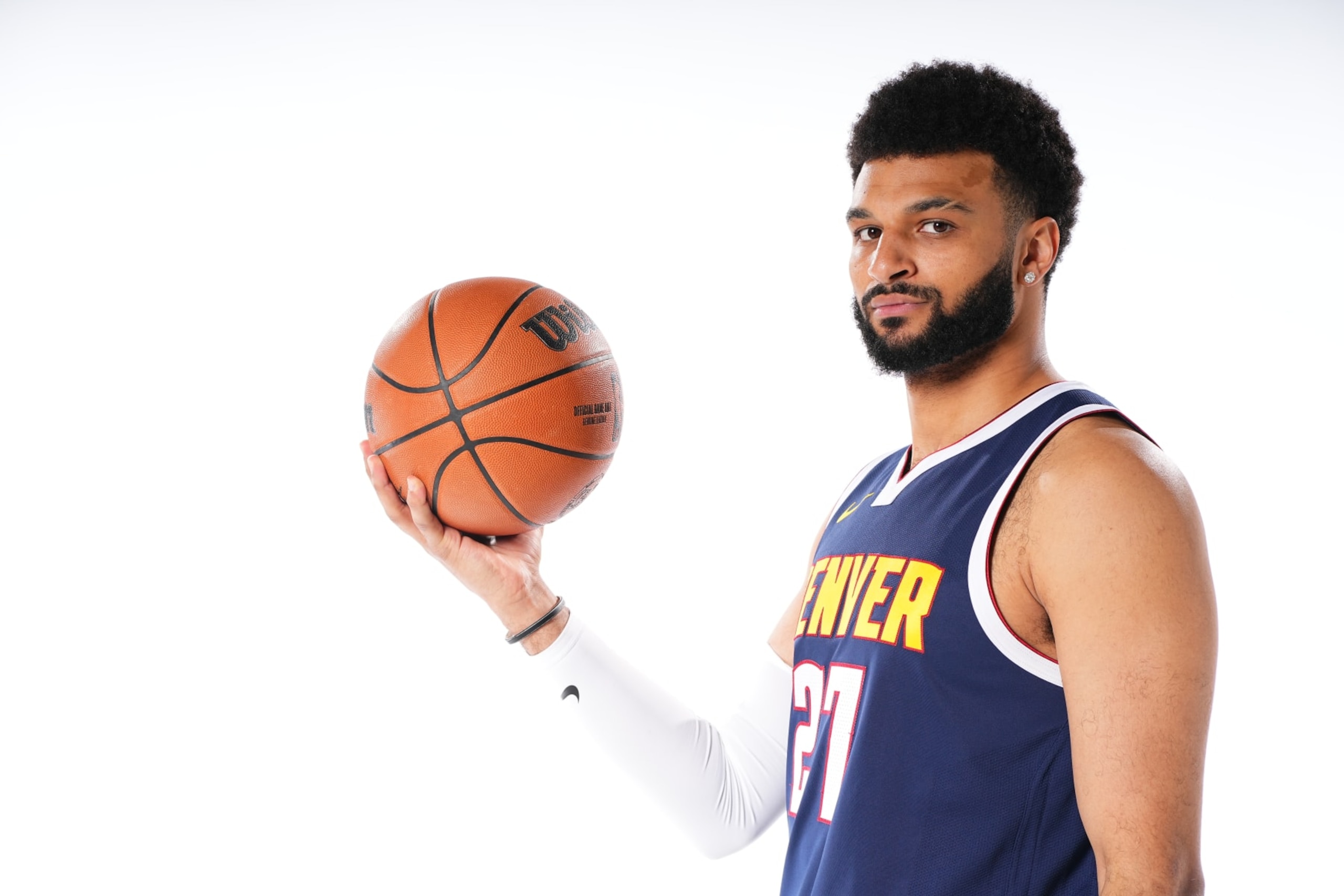
Starters and Closers: Jamal Murray, Kentavious Caldwell-Pope, Michael Porter Jr., Aaron Gordon and Nikola Jokić
This is, arguably, the best lineup in the NBA.
After outscoring opponents by 12.7 points per 100 possessions with these five on the floor in the regular season, the Denver Nuggets had a plus-10.0 net rating in the playoffs with this lineup.
Led by the best player in the world in Jokić, this group has tons of shooting from him, Murray, KCP and MPJ. Murray is one of the most dangerous secondary playmakers in the league, while Gordon fills a bunch of gaps and provides a physicality that more of an old-school 5 would.
Detroit Pistons
9 of 30
Starters: Cade Cunningham, Jaden Ivey, Ausar Thompson, Bojan Bogdanović and Jalen Duren
Long-term, this season is going to be about the development of the Detroit Pistons' young core. And the easiest way to get all (or most of) them to foster chemistry together is to start them.
This lineup features a lot of playmaking from Cunningham, Ivey and Thompson, an intriguing and explosive rim-runner in Duren and a veteran leader and shooter in Bogdanović to tie everything together.
Closers: Cade Cunningham, Alec Burks, Joe Harris, Bojan Bogdanović and Jalen Duren
If the Pistons are in tight games they want to win down the stretch, though, they'll likely need to surround Cunningham with more shooting and experience.
Cunningham-and-Duren pick-and-rolls surrounded by Burks (41.0 percent from three over the last three years), Harris (43.7 percent from deep for his career) and Bogdanović (40.4 percent from three over the last six years) will be tricky for any team to defend.
Golden State Warriors
10 of 30
Starters: Stephen Curry, Klay Thompson, Andrew Wiggins, Draymond Green and Kevon Looney
Operating under the assumption that Green won't miss a ton of time with his ankle injury, this lineup feels like a fairly obvious choice for the starters, even with the addition of Chris Paul to the roster.
The Golden State Warriors were a whopping plus-22.1 points per 100 possessions with the five above on the floor during the 2022-23 regular season. And they were plus-17.1 with this lineup in the 2022 playoffs, which, of course, ended with them winning the title.
Closers: Chris Paul, Stephen Curry, Klay Thompson, Andrew Wiggins and Draymond Green
Green has plenty of experience as an undersized 5, but this lineup takes small-ball to another level by plugging 6'0" CP3 into a spot that had previously been occupied by players like 6'7" Shaun Livingston or 6'6" Andre Iguodala at the height of the dynasty.
Still, Paul's offensive awareness, passing ability and experience will be enough to make this group work. It may surrender a lot inside, but few teams will be able to score with this bunch.
Houston Rockets
11 of 30
Starters and Closers: Fred VanVleet, Jalen Green, Dillon Brooks, Jabari Smith Jr. and Alperen Şengün
There's a temptation to concoct a closing lineup with Smith at the 5, after Houston Rockets coach Ime Udoka mentioned the possibility of playing him there, but this lineup fits well enough together on paper to lock it in as both the starters and closers.
There's plenty of outside shooting from VanVleet, Green, Brooks and Smith. And Şengün's playmaking should create plenty of open looks for all of them.
The defense will be heavily reliant on Brooks and Green, but this lineup has the potential to go on some game-winning heat checks.
Indiana Pacers
12 of 30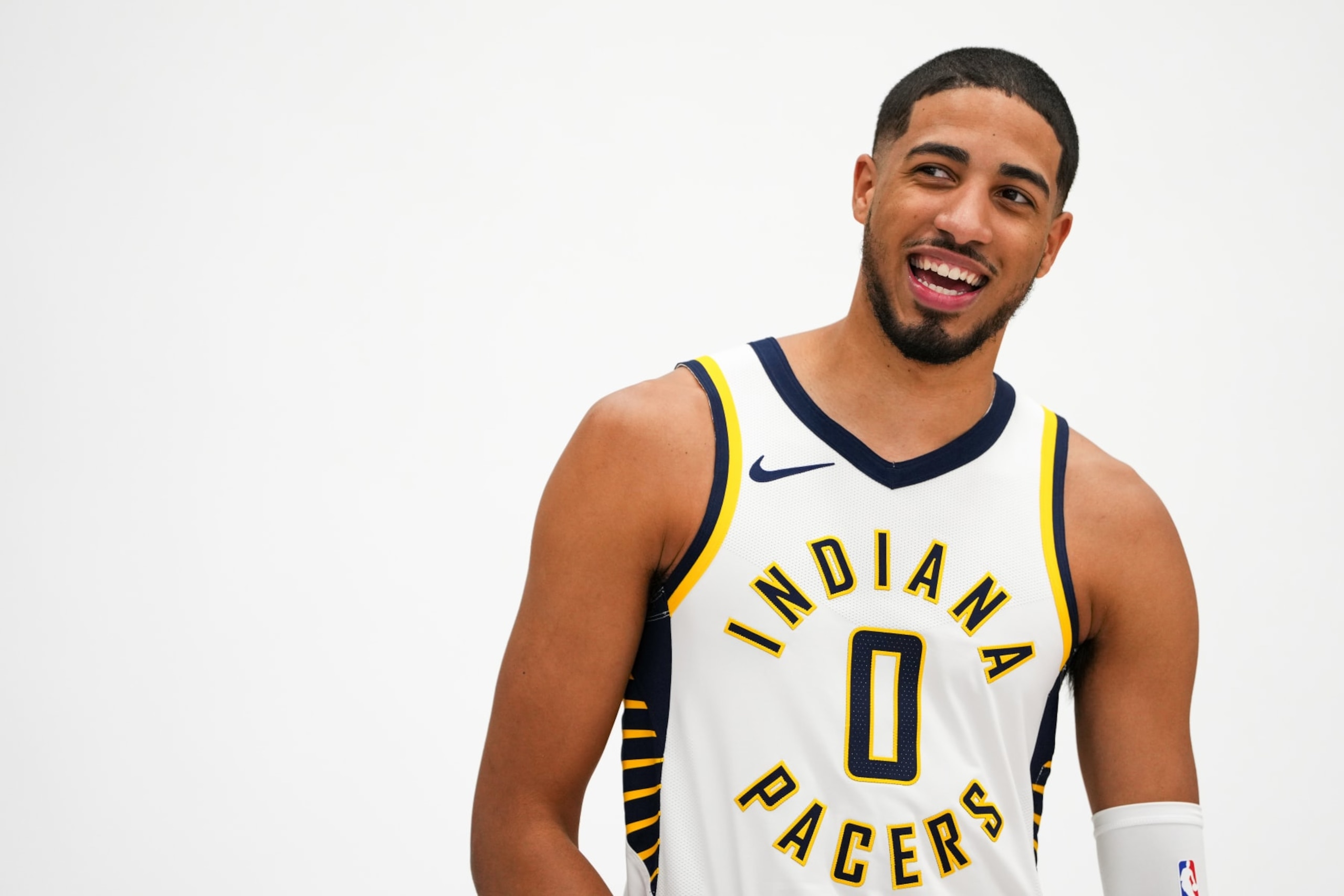
Starters: Tyrese Haliburton, Bruce Brown, Buddy Hield, Obi Toppin and Myles Turner
Haliburton, Hield (assuming he isn't traded) and Turner is a great, sweet-shooting foundation to any lineup. And filling it out with Toppin's above-the-rim finishing and Brown's Swiss Army knife-like game makes sense.
With multiple playmakers, multiple outside shooters and rim protection from Turner, this lineup has a chance to be solid on both ends.
Closers: Tyrese Haliburton, Andrew Nembhard, Buddy Hield, Bruce Brown and Myles Turner
Having said that, putting Nembhard into Toppin's spot makes the attack less predictable. And the versatility of Brown makes that possible.
He was more of a guard during his title run with the Nuggets, but Brown has experience as a super-small-ball big and is more than willing to guard up multiple positions.
Los Angeles Clippers
13 of 30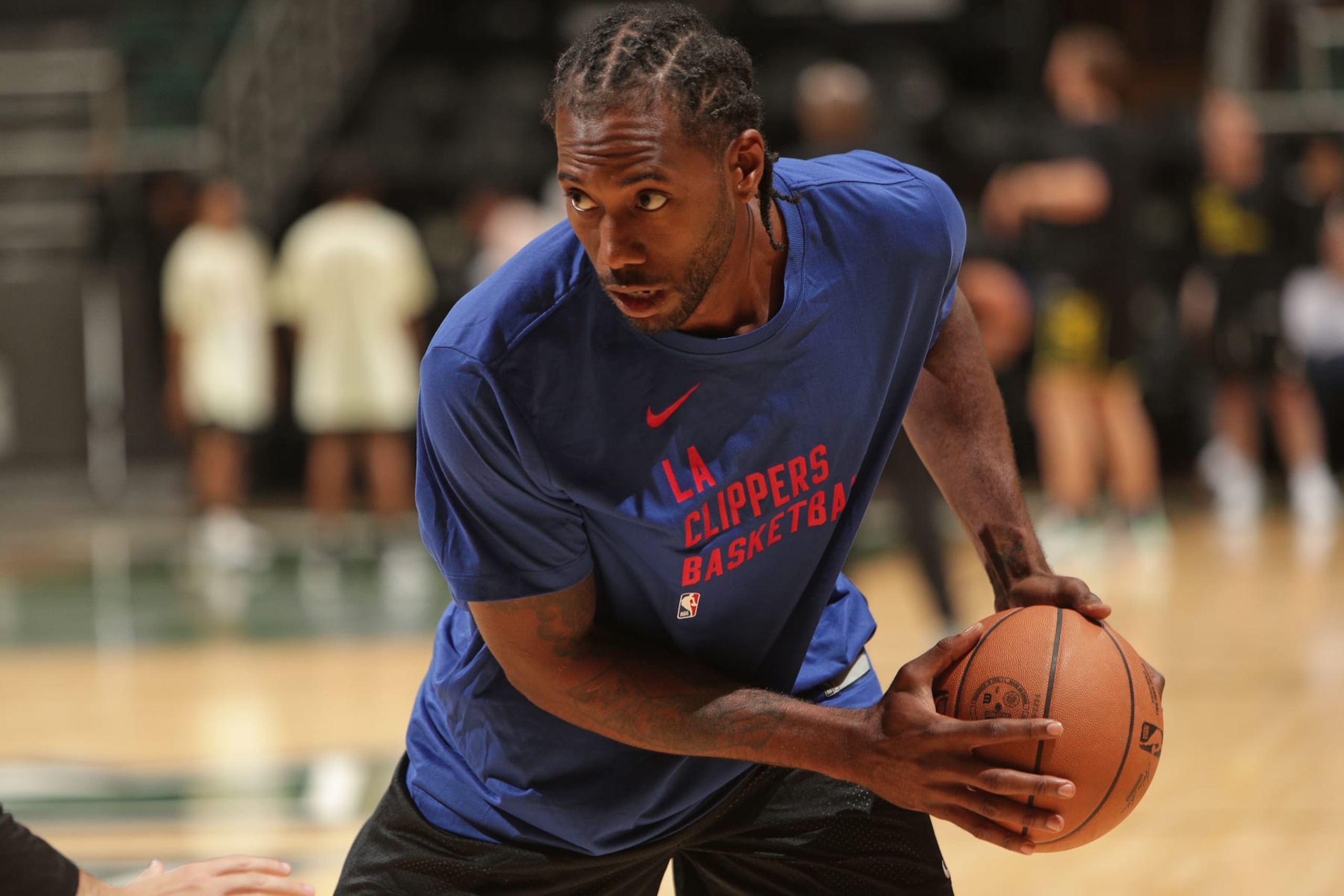
Starters: Russell Westbrook, Paul George, Kawhi Leonard, Nicolas Batum and Ivica Zubac
This is a safe look that the Los Angeles Clippers can go to start games, with Westbrook likely doing plenty of the ball-handling and George and Leonard playing off the catch a bit more than usual.
Zubac makes sense in this role too, as most teams still start a more traditional 5 he can battle inside.
Closers: Terance Mann, Norman Powell, Paul George, Kawhi Leonard and Nicolas Batum
This group, however, will be far more dynamic and difficult to guard. The superstars will initiate most of the offense. And whoever is handling on a given possession will be surrounded by four shooters.
There may be some concern about the other end of the floor, but the Clippers have won some high-leverage playoff minutes with small-ball lineups like this. The perimeter defense is almost good enough to completely make up for the lack of a rim protector.
Los Angeles Lakers
14 of 30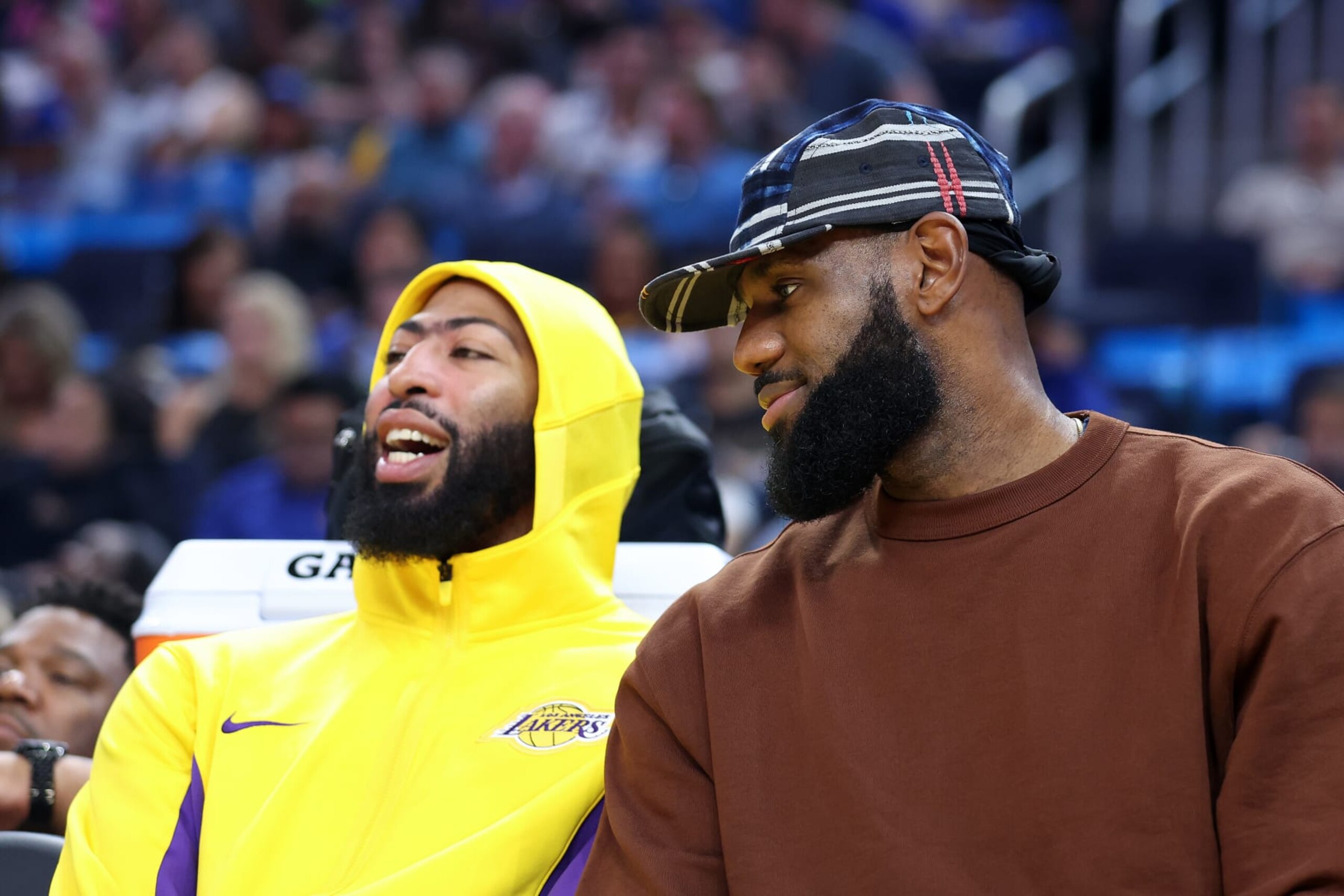
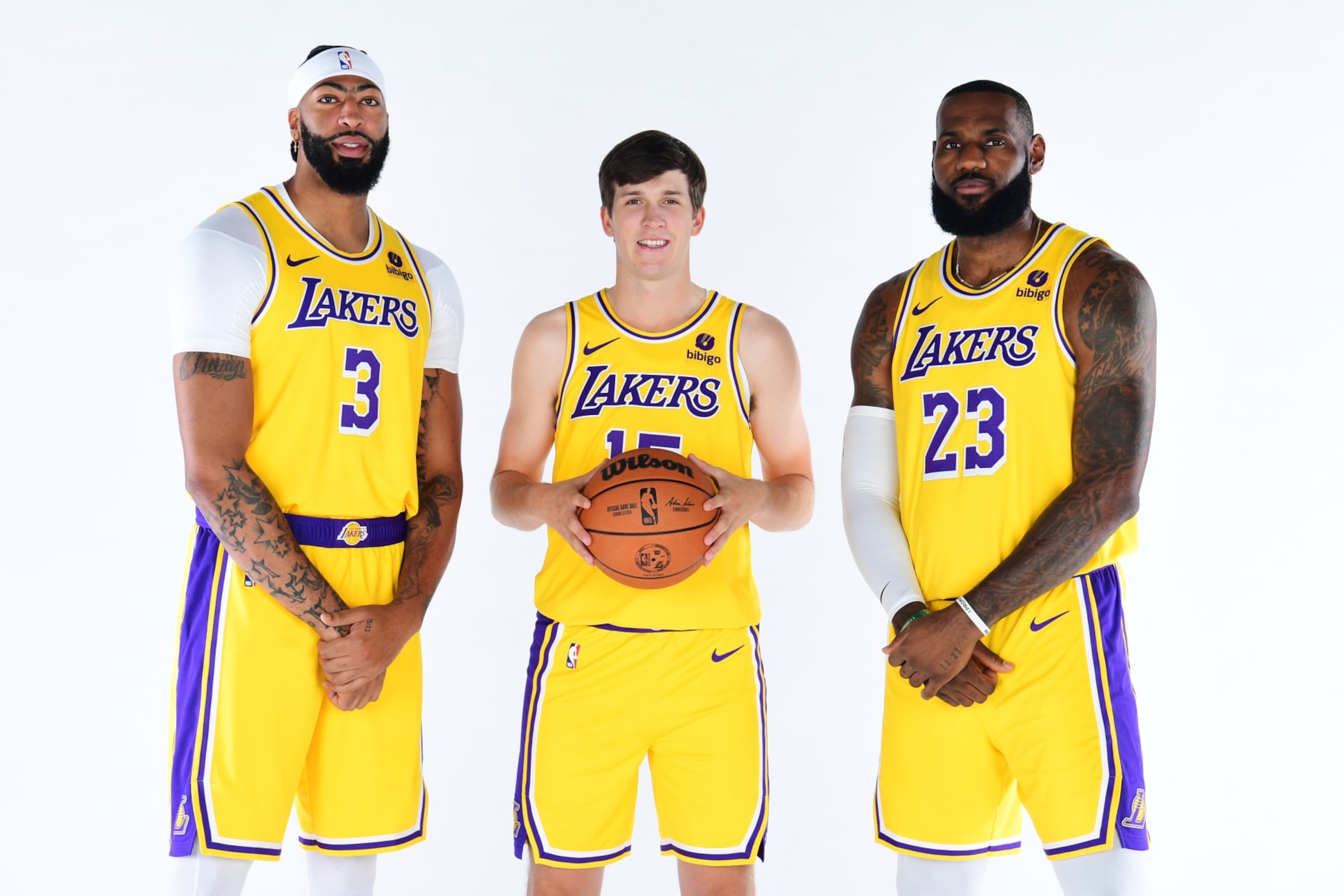
Starters: D'Angelo Russell, Austin Reaves, LeBron James, Anthony Davis and Jarred Vanderbilt
This lineup surrounds the LeBron-AD duo with a little shooting while also satisfying Davis' reported desire to play less center this season.
If Vanderbilt takes another step forward as a three-point threat this season (he attempted a career-high 1.2 threes per game last season and shot 32.2 percent from deep), this group has a chance to feel like more than just ceremonial starters.
Closers: Austin Reaves, LeBron James, Taurean Prince, Rui Hachimura and Anthony Davis
At the end of games, Russell's struggles as a defender will be more pronounced (just revisit the Western Conference Finals if you don't believe me), so replacing him with Prince's size and switchability should help there.
Plugging Hachimura in for Vanderbilt improves the shooting without sacrificing on the defensive end. Even if it moves AD to a position he may not love, this lineup is more versatile and skilled on both ends of the floor.
Memphis Grizzlies
15 of 30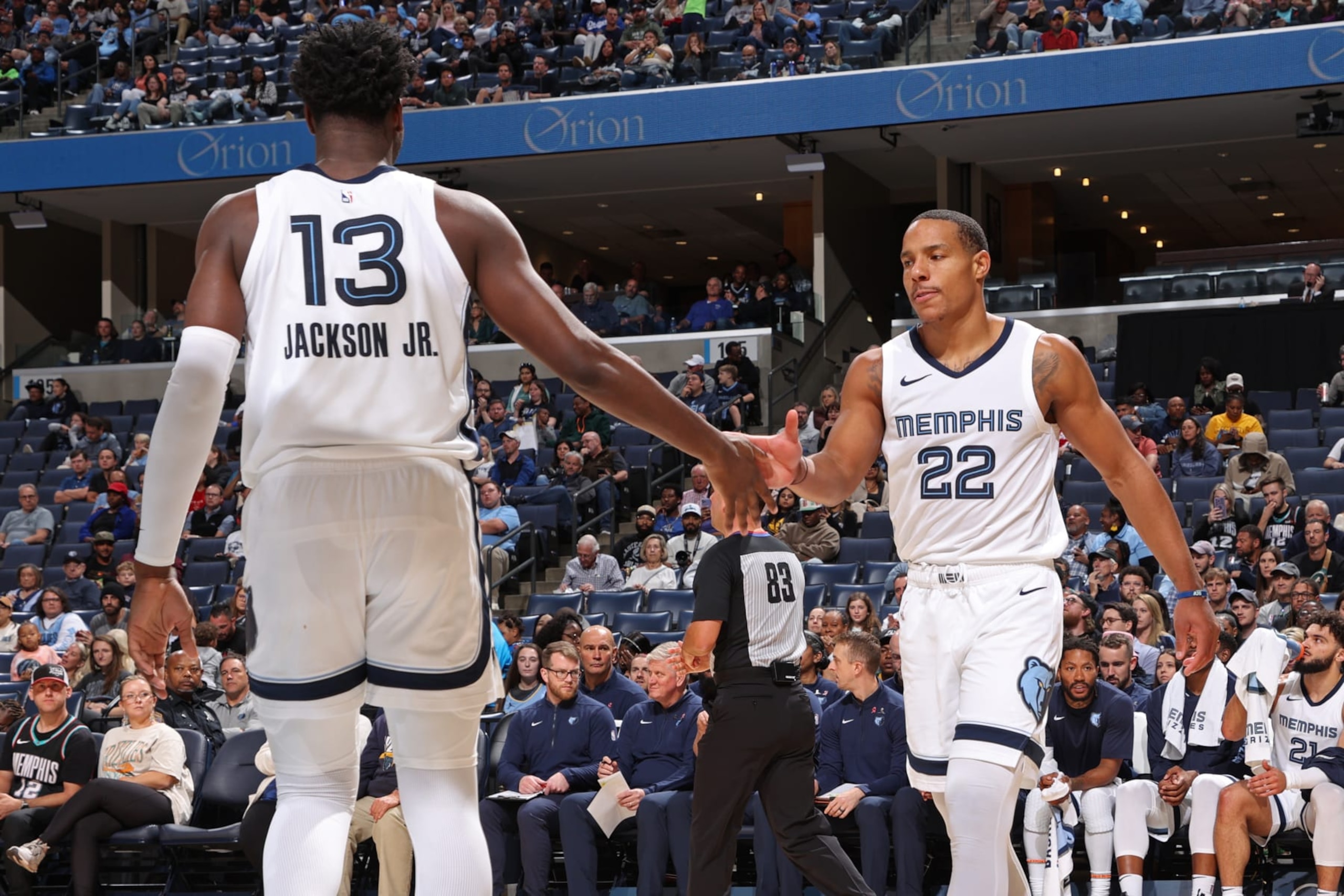
Starters and Closers: Ja Morant, Desmond Bane, Marcus Smart, Jaren Jackson Jr. and Steven Adams
Yes, Morant is suspended for the first 25 games of the season, but we'll operate under the assumption that will go as well as could be expected and he will generally be available from that point on.
In that case, this lineup has tons of playmaking from him, Bane and Smart. It has each of the last two Defensive Player of the Year winners in Smart and Jackson. And it has Adams to do all the big things (like rebound and defend centers) that allow JJJ to roam as a shot-blocker.
You could probably argue for a bigger player (like Ziaire Williams) or better shooter (like Luke Kennard) to take some of the minutes at the 3, but Smart's strength, versatility and playmaking give him the inside track there.
Miami Heat
16 of 30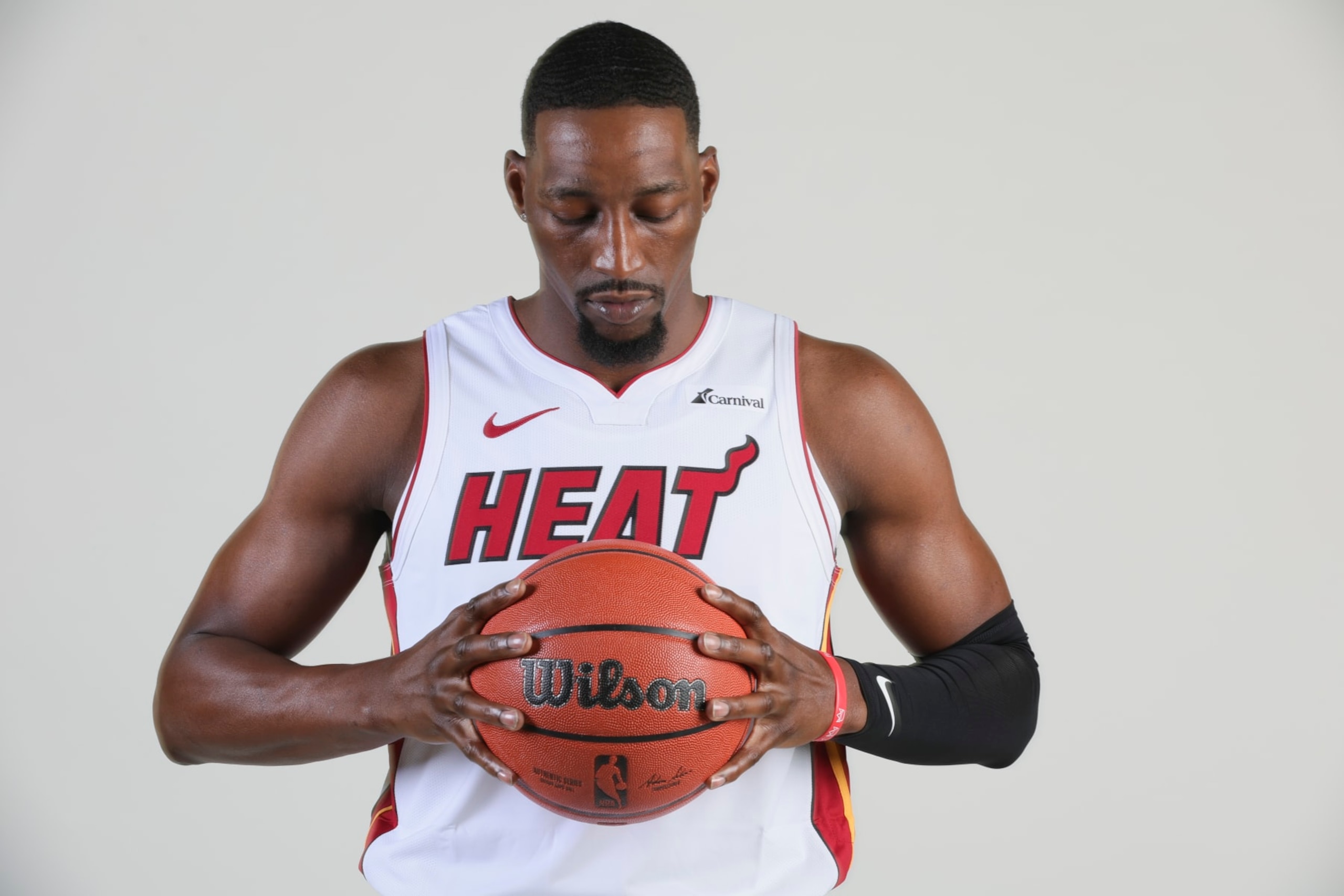
Starters and Closers: Kyle Lowry, Tyler Herro, Josh Richardson, Jimmy Butler and Bam Adebayo
Lowry may expect to be the starting point guard, but that's not really the reason he's here. With Gabe Vincent now a Laker, the Miami Heat may not have another great option.
Offensively, it would be easy enough to slide Herro to the 1 and leave the ball-handling to him and Butler, but Lowry is still a respectable defender (he was comfortably above average in defensive estimated plus-minus in each of the last two seasons).
Everything else here is fairly self-explanatory, although Herro has spent much of his career coming off the bench. After a summer of trade rumors, it feels like it's time for he and Miami to prove his value as a starter.
Milwaukee Bucks
17 of 30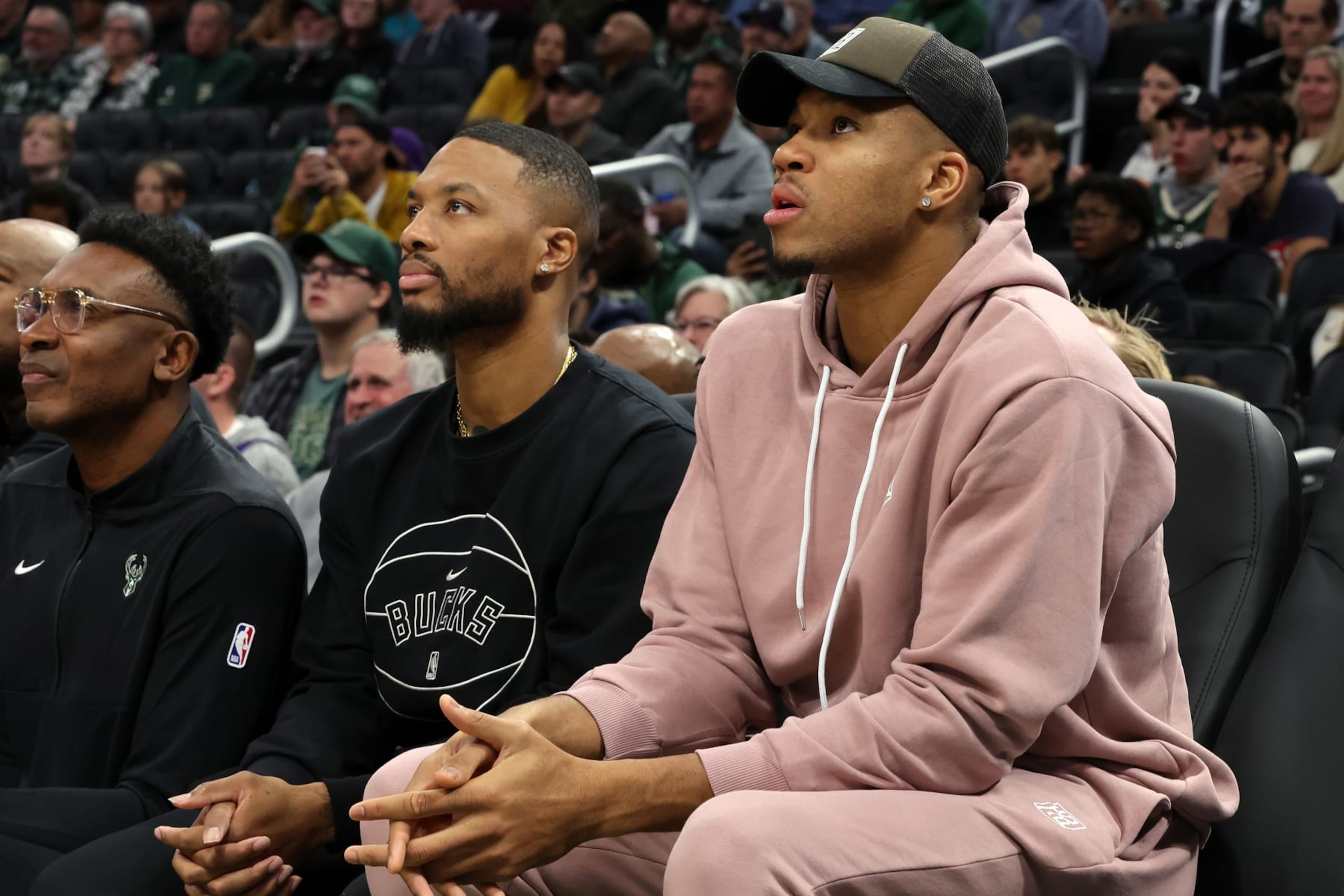
Starters: Damian Lillard, Malik Beasley, Khris Middleton, Giannis Antetokounmpo and Brook Lopez
The only real question here is who will start alongside Middleton on the wing, and there are solid arguments for at least three players.
- Beasley brings plenty of experience and some streaky shooting.
- MarJon Beauchamp makes the lineup bigger and more switchable.
- Pat Connaughton is an excellent rebounder for his size and position and has had some solid shooting seasons too.
We'll default to Beasley for now, since he started in the Milwaukee Bucks' preseason opener, but it feels like this spot could be pretty fluid.
Closers: Damian Lillard, Pat Connaughton, Khris Middleton, Giannis Antetokounmpo and Brook Lopez
With the amount of offense provided by Lillard, Middleton, Giannis and Lopez, the fifth spot in this lineup really doesn't need to provide much of that.
So for the end of games, Connaughton's rebounding, ability to defend multiple positions and willingness to be a clear fifth option on offense makes sense.
Minnesota Timberwolves
18 of 30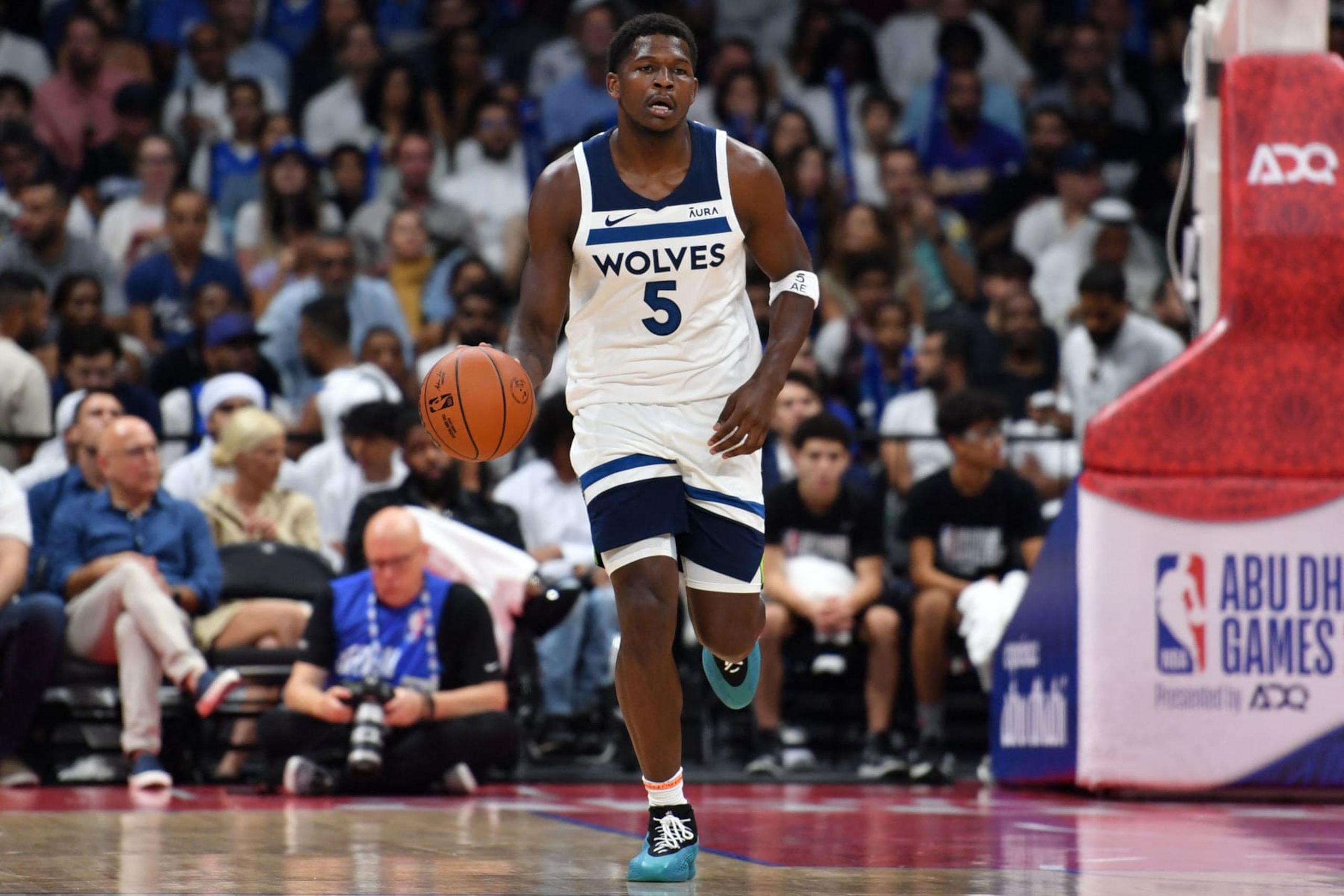
Starters: Mike Conley, Anthony Edwards, Jaden McDaniels, Karl-Anthony Towns and Rudy Gobert
The starting five for the Minnesota Timberwolves is abundantly clear, even if there are still some questions about the fit between Towns and Gobert.
And assuming Conley, Edwards, McDaniels and KAT all shoot the three as well as they did last season, even that concern should be mostly alleviated.
Closers: Mike Conley, Anthony Edwards, Jaden McDaniels, Kyle Anderson and Karl-Anthony Towns
Minnesota also has the ability to provide pretty specific offensive or defensive closing fives, but it feels like Anderson, his multipositional defense and playmaking should be in either one.
If the T-Wolves are down in the fourth quarter and need to put points up in a hurry, it makes sense to have KAT at the 5. If they need to protect the lead, Gobert is the obvious choice.
New Orleans Pelicans
19 of 30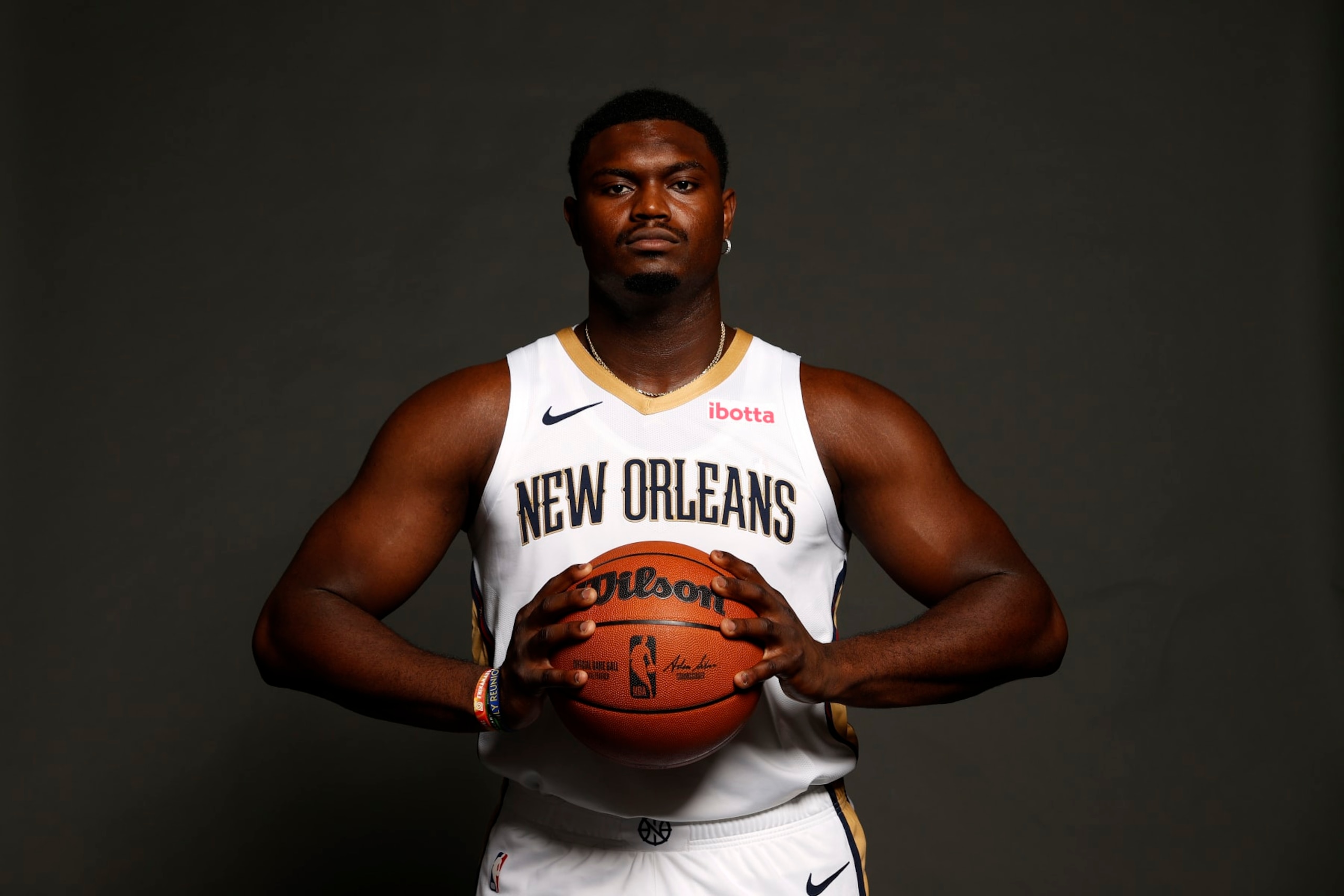
Starters: CJ McCollum, Brandon Ingram, Herbert Jones, Zion Williamson and Jonas Valančiūnas
The New Orleans Pelicans' point differential was significantly worse with Valančiūnas on the floor last season, but that was the first time he'd had a negative season-long swing since 2017-18 (when he was a Toronto Raptor).
Even as he ages into his 30s, having him start and battle with some of the West's other bruising bigs is probably the way to go.
Closers: CJ McCollum, Brandon Ingram, Herbert Jones, Trey Murphy III and Zion Williamson
Everyone else fits into both the starting and closing groups.
There's plenty of perimeter scoring from McCollum and Ingram, while Zion can pound opposing defenses in the paint. It would be nice if Jones was a bit more consistent as a shooter, but his perimeter defense is good enough to have him in there either way.
The big switch here, of course, is putting Murphy in and moving Zion into more of a playmaking 5 role. That makes the lineup more nimble and far more explosive offensively. Over the last 15 games of last season, Murphy averaged 21.7 points and 4.1 threes, while shooting 45.9 percent from deep.
New York Knicks
20 of 30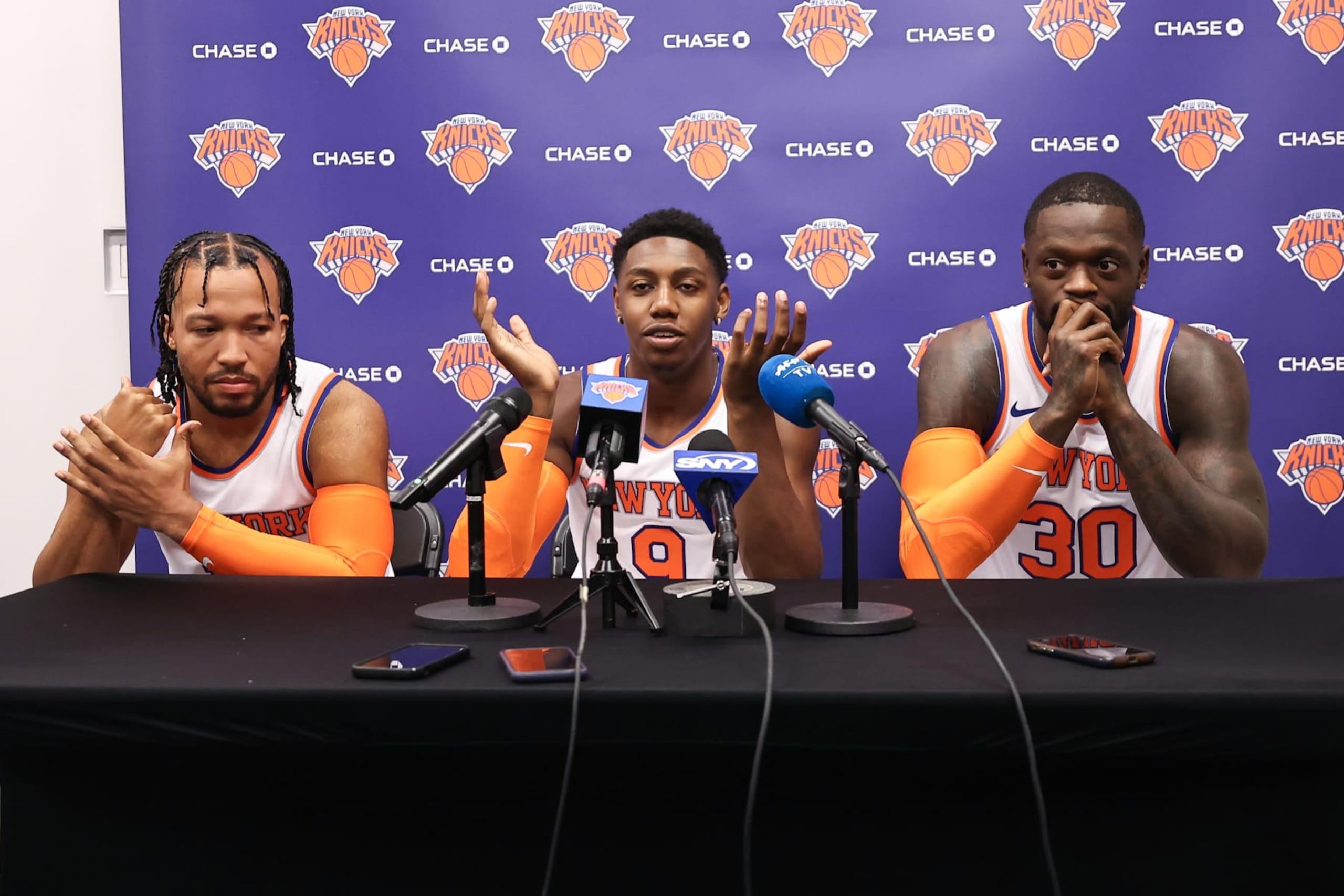
Starters: Jalen Brunson, Quentin Grimes, RJ Barrett, Julius Randle and Mitchell Robinson
There's a real temptation (and argument) to take Barrett out of the New York Knicks' starting five, but Tom Thibodeau has started him in every game for which he's been available for three years, despite the fact that the team's point differential is dramatically worse when he plays.
The other four here are obvious, and they fit well enough together to generally win their minutes, with or without Barrett.
Closers: Jalen Brunson, Quentin Grimes, Josh Hart, Julius Randle and Mitchell Robinson
Randle's three-point percentage is sort of a wild card (he hit 41.1 percent of his triples in 2020-21, but his career mark is 33.6). He's good enough, however, to at least make defenses pay attention to him outside. A similar description could be applied to Hart.
Brunson and Grimes, on the other hand, are reliable from the outside. And Brunson and Randle comprise one of the game's more underrated outside-inside offensive combos.
But the biggest way this group has (and likely will) punish opponents is through sheer physicality. This lineup can dominate the boards, including offensively, and create tons of extra opportunities for itself.
Oklahoma City Thunder
21 of 30
Starters: Shai Gilgeous-Alexander, Josh Giddey, Luguentz Dort, Jalen Williams and Chet Holmgren
It's not hard to see why the Oklahoma City Thunder are one of the most exciting teams in the NBA right now.
SGA, Giddey and Williams are all electrifying playmakers (for themselves or others) with wing size. In Giddey's case, he's even bigger than some of the league's 4s. Dort is a strong, multipositional defender. And now, their biggest hole (for lack of a better term) from last season has been filled by Holmgren and his ability to protect the rim and score inside.
Closers: Vasilije Micić, Shai Gilgeous-Alexander, Josh Giddey, Jalen Williams and Chet Holmgren
Replacing Dort with 2020-21 EuroLeague MVP Micić probably downgrades this group's defense a bit, but it might also make it one of the most explosive offensive units in the league.
Since the start of the 2019-20 season, in 176 games from various competitions with Anadolu Efes, Micić has averaged 16.0 points, 5.0 assists and 2.1 threes, while shooting 37.9 percent from deep in 28.5 minutes.
Adding his playmaking and shooting ability to that of SGA, Giddey and Williams will make this one of the most unpredictable attacks in the NBA.
Orlando Magic
22 of 30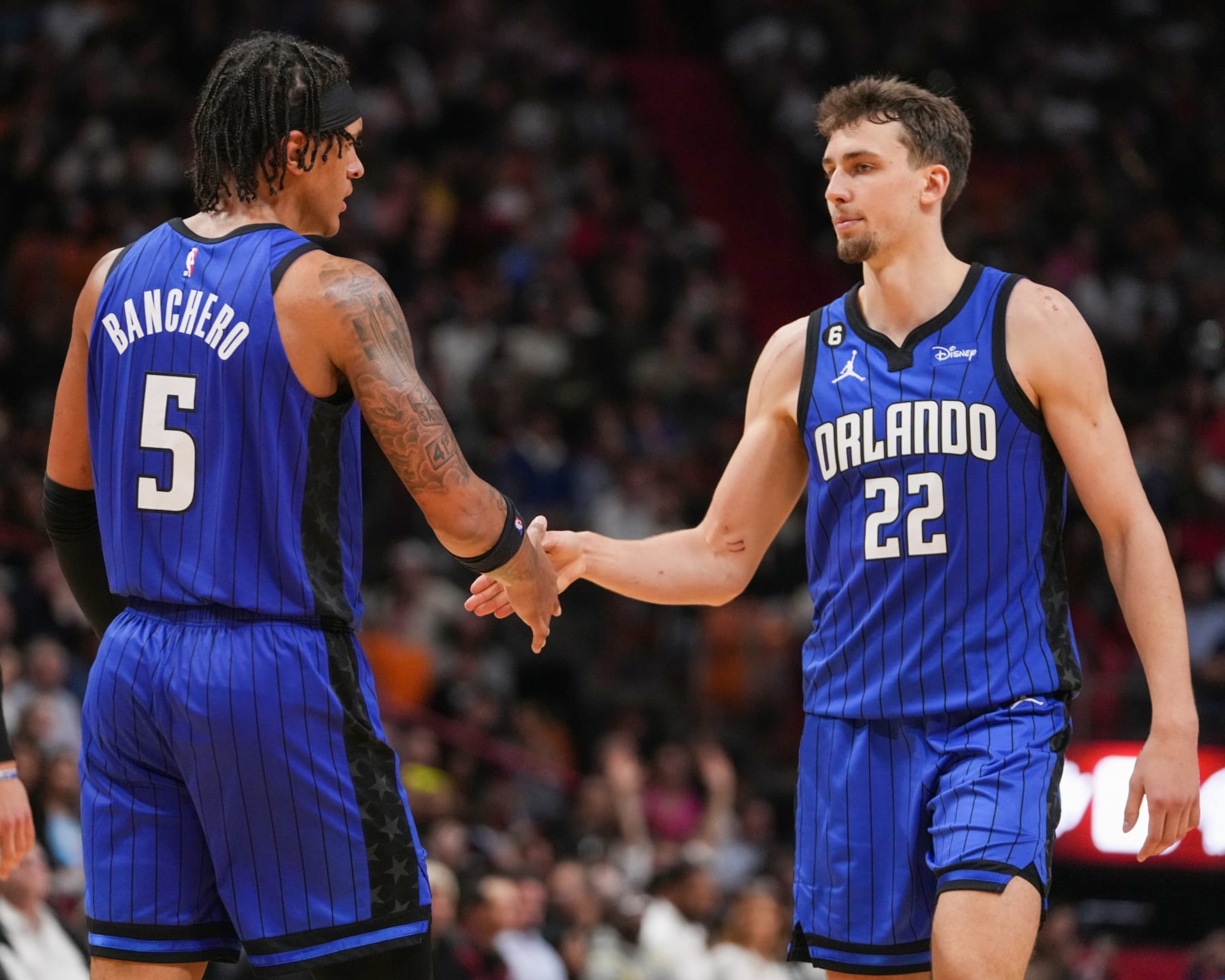
Starters and Closers: Markelle Fultz, Gary Harris, Franz Wagner, Paolo Banchero and Wendell Carter Jr.
The perimeter skill of both Wagner and Banchero would make it possible for the Orlando Magic to replace Fultz with a more reliable outside shooter like Joe Ingles for a closing lineup.
Ideally, though, the outside shots of Banchero and Carter will develop enough to mitigate Fultz's shortcomings as a shooter.
In that case, this is a lineup that can attack or initiate from at least three different spots. Even Carter has occasionally shown some chops as a distributing 5, which makes the group even less predictable.
On the other end, there's plenty of switchability too. Carter may not be Giannis on the perimeter, but he can hold his own when switched onto the perimeter. And each of the other four here can guard multiple positions.
Philadelphia 76ers
23 of 30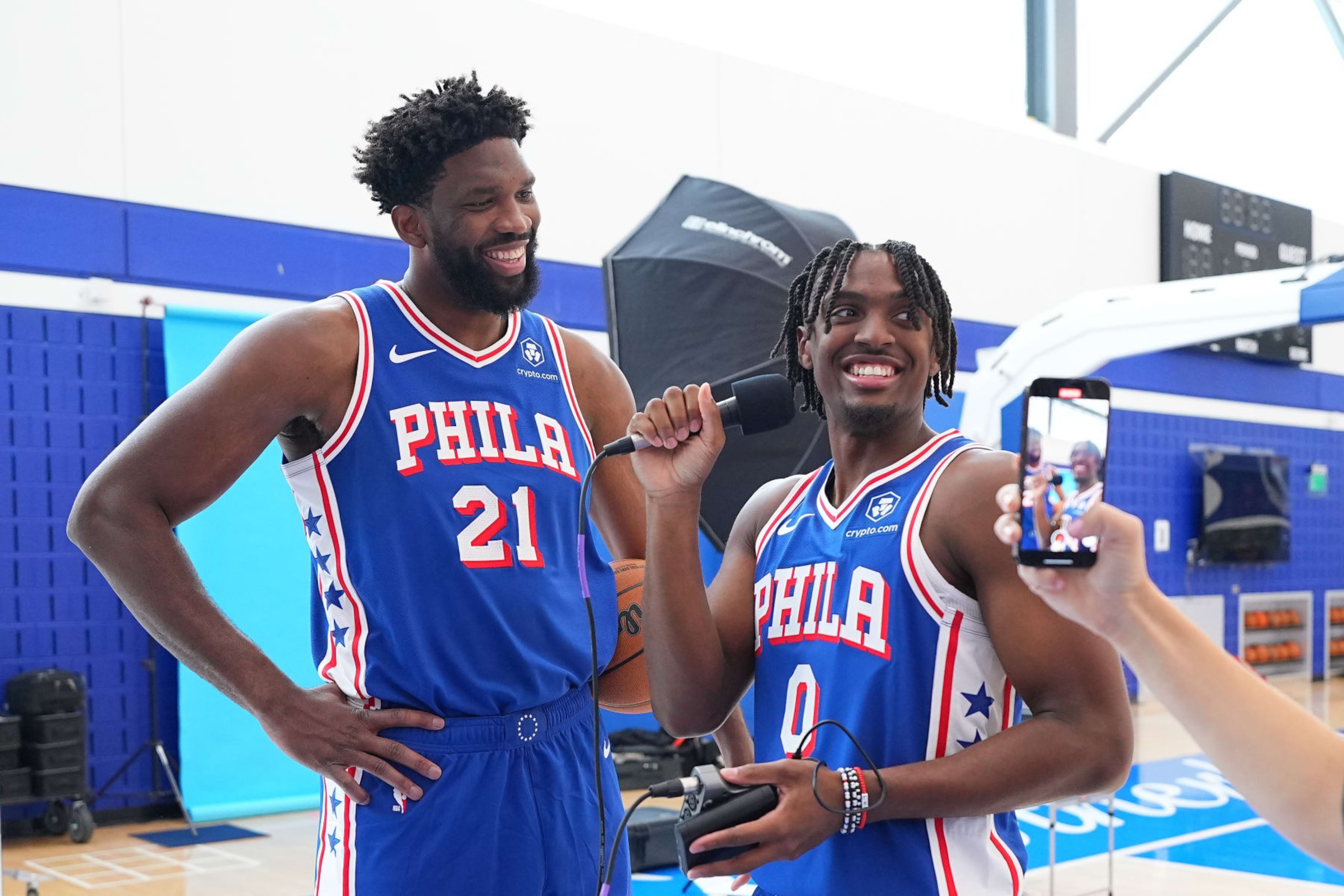
Starters and Closers: James Harden, Tyrese Maxey, Tobias Harris, P.J. Tucker and Joel Embiid
Analyzing Philadelphia 76ers lineups feels even shakier than trying to work around the Morant suspension.
Harden has requested a trade. Shortly after he did, he publicly called team president Daryl Morey a liar. He held out of training camp for a whopping two days. And now he's practicing with the team, though it feels pretty safe to assume he won't play in games.
Having said all that, he's still on the roster. And if he's there when the regular season starts, he may decide that the best way to boost his trade value and get out of Philadelphia is to actually show the other 29 teams what he can do.
In that case, he'll likely continue to feed Embiid plenty of ready-made scoring opportunities while making everyone else's life on offense easier too.
Last regular season, when Harden played with the four above, the 76ers were plus-13.1 points per 100 possessions.
Phoenix Suns
24 of 30
Starters: Bradley Beal, Devin Booker, Josh Okogie, Kevin Durant and Jusuf Nurkić
Even after the trade that sent Deandre Ayton to the Portland Trail Blazers, this starting five has a chance to be the best lineup in the NBA. In fact, replacing Ayton with Nurkić may make that more likely.
Some analysts called that a talent downgrade in the immediate aftermath of the deal (and that may be fair), but Nurkić is a better and more willing passer than Ayton. And in a lineup with three No. 1 scoring options in Booker, Durant and Beal, a little extra passing from the 5 is a smart thing to add.
Closers: Bradley Beal, Devin Booker, Josh Okogie, Yuta Watanabe and Kevin Durant
For all of the reasons above, the Phoenix Suns could well close games with the same lineup that starts them.
With the one-on-one scoring abilities of the aforementioned stars, though, the wrinkle that Nurkić's passing adds isn't entirely necessary. That's especially true down the stretch of games, when things often devolve into one-on-one battles anyway.
Replacing Nurkić with Watanabe, one of the most dangerous corner three-point shooters in the league, would make it even harder to help off the three-point line to try to stymie Booker, Durant or Beal.
Portland Trail Blazers
25 of 30
Starters and Closers: Scoot Henderson, Anfernee Simons, Shaedon Sharpe, Jerami Grant and Deandre Ayton
After years of toiling in mediocrity, the Blazers finally traded Lillard and tipped off a full-scale rebuild.
Henderson, Simons, Sharpe and Ayton are 19, 24, 20 and 25, respectively. Sometime after the trade restriction on the recently re-signed Grant lapses on December 15, he and Malcolm Brogdon could both be replaced by younger players too.
In other words, this team (and most of this lineup, specifically) is going to be fun but inexperienced.
There will be plenty of growing pains for Henderson and Sharpe as they adapt to the NBA. The same could probably be said for Simons and Ayton, who are about to assume bigger roles than they've typically had in the past.
That'll probably mean a lot of losses in the short term, but the young Blazers will be better off down the road.
Sacramento Kings
26 of 30
Starters and Closers: De'Aaron Fox, Kevin Huerter, Harrison Barnes, Keegan Murray and Domantas Sabonis
There's an argument to have Malik Monk in here somewhere for closing lineups. There will certainly be times when his explosive scoring ability may be critical down the stretch of a close game (as it was when he dropped 45 in a 176-175 win over the Clippers last season).
But the lineup above may have as much continuity as any in the league heading into 2023-24. It led the NBA in possessions played together last season. And with Fox, Huerter and Murray all under 26, it's reasonable to believe it might get even better.
This group gets high-end slashing and playmaking from Fox, shooting from Huerter, Barnes and Murray and defensive versatility from Murray and Barnes. And with Sabonis tying it all together as one of the NBA's best passing bigs and rebounders, it's safe to assume this will be one of the league's better lineups.
San Antonio Spurs
27 of 30
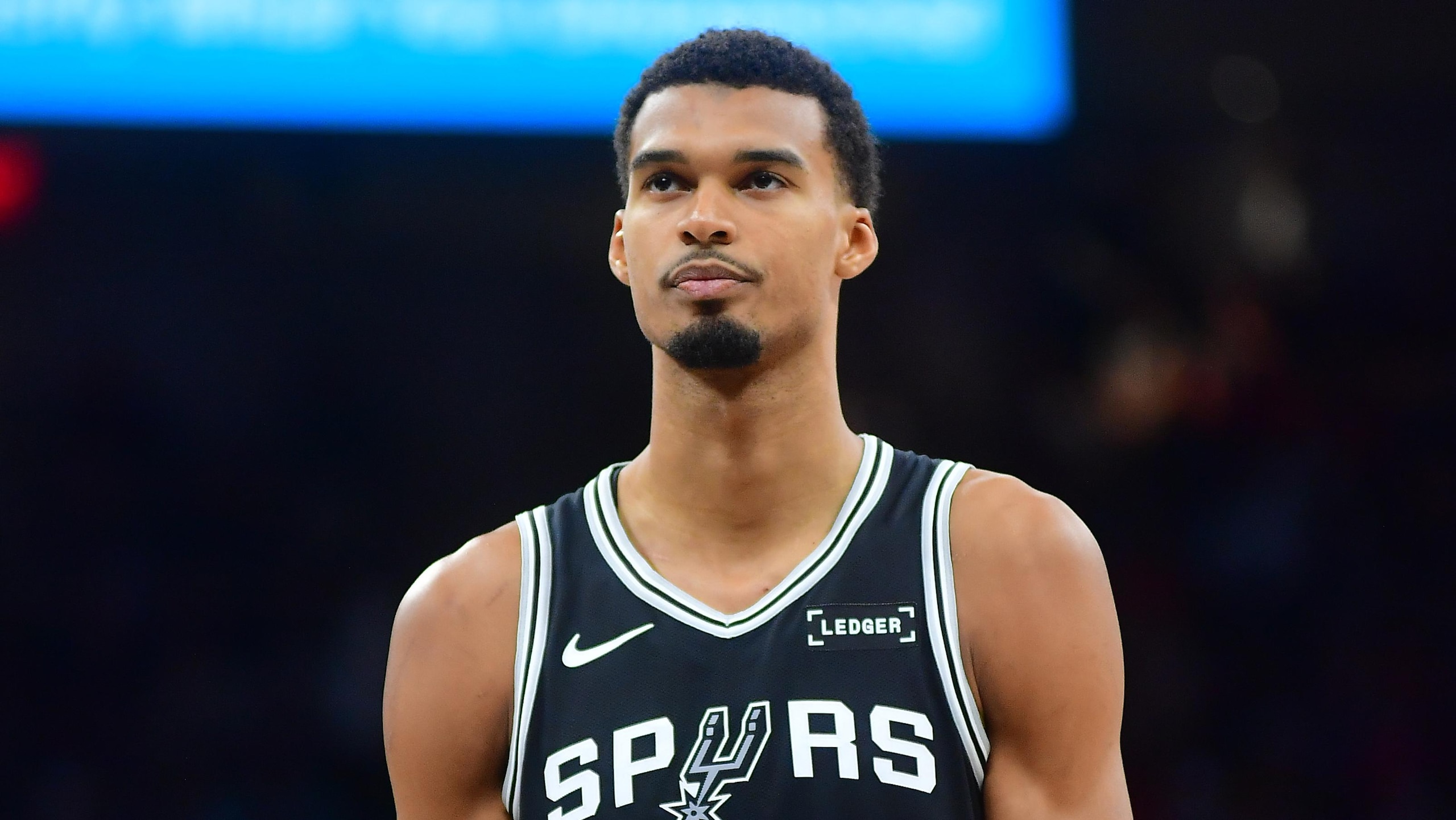
Starters and Closers: Tre Jones, Devin Vassell, Keldon Johnson, Victor Wembanyama and Zach Collins
The Wembanyama hype train gained some steam this week, when he made his preseason debut and scored 18 points in a first half that included thunderous dunks, a sidestep three and a recovery block that few (if any) other players could make.
With the 19-year-old as the centerpiece of this lineup, the San Antonio Spurs could be competitive earlier than expected, but that's not entirely because of him.
Like his brother Tyus, Tre Jones looks like he could develop into one of the game's steadier, mostly mistake-free point guards. Vassell, Johnson and Collins can all space the floor around the Frenchman.
And Collins' passing ability should make dual-big lineups with Wembanyama more feasible than they'd be with more of a traditional, low-post ball-stopper.
Toronto Raptors
28 of 30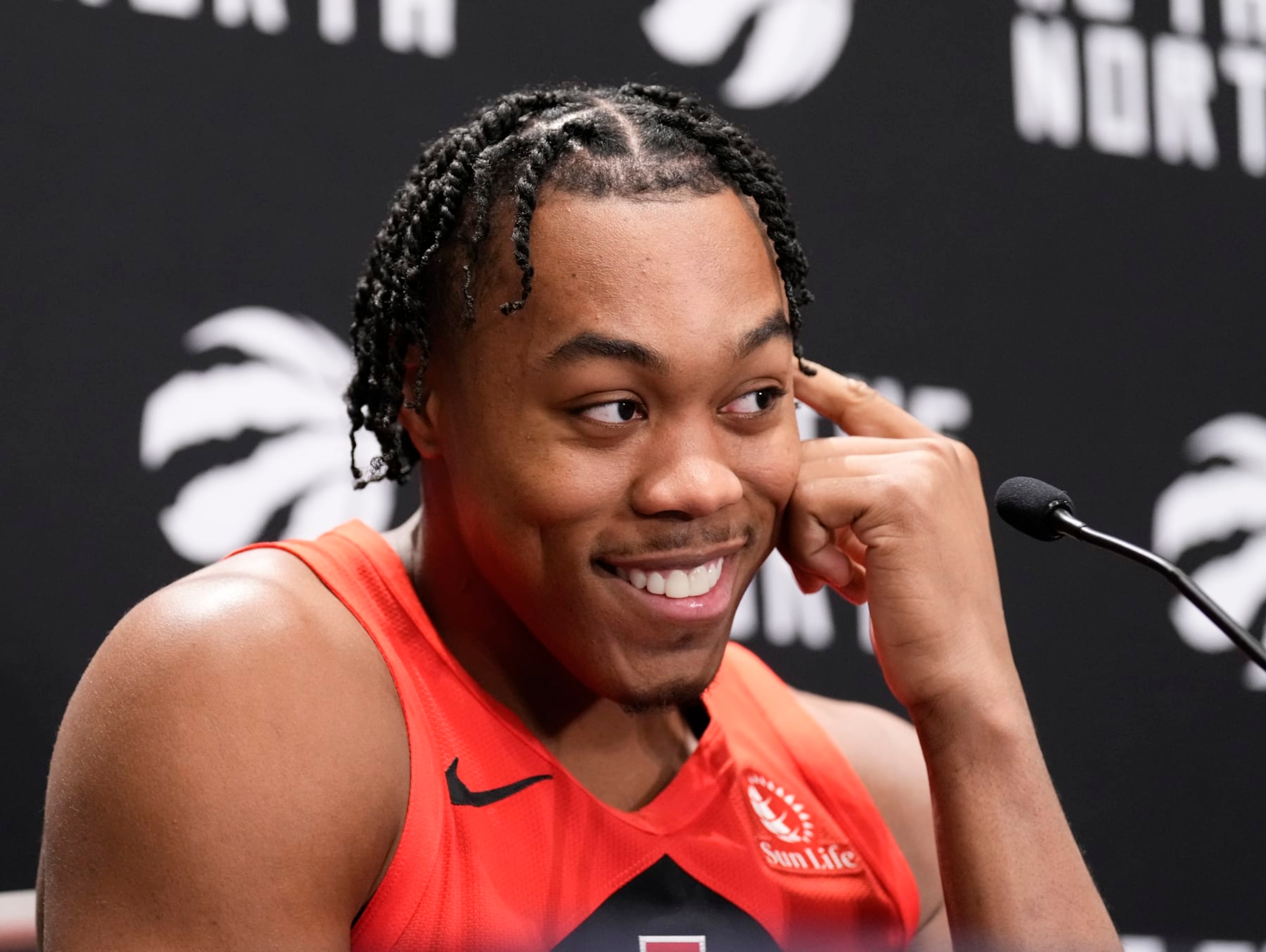
Starters: Dennis Schröder, O.G. Anunoby, Scottie Barnes, Pascal Siakam and Jakob Poeltl
Fresh off his run to the gold medal and a FIBA World Cup MVP, Schröder should be motivated to prove his value translates to the NBA, but he'll be leading a presumed starting five that could really struggle to space the floor.
He, Barnes and Siakam are all way-below-average three-point shooters for their careers. Anunoby is slightly above average, and Poeltl has taken just four triples in seven seasons.
This lineup has the potential to put a lot of pressure on the rim, but opposing defenses may be able to simply pack the paint and survive that pressure.
Closers: Scottie Barnes, Gary Trent Jr., Gradey Dick, O.G. Anunoby and Pascal Siakam
Ultimately, Barnes' ceiling is most likely to be reached whenever the Toronto Raptors trust him to be the kind of lead playmaker he was as a freshman at Florida State.
And given his inconsistency as a shooter, surrounding him with as many catch-and-shoot threats as possible is the way to go.
Toronto doesn't have many high-level deep threats, but Trent (a career 38.4 percent three-point shooter) is close. Dick shot 40.3 percent from deep in college last season, and Siakam at least takes enough to force opposing bigs to be wary of him outside.
Utah Jazz
29 of 30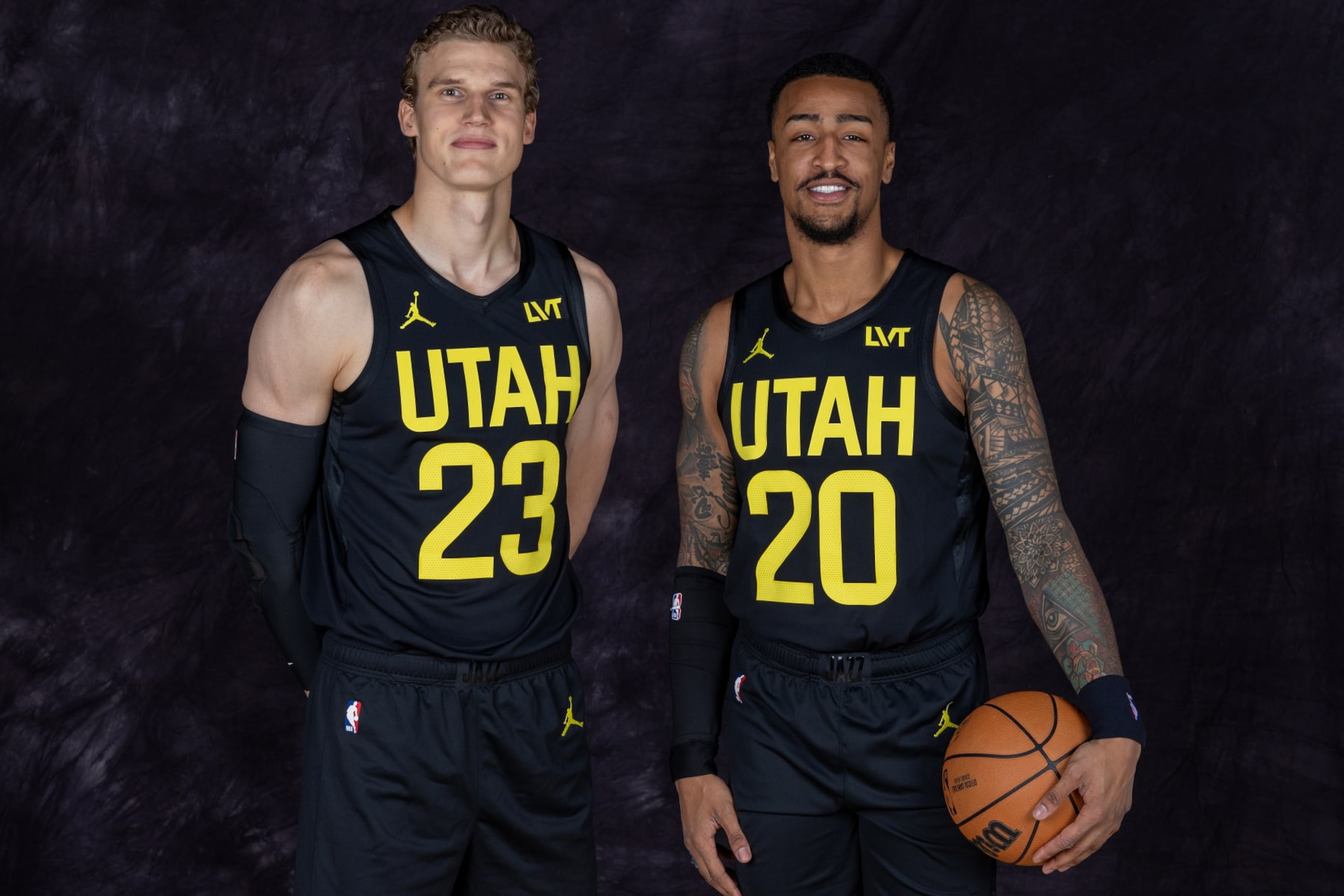
Starters: Kris Dunn, Jordan Clarkson, Lauri Markkanen, John Collins and Walker Kessler
This is one of the trickier starting fives to try to nail down. After witnessing Markkanen's breakout at the 3 last season, it's safe to assume he'll return to that spot. Collins and Kessler are the natural choices at the 4 and 5, but the backcourt feels almost completely up in the air.
Dunn gets the nod here, due to his experience and perimeter defense, and the fact that Clarkson and Markkanen provide plenty of firepower. There are several other reasonable guesses for those two spots, though.
Keyonte George has shown enough in summer league and preseason play to suggest he could be in the rotation right away. Ochai Agbaji brings more size and athleticism. Collin Sexton could get a shot to start at either position. Even Talen Horton-Tucker could be in the mix.
Closers: Jordan Clarkson, Ochai Agbaji, Lauri Markkanen, John Collins and Kelly Olynyk
Kessler is already one of the game's better rim protectors, but his 51.6 free-throw percentage last season suggests he could be an offensive liability in late-game situations. Replacing him with Olynyk ups this lineup's passing and shooting ability to a degree that should make up for the defensive dropoff.
Plugging Agbaji in on the wing could help in that regard too. He may not be as good a one-on-one defender as Dunn, but he's bigger and has higher upside as an outside shooter.
Washington Wizards
30 of 30
Starters and Closers: Tyus Jones, Jordan Poole, Corey Kispert, Kyle Kuzma and Daniel Gafford
If the Washington Wizards are in a situation where they need to protect a lead, Deni Avdija might make more sense than Kispert or even Kuzma. They could also play bigger, deploy all three of those forwards and send one of Jones or Poole to the bench.
But the lineup above is pretty well-balanced and a big reason why the Washington Wizards could surprise some opponents this season.
Jones has been one of the best assist-to-turnover point guards in the league throughout his career. Poole could average well over 20 points in this new role. Kispert already looks like he could be a high-end floor spacer. Kuzma is a strong second option and improved defender. And Gafford looks like a dangerous rim-runner and protector to anchor everything on both ends.



.jpg?w=2560 "Aikman Blasts Cowboys WR 🫣")
.jpg?w=2560 "Jonathan Taylor Landing Spots")