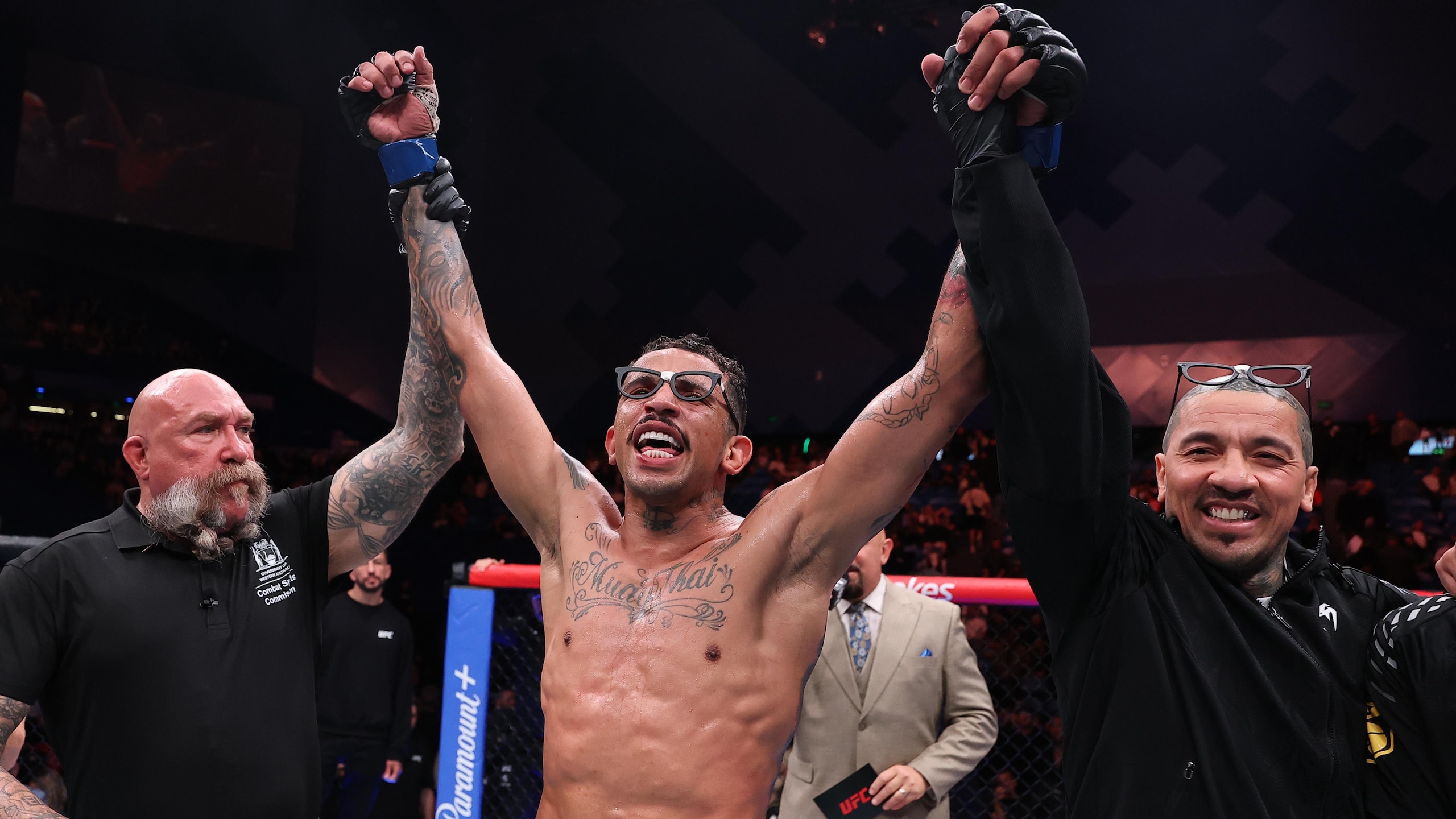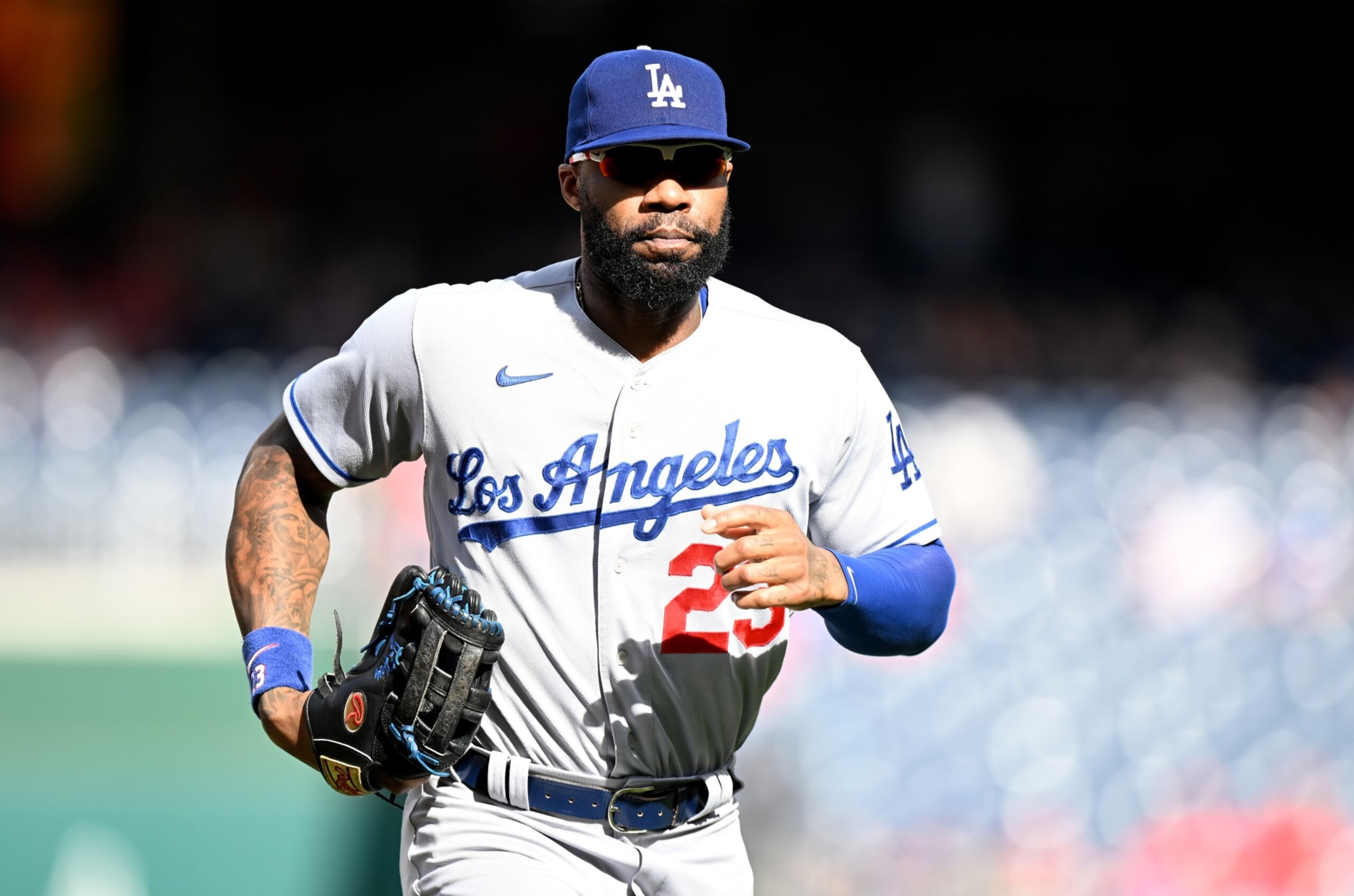


Who would have guessed six months ago that Jason Heyward signing a minor league contract with the Los Angeles Dodgers would be exponentially more important for the purposes of shaping MLB's 2023 postseason than Aaron Judge re-signing with the New York Yankees for $360 million?
L.A.'s under-the-radar pickup nearly tops our list of the 18 most important offseason moves, while New York's extremely-on-the-radar signing didn't even make the cut.
What's magical about 18 as the number of offseason moves? Absolutely nothing. It's simply how many times while revisiting the offseason transaction logs of playoff teams that a move stood out as a big one for the eventual playoff picture.
And for what it's worth, even with 18 on the list, not every playoff team will be represented.
The Astros only made three remotely noteworthy offseason moves, signing José Abreu and re-signing both Rafael Montero and Michael Brantley—a trio that was worth a combined bWAR of negative-0.4 during the regular season. None of those made the cut.
AL No. 1 seed Baltimore barely got on the list with a middle reliever at No. 17, while NL No. 1 seed Atlanta is only sort of represented for its part in a trade that ended up being much bigger for Milwaukee.
Offseason moves are presented in ascending order of how critical they were, culminating in a pair of massive win-win trades between playoff teams.
Honorable Mentions
- Texas Rangers signing Andrew Heaney and Travis Jankowski
- Baltimore Orioles signing Kyle Gibson and Adam Frazier
- Minnesota Twins signing Donovan Solano, Kyle Farmer and Brock Stewart, and trading for Michael A. Taylor
- Philadelphia Phillies signing Matt Strahm
- Atlanta Braves signing Jesse Chavez
- Milwaukee Brewers purchasing Bryse Wilson
- Chicago Cubs signing Cody Bellinger (missed the playoffs, but sure came close because of him)
18. Twins Re-sign Carlos Correa
1 of 18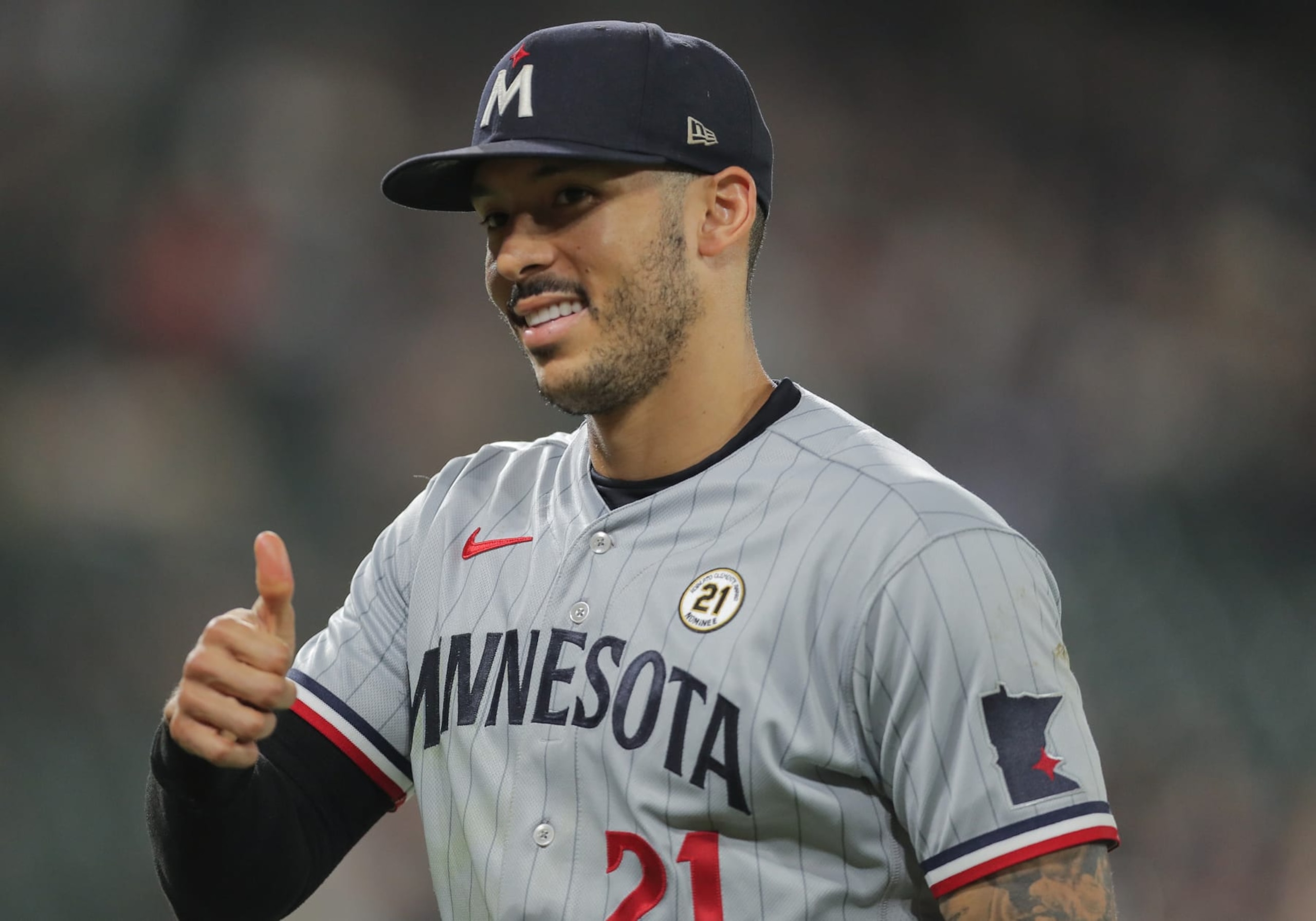
The Transaction: Minnesota Twins sign Carlos Correa to six-year, $200 million deal with vesting options for 2029-32
The Carlos Correa saga was one of the strangest and longest single-player offseason storylines in MLB history.
He originally agreed to a 13-year, $350 million deal with the Giants (who missed the postseason).
After that one fell through, he agreed to a 12-year, $315 million deal with the Mets (who also missed the postseason).
More medical history concerns led him back to the Twins—with whom he originally declined a $35.3 million player option to return in 2023.
And they won the AL Central.
By his standards, it wasn't a good season. Heck, as far as both Baseball Reference and FanGraphs are concerned, from a WAR perspective, 2023 was the worst season of Correa's career, batting .230 and grounding into an MLB-worst 30 double plays—the most by any player since Casey McGehee's 31 in 2014.
But Correa either scored or drove in the game-winning run in four of Minnesota's 10 walk-off victories. And though there were times early in the year when Twins fans were showering him with boos, at least he was the one somewhat healthy constant in this injury-riddled lineup, battling through plantar fasciitis for most of the season before finally making a trip to the IL late in the year with the AL Central title well in hand.
17. Orioles Purchase Danny Coulombe
2 of 18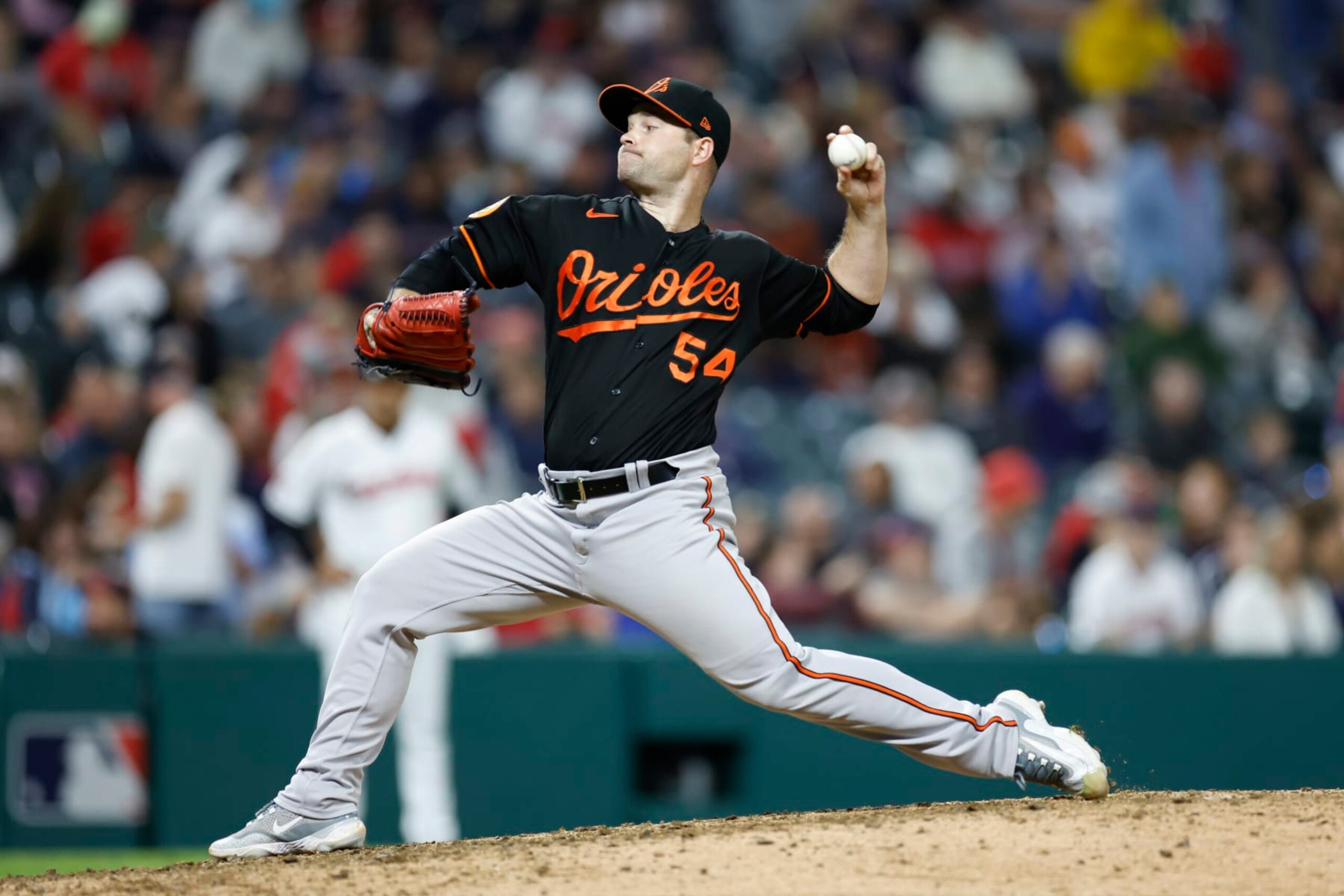
The Transaction: Baltimore Orioles purchase Danny Coulombe's one-year, $1 million contract from Minnesota Twins
Between Coulombe's eight years of MLB experience, Minnesota's limited supply of left-handed pitchers and the fact that he had logged nine scoreless innings of work in spring training, it was a bit surprising that the Twins optioned him to Triple-A a few days before the start of the regular season, opening the door for Baltimore to claim him off waivers.
But that last-second pickup ended up being, arguably, the biggest offseason move the O's made.
Free-agent signees Kyle Gibson (192.0 IP) and Adam Frazier (455 PA) played bigger quantitative roles for the AL's No. 1 seed, but Coulombe was the indispensable 7th/8th inning man, racking up 22 holds with a 2.81 ERA as the primary bridge from the starting rotation to Yennier Cano and Felix Bautista.
And it kind of came out of nowhere.
Though he had nearly 200 innings of big league experience, 2017 was the only year Coulombe was in an even remotely high-leverage role with 13 holds that season in Oakland.
Take Coulombe out of the equation and surely Baltimore still makes the postseason. But considering three of his holds came against the Rays, it's not a stretch to say he played a key part in making sure the O's won the AL East.
16. Phillies Sign Taijuan Walker
3 of 18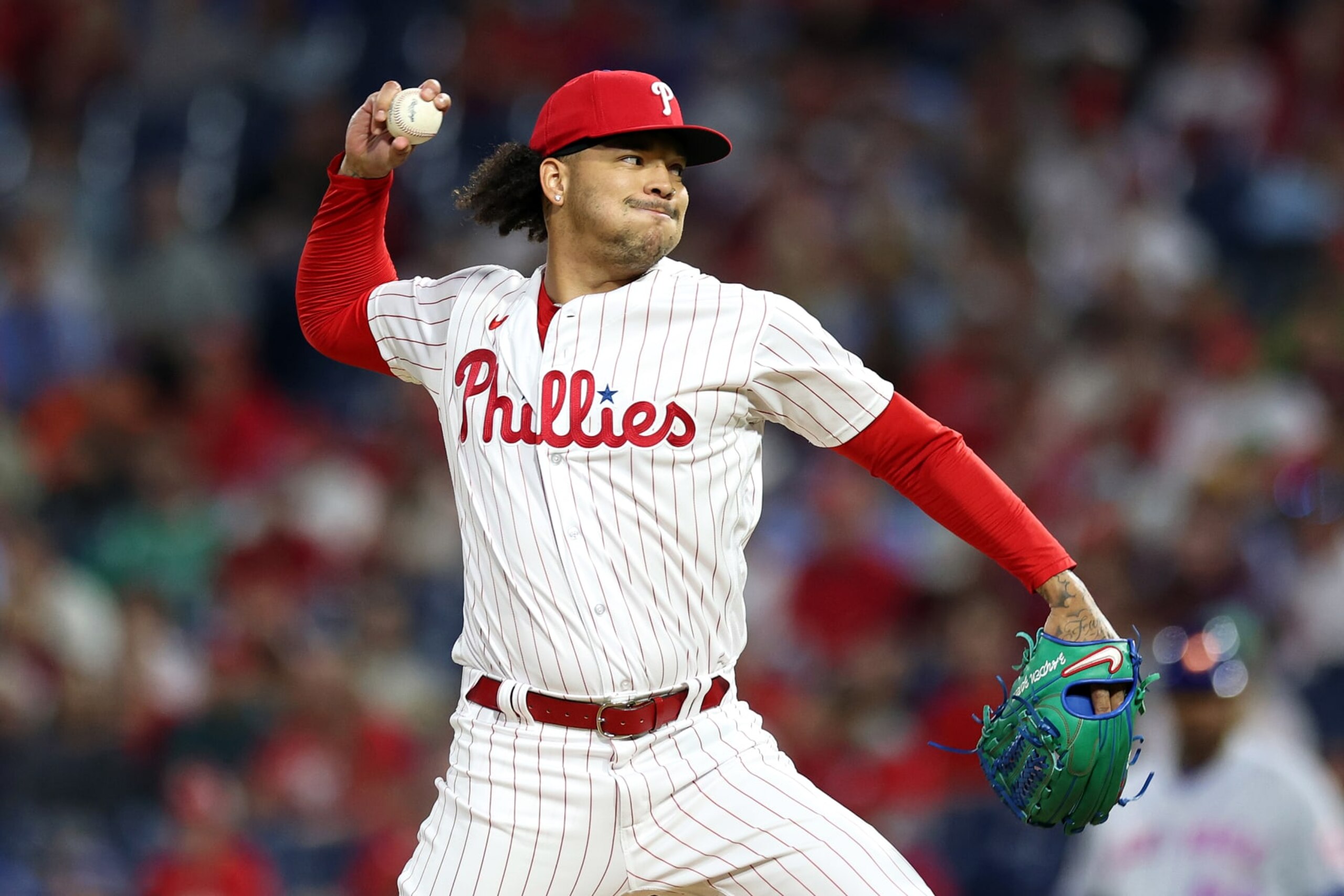
The Transaction: Philadelphia Phillies sign Taijuan Walker to four-year, $72 million deal
Walker wasn't anything special in his first season with the Phillies. His ERA, FIP, xERA and xFIP were all in the 4.35-4.85 range, on par with the likes of Patrick Sandoval for the Angels, Andrew Heaney for the Rangers and Clarke Schmidt for the Yankees.
But one thing does jump off the page here: 15 wins.
Though we've lamented over the years that wins is a dumb statistic—quality starts is a much better measure of how often a starting pitcher does his job well—you simply don't win 15 or more games in a season by accident.
Yes, you need run support, but you also have to consistently work relatively deep into games and avoid the dreaded implosion innings.
And to that end, Walker was a solid pickup for the Phillies, going at least five innings 25 times and only getting shelled in one of his starts—eight earned runs against the Dodgers—which is liable to happen to anyone.
Craig Kimbrel and Trea Turner were bigger offseason pickups, but if nothing else, Walker (along with Aaron Nola and Zack Wheeler) helped the Phillies end up with the least-used bullpen in the majors.
That might pay dividends in October, considering the two least-used bullpens during the 2022 regular season belonged to World Series combatants Houston and Philadelphia.

15. Twins Sign Willi Castro
4 of 18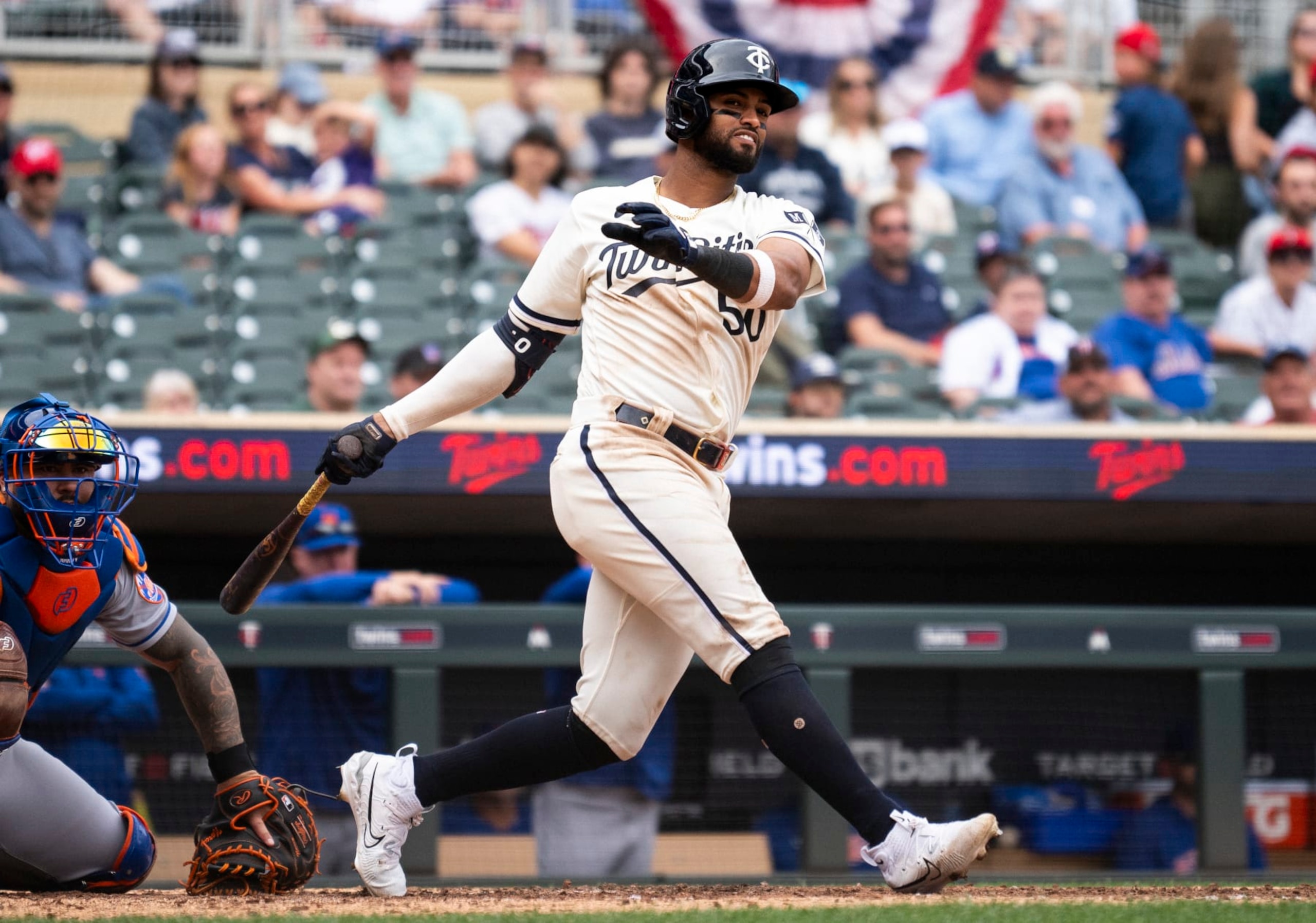
The Acquisition: Minnesota Twins sign Willi Castro to one-year, $1.8 million deal
By an extremely wide margin, the most noteworthy player who was non-tendered after last season was Cody Bellinger.
But Detroit's decision to throw in the towel on Willi Castro after his fourth season in the big leagues ended up being a big win for the Minnesota Twins.
Castro played anywhere and everywhere this season for the Twins, who were in a constant state of needing basically any healthy body in at least one spot in the field. He made 33 starts in left, 29 starts in center, 23 starts at third, four starts at second, two starts in right and one start at short. He even pitched in blowouts on three occasions.
Not only did he play anywhere, but he also played it all well, committing just two errors (both in center) in 864 innings in the field. Decent chance he's the AL's recipient of that utility Gold Glove that MLB added last season.
Castro also led the Twins in stolen bases (33) by a wide margin while posting a respectable .750 OPS.
Classic example of a "glue guy" who held everything together. And all for the low price of $1.8 million.
14. Blue Jays Sign Kevin Kiermaier
5 of 18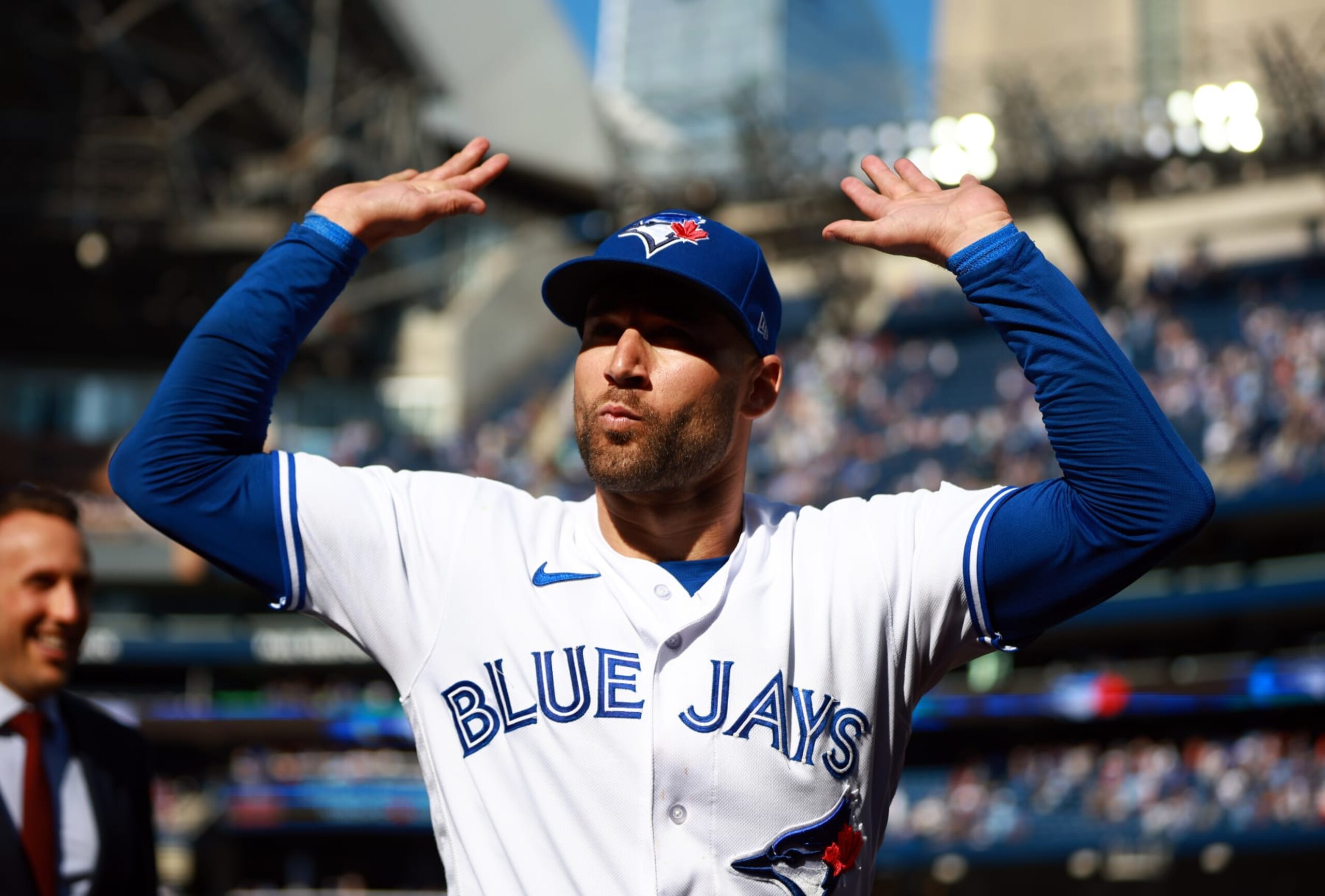
The Transaction: Toronto Blue Jays sign Kevin Kiermaier to one-year, $9 million deal
After subpar outfield defense played a pivotal role in Toronto blowing a seven-run lead in Game 2 of last year's ALWC against Seattle, it was clear that the Blue Jays' primary goal for the offseason was to improve on that front.
In addition to the higher-on-this-list trade with the Diamondbacks to get Daulton Varsho's range on the roster, the Jays shipped Teoscar Hernández's plus bat and statuesque defense to Seattle.
That mid-November move opened up space for them to sign three-time Gold Glove-winning center fielder Kevin Kiermaier in December, bumping George Springer from center to right.
As a result, Toronto upgraded (on defense, at any rate) pretty drastically at all three outfield spots. Per Baseball-Reference, the Blue Jays' outfield defense was worth 46 runs above average—double the next-closest team (San Diego at 23), and a complete 180 from last year when they were worth six runs below average.
And though it was a "we'll figure out what to do with your bat so long as we get your glove" type of move, Kiermaier ended up getting out to a blistering start at the plate, batting .319 with an .886 OPS through the end of May.
Had he kept that up all year, he would have made a compelling case for No. 1. Instead, he hit .230 from June 1 onward, and was pinch hit for in a pivotal moment in Game 2 of the Jays' loss to the Twins.
13. Blue Jays Sign Brandon Belt
6 of 18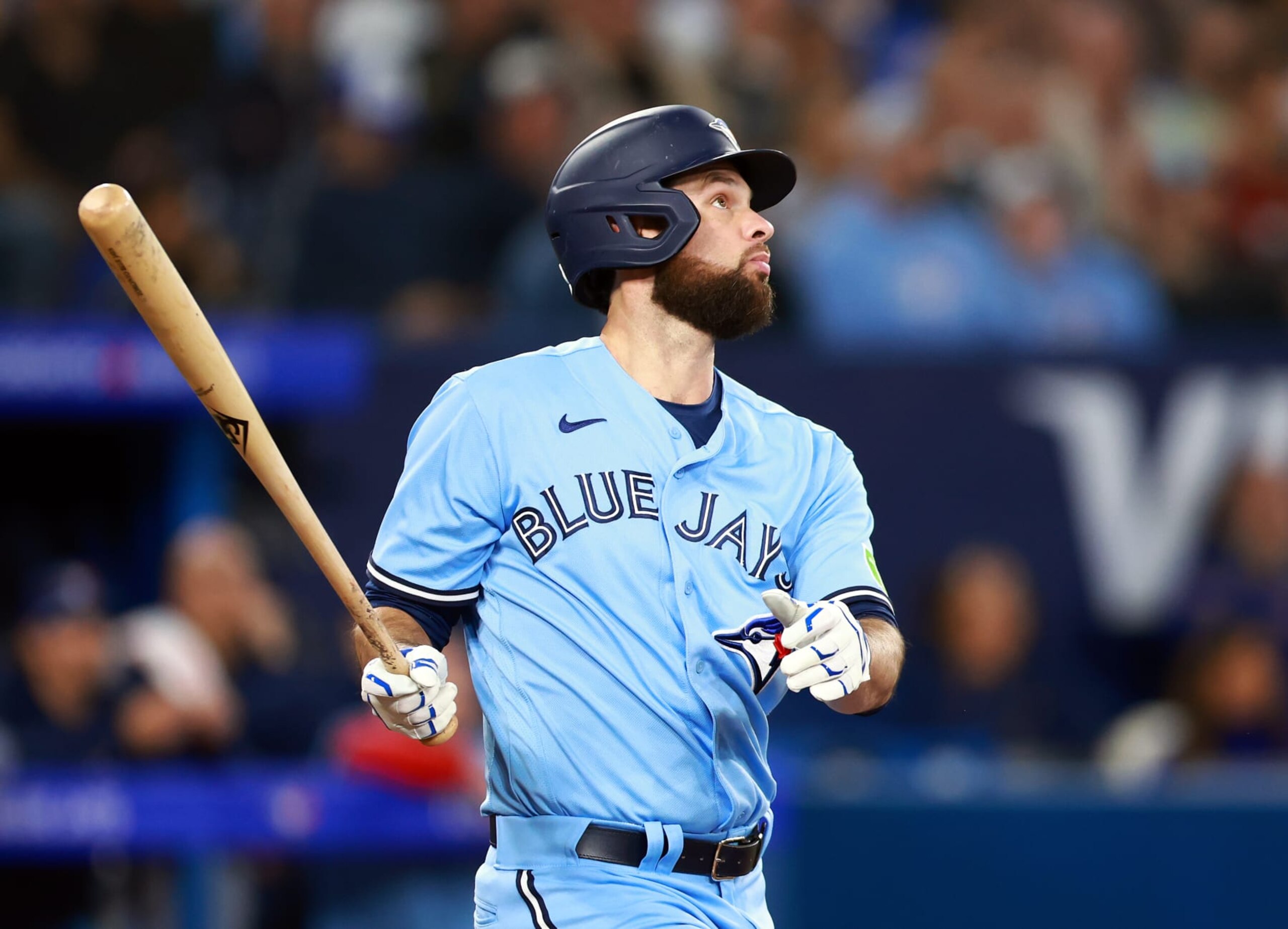
The Transaction: Toronto Blue Jays sign Brandon Belt to one-year, $9.3 million deal
Before the regular season began, you could have given me 10 guesses at who would lead the Blue Jays in OPS and I still wouldn't have correctly identified Belt.
After all, he couldn't hit the broad side of a barn last year in San Francisco, free-falling from a .975 OPS in 2021 to a dreadful .676 mark in 2022.
It looked a lot like what happened to Yasmani Grandal and Joey Votto, where they just suddenly dropped off a cliff, seemingly aging five years in a single offseason.
Even five weeks into the regular season, Belt still looked hopelessly washed up. He only played in 19 of Toronto's first 32 games, hitting .172 with one home run and a .524 OPS.
But then he caught fire out of nowhere, batting .349 over the course of his next 23 games. And then he powered up with 15 home runs in his next 58 games, finishing the year with a most unexpected .858 OPS—.933 if you take out that brutal start to the season.
In games where Belt recorded multiple hits, the Blue Jays went 15-4. However, he went 0-for-8 in the Jays' disappointing wild-card exit.
12. Brewers Sign Wade Miley
7 of 18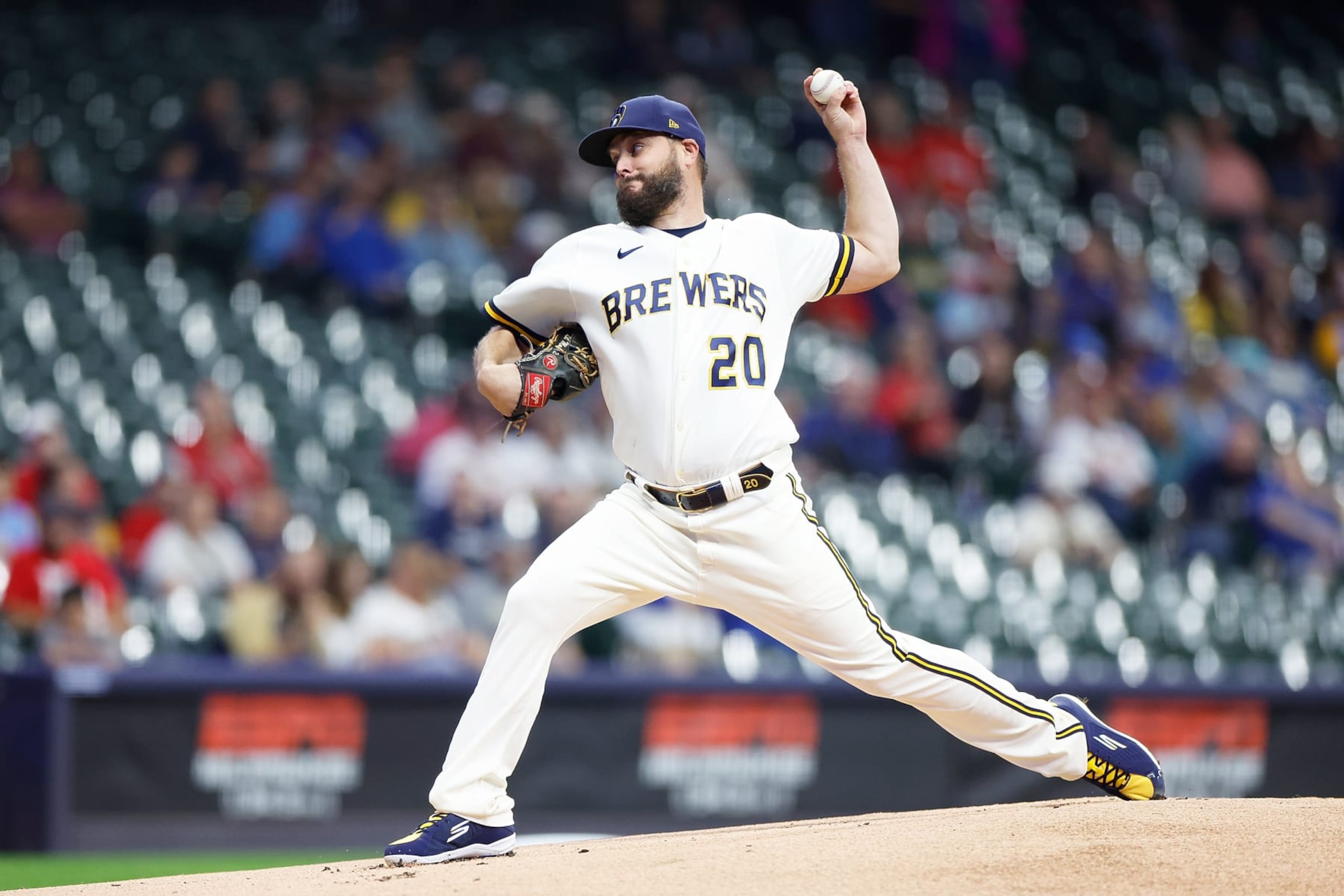
The Transaction: Milwaukee Brewers sign Wade Miley to a one-year, $4.5 million deal with a mutual option for 2024
Between elbow and shoulder injuries, Miley missed most of last season, logging just 37 innings with the Cubs. And while he was effective (3.16 ERA) for those 37 innings, it was unclear whether the 36-year-old lefty could still contribute to a playoff rotation.
But the Brewers—with whom Miley had an impressive 16-start stint in 2018—took a relatively inexpensive flyer on him, which ended up being crucial as projected starter Aaron Ashby missed the entire regular season with a shoulder injury.
Miley opened the season fifth in Milwaukee's rotation before quietly having...maybe the best season by any No. 5 starter in the majors?
He did make a pair of trips to the IL, but Miley made 23 starts with a 3.14 ERA and a 9-4 record.
And now with Brandon Woodruff possibly out for the entire postseason with a shoulder injury, it will almost certainly be Miley taking over the No. 3 spot in this rotation behind Corbin Burnes and Freddy Peralta.
11. Dodgers Sign J.D. Martinez
8 of 18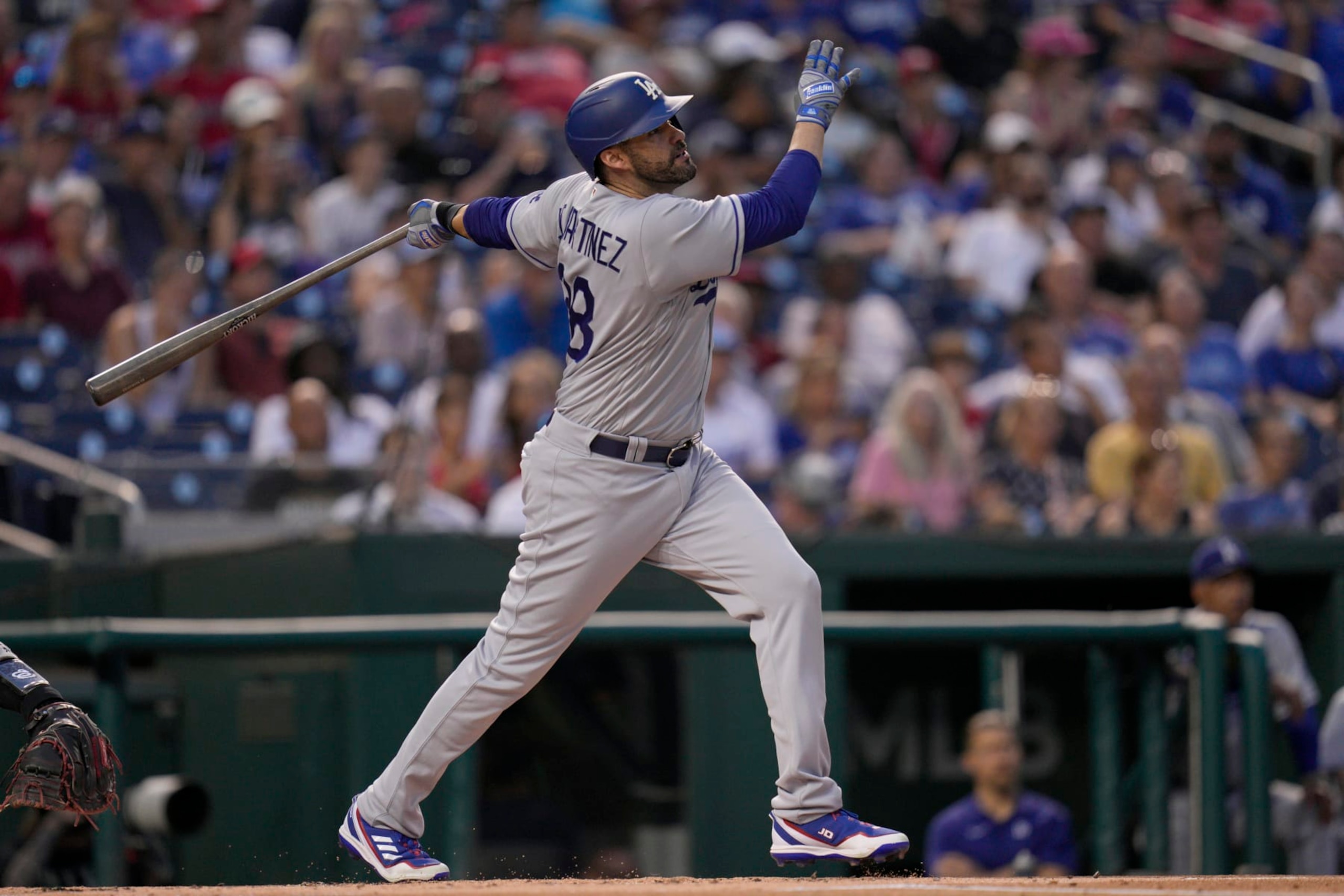
The Transaction: Los Angeles Dodgers sign J.D. Martinez to a one-year, $10 million deal
In the offseason "trade" that wasn't actually a trade, Martinez went from the Red Sox to the Dodgers one week before Justin Turner relocated from Los Angeles to Boston.
Both veterans had impressive seasons, with Turner setting a career high for plate appearances in a single season.
But there's little question Los Angeles got the better end of the "swap" with Martinez clubbing 33 home runs en route to a .572 slugging percentage.
He didn't play quite enough to qualify for a batting title, as he dealt with a back injury early in the year and later missed some time with a groin/hamstring issue. Among players with at least 450 plate appearances, though, Martinez posted the eighth-highest slugging percentage in the majors.
He was especially hot from May 20 through June 10, racking up 11 home runs and a 1.184 OPS in the span of 19 games en route to the sixth All-Star Game of his career. (Inexplicably, the Dodgers went 8-11 in those 19 games, despite Martinez catching fire whilst Freddie Freeman hit .382.)
Quite the bounce back from what appeared to be an "approaching the end of his career" 2022 campaign with just 16 home runs.
10. Phillies Sign Craig Kimbrel
9 of 18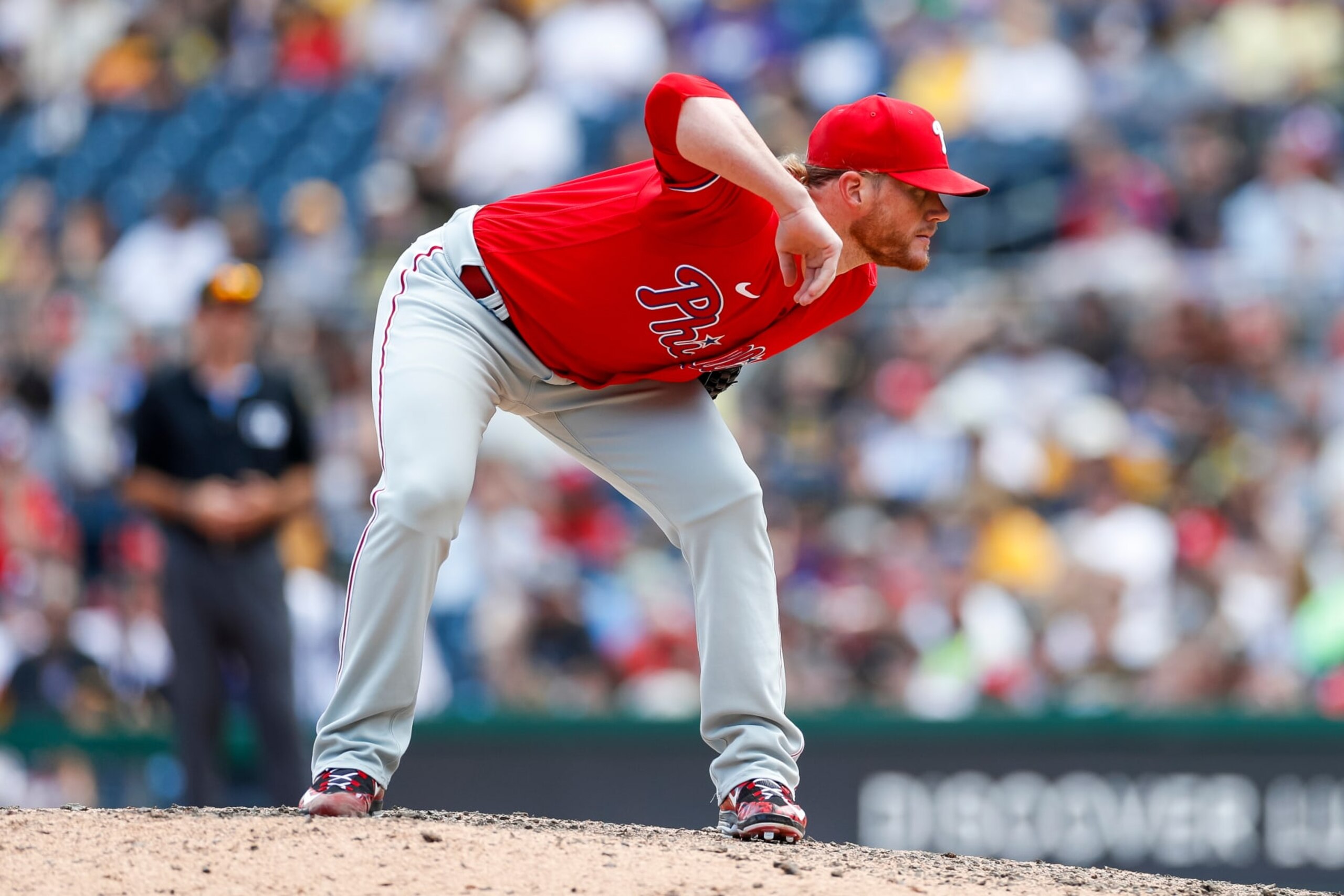
The Transaction: Philadelphia Phillies sign Craig Kimbrel to one-year, $10 million deal
Kimbrel had some hideous appearances early in the season, saddled with an 8.25 ERA through his first 12.0 innings of work.
At that point, it was pretty clear that José Alvarado was the Phillies' primary closer.
But when Alvarado hit the shelf for a month with an elbow injury, Kimbrel seized the day and kind of saved the season.
With Alvarado out, Kimbrel logged 11.0 innings, allowing just three hits (two solo home runs) with 19 strikeouts, two wins and six saves.
Overall from May 9 through July 18—a stretch in which the Phillies improved from 16-19 to 52-42—Kimbrel had a 0.96 ERA and a 13.8 K/9, converting all 13 of his save chances and winning four games.
Now, he did fall apart again a bit toward the end of the regular season, and it's likely that Alvarado will get the first crack at any save opportunities in the postseason. But Kimbrel saved 23 games and didn't blow a single save until after the All-Star Break.
We'll never know how things might have played out, but it's plausible the Phillies never recover from their slow start if Kimbrel hadn't been so clutch for those two-plus months.
9. Rangers Sign Nathan Eovaldi
10 of 18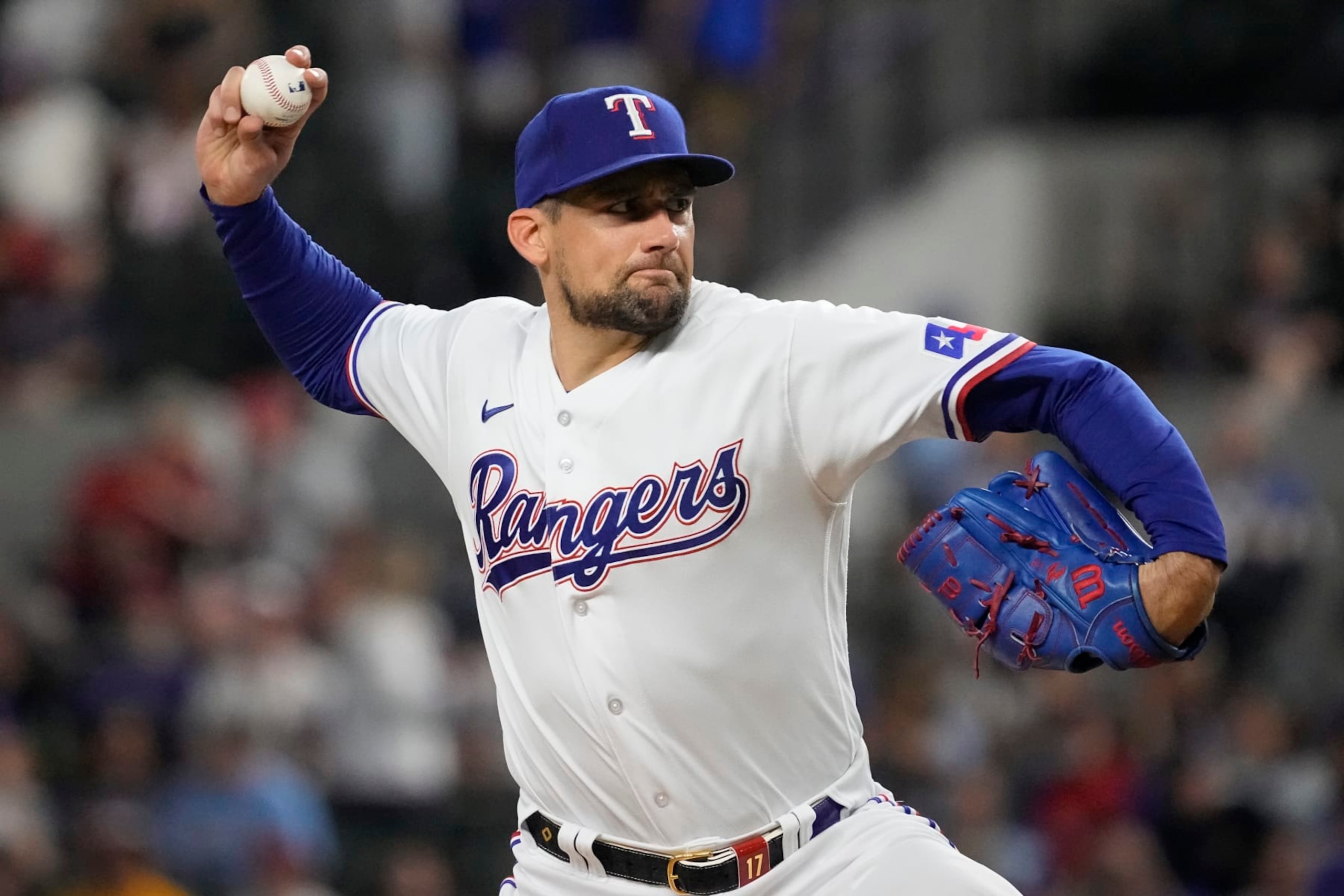
The Transaction: Texas Rangers sign Nathan Eovaldi to a two-year, $34 million deal with a vesting player option for 2025
This was not Texas' earth-shattering offseason move, but bringing in Eovaldi ended up being way more important (at least in 2023) than the Jacob deGrom signing.
Because while deGrom recovers from elbow surgery, Eovaldi was the Rangers' most valuable pitcher during the regular season.
He posted a 3.63 ERA, allowing a career-best 7.3 hits per nine innings pitched. And that's even after he struggled in September after missing seven weeks with an elbow injury. Through mid-July, Eovaldi had a 2.69 ERA and was easily a top-10 candidate for the AL Cy Young.
And, not for nothing, the Rangers were 18 games above .500 when he made his last start before going on the IL, went 19-22 while he was out and 14-11 after his return.
Granted, that rough patch can largely be attributed to the offense backsliding from "juggernaut" to "league-average" for about seven weeks. But the ace who went at least eight innings four times in the span of five starts earlier this season could have been a slump-buster had he not been on the IL.
At least he came back before it was too late, though, and got a pivotal win over Seattle on Sept. 24. On Wednesday he dominated the Rays with 6.2 innings of one-run ball to advance the Rangers to the ALDS.
8. Dodgers Re-sign Clayton Kershaw Again
11 of 18
The Transaction: Los Angeles Dodgers sign Clayton Kershaw to one-year, $20 million deal
When Kershaw hit free agency for the first time during the 2021-22 offseason, there was speculation that he might leave the Dodgers or retire from baseball altogether, but he decided to stay put on a one-year deal.
Lather, rinse, repeat this past offseason.
And if the Dodgers don't win it all in a few weeks, you've got to think it's going to play out the same way again this coming winter.
Before we get ahead of ourselves, though, can you imagine what might have become of the Dodgers in 2023 were it not for Kershaw?
Sure, there was the semi-lengthy trip to the IL in the middle of the season, which has been par for the course with Kershaw in recent years. And, yeah, he hasn't lasted more than 5.1 innings in a start since June.
Still, he led the snake-bitten Dodgers staff in innings pitched (131.2) with a 2.46 ERA that would have ranked second in the majors if he had pitched enough to qualify for the ERA title.
He's nowhere near the wrecking ball that he was from 2010-17, but he's still one of the best in the business when he's able to get and stay on the mound.
7. Phillies Sign Trea Turner
12 of 18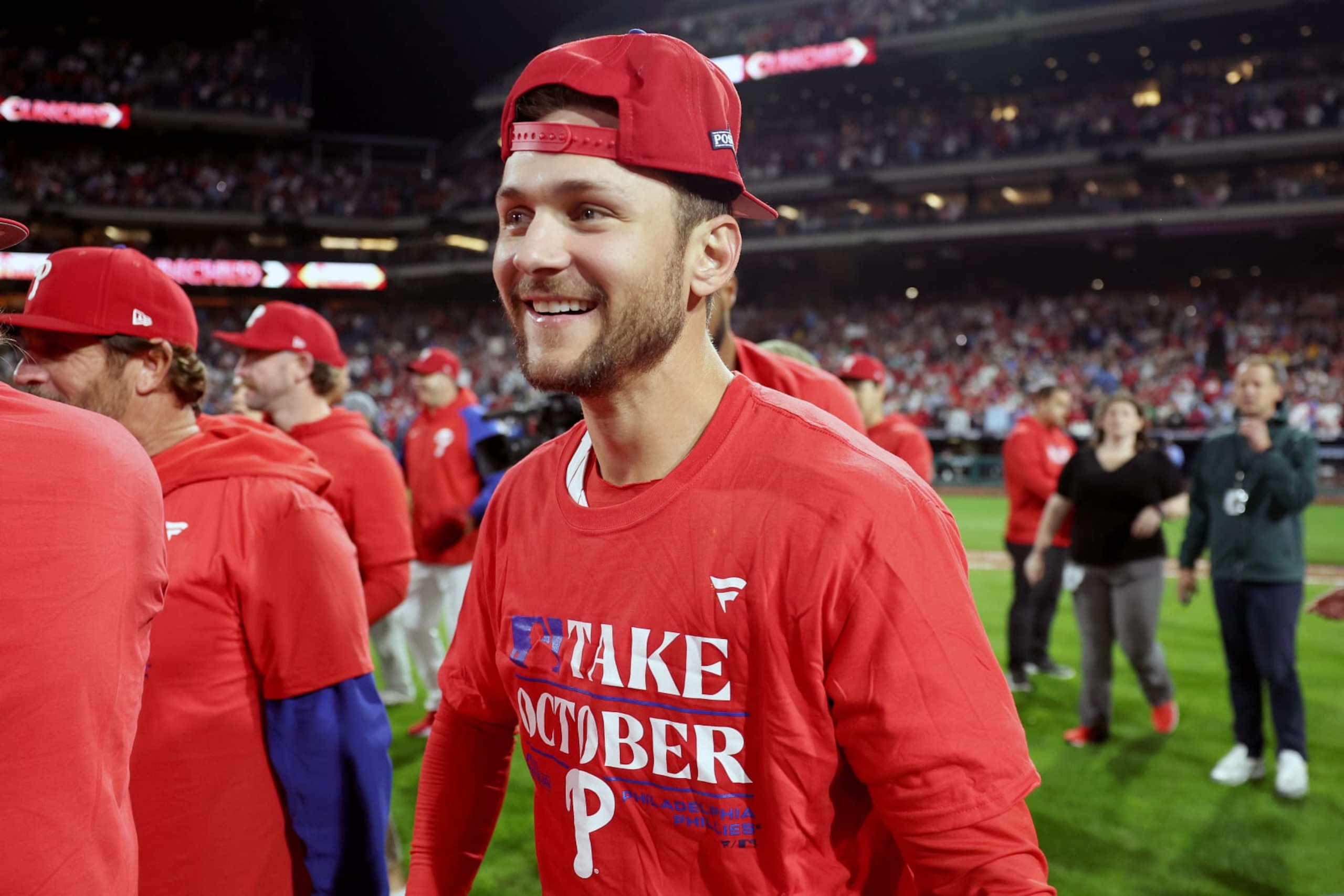
The Transaction: Philadelphia Phillies sign Trea Turner to 11-year, $300 million deal
Early on, Turner's relocation to the City of Brotherly Love seemed to be impacting the playoff picture in a profoundly negative way for the Phillies.
Through 57 team games, he was hitting .235, was on pace for 15 home runs and 23 stolen bases and the Phillies were flirting with dead last in the National League at 25-32.
But as he heated up, so did the Phillies. They won 27 of their next 37 games as he hit .276 and started stealing bases at a drastically higher clip.
And then he started really cooking with gas, batting .385 with 16 home runs and 40 RBI over the span of 33 games from Aug. 5 through Sept. 12—good for a 162-game pace of 79 and 196, respectively.
Turner isn't the reason the Phillies made the playoffs. But after a slow start, he sure did play a huge role with his 26 home runs, 102 runs and 30 stolen bases.
6. Blue Jays Sign Chris Bassitt
13 of 18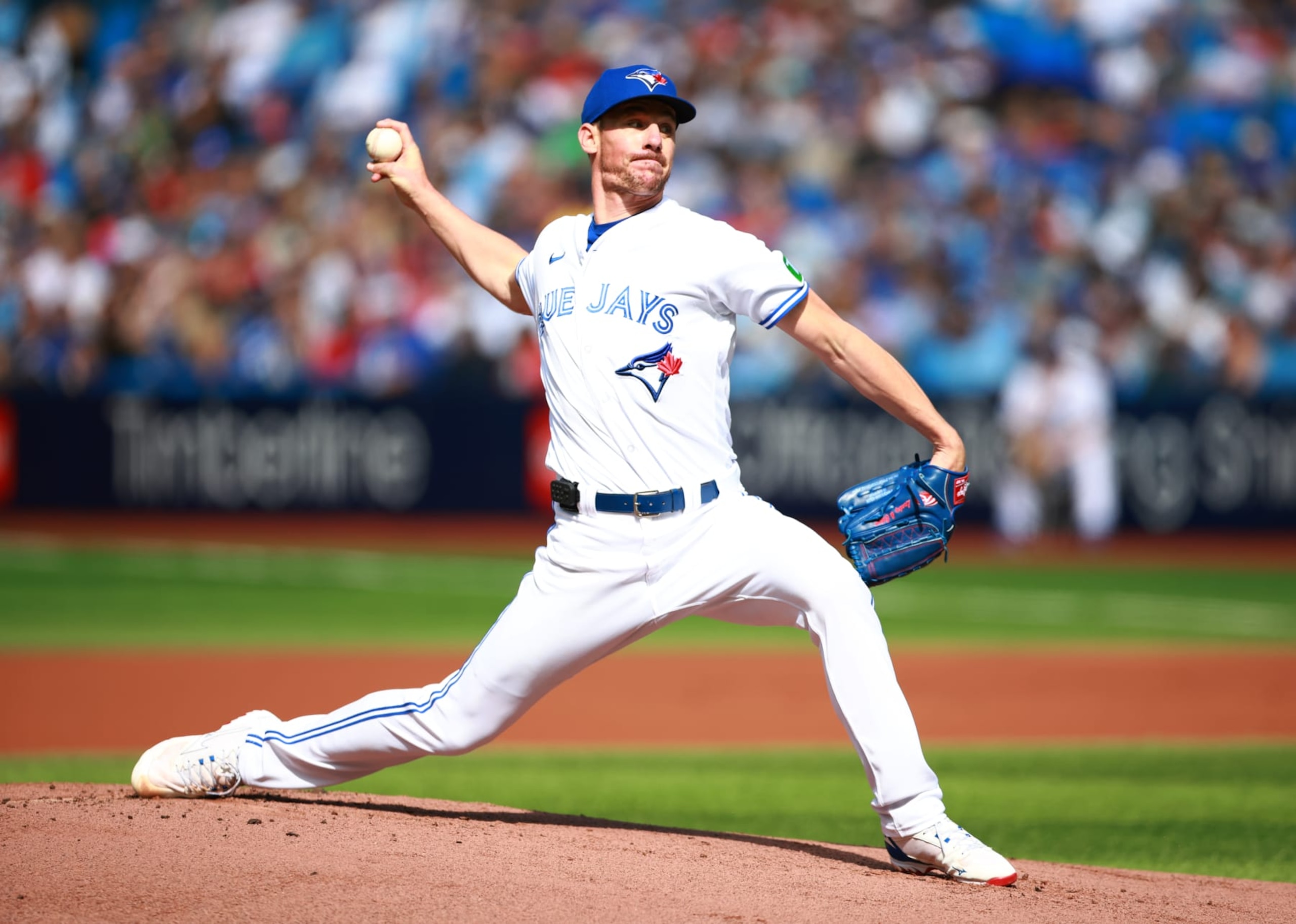
The Transaction: Toronto Blue Jays sign Chris Bassitt to three-year, $63 million deal
In retrospect, did the Blue Jays win the offseason?
The industry consensus during "offseason report card grade season" was roughly a B for Toronto, but between the already discussed Kiermaier and Belt signings, this pickup of Bassitt and the Daulton Varsho trade, that's four huge additions for a team that just barely made the postseason.
In Bassitt's case, he got out to a hideous start for his new club, shelled for nine earned runs in his first outing against what ended up being a pretty bad Cardinals team.
He also got lit up for seven runs by the Twins in May and for eight runs by the Orioles in June.
Even with those duds, though, Bassitt posted a 3.60 ERA, winning 16 games and logging 200 innings pitched. And if you take out those three whoopsies, his ERA drops almost a full run to 2.66.
Bassitt made 21 quality starts—including a complete-game shutout of Atlanta in May and a massive 7.2 scoreless innings of work against the Yankees last Thursday.
And here's something to keep in mind: If the Jays hadn't signed Bassitt, they might've brought back Ross Stripling instead, and he posted a 5.57 ERA in just 85.2 innings of work this season in San Francisco.
That also would've have meant a longer leash for Alek Manoah as he struggled through a brutal season.
Suffice it to say, that would have changed Toronto's season a bit.
5. Rays Sign Zach Eflin
14 of 18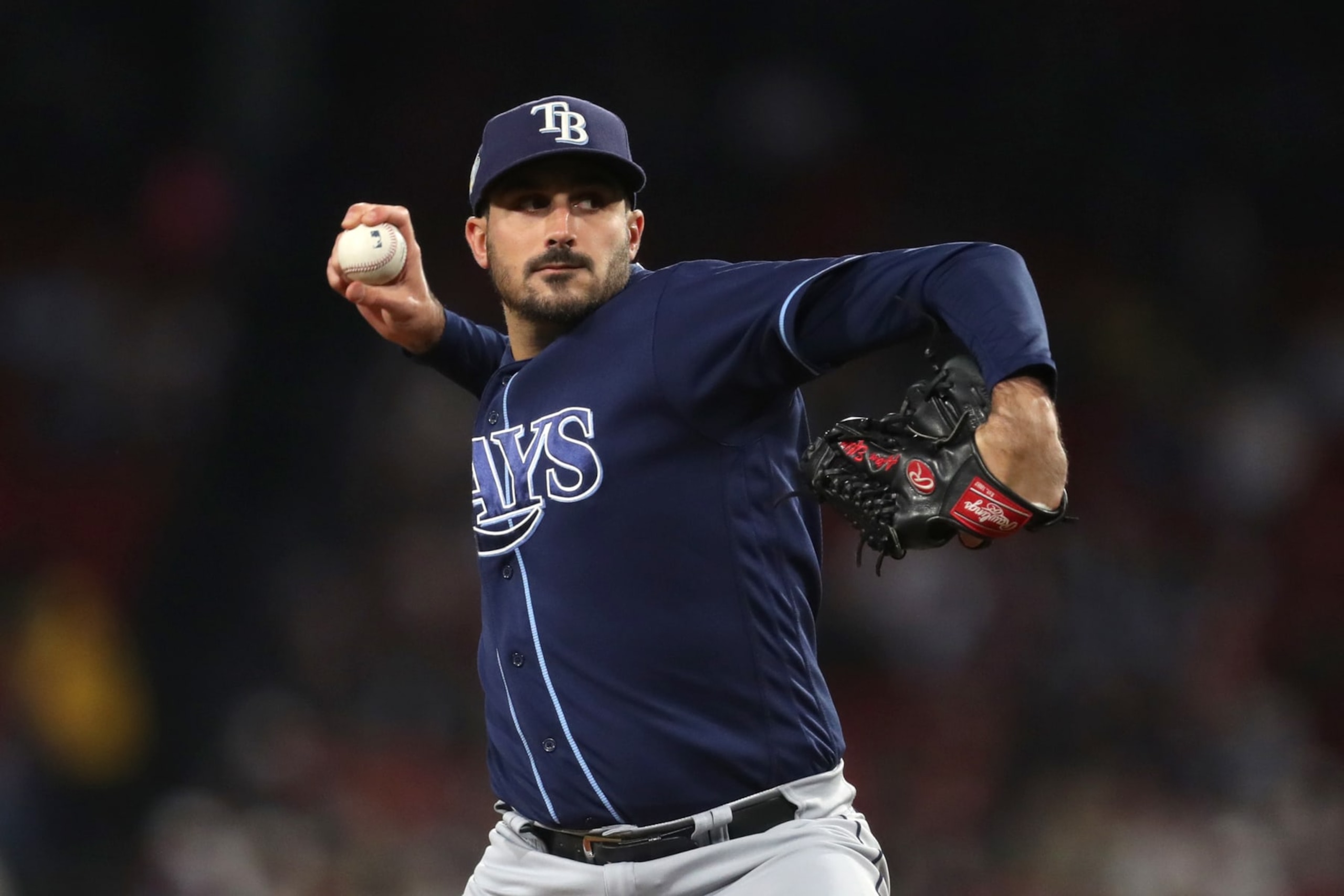
The Transaction: Tampa Bay Rays sign Zach Eflin to a three-year, $40 million contract
At the time, this was more of a head-scratcher than a fist-pumper.
In its first quarter century of existence, Tampa Bay had never committed more than $35 million to a free agent. But it went to $40 million to bring in...
A guy with a career 4.49 ERA in seven years with the Phillies?
One who suffered a season-ending injury in his first start after the 2021 All-Star Break. One who couldn't even make it to July 2022 before going on the IL for 11 weeks, meaning he hadn't logged 106 innings pitched in a season since 2019?
Well, fortune favors the bold, as Eflin was the solitary rock in the Rays rotation this season. He missed a little time early in the season with a back injury, but he made 31 starts with a 3.50 ERA, winning 16 games and logging 57.2 more innings than any other Rays pitcher.
As Jeffrey Springs, Drew Rasmussen and eventually Shane McClanahan went down with season-ending injuries, we kept waiting for Tampa Bay's pitching staff to fall apart with them. But the Rays won more games started by Eflin (23) than the number of games started by any other pitcher on the staff.
Truly, it was this somewhat under-the-national-radar acquisition that allowed Tampa Bay to keep its head above water and darn near secure the AL's No. 1 seed.
Eflin didn't get much help from the offense, but did surrender eight hits and four earned runs over five innings in the Rays' season-ending loss to the Rangers in Game 2 of the Wild Card Round.
4. The 3-team Sean Murphy/William Contreras/Joel Payamps Trade
15 of 18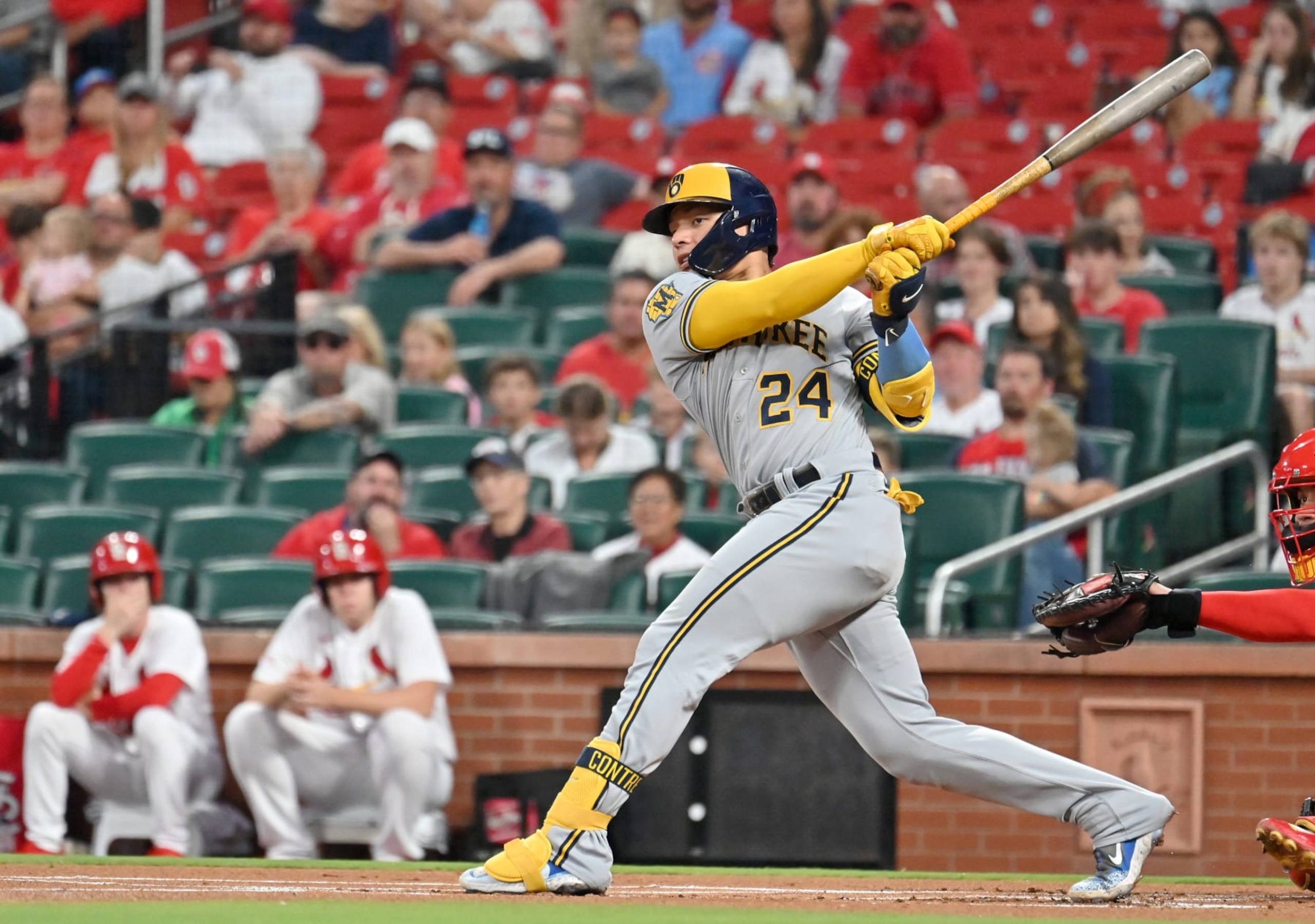
The Transaction (abridged version): Oakland sends Sean Murphy to Atlanta and Joel Payamps to Milwaukee, Atlanta sends William Contreras to Milwaukee, Oakland gets a bunch of prospects, including Esteury Ruiz
In total, there were nine players involved in this three-team trade, but these were the four big names.
The "Ruiz in Oakland" portion had no impact on the postseason picture, but the 24-year-old did steal 67 bases for the MLB-worst A's. Expect more of the same from him for years to come.
Even the Murphy portion of the trade didn't directly impact the postseason picture all that much. That isn't to say Murphy hasn't been excellent, but if the Braves hadn't traded for Murphy, they would've held onto Contreras, who has also been excellent. They were probably going to be the NL's No. 1 seed either way.
(Frankly, the bigger impact of Atlanta getting Murphy is that it kept a team like Cleveland or San Diego from getting him.)
But both Contreras and Payamps in Milwaukee were massive, season-trajectory-altering upgrades.
As far as Baseball Reference WAR is concerned, Contreras was the Brewers' MVP this season, in stark contrast to Victor Caratini and Omar Narváez splitting last year's catcher job at a barely replacement level. And Payamps—with seven wins, 27 holds, three saves and a 2.55 ERA—was a pivotal part of Milwaukee's bullpen evolving from a weakness in 2022 to a real strength in 2023.
Milwaukee may not be a playoff team if it hadn't swooped in with Ruiz to get that Murphy deal across the finish line.
3. Dodgers Sign Jason Heyward
16 of 18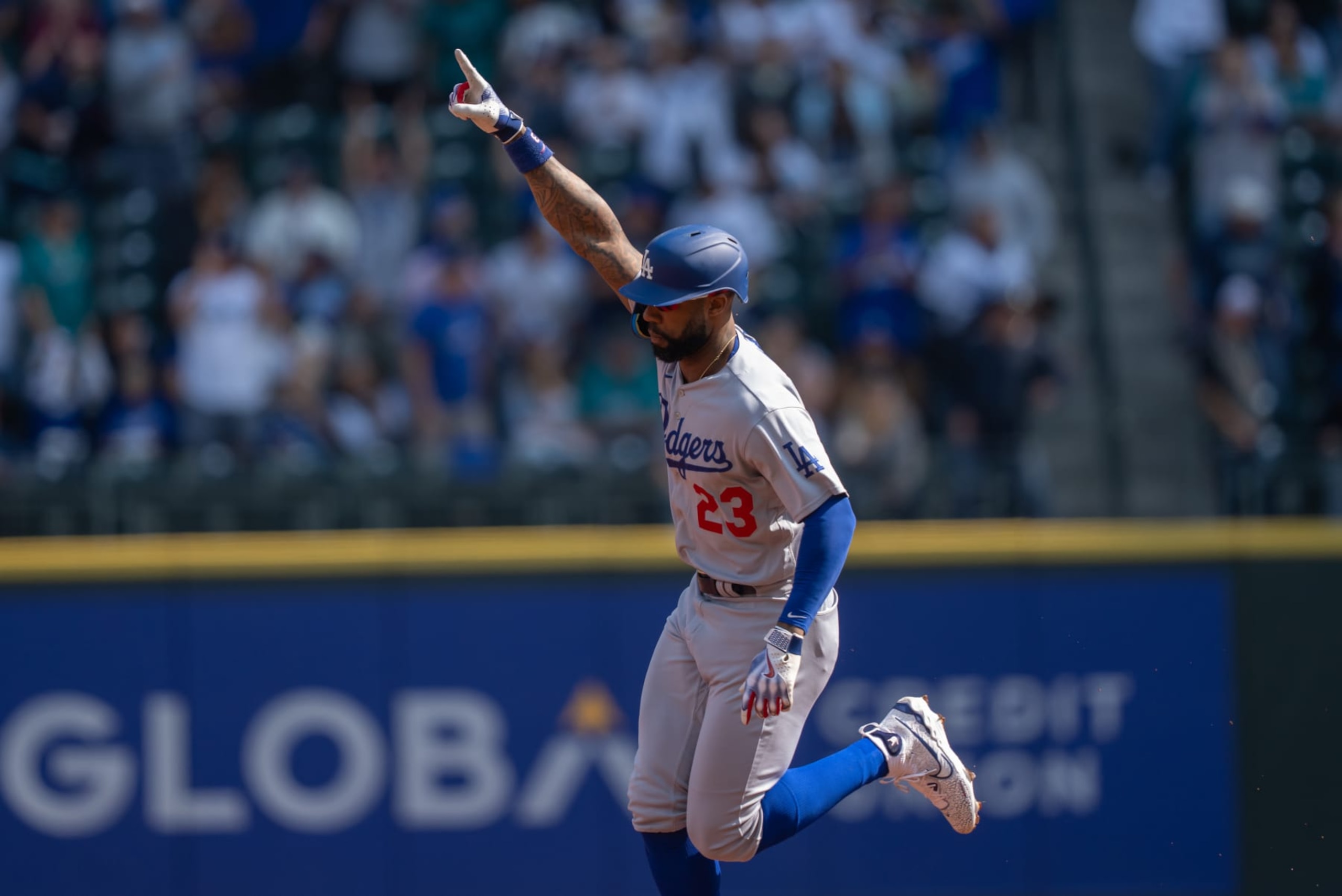
The Transaction: Los Angeles Dodgers sign Jason Heyward to a minor league contract, eventually becoming a one-year, $720,000 deal
J.D. Martinez hit a bit better than Heyward, and Clayton Kershaw was arguably worth more than either veteran hitter.
But from a dollars-per-WAR perspective, the Heyward signing was one of the greatest pickups in free-agency history.
No need to rehash here how poorly Heyward had played over the previous few seasons with the Cubs, resulting in them releasing him with one year and $22 million left on his deal. But for the five-time Gold Glove winner to have signed a minor league deal, it's clear no one thought he had anything left in the tank.
Lo and behold, the Dodgers decided to deploy the sweet-swinging lefty almost exclusively against right-handed pitching, and he had almost the best slugging season of his career with 15 home runs and 38 extra-base hits in just 334 ABs.
Even more important than what Heyward has done is what his presence on the roster allowed the Dodgers to do: Regularly playing Mookie Betts at second base after losing Gavin Lux in the preseason.
Betts dabbled here and there at second through the first 75 games of the season, but it wasn't until June 24 that he really became the primary second baseman.
The Dodgers were in third place in the NL West when that started.
They posted the best record in the majors from that point forward.
L.A. went 65-33 in games with Heyward in the starting lineup (35-29 otherwise). That's a 107-win pace, by the way.
2. The Daulton Varsho/Gabriel Moreno/Lourdes Gurriel Jr. Trade
17 of 18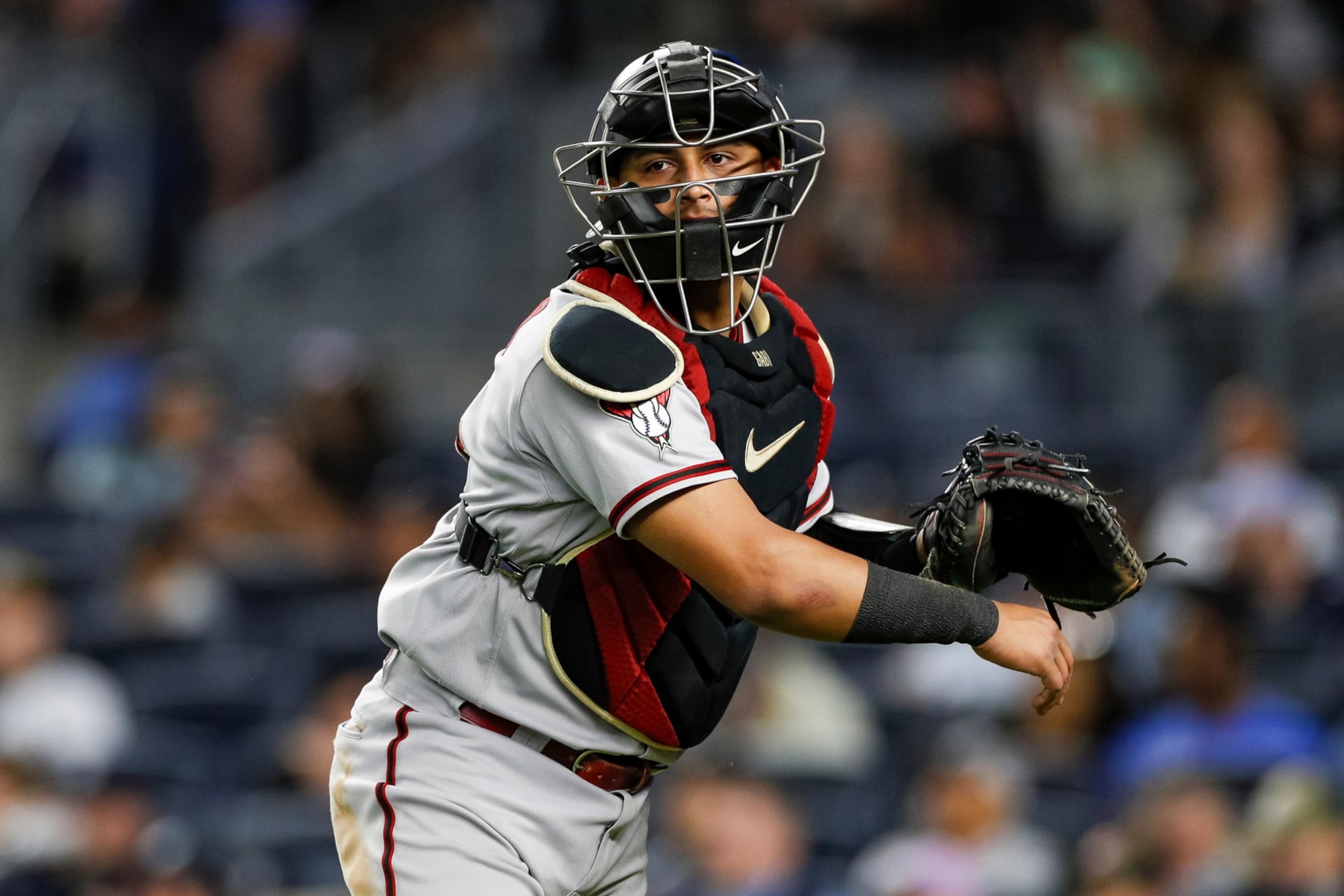
The Transaction: Toronto Blue Jays trade Gabriel Moreno and Lourdes Gurriel Jr. to Arizona Diamondbacks for Daulton Varsho
While there were a bunch of offseason moves that undeniably made one eventual playoff team better, the top two spots have to go to the two mutually beneficial trades.
One of those swaps played a huge role in getting Arizona back to the playoffs for the first time since 2017 while (as previously mentioned in the Kevin Kiermaier section) significantly improving what was a considerable weakness for Toronto in 2022.
On the Diamondbacks front, giving up Varsho wasn't an easy decision. Not only was he one of their most valuable players in 2022 at just 25 years young, but he is under team control through 2026. However, trading away a guy who can play both outfield and catcher to get back a good-hitting outfielder (Gurriel) and a highly touted, MLB-ready catching prospect (Moreno) was too rich to pass up.
And while Varsho did provide the Blue Jays with great value on defense, having both of those new assets in the regular lineup was such a huge boost for the Diamondbacks—especially after veteran backstop Carson Kelly suffered a broken arm in spring training.
Moreno gave them great defense and plus-hitting; Gurriel supplied a good deal of power with 24 home runs. They probably don't make the postseason without making this trade.
And because the Blue Jays already had Danny Jansen and Alejandro Kirk at catcher, it's not like they got the raw end of the deal. Varsho was worth more to them than Gurriel would have been, and Moreno might have spent most of the season at Triple-A had they not traded him away.
1. The Luis Arraez/Pablo López Trade
18 of 18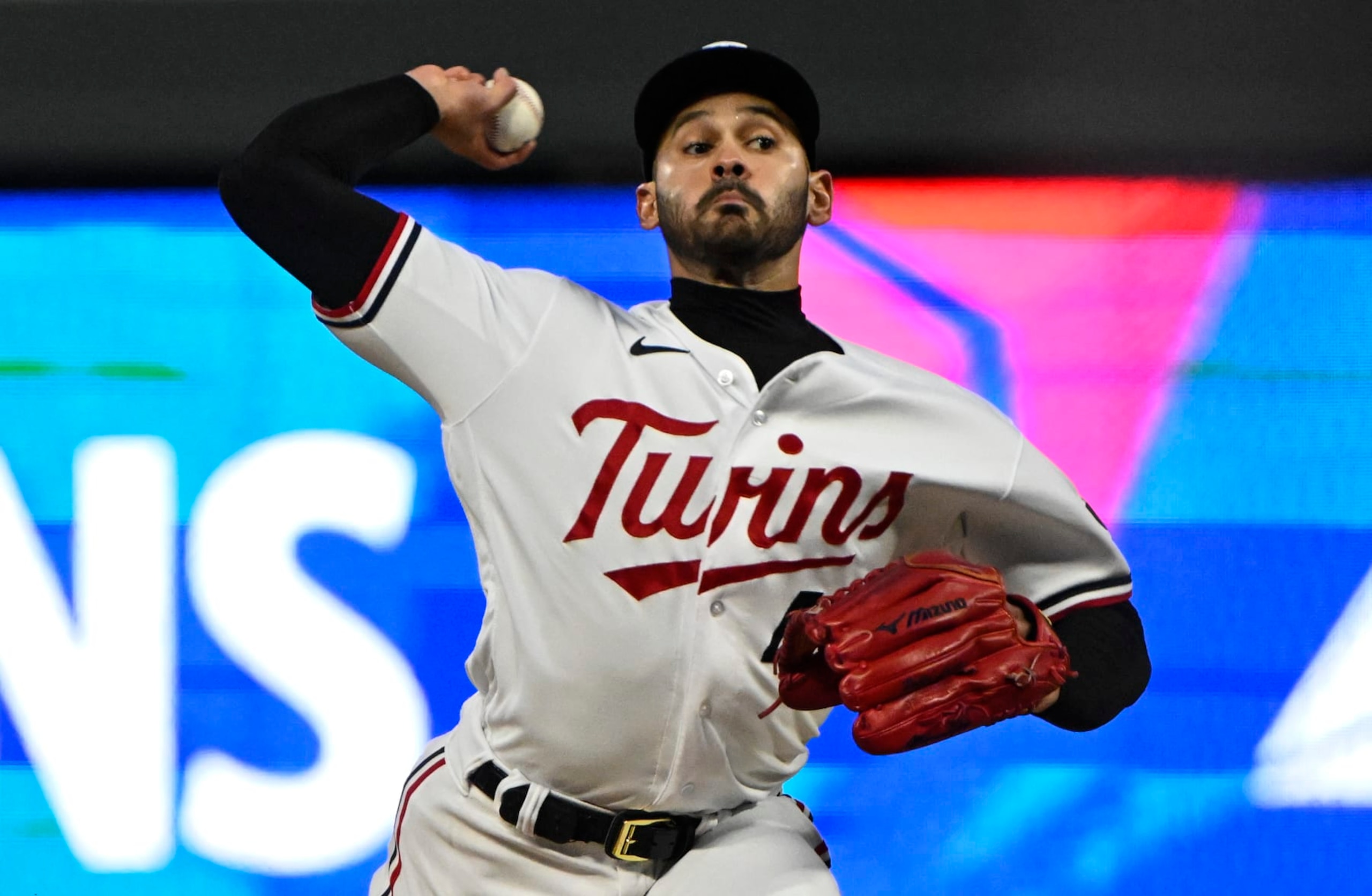
The Transaction: Miami Marlins trade Pablo López, Byron Chourio and Jose Salas to Minnesota Twins for Luis Arraez
In the long run, maybe this trade ends up being a clear win for Minnesota. Both Chourio and Salas are likely several years away from making the big leagues, but they are both already top 30 in Minnesota's farm system, per MLB.com.
For now, though, what a colossally great trade this was for both teams.
Miami had a well-documented surplus of young starting pitchers, which led to speculation that they might trade away López at last year's deadline. But they waited until January to make their move, getting the reigning AL batting champ who would end up flirting with a .400 batting average for a few months.
Even with Arraez, the Marlins scored fewer runs than any other NL team. Remove him from the equation and Miami's offense probably gives Oakland a run for its money for worst in the majors.
Meanwhile, López was stellar for the Twins, almost leading the American League in strikeouts with 234 of them.
Minnesota's pitching was decent in 2022, but it was maybe the best pitching staff in the majors in 2023 with the addition of López.
Both Arraez and López were named All-Stars.
Arraez won another batting title and should get NL MVP votes. López will probably get some AL Cy Young votes, even though teammate Sonny Gray had a better season.
And here's something else to consider: If they don't make this trade, not only do both teams potentially finish below .500, but the Twins also never would have called up Edouard Julien and the Marlins might not have found room in their 2023 rotation for Eury Pérez.



.jpg?w=2560 "Malik Beasley Negotiating Plea Deal (AP)")

.jpg?w=2560 "Aikman Blasts Cowboys WR 🫣")

.jpg?w=2560 "Jonathan Taylor Landing Spots")