

At Major League Baseball's 2023 trade deadline, a bunch of buyers (Rangers, Angels, Astros, Cubs and Dodgers, in particular) got markedly better, helping a bunch of sellers (Mets, White Sox and Cardinals, in particular) accomplish their goal of turning expiring assets into prospects.
But there were also quite a few teams that left us scratching our heads, wondering if they even realized that the trade deadline was on Tuesday.
Notably, it was a terrible year to be on the hunt for hitters. Once the Angels and Cubs took Shohei Ohtani and Cody Bellinger, respectively, off the market, it was seriously slim pickings.
Still, all eight of these teams should have been able to do more with the chance to alter their trajectory for the rest of the season.
They are presented in alphabetical order by location.
Boston Red Sox
1 of 8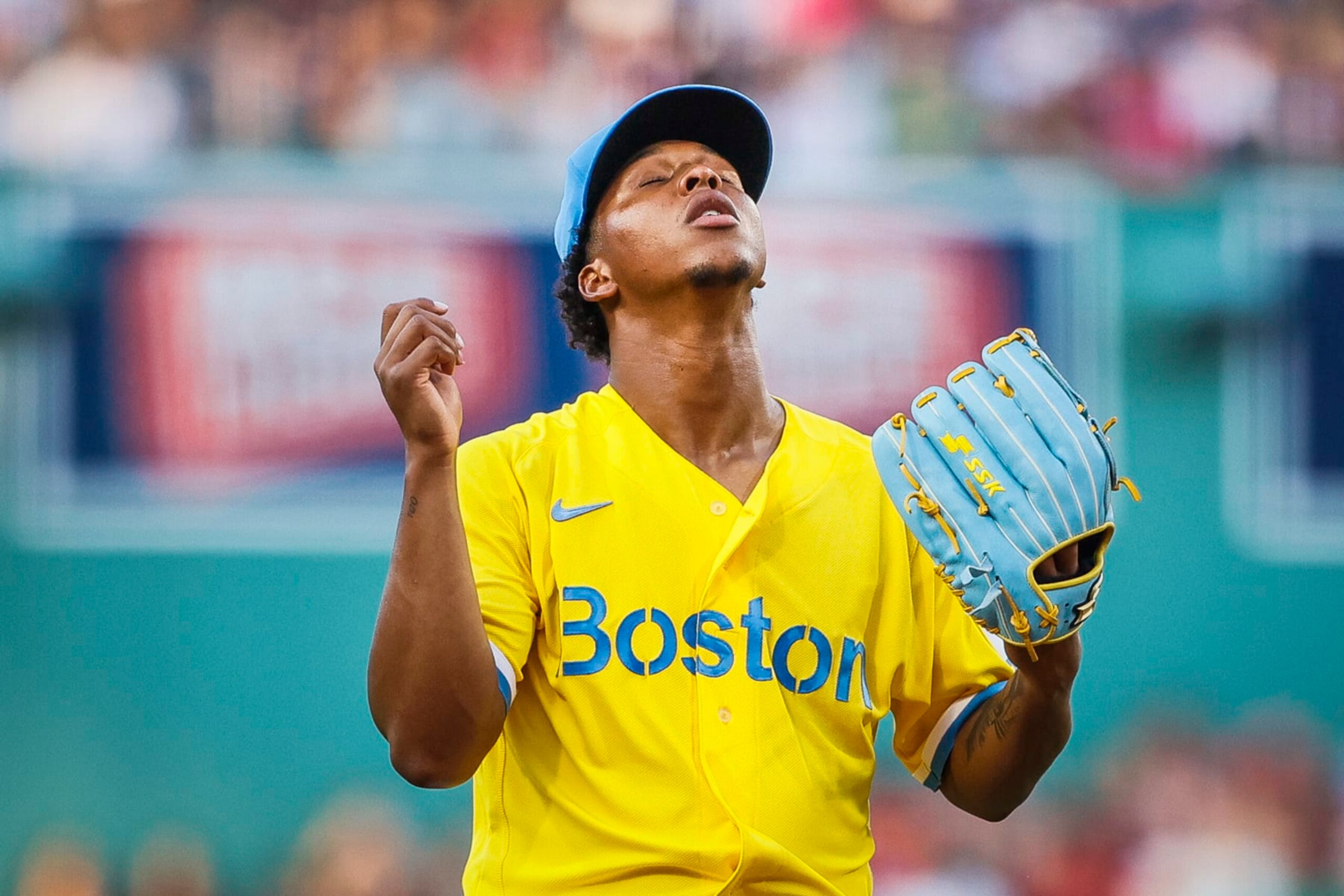
Arrivals: IF Luis Urías (Milwaukee), RHP Nick Robertson (Los Angeles), RHP Justin Hagenman (Los Angeles)
Departures: UTIL Kiké Hernández
There were a bunch of teams in the "should we even bother trying to buy?" range of the standings. From that group, the Angels and Cubs definitely went the buying route, while the Mariners somewhat went the selling route.
But at just 1.5 games back for a wild-card spot, the Boston Red Sox did a whole lot of nothing aside from trading for current minor leaguers.
Neither pitcher acquired in the Kiké Hernández trade is expected to be anything special, though either one could contribute in Boston's bullpen this season. It's clear from that deal that the Red Sox were really just looking to get something for Hernández, who is still owed about $3 million this season, is an impending free agent, hasn't played well over the past year and a half and was going to be out a job when Trevor Story makes his season debut.
The only other player they traded for was Luis Urías, who played well in both 2021 and 2022 before hitting .145 this season and spending the past month in the minors. No guarantee whatsoever he even plays in a game for Boston.
At no point in the trade deadline madness were the Red Sox ever imminently linked to a starting pitcher, even though pitching is clearly what they needed to add if they intend to make a legitimate playoff push.
In a trade deadline with an abundance of players being dealt back to a former team, I thought the final cherry on the sundae was going to be Eduardo Rodriguez returning to Boston just before last call.
Instead, the Red Sox didn't add any MLB pitching, and we'll have more to say about Detroit's mishandling of the deadline in a bit.
Cincinnati Reds
2 of 8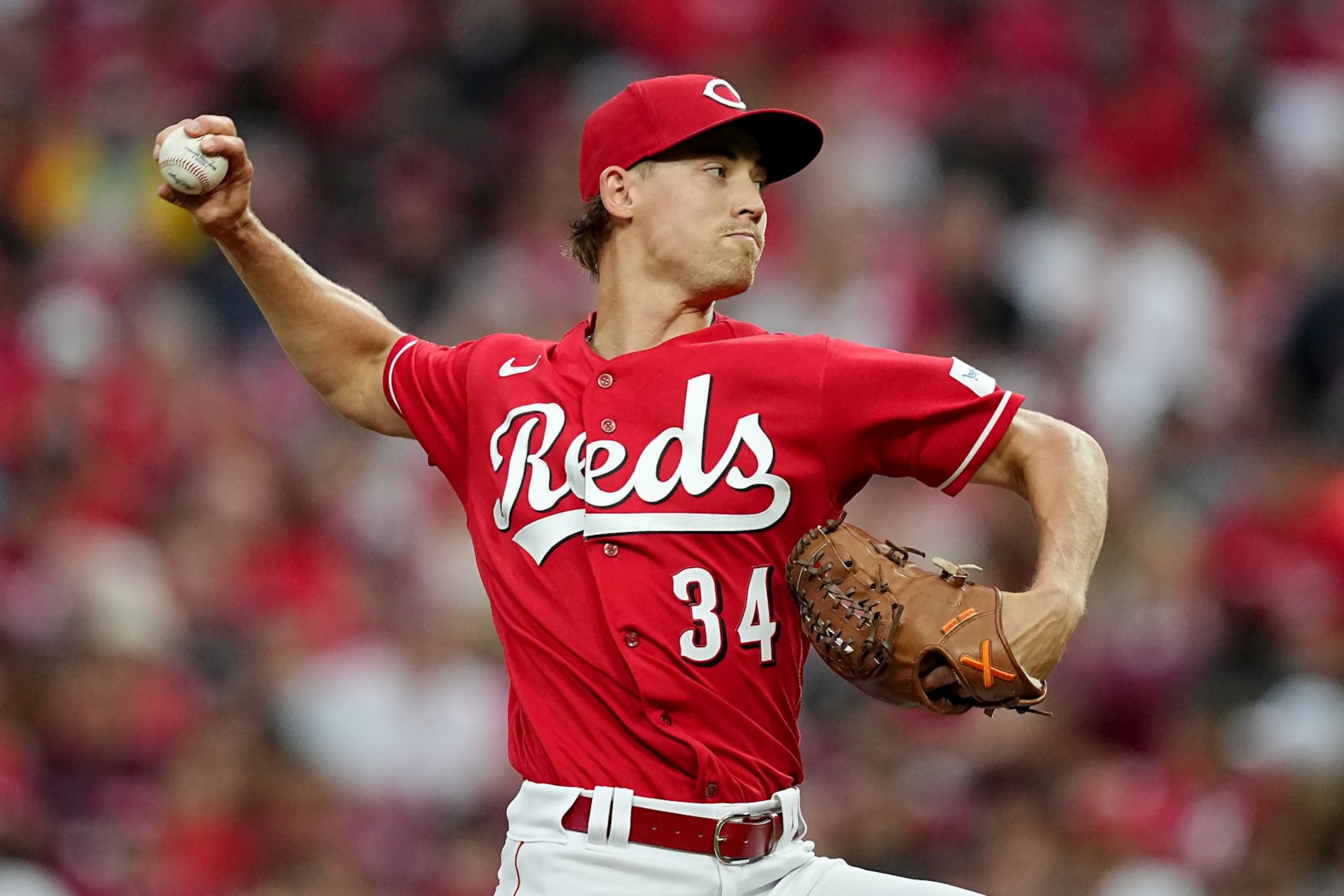
Arrivals: LHP Sam Moll (Oakland)
Departures: N/A
No one could have possibly guessed before this season began that the Cincinnati Reds would have 59 wins and be alone in first place in the NL Central at the trade deadline.
For Pete's sake, their preseason win total was 65.5—the same as the Colorado Rockies, which are currently dead last in the National League. That Cincinnati over is going to cash in the next 10-14 days.
For a team that entered this campaign with much more of a multi-year plan in place than any realistic hope of making the playoffs, we can't very well fault the Reds for opting to not tear down the farm system they built up in a big way at last year's deadline.
However, there's a fine line between "wisely not burning down the farm in pursuit of a ring" and "inexplicably refusing to do a damn thing even though you're leading your division in spite of one of the worst starting rotations in the majors."
The Reds had to trade for a starting pitcher. At least one. And they could have gotten one of the best arms available if they had been willing to deal from their excess of talent in the infield.
In addition to Elly De La Cruz, Matt McLain, Christian Encarnacion-Strand, Jonathan India, Spencer Steer and Joey Votto already contributing at the MLB level, their top three prospects (Noelvi Marte, Edwin Arroyo and Cam Collier) are all infielders.
Suffice it to say, there's a reason there were speculations/rumors about them being willing to move the 2021 NL Rookie of the Year, even though India is under team control through 2026. Perhaps his landing on the IL with plantar fasciitis over the weekend ruined a trade they were cooking up, but they had more than enough time to call an audible and go get a rental like Michael Lorenzen or Jack Flaherty.
Alas, the Reds will do their best to maintain their lead in the NL Central while trotting out the likes of Luke Weaver, Ben Lively and Graham Ashcraft over and over again as they wait for Hunter Greene (Aug. 20) and Nick Lodolo (late Aug.) to return.
Good luck with that.
Cleveland Guardians
3 of 8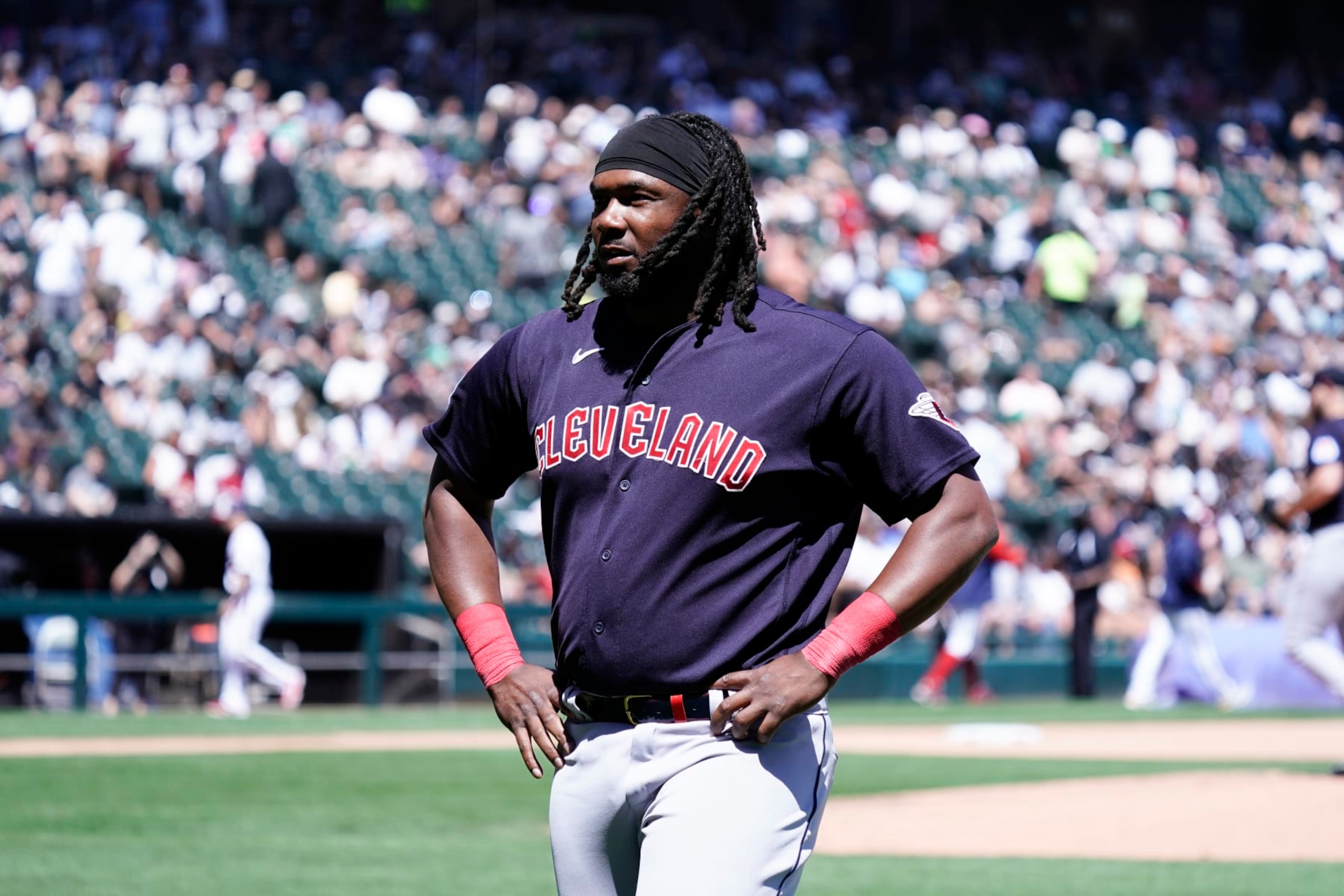
Arrivals: Noah Syndergaard (Los Angeles), Jean Segura (Miami), Kahlil Watson (Miami), Kyle Manzardo (Tampa Bay)
Departures: Amed Rosario, Josh Bell, Aaron Civale
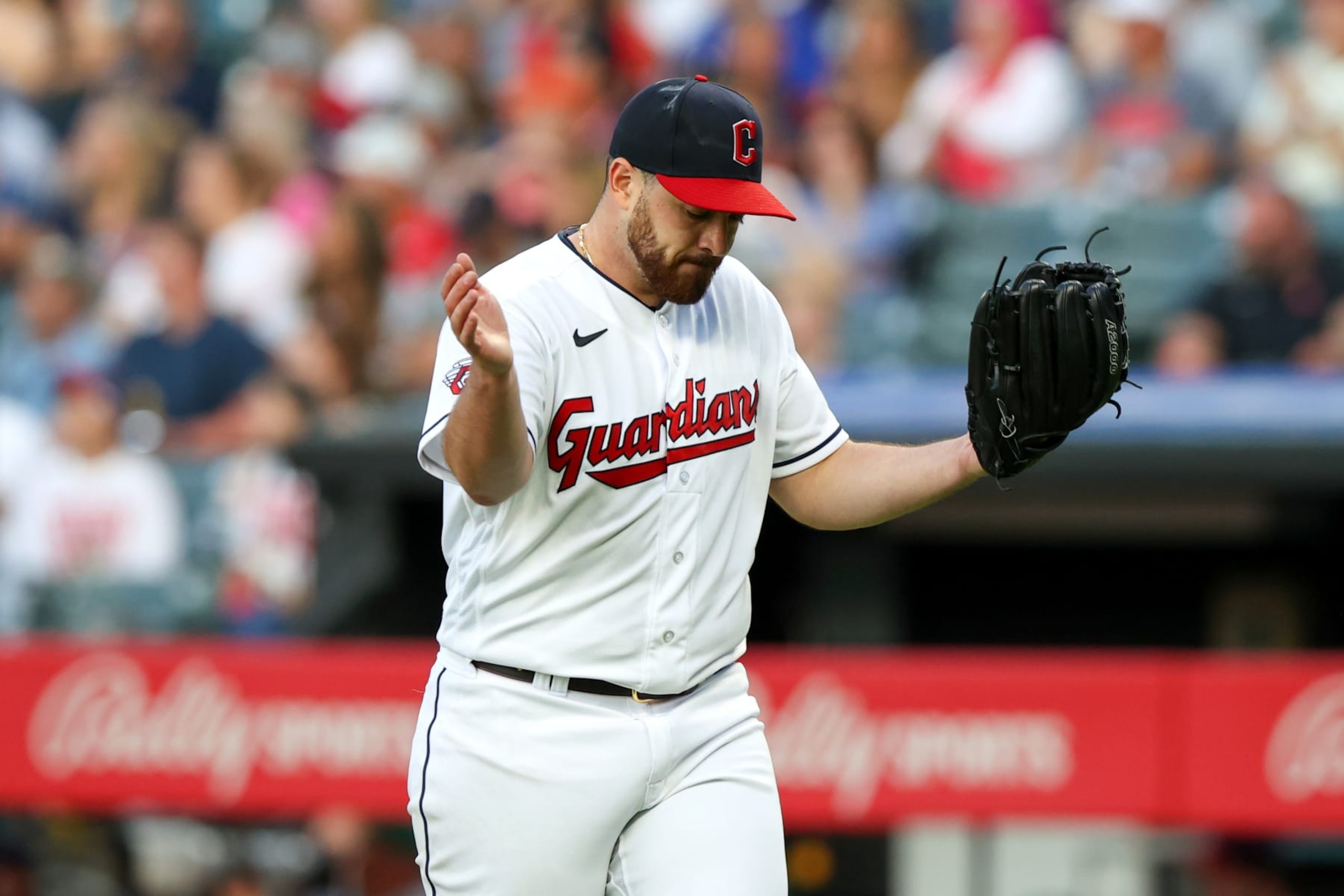
Of all the teams that blew it at the deadline, the Guardians take the WTF cake.
The initial trade of Amed Rosario for Noah Syndergaard was nothing short of baffling.
Yes, it opened up an everyday job for Gabriel Arias, and Rosario was almost certainly going to walk for nothing at the end of the season as a free agent. But trading him for a pitcher with a 7.16 ERA, a $13 million salary and who spent the past seven weeks on the IL makes no sense. (The Dodgers reportedly included some money in the deal, but unless they sent Cleveland the full amount still owed to Thor, I don't get it.)
Next, they sent Aaron Civale and his 2.34 ERA to the Rays in exchange for an injured prospect who wasn't even having a good season at the Triple-A level (Kyle Manzardo). Manzardo does immediately become one of Cleveland's highest-rated prospects, but why in the world is a team one game back for a division crown trading away its top performing pitcher—with two additional years of control—for a prospect?
The Guardians continued their inexplicable selling approach right before the deadline, shipping Josh Bell to Miami for Jean Segura (who was immediately waived, at a cost of roughly $13 million) and another injured prospect (Kahlil Watson). Yes, it saves them from paying Bell's $16.5 million player option for next season, but unless they got cash from Miami in the deal, they end up barely saving any money after factoring in buying out Segura.
Watson was a first-round pick in 2021 and does have legitimate long-term potential...
But, again, why is a team one game back for a playoff spot eating salary and trading for injured prospects?

Detroit Tigers
4 of 8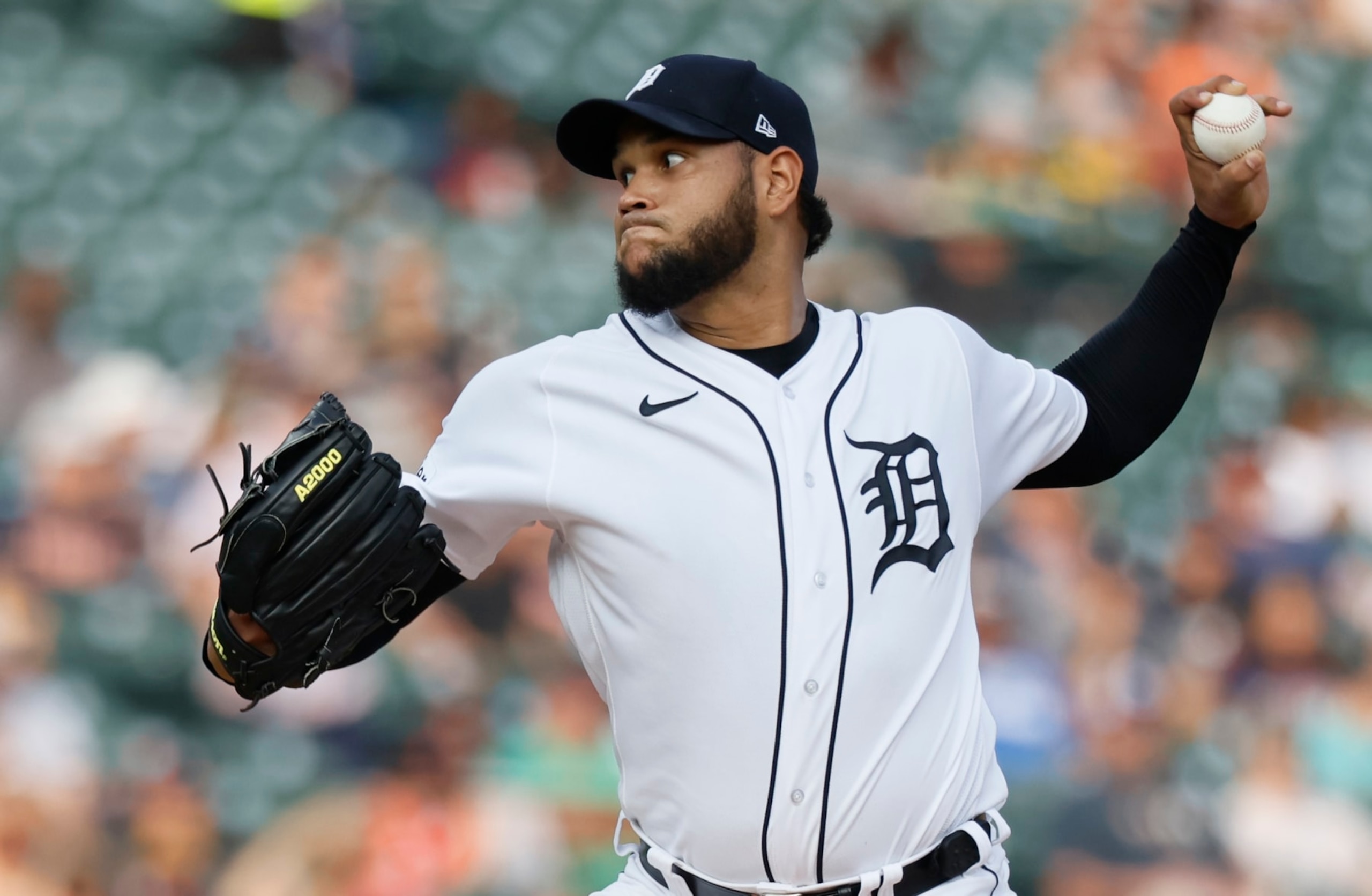
Arrivals: Hao-Yu Lee (Philadelphia IF Prospect)
Departures: Michael Lorenzen
Most of the sellers did a marvelous job of unloading their impending free agents, as well as the occasional player signed through next season. Not all of them were in a position to embrace the type of fire sale that the White Sox, Cardinals and Mets did, but even the Rockies managed to turn most of their expiring contracts into prospects for a change.
However, the Tigers really missed the mark.
They only made one trade, and they didn't get as much as they arguably should have for one of the best two-month rentals on the market. Hao-Yu Lee has some potential and immediately becomes one of the top players in Detroit's farm system, but a 20-year-old, high-A middle infielder doesn't feel like nearly enough when you consider St. Louis got three prospects for Jack Flaherty—who hasn't pitched nearly as well as Lorenzen this season.
The bigger blunder here was trying to trade Eduardo Rodriguez to the Dodgers without asking if he would accept a trade to one of the 10 teams on his no-trade list. They reportedly had a deal in place about two hours before the deadline, only for Rodriguez to block it. And by that point, it may have been too late to work out a trade with another club.
The Tigers also failed to unload Jose Cisnero and Chasen Shreve, both of whom are inexpensive impending free agents and pitching decently well this season. Hard to believe they couldn't get any nibbles on either of those relievers.
(The dream move for Detroit would have been trading away Javier Báez before he opts in on the final four years and $98 million on his contract, but that was never going to happen.)
Minnesota Twins
5 of 8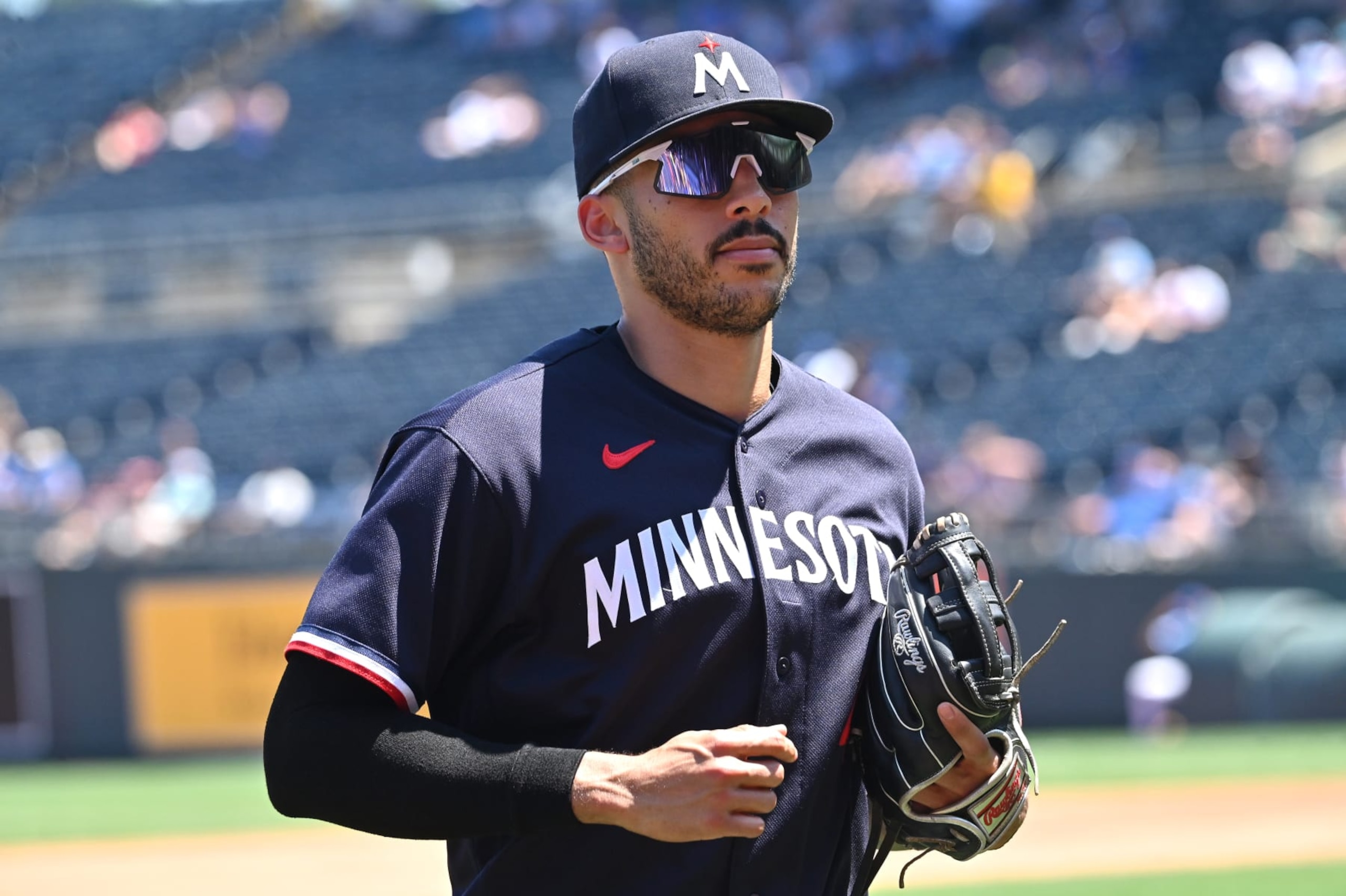
Arrivals: Dylan Floro (Miami)
Departures: Jorge López
With a one-game lead in the AL Central at last year's trade deadline, one of Minnesota's several big moves was sending four pitching prospects—one of whom was current Orioles All-Star Yennier Cano—to Baltimore for Jorge López.
With an identical one-game lead in the AL Central at this year's trade deadline, the only move Minnesota made was shipping López to Miami for a different right-handed reliever (Dylan Floro) who has been, at best, marginally better than López this season.
Now, the good news is we've already covered the fact that Cleveland had a much worse trade deadline, cumulatively trading away three regulars for one disappointing, overpriced starting pitcher. While the Twins did basically nothing, the team two games behind them did way more selling than buying.
That doesn't excuse Minnesota from whiffing left and right on trying to improve a lineup that whiffs left and right.
You would think that getting swept by lowly Kansas City in their final three games before the deadline would've given the Twins front office somewhat of a jolt of urgency to get something done to improve the roster.
But it didn't.
The real question now becomes: Will the AL Central champion have a losing record?
And will it even be Minnesota?
New York Yankees
6 of 8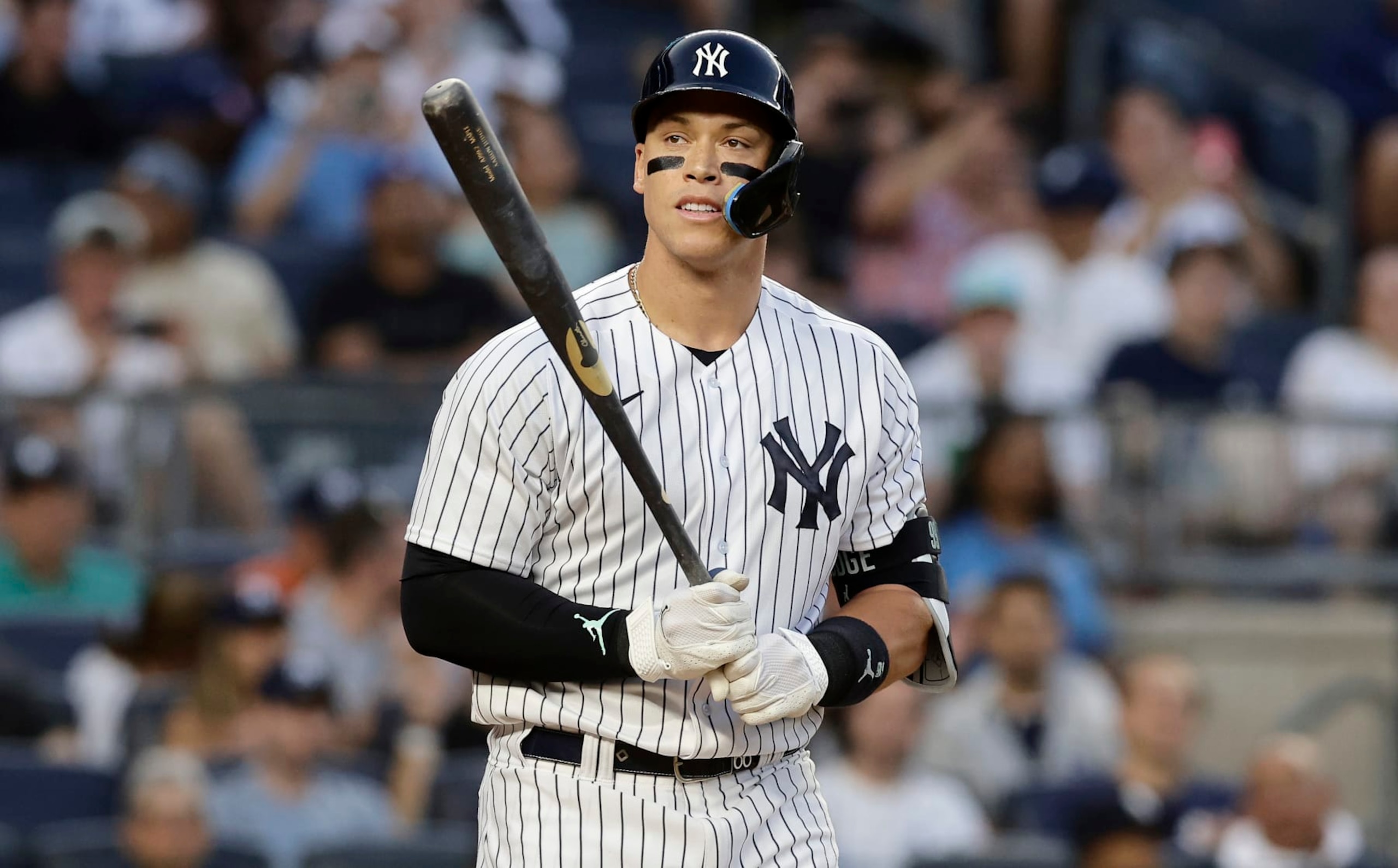
Arrivals: RHP Keynan Middleton (Chicago White Sox), Spencer Howard (Texas)
Departures: N/A
The Yankees were, admittedly, somewhat stuck between a rock and a hard place.
At 11 games back in the division, they've already kissed the AL East title goodbye. But at 3.5 games back for a wild-card spot, they reasonably could have gone all-in in pursuit of the No. 6 seed.
And you could argue that—between Carlos Rodón making his 2023 debut less than a month ago and Aaron Judge returning from nearly two months on the shelf over the weekend—they sort of did make some roster additions prior to the trade deadline.
However, aside from adding a middle reliever (one with a 7.80 ERA over his last 16 appearances) and another pitcher with a 7.20 ERA over the past four years just before the clock struck six on the East Coast, the Yankees didn't do a single thing ahead of the deadline.
That is borderline incomprehensible.
The Yankees?
Not spending money?
When they desperately need to add hitters at basically every position?
Aside from Judge, not a single Yankee is batting better than .257. And the only other guy with an OPS of at least .800 is Jake Bauers, who only got there by homering in each of his last two games.
Yet, they didn't add a single hitter.
It's possible they had already decided they were in a "Cody Bellinger or bust" frame of mind before the Cubs took him off the trade block. Goodness knows it was a weak hitters' market once he was subtracted from it. But they could've gotten Jeimer Candelario, Tommy Pham or C.J. Cron, or any number of players actually providing positive value this season.
But they didn't. And when they narrowly miss the postseason because of one of the lowest-scoring offenses in the majors, they'll only have themselves to blame.
San Diego Padres
7 of 8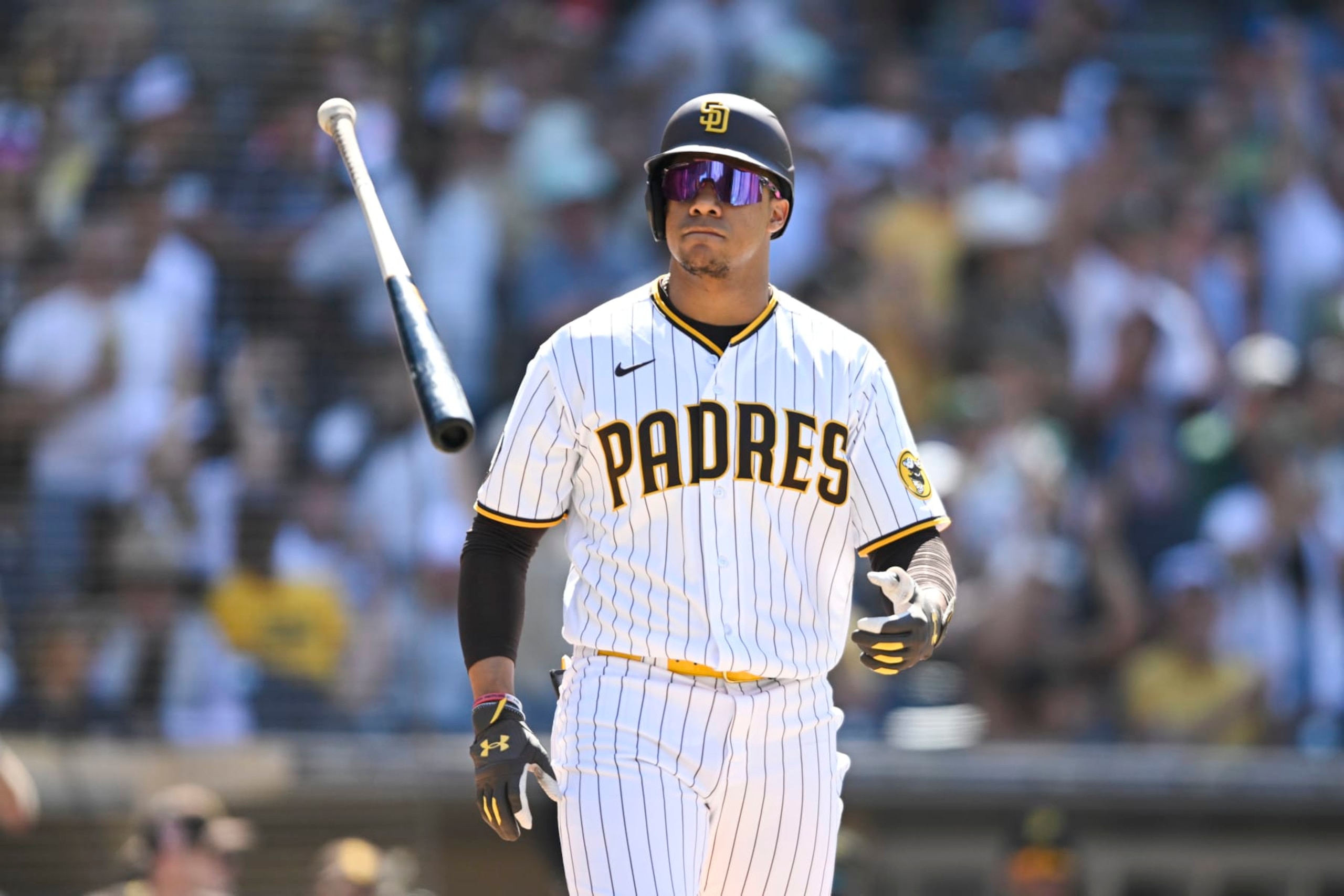
Arrivals: Rich Hill (Pittsburgh), Ji-Man Choi (Pittsburgh), Garrett Cooper (Miami), Sean Reynolds (Miami), Scott Barlow (Kansas City)
Departures: Ryan Weathers, Henry Williams
The Angels provided the blueprint for "perhaps ill-advisedly going for it" at the trade deadline. They were four games back for a wild-card spot when they traded for one of the biggest names on the trade block (Lucas Giolito) and a solid reliever (Reynaldo López.) They later added C.J. Cron and Randal Grichuk—two of the best hitters available—and one more reliever (Dominic Leone) for good measure.
They might still end up missing the playoffs, but there's no denying they are in better shape than they were a week ago.
The Padres, on the other hand, screwed the pooch.
They entered deadline day at 52-55, five games back for a wild-card berth and 8.5 games back in the NL West. Every other team that entered Tuesday at least four games back in both the division and the wild-card picture ended up embracing a selling mentality.
If I'm not mistaken, there wasn't a single team (aside from San Diego) in that club that added a current MLB player.
But the Padres woke up Tuesday morning and panicked like a high school student who suddenly realized they had to submit something for the science fair.
Had they gone the selling route, they could have gotten a nice haul for Blake Snell and Josh Hader. They could have really cleaned out some team's farm system if they had been willing to deal Juan Soto, too.
Instead, they were half-hearted buyers, adding four replacement-level players and a minor league pitcher while giving up one of their best long-term prospects in the process (Henry Williams).
Unlike last year when everyone crowned them the clear winner of the trade deadline, it's debatable whether the Padres actually got any better.
San Francisco Giants
8 of 8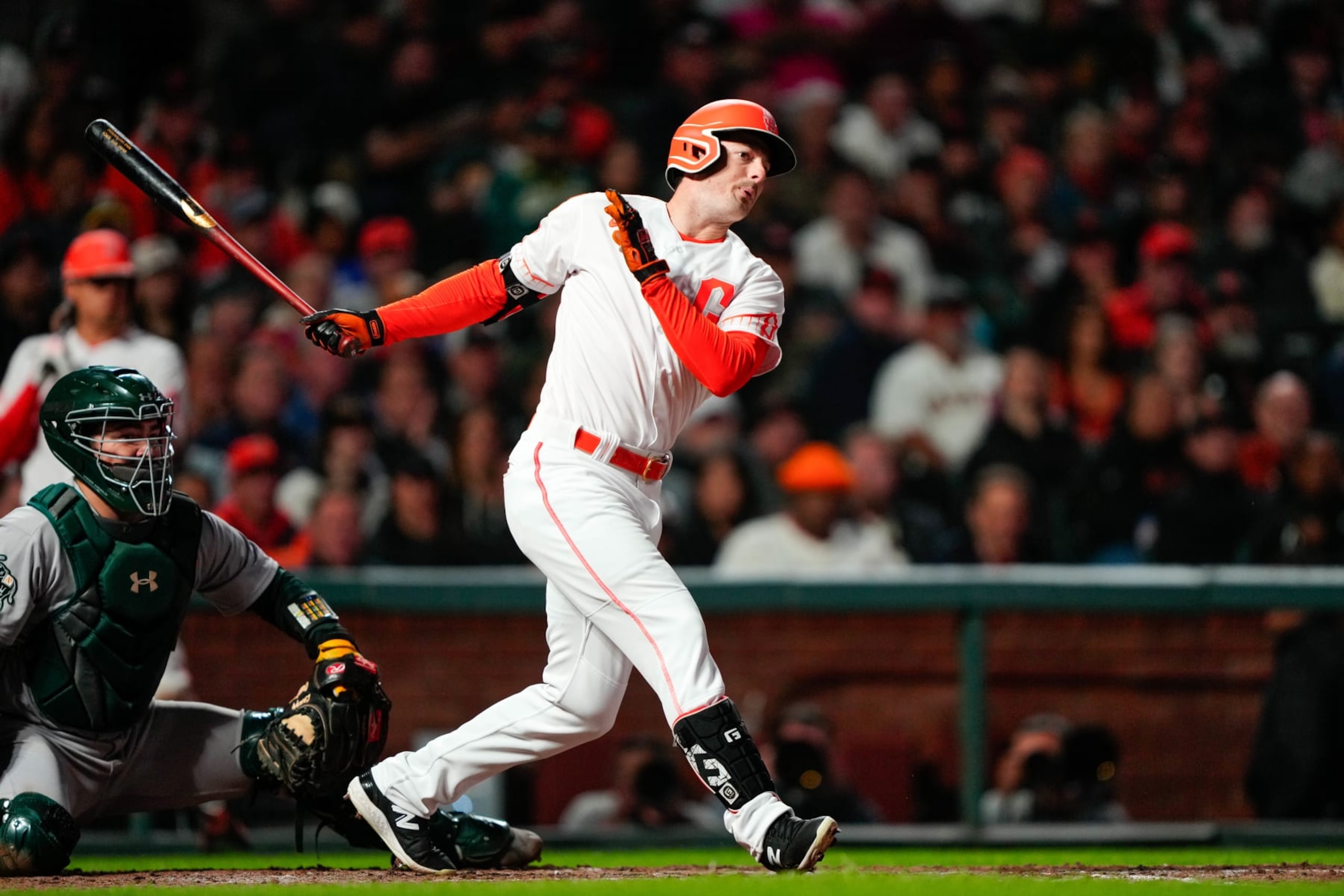
Arrivals: A.J. Pollock (Seattle), Mark Mathias (Seattle)
Departures: N/A
With a narrow lead in the NL wild-card race and within reasonable striking distance of the Dodgers for the NL West crown, it seemed like a foregone conclusion that San Francisco would do something big at the trade deadline.
The Giants were the first team explicitly mentioned as a suitor for Justin Verlander. They were also linked to Paul DeJong, Teoscar Hernández and Amed Rosario, and they were reportedly considering trading away a starting pitcher before Anthony DeSclafani landed on the IL.
And who can forget their efforts to make a huge splash in the offseason, between the offers made to Arson Aaron Judge and Carlos Correa?
What did they actually accomplish at the deadline, though?
Traded for a 35-year-old outfielder batting .173 and a 28-year-old utilityman who got cut by the Pirates earlier this season.
Not exactly a home run of a trade deadline.
And this is a team in rather dire need of hitting, with Mike Yastrzemski, Thairo Estrada and Mitch Haniger all on the IL while Brandon Crawford barely has a .600 OPS.
They've had to call up and rely upon 21-year-old prospects Luis Matos and Marco Luciano (who was already sent back down), which is quite the risky venture for a team that is one good series away from the NL's No. 2 seed and one bad series away from missing the playoffs altogether.

.jpg?w=2560 "Mahomes Told Teammate to Leave Meeting")


.jpg?w=2560 "🚨 Week 8 AP Top 25 Poll")

.jpg?w=2560 "Updates from EVERY NFL Game 🏈")
.jpg?w=2560 "Baker Gets Glove From Rays 🧤")