Lakers News: Rui Hachimura Expected to Remain a Starter After Signing FA Contract
The Los Angeles Lakers had the option of slow-playing Rui Hachimura's restricted free agency. Because they had the right to match any offer sheet he signed, he was only a flight risk if they allowed him to be.
They never took that chance and instead signed him to a three-year, $51 million pact the same night that NBA free agency opened.
Clearly, they've liked what they've seen from the 6'8" forward so far, and they're reportedly ready to see more of it.
TOP NEWS
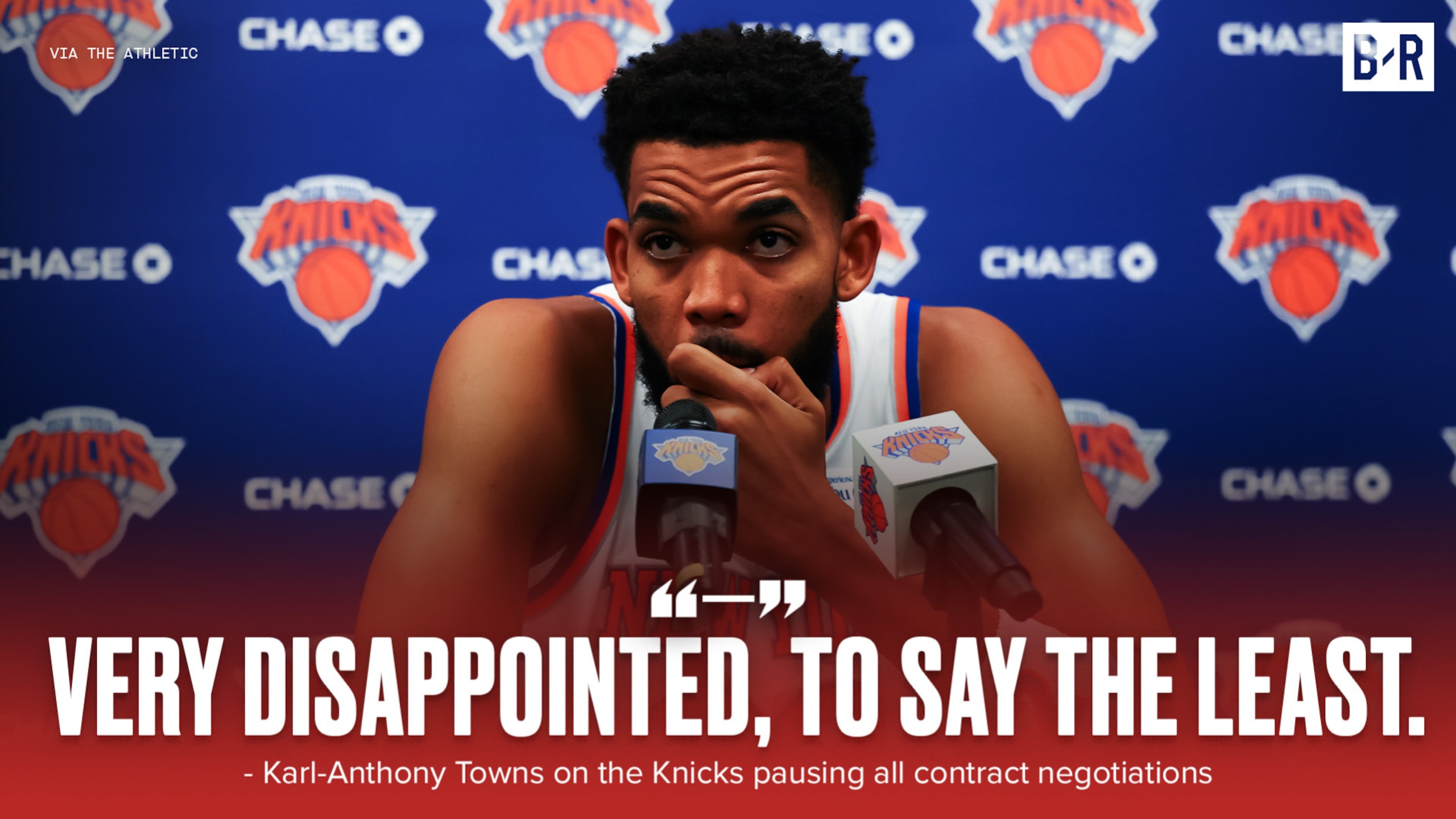
KAT's Contract News Quote 😬

1 Player Every Team Should Trade 🔀
Most Fascinating Players This Season 😲
The Athletic's Jovan Buha reported the Lakers expect Hachimura "to pick up where he left off in the postseason and remain a starter despite being a bench player during the regular season."
Hachimura was the first player L.A. added during its midseason makeover. In late January, the Lakers sent out Kendrick Nunn and three second-round picks to pry Hachimura away from the Washington Wizards.
He was an easy fit from the start, debuting with a dozen points and netting double-digit points in three of his first four games with the franchise. He made a handful of starts in the regular season, but largely operated as a reserve and provided depth at both forward spots.
He had some awesome moments in the playoffs, which he opened with back-to-back 20-point outbursts. His three-point shot—an erratic part of his arsenal for most of his career—seemingly connected on every one of his attempts, and he was a helpful, versatile presence on defense.
The Lakers still kept him in that reserve role, until they fell into an 0-3 hole against the Denver Nuggets in the Western Conference finals. They not only started him that night, they entrusted him with the heaviest workload of his L.A. tenure, as he fell a few seconds shy of logging 42 minutes. The Lakers, who lost that game by two points, were a plus-one with Hachimura on the floor.
It makes sense for the franchise to see where he can head from here and how he can handle a larger role.
The Wizards, who took Hachimura ninth overall in 2019, gave him 30-plus minutes each of his first two seasons, but they really dialed it back from that point forward. He saw just 22.5 minutes of action a night in his third season and was averaging 24.3 minutes at the time of the trade.
The Lakers found even less floor time for him (22.4 minutes after the trade), but when they gave him a bigger opportunity, he typically delivered.
During the six playoff games in which he logged at least 27 minutes, he averaged 18.3 points on 59.2 percent shooting. He was energetic in transition and active on defense.
Because he's both strong and athletic, he can allow the Lakers to play fast without sacrificing size. A frontcourt featuring him, LeBron James and Anthony Davis has copious amounts of length, athleticism and scoring.
Now, Hachimura isn't the most reliable outside shooter you'll find (career 34.7 percent on low volume), and he's not at all a playmaker. His defense can be hit or miss, too, though he's been helpful more often than not in L.A.
The Lakers can live without the playmaking. They'll get enough of that from players like James, Austin Reaves and D'Angelo Russell. Where things could get a little tricky is if Hachimura regresses as a shooter. They don't need his scoring punch so badly that they should shrink the offensive end for him.
As long as he's competent enough for defenses to pay attention to him on the perimeter, though, he can, in fact, pick up where he left off and play a helpful role in this starting five.

.jpg?w=2560 "Cam Ward Says He's Not A Loser")
.jpg?w=2560 "🚨 Texans Trade for MHJ")
.jpg?w=2560 "Grading MHJ Trade 📝")
.jpg?w=2560 "Chargers Fall to 0-5 🤢")
.jpg?w=2560 "MHJ Bought Own Jugs Machine")