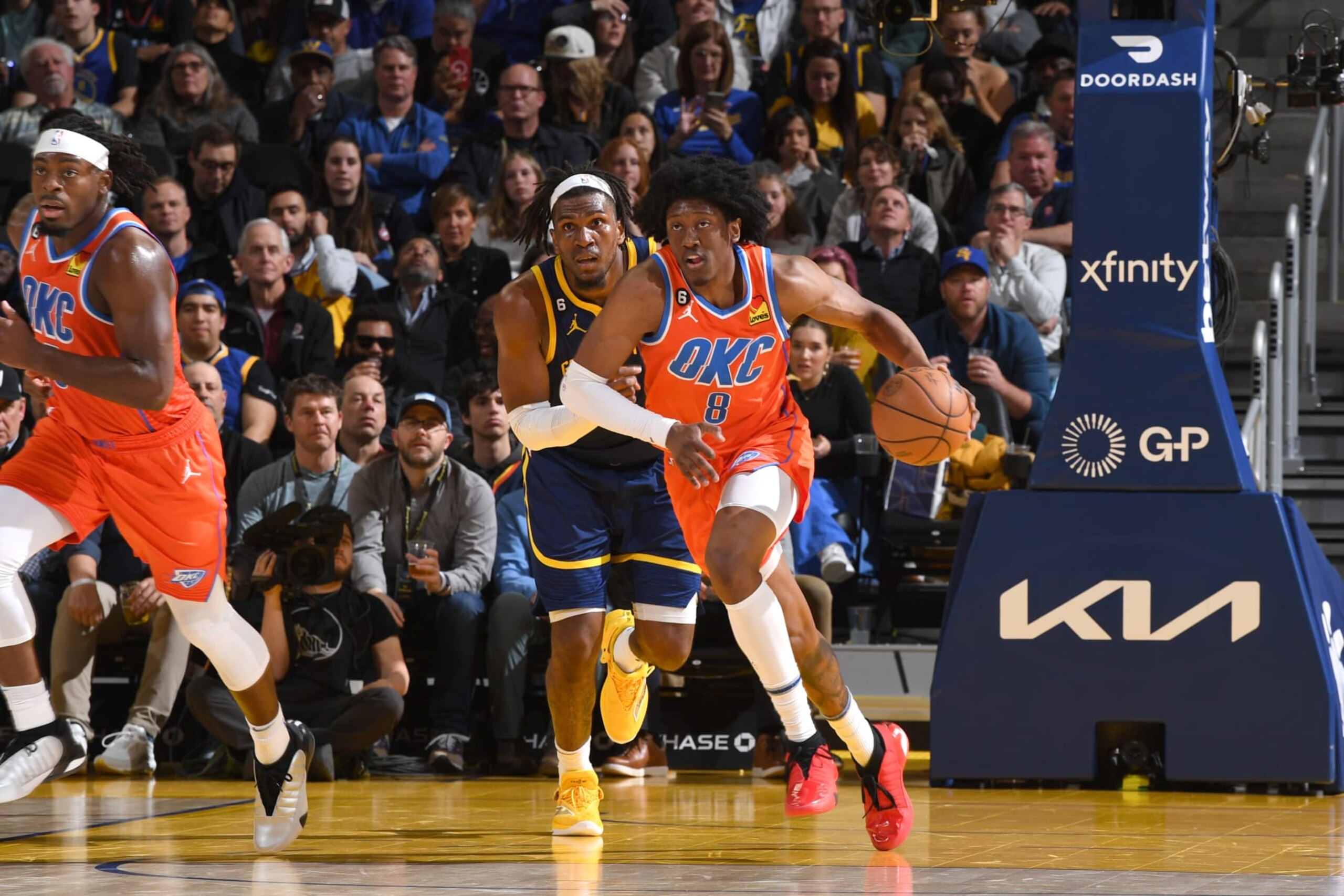


With the NBA regular season winding down, there have been enough games for teams to reassess their draft picks and alter their initial evaluations.
A redo would result in some massive changes. Even the top three would look different.
We've already started to learn how well skills have translated for each prospect and whether certain players have skills or athletic traits that aren't suited to continue working as effectively on an NBA floor.
Rookies have mostly outperformed draft slots, particularly in the late-lottery to mid-first-round range. So far, only a few teams might have massive regrets about their 2022 selections.
We re-drafted last June's class based on the rookies results and how they affect their perceived potential. Team needs were only taken into account if fit played a role in why a team would need to pass.
1. Orlando Magic: Paolo Banchero, PF
1 of 12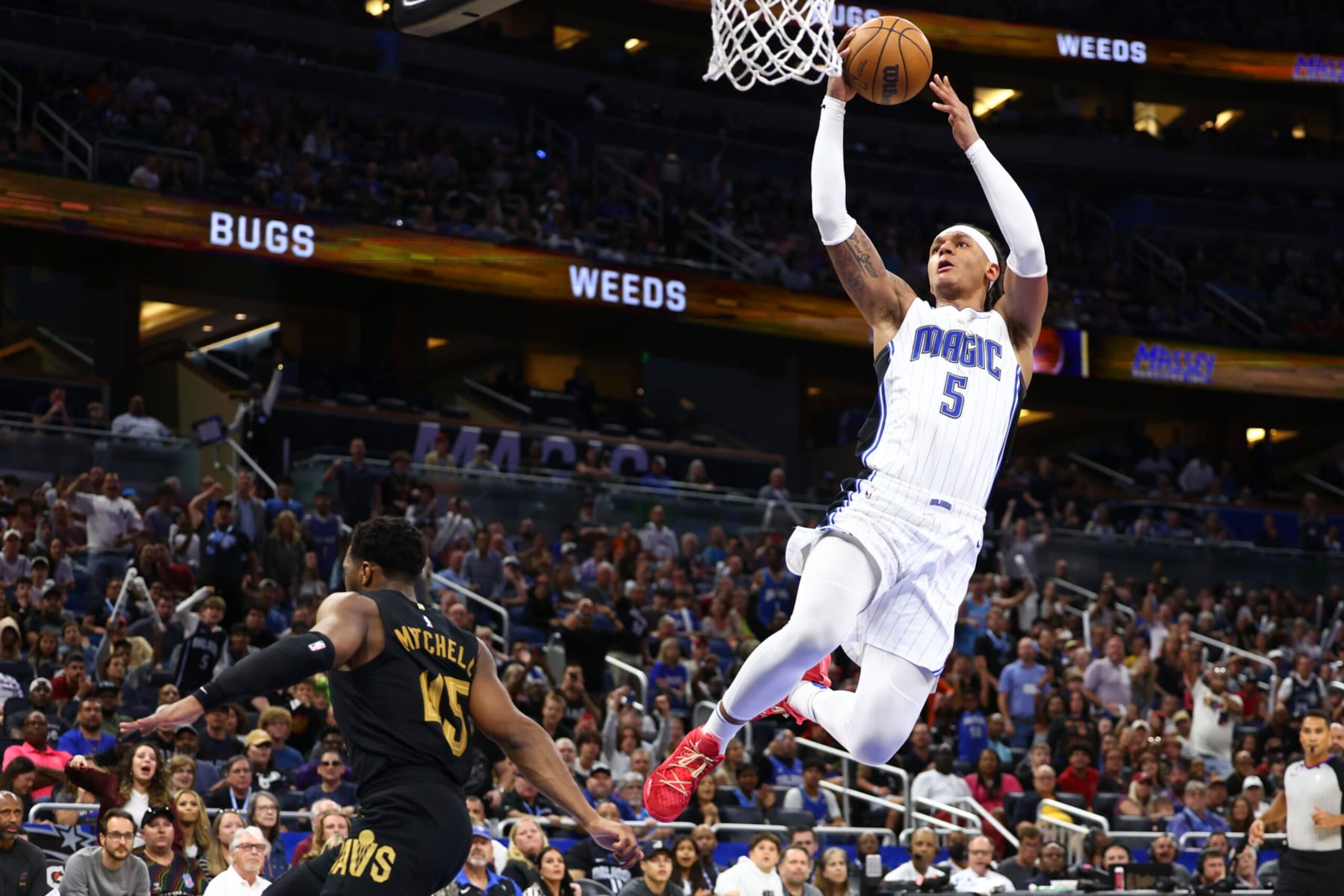
The Orlando Magic wouldn't hesitate to re-draft Paolo Banchero. Aside from historic production—he'll join Luka Dončić as the only rookies to average at least 20.0 points, 6.0 rebounds and 3.0 assists with over 75 threes—Banchero has the type of creation, shot-making and passing skill set for a No. 1 option.
His ability to separate into jumpers and leverage his ball-handling into driving and playmaking has translated pretty seamlessly.
Any alarms that went off during a cold-shooting February have stopped ringing. Since March 1, he's answered by hitting 38.7 percent of his threes to close out the season. And while his 29.8 percentage for the season isn't a plus, one of Banchero's biggest weaknesses is still a threat at 20 years old.
The lack of two-foot explosiveness has held him back as a finisher. But between his age, frame and hands, Banchero still has the foundation to win more scoring battles around the basket.
2. Oklahoma City Thunder: Chet Holmgren, PF/C
2 of 12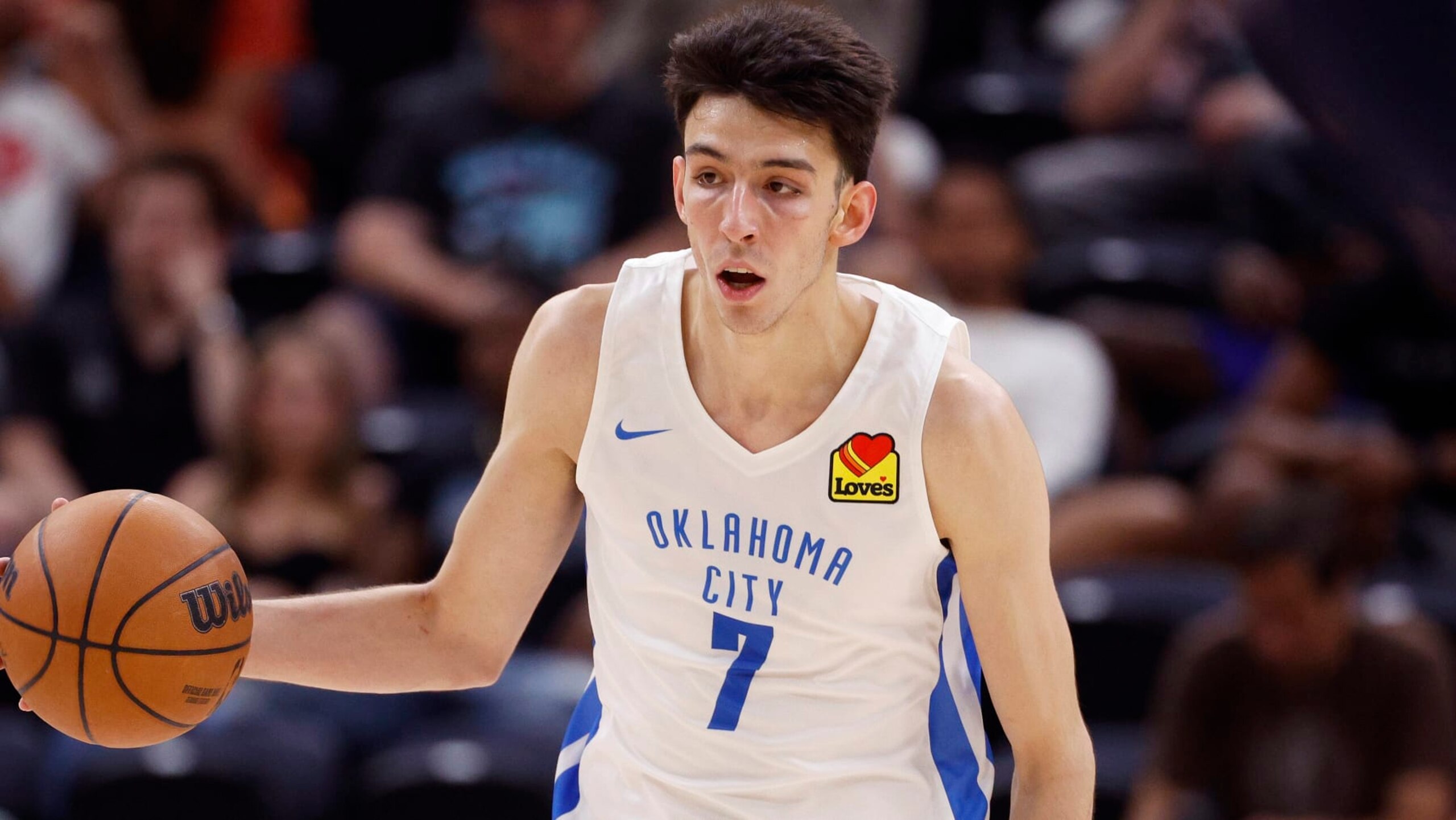
As good as Jalen Williams has been, three-point shooting, coast-to-coast ball-handling, passing, elite finishing and defense could allow Chet Holmgren to impact a game in more ways.
He's still the No. 2 asset on the Oklahoma City Thunder roster. Shai Gilgeous-Alexander's gravity and Josh Giddey's passing should only help optimize Holmgren's size/length advantages and skill set.
An injury from stepping on another player's foot should be deemed more of a freak accident than a sign of durability issues. He's already back participating in pregame warm-ups, a promising sign for his recovery.
3. Houston Rockets: Jalen Williams, SG/SF
3 of 12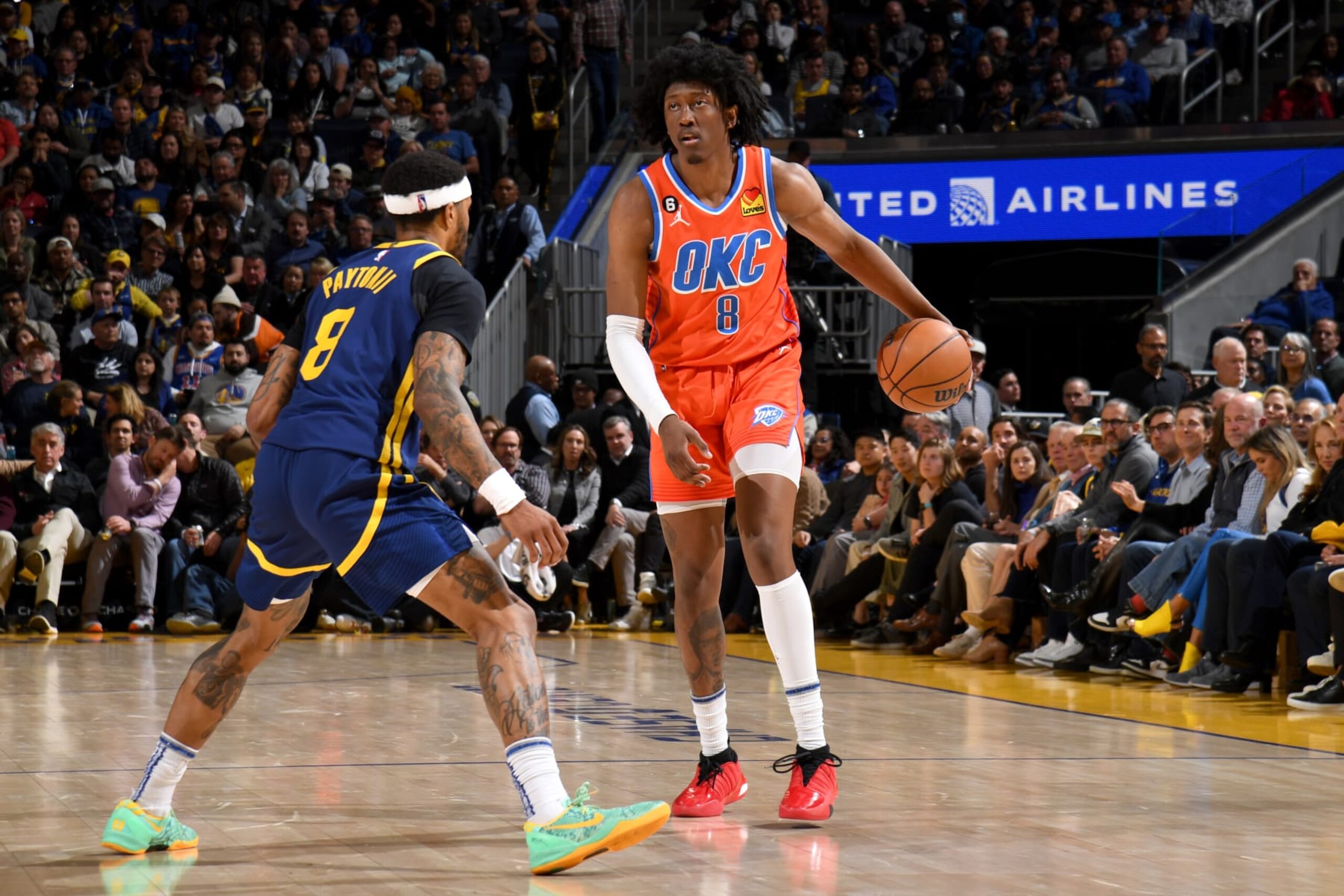
Even as an original lottery pick, Jalen Williams has entered steal-of-the-draft territory as he completes one of the most efficient rookie seasons on record. The only other rookie guards or wings to finish with a 60.0 true shooting percentage (minimum 10 shots per game): Magic Johnson and Adrian Dantley.
Since February 28, Williams has averaged 19.2 points and 4.5 assists, a tribute to his skill level and versatility plus the recognition/ability to make developmental adjustments since the start of the season.
Off games have been rare, thanks mostly to his versatile ability to capitalize in different situations on and off the ball. But he's had tremendous success on drives with a combination of smart timing of his blow-bys, counter footwork off the dribble, floater touch, strength to play through contact and adjustment finishes using both hands.
His scoring average will continue to rise as his shooting improves.
Meanwhile, he's averaging 3.3 assists despite Shai Gilgeous-Alexander and Josh Giddey taking the majority of the ball-handling reps. Williams' pick-and-roll play and passing IQ add another layer of offense to his on-ball repertoire.



4. Sacramento Kings: Keegan Murray, PF
4 of 12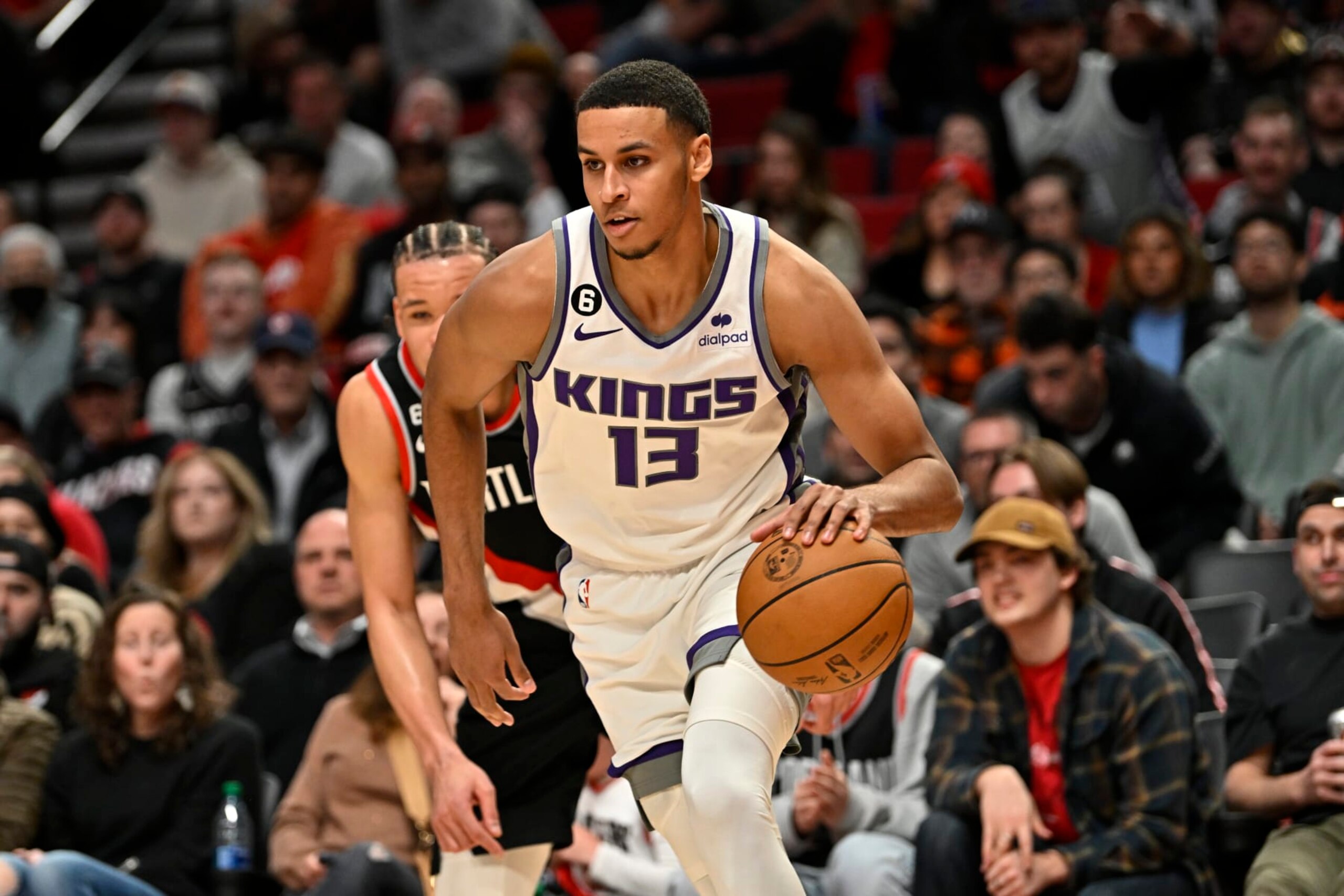
Even if Jaden Ivey, Jabari Smith Jr. and Shaedon Sharpe are perceived to have higher ceilings, Keegan Murray's fit with the Sacramento Kings may be too good to break up.
Elite off-ball shooting has been key, both for his half-court scoring and his ability to thrive alongside Domantas Sabonis. Murray entered his sophomore year at Iowa with a need to improve his shot-making and range. He'll start his sophomore NBA season after breaking the all-time rookie record for threes made in a season.
It's been an astonishing development that's contributed to the Kings' rise in the West. His ability to score off transition, spot-ups and screens has been ideal for an offense that runs through De'Aaron Fox and Sabonis and ranks No. 1 in the NBA in efficiency.
5. Detroit Pistons: Jaden Ivey, PG/SG
5 of 12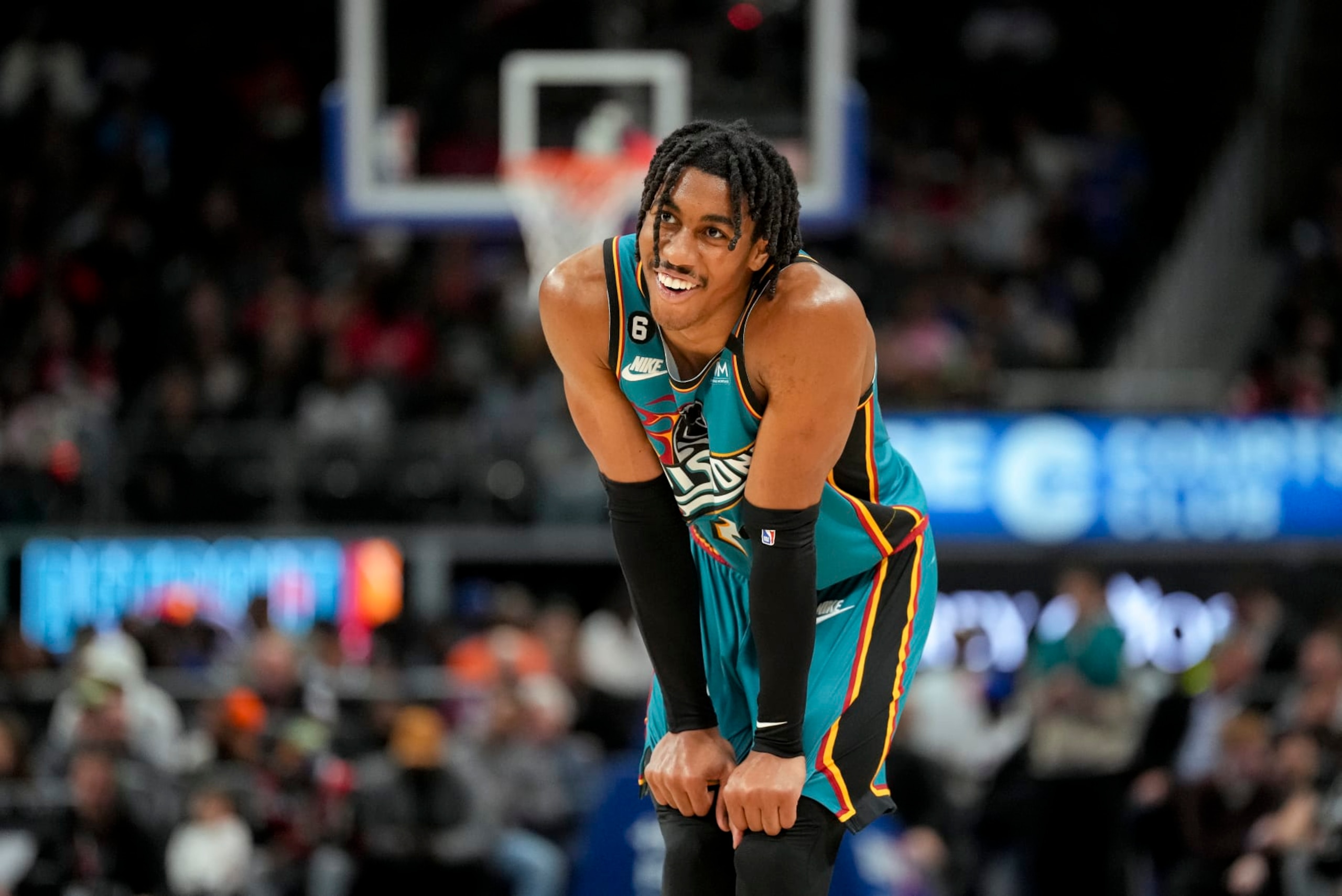
It's equally surprising to see Jaden Ivey on the board now as it was last June. The Detroit Pistons would add him again to pair with Cade Cunningham and provide more rim pressure, playmaking, off-ball finishing and streak shot-making.
The explosiveness he unleashed on college defenses has been just as advantageous in the NBA. And the shot-making and passing improvement (that led to his rise up draft boards) has been evident this season, as he's averaged 5.2 assists, 1.8 pull-ups and 1.6 threes per game.
He has to tighten up his decision-making, but the big takeaway this season focuses on how Ivey's burst creates scoring and playmaking opportunities. There is All-Star upside to reach once the game slows down and his shooting becomes more consistent.
6. Indiana Pacers: Jabari Smith Jr., PF
6 of 12
After a slow start, Jabari Smith has looked more like a No. 3 pick over the past two months.
While it's been assuring to see his three-ball start to fall more consistently, there never should have been any doubt over his shooting. It's been his scoring efficiency inside the arc, where he struggled in college and early this year, that's been the most encouraging development. Since March 1, Smith has registered a 51.6 two-point percentage, doing a better job of converting contested shots around the key and pull-ups.
The shot-making and defensive tools always hinted at a high floor for Smith. But it's been easier to see an All-Star ceiling lately with more flash plays of ball-handling and dribble jumpers.
7. Portland Trail Blazers: Shaedon Sharpe, SG
7 of 12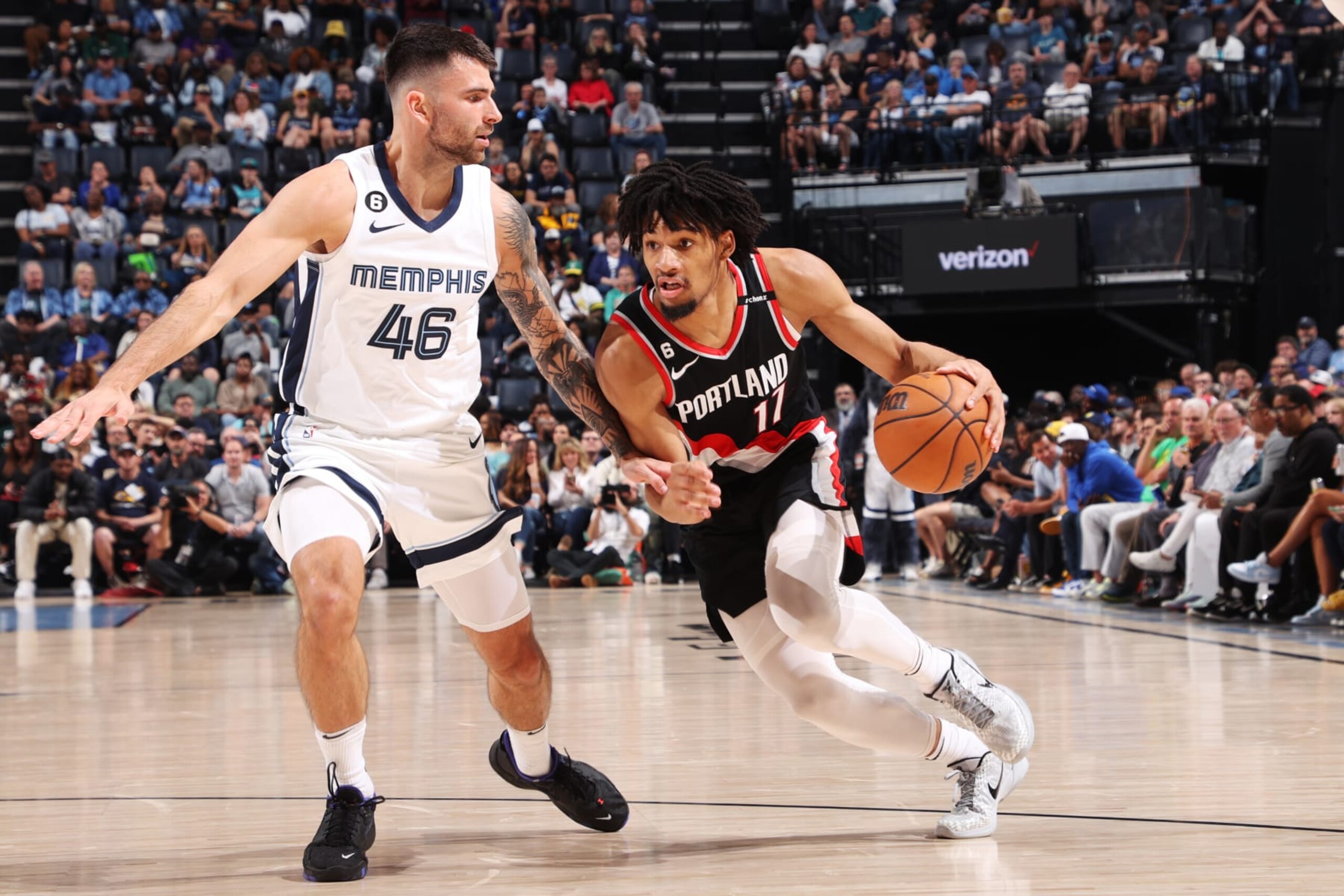
The Portland Trail Blazers must have felt good about Shaedon Sharpe's consistent shooting through February. But he's raised the bar since being inserted into the starting lineup, putting up seven 20-point games and one 30-point game with more chances to make athletic plays and a green light to keep firing dribble jumpers.
It's suddenly easier to picture one of the league's top scoring 2-guards in a few years. It seemed obvious early that the shot-making would translate. He's also had success on the ball attacking using change of speed and bounce/extension to separate into finishes off drives.
Sharpe looks headed toward a Zach LaVine-like trajectory and archetype, only Sharpe will becoming off a far more efficient rookie season.
8. New Orleans Pelicans: Walker Kessler, C
8 of 12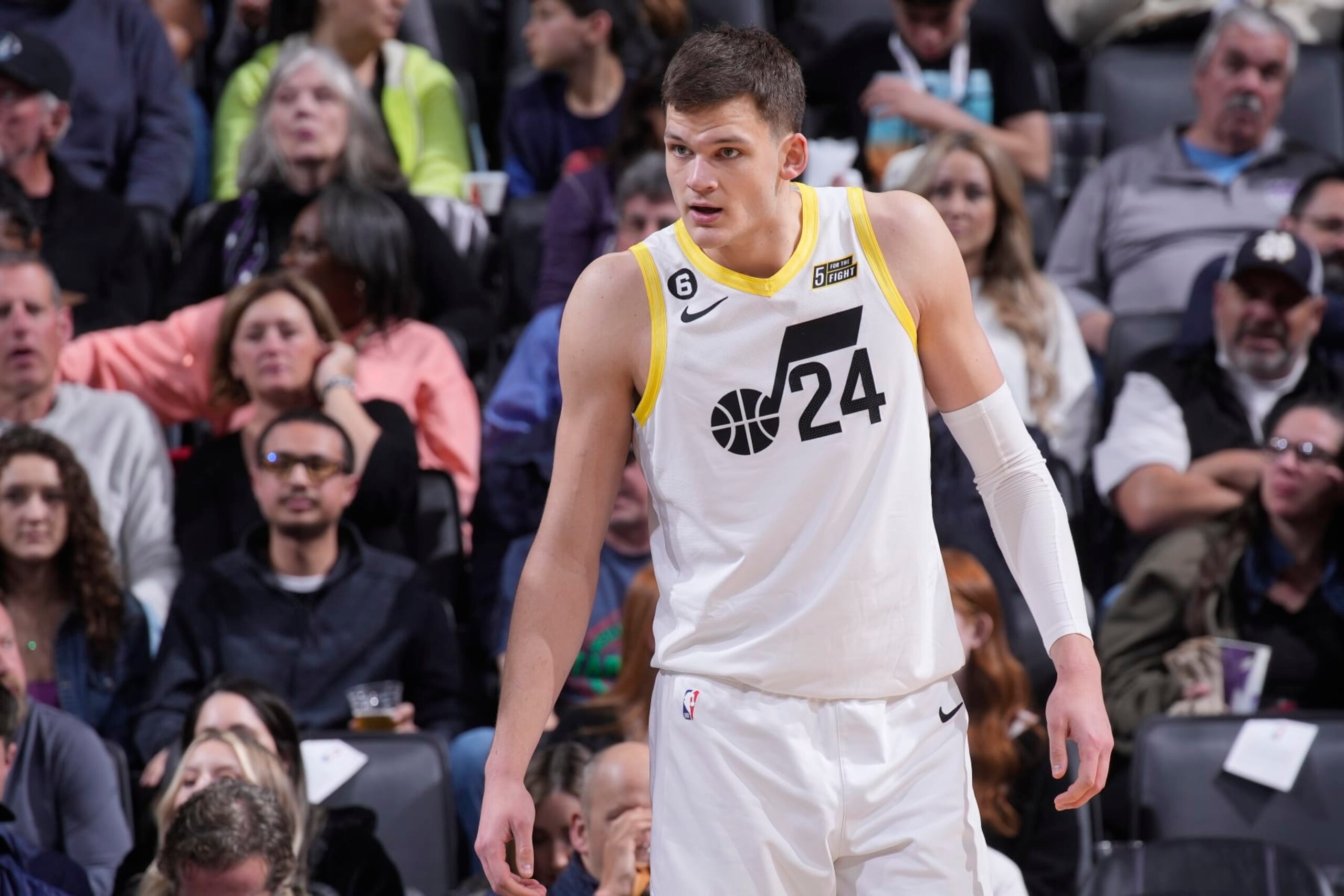
Second in the NBA in block percentage with a top-50 BPM (first among rookies), Walker Kessler looks like an impact rim protector for years to come.
His defense from Auburn carried right over, thanks to timing, instincts and hand-eye coordination that optimize a 7'4" wingspan. But he also shot 72.0 percent from the floor, demonstrating feel, patience and fluidity as a finisher off rolls and cuts from the dunker's spot.
He might not have the athleticism or strength of Jalen Duren. But at 7'0" with plenty of length and mobility, Kessler's understanding and anticipation currently separate him.
9. San Antonio Spurs: Jeremy Sochan, PF
9 of 12
Special defensive versatility drove the appeal to Jeremy Sochan before the draft. Any offense this season should have been considered bonus, considering how little he scored and how poorly he shot from three at Baylor.
But Sochan already has 30-point and 29-point games in 2023. He's shown the San Antonio Spurs how many different ways he can used. Though not a reliable shooter or creator yet, Sochan is still finding ways to capitalize as an open-floor ball-handler, short-range face-up threat and off-ball finisher by rolling and cutting.
The 33 threes and 2.5 assists per game highlight capable, improvable shooting and the ability to use passing IQ as a facilitator.
And this all comes secondary to his defense, given Sochan's foot speed to stay attached to pick-and-roll ball-handlers, contain around the perimeter, anticipate on the ball and read/react off it.
10. Washington Wizards: Jalen Duren, C
10 of 12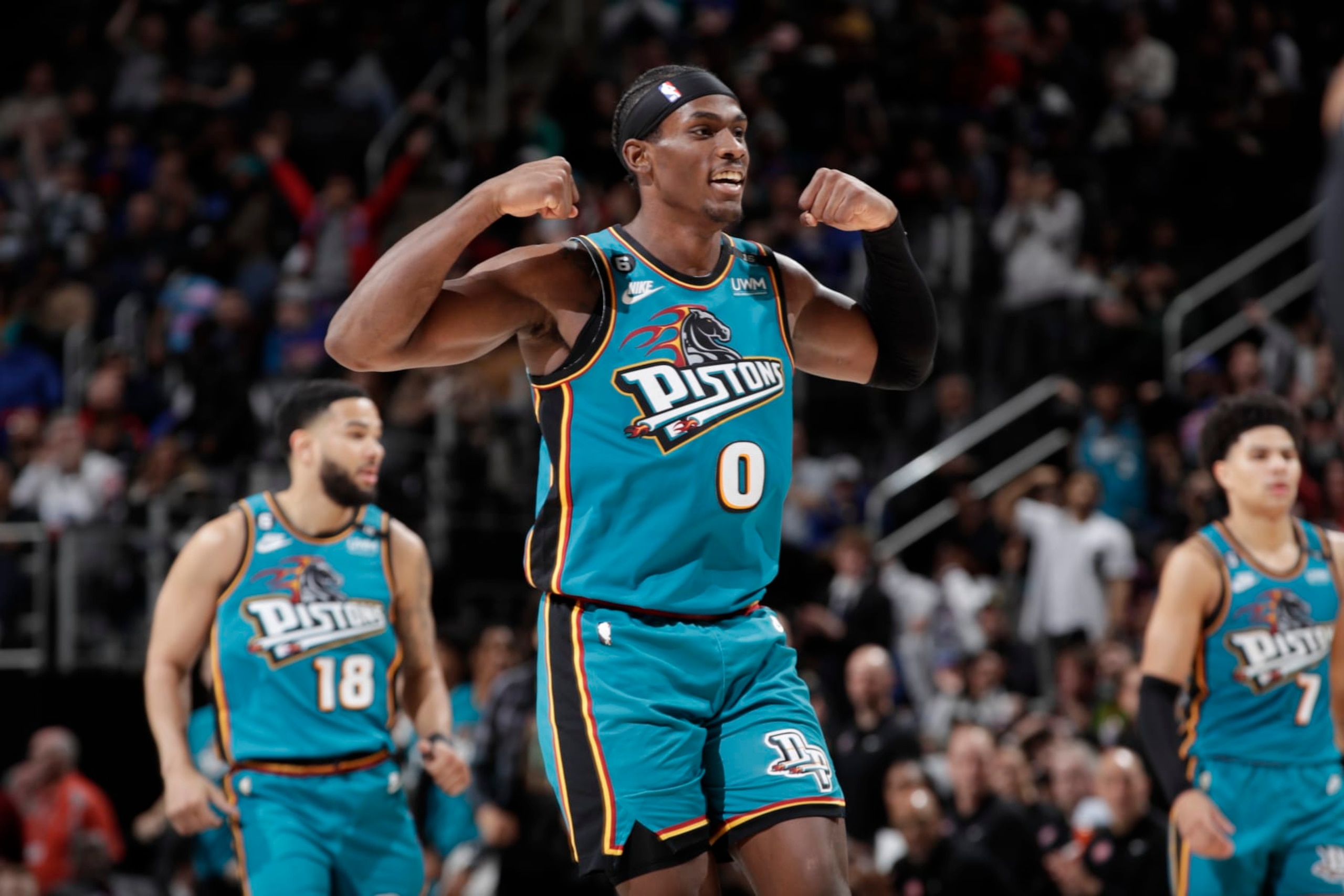
The Washington Wizards could look to Bennedict Mathurin for more offense, but Jalen Duren should have a better chance to move a team's needle with his potential in rim protection.
But his athleticism and strength are still special enough that the 19-year-old can lean on them for multiple easy baskets per game. Defenders are even getting out of the way when Duren has a step of space to elevate with force.
As long as he's getting minutes and there are some creators and playmakers in the lineup, the high-percentage finishing opportunities will be there for Duren off rim runs, rolls, dump downs and offensive rebounds.
And he'll still earn his money with his length and leaping ability to shut down the paint defensively.
Nos. 11-20
11 of 12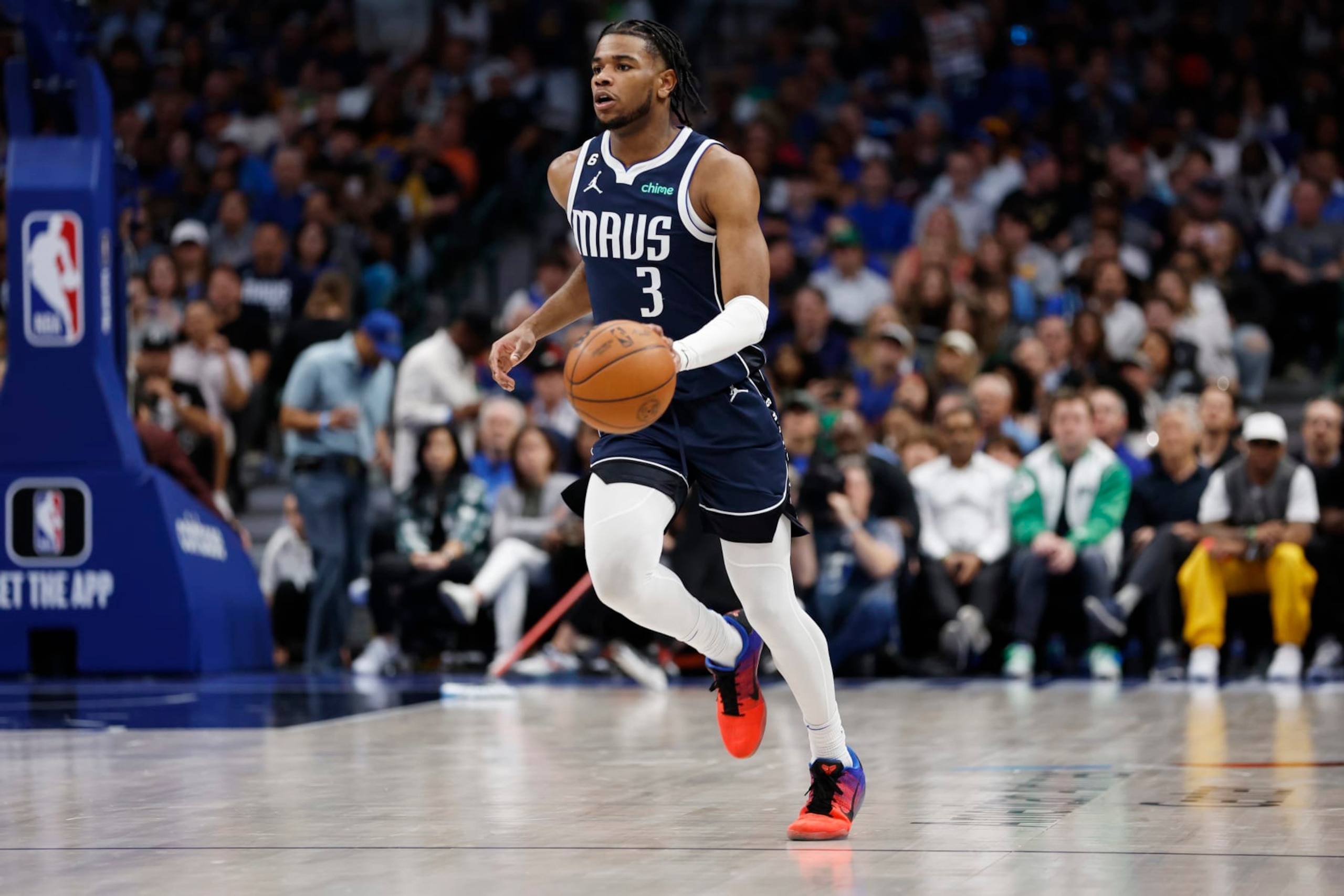
11. Oklahoma City Thunder: Bennedict Mathurin, SG/SF
Despite the inconsistent three-point shooting, Mathurin still looks poised to become a routine 20-point threat, potentially by next season with starter minutes. His power and explosiveness have worked very well for attacking, finishing and drawing fouls, and there is plenty of evidence over the years of dangerous shot-making. The lack of playmaking and defensive impact could hold him back.
12. Oklahoma City Thunder: AJ Griffin, SF
Even if the creation never takes off for Griffin, spot-up scoring efficiency with his three-ball, quick pull-up an floater touch suggest he has the right skill set for a starting-caliber role player.
13. Detroit Pistons: Tari Eason, SF/PF
Though it's difficult to label Eason, who's not quite a creator, shooter or playmaker, he's made his mark with two-way versatility and toughness that differentiates him from most forwards. Capable of handling in transition, attacking in space, physical finishing, making set threes and defending multiple positions, he's quickly shown how many different ways he can be used.
14. Cleveland Cavaliers: Dyson Daniels, PG/SG
Though Daniels' role has been limited with the New Orleans Pelicans, the Cavaliers would invest in the two-way playmaker archetype and bet on the development of a 20-year-old. He's looked completely interchangeable, capable of facilitating from the point of attack, shot-making and cutting off the ball and defending positions 1-4.
15. Charlotte Hornets: Mark Williams, C
The Hornets should stick with Williams to give them a long-term protector capable of anchoring a defense. He's also been useful offensively, showing some interior skill to complement the finishing tools that LaMelo Ball will make good use of down the road.
16. Atlanta Hawks: Malaki Branham, SG
Branham would go higher if he offered any playmaking or defensive upside this season. He's been an efficient scorer right off the bat with his timely driving, two-point shot-making versatility and three-point accuracy.
17. Houston Rockets: Jaden Hardy, SG
Hardy's shooting with the Dallas Mavericks has been more reminiscent of what we saw in high school than the G League. Limited playmaking and defensive potential reduce his versatility, but he's had enough self-creation and shot-making success for teams to admit they let a possible sixth man or starting scoring guard slip into the second round.
18. Chicago Bulls: Christian Braun, SG/SF
Transition scoring, shot-making and defensive energy have helped Braun earn minutes for the No. 1 team in the West. At baseline, he's proved to be a serviceable role player just by play-finishing, making open threes and bringing his signature intensity. But last year at Kansas, flashes of pick-and-roll playmaking hinted at a wing who'll eventually be used more on the ball.
19. Memphis Grizzlies: Ousmane Dieng, SG/SF
For a 6'10", 19-year-old wing, Dieng's flashes of shot-making and playmaking in the G League should keep re-drafting GMs' imaginations running. Improving his frame and shooting consistency will be keys to Dieng hitting the upside the Oklahoma City Thunder gambled on when they took him No. 11 last June.
20. San Antonio Spurs: Andrew Nembhard, PG
Passing IQ, improved shooting and outstanding feel helped Nembhard overcome the athletic limitations that teams expected would hold him back. He figures to rank among the leaders in assist-to-turnover ratio for years to come while giving his team an adequate punch of creativity and shot-making.
Nos. 21-30
12 of 12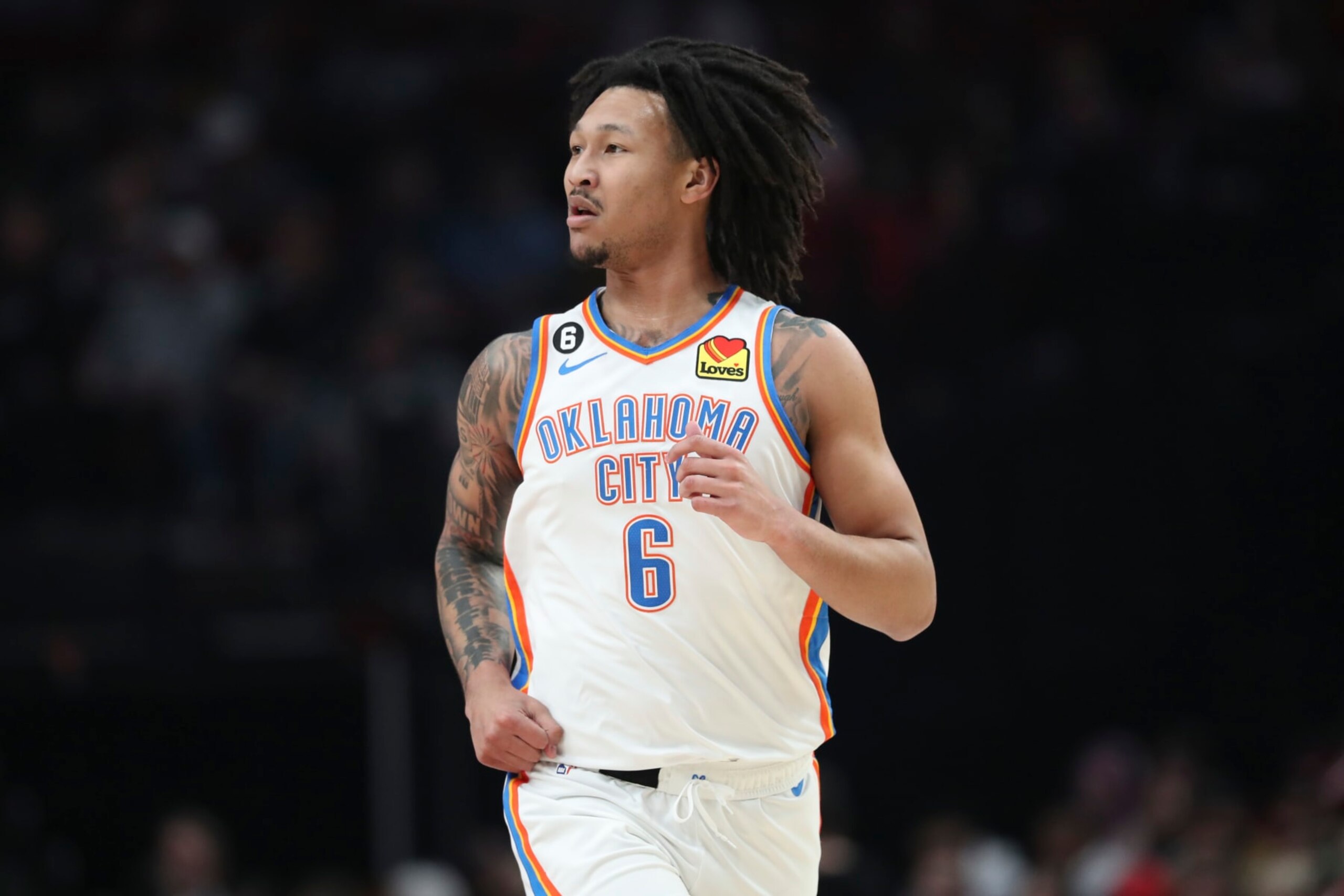
21. Denver Nuggets: Ochai Agbaji, SG/SF
Agbaji's shot-making has come alive, though buckets off transition, drives and cuts highlight athleticism and some bonus off-the-dribble scoring when a window opens. His core strengths still scream three-and-D role player, but he can reach the higher end of the archetype's ladder.
22. Utah Jazz: Jaylin Williams, PF/C
Williams looks like he has the chance to nail a glue-guy role with his passing and knack for taking charges. He'll climb the NBA's energizer rankings if he proves this year's impressive shooting is real.
23. Memphis Grizzlies: Peyton Watson, SF
Despite playing sparingly with the Denver Nuggets, Watson could go earlier than No. 30 in a re-draft based on his scoring in the G League. The extra freedom brought out face-up skill and shot-making that didn't show at UCLA, where he used his limited role to sell the Denver Nuggets on his defense—and room to improve offensively as a 6'8" wing.
24. Milwaukee Bucks: Johnny Davis, SG
Davis' inability to crack Washington's rotation or score efficiently in the G League leads to a slide down the re-draft board. However, late-season minutes have given the 2022 lottery pick a chance to play through mistakes and regain lost confidence. Even if the shooting or self-creation never resembles what we saw at Wisconsin, Davis' attacking, rim pressure and defensive competitiveness should earn him roles.
25. San Antonio Spurs: Josh Minott, SF/PF
Minott looks more promising than the stats suggest when you consider his age (20), positional tools, athletic ability and flashes of shot-making and passing.
26. Minnesota Timberwolves: Patrick Baldwin Jr., SF/PF
Eventually, Baldwin figures to earn a regular, simplified role that calls for off-ball shot-making and defense. A lack of explosiveness will keep the three-level scoring we saw in high school from resurfacing in the NBA, but there will be demand for a 6'10" shooter who can slide his feet and make the right reads/rotations.
27. Miami Heat: Bryce McGowens, SG/SF
Coming off a 20-point effort as Charlotte looks toward the draft, McGowens is building some optimism for next season around his 6'7" size and three-level scoring ability. He still has to fine-tune the creation and shot-making aspects of his game, but the skill set is there.
28. Golden State Warriors: David Roddy
Regardless of what Roddy's ceiling is, he's proved that athletic limitations won't negate skill versatility and feel. At 6'5" and 252 pounds, he's earning rookie minutes by capitalizing on enough open threes, driving lanes and finishing opportunities while adding value as a passer.
29. Houston Rockets: Jabari Walker, PF
Walker seems to produce whenever he's given an opportunity, a tribute to his effort level and simple, translatable skill set for spot-up shooting, finishing and rebounding. He's looking like a valuable, low-usage role player who'll make plays without needing anything run for him or consistent minutes.
30. Denver Nuggets: Max Christie, SG/SF
Though not the most versatile or explosive, Christie has the right body and skill set for complementary scoring in the NBA. Once he gets the chance to play through mistakes a little bit, he should be able to find the rhythm and opportunity to contribute as a spot-up scorer with catch-and-shoot threes, one-dribble pull-ups and line drives past closeouts.
Stats courtesy of NBA.com and Basketball Reference and accurate entering Friday's games.
_0.png?w=2560 "Unranked Teams Cause Chaos in Rankings 📊")
.png?w=2560 "Week 8 Winners & Losers 📊")
.jpg?w=2560 "Jonathan Taylor Landing Spots 📍")



