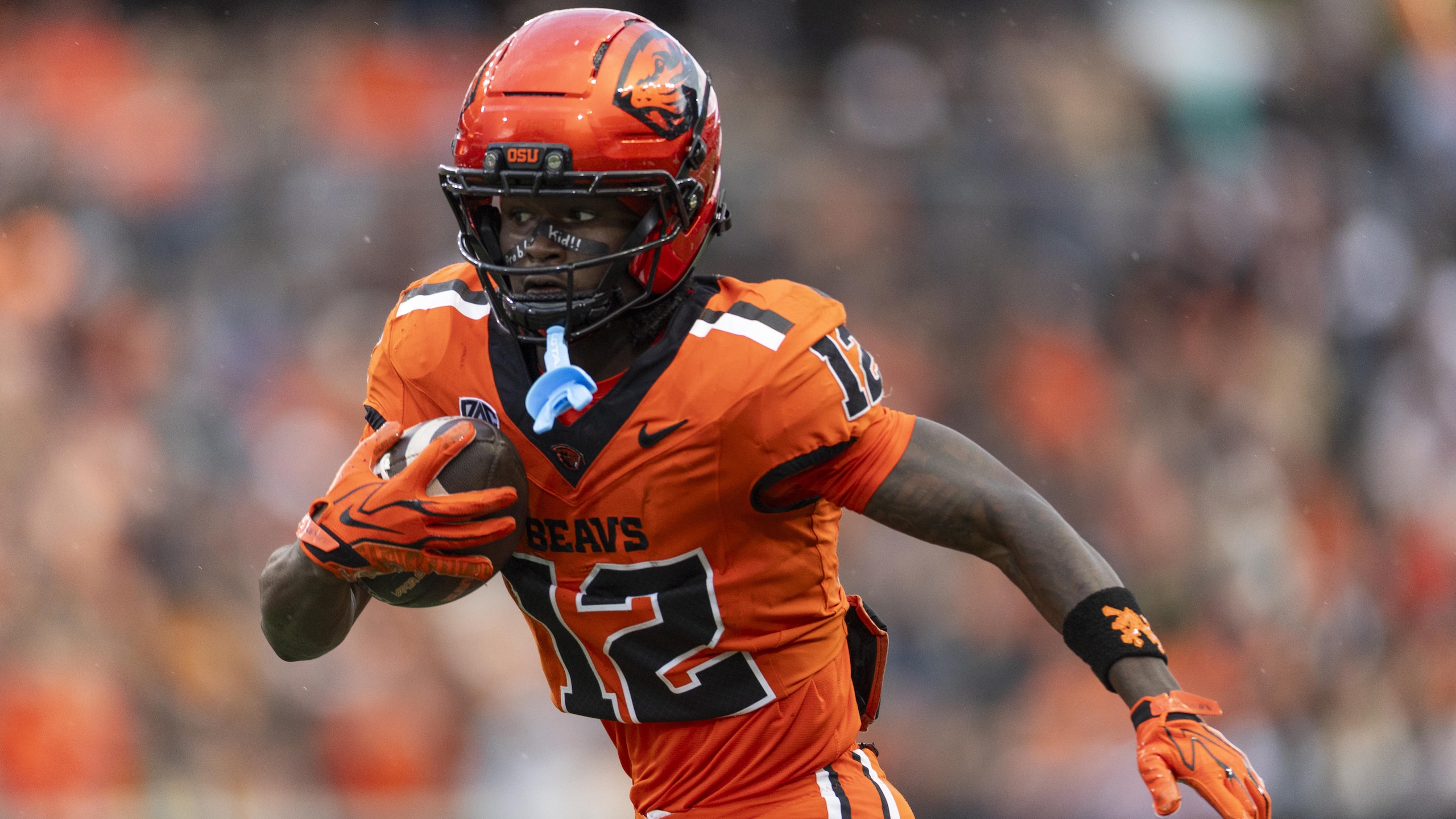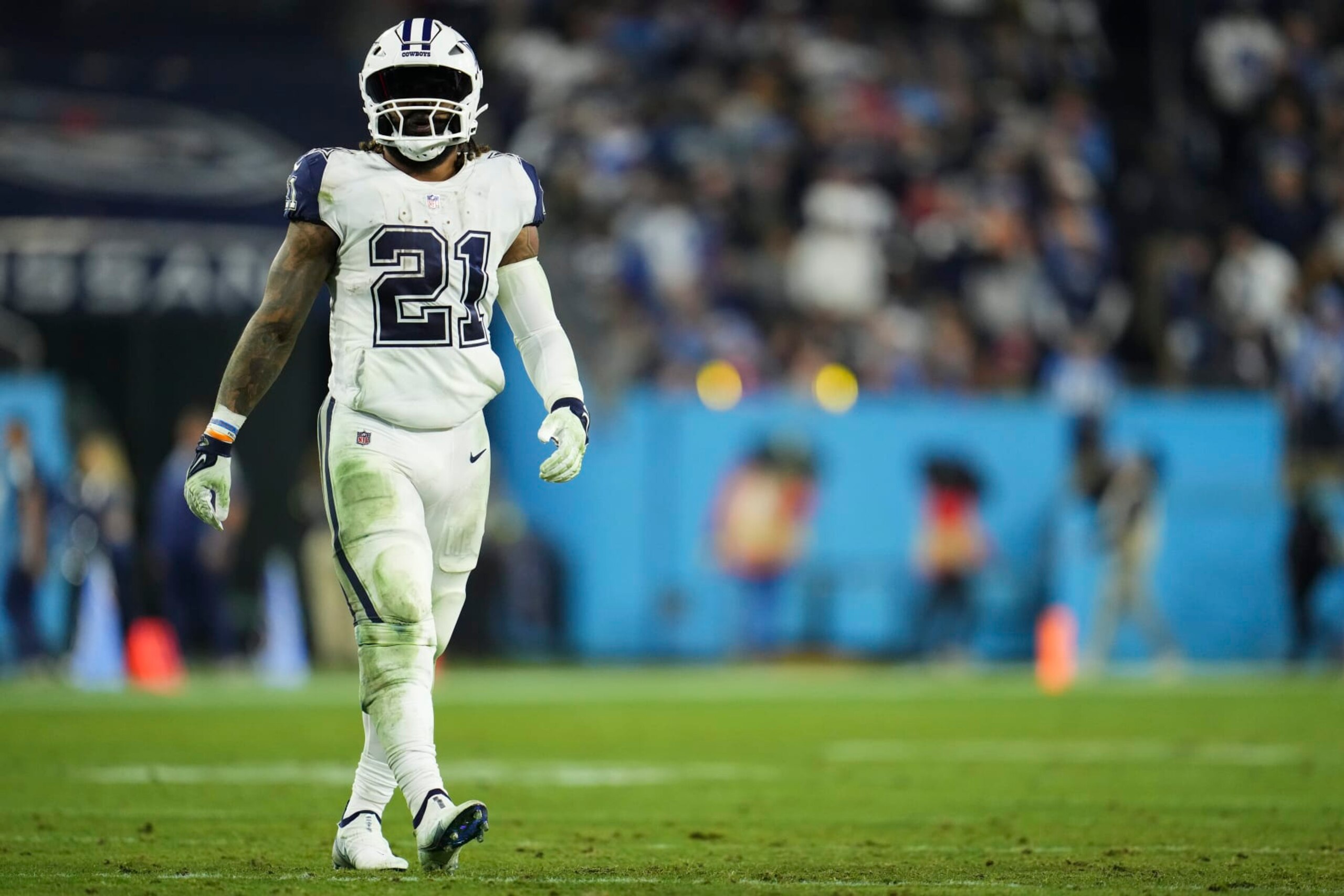


The Dallas Cowboys have shaken things up a bit during the early offseason. They've acquired a couple of valuable veterans via trade and also parted with one of the faces of the recent franchise.
Running back Ezekiel Elliott was released in a move that was financially sensible but sentimentally difficult.
"It's tough," quarterback Dak Prescott said, per NFL Media's Nick Shook. "Really can't imagine taking the field without him."
Dallas isn't simply looking to be different than it was in 2022, of course. The Cowboys are looking to be better than the team that was ousted in the divisional round.
Here, you'll find a look at Dallas' three biggest moves of the offseason thus far and how they grade out based on factors like value, potential impact and cap consideration.
Trading for Stephon Gilmore
1 of 3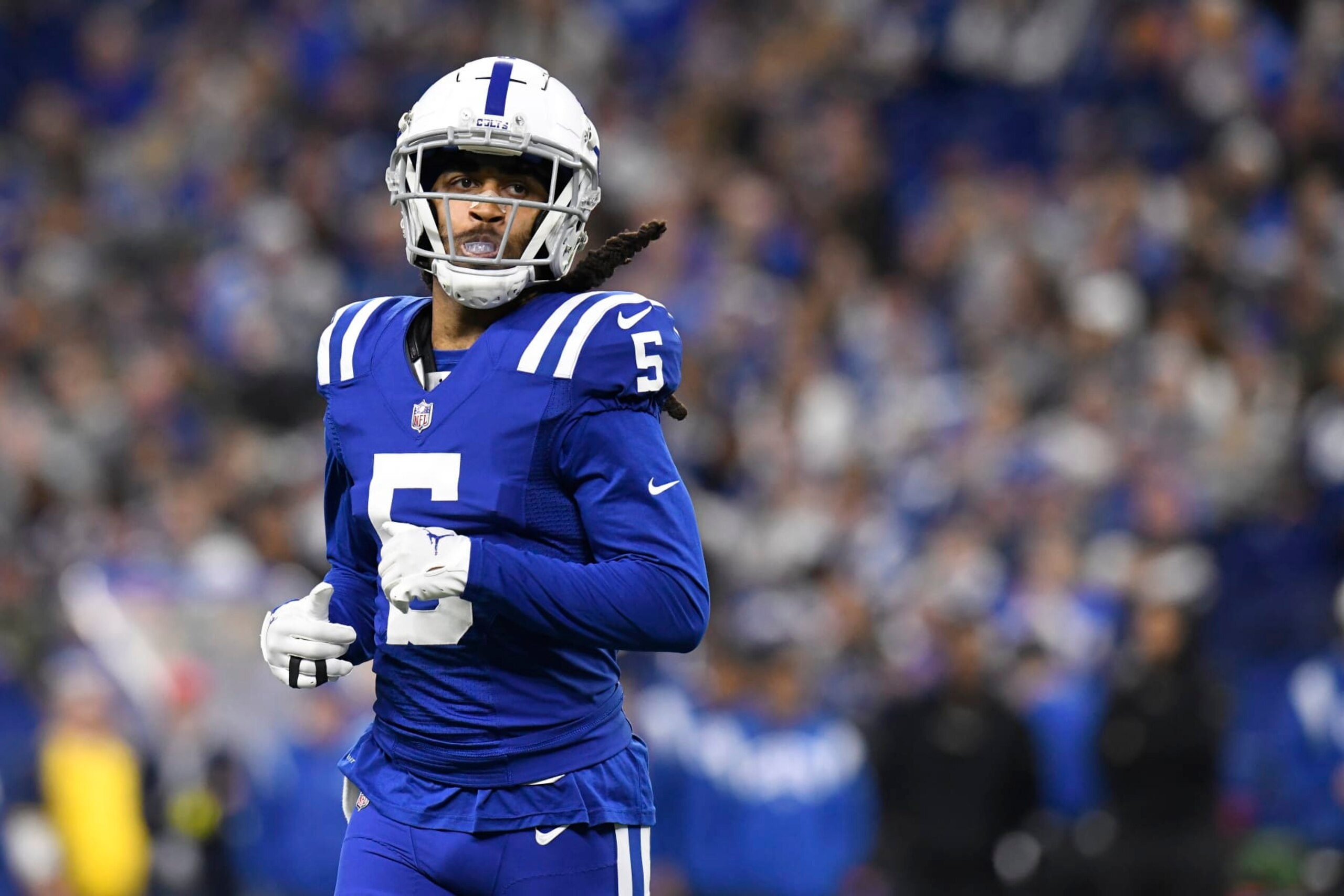
As of Sunday, the Cowboys had not added any new players via free agency. However, they did land cornerback Stephon Gilmore in a trade with the Indianapolis Colts. The cost was a mere fifth-round pick.
By acquiring Gilmore, the Cowboys add another quality starter to their already talented secondary. This past season, the 32-year-old logged 66 tackles, 11 passes defended and two interceptions. He allowed an opposing passer rating of only 74.0 in coverage.
Gilmore should be viewed as an upgrade over Anthony Brown, who suffered a torn Achilles in Week 13 and who remains a free agent. Gilmore and Trevon Diggs should immediately become one of the league's top cornerback duos.
The cost to acquire Gilmore wasn't high, and his $8 million base salary is entirely reasonable. However, this was clearly a win-now move, as Gilmore is only under contract through the 2023 season.
This decision will grade even higher if actually helps Dallas get further in the postseason in 2023. In a vacuum, though, it's a bargain deal for a great player, and that should be viewed as a win for Dallas.
Grade: A-
Tagging Tony Pollard, Releasing Ezekiel Elliott
2 of 3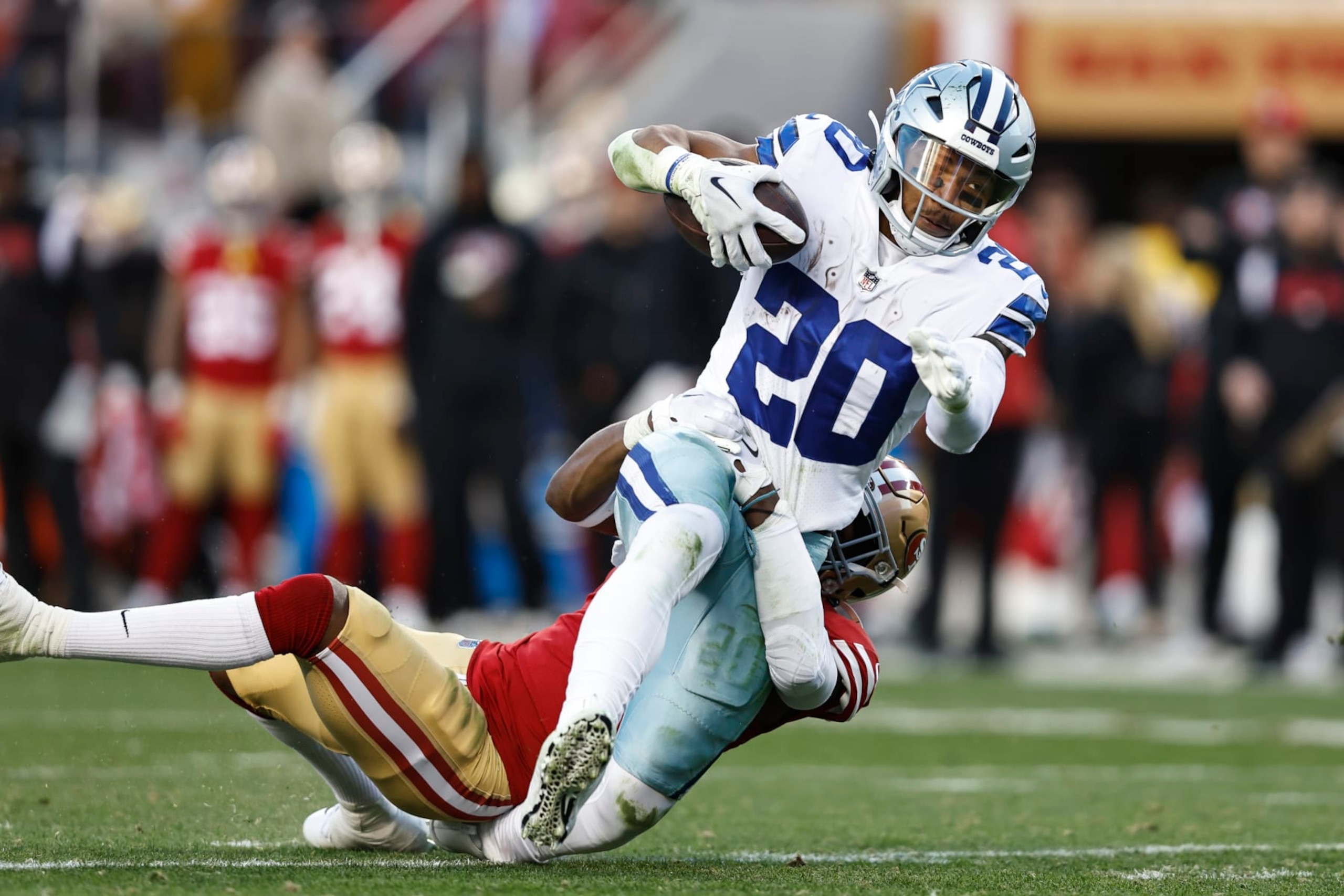
The Cowboys kept running back Tony Pollard via the franchise tag and parted with Elliott by cutting him with a post-June 1 designation. Once Elliott's contract is off the books on June 2, it will clear $10.9 million in cap space.
The cost of tagging Pollard? $10.1 million.
Dallas essentially picked Pollard over Elliott at a similar price, and it made the right decision. While Pollard is coming off a fractured leg, he was by far the more explosive member of the duo in 2022.
Pollard averaged 5.2 yards per carry en route to a Pro Bowl appearance, while Elliott averaged just 3.8 yards per rush. The Cowboys will miss Elliott's toughness and ability to find the end zone (12 rushing touchdowns in 2022), but Pollard was the correct back to keep.
Dallas will presumably dip into the draft pool—where the Bleacher Report Scouting Department has 15 running backs ranked among its top 150 players—to find Pollard's next running mate.
The question is whether tagging Pollard was the right way to retain him—though a long-term deal could be an eventuality. Fellow Pro Bowler Miles Sanders only earned a deal worth $6.4 million annually on the open market.
If Dallas doesn't work out an extension with Pollard, they likely overpaid just to deal with his contract again in 2023. It's a net positive financially, but this was not a home-run set of moves by the Cowboys.
Grade: C+
Trading for Brandin Cooks
3 of 3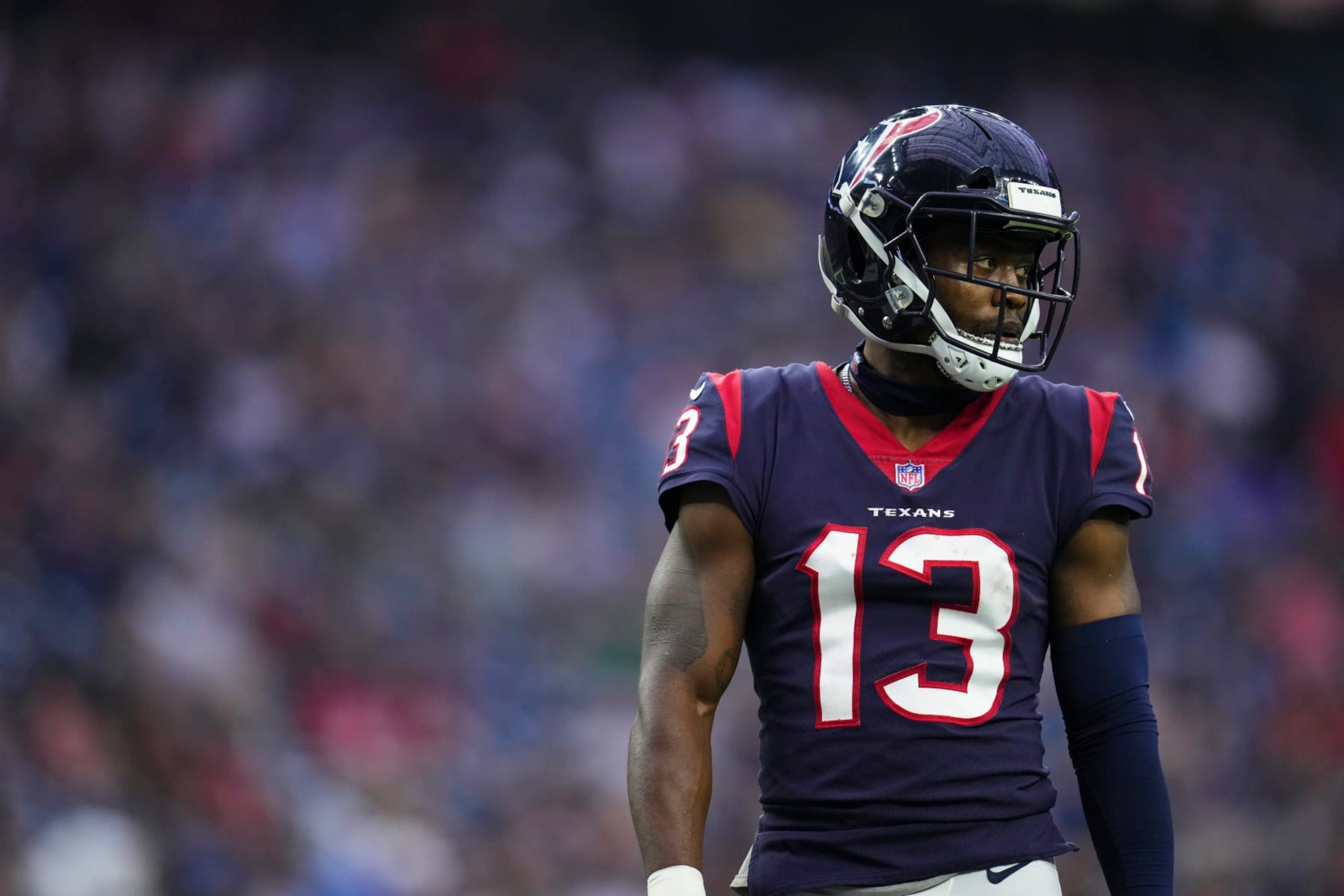
The Cowboys finally have their dynamic third receiver to partner with CeeDee Lamb and Michael Gallup. On Sunday, Dallas sent a 2023 fifth-round pick and a 2024 sixth-rounder to the Houston Texans for wideout Brandin Cooks.
Cooks is a speedy deep threat who should give Prescott another dynamic downfield target in the passing game.
According to ESPN's Adam Schefter, Cooks restructured his contract over the weekend so that Houston will pay $6 million of his 2023 base salary while Dallas will take on $12 million.
$12 million is a fair price for a receiver with six 1,000-yard campaigns on his resume. However, it's still a bit high for a Dallas team that is short on cap space, especially considering Cooks was less effective (699 yards) while battling a calf injury in 2022.
Dallas, which had $13.5 million in cap space before the trade, will now be up against the cap and in need of relief before April's draft.
There's no guarantee that Cooks can return to form, and so there is a notable level of risk involved in the decision. On paper, though, it's a solid deal because Dallas didn't overpay in the trade and got Houston to take on some of the financial obligation.
Grade: B+
*Cap and contract information via Spotrac. Advanced statistics from Pro Football Reference.
.jpg?w=2560 "Chargers Chiefs Football")
.jpg?w=2560)
.jpg?w=2560 "Seahawks Chiefs Football")

.jpg?w=2560 "Grading SmackDown 🔠")