Woj: NBA Pursuing 'Upper Salary Limit' in CBA Negotiations with Players Union
The NBA reportedly is seeking to add an "upper salary limit" in its negotiations with the National Basketball Players Association on a new collective bargaining agreement, according to ESPN's Adrian Wojnarowski.
Unsurprisingly, the proposal has been met by the "firm resistance of the NBPA, to the point of the union considering it a non-starter in discussions, sources said," per Wojnarowski.
Essentially, the league is proposing a hard cap in an effort to keep payrolls from skyrocketing as teams re-sign their veteran players to lucrative deals and exceed the soft cap. The classic example is the Golden State Warriors, who already have a scheduled $214 million active roster cap for next season with the salaries they have on the books.
TOP NEWS

LeBron's Special Helicopter Deal

MJ Makes Record-Setting Donation 🙌
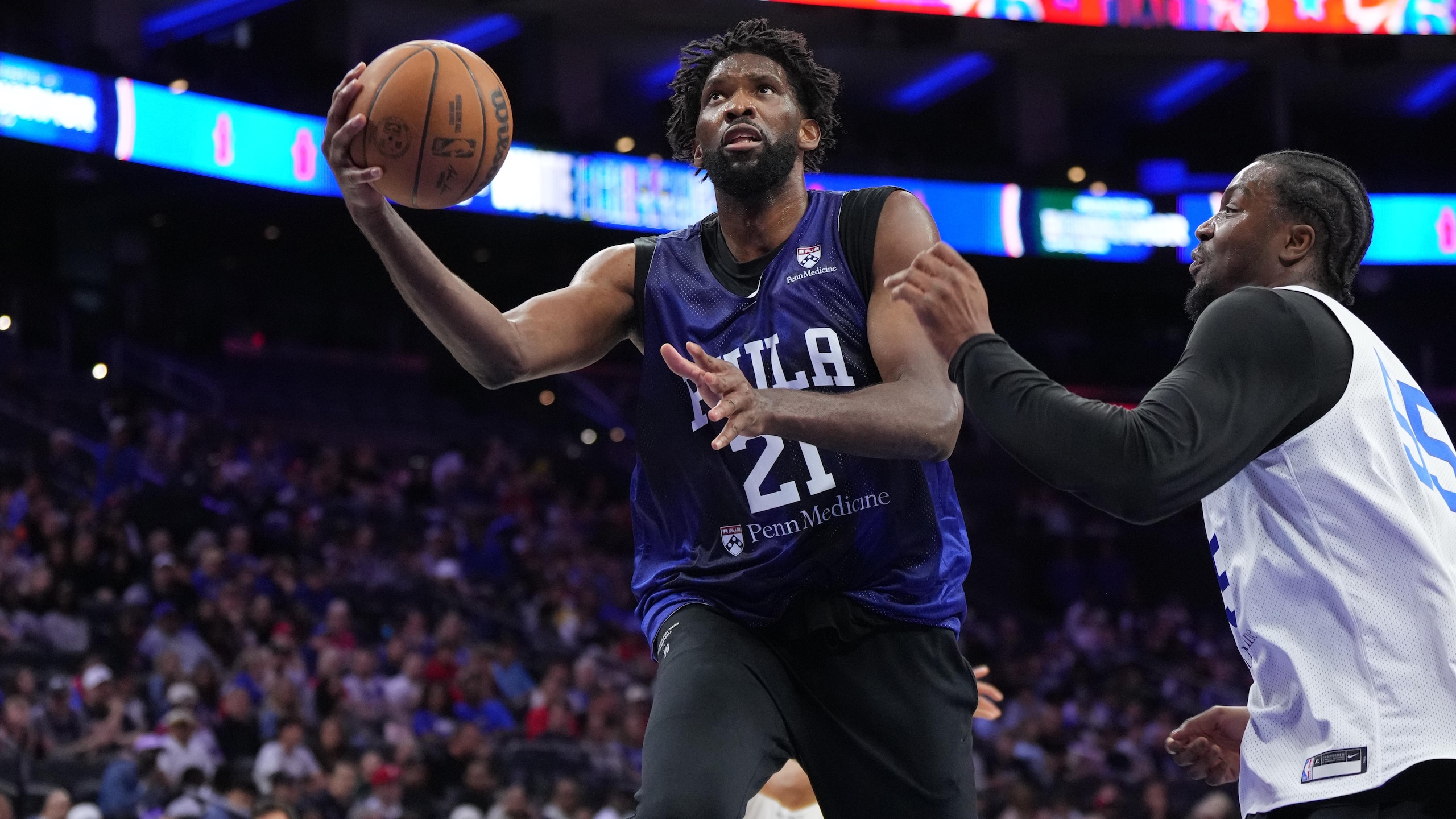
Report: Embiid Down to Rookie Weight
Per Woj's report, the hard cap would replace the current luxury tax system, which allows teams to exceed the soft cap but charges them increasing financial penalties as they further exceed the cap.
Technically the NBA currently has a hard cap, but it is only triggered after a very specific set of events:
From the player perspective, however, instituting a hard cap would inevitably decrease their earning potential, disincentivizing or even preventing teams entirely from signing veterans to lucrative deals. It's not a system they'll soon be interested in pursuing.
"There will be a lockout," a source from the player's side of the situation told NBA reporter Marc Stein, "before there's a hard cap."
One reason the players might draw a hard line is that the league is about to be even more flush with cash.
As Stein reported: "A lucrative new television deal, expected to be worth at least double the NBA's current nine-year, $24 billion (with a B) TV pact, should be in place starting with the 2025-26 season. The prospect of expansion later in the decade, after that new television contract is secured, promises to pump billions more into ownership coffers."
The perspective of the league's owners, outside of obviously wanting to keep a greater piece of the revenue pie for themselves, is that smaller-market teams may struggle to keep up with the spending power of more lucrative franchises like the Warriors.
But the players are going to be hard-pressed to feel too bad for billionaire owners—whether they are in smaller markets or not—who are about to benefit from a massive new television deal. If the owners persist with this proposal, a lockout could indeed be coming.

.jpg?w=2560 "2 NFL Officials Suspended")

.jpg?w=2560 "Mahomes' Wife Trolls Kubiak 💀")
.jpg?w=2560 "Injury-stricken Seahawks signing veteran RB")
.jpg?w=2560 "Love's Body Already 'Tired'")