

As we hurtle toward a World Series in which either the No. 5 seed San Diego Padres or No. 6 seed Philadelphia Phillies will represent the National League, more than two dozen teams have already started trying to figure out what to do about their biggest offseason dilemmas.
We've picked what looks like the biggest one for each of the 30 teams.
A lot of our dilemmas center around if/when to give a key young player a big contract extension.
Between Atlanta's thriving strategy of locking up players on long-term deals as soon as reasonably possible and Washington trading Juan Soto despite two-and-a-half years of team control remaining, there seems to be a growing trend of franchises making major decisions on young stars long before it's contractually necessary to do so. And while Julio Rodríguez-sized contracts certainly won't be the norm, it will be interesting to see how many teams bet big on players who haven't been in the bigs for long.
There are also quite a few free-agency-based dilemmas, from the Los Angeles Dodgers and New York Mets needing to decide where to spend their copious dollars to the Arizona Diamondbacks, Chicago Cubs and others needing to decide if a couple of big splashes might be enough to get them back into the playoffs—where, clearly, anything is possible.
Teams are listed in alphabetical order by location.
Arizona Diamondbacks: Go for It or Not?
1 of 30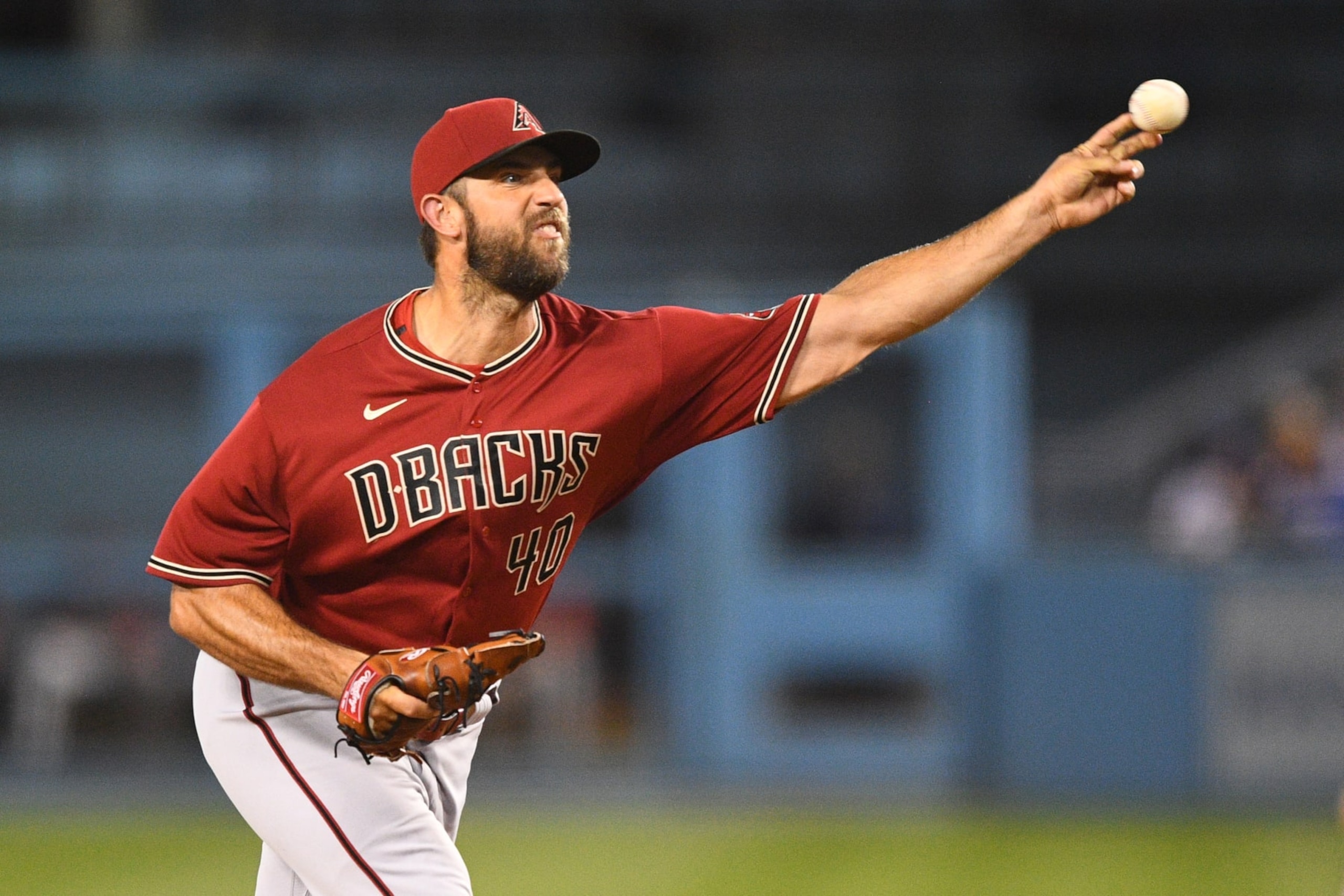
Even with Madison Bumgarner's salary ($23 million in 2023) still weighing them down, the Diamondbacks are in a good position to make a postseason push next year.
Save for Zach Davies ($1.5 million mutual option that he will most likely opt out of), Ian Kennedy ($4 million club option that Arizona probably won't pick up) and David Peralta (traded to Tampa Bay in July), it looks like everyone who played even a semi-significant role on this year's team should be back in 2023.
And with key players like Daulton Varsho, Jake McCarthy, Alek Thomas and Corbin Carroll still in that pre-arbitration, team-control, super-inexpensive window, Arizona should have room in the budget for at least one big offseason signing.
No, they're not getting Aaron Judge or Jacob deGrom. But the Diamondbacks could go get someone from the "probably too old/injury-prone to get a five-year deal but still good enough for a lucrative one-year or two-year contract" tier of free agents. Maybe someone like Clayton Kershaw or Noah Syndergaard to bolster the starting rotation, or someone like J.D. Martinez or José Abreu to improve what was a disastrous DH situation this season.
Atlanta Braves: Re-Sign Dansby Swanson or Roll with Vaughn Grissom?
2 of 30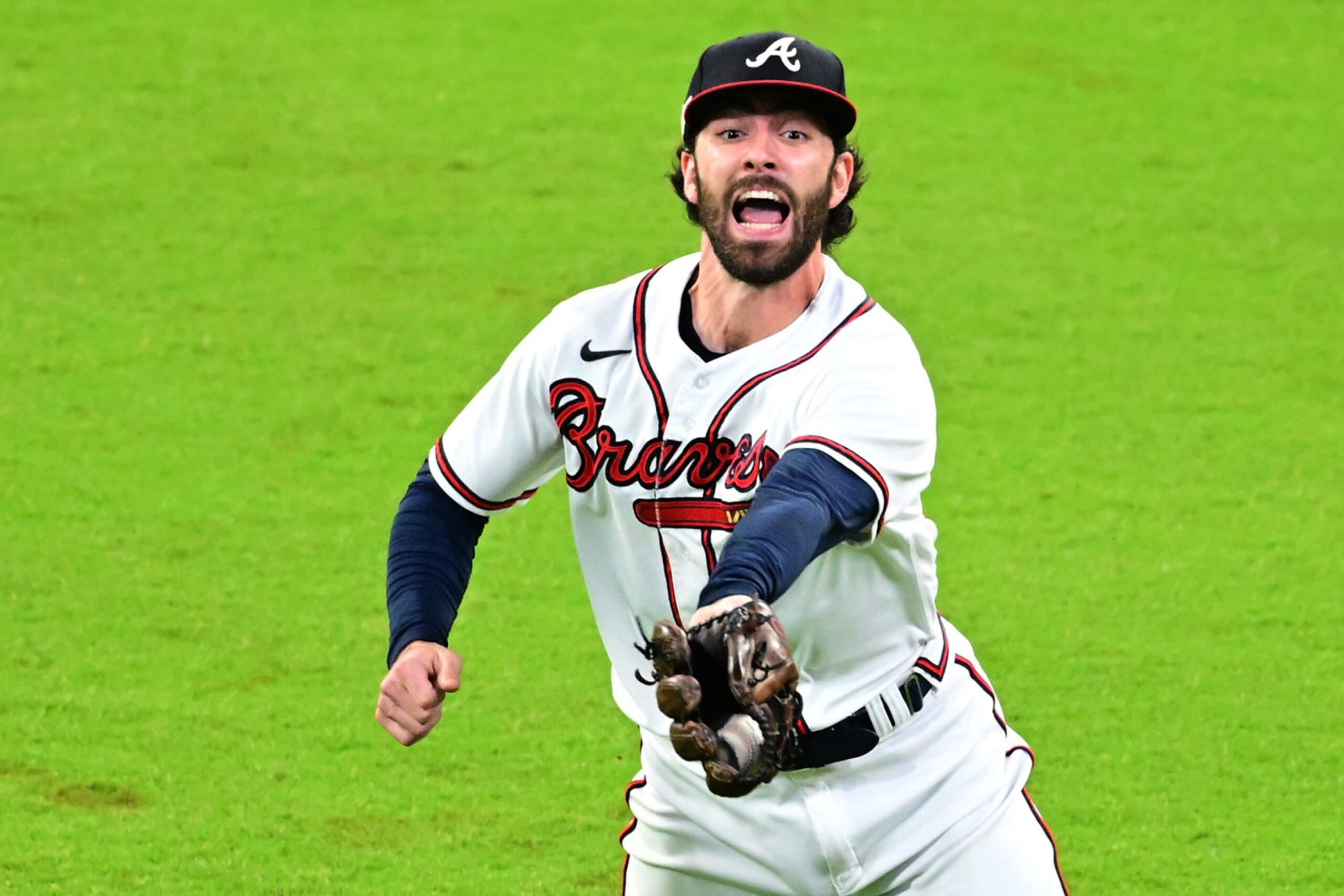
When news of Spencer Strider's contract dropped and we learned that he will only cost Atlanta a total of $6 million over the next three years, the overwhelming response from Braves fans seemed to be, "Oh, sweet, we can still afford Jacob deGrom!"
But where is that money is coming from?
Assuming Jake Odorizzi exercises his $12.5 million player option for next season, Atlanta has already committed $164.3 million to 16 players in 2023.
By the time they work out their arbitration figures with Max Fried, A.J. Minter and Tyler Matzek and figure out what to pay guys like Kyle Wright, William Contreras and Vaughn Grissom who are still under team control, the Braves are going to be creeping up on $200 million—even with the likes of Kenley Jansen, Dansby Swanson, Adam Duvall, Robbie Grossman and Luke Jackson hitting free agency.
If deGrom were literally the only player they signed this offseason, maybe they could make it happen. But that means riding with Raisel Iglesias as the closer after letting Jansen walk (perfectly acceptable) and handing the reins to Grissom at shortstop when Swanson leaves (dilemma).
Grissom's first two weeks in the majors were awesome, but he hit .220 and committed four errors over his final 27 regular-season games. Meanwhile, Swanson had a career year and is still only 28 years old. Letting him walk could really hurt, especially if they don't end up getting deGrom, either.
Baltimore Orioles: Start Spending Some Money Again?
3 of 30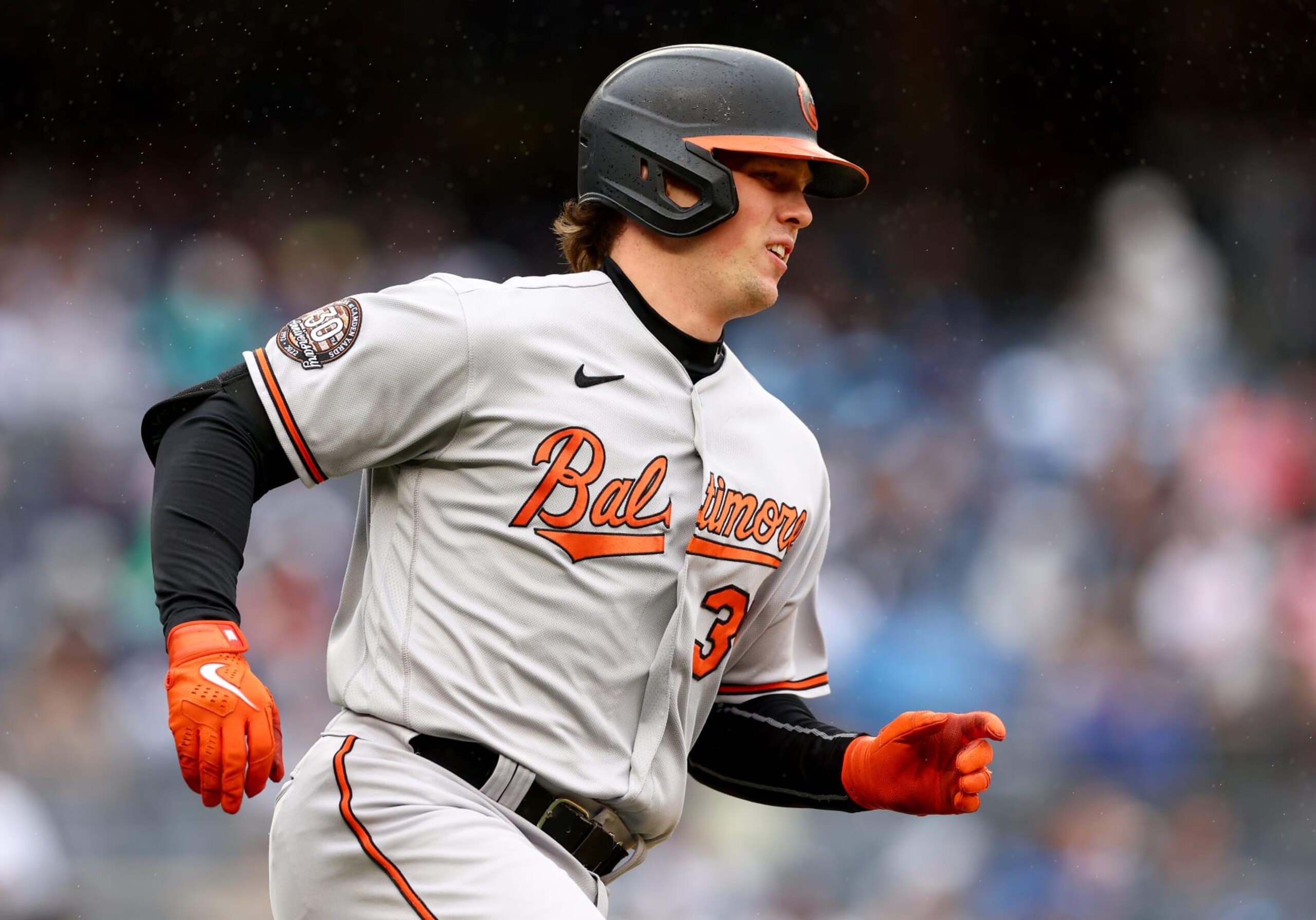
The Baltimore Orioles have been acting in recent years like they're this poor little franchise that can't rub two nickels together.
But they had a $164 million Opening Day payroll in 2017, nearly 300 percent greater than where they began the 2022 campaign.
I can appreciate that the Angelos family has been doing quite a bit of internal legal battling and probably doesn't have the liquid funds that it had five years ago. And spending like the Mets, Yankees and Dodgers do year after year has never been within the realm of possibility for Baltimore.
But, come on. Loosen the purse strings a little bit and make a couple of significant free-agency acquisitions to give what was an 83-win team in 2022 a chance to really compete in 2023.
John Means should be back at some point next season, and MLB's top-ranked pitching prospect, Grayson Rodriguez, might be ready to open the year in the starting rotation. Those "additions" could be huge. And if Gunnar Henderson is as good as advertised, either the 21-year-old can play second base or man the hot corner, sliding Ramón Urías over to second. Either way, it would improve what was the worst second base situation in the majors in 2022.
What the O's need more than anything, though, is some veteran leadership with a winning pedigree. Go get a J.D. Martinez or an Anthony Rizzo, and let him be a guiding light for this otherwise young roster with no postseason experience.

Boston Red Sox: So. Many. Player Options.
4 of 30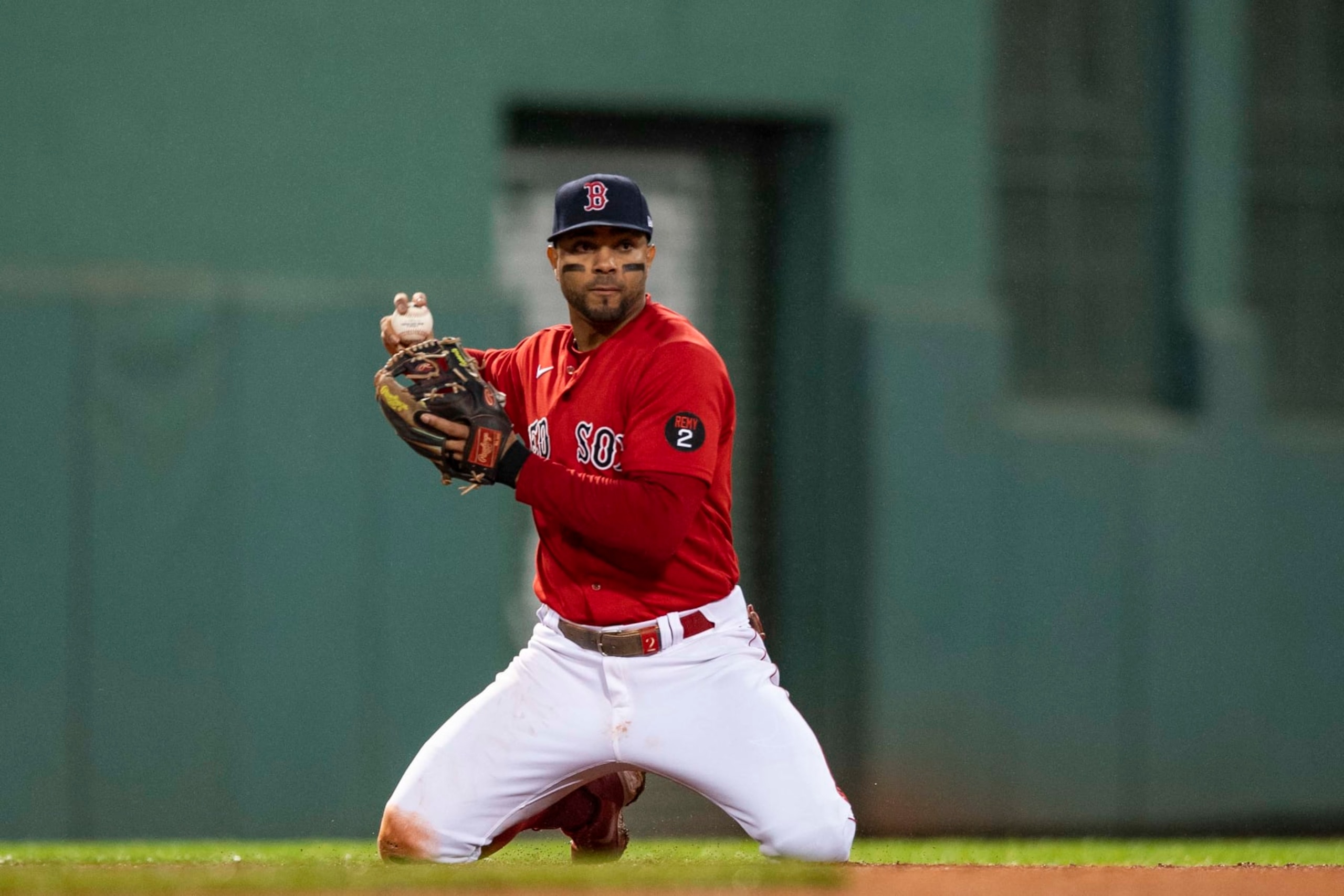
This is a dilemma that is pretty well out of Boston's control, but it needs to start planning for all possible outcomes.
The big player option that has been talked about all season long belongs to Xander Bogaerts, but the Red Sox also have Chris Sale, Eric Hosmer, Tommy Pham and James Paxton on their list of players who could opt out this offseason.
Add those names to unrestricted free agents J.D. Martinez, Nathan Eovaldi, Michael Wacha and Rich Hill and, yikes, what's left of this roster for 2023? Trevor Story and one more year of Rafael Devers before he hits free agency next offseason?
A reasonable assumption is that Sale ($27.5 million in 2023) and Hosmer ($13 million, but San Diego is paying the vast majority of it) both elect to stay, Paxton and Pham both leave and that while Bogaerts probably opts out of the four years and $80 million left on his contract, he lets Boston make him its best offer of a bigger, longer-term deal before looking elsewhere.
But only after knowing what's to come of those player options can Boston fully start to focus on A) what it needs to add via free agency and B) getting Devers a nice, big contract extension.
Chicago Cubs: Time to Go All-In?
5 of 30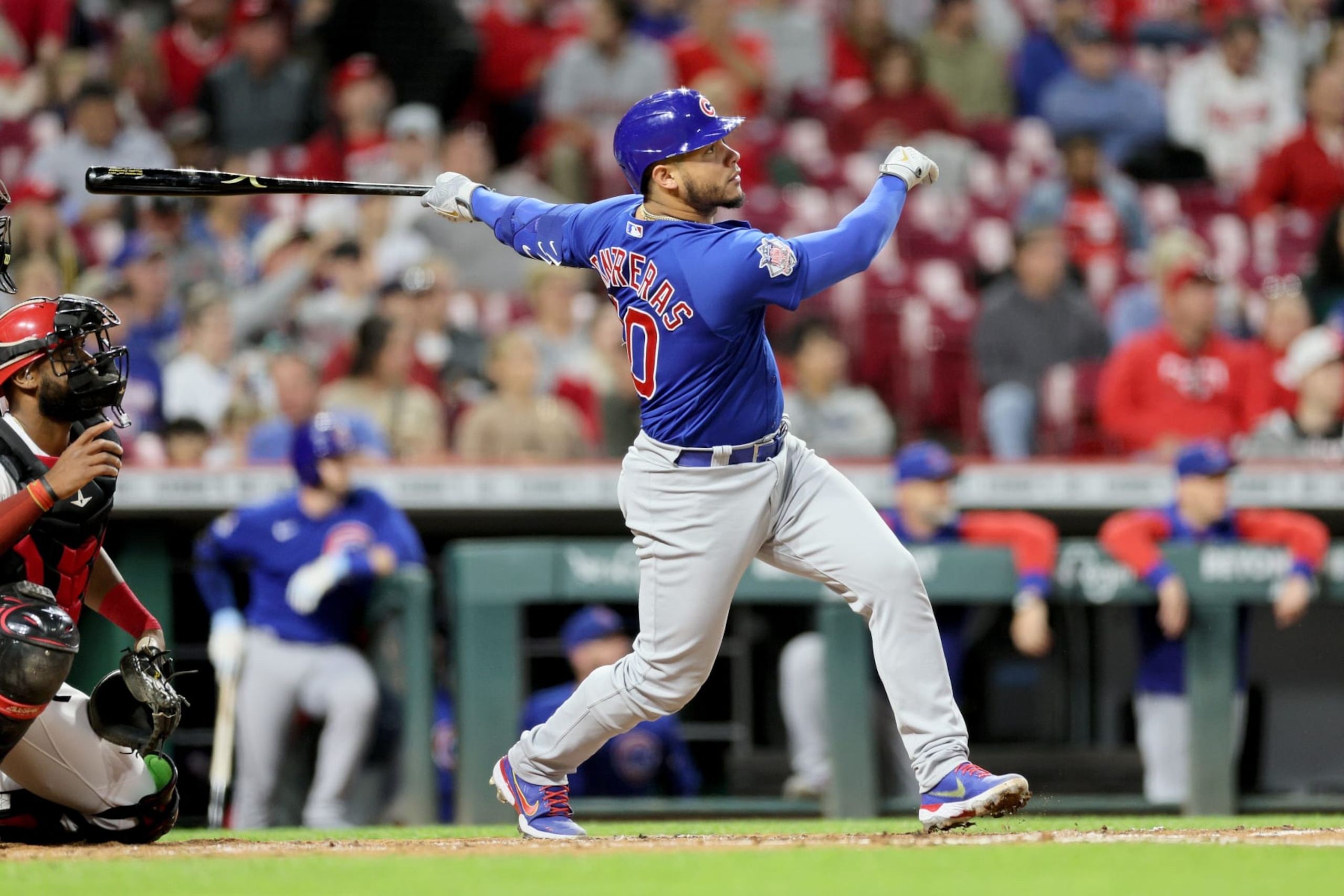
The Chicago Cubs typically have one of the highest budgets in baseball. From 2016 to 2020, they both opened and finished each season ranked top-six in payroll, and 2014 was the only time in the past two-plus decades that they didn't finish in the top half of the league in money spent.
But in advance of a massive class of free agents, the Cubs are sort of stuck in no-man's land.
Do they re-sign impending free agent Willson Contreras, making him the fifth eight-figure salary—along with Marcus Stroman, Seiya Suzuki, Kyle Hendricks and *sigh* Jason Heyward—on next year's payroll?
Do they swing big for an Aaron Judge, a Jacob deGrom and/or one of the four big-name shortstops (Trea Turner, Xander Bogaerts, Carlos Correa and Dansby Swanson)?
Do both and recommit to a top-five payroll?
Do neither and wait until Heyward's contract comes off the books next offseason before hopefully winning the Shohei Ohtani sweepstakes?
And regardless of which of those routes they take, do they extend Ian Happ this offseason or embrace another Contreras situation next year?
A lot of offseason dominoes depend on what the Cubs decide to do.
Chicago White Sox: New Manager? New First Baseman?
6 of 30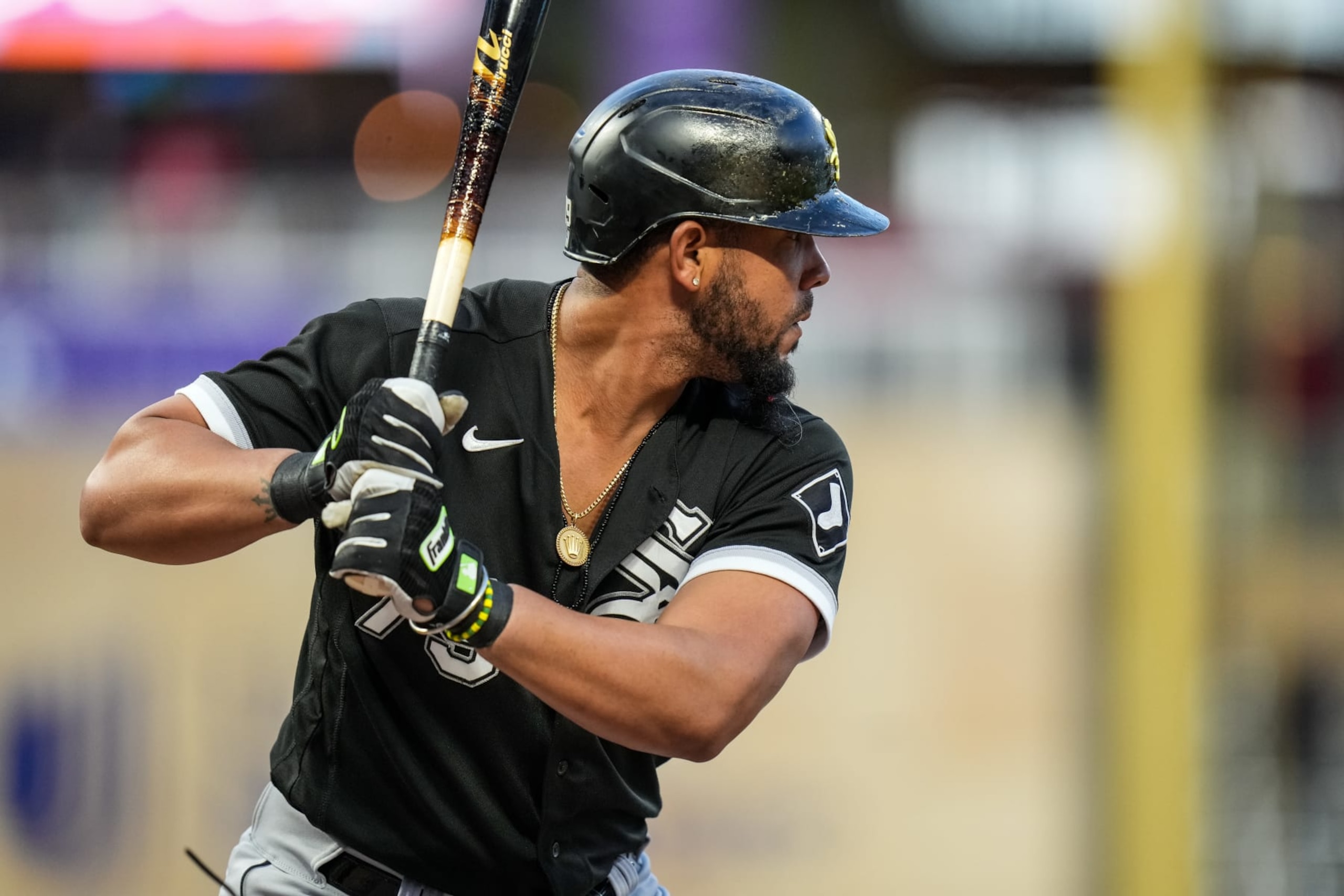
Rather than bring back its most valuable player over the past decade—not to mention one of its only players who didn't spend time on the IL in 2022—it sounds like Chicago is content to let free-agent first baseman José Abreu walk this offseason.
Presumably, the White Sox's plan will be to let Andrew Vaughn and Yasmani Grandal split first base duties in 2023, but they could bring in Josh Bell, Anthony Rizzo or Trey Mancini if they're not completely sold on that in-house solution.
Aside from Abreu, though, the White Sox return pretty well intact in 2023, albeit with a to-be-determined manager calling the shots, as Tony La Russa stepped down from his post because of an ongoing health issue.
As far as candidates go, Sox Machine's Jim Margalus succinctly summed up the "we have no earthly idea" nature of this job search.
It initially sounded like they wanted to replace La Russa with another manager with a ton of experience—someone like Bruce Bochy or Joe Maddon. But they've been interviewing bench coaches with no managerial experience. And these are largely the same decision-makers who surprised everyone in bringing La Russa out of retirement two years ago, which again leaves us feeling like anything is on the table here.
It's a huge decision, though, because Chicago will probably enter next season neck-and-neck with Cleveland as the favorites to win the AL Central. Getting a guy who doesn't intentionally walk batters with two strikes might be enough to set this franchise back on the right track.
Cincinnati Reds: What to Do at Shortstop?
7 of 30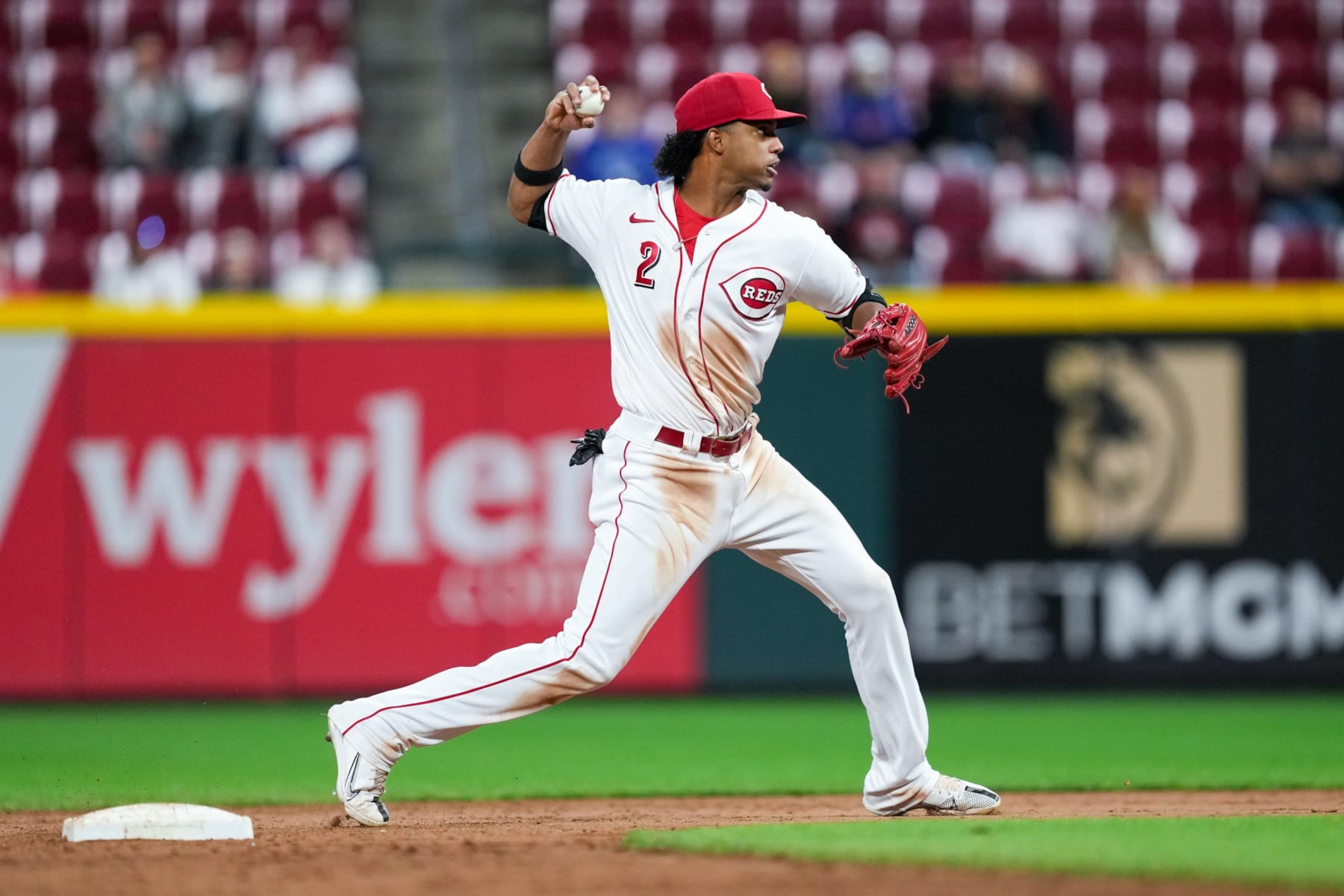
The Cincinnati Reds aren't winning the World Series in 2023, which means next season is all about figuring out their future.
Coming up with a long-term plan at shortstop needs to be at the top of that list, and absolutely not for lack of options.
Elly De La Cruz, Noelvi Marte, Edwin Arroyo and Matt McLain are all shortstops in Cincinnati's farm system. They each rank among the top 75 overall prospects, per MLB.com.
The Reds also have Jose Barrero, who entered this past season as a highly touted prospect but has struggled mightily in the majors, triple-slashing .170/.215/.223 in 93 games over the past three seasons.
Do they give Barrero another shot?
Do they hand the reins to one of the young stars, none of whom have even played a game at the Triple-A level to this point in their careers?
Or do they just put 32-year-old utility infielder Kyle Farmer back at shortstop and give their litany of young'uns another year in the minors to sort out a pecking order? (At least until Mike Moustakas gets hurt and Farmer slides back over to third base and one of those prospects gets the call.)
Beyond that, the Reds might want to think about giving Hunter Greene and/or Nick Lodolo somewhat of a long-term deal before those rookies get too well-established (translation: expensive).
Cleveland Guardians: Big Extension for 1 of Their Stars?
8 of 30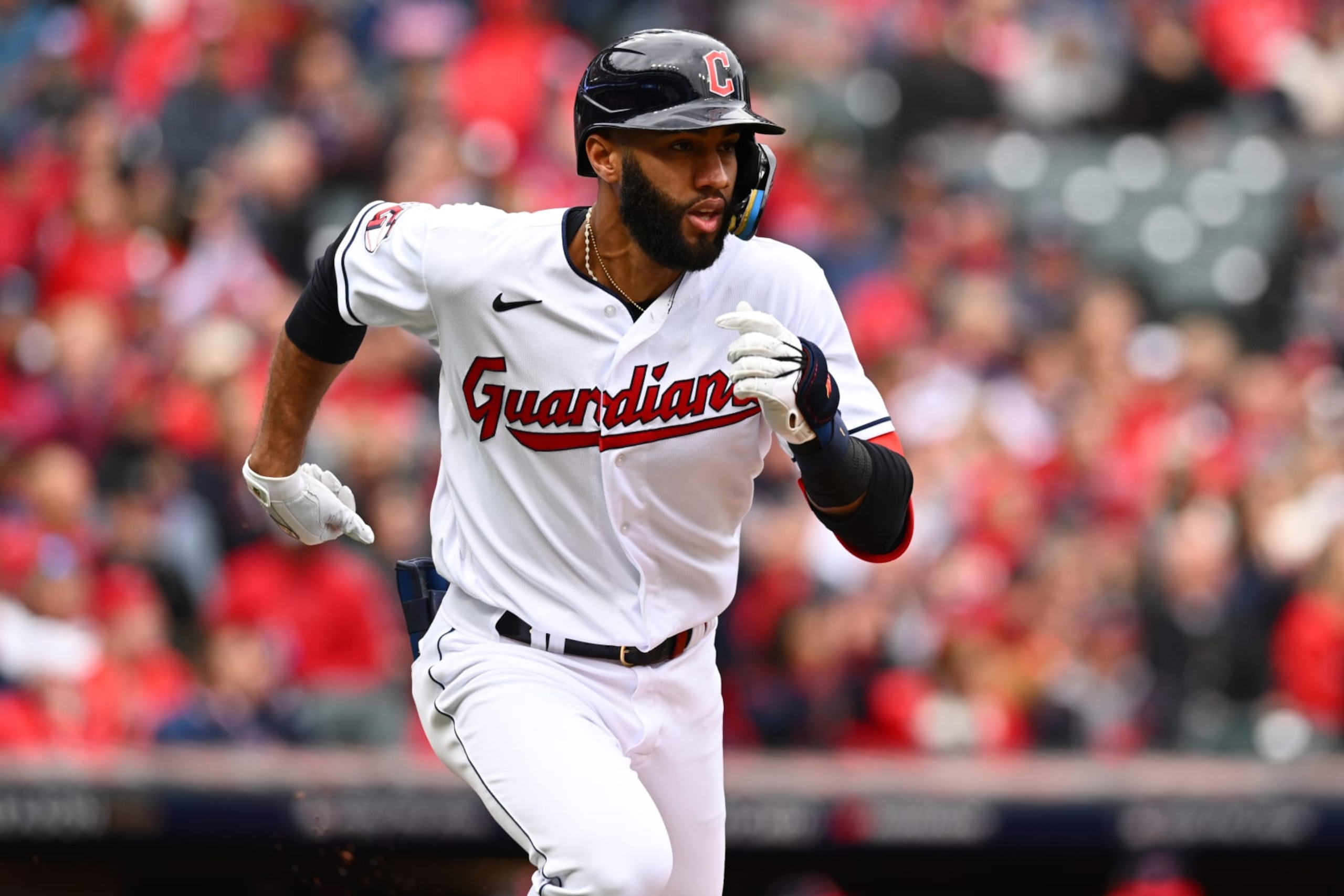
There's probably no rush for the Cleveland Guardians to sign Andrés Giménez or Triston McKenzie to long-term deals. Both had fantastic 2022 campaigns and figure to be key assets for Cleveland for years to come. However, neither young star even reaches arbitration eligibility until 2024, let alone free agency until 2027.
Shortstop Amed Rosario, on the other hand, is scheduled to hit free agency after next season, while starting pitcher Shane Bieber has two years of arbitration eligibility remaining before potentially walking after 2024.
Right now, the only figures on the books for 2023 are the long-term contracts of José Ramírez, Emmanuel Clase and Myles Straw, each of which is favorably priced for the Guardians. Even for this small-market franchise, there should be room in the budget to lock up one of those indispensable players.
Or...
Might Cleveland be in the market for a big free-agent starting pitcher?
This isn't the team likely to give Carlos Rodón a four-year, nine-figure contract, and it probably wouldn't be able to win a bidding war for Jacob deGrom or Justin Verlander. But maybe it could make a run at Clayton Kershaw or pick up a guy like Chris Bassitt or Noah Syndergaard and wait until later to worry about long-term plans with Rosario and Bieber.
Colorado Rockies: Figure out Any Sort of Direction for the Franchise
9 of 30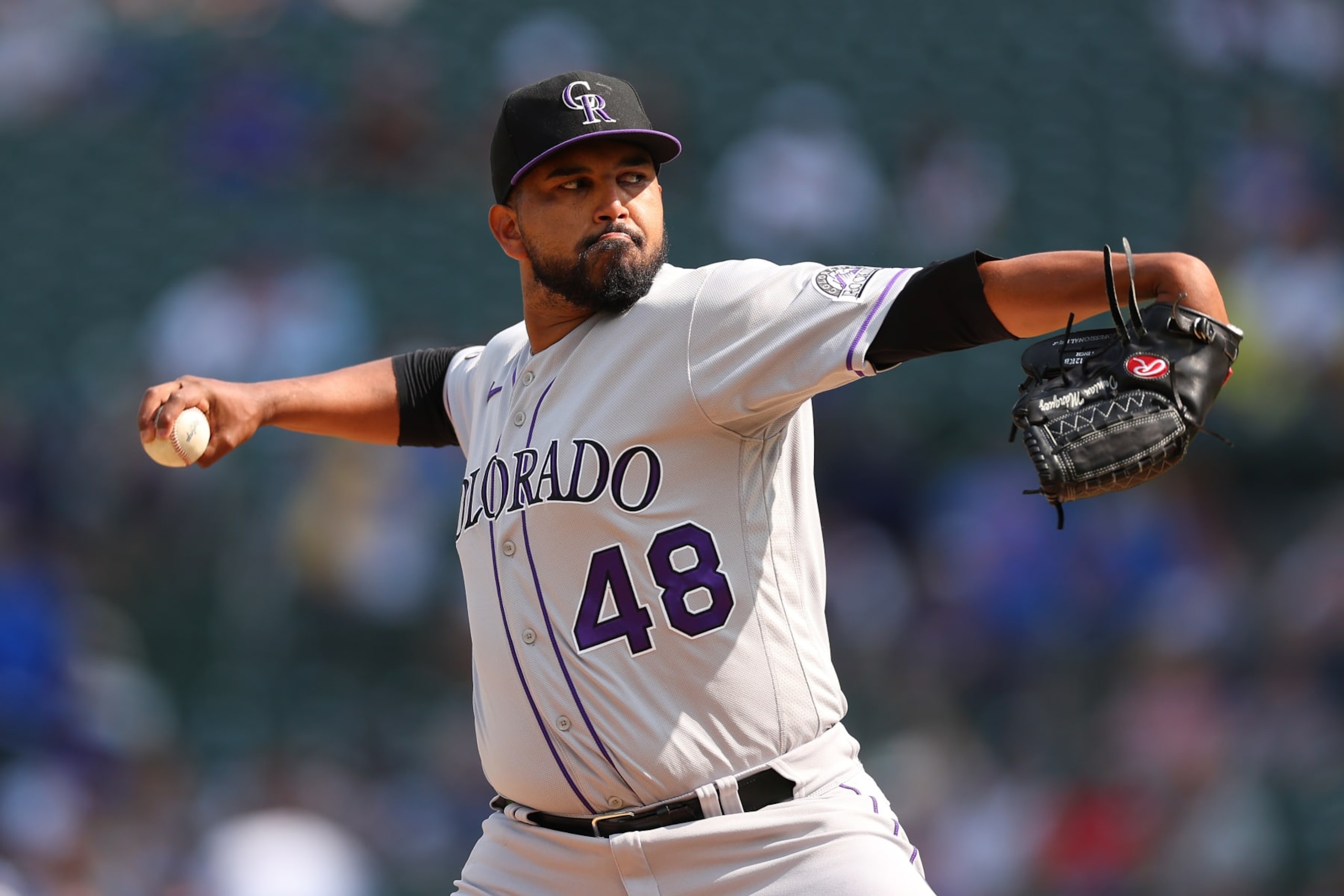
Charlie Blackmon will be back for one more expensive year.
Kris Bryant, Germán Márquez, Kyle Freeland, Ryan McMahon, Daniel Bard and Elias Díaz each return with salaries at least 35 percent greater than what they made in 2022.
Throw in the $21 million in retained money that they owe Nolan Arenado and the Colorado Rockies currently have the ninth-highest payroll—less than $13 million behind the Dodgers in fourth place—for next season.
But is there any realistic chance this team finishes even top-three in the NL West?
The Rockies are spending all this money, but they aren't getting any better. The pitching staff is still a complete train wreck, and not a single hitter with at least 200 plate appearances had an OPS of .800 or better. There were 57 players who hit that mark this season, but Colorado's leader was C.J. Cron at .783.
If they had decided two years ago that they were cool with spending money, maybe they could've held on to Nolan Arenado and Trevor Story and could've at least had an offense capable of making things interesting in this division.
Instead, goodness only knows where this franchise sees itself in two years.
Sure feels like Bryant attached himself to a sinking ship.
Detroit Tigers: Start Thinking About Next Offseason's Dilemma
10 of 30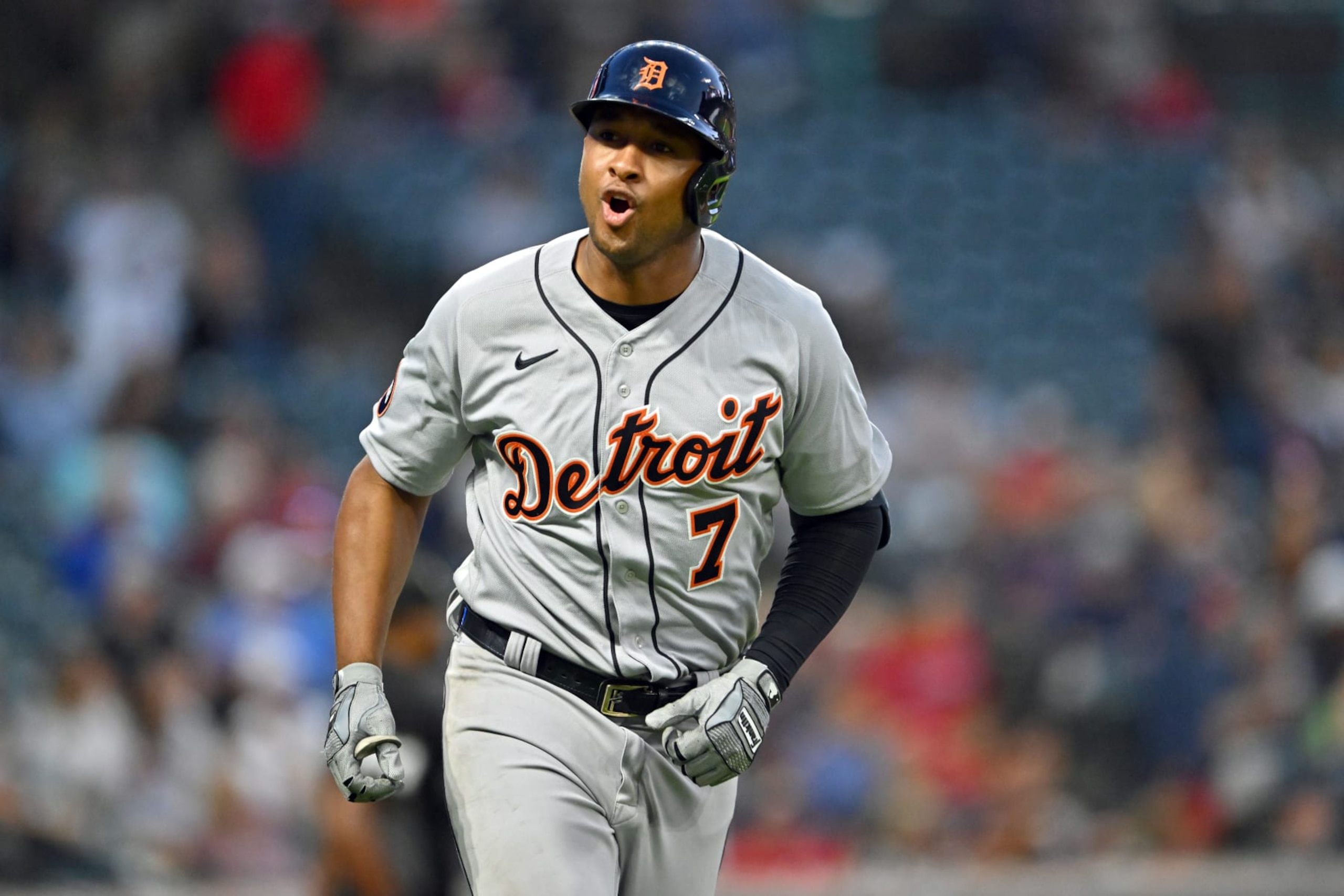
Miguel Cabrera is finally, mercifully, coming off of Detroit's payroll after the 2023 season.
Well, almost. The Tigers will still owe him $8 million in 2024 to buy him out of their mutual option, but at least they can be done paying $30-plus million for a below-replacement-level player.
For better or worse, a whole lot more might be coming off the books, as well.
Jonathon Schoop, Jeimer Candelario, José Cisnero and Joe Jiménez will all be unrestricted free agents one year from now, plus both Javier Báez and Eduardo Rodriguez have opt-outs available after 2023. And if they both decide to leave, Detroit would be left with only one player in 2024 who made more than $1.5 million in 2022 (Austin Meadows).
Do they work on extending Candelario and/or Jiménez or bringing in a couple of free agents this offseason to ensure there's at least some experience on the roster as they enter post-Cabrera life? Or do they embrace the upcoming reset button and start trading anyone who isn't part of the plan for 2024 and beyond?
If they go the latter route, the above quartet of Schoop, Candelario, Cisnero and Jiménez could be intriguing commodities on the trade block during winter meetings.
Houston Astros: Find a Catcher and a First Baseman
11 of 30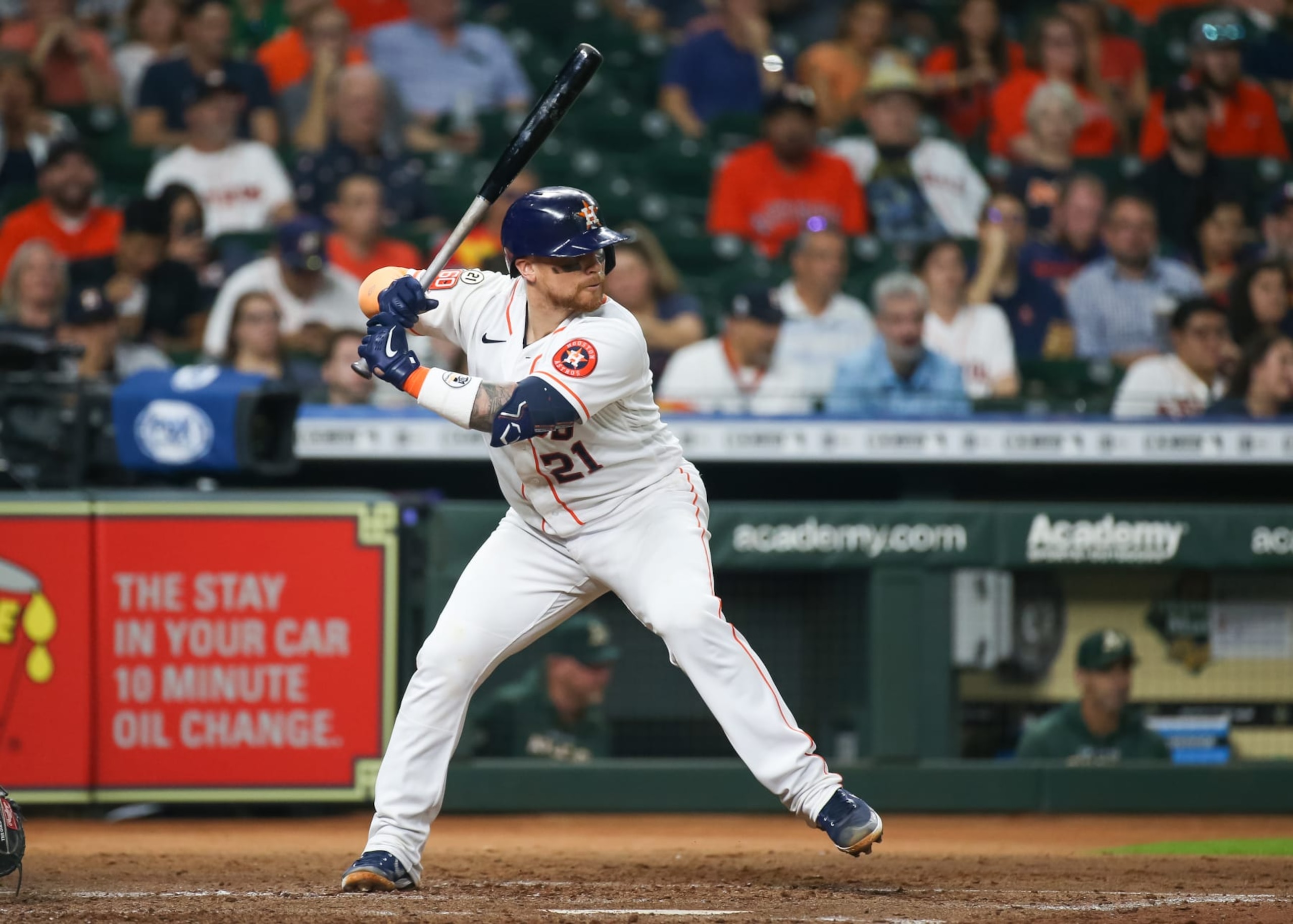
It's not so much a dilemma as it is something Houston just needs to deal with, but catchers Christian Vázquez, Martín Maldonado and Jason Castro are all impending free agents, as are first basemen Yuli Gurriel and Trey Mancini. (Mancini has a mutual option for $10 million, but "mutual option" pretty much always equals "free agent.")
Players outside of that quintet made a combined 22 starts at catcher or first base this season for Houston, and the most recent of those 22 starts came on July 31.
In other words, if those five guys do in fact leave this offseason, Houston needs to replace its starter and backup at both positions.
And if there is a dilemma, it's that there aren't that many options to be found in free agency.
José Abreu could be a short-term solution at first base. Josh Bell would be a longer-term solution. But if Anthony Rizzo stays with the Yankees, the third-best first baseman on the market is probably Mancini.
Similarly at catcher, it'd be great if they can get Willson Contreras, but short of that, they'd be better off re-upping with Vázquez than bringing in a new face.
Obviously, the Astros are still focused on this season, but whether they re-sign Mancini and/or Vázquez or take their chances elsewhere will be something to watch for.
Kansas City Royals: Start Trading Impending Free Agents Now?
12 of 30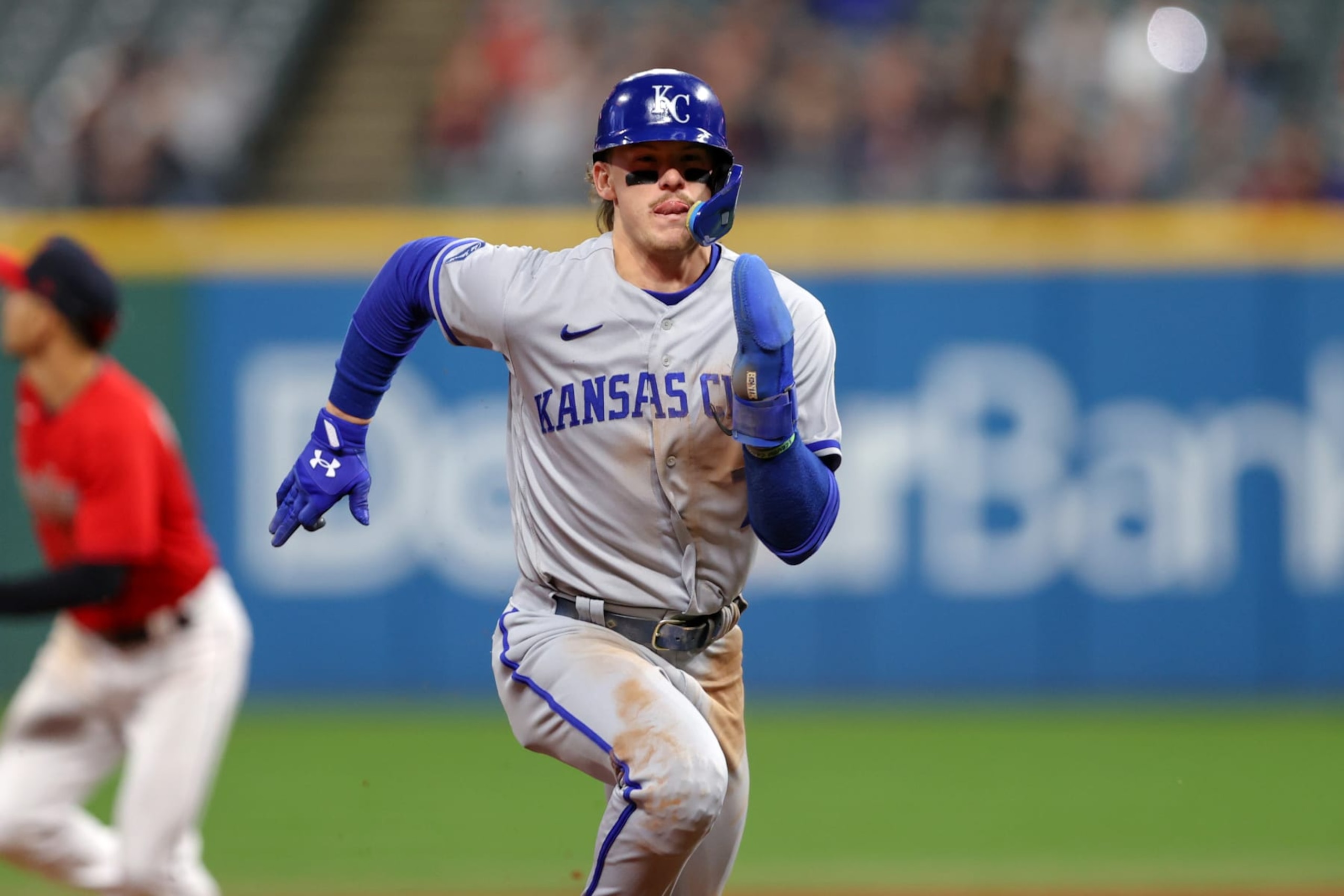
Does Kansas City legitimately think it's going to contend in 2023?
If so, good for the Royals. Take Zack Greinke's $13 million salary that is coming off the books and reinvest it in some desperately needed starting pitching.
If not, is there any point in holding on to—and paying somewhere in the vicinity of $20 million for—Brad Keller, Michael A. Taylor, Adalberto Mondesí, Luke Weaver and Amir Garrett when they're all going to hit free agency next offseason?
Why not trade at least one or two of those guys, get some prospects, save some money and apply those savings to one of those way-earlier-than-necessary-but-cheaper-in-the-long-run types of deals with a young star that the Atlanta Braves have patented in recent years?
I won't pretend to know what it's going to take to sign Bobby Witt Jr. to a long-term deal, but I do know it's going to get more expensive the longer the Royals wait. If they move now, maybe they could get him on a deal similar to Wander Franco's back-loaded 11-year, $182 million contract with Tampa Bay.
Los Angeles Angels: Shohei Ohtani's Future Beyond 2023
13 of 30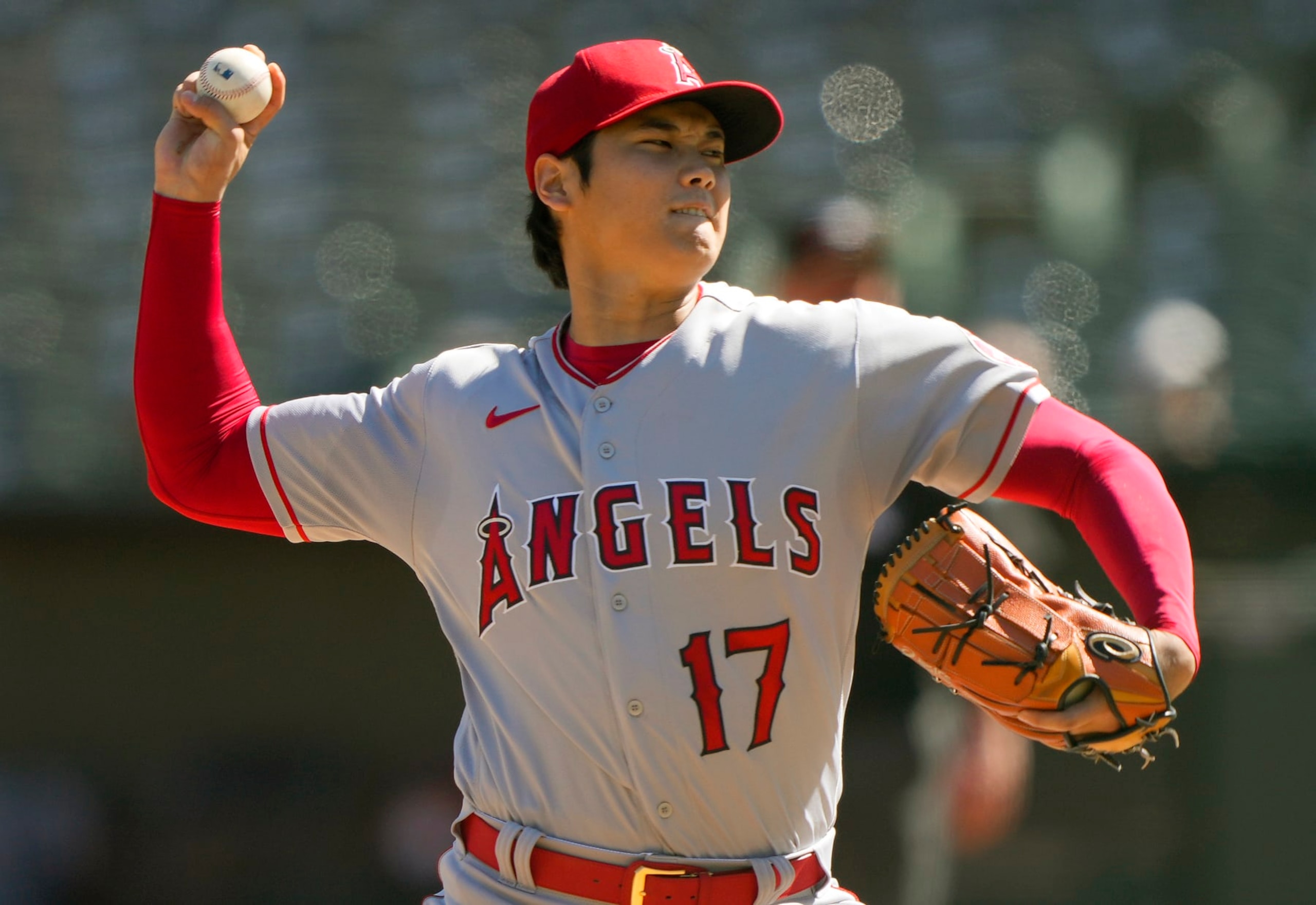
Earlier this month, Shohei Ohtani and the Los Angeles Angels agreed to a one-year, $30 million deal for next season, avoiding arbitration where a judge potentially/likely would have ruled that he's worth more than that.
But 2023 was never the problem. The exact dollar amount was an unknown, but if the Angels wanted to keep him for another year, they always had that option.
It's what happens with Ohtani after next season that we've been anxiously wondering about for months.
Ohtani had a second consecutive fantastic season, joining Ken Griffey Jr. (1996-97), Pedro Martinez (1999-00), Randy Johnson (2001-02), Albert Pujols (2008-09), Mike Trout (2015-16) and Barry Bonds (1992-93 and 2001-04) as the only players to post a Baseball Reference WAR of 9.0 or greater in back-to-back seasons within the past 35 years.
If he has anything close to a third straight season as impressive as the past two, he legitimately could be worth more than $50 million per year on the open market.
Alternatively, the Angels could try to work out a long-term deal with him now.
Also alternatively, they could trade him for prospects now that his 2023 salary is a known commodity and potential trade partners know what one full season of his services would cost.
Or the Angels could just let the good times roll, hoping that Ohtani helps lead them back to the postseason for the first time since 2014 with the idea that they'll trade him before the deadline if they end up destined for an eighth consecutive sub-.500 season.
If there's a bigger offseason dilemma, I'd love to meet it.
Los Angeles Dodgers: Where to Spend All That Money?
14 of 30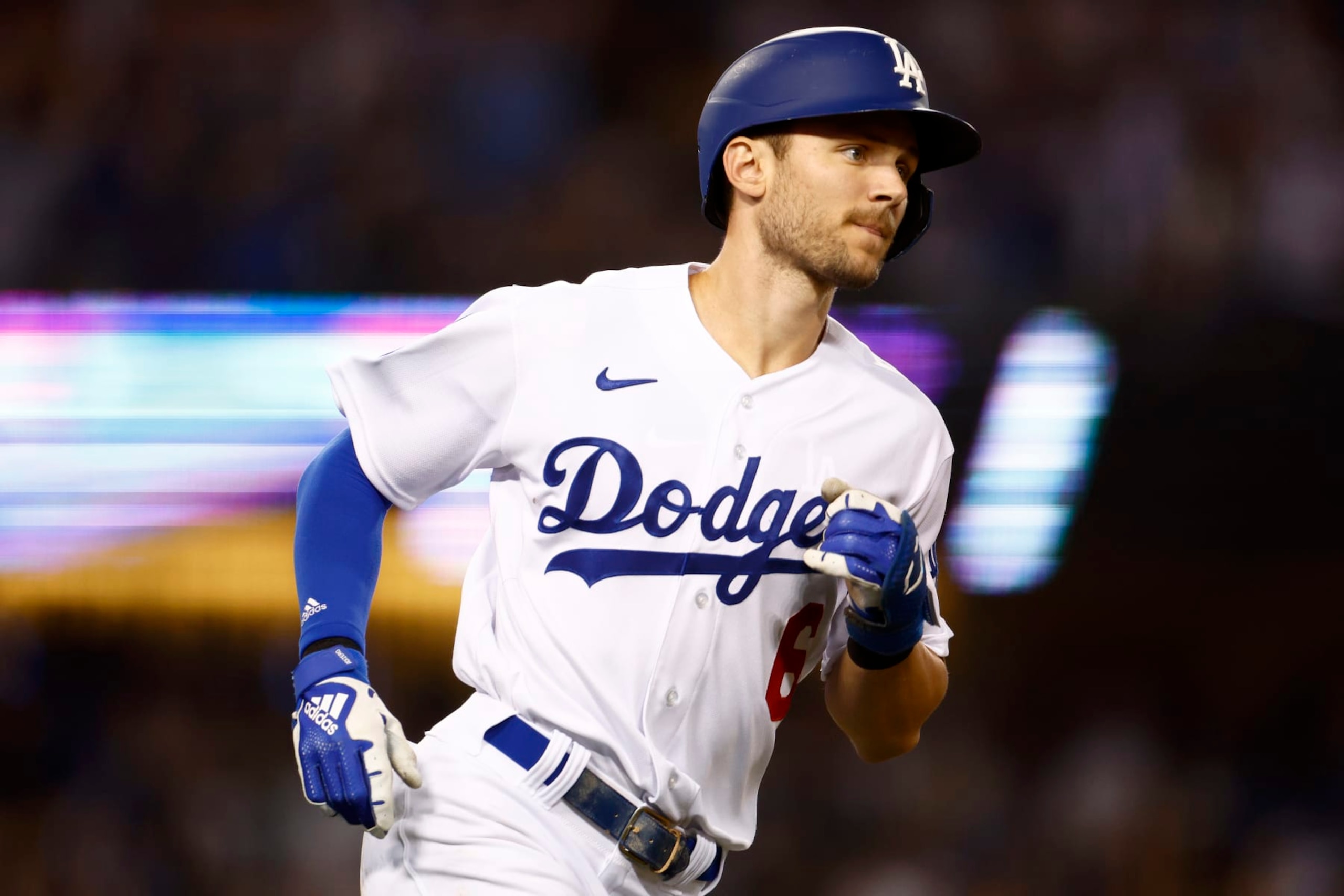
Oh, what a terrible dilemma for the poor Dodgers to have!
Over $100 million is coming off the books with Mookie Betts, Freddie Freeman, Max Muncy, Chris Taylor and others still signed on for next season?
What a pity!
They actually are slated to lose a lot, though.
David Price's $32 million salary going away is a gift, and they certainly aren't sad about kicking Craig Kimbrel's $16 million salary to the curb. But possibly losing Trea Turner, Clayton Kershaw, Tyler Anderson, Andrew Heaney, Chris Martin and Tommy Kahnle is quite a bit for a single offseason.
But "money to spend" is the Dodgers' middle name.
(You probably thought it was "Angeles," but you were wrong.)
They could totally afford to bring back Trea Turner on a 10-year, $350 million deal if they wanted to. Heck, they could re-sign Turner and bring in Aaron Judge or Jacob deGrom and still have a solid $30 million to spend before closing in on their 2022 payroll.
The Cubs might be this offseason's biggest domino, but the Dodgers are in a position to be the biggest bully, legitimately able to sign two or three of the five biggest free agents on the market.
Miami Marlins: Trade Some Pitchers? Which Ones?
15 of 30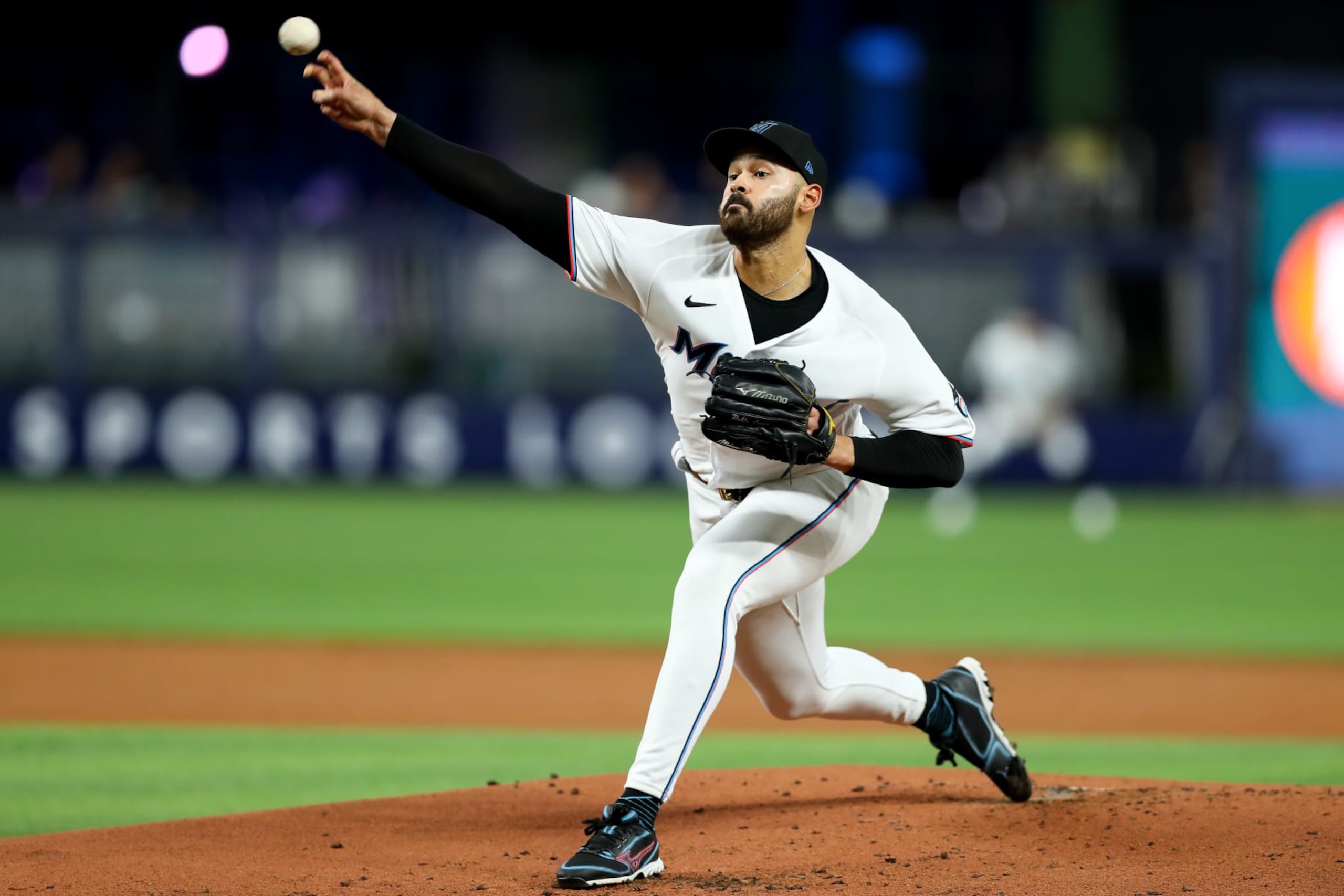
For a team that lost 93 games, Miami is in the uncommonly envious position of having more starting pitchers than it can reasonably use.
Sandy Alcantara isn't going anywhere, but between that ace, Pablo López, Trevor Rogers, Elieser Hernández, Jesús Luzardo, Braxton Garrett, Edward Cabrera and (if he's ever healthy) Sixto Sánchez, the Marlins have eight starters who will open next season at 27 or younger who legitimately could factor into a starting rotation for a lot of teams.
Do they just sit on those riches and stash a few guys in Triple-A as injury insurance, or do they flip a few of those arms to hopefully improve an offense that ranked dead last in the NL in runs scored in 2022?
And if they do trade pitchers, who hits the block?
López and Hernández are the obvious candidates, as the only ones scheduled to hit free agency before 2026. But the others (excluding Alcantara)—who were all in their age-24 or younger season in 2022—would probably fetch a greater return on account of their additional years of team control.
It just depends how much pitching talent Miami is willing to part with.
Milwaukee Brewers: Invest in the Starting Pitchers? If They Can?
16 of 30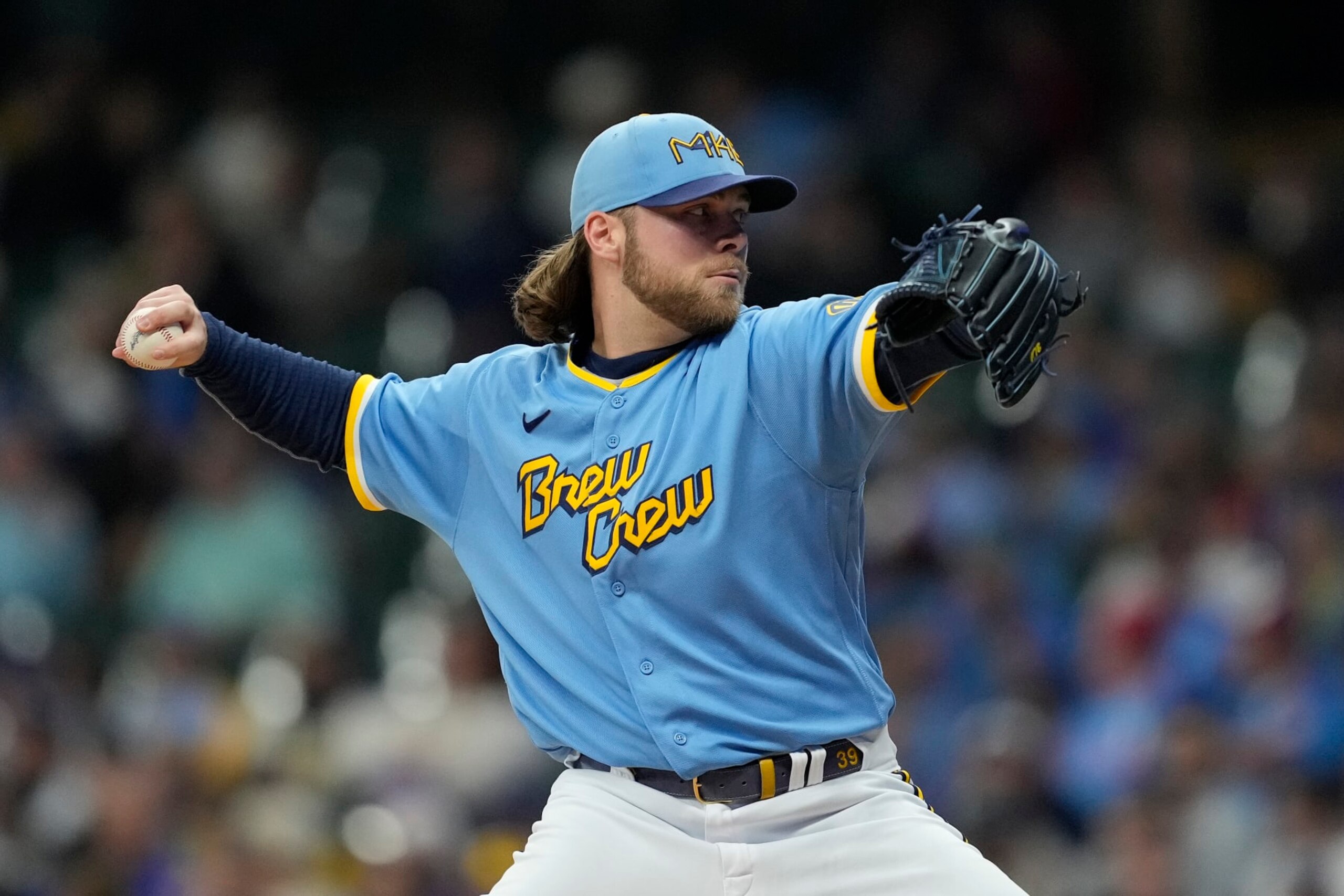
In case it wasn't clear from the trade in which they gave away Josh Hader and pretty much everyone agreed they got fleeced, the Milwaukee Brewers are rapidly approaching a rough spot.
Of the eight players who led the team in bWAR this season—Willy Adames, Corbin Burnes, Kolten Wong, Luis Urías, Christian Yelich, Brandon Woodruff, Hunter Renfroe and Jace Peterson—six are scheduled to hit free agency within the next two years. And one of the two exceptions (Yelich) is just one year into what already feels like it's going to be a painful seven-year, $188.5 million contract extension.
If they want to sign Woodruff ($6.8 million in 2022), Burnes ($6.5 million) or Adames ($4.6 million) to a long-term deal, it's going to cost a whole heck of a lot more on an annual basis than what they paid those three guys this season.
But their farm system isn't great, especially as far as pitching is concerned, so letting Woodruff and Burnes walk after the 2024 season could be disastrous.
So what does this small-market team do?
Milwaukee already had its highest Opening Day payroll ever this season at $131.9 million, so spending big anytime soon on both Burnes and Woodruff—who have the lowest and sixth-lowest ERAs, respectively, among qualified pitchers over the past three seasons—probably isn't in the cards.
Do they try to get Burnes on a long-term deal and just let it ride with Woodruff for the next two years before letting him walk (or trading him in 2024 if things go south)?
Could they possibly lock up both Burnes and closer Devin Williams through 2030 and still afford to fill out a roster for the foreseeable future?
If they don't do anything, things could get ugly two years from now.
Minnesota Twins: Try for Another Carlos Correa Type of Splash?
17 of 30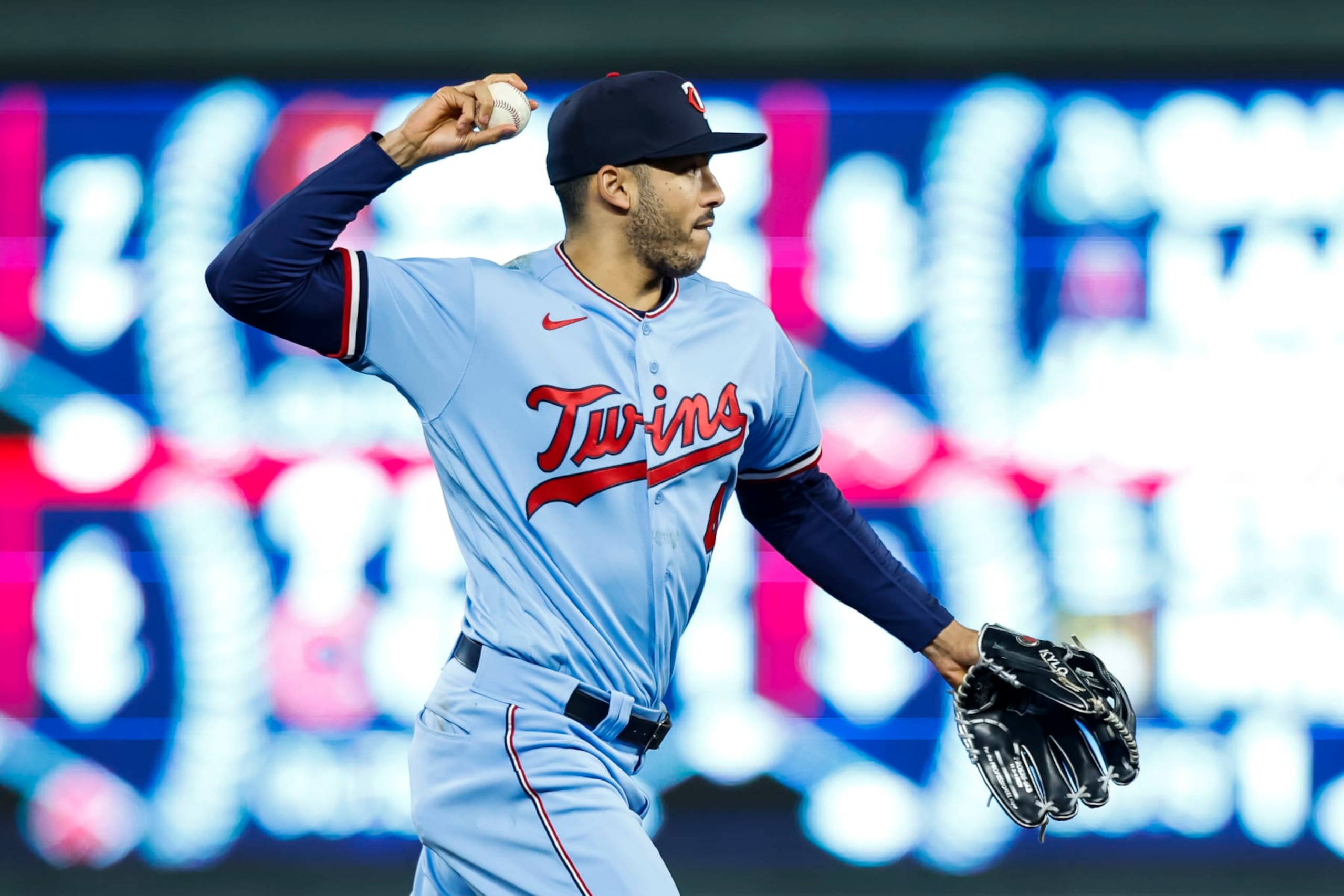
Minnesota has never been a popular destination for big-name free agents. Every now and then a noteworthy DH has signed with the Twins, either late in his career (Jim Thome, Nelson Cruz) or as a sort of stopgap before the next big contract (Chili Davis). But that's about it. So getting Carlos Correa last offseason on a one-year, $35.1 million contract (with player options in the same amount for a second and third season) was a pretty huge deal.
However, Correa has already announced he will opt out of the remaining two years of the deal, so it's back to the drawing board for the Twins—who also have to decide whether they want to exercise club options on Sonny Gray for $12.7 million and/or Dylan Bundy for $11 million.
It's actually probably a good thing for Minnesota, as it opens the door for Royce Lewis (No. 1 overall pick in 2017) to become the everyday starter at shortstop.
But could Minnesota be in the market for another short-term, big-name acquisition at a different position?
If so, two intriguing names to keep an eye on would be starting pitcher Sean Manaea and left fielder Joey Gallo.
Manaea was solid from 2019-21, and Gallo averaged a home run for every 15 plate appearances from 2017-21. But both of those players are about to hit free agency for the first time after a brutal 2022 campaign, and they could greatly benefit from a one-year stop somewhere to hopefully bounce back before trying to ink a five-year deal.
On the Gallo front, goodness knows Minnesota doesn't mind employing strikeout artists, as long as they can mash occasional homers. (See: Byron Buxton, Miguel Sanó, Gary Sánchez and Mitch Garver.)
New York Mets: How Much to Spend on Pitching?
18 of 30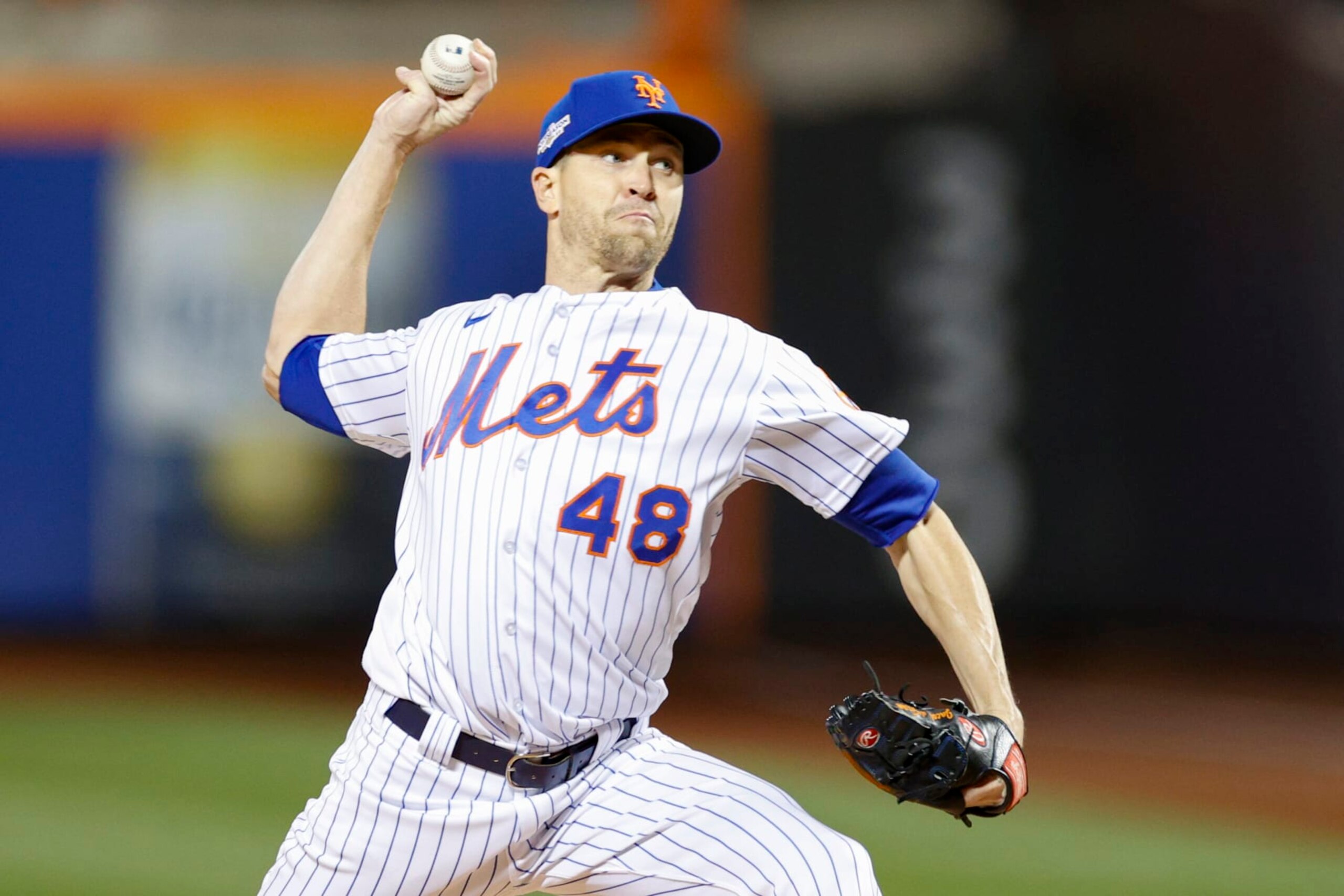
Trying to guess Steve Cohen's budget in putting together a New York Mets roster is a fool's errand.
They ended up with the highest payroll ($282.7 million) in the majors this season, but they also ended up losing the NL East on a tiebreaker and getting bounced in the wild-card round. They might be willing to shell out over $300 million in 2023.
To that end, they have a lot of spots on the pitching staff to figure out.
Both Jacob deGrom and Taijuan Walker have player options that they are almost certainly going to decline. Chris Bassitt and Mychal Givens have mutual options that they are also likely to decline. And then Carlos Carrasco, Edwin Díaz, Trevor May, Adam Ottavino, Seth Lugo and Trevor Williams are all unrestricted free agents.
In other words, of the team's 10 leaders in innings pitched in 2022, it's possible that Max Scherzer ($43.3 million) and David Peterson (team control) are the only ones who return in 2023.
If all four of those pitchers opt out, though, New York's payroll for 2023 sits at around $135 million. It'll likely be closer to $170 million after accounting for Pete Alonso, Jeff McNeil and a few other arbitration-eligible figures, but compared to $282.7 million, that still leaves them with plenty of money to spend.
They could give deGrom basically the same three-year deal they gave Scherzer last season, make Díaz the highest-paid closer in baseball (over $16 million per year) and then make some more budget-friendly options to fill out the rest of the roster.
New York Yankees: What Will It Cost to Keep Aaron Judge?
19 of 30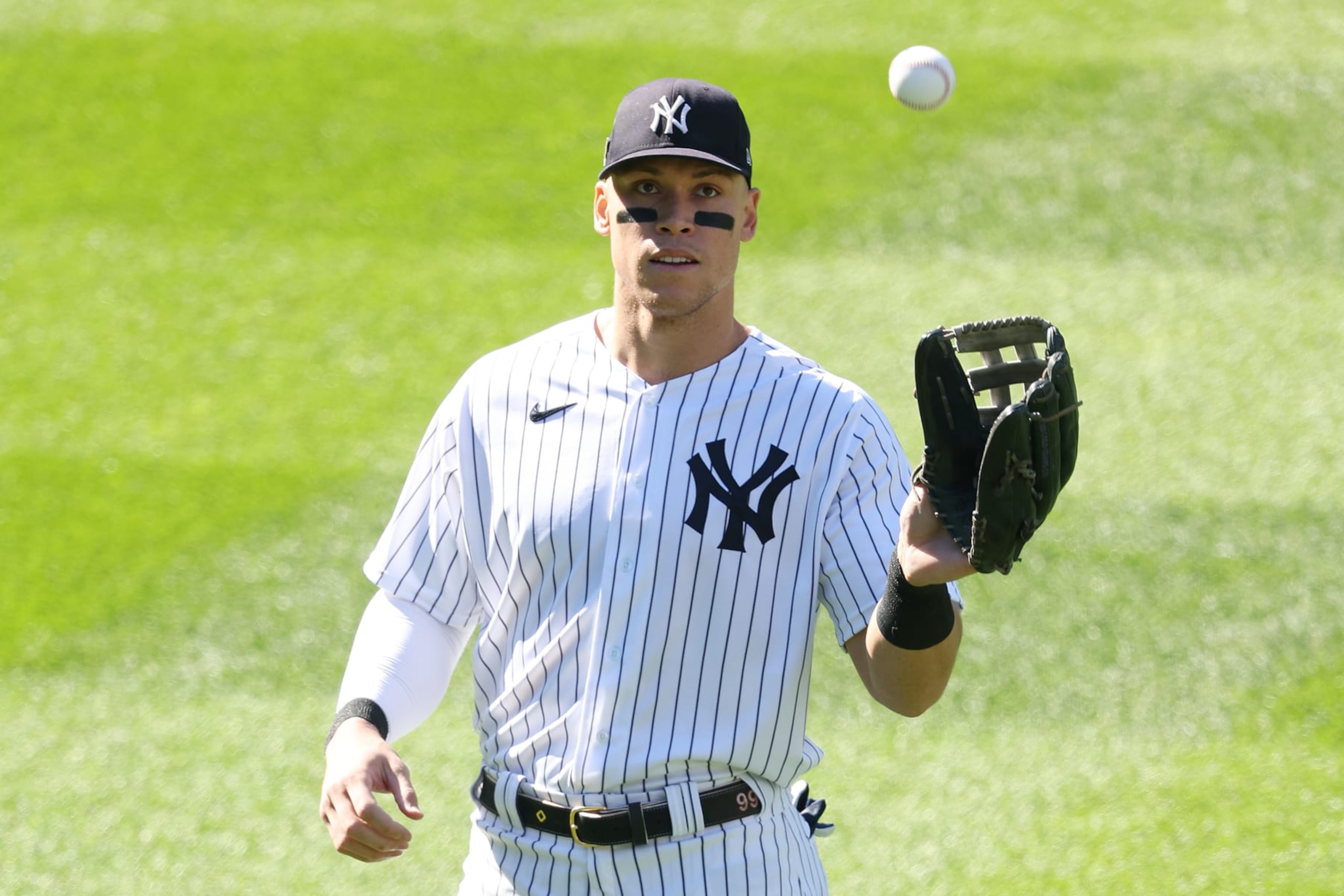
Everyone seems to think the New York Yankees are going to find a way to keep Aaron Judge.
And they very well might.
It's probably going to cost somewhere in the vicinity of $300 million for a seven-year deal ($42.9 million AAV), though. And we're talking about a team that already owes $36 million per year to Gerrit Cole for six more years, an average of $30 million per year to Giancarlo Stanton for five more years and $15 million per year to DJ LeMahieu for four more years.
That's $81 million per year just for that trio through 2026, and it would spike to around $125 million for the quartet if they do manage to lock up Judge.
While the deep-pocketed Yankees can probably justify spending that type of money, they'd need to compromise somewhere, right?
Factor in the 2023 salaries for Josh Donaldson ($21 million), Aaron Hicks ($10.8 million), Harrison Bader ($5.2 million) and, if he exercises his player option, Anthony Rizzo ($16 million) and they're at $136 million for next season before even accounting for Judge. Add the $15 million club option on Luis Severino and it goes to $151 million. So we're talking potentially north of $190 million just for nine players if they re-sign Judge.
Not much room left in the budget for, you know, other starting pitchers, catchers or literally any relievers.
Granted, they could backload the heck out of it to try to work around those LeMahieu, Stanton and Cole deals and still put together a roster next season. For instance, to pay tribute to his 62 home runs, they could start him out at $24.8 million in 2023 and escalate it by $6.2 million every year, culminating in a nice little $62 million salary in 2029. (That'd be a seven-year, $303.8 million deal.)
Oakland Athletics: Any Way to Spend $0 in 2023?
20 of 30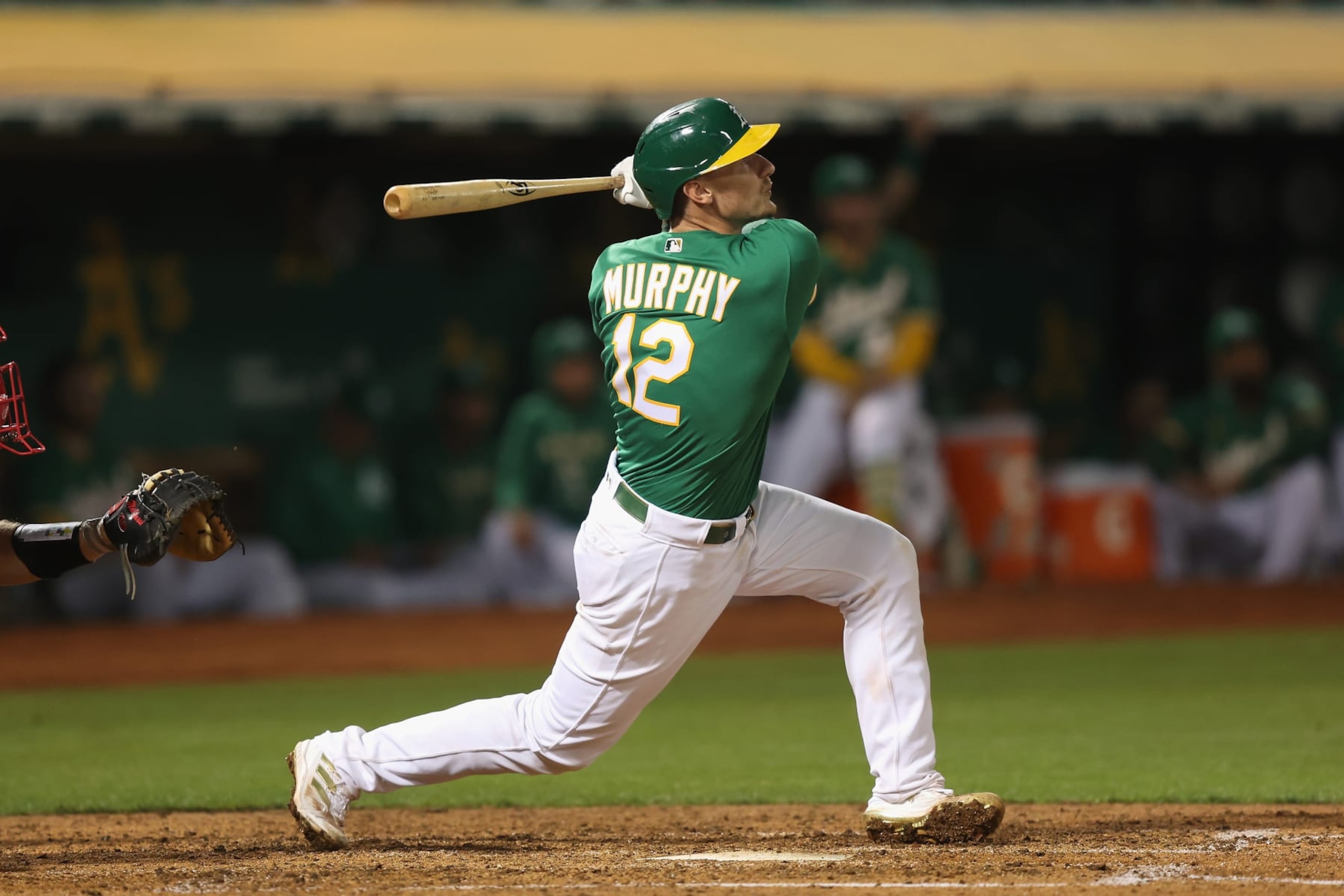
That's a joke, of course.
The Oakland A's can't pay their players $0 next season. Even if they gave all 26 guys on the Opening Day roster the league minimum ($700,000 in 2022; $720,000 next year), it would still be at least an $18.7 million payroll.
But they are clearly committed to shedding as much salary as possible as they tank their way through a rebuild.
Only three players who ended the season on the roster did so with a salary of $1 million or greater, none of whom made even $3 million. One of them (Chad Pinder) is now a free agent. And the other two (Ramón Laureano and Tony Kemp) are undoubtedly on the trade block this offseason.
Honestly, it's going to be fascinating to see how low they can go.
When the Astros hit rock bottom in 2013, they still had an Opening Day payroll of $26.1 million, even though the league minimum salary was $490,000 back then. The Mets, Yankees and Dodgers might all have Opening Day payrolls more than 10 times that of the A's.
Philadelphia Phillies: the Bullpen, per Usual
21 of 30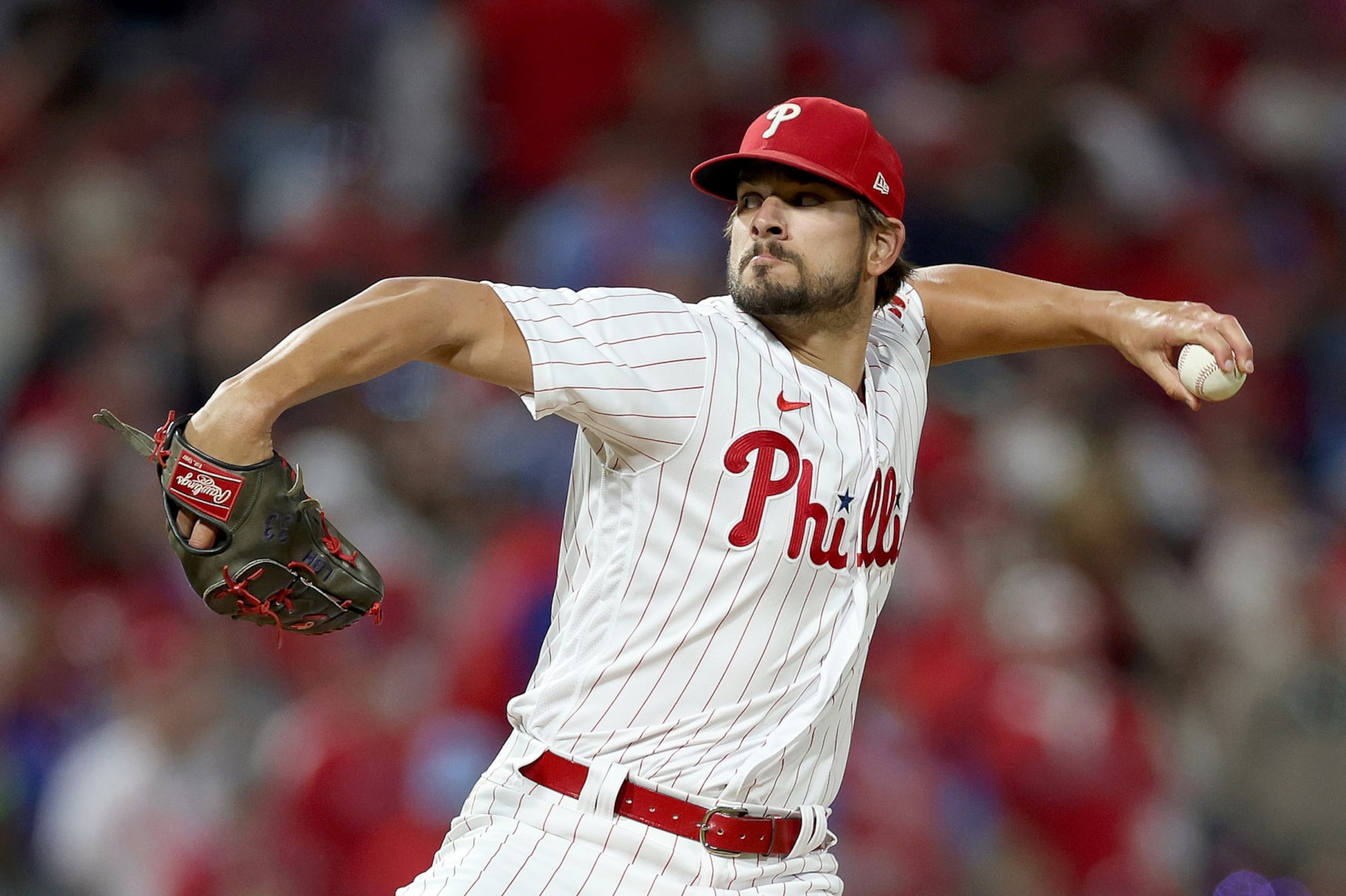
Revamping the bullpen has become something of an annual offseason tradition for the Philadelphia Phillies, and this year's transformation could be even more drastic than usual.
Brad Hand, Corey Knebel and David Robertson are all hitting free agency. Moreover starter-turned-closer Zach Eflin has a $15 million mutual option with just a $150,000 buyout, and the Phillies will most likely go the latter route, considering they already have five players making at least $20 million in 2023.
They do still have one more year before José Alvarado hits free agency and two years of team control left on Seranthony Domínguez. But losing all four of the highest-paid relievers will make for an interesting offseason.
Do they once again commit a significant amount to guys like Knebel and Hand—and Jeurys Familia, who they gave a one-year, $6 million deal in exchange for a 6.09 ERA before they released him—or is this where they save some money by just rolling with Domínguez, Alvarado, Andrew Bellatti, Connor Brogdon and a bunch of six-figure arms?
Should they go the former route, there are tons of options. The Mets and Yankees alone could be putting Edwin Díaz, Trevor May, Adam Ottavino, Seth Lugo, Trevor Williams, Mychal Givens, Aroldis Chapman, Zack Britton, Chad Green and Miguel Castro in this year's pool of free-agent relievers.
But going the latter route and instead using that money on a third top-of-the-rotation starter to pair with Zack Wheeler and Aaron Nola could be huge.
Pittsburgh Pirates: Make a Long-Term Deal with a Young Star?
22 of 30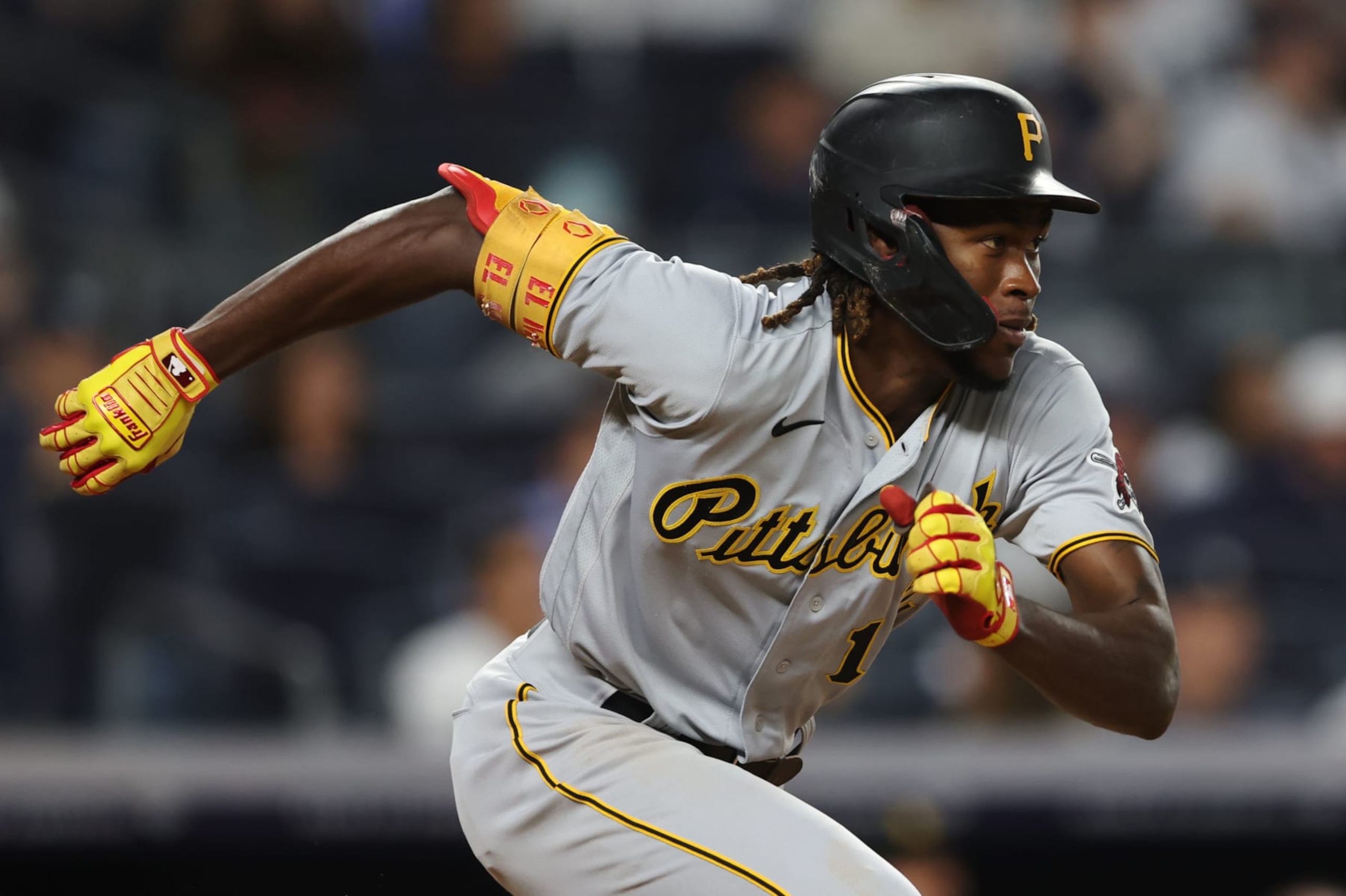
Though not scheduled to even hit free agency until after the 2025 season, Bryan Reynolds' name kept popping up in trade rumors in advance of the early August deadline.
But the Pittsburgh Pirates held tight to their center fielder—who was named an All-Star in 2021, finishing 11th in last year's NL MVP vote—and perhaps now is the time to make sure we aren't inundated with similar rumors next summer.
They already have third baseman Ke'Bryan Hayes signed through at least 2029 with a club option for 2030, too, but they have no other contracts on the books beyond 2023. And the longer the wait, the more expensive it's going to get.
That ship may have already sailed for Pittsburgh, though. Considering Reynolds signed a two-year, $13.5 million deal this past April, the best-case scenario for the Pirates might be something like a five-year, $80 million deal running from 2024-28. Even that might not be enough, and I don't believe Pittsburgh has ever paid anyone more than $14 million in a season, so it might be beyond their budget anyway.
What they could do, however, is sign rookie shortstop Oneil Cruz to a decade-long deal before he, too, becomes too good and too well-established for them to afford.
It's a risk. Maybe he never becomes a star and you get stuck paying him more than he's worth. Could be crippling for a small-market team. But you alternatively risk watching him walk in 2027, right as he's hitting his prime.
San Diego Padres: Make the Big Juan Soto Signing that the Nationals Couldn't?
23 of 30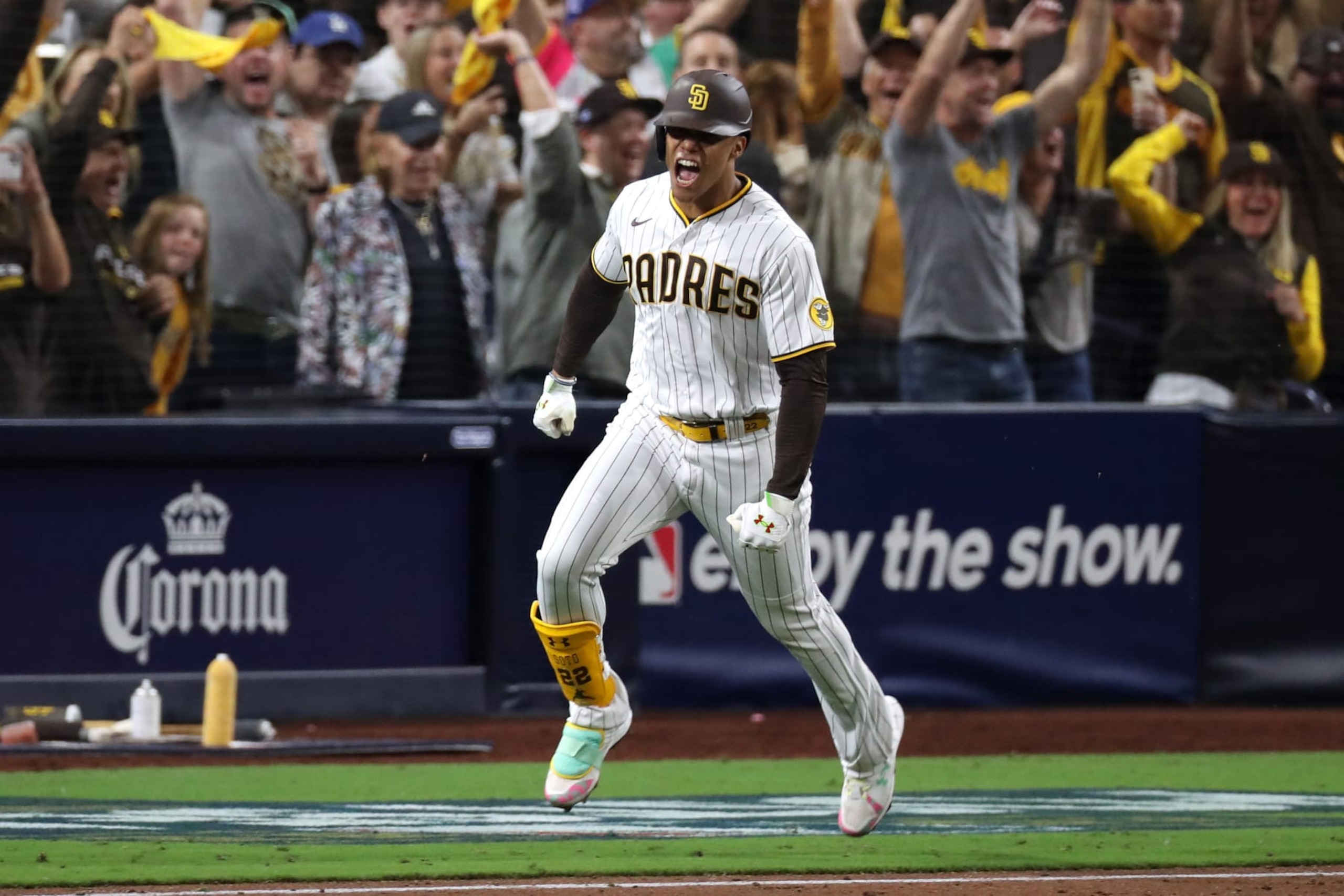
The San Diego Padres gave up a ton to get Juan Soto (and Josh Bell) at the trade deadline. Minor leaguers Robert Hassell III, James Wood and Jarlin Susana now rank first, third and eighth in the Nationals' farm system, and both C.J. Abrams and MacKenzie Gore entered this season ranked among the top 100 prospects in baseball. Luke Voit also went to Washington in the deal.
And, well, they didn't give up all that young talent just for 2.5 seasons of Soto before he leaves via free agency.
They would love to make him a Padre for life, and it's really just a question of when they manage to get pen to paper on that mega contract.
Washington's 15-year, $440 million offer wasn't enough to get Soto to remain in the nation's capital, and understandably so. He's worth way more than $29.3 million per year.
Does it come in the form of a 15-year, $500 million type of deal ($33.3 million AAV), or does he get something more like seven years for $285 million ($40.7 million AAV), leaving him the chance to sign a second major contract at the age of 31?
Either way, he's going to be very rich in the near future, and you've got to think the Padres do everything in their power to get the deal done this offseason.
San Francisco Giants: How to Replace Carlos Rodón? Or Don't Bother?
24 of 30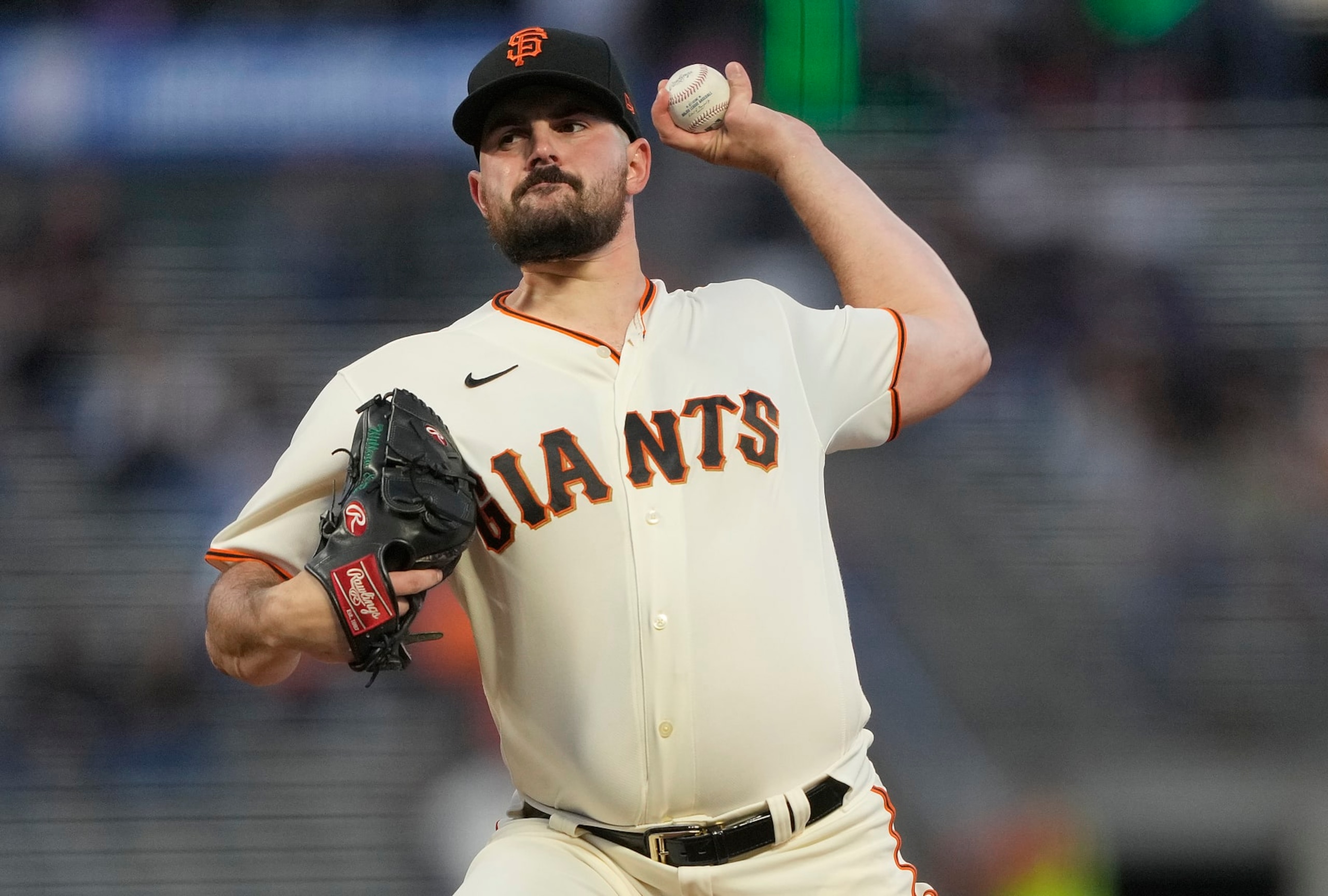
Kevin Gausman had a fantastic 2021 season as the ace of the San Francisco Giants. But when he went to Toronto on a five-year, $110 million deal, they managed to bring in Carlos Rodón to replace him.
For one year, it worked out quite well, with Rodón every bit as dominant as Gausman was last season in the Bay Area.
But now, Rodón is all but certain to decline his $22.5 million player option for 2023, destined for a multiyear deal worth more (at least on a per-year basis) than the one Gausman signed last December.
And if it's not San Francisco that gives him that big deal, who's next for the Giants?
Maybe Rangers lefty Martín Pérez, who had the type of out-of-nowhere year of dominance this season at 31 years old that Rodón had in 2021 at 28 years old?
For 32 starts with a 2.89 ERA, would the Giants give him a two-year deal on par with what they gave Rodón?
Or do they not even bother trying to replace Rodón and just roll into next season with Logan Webb, Alex Cobb, Alex Wood and Anthony DeSclafani? That's a formidable top four, if healthy, and they could repurpose that Rodón money to bolster the batting order.
Seattle Mariners: Is Jarred Kelenic going to Amount to Something?
25 of 30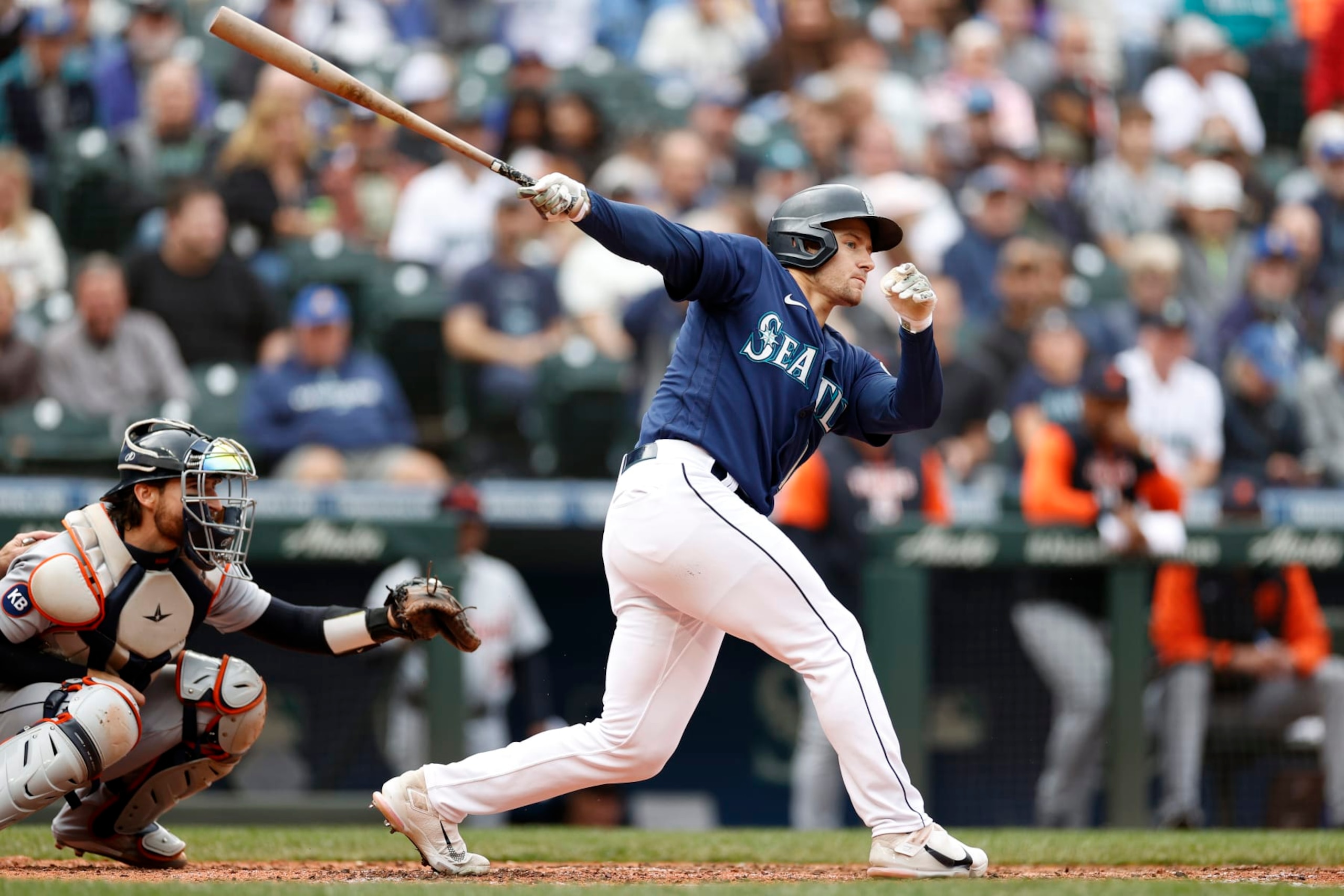
Heading into the 2021 season, MLB.com had Julio Rodríguez rated as the No. 5 prospect in all of baseball.
One spot ahead of him?
Now, one of them has a contract worth over $200 million guaranteed, while it'd be swell if the other could just hit .200 for at least a couple of weeks for a change.
Kelenic did hit .302 at the Triple-A level between 2021 and 2022, but for some reason, it hasn't translated from Tacoma to Seattle, as he is batting .168 thus far in his MLB career.
The Mariners clearly still believe in his potential and want him to be part of their long-term plans. They wouldn't have started him in three of their five postseason games if they didn't. But they need to have a serious conversation this offseason around how much faith they have in Kelenic.
Because, let's be real: This is the ultimate buy-low opportunity.
There has probably never been a long-term deal extended to a hitter with a career .168 batting average, but it certainly wouldn't cost Seattle $200 million to invest in Kelenic today.
Hard to even guess at what an eight-year deal with him might look like, and it would likely be an incentive-heavy arrangement. But with Rodríguez, Robbie Ray, Luis Castillo, Eugenio Suárez, J.P. Crawford and Marco Gonzales all on the books for eight-figure salaries in 2024, they might not be able to afford Kelenic if they wait until he starts to live up to that potential.
St. Louis Cardinals: What Will the Starting Rotation Look Like in 2023? Or 2024?
26 of 30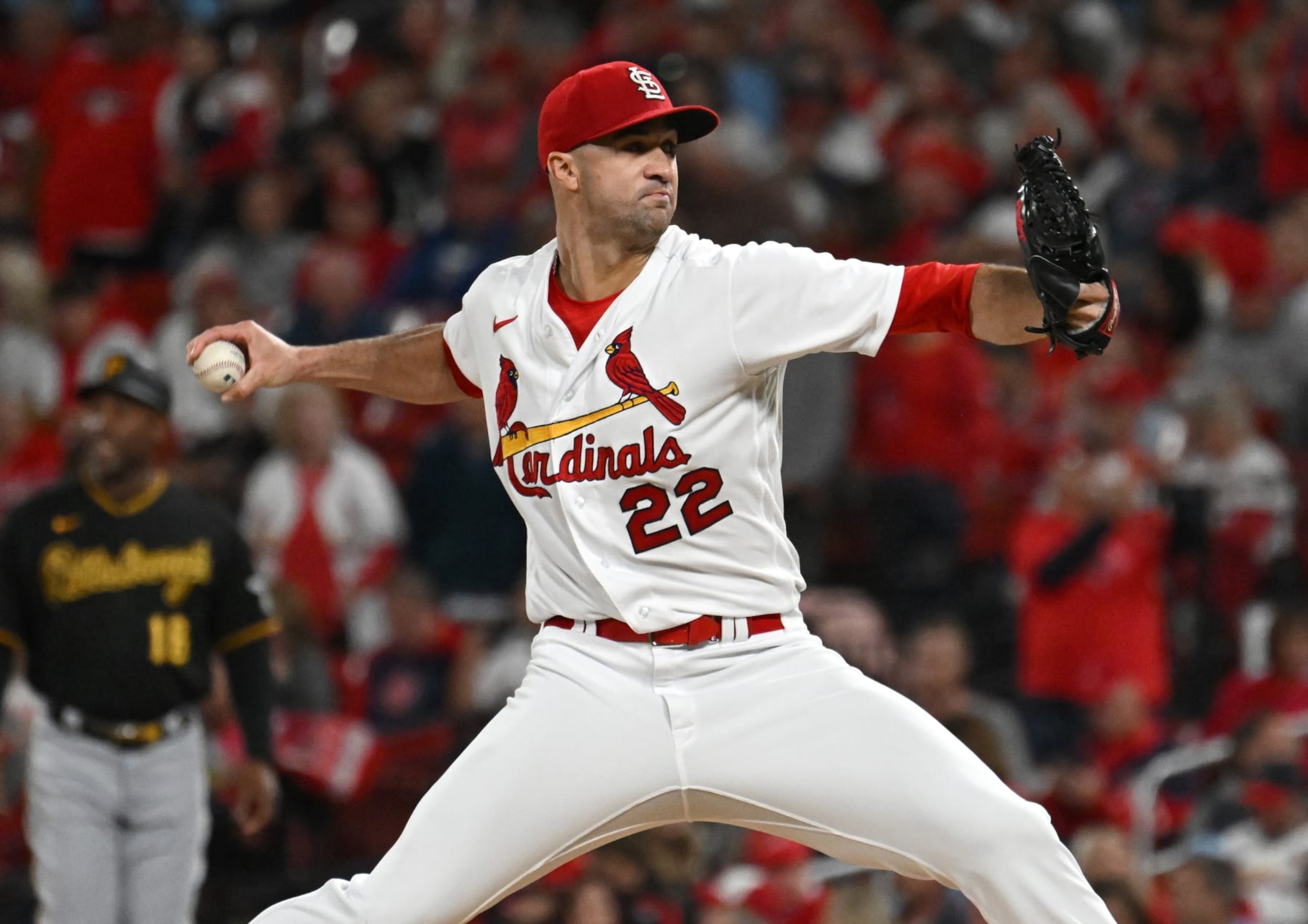
The 41-year-old Adam Wainwright is a free agent and has not yet announced whether he'll be retiring or coming back for (at least) one more year.
If he does, it would presumably be with St. Louis, where he has spent his entire career.
But if he doesn't, it's the first of many dominoes which could lead to a complete turnover of the starting rotation within the next two years.
Midseason acquisition José Quintana is also a free agent, though the Cardinals surely have interest in bringing the 33-year-old lefty back, given his 2.01 ERA in 12 starts and the fact that he went 5.1 scoreless innings as the Game 1 starter in the wild-card round. We'll see how that negotiation shakes out, but he'll certainly be making more than $2 million next year, wherever he lands.
And then after the 2023 campaign, Jack Flaherty, Miles Mikolas and Jordan Montgomery are all slated to hit free agency.
They do at least have Steven Matz signed through 2025, although he gave them a 5.25 ERA in the first season of his four-year deal. And they do have highly touted left-handed prospect in Matthew Liberatore, but the 22-year-old had a 5.17 ERA in Triple-A and a 5.97 ERA in the majors this season, so who knows if or when he'll be ready to anchor the rotation.
It's arguably the most fluid, unknown pitching situation, and we'll see what St. Louis does to address it. At the very least, extending Flaherty ASAP needs to be a top priority.
Tampa Bay Rays: Bank on José Siri in Center?
27 of 30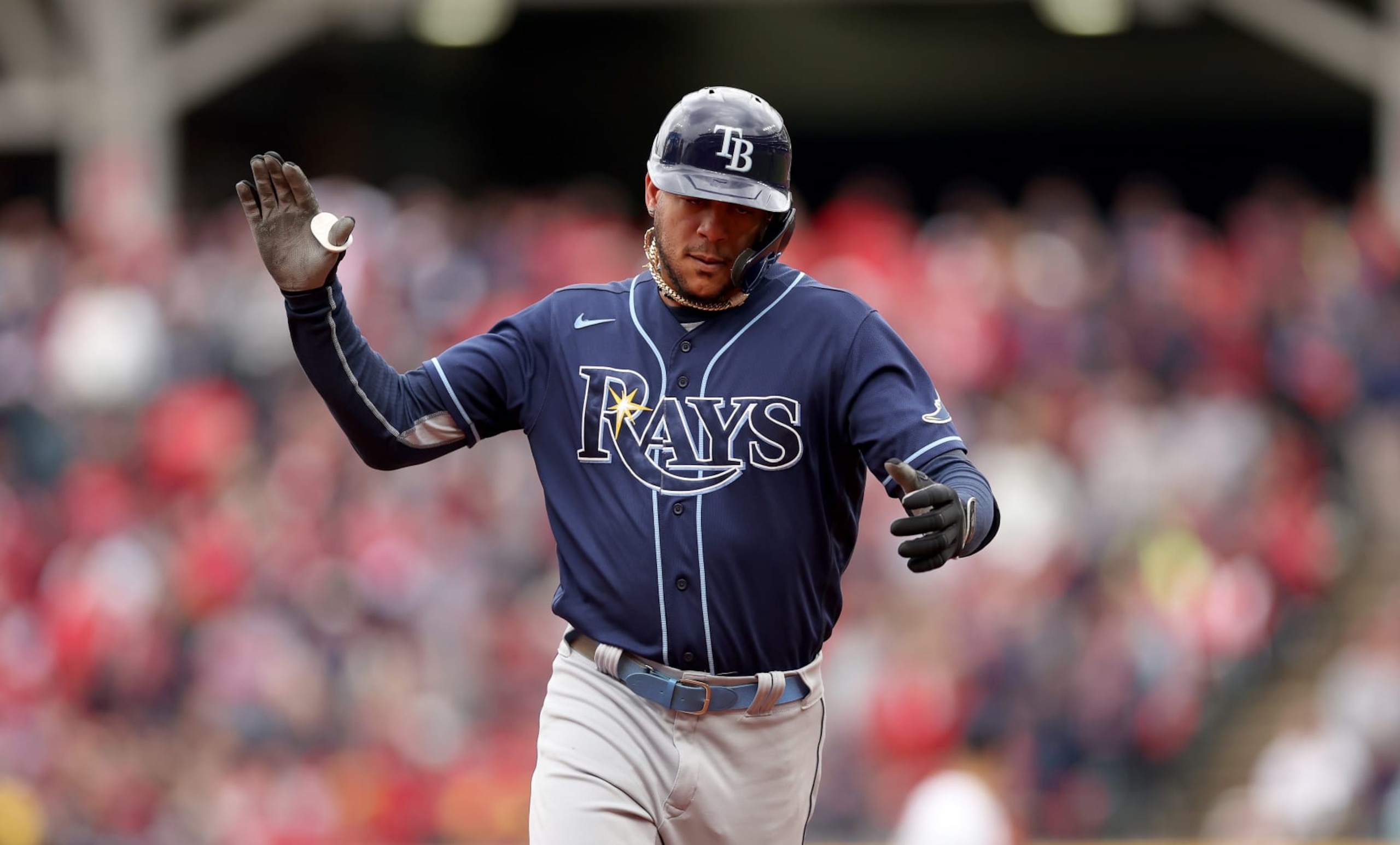
As part of the "Trey Mancini to Houston" trade, José Siri went from Houston to Tampa Bay with the Rays sending one pitching prospect (Jayden Murray) to Houston and another (Seth Johnson) to Baltimore.
Siri promptly became a fixture in center for the Rays, playing in 56 (starting 49) of their final 60 games with a .241 average, four home runs and eight stolen bases. His solo home run in Game 1 of the wild-card round against Cleveland was Tampa Bay's only run of that best-of-three series.
So, is he the long-term plan in center field?
If so, are they in any sort of rush to lock him up long-term like they did after Wander Franco played 70 games in 2021?
To be clear, that's not a suggestion that Siri is worth $182 million over 11 years. He's already more than six years older than Franco was when he signed his contract, and Siri never was anything close to the can't-miss prospect that Franco was.
Still, Tampa Bay has never shied away from investing early in its young talent as a means of being able to afford it for a couple of extra years. Siri won't hit free agency until 2027, but a contract similar to what they gave Brandon Lowe in 2019 (six years, $24 million with club options for a seventh and eighth year) could be in order this offseason.
Texas Rangers: Another Offseason Spending Spree?
28 of 30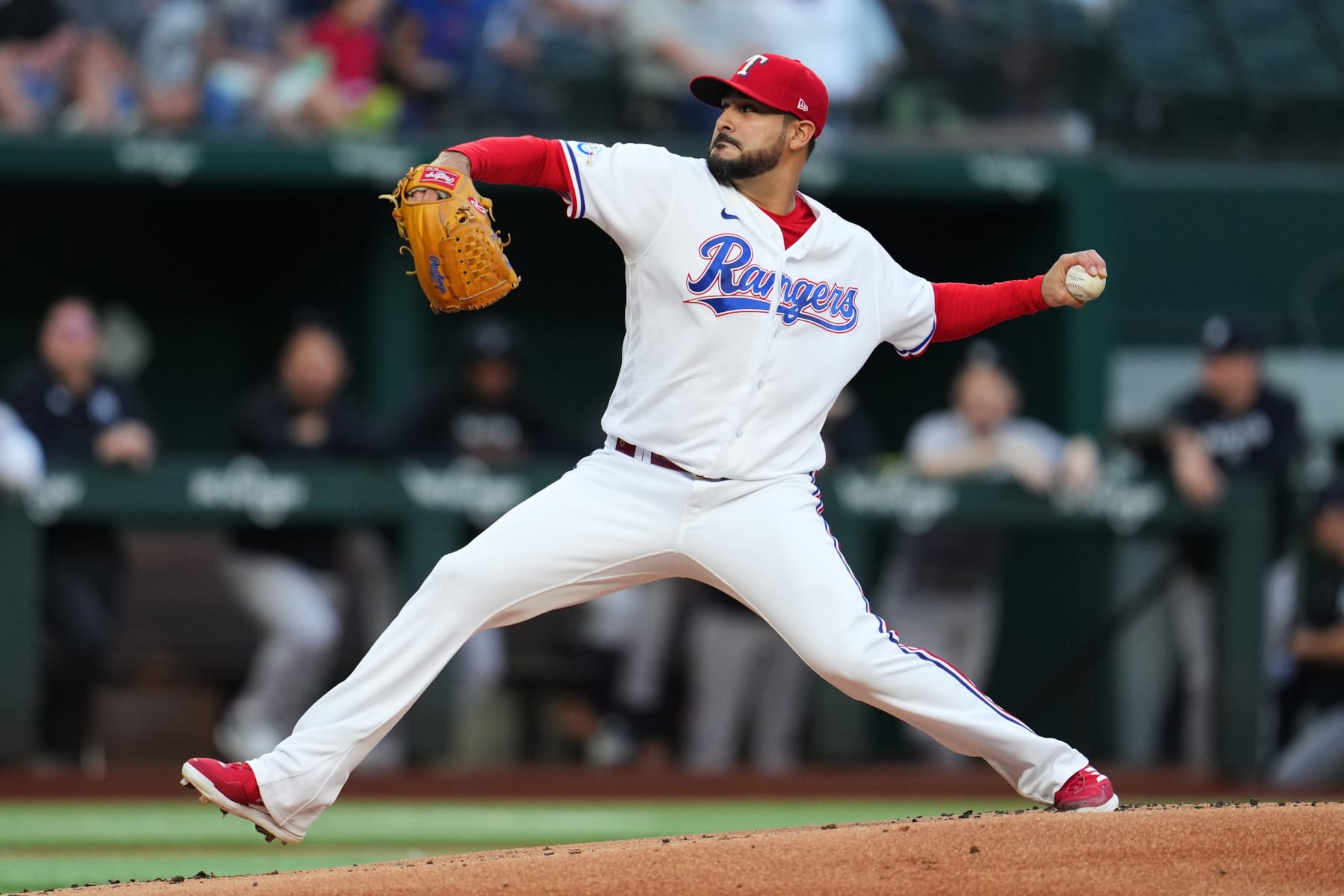
Texas swung for the fences last offseason, signing Corey Seager to a 10-year, $325 million deal, Marcus Semien to a seven-year, $175 million contract and Jon Gray to a four-year, $56 million deal. The Rangers also brought in Brad Miller, Kole Calhoun, Martín Pérez and a couple of others on shorter, less expensive contracts, racking up close to $600 million worth of free-agent acquisitions.
While they were certainly more competitive this year than they were in 2021, they still missed the postseason by 18 games and fired manager Chris Woodward in mid-August.
So now what?
Throw another couple of hundred million dollars at free agents in hopes of further expediting the rebuild?
Or more or less just sit tight for a year and wait for the likes of 3B Josh Jung and pitchers Jack Leiter and Owen White to be ready to come up from the minors and make a real impact?
Either way, re-signing Pérez and probably Matt Moore will presumably be a priority. They kept those free agents-to-be at the trade deadline, even though their chances of making the postseason were slim to none. Bringing those left-handed pitchers back in 2023 would at least make it feel less like they blew it at the deadline by doing nothing.
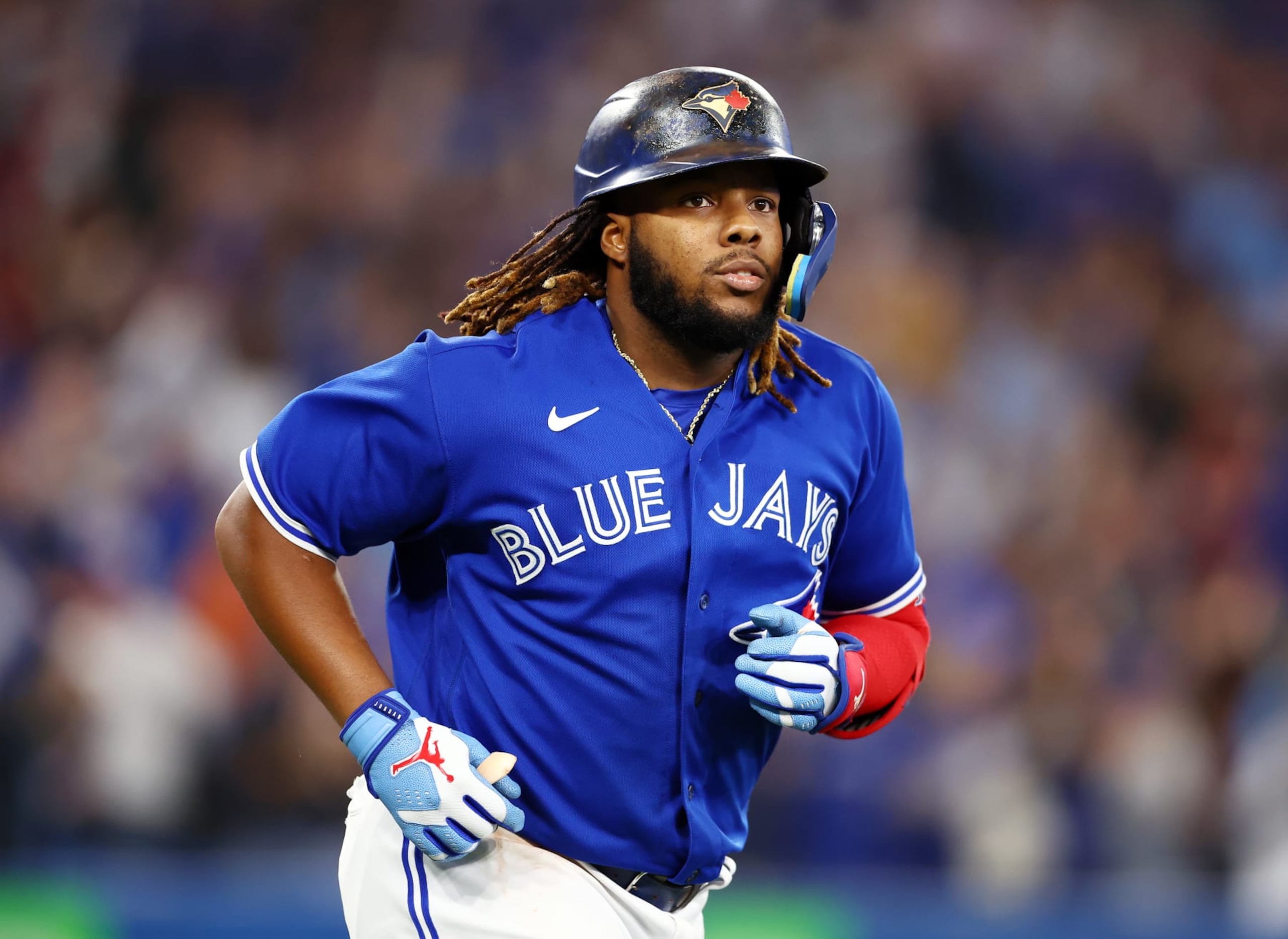
Toronto Blue Jays: Get That Vladimir Guerrero Jr. Deal Done
29 of 30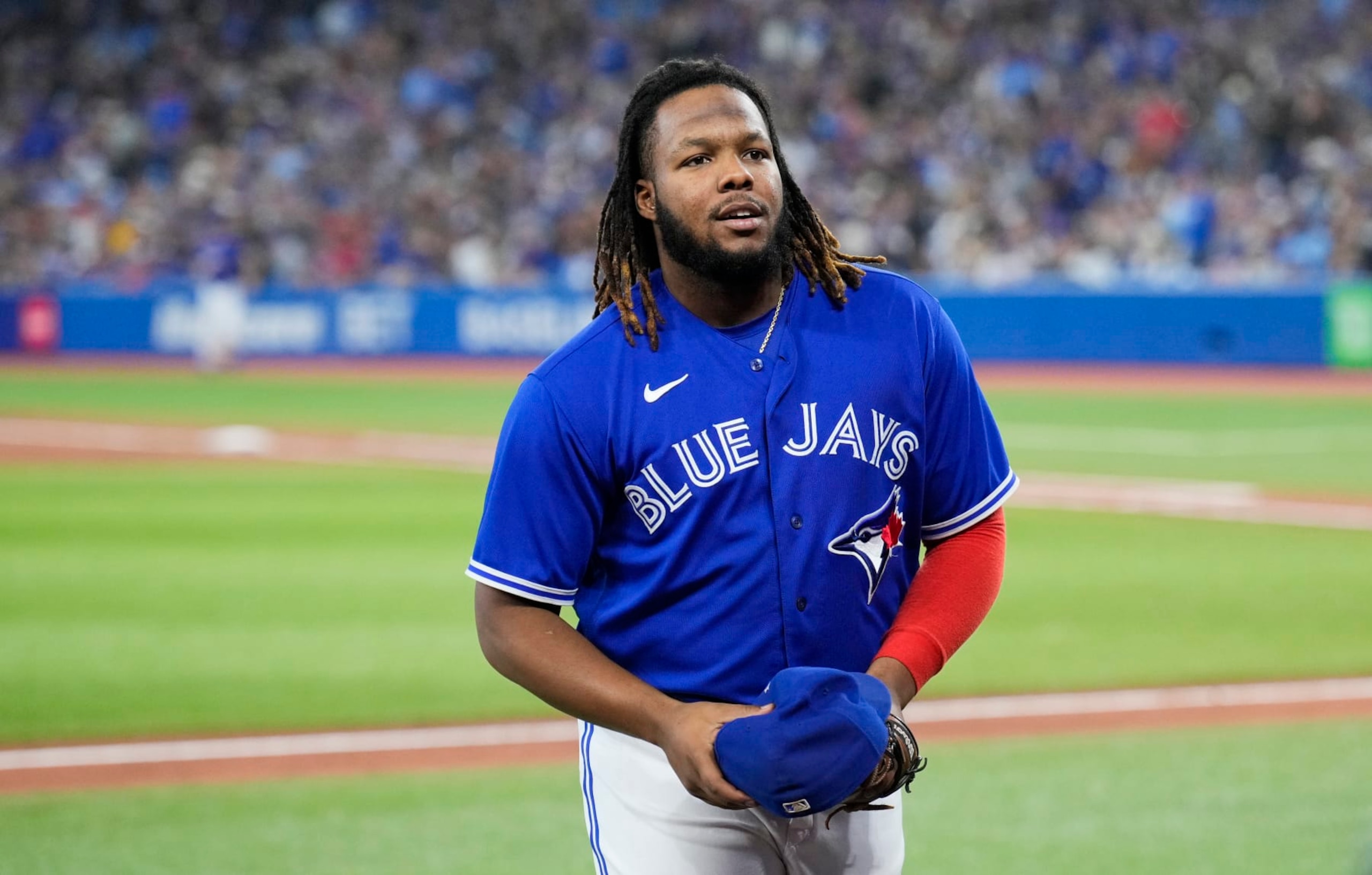
Twenty-three-year-old star slugger Vladimir Guerrero Jr. has three years of arbitration eligibility remaining until he hits free agency, but how long are the Toronto Blue Jays going to wait around before going all-in on him?
They don't have a whole lot else to worry about this offseason. Ross Stripling and David Phelps are hitting free agency, and while it'd be nice to bring both of those veteran pitchers back, finalizing Guerrero's next decade in Canada would be a much bigger deal.
The runner-up for 2021 AL MVP made a modest $7.9 million in 2022. Spotrac estimates he'll get $14.4 million in his first year of arbitration eligibility, and that number is only going to increase from there.
Waiting it out for a few more years is, of course, an option. Again, he won't hit free agency until after the 2025 season. But hopefully they learn from what happened with Bryce Harper in Washington, Trevor Story in Colorado and other cautionary tales of teams losing stars for nothing more than a compensatory draft pick and don't wait much longer to work out that long-term deal.
Guerrero has already said he hopes something can be done about it this offseason.
Washington Nationals: Figure Out if Vintage Stephen Strasburg Is Ever Coming Back
30 of 30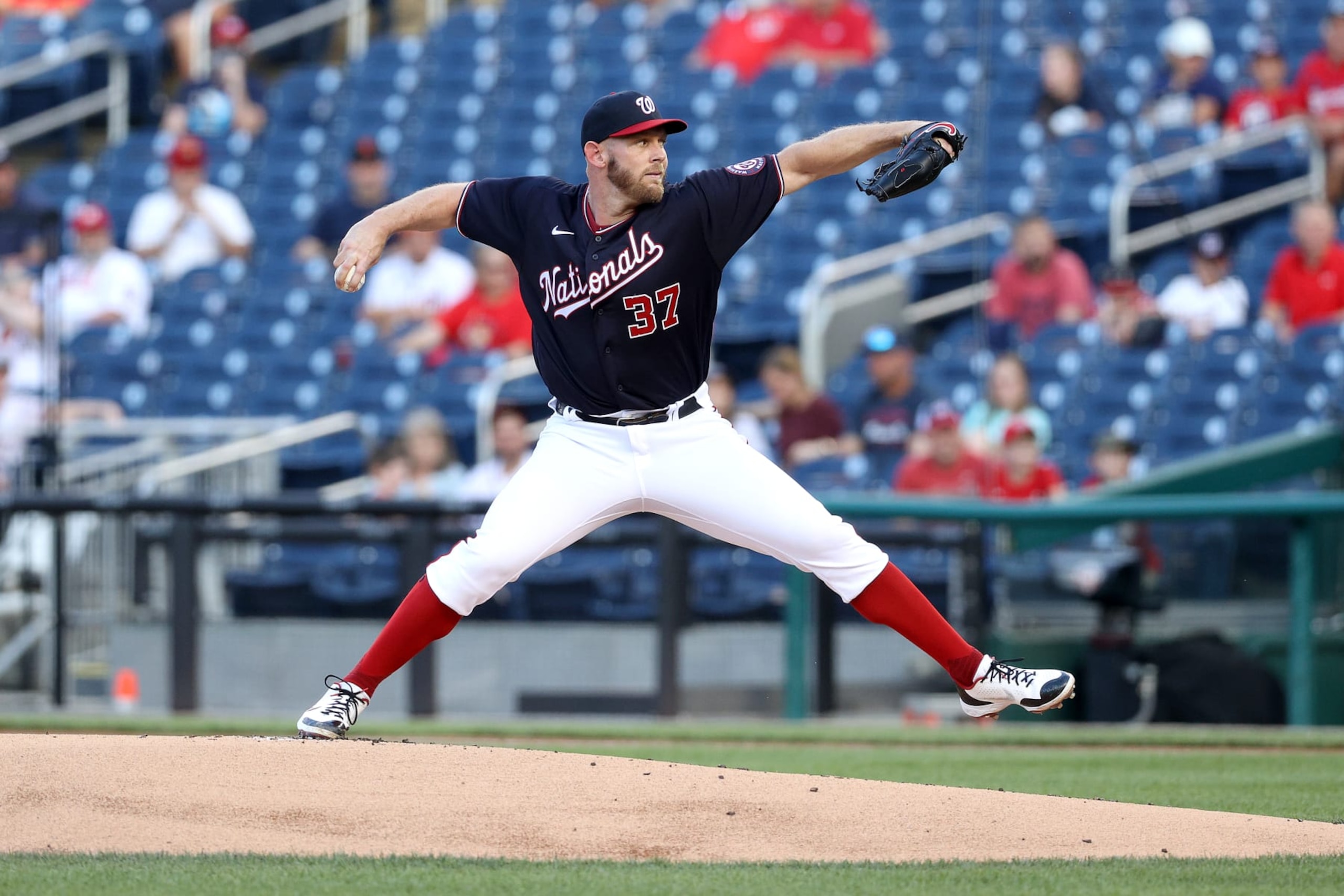
To an extent, it doesn't matter. The Washington Nationals owe Stephen Strasburg $140 million over the next four seasons whether he pitches again for them or not.
But from a "when might this team be relevant again?" point of view, it'd be fantastic to know if there's some glimmer of hope that he regains his dominant 2019 form at some point or if thoracic outlet syndrome has turned that salary into a Miguel Cabrera type of sunk cost.
Really, though, I just want to know when this team is going to be worth watching again for reasons other than Joey Meneses' 30-year-old rookie heroics.
And despite all the injuries, Strasburg is still worth watching.
I live in the greater D.C. area, and the only brief window in this entire season when there was some palpable excitement about this team was for Strasburg's only start. Even though they were already 16 games below .500 by the time he took the mound, there was this sense of: "If vintage Strasburg is back, maybe Juan Soto will stay; maybe the team will be competitive again in 2023."
Clearly, that ship has sailed, but it'd be great if he could pitch with some regularity over the next four years and be the expensive veteran presence on an otherwise young team trying to claw its way back out of the NL East basement.


.jpg?w=2560 "Rodgers Iced Out on Plane 💎")
.jpg?w=2560 "Mahomes Told Teammate to Leave Meeting")
.jpg?w=2560 "🚨 Week 8 AP Top 25 Poll")


.jpg?w=2560 "Raiders Could Start Mendoza")
.jpg?w=2560 "Lamar Being Out Shocked Ravens")