Should We Start Taking Bare-Knuckle Fighting Seriously?
For a not-insignificant portion of the population, the world’s most famous MMA fighter is Paige VanZant.
You might remember Paige. In 2016, as an active fighter in the UFC, she turned heads with a second-place showing on ABC’s runaway hit Dancing With the Stars. For a brief but undeniable window there, she was damn near America’s sweetheart.
After her star turn, she eventually returned to the UFC. But she never really regained her mojo there, losing two of three before washing out of the promotion.
TOP NEWS
Jerry Reacts To Loss vs. Bucs 😐
LeBron Plays 1 Half in 76ers Debut 🔔
Irving, Daniels Carry Bucs to 1st Win 💪
Don’t cry too hard for VanZant. She had options, not the least of which was her ability to pitch products to her 3-plus million Instagram followers.
As it turns out, she wasn’t done with competition quite yet. What else could she do? She didn’t land with UFC rival Bellator, which has a pretty competitive women’s flyweight division, or another show like Asia’s ONE Championship.
Instead, she chose bare-knuckle boxing. Specifically, the Pennsylvania-based Bare Knuckle Fighting Championship, or BKFC.
BKFC has been around since 2018. In case you aren't familiar, the key principles are:
- Fighters may wrap and tape their wrist, thumb, and mid-hand. However, no gauze or tape is allowed within one inch of the knuckles.
- Punches with a closed fist are the only strikes allowed.
- Fights are five two-minute rounds.
Let’s be clear: VanZant was never exactly a world-beater. There’s a reason her career MMA record is 8-5. VanZant’s status with BKFC is currently unclear. She signed with pro wrestling outfit AEW this spring but appeared to stay committed to BKFC. However, her August bout with Charisa Sigala was abruptly canceled. VanZant has also lost her two BKFC bouts to date.
Still, VanZant helped bring heat to the brand, and more fighters are taking notice. It’s no secret that Bellator, PFL, ONE and others routinely find themselves jockeying for the scraps off the UFC’s table. This could mean aging big names, disgruntled fighters or just those who weren’t good enough to stay in the big show.
Now, seemingly out of nowhere, the ultra-violent carnival show was vulturing fairly famous names away from the more established and respected promotions. It's been a banner year for BKFC.
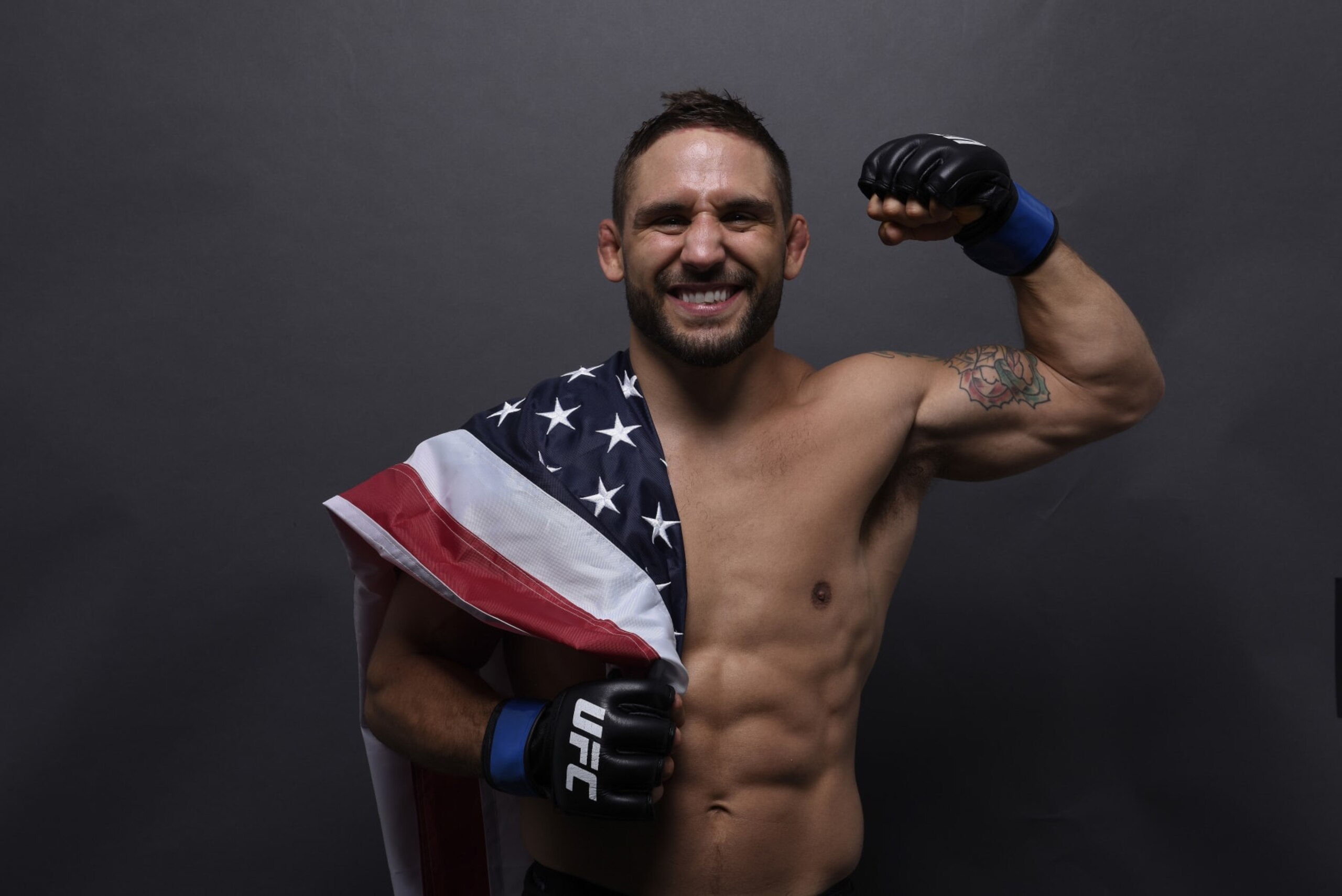
Earlier this year, former featherweight title challenger Chad Mendes made and won his BKFC debut.
Just last month, former flyweight contender John Dodson entered the BKFC ring, scoring a first-round knockout of another UFC veteran in Ryan Benoit.
In August, a bout between Mike Perry and former Bellator striking wizard Michael “Venom” Page went into a grueling, tiebreaking sixth round, with Perry outlasting Page in a brutal contest that had social media buzzing.
In July, Felice Herrig, who gained fame on The Ultimate Fighter and was one of the early players in the UFC’s strawweight division, signed a multi-fight deal with BKFC.
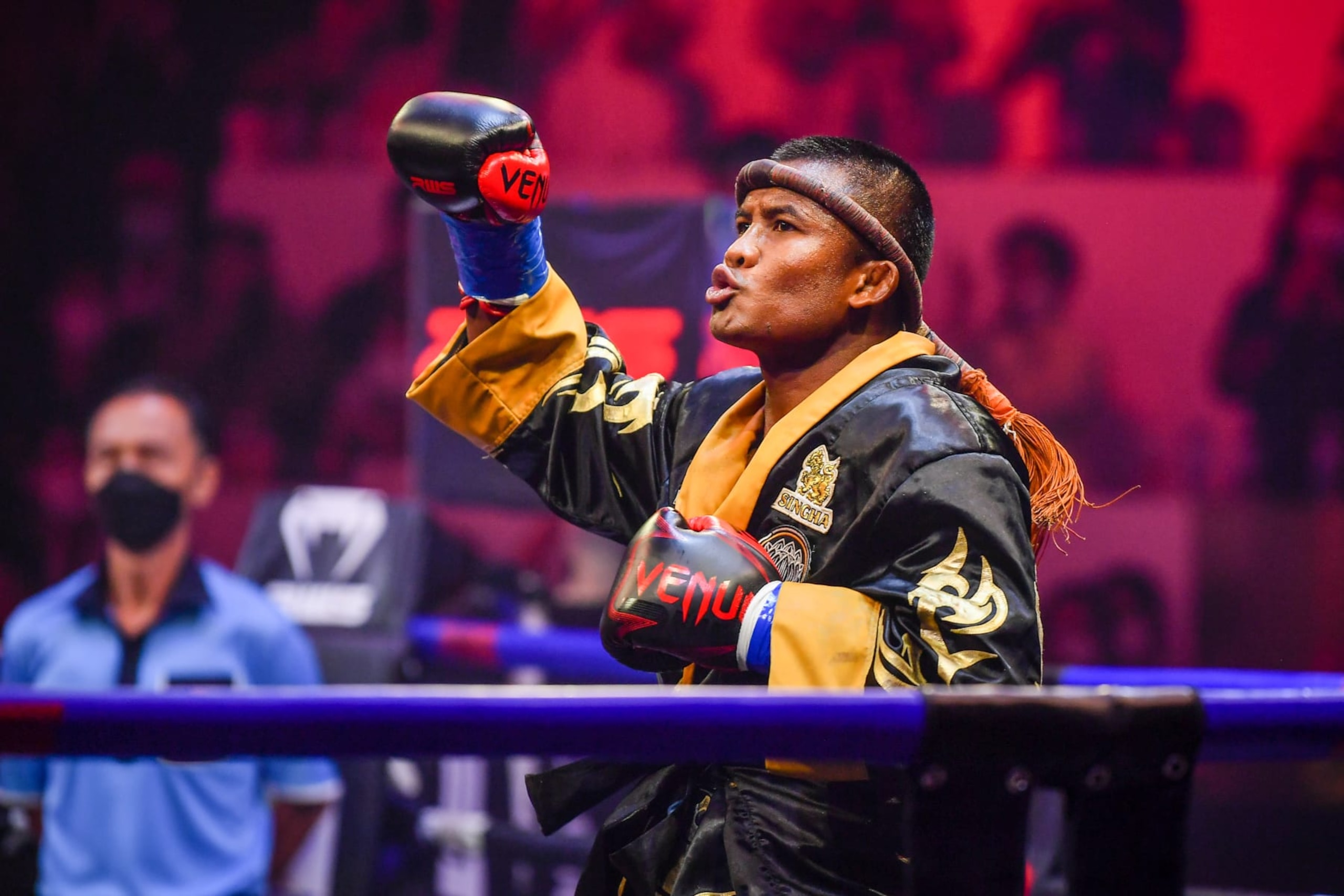
Hardcore fans took notice when the promotion signed famed Muay Thai legend Buakaw Banchamek in July. He’s 40 now, but his debut there could be interesting.
The Buakaw signing shows that BKFC has its finger on the pulse of what could spark interest from hardcore fight fans. At the risk of stating the obvious, that’s the target BKFC demographic.
So, what’s happening here? It could have something to do with the UFC’s ongoing habit of underpaying its athletes. Think of bare-knuckle fighting as a rather visceral retirement plan.
It’s hard to know for sure how much money is in play here, but it's obviously part of the attraction. Although contract terms and payouts are often not disclosed, VanZant’s four-fight deal was purportedly a “multimillion-dollar” agreement, and included opportunities for things like commentary. Mendes said he's going to outearn what UFC heavyweight champ Francis Ngannou got paid for his latest fight.
On the other hand, Dodson made only a reported $75,000 for his debut win at BKFC 28—the highest purse on that card.
For as violent and dangerous as bare-knuckle fighting is, it’s easier training work than MMA, where many other skill sets besides punching are in play. But the real pull is the money, and there’s an interesting underpinning here.
In February, BKFC sold a majority stake to Triller, a video-sharing social network (think Tik-Tok) that also stages music and combat sports events. Triller might be best known for giving Jake Paul his start in boxing before he jumped to Showtime.
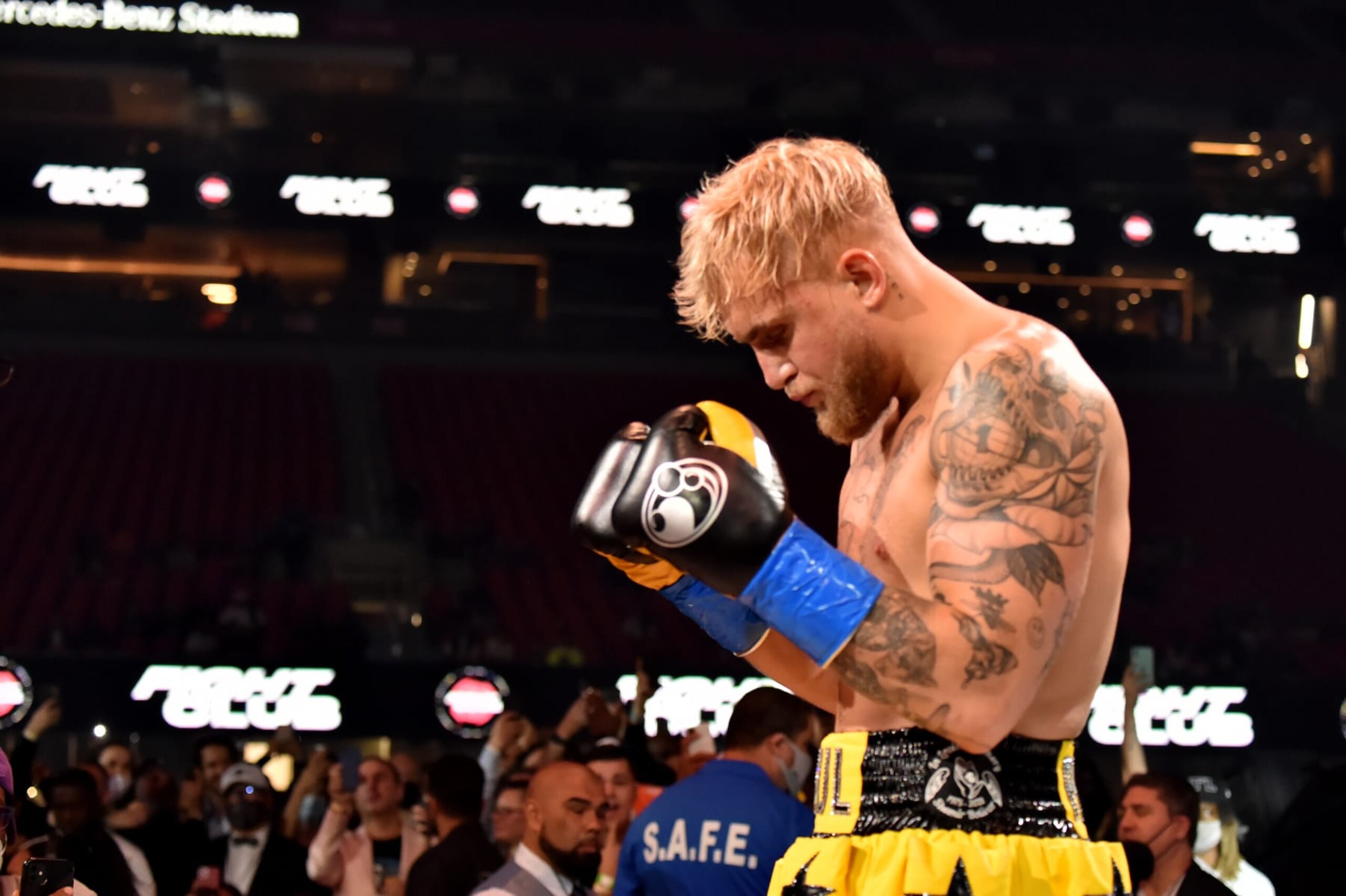
Triller wasn’t shy about pumping money into these events, but the returns haven’t been there. After acquiring other companies, Triller lost a reported $700 million in 2021, and it has yet to turn a profit.
Novelty Triller bouts like Evander Holyfield vs. Vitor Belfort and Anderson Silva vs. Tito Ortiz failed to move the needle. Triller is now being sued, among other troubles.
All of that is to say that the BKFC spigot appears to be flowing now, at least for its top stars. However, that could be slowing to a drip if Triller’s problems continue and BKFC stays under its banner.
Ultimately, BKFC, for all of its bloodsporty intrigue, doesn’t have anywhere near the prestige of the UFC or other MMA promotions. For fighters to continue gravitating toward bare-knuckle over the sport where they made their careers, the money will have to continue to do the talking.
BKFC fans should enjoy the show while they can, because it could be about to get a lot quieter.