Projecting When Every Non-Playoff Team From 2022 Will Reach the MLB Postseason Again
Even with an expanded postseason field in 2022, there were still 18 teams left on the outside looking in when the postseason began.
Each of those teams is facing a different set of obstacles in
breaking through to join that group of World Series contenders, from waiting on the development of young talent to spending money the right way in free agency to wheeling and dealing on the trade market as needed.
With that in mind, we've taken a closer look at the 18 teams that failed to clinch a postseason berth this year and given our best guess as to when they will in fact reach the playoffs again.
Current roster strength, prospect outlook and financial flexibility all factored into predicting how quickly each team could right the ship.
American League East
1 of 6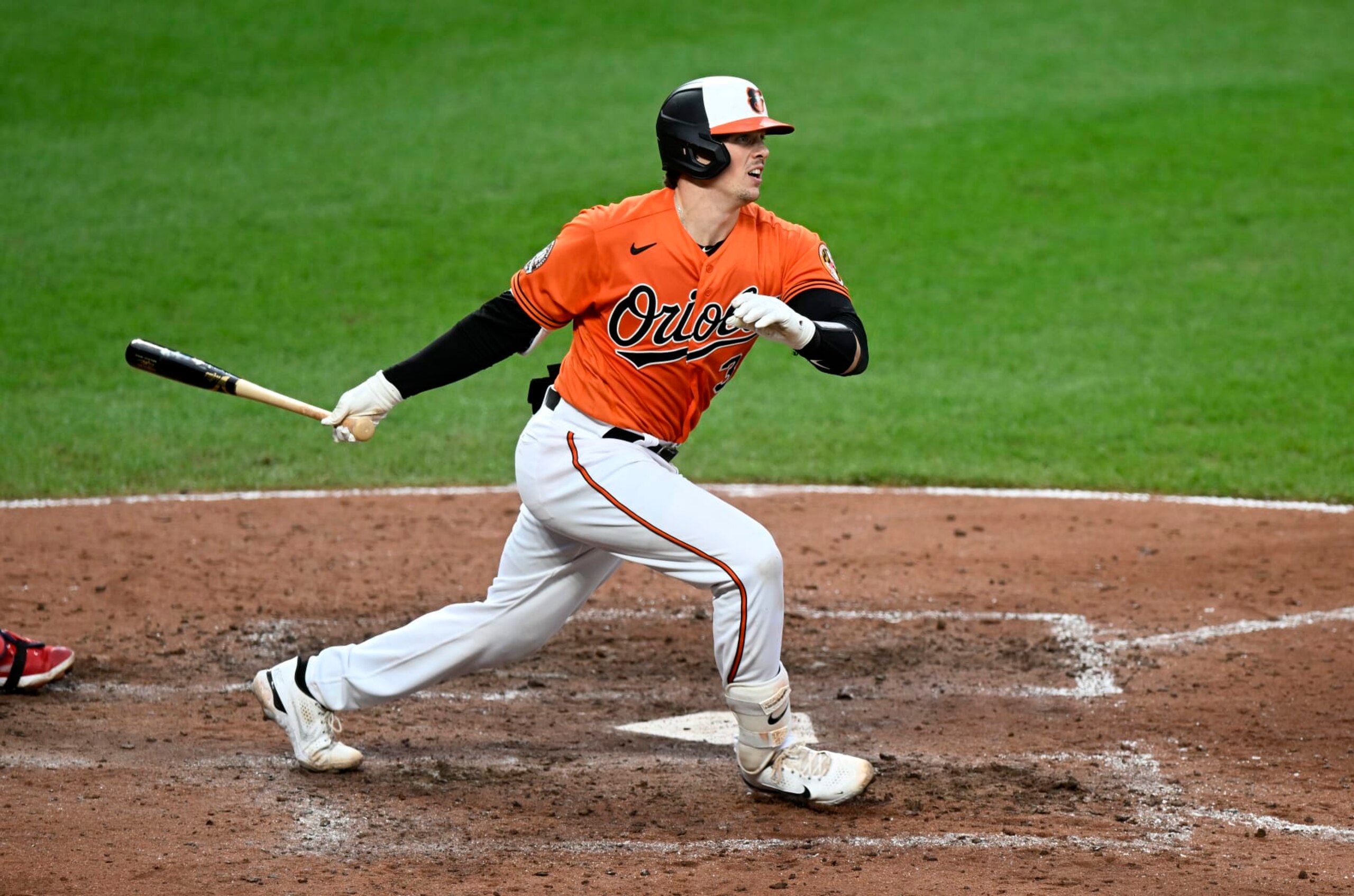
Baltimore Orioles: 2023
The Orioles took a massive step forward in 2022, improving their win total by 31 games over the previous season. The offensive core is promising with Adley Rutschman, Gunnar Henderson, Cedric Mullins, Ryan Mountcastle and Anthony Santander all controllable for the foreseeable future.
In order to take the next step, they will need to make some impactful additions to the pitching staff after finishing 17th in the majors with a 3.97 ERA. Right-handers Kyle Bradish (13 GS, 3.28 ERA, 71.1 IP) and Dean Kremer (13 GS, 3.55 ERA, 83.2 IP) both pitched well after the All-Star break and rising prospects Grayson Rodriguez and DL Hall have significant potential, but a few proven, high-end arms would go a long way in moving the needle.
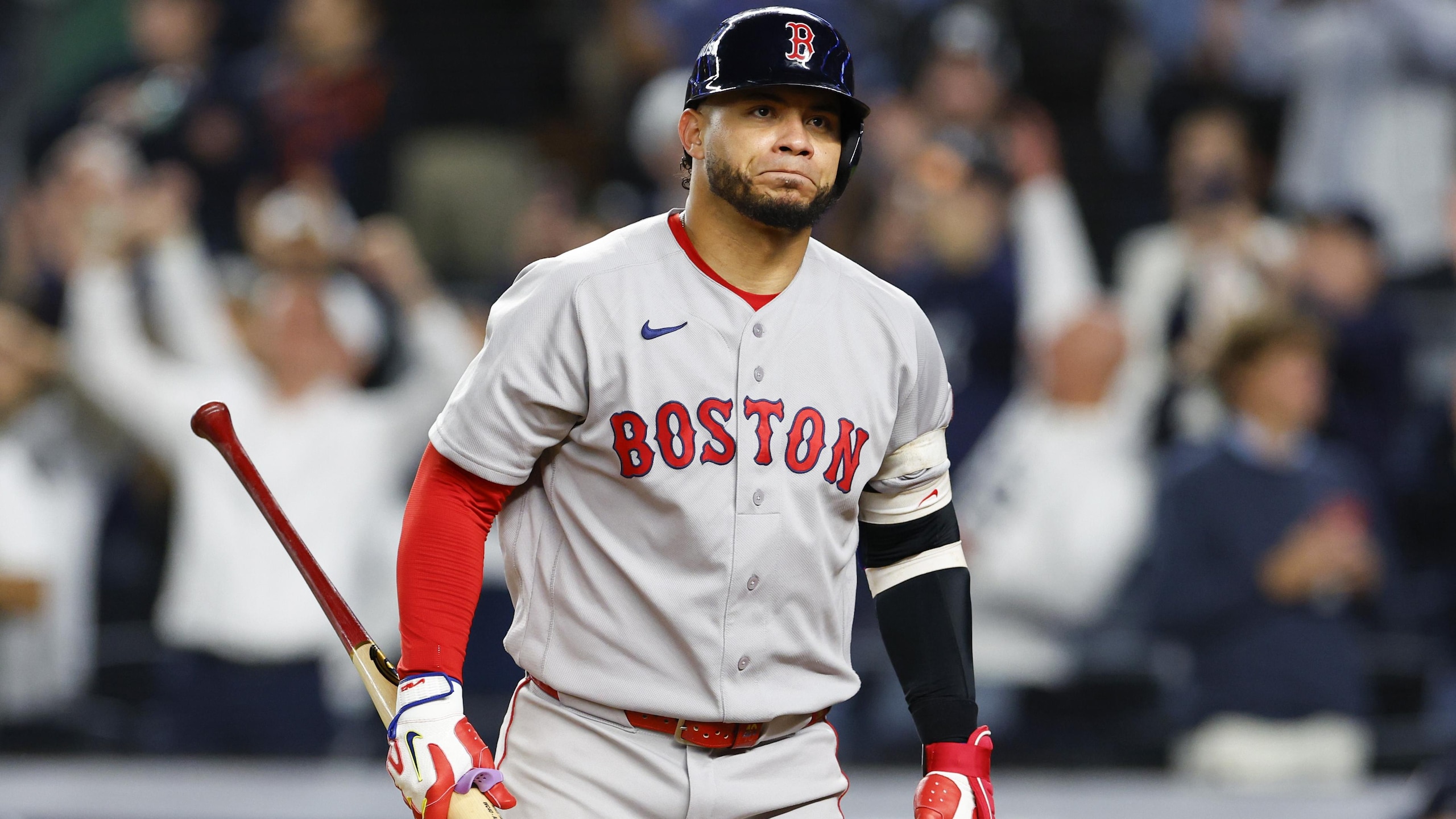
Boston Red Sox: 2025
With Xander Bogaerts poised to opt out and J.D. Martinez, Nathan Eovaldi, Michael Wacha and Rich Hill all headed for free agency this winter, the Red Sox find themselves at a crossroads.
They would need to add multiple arms to the starting rotation and the back of the bullpen just to have a league-average pitching staff, and if they can't find a way to retain Bogaerts, a larger roster retooling might be the move. Their spending power means they'll likely never be a non-contender for long, but it might be time for one step backward to take two steps forward down the line.
American League Central
2 of 6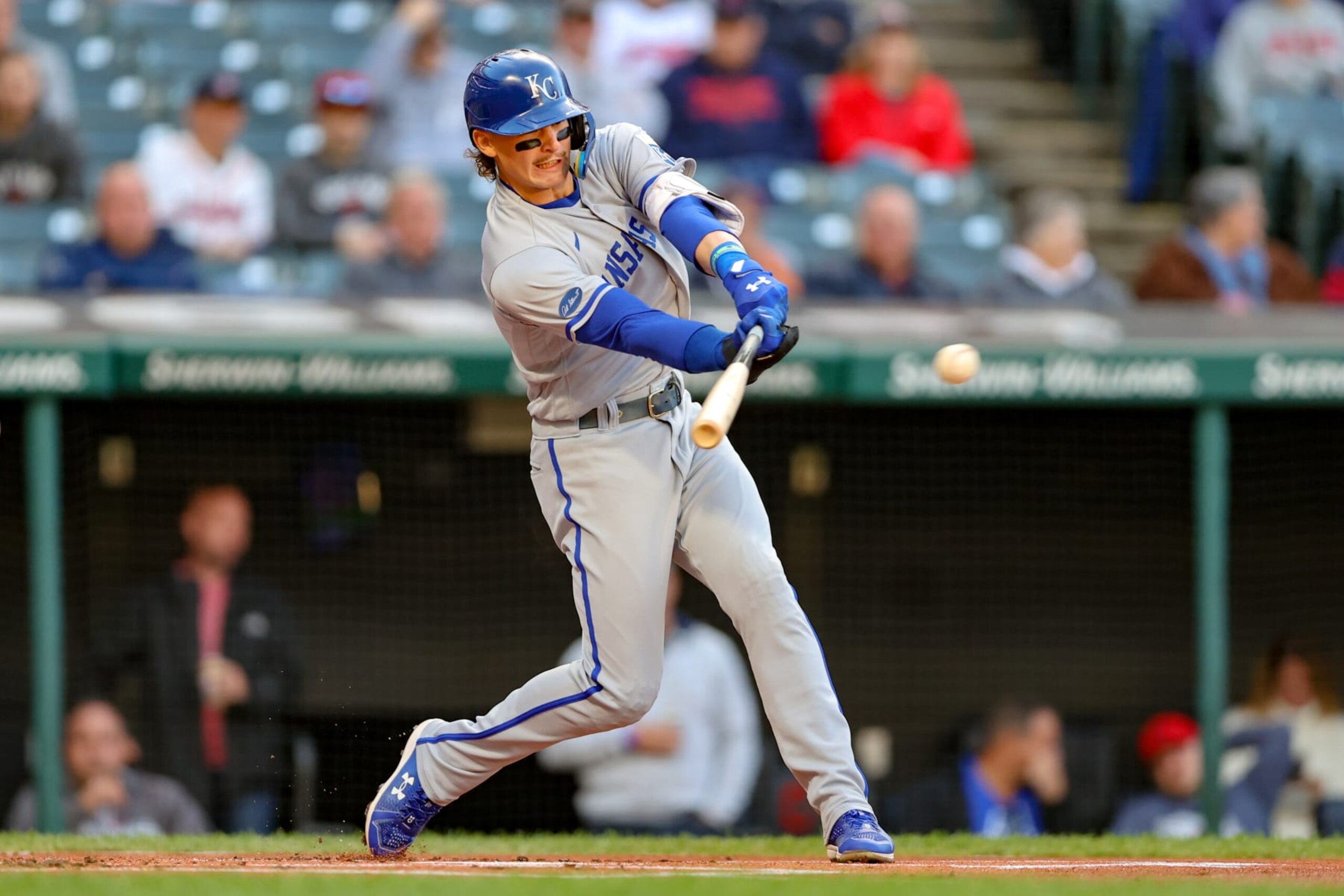
Chicago White Sox: 2024
After a wildly disappointing 2022 season that began with division-title aspirations and ended with an 81-81 record, change is coming for the South Siders.
"The White Sox loved having José Abreu the past nine years, and he has been nothing but a class act and valuable hitter, but they plan to part ways with him," wrote Bob Nightengale of USA Today. "Simply, they need to shake up their team, and are making virtually everyone but Dylan Cease and Andrew Vaughn available in trades."
That doesn't sound like a team that's gearing up to contend in 2023.
Detroit Tigers: 2027
The Tigers looked like a team on the rise when they won 77 games in 2021 and then added Javier Báez and Eduardo Rodríguez in free agency last offseason, but they instead took a major step backward to finish 66-96.
Disappointing rookie seasons from Riley Greene and Spencer Torkelson, along with a starting rotation that ranked 23rd in the majors with a 4.51 ERA, provides little hope for a quick turnaround. A popular pick for dark-horse contention at this time a year ago, they now look to be in the worst shape of any AL Central club for the immediate future.
Kansas City Royals: 2025
The Royals have some nice pieces to build around. Bobby Witt Jr., Vinnie Pasquantino and MJ Melendez all put together strong rookie seasons, and Brady Singer emerged as a bona fide staff ace with a 3.23 ERA, 1.14 WHIP and 150 strikeouts in 153.1 innings.
There will be money to spend this offseason with Zack Greinke's $13 million salary coming off the books, and while they might still be a year removed from a legitimate push up the standings, it's not hard to envision a significant improvement over this year's 65-97 finish.
Minnesota Twins: 2023
The Twins spent the bulk of May, June and July in first place in the AL Central, and they still held a share of the division lead on Sept. 4 before the Cleveland Guardians sprinted past them.
However, there is still plenty of talent on the roster, and they'll have a chance to do some significant roster shuffling with more than $70 million potentially coming off the books if Carlos Correa opts out and a handful of club and player options are declined.
Don't sleep on this team as a significant factor on this year's free-agent market.
American League West
3 of 6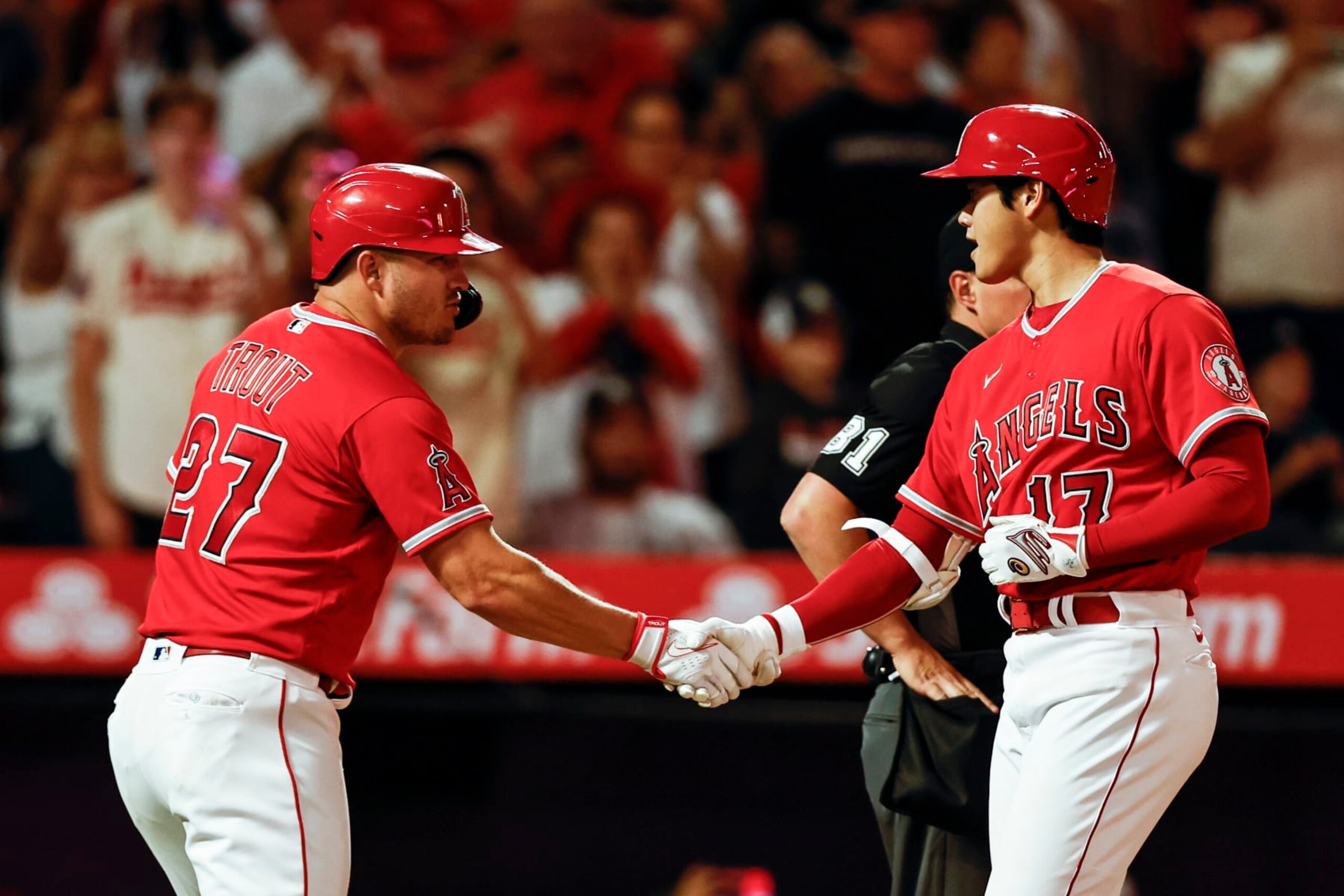
Los Angeles Angels: 2026
Are the Angels still building around Mike Trout and Shohei Ohtani, or is the organization headed for a split from one or both of its superstars?
With more than $100 million tied up in Trout, Ohtani and Anthony Rendon, financial flexibility is a major question mark. Strong seasons from Reid Detmers and Patrick Sandoval provide some optimism on the pitching side of things, but this team still has a long way to go to bridge the gap between them and the Houston Astros and upstart Seattle Mariners.
We could see things torn down before we see Trout in the postseason for the Angels again.
Oakland Athletics: 2029
The Athletics have found ways to contend with a rock-bottom budget in the past, but they took slashing payroll to another level last offseason, and the result was the organization's first 100-loss season since 1979.
They also have one of the thinner farm systems in baseball, and at this point, the only true building block on the roster appears to be catcher Sean Murphy. Don't expect to see this club back in the postseason any time soon with its lack of foundational pieces and an unwillingness to spend.
Texas Rangers: 2024
Spending a combined $500 million on Marcus Semien and Corey Seager last offseason announced the Rangers as a team ready to contend once again, but there is still work to be done, especially on the pitching side of things.
The starting rotation ranked 25th in the majors with a 4.63 ERA, and even if Martín Pérez returns following his breakout season, this team is still several arms away from being a postseason threat. Another busy offseason would get them closer, but they might need to wait on the development of some of the top arms in their system.


National League East
4 of 6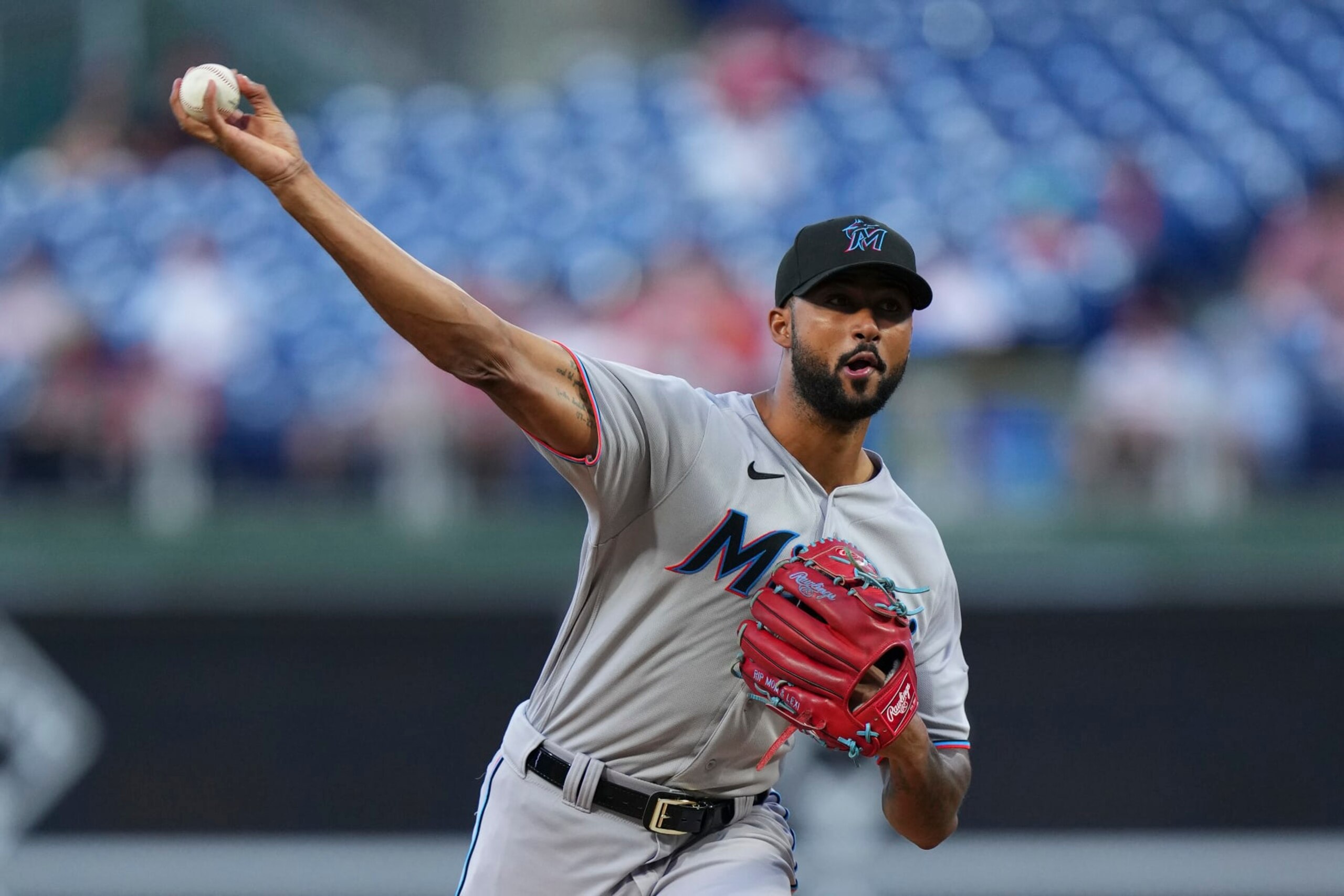
Miami Marlins: 2026
The Atlanta Braves have the bulk of their terrific young core locked up long term, the New York Mets have more money to spend than any team in baseball, and the Philadelphia Phillies are not going away.
That makes it difficult to envision the Marlins pushing their way into the postseason picture in the NL East, even with a dynamic young pitching staff. Outside of second baseman Jazz Chisholm Jr., the offense looks like a complete teardown, and it takes time to put together an entire lineup.
Washington Nationals: 2030
Who are the Nationals building around?
The team's best player for the final two months of the season was 30-year-old rookie Joey Meneses. The pitching staff ranked 29th in the majors with a 5.00 ERA and they have $60 million tied up in the underperforming duo of Stephen Strasburg and Patrick Corbin next year.
The Juan Soto blockbuster brought a wealth of young talent to the organization, but we're at ground zero of their rebuild, and it's going to be years before they are a factor once again.
National League Central
5 of 6
Chicago Cubs: 2024
The Cubs were linked to free-agent-to-be Trea Turner in September, and after sitting out the shortstop market last offseason, expect them to be major players in the pursuit of one of the market's top up-the-middle stars this winter.
The emergence of Nico Hoerner, Christopher Morel, Justin Steele, Keegan Thompson and Hayden Wesneski gives the club some pieces to build around, and they have a ton of money to spend relative to their peak payroll from a few years ago. All of that, coupled with their strong finish to the 2022 season, provides some hope for the future.
Cincinnati Reds: 2026
The Reds blew up their roster in a major way over the past calendar year, but in the process, they restocked the farm system with a wealth of high-ceiling talent. It's going to take a few years for them to fully reap the rewards of their wheeling and dealing, but they've set themselves up well for the future.
The most promising takeaway from the 2022 season was the experience that Hunter Greene, Nick Lodolo and Graham Ashcraft gained in the starting rotation. They could be competitive sooner than expected if a few more up-and-comers break through, but they appear to be focused on building toward sustainable success.
Milwaukee Brewers: 2023
The Brewers had a three-game lead in the NL Central standings heading into trade-deadline day, and rather than adding some pieces for the stretch run, they traded away All-Star closer Josh Hader in what essentially amounted to a cost-cutting move.
When the regular-season ended, they were the last team on the outside looking in for an NL wild-card berth. With more than $20 million coming off the books via free agency, they have money to spend this winter, and there is still more than enough talent on the roster for them to be right back in the playoffs with a few quality additions.
Pittsburgh Pirates: 2028
The Pirates have found a few potential building blocks in Bryan Reynolds, Ke'Bryan Hayes, Oneil Cruz and Roansy Contreras, but there is still a long way to go before they have anything remotely resembling a contender.
An inability or unwillingness to spend in free agency means they are largely reliant on developing their own homegrown talent, aside from the handful of bargain additions they make each year. That's an issue, especially on the pitching side of things, and likely means their current rebuild is just starting.
National League West
6 of 6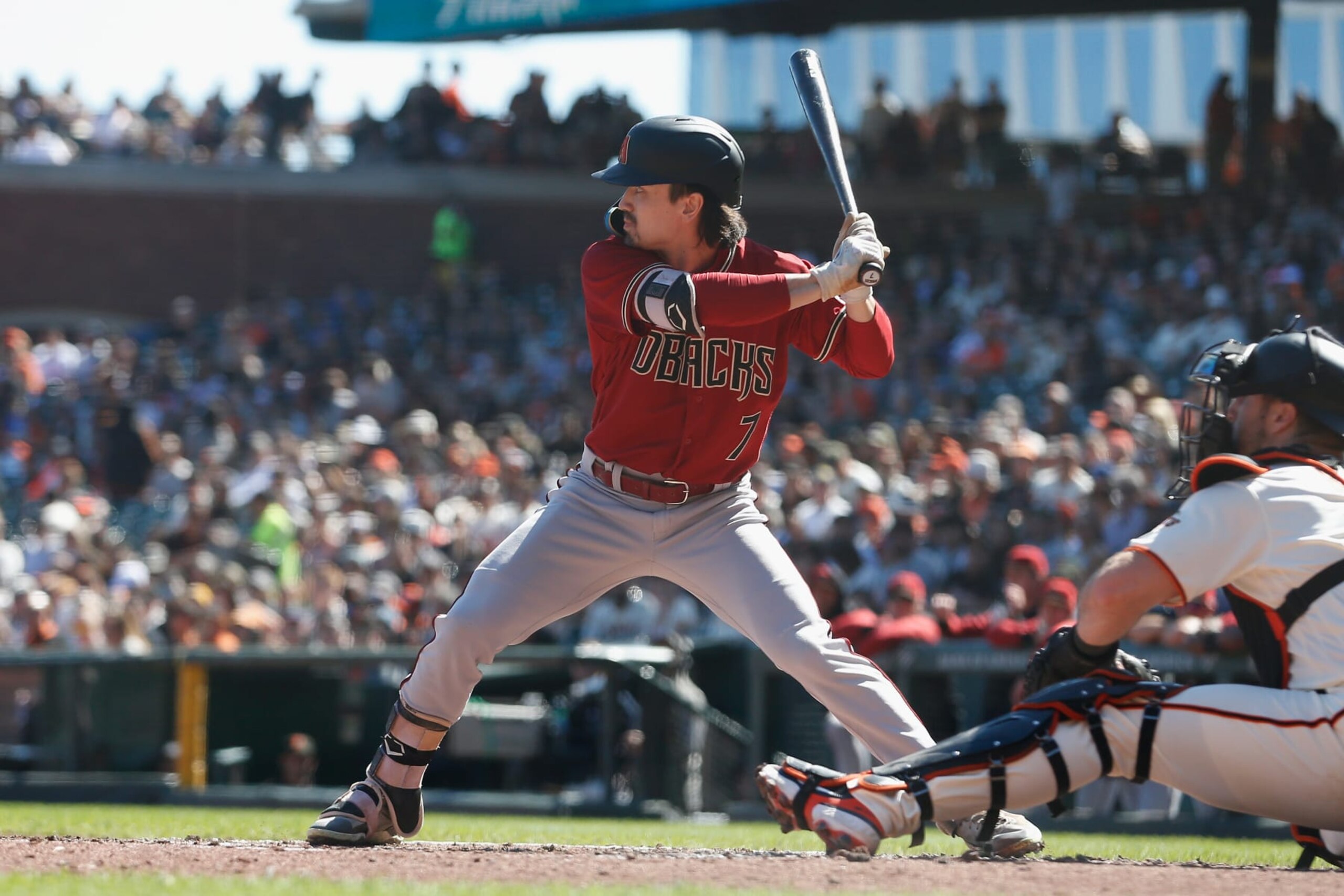
Arizona Diamondbacks: 2024
With Daulton Varsho, Ketel Marte, Christian Walker and rookies Corbin Carroll, Alek Thomas and Jake McCarthy on the offensive side of things, and Zac Gallen, Merrill Kelly and September call-up Drey Jameson on the pitching side, there's a lot to like about the D-backs' current collection of talent.
They went 16-12 in August and looked the part of a team on the cusp of contention, and a few impact offseason moves could put this group in position to contend in the not-too-distant future. They showed a willingness to spend with multiyear deals for Zack Greinke and Madison Bumgarner in recent years, so don't count them out as a landing spot for some of the market's top names.
Colorado Rockies: 2030
Here's what I wrote for the Rockies in last year's version of this article:
"There is no team in baseball more devoid of anything remotely resembling a long-term plan than the Rockies. ... The ownership group doesn't seem to care about fielding a contender, and in a top-heavy NL West, that makes it almost impossible to see this team being relevant for the foreseeable future. The 2030 prediction is a placeholder, but it could just as easily be 2040 unless sweeping changes are made at the top."
Yep, that all still applies here a year later.
San Francisco Giants: 2025
After exceeding expectations to win 107 games and the NL West title in 2021, the Giants took a big step backward this year, finishing 81-81 and a distant third in the division standings.
With Carlos Rodón expected to opt out of his contract and Joc Pederson headed for free agency, they have two big pieces to replace just to keep pace with the 2022 group. Luckily, they have a deep farm system and a ton of money to spend, so contention might not be as far off as it looked for much of this year.
All stats courtesy of Baseball Reference.

.jpg?w=2560 "2 NFL Officials Suspended")


.jpg?w=2560 "Mahomes' Wife Trolls Kubiak 💀")

.jpg?w=2560 "Love's Body Already 'Tired'")