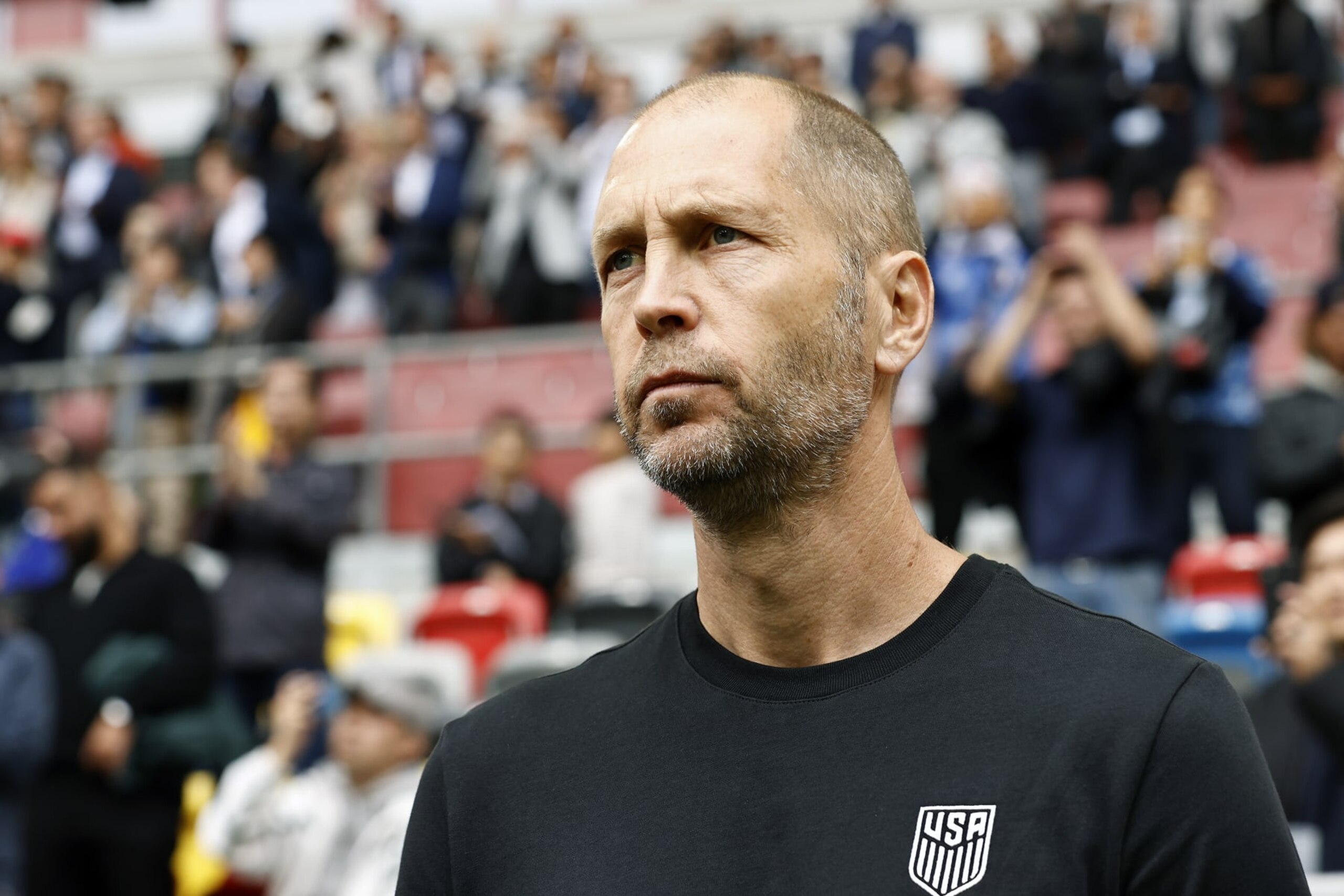

USMNT Heading to Qatar Facing More Questions Than Answers After Scoreless Friendlies
MURCIA, Spain—The U.S. men’s national team concluded their second and final friendly before the 2022 World Cup this evening in Murcia, Spain, battling a stark and persistent inability to conjure an attack and look threatening toward goal. Over the course of 180 minutes, the U.S. produced two shots on goal, and scored neither.
Tonight’s chaotic 0-0 draw against Saudi Arabia saw marginal improvements in a few individual performances, but featured all the festering issues present for Friday’s catastrophic 2-0 loss to Japan: sloppy mistakes, poor possession, palpable nerves, readable tactics, slowness to adjust, and above all else, a complete and utter inability to generate or sustain an attacking threat.

Hanging above all this is the continuous absence of several key players because of injury, including Antonee Robinson, Tim Weah, Chris Richards and Yunus Musah. The evening before match day, Gregg Berhalter warned media that his ideal starting XI in Qatar would likely be stymied by injury. As Giovanni Reyna left tonight’s match in the 30th minute experiencing “muscle tightness”—tightness to a muscle that’s kept him sidelined for large swaths of the past year—observers can only concede that injuries will likely continue to cause concern.
The team now has eight weeks remaining to focus on club form and hope for health and fitness before gathering in Qatar one week before a tournament in which they will face Wales, England and Iran.
The back line continued to struggle
Of course, issues getting the ball forward began in the back, which is where Japan left the ball on Friday, daring the USMNT to move through their press. Japan provided space to the center backs and suffocated routes out. Attacking players dropped deep and stayed compact, rather than taking or creating space, and over the course of the first half, a floundering U.S. squad broke the Berhalter-era record for giving the ball away in its own half. Thanks in large part to Matt Turner’s dominant shot-stopping (which Berhalter has rarely acknowledged) the U.S. departed Dusseldorf downed only 2-0.
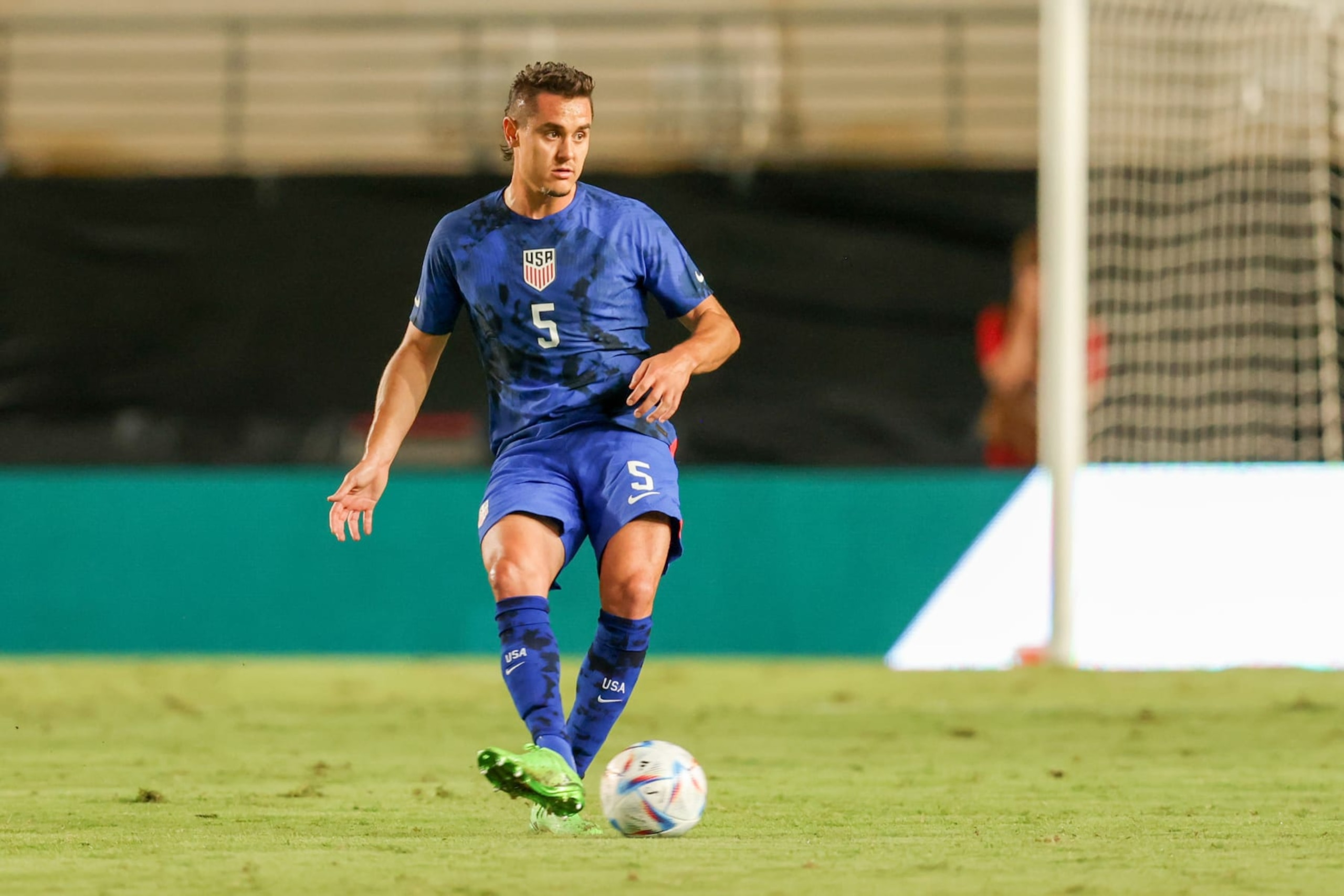
Given the performances of Friday, one may have imagined none among the trialed bunch of defenders—Sam Vines, Aaron Long, Reggie Cannon and Mark McKenzie—had performed their way into the squad for the Saudi Arabia match. But high on a list of stubborn decisions from Berhalter is that he looked into the abyss of Friday’s showing and decided to start Aaron Long again.
Paired once more with Walker Zimmerman against Saudi Arabia, Long exhibited consistent issues on the ball and left the U.S. vulnerable to dangerous counters. Long was replaced by Mark McKenzie midway through the second half and to little improvement, as McKenzie showed signs of nerves and intermittent decision making similar to Long.
Sergiño Dest was given another go at left back tonight, where he looked strong in spurts but fatigued by the second half. DeAndre Yedlin was decent defensively from the right, but was just as incoherent in the attack as everyone else.
The lone, effervescent bright spot of the evening was the much-delayed 30-minute cameo of Joe Scally, who immediately brought more energy and fight to the match than we’ve seen since June.
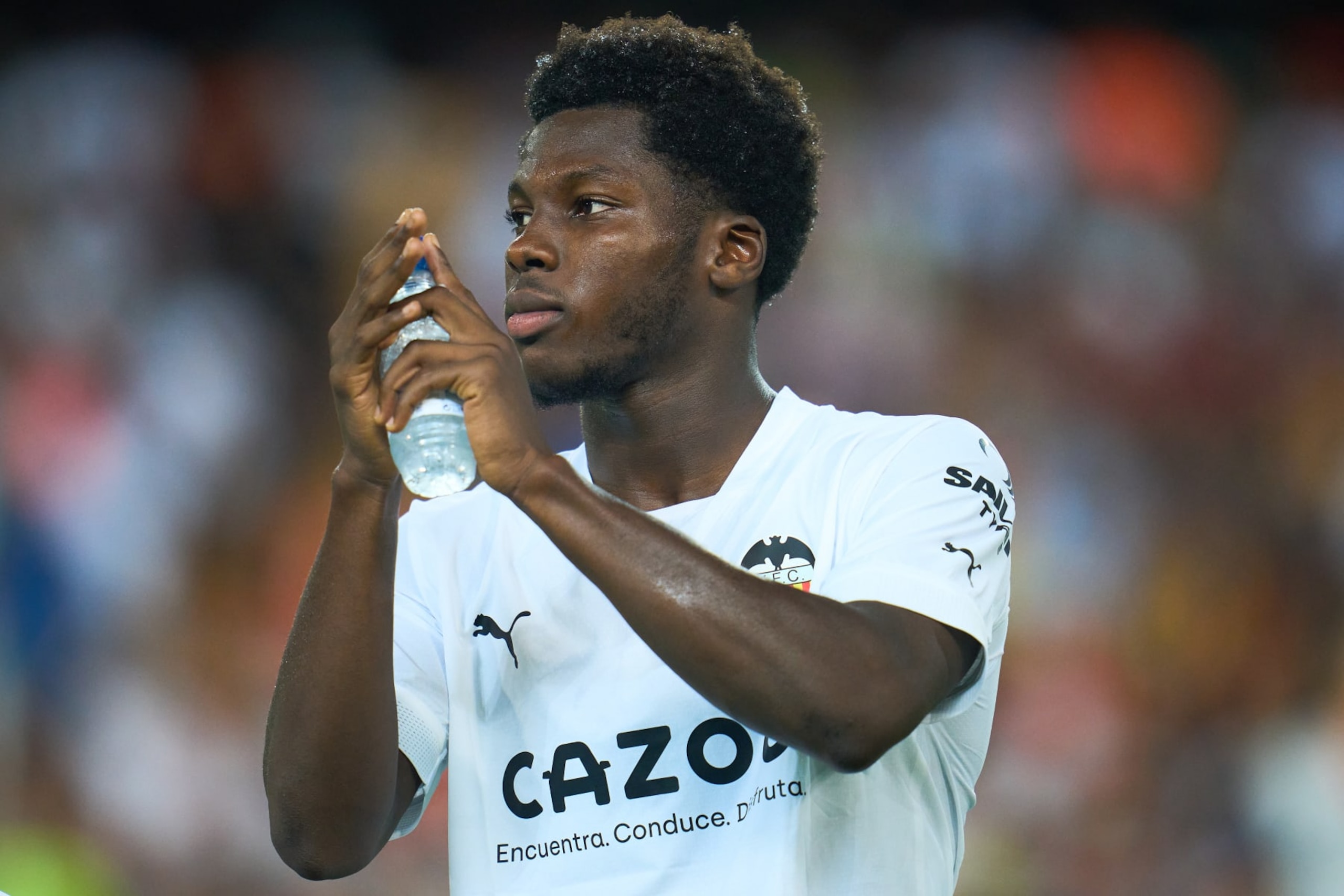
Yunus Musah's absence was glaring
Issues formulating an attack began at the back, but they coalesced perhaps most concerningly with a dismantled midfield left in dire need of Yunus Musah, who is uniquely capable of breaking through lines on the ball and maneuvering in compact spaces. Weston McKennie lacked inspiration or energy, and in particular against Japan, put out one of the worst individual performances we’ve ever seen from him. Tyler Adams was ineffective in Berhalter's imposed system against Japan, but was easily among the best performers against Saudi Arabia. And you could never accuse him of not having “fight.”
Luca de la Torre featured in a tough role against Japan, and lack of minutes at club level compounded with the team’s disjointed collective performance all but removed him from the game. Given his talent, it’s a shame we did not see any minutes from him tonight.
Johnny Cardoso and Malik Tillman—young additions to an already young squad—made late cameos against Japan, to little effect and beneath the weight of incredible stakes. Kellyn Acosta and Brenden Aaronson made their own midfield cameos against Saudi Arabia, both passable in those roles.
Like everywhere else on the field, the Americans seemed to pick up more questions in the midfield than they solved.
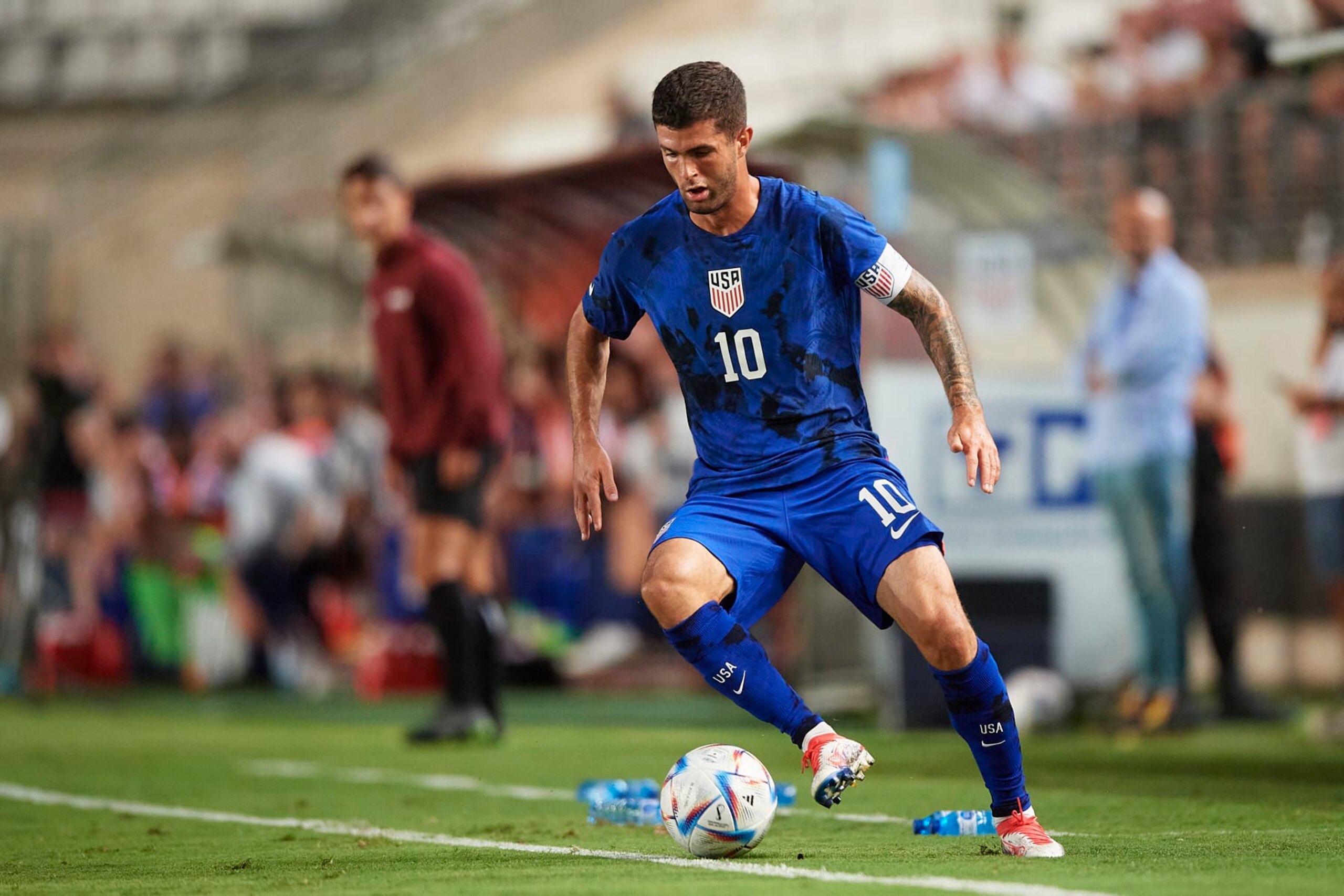
Did anything go right?
The U.S. did a better job of getting the ball to the final third against Saudi Arabia, perhaps in large part because of how Saudi Arabia set up. There was immediately more space to exploit and move forward. Berhalter also made some tactical adjustments from Friday, focusing his team on making runs in behind and sending long balls to wingers moving forward. This worked best in the first half as Zimmerman found Christian Pulisic looking bursting into the attacking third with pace. Pulisic, Dest and McKennie had a few strong sequences together on the left, but it lulled by the second half and ultimately produced nothing in the first.
Giovanni Reyna looked strong in his opening minutes, but discomfort became clear, and around minute 30 he was brought off as “precaution.” With his replacement, the combination of Paul Arriola, Kellyn Acosta and DeAndre Yedlin didn’t produce much offensively from the right.
Speaking to Berhalter and players in the post-match, it’s clear the squad felt improvement getting the ball to the final third, but exhibited lingering frustration at needing to find that final touch, that final ball, that final threat toward goal.
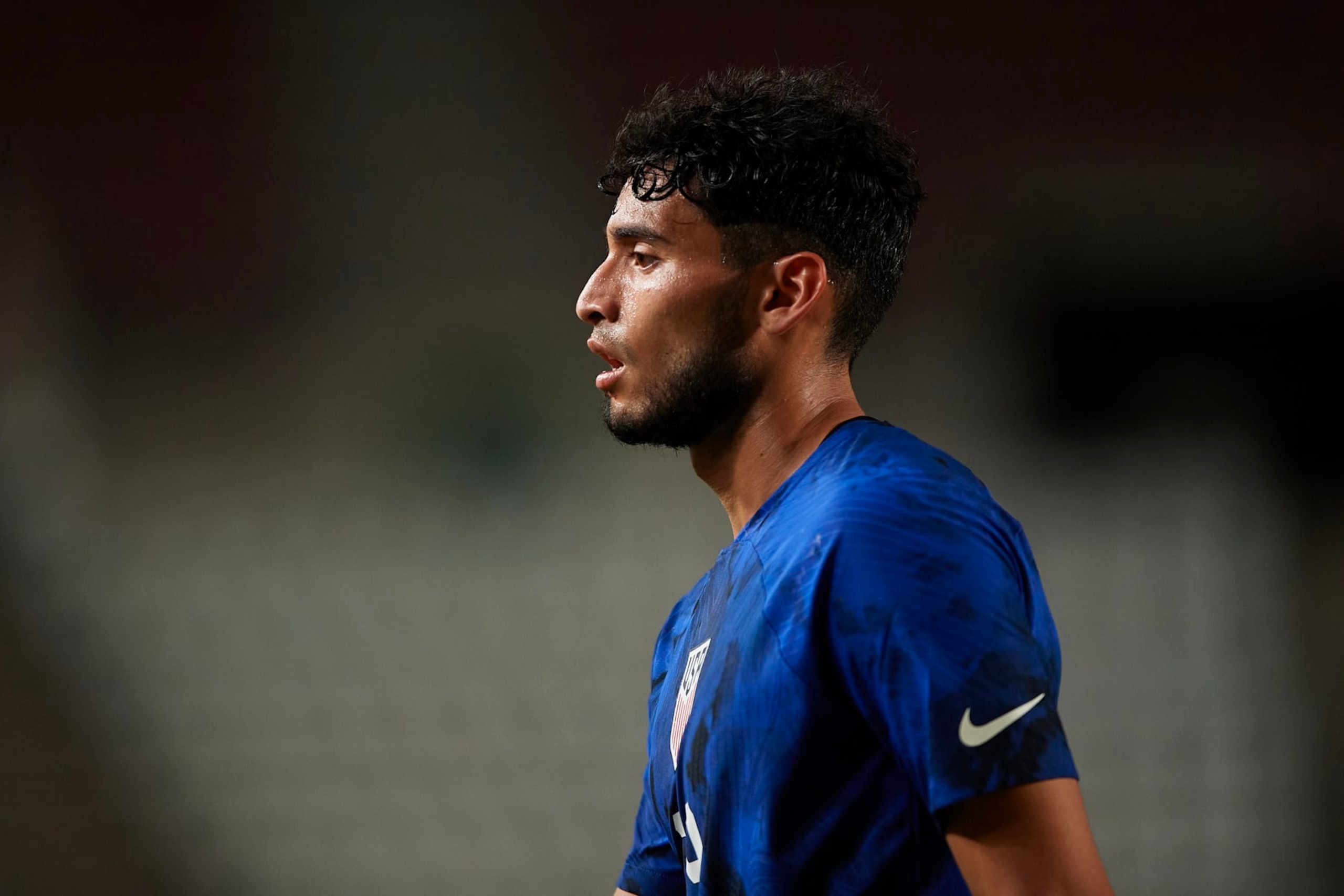
There's still no answer at striker
Here we must pause to consider the dire situation of the USMNT striker pool. It need not necessarily be so dire, which, in part, breeds the frustration at its state. The U.S. has striker options in hot form with their clubs and topping competitive leagues for goals. Jordan Pefok is highest on that list, though he is not here. Berhalter’s system is built for a different type of striker, and he remains dogmatic to its cause.
Jesús Ferreira is likely the first-choice striker and received the most minutes in camp, despite not converting for country in quite some time. Ferreira is a dynamic field player who is knocking them home with FC Dallas, but he remains stuck in a goal desert with the national team. It’s true he didn’t get many chances this window, but he also didn’t put them away, and he may not get many in the World Cup.
Ricardo Pepi returned to the squad having scored one goal with Groningen after staggering his way through Bundesliga and netting no goals in nearly a year. He worked hard but didn’t produce.
Josh Sargent likely deserved the biggest run-out of the strikers in camp but got 45 arduous minutes against Japan, which may not have been enough to get to Qatar this November, despite his fit in the system, his experience with the team or his form with Norwich this year.
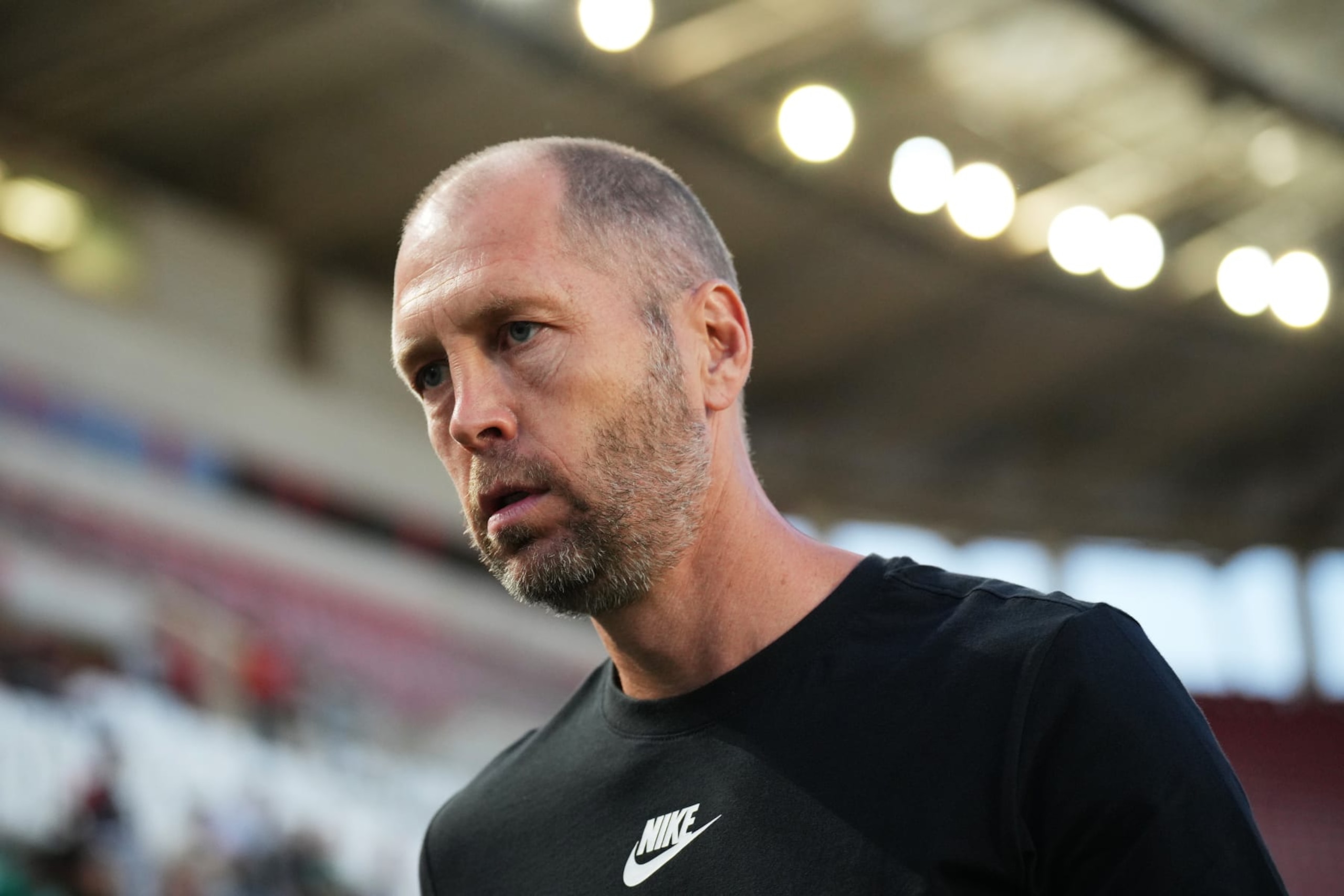
Where does Berhalter take things from here?
Berhalter is clearly aware that things are in a dire state. He told media after today’s draw with Saudi Arabia that no player looked great. Rather than delve into specifics on lessons learned, Berhalter said that coaching staff had learned “things.”
In a camp in which the main priority was preparing and sorting through talent, he did specify this: “There's not many players who performed at their normal levels in this camp. You can ask about center-backs, full-backs, whoever ... there's not many players that performed at their normal levels."
Berhalter is aware, also, that the pressure is on him. He was forthcoming in admitting he’d been out-coached against Japan, and has made adjustments in approaches to training. But when it comes to key personnel, and to the overall system, we’ll need wait for November to know for sure what “things” Berhalter has learned from this horrid window, and importantly, whether he can or will adjust them.



.jpg?w=2560 "Jonathan Taylor Landing Spots 📍")





