
Among All of MLBs Failures, Fans Can Celebrate the Universal DH
Ever since Major League Baseball's owners locked out players Dec. 2, no-news days have tended to be good-news days for fans. It's otherwise been nothing but DOA proposals, accusations of bad faith and painfully slow progress toward a new collective bargaining agreement.
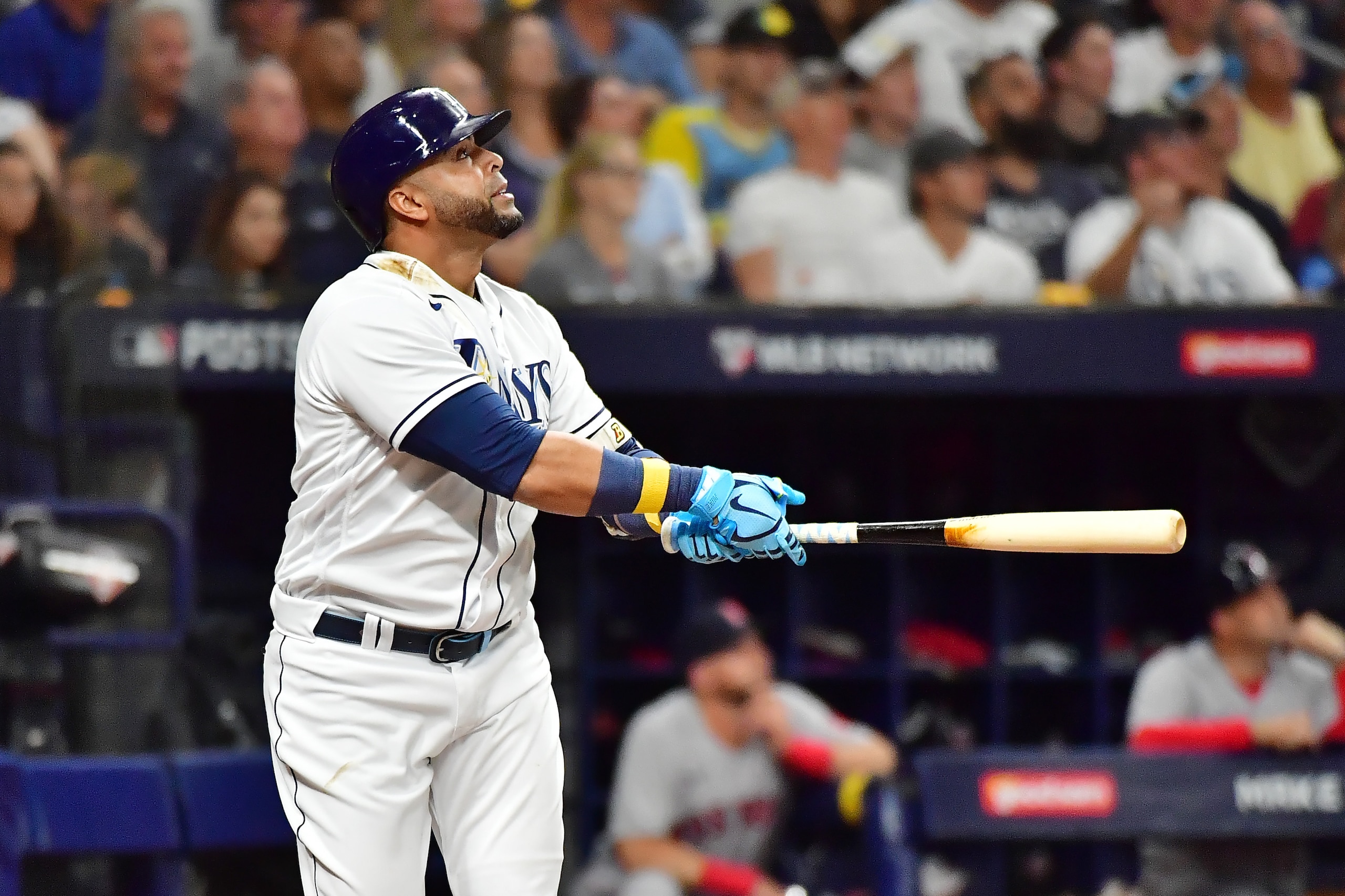
It was a nice reprieve, then, when MLB Commissioner Rob Manfred announced Thursday that the league and the MLB Players Association had agreed on at least one thing: Starting in 2022, the designated hitter will once again be universal.
TOP NEWS

Ranking Top 25 Trade Chips For Offseason 🔢
Brewers Beat Dodgers In Game 1

MLB Playoffs Winners and Losers ⚾
To be sure, this announcement was not surprising.
It seemed like the National League was inevitably going to get the DH even before it got it on an experimental basis for the coronavirus pandemic-shortened 2020 season. Success followed. The NL outscored the American League for the first time since 1974, and seemingly few within baseball wanted pitchers to go back to hitting for themselves in NL parks.
Nevertheless, the league shelved the universal DH last February. Predictable, perhaps, but the 2021 campaign nonetheless figured to be the last gasp for bat-wielding hurlers even if they experienced an unforeseen offensive renaissance. Spoiler: They didn't.
The basket of arguments in favor of the DH's staying solely in the AL—its home base since 1973—isn't entirely empty. Yet those arguments tend to be strictly aesthetic. Pitchers hitting for themselves introduced more strategy into the game. Not having the DH in the Senior Circuit was the last clear distinction between the AL and NL. Et cetera.
The basket of arguments in favor of the universal DH, on the other hand, contains multitudes.
More Offense! More Action!
Despite the universal DH, there actually were instances in which pitchers hit for themselves in 2020.
Specifically, four of them. They yielded three strikeouts and a hit-by-pitch. Good for a .000 batting average, a .250 on-base percentage and a 16 wRC+. Not great. And yet, somehow it marked a substantial improvement of standards that were on a longstanding decline.
This chart, which tracks annual wRC+ by position, says it all:
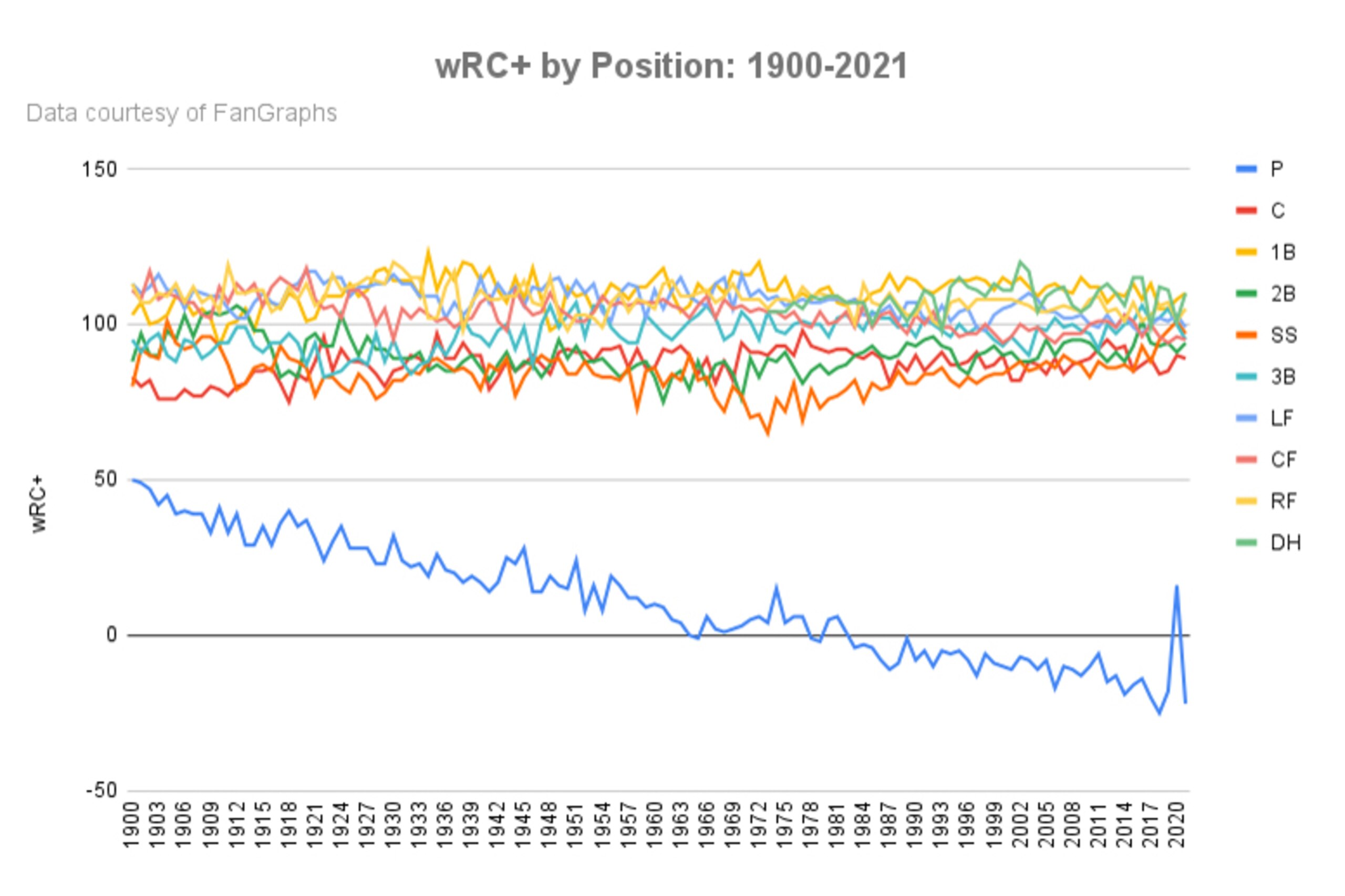
There's a line of thinking that the DH shouldn't go universal because pitchers hitting for themselves is proper tradition. Even if that wasn't a logical fallacy, this graph should lead to another line of thinking: At some point, the carrying out of a tradition is so far removed from the original intent that it's no longer the tradition it's supposed to be.
Besides, the particulars of this picture are just as pathetic.
In 2021, pitchers struck out in 44.2 percent of their plate appearances. Another 8.7 percent yielded sacrifice bunts. They thus gave away easy or free outs nearly 53 percent of the time, or twice as often as the next position: ironically, designated hitters, at 25.9 percent.
It's also worth remembering how the promise of these outs impacted other parts of lineups. In the NL last year, the hitters who generally batted in front of pitchers (i.e., in the No. 8 spot) accounted for 30.6 percent of intentional walks:
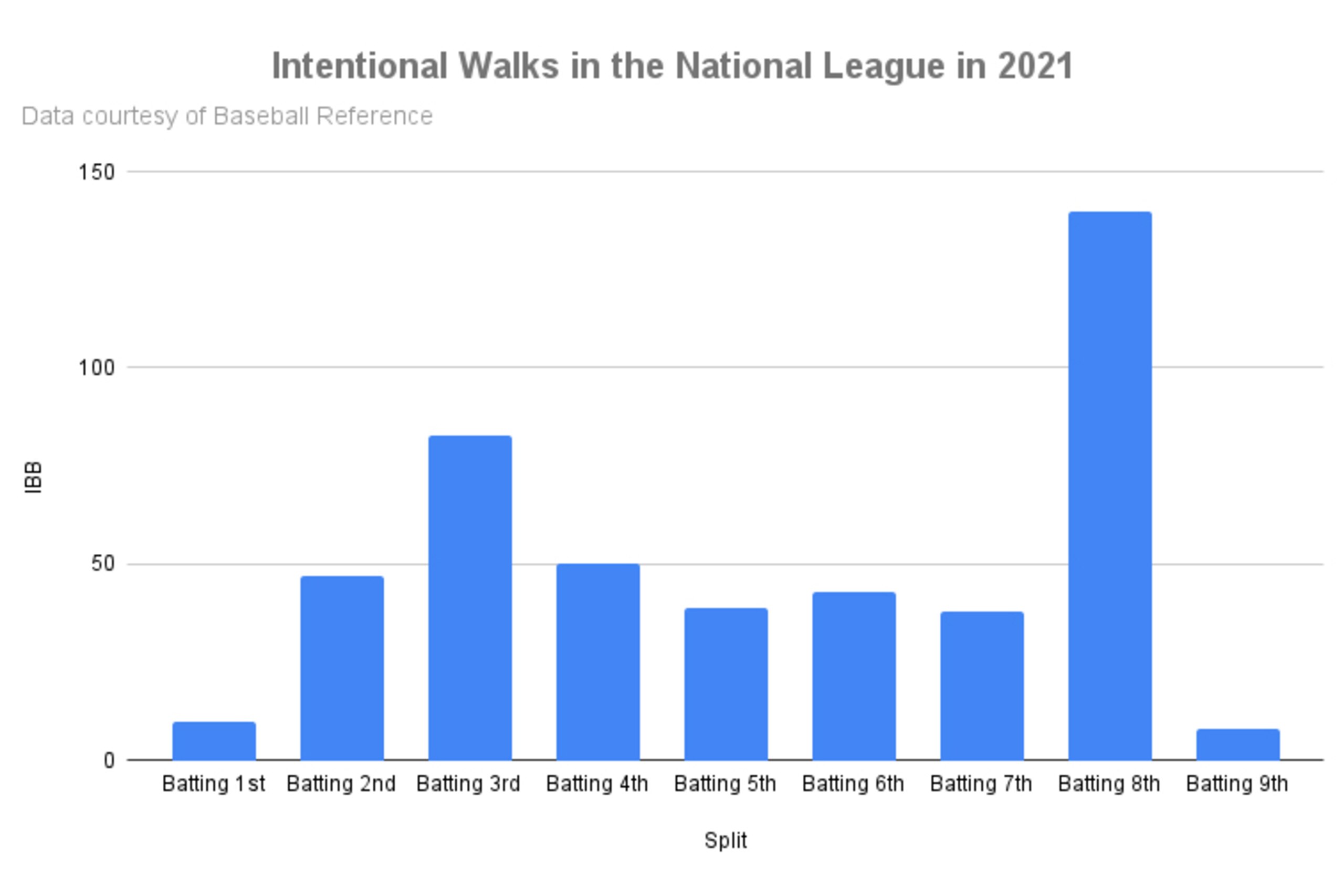
Good strategy? Maybe. But not exactly a compelling brand of baseball, particularly since the 2017 rule change for intentional walks did away with any possibility of an ill-timed wild pitch.
As such, the notion that making the DH universal will generate more offense is at once true and overly simplistic. It's just as important that it's going to create more contests between batter and pitcher, as well as between batter and defense.
Because baseball doesn't get more traditional than that, this is a good thing.
Fewer Fluke Injuries to Pitchers!
Pitching is hard on the body. When feet, legs, shoulders, arms and hands conspire to throw a baseball with as much velocity and/or spin as possible, any one of those parts is liable to get hurt.
Therefore, to ask the players who do such things for a living to also wield bats and run the bases has always been a form of malpractice.
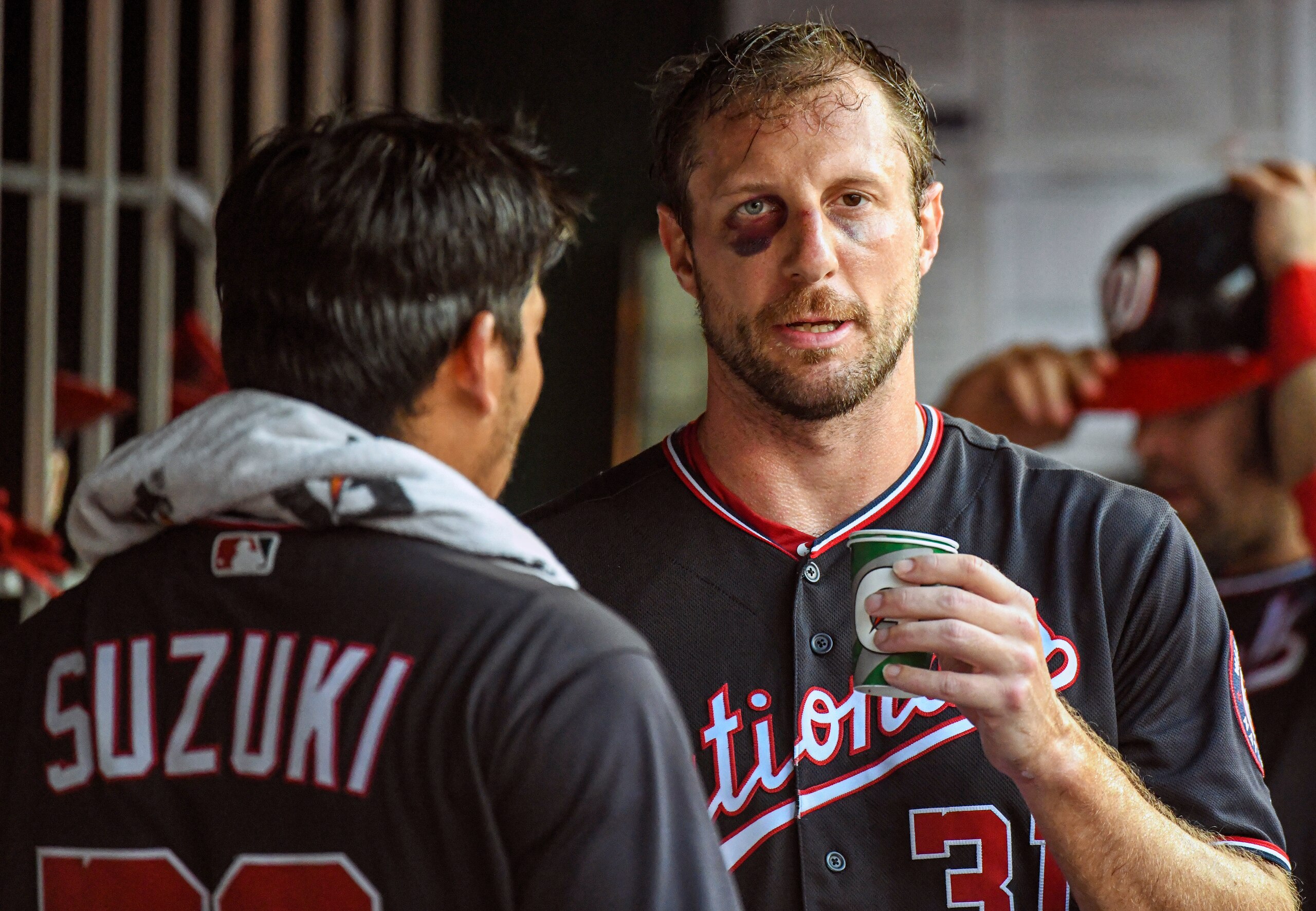
Scott Boras, baseball's foremost agent, raised precisely this concern in speaking to Tyler Kepner of the New York Times after MLB de-universalized the DH last year:
"This is a health and safety issue. I want these owners to understand that you're putting the game, and all the investment they have in pitchers, at major risk. Hamstrings, ankles, broken fingers—when you don't run the bases and you haven't bunted for over a year and a half, you're asking elite athletes to do things they haven't done."
This was after one of Boras' clients, Arizona Diamondbacks right-hander Zac Gallen, fractured his forearm while hitting during a workout. Still another of Boras' clients, then-Washington Nationals ace Max Scherzer, broke his nose in 2019 while practicing his bunting.
The list of horror stories goes on. Chien-Ming Wang sprained his foot in 2008. Jake Peavy strained a tendon in his ankle in 2009. Adam Wainwright tore his Achilles in 2015. Jimmy Nelson shredded his shoulder in 2017.
Granted, it would be a reach to say injuries like these have been commonplace. But especially in the context of pitchers' ever-escalating salaries and rapidly diminishing offensive returns, Boras' anxiety was certainly not exclusive. Somewhere along the line, even one pitcher's injury at the plate or on the bases became one too many.
Though the universal DH won't eliminate this threat, it will restrict it to pinch-hitting and pinch-running situations that will be so rare as to be nonexistent. This, also, is a good thing.
More Opportunities for More Players!
Though the promise of more action and fewer injuries must have come up in negotiations, the big reason the universal DH is coming is that it simply makes financial sense for the owners and players.
For the owners, there are the reasons Boras mentioned. For the players, an everyday DH job is worth more money than, say, a utility player role or middle reliever gig that might otherwise occupy a roster spot.
On top of all this, it doesn't hurt that the universal DH will give the league more ways to generate headlines concerning player movement.
The fact that there are about to be 15 more openings for bat-first players is good news for free agents such as Nelson Cruz, Jorge Soler, Kyle Schwarber, Nick Castellanos and Michael Conforto. That should mean more money in their pockets, not to mention potentially additional rooting interests for fans of NL teams that might sign them.
Likewise, those openings will entail more possible homes for bat-first players on the trade market. That means you, Luke Voit. And also you, Austin Meadows, Trey Mancini, Josh Bell and Garrett Cooper.
Of course, NL teams could just as easily look in-house for DHs. That could lead to regular at-bats for players who would otherwise be out of luck. Think veterans such as Darin Ruf, Paul DeJong, Clint Frazier and Michael Chavis, fringe youngsters such as Gavin Lux, Nick Senzel and Lewin Diaz and prospects such as Seth Beer, Drew Waters and Matt Vierling.
Also worth considering is what the universal DH could mean for the future of player development. Minor league teams won't necessarily have to find defensive homes for prospects who are really only there because of what they can do in the box. If so, that could benefit the focus of the individual and the talent retention of the institution.
Considering that this great big pile of pros easily overshadows the minuscule jumble of cons, it is with wide-open arms that the universal DH should be welcomed back to baseball. Maybe it'll take some getting used to, but it shouldn't be long before the prevailing curiosity is how baseball ever lived without it.
Stats courtesy of Baseball Reference and FanGraphs.

.jpg?w=2560)
.jpg?w=2560 "Viral Dan Campbell Presser 💙")
.jpg?w=2560 "AD Trolls Bears WR on IG 😂")
.jpg?w=2560 "Cam Ward Says He's Not A Loser")
.jpg?w=2560 "Report: Steelers WR to Miss 'Weeks'")
.jpg?w=2560 "Chargers Fall to 0-5 🤢")