

As college football fans still struggle to come to terms with the LSU-Alabama rematch and the potential for a split national title, the debate for some type of playoff system is heating up to the point where it's a strong possibility the current system will not exist in 2014.
The BCS was born in 1998, its founding principle being that the top two teams in the country would play for the national title. It was the first time in the 50 years of its relationship with the Rose Bowl that the Big Ten and Pac-10 accepted the possibility of not sending a team to Pasadena.
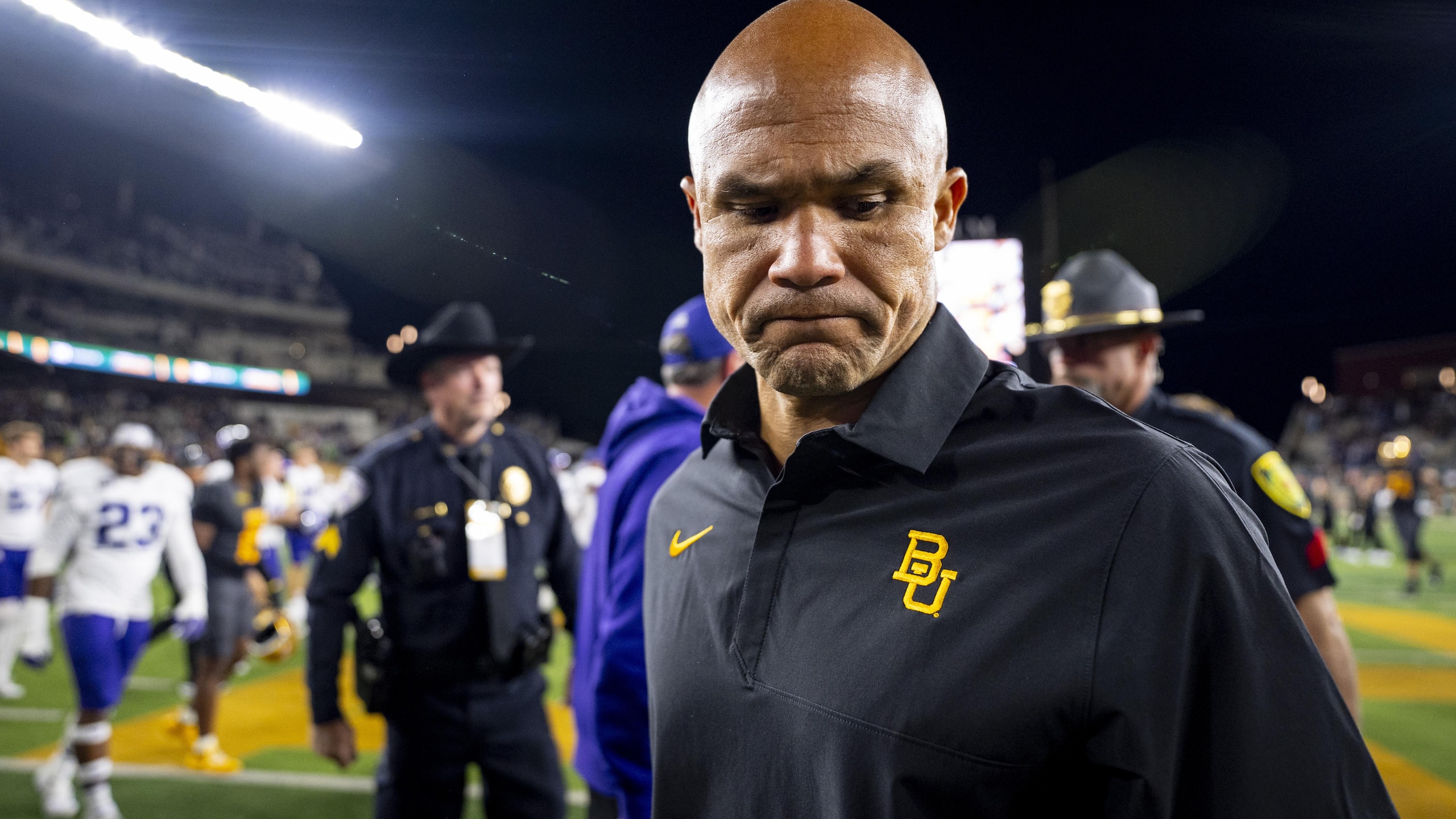
.jpg?w=2560 "AP Poll Top Five Week 9")
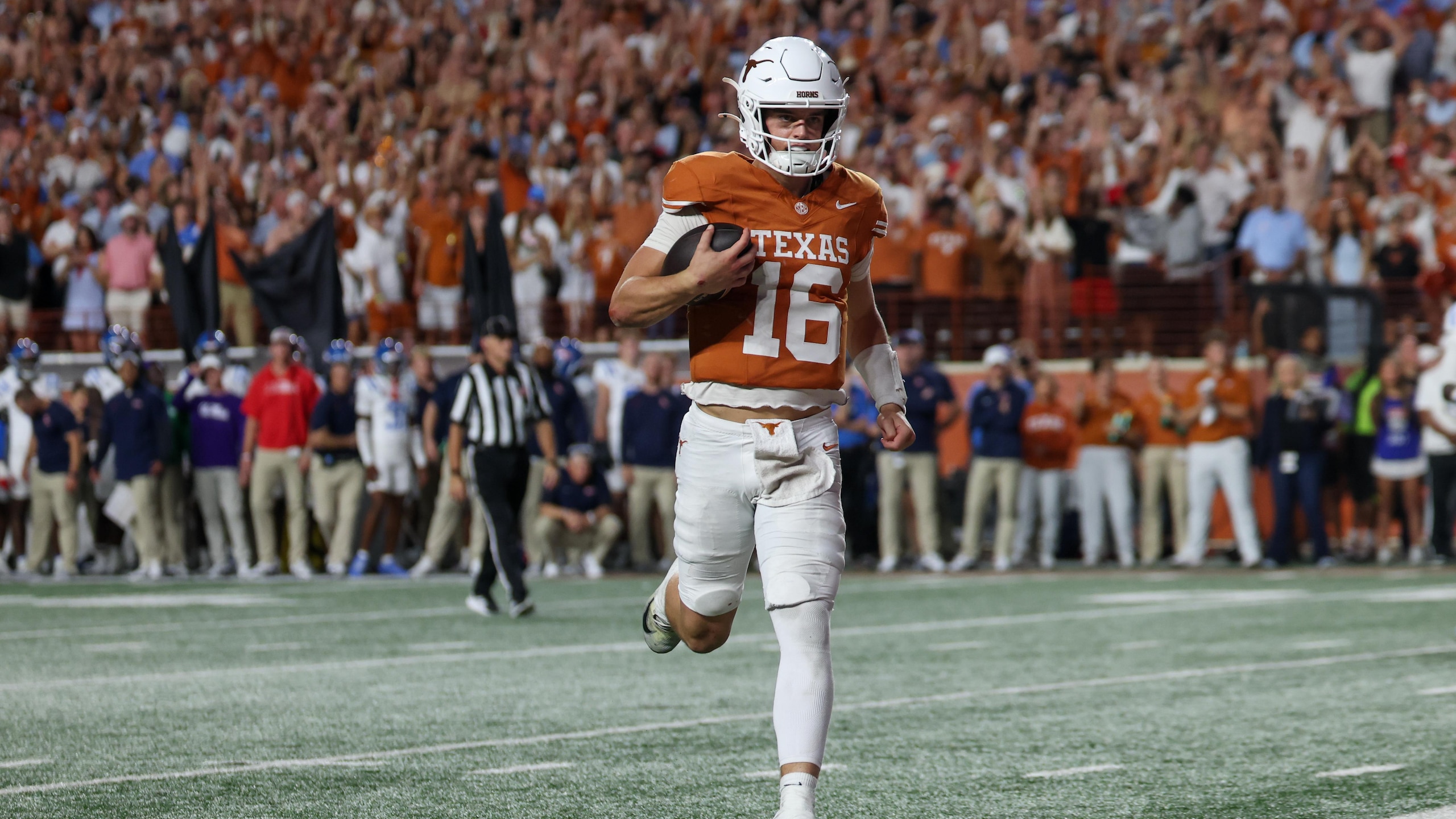
After No. 1 and No. 2, selections for the other bowls would remain subject to the biases and inequities that have persisted for decades. In 2006, a fifth BCS bowl was added, paving the way for six teams from non-automatic qualifying conferences
Throughout its history, college football has tweaked its bowl selection process numerous times, avoiding controversy only on rare occasions. As we prepare for the 14th season of BCS bowls, let's look back at how the major bowls would have looked under prior systems.
BCS with Four Bowls (1998-2005)
Not much would change here. Two less at-large berths would have been available, and Alabama and Stanford would have automatically qualified for BCS bowls—Alabama because it was ranked No. 2, and Stanford because it was ranked No. 4 and was not a conference champion.
LSU and Alabama would play in the Sugar Bowl, and Wisconsin and Oregon would go to the Rose Bowl. With Oklahoma State and Clemson tied to the Fiesta and Orange Bowls respectively, the only available teams would be West Virginia and Stanford.
The Fiesta Bowl would have had the first selection, taking the Cardinal. The Orange Bowl would be left with the Mountaineers. The pairings would mirror how they actually are this year, except for Michigan and Virginia Tech being left out of the BCS entirely.
Rose Bowl: Wisconsin vs. Oregon
Fiesta Bowl: Stanford vs. Oklahoma State
Orange Bowl: West Virginia vs. Clemson
Sugar Bowl: Alabama vs. LSU
Bowl Alliance (1995-1997)
The Bowl Alliance was an agreement between the seven major conferences (and Notre Dame) with the Fiesta, Orange and Sugar Bowls. Each year, one of three bowls would have their pick of the top two teams, in order to set up a mythical national championship game. The other two bowls would match the third versus fifth selections, and the fourth versus sixth selections.
The major drawback was that the Big Ten and Pac-10 champions would still go to the Rose Bowl, although other teams from those two conferences could be selected to an Alliance bowl as at-large teams.
In two of its three years in existence, the Bowl Alliance failed to match the top two teams in the polls, ultimately leading to its downfall. This year, the Sugar Bowl would have had the decision in its hands on whether to choose Alabama or Oklahoma State to play LSU.
The call here is that due to the SEC's historical influence with the Sugar Bowl, the Tide would have still gone to New Orleans.
The Fiesta would have taken Oklahoma State with the third pick. The Orange, not wanting to risk selecting a West Coast team without a large fanbase, would have passed on Stanford.
Selecting Kansas State would have eliminated Stanford from Alliance bowl consideration (the Wildcats and Alabama would have been the two at-large teams), so the Orange, with some push from the Fiesta, would have settled on ACC champion Clemson with the fourth pick.
Stanford would then have been snatched up by the Fiesta Bowl, with the appeal of Andrew Luck too good to pass up despite Kansas State certain to bring plenty of fans. West Virginia would have been left for the Orange Bowl, and again, we'd have identical matchups to what we will have next month.
Rose Bowl: Wisconsin vs. Oregon
Fiesta Bowl: Stanford vs. Oklahoma State
Orange Bowl: West Virginia vs. Clemson
Sugar Bowl: Alabama vs. LSU
Bowl Coalition (1992-1994)
The predecessor to the Bowl Alliance maintained the traditional conference tie-ins, but should at least one of the top two teams not have a pre-determined tie-in, the Bowl Coalition allowed for the top two teams to meet in whichever bowl had a tie-in with one of the top two teams.
Should neither of the top two teams have a tie-in (Big East, ACC, Notre Dame), they would meet in the Fiesta Bowl, which reserved both of its slots for at-large selections.
The four bowls in the Bowl Coalition were the Cotton, Fiesta, Orange and Sugar.The system worked in both 1992 and 1993, but with Penn State ranked No. 2 in 1994 and tied to the Rose Bowl, the Nebraska-Miami Orange Bowl was not a true national championship game.
Historical tie-ins would have sent the Big 12 champion to Miami, the SEC champion to New Orleans, and the Southwest Conference champion to Dallas. With the SWC's demise, the tie-ins would have been adjusted to send the Big 12 champion to Dallas and the ACC champion to Miami.
The Rose Bowl would again not change. Clemson would have been tied to the Orange Bowl, LSU to the Sugar Bowl and Oklahoma State to the Cotton Bowl. With LSU being the top "host team," it would again have faced Alabama as the top at-large team. The other bowls were free to negotiate with the remaining eligible teams.
The Fiesta would have tried to keep Stanford out west, with the desired opponent being Michigan. Even with former Wolverines quarterback Jim Harbaugh no longer coaching the Cardinal, a matchup between Stanford and Michigan would have had an old Rose Bowl-type feel to it.
Wanting to draw from its days with Big 8 affiliation, the Orange Bowl would have invited Kansas State to Miami to face Clemson. West Virginia would have then gone to Dallas, setting up an interesting matchup with Oklahoma State. West Virginia coach Dana Holgorsen was OSU's offensive coordinator in 2010.
Rose Bowl: Wisconsin vs. Oregon
Cotton Bowl: West Virginia vs. Oklahoma State
Fiesta Bowl: Stanford vs. Michigan
Orange Bowl: Kansas State vs. Clemson
Sugar Bowl: Alabama vs. LSU
As shown, each system would have still given us a rematch between Alabama and LSU, and only the Bowl Coalition would have provided any matchups different than what we have in the current system. The old systems would have kept Virginia Tech out of a major bowl, which seems most fair given the Hokies' poor resume and even poorer performance in the ACC Championship Game.
So, have we made any progress since 1992? This year may not show it, but we absolutely have. Last year Auburn would have gone to the Sugar Bowl and Oregon to the Rose Bowl in any pre-BCS system.
In 2009, while the Bowl Alliance would have allowed Texas to meet Alabama, the Bowl Coalition would have kept the two teams apart.
We're far better off today than we were in the '90s, despite the potential for the second split national title in the BCS era—only one less than we had in the 14 years prior to the BCS.
College football can do better though, and it will do better. Thanks to a rematch that was inevitable in any system the sport has utilized, it'll be sooner rather than later.


.jpg?w=2560 "Mahomes Told Teammate to Leave Meeting")
.jpg?w=2560 "Baker Gets Glove From Rays 🧤")
.jpg?w=2560 "5 Teams Eyeing Jonathan Taylor")

.jpg?w=2560 "NFL investigating Eagles")
.jpg?w=2560 "Steelers Roll Saints in Paris")