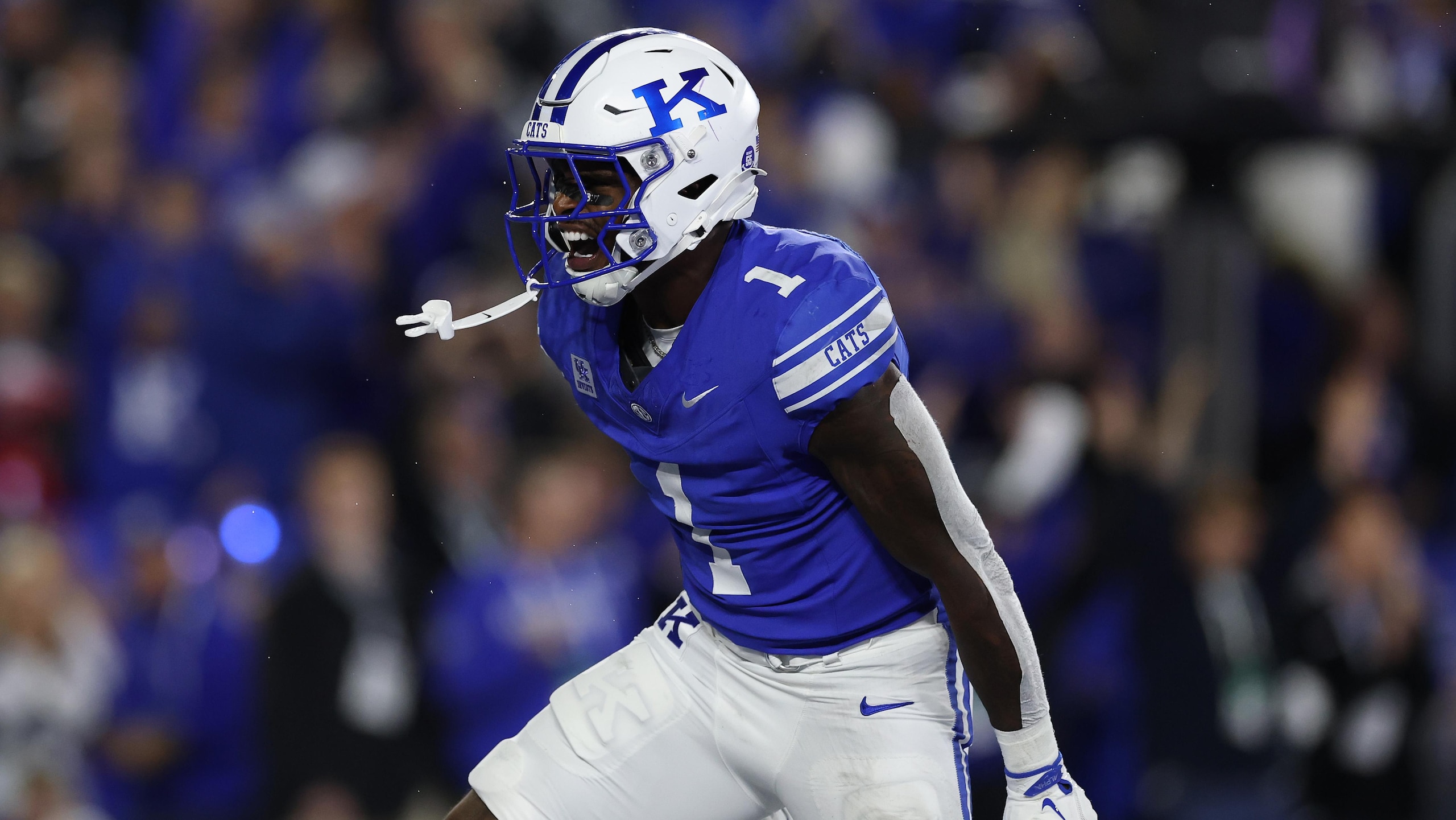
Who Will Play in the New World of For-Profit College Football and Basketball?
Kentucky and Texas and Florida and Michigan are probably in. Duke and Stanford and Butler are probably not. And there are some crazy bubble teams like North Carolina.
This is part three of a three-part series.
You reckon Rick Pitino at Louisville would be any good at this new game? Unencumbered by the NCAA rulebook, with cash to spend, and an eye for talent?
TOP NEWS
NFL Season Shaping Up To Be Unpredictable 🗣️
.jpg?w=2560 "Texans Titans Football")
Cam Ward Says He's Not A Loser
Brewers Beat Dodgers In Game 1
How about John Calipari at Kentucky? Do you think Enes Kanter would have been spending his time taking English Lit. in Lexington if this system was in place last year? How about HuggyBear over at West Virginia? You think he’s got a pipeline into some talent that would love a paycheck for a change? How long do you think Steve Lavin’s rebuilding project at St. John’s will take NOW?
In football, who wants a piece of Alabama and Nick Saban under this system? Maybe RichRod at Michigan might? Maybe the Florida schools stage a comeback? There certainly isn’t more talent anywhere in the country than there is in The Sunshine State. Ohio State is pissed off anyway after the Mickey Mouse “tattoo-gate” raise your hand if you want to see what their recruiting looks like with a wallet full of alumni money and three-year contracts? Or how about USC after the Reggie Bush debacle? How good do you think they would be in a system like this AND a chip on their shoulder?
The level of football and basketball played in this system will escalate dramatically. The free market will be at work; the best players will get offered the most money.
No, Mike Kryzyyewski won’t play. Nor should he. Duke really believes in the scholar-athlete model. So do Notre Dame, Stanford, Vanderbilt, Butler and countless others. The smaller private schools with great athletics will take a pass here, and that’s okay. They will still have a league of their own. They will still play competitively and graduate their players. And a degree from Stanford will still mean more than just about any other degree.
The interesting thing to speculate on, what really makes this a fascinating idea, is to wonder about the schools who aren’t a slam dunk one way or the other. Sure, Oregon would enter this system. Sure, Wake Forest would not. It’s the bubble schools that could go one way or the other that face a delicious irony.
How about North Carolina? Do they really believe in schooling and graduating their athletes? Or are they just mouthing the words. And if they do, and they stay academic, would a Harrison Barnes go near the place? Who wins the talent war between UNC and Duke in this system?
How about Indiana? Purdue? Connecticut? How about Joe Pa at Penn State? Penn State is a fantastic school; its academics are very under-rated. A hard science degree from there is almost a job guarantee. But would the alumni and the fans really pass on the opportunity to join the bigs?
Or skip academics. What if you are just good at one sport, but not the other? Hello, most of the SEC in football—Auburn, Clemson, Georgia. Or the ACC in basketball. What do you do if you’re the best engineering school in the southeast, Georgia Tech? Or the best football school in a weak conference, like Virginia Tech?
There are a lot of things to like about this idea: equity (finally!) for the players, acknowledgement of the irreconcilable disparity between revenue sport and academia, giving the boot to the NCAA, etc.
But the most interesting and exciting component of it is telling the schools to put up or shut up. So many of them have gotten away with gaming the system, pretending to care about their athletes getting an education, and then kicking them to the curb as soon as one of them gets an ACL sprain. Hypocrisy in the academy is rampant. Let’s see who really believes their mission statements now.
.jpg?w=2560)
.jpg?w=2560 "Broncos Chargers Football")

.jpg?w=2560 "Grading MHJ Trade 📝")