Spinning off College Football and Basketball from Their University Parents
Taking a page from corporate America to create for-profit but university-affiliated football and basketball programs
This is part two of a three-part series.
Before we continue, let’s define who and what we are talking about spinning off.
TOP NEWS
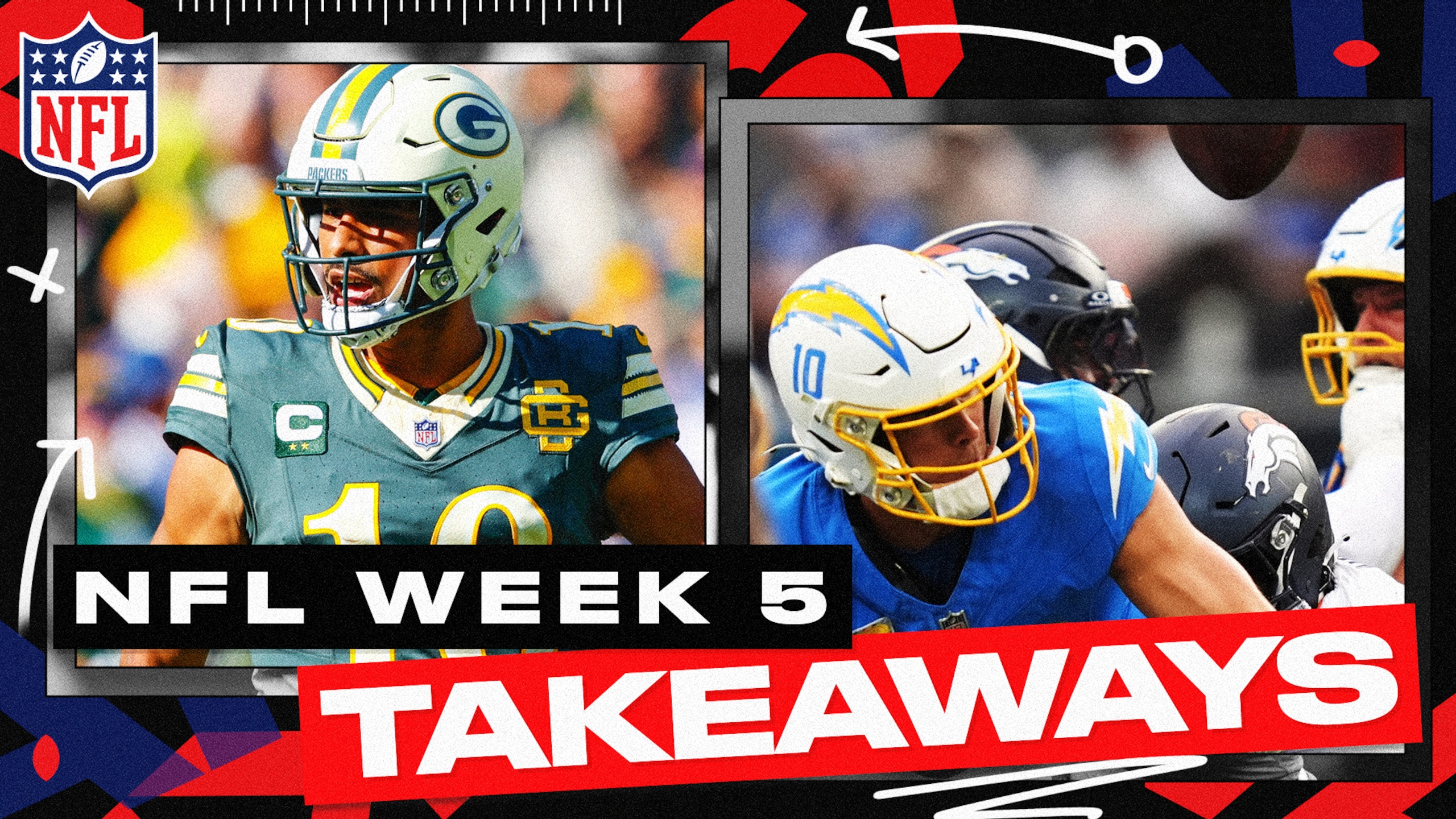
NFL Season Shaping Up To Be Unpredictable 🗣️
.jpg?w=2560 "Texans Titans Football")
Cam Ward Says He's Not A Loser
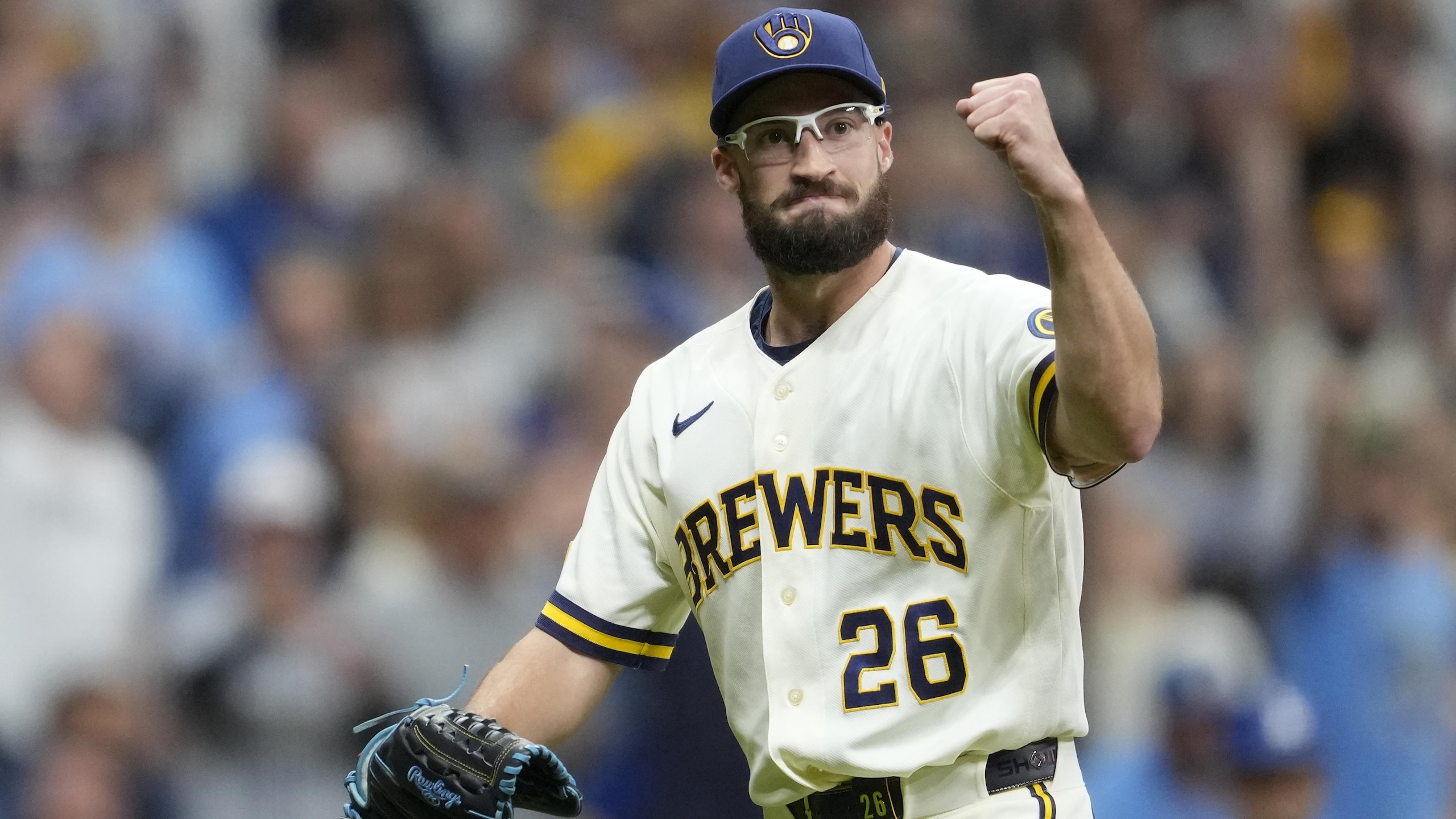
Brewers Beat Dodgers In Game 1
We are talking about the big-time, revenue-producing college sports of football and basketball. The Alabamas and Kentuckys, the Tennessees and Floridas, the Michigans and Oklahomas and Nebraskas of the sporting world. Look at the BCS bowl participants for the last five years, or the Sweet Sixteens. That’s who we are talking about.
We are NOT talking about non-revenue sports like lacrosse or soccer or women’s field hockey. Those are comfortable within the university and should stay there. We are also NOT talking about football and basketball programs at small or medium-sized schools. They don’t generate the revenue to compete in this league.
Finally, we are NOT talking about a compulsory program. Schools would need to make a conscious decision to spin-off their programs; otherwise, they would stay where they are, under the university umbrella.
Here’s how a typical spin-off works in Corporate America: As a subsidiary, you reach an amicable agreement with your parent that you are leaving. You identify the human resources and the physical assets you want to take with you. You formalize your post-spinoff arrangement with your parent because you will both still need each other for some time. You capitalize the subsidiary, usually with a stock issuance, and you send announcements out to all your family and friends.
You are then on your own, in the great big capitalist jungle, as a stand-alone business.
Here’s how it could work in college sports: For simplicity, let’s pick a program with excellence in both football and basketball, one with a strong alumni base and a loyal following in its home state.
How about the University of Texas? Their football team under Mack Brown is a perennial contender, and their basketball team under Rick Barnes has gotten a lot of respect lately. The alumni association is strong and the fans are loyal and loud.
Perfect.
Step 1: We set up a corporation called Hook ‘Em Horns Inc. It will have two subsidiaries, Football and Basketball. Mack Brown is the president of football, Rick Barnes is the president of basketball. We’ll need a president for the whole thing who is a a first-class businessman with finance and marketing experience. We’ll find one among the Texas faithful.
Step 2: We capitalize the new corporation. We’re going to have plenty of money coming in, because from now on we get the ticket revenue and the TV revenue and the apparel sales and all the other revenue streams. But we’re also going to have a lot more expenses (player salaries, for example). So we need a nice kitty of cash to get started. We do a stock issue. It will be an easy sell, to the alumni, the fans, maybe even the university endowment fund. How much can we raise? Who knows, but it will be a lot.
Step 3: At the same time that we are raising our capital, we negotiate our departure from the University. We want this to be friendly and non-adversarial. We are going to be tied at the hip with the U for a long time.
What WE need is a licensing agreement from them so we can use the burnt-orange uniforms and the Longhorn logo and all the other symbols and paraphernalia that make the ‘Horns a brand name. We also need long-term lease agreements. We want to continue to use the stadium, the weight room, the press box, etc…
What we can offer THEM is stock in the new Hook ‘em Horns Inc. It’s only fair. The U helped to grow the program to this point, so they should share in the profits when the program goes public. We also have long-term lease payments to offer. If push comes to shove, we might even offer up some profit-sharing for a short period. Given good faith from both parties, we should strike a deal quickly.
Step 4: After inking the deal with the U, we politely tell the NCAA to get stuffed. We don’t need them anymore. They can take their encyclopedic rulebook and their Infractions Committee and hit the bricks. We’ll have other oversight now, the SEC and the IRS and OSHA and the state agencies, but we’ll gladly accept that in return for telling the NCAA to go pound salt.
Step 5: Armed with cash, licensing and leasing agreements from the U, and free of the NCAA, we start recruiting.
Who will decide how much we pay the promising QB, the top-rated point guard, the can’t miss power forward, the freakish defensive end? For how long? Under what terms and conditions? We will, in conjunction with the marketplace.
And when we have recruited our team, we will train them up just like we did at the U. And in the bright sunshine one Saturday in early fall, with the heat still bouncing off the streets in Austin, the burnt orange will come running out of the tunnel at Darrell K. Royal/Texas Memorial stadium, holding high the hook-em-‘Horns hand sign, with the Longhorn steer leading the way. The crowd will scream as usual, but they will not be able to tell the for-profit version from the non-profit.
Nor will they care.
.jpg?w=2560 "Broncos Chargers Football")

.jpg?w=2560 "Grading MHJ Trade 📝")