

Wimbledon 2011: Rafael Nadal and the Top 20 Men's Players of All Time
Wimbledon 2011 is fast approaching, so let's look at its prestigious history—who do you rate as the best men's Wimbledon player ever?
With that in mind, where do you think he ranks on my list of the all-time top 20 men's Wimbledon players?
I've used one simple prerequisite: Only Wimbledon champions from the post-challenge round era have been considered.
20. Neale Fraser
1 of 20
Winner: 1960
Finalist: 1958
Semifinalist: 1957, 1962
Neale Fraser’s Wimbledon defining moment was defeating Rod Laver 6–4, 3–6, 9–7, 7–5 in 1960; though perhaps Fraser benefited from Laver’s gruelling five-set semifinal marathon with Italian iron man Nicola Pietrangeli.
It seemed what drove Fraser wasn’t the individual accolades, but more so team accomplishments. Such was his love for doubles; he won 16 Grand Slam doubles titles, four of which were at Wimbledon.
Fraser served as an Australian Davis Cup player from 1955-1963 and was the Davis Cup captain from 1970-1993.
19. Andre Agassi
2 of 20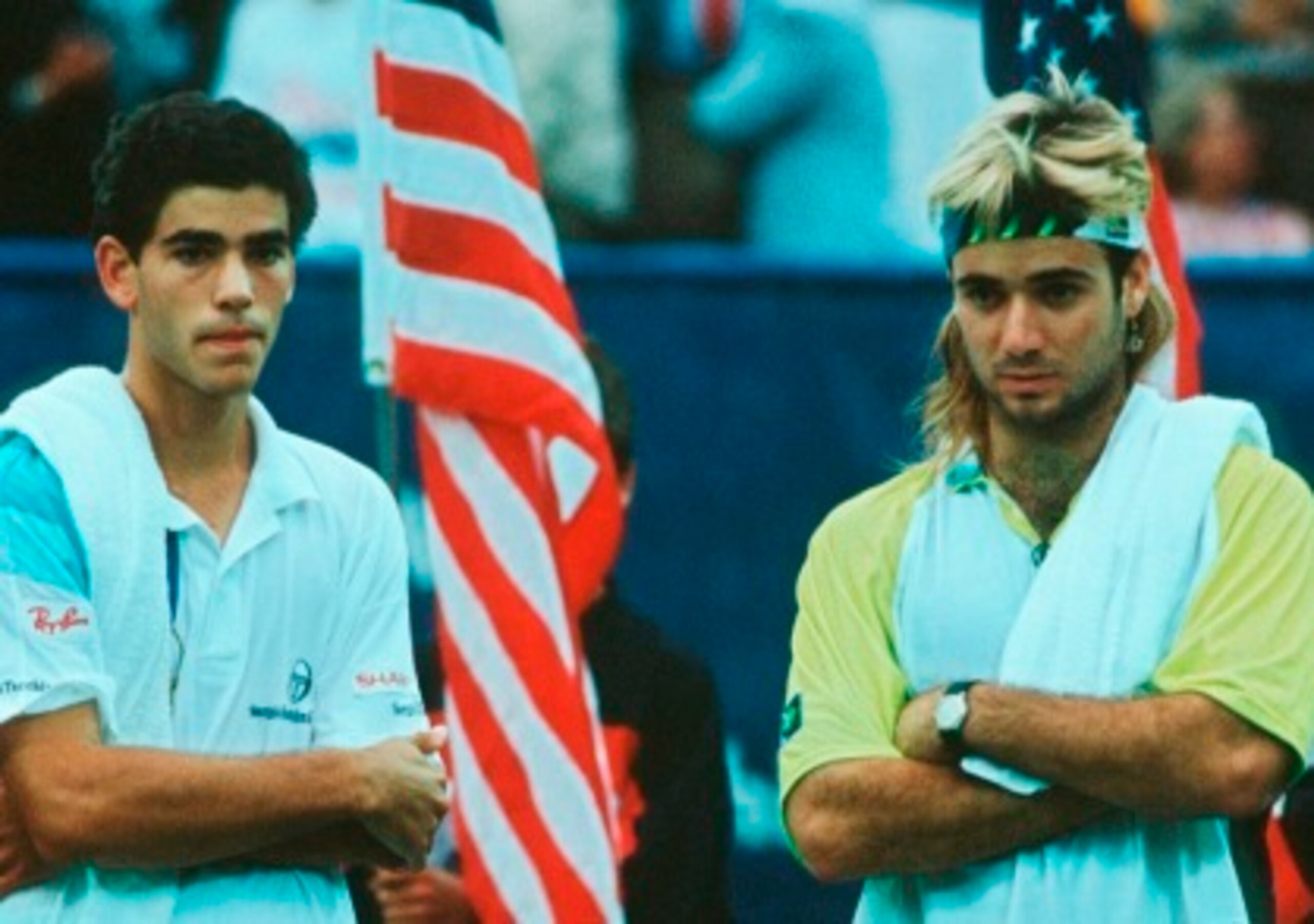
Winner: 1992
Finalist: 1999
Semifinalist: 1995, 2000, 2001
Colourful, egotistical, outspoken and rebellious—it wasn’t a surprise that a teenage Andre Agassi clashed with the conservative, traditional and white Wimbledon. Such was his detestation for Wimbledon; he abstained from participating from 1988-1990.
Ironically, Agassi’s first Grand Slam singles title was at Wimbledon, where he defeated Goran Ivanisevic 6–7, 6–4, 6–4, 1–6, 6–4 in 1992.
18. Goran Ivanišević
3 of 20
Winner: 2001
Finalist: 1992, 1994, 1998
Semifinalist: 1990, 1995
Armed with one of the most devastating serves ever, Goran Ivanišević was a perennial contender at Wimbledon, compiling a 36-9 (80 percent) record throughout 1990-1999.
By the summer of 2000, a 29-year-old Ivanišević was ranked 129th in the world and hadn’t won a tournament since 1998, so retirement beckoned. His aspirations of lofting the Wimbledon trophy at the All England Club was all but a dream; playing professional football for Hajduk Split seemed more likely than success at SW19.
Given symbolic entry into the 2001 Wimbledon draw, Ivanišević proceeded to go on a fairy tale seven-match winning streak, culminating with a 6–3, 3–6, 6–3, 2–6, 9–7 victory over Pat Rafter. Ivanišević became the first Wild Card to win a Grand Slam.


17. Don Budge
4 of 20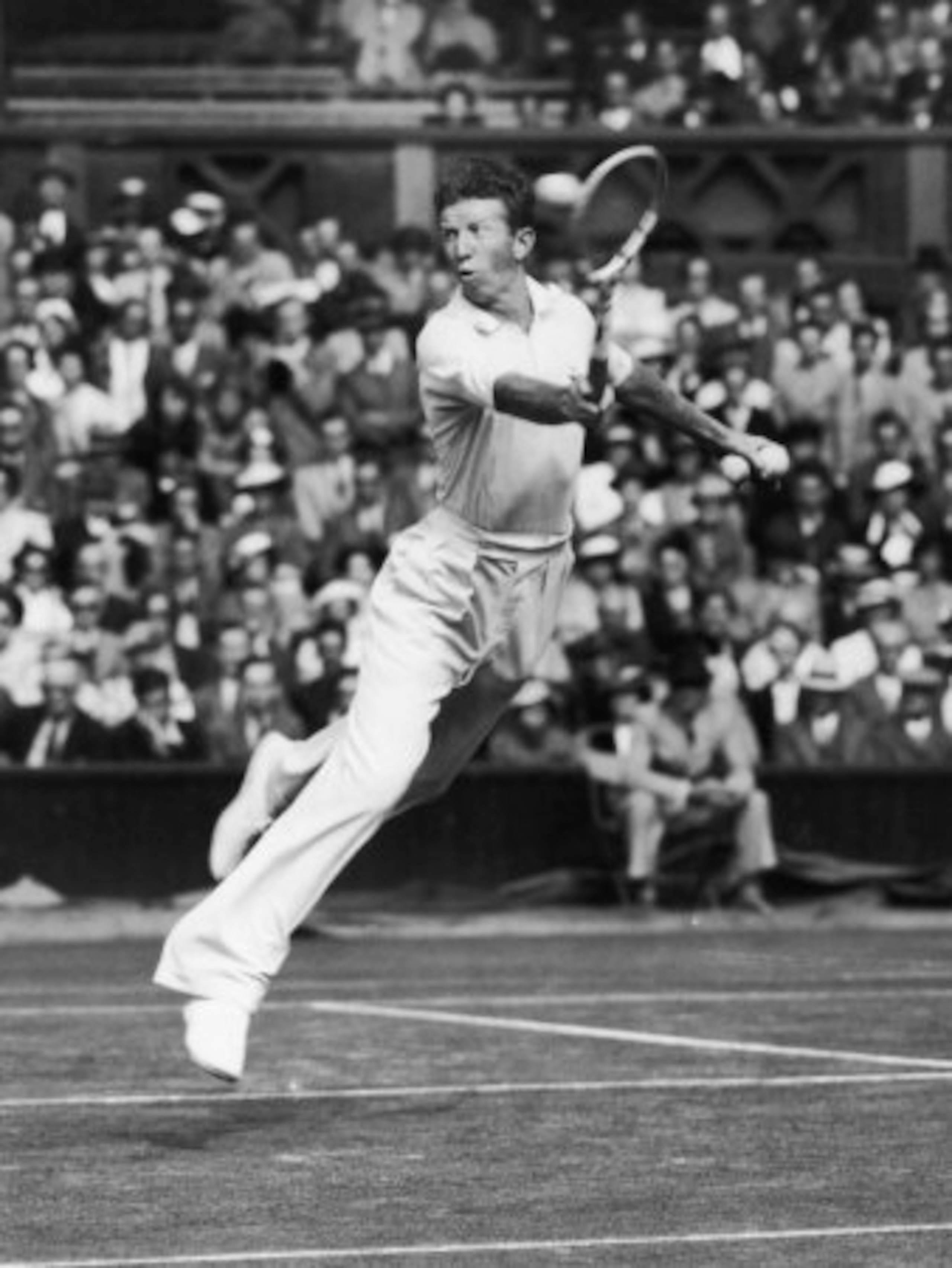
Winner: 1937, 1938
Finalist: N/A
Semifinalist: 1935, 1936
More known for becoming the first player ever to win a calendar Grand Slam, Don Budge’s first Wimbledon triumph was in 1937 against the unfortunate Gottfried von Cramm 6–3, 6–4, 6–2.
Adolf Hitler was not happy.
The next year, Budge defended his Wimbledon trophy by trouncing Bunny Austin 6–1, 6–0, 6–3; all three of Austin’s Grand Slam finals were short-lived beatings.
16. Lew Hoad
5 of 20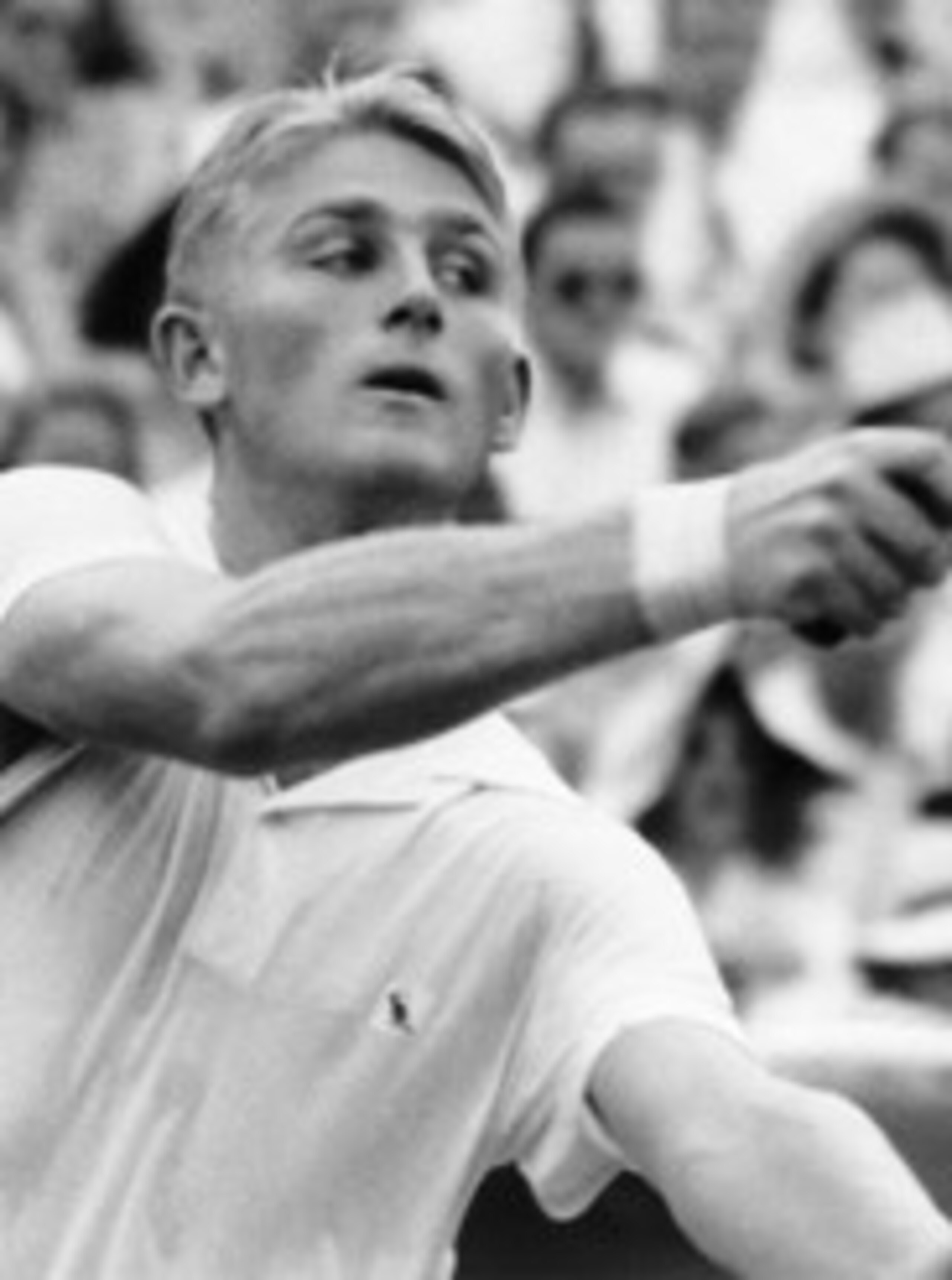
Winner: 1956, 1957
Finalist: N/A
Semifinalist: N/A
Seemingly oblivious to the politicking element of tennis, Lew Hoad epitomised the stereotyped larrikin nature of Australians.
He had a live-by-the-shot or die-by-the-shot attitude, perhaps most evident with his 6–2, 6–1, 6–2 thumping of Ashley Cooper.
Injuries, coupled by a lack of motivation, resulted in less Grand Slam triumphs—then again, Hoad probably could care less about his record.
15. Roy Emerson
6 of 20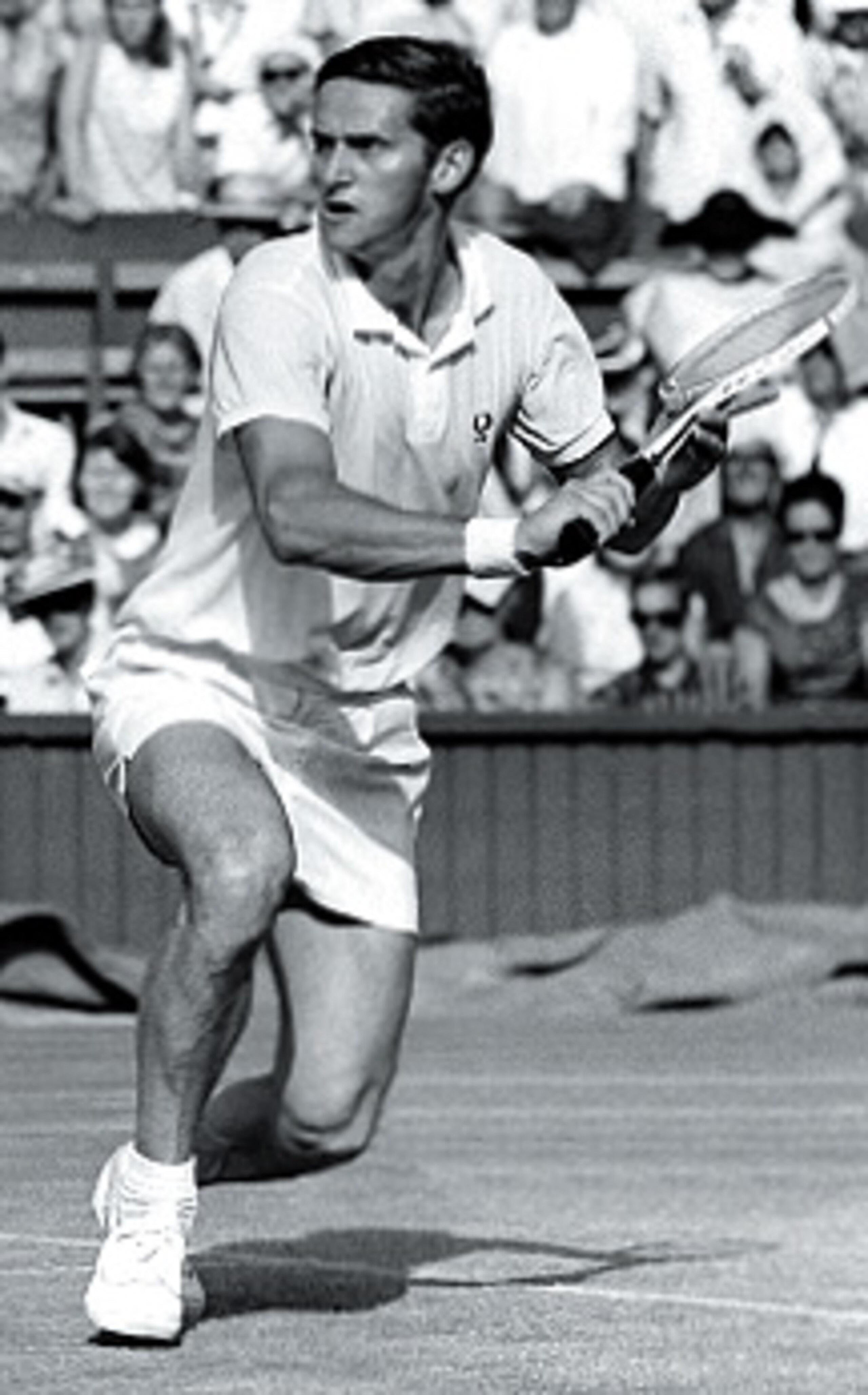
Winner: 1964, 1965
Finalist: N/A
Semifinalist: 1959
A fitness fanatic, Roy Emerson not only could outlast his opponents, but he was also at home on grass, winning seven Australian Opens in eight years.
But his prolific success at the Australian Open never quite translated to Wimbledon. In 1966, heavily backed to win his third successive Wimbledon, a shoulder injury dashed his hopes of history.
Emerson’s 28 combined Grand Slams (12 singles and 16 doubles) make him the most successful Grand Slam male tennis player ever—though it’s dwarfed by Margaret Court’s 62 combined Grand Slams.
14. René Lacoste
7 of 20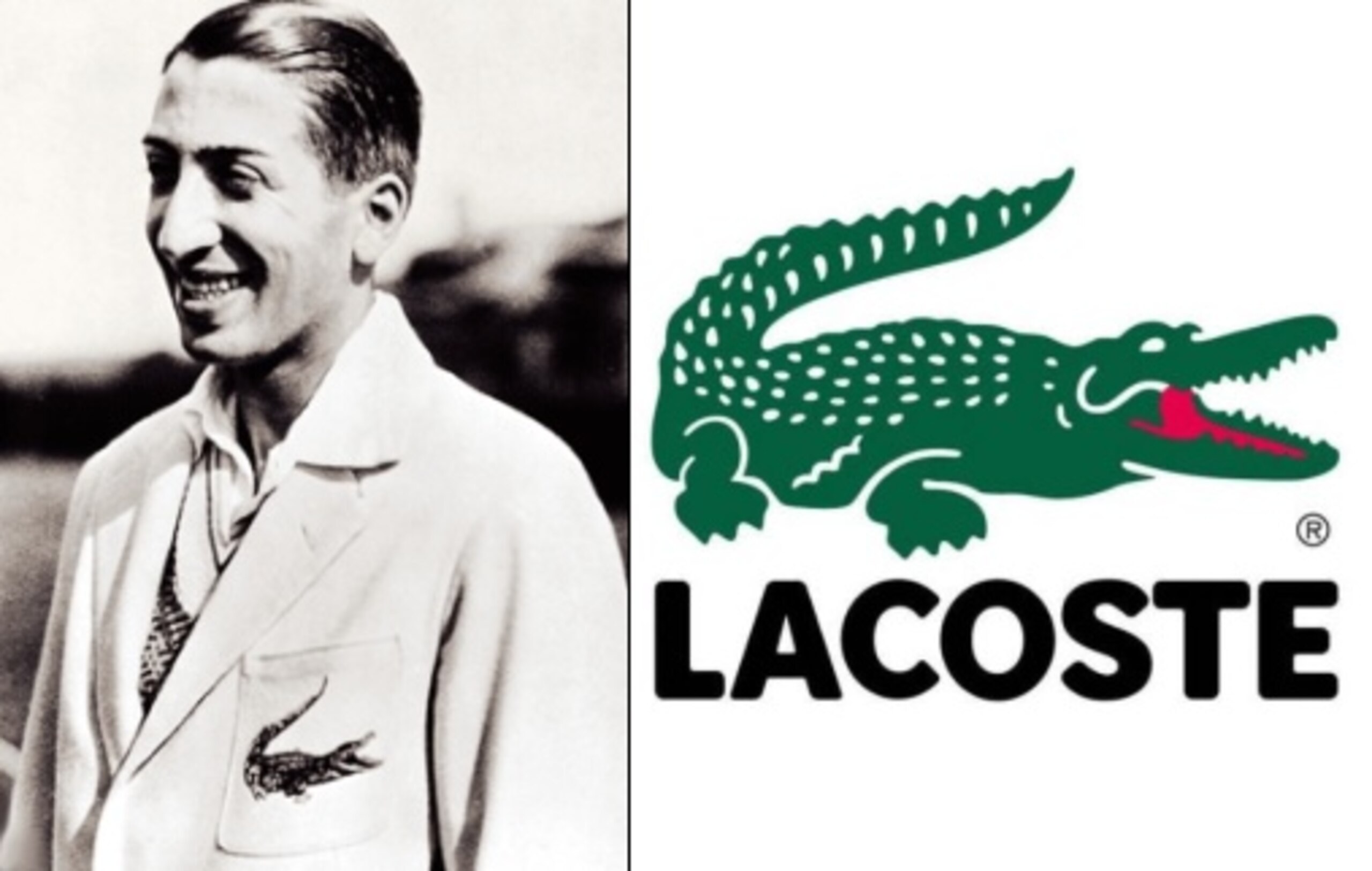
Winner: 1925, 1928
Finalist: 1924
Semifinalist: 1927
One part of the all-conquering Four Musketeers, Frenchman René Lacoste embodied style on and off the court.
His two Wimbledon victories came against his fellow Musketeers; 6-3, 6-3, 4-6, 8-6 against Jean Borotra in 1925, and 6-1, 4-6, 6-4, 6-2 against Henri Cochet in 1928.
In 1933, Lacoste and André Gillier founded Lacoste, a clothing company that has since become one of the premier clothing brands in the world. Andy Roddick has even launched a clothing collection with Lacoste.
13. Henri Cochet
8 of 20
Winner: 1927, 1929
Finalist: 1928
Semifinalist: 1925, 1926, 1933
Another part of the all-conquering Four Musketeers, Frenchman Henri Cochet was an elegant right-hander whose finesse with the racquet was like magic.
Fellow Musketeer Jean Borotra was the victim of Cochet’s dual Wimbledon triumphs in 1927 and 1929. In 1927, Cochet managed to save six match points against Borotra before winning 4–6, 4–6, 6–3, 6–4, 7–5. 1929 was more straight forward, as Cochet won 6–4, 6–3, 6–4.
12. Stefan Edberg
9 of 20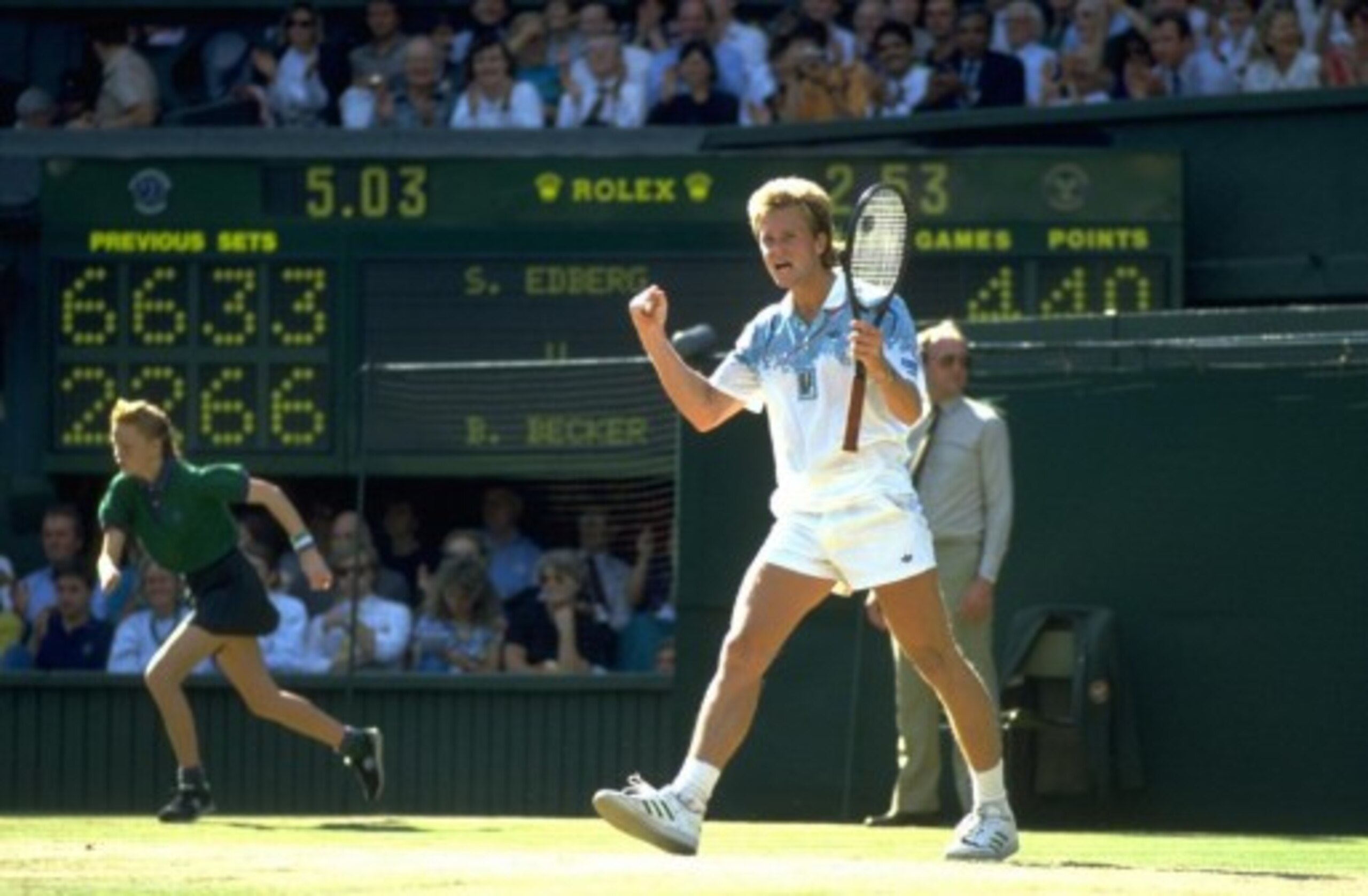
Winner: 1988, 1990
Finalist: 1989
Semifinalist: 1987, 1991, 1993
As a 17-year-old, Stefan Edberg became the first ever player to win a junior calendar Grand Slam.
From 1987-1993, Edberg seemingly was destined for a semifinal appearance or better at the All England Club. Wimbledon viewers were treated to three successive finals with fellow child prodigy Boris Becker; Edberg triumphed 4–6, 7–6, 6–4, 6–2 in 1988 and 6–2, 6–2, 3–6, 3–6, 6–4 in 1990, though he lost 6–0, 7–6, 6–4 in 1990.
11. Rafael Nadal
10 of 20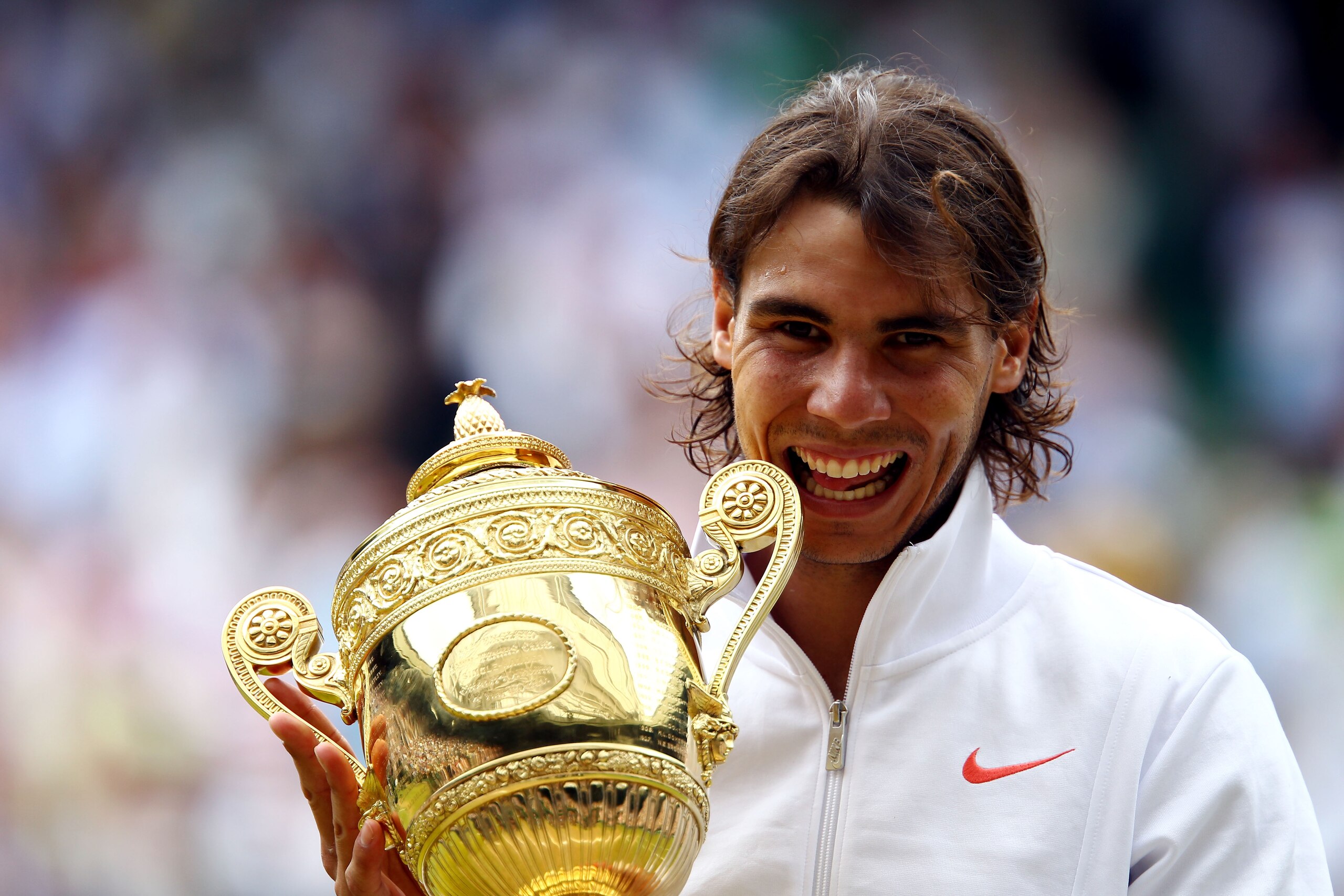
Winner: 2008, 2010
Finalist: 2006, 2007
Semifinalist: N/A
Spanish tennis legend Manuel Santana, who won Wimbledon in 1966, famously stated, "The grass is just for cows."
A cop-out for players who were not as proficient on grass—namely clay court specialists.
Before Rafael Nadal came along, no Spanish male tennis player had triumphed at SW19 since Santana in 1966.
The general consensus was that Spanish male tennis players were clay court specialists and ardent believers of Santana’s "grass is for cows" quote. This was best illustrated with numerous threats of boycotting Wimbledon from some of Spain’s leading male tennis players; Àlex Corretja boycotted Wimbledon from 1999-2003.
Yet Nadal has broken through this stereotype. Whilst Roger Federer maintained his Wimbledon streak in 2006 and 2007, Nadal turned from being the conquered to the conqueror in 2008.
"The grass is just for cows" sentiment does not resonate with Nadal because he is a winning machine. At just 25 years old, Nadal has won 10 Grand Slam singles titles.
At the same age, Federer had won nine Grand Slam singles titles, Pete Sampras had won seven Grand Slam singles titles, Rod Laver had won six Grand Slam singles titles and Roy Emerson had won two Grand Slam singles titles.
Only Björn Borg won more Grand Slams than Nadal at the same age, with 11.
Injury withstanding, Nadal is set to become the greatest tennis player ever.
10. Jean Borotra
11 of 20
Winner: 1924, 1926
Finalist: 1925, 1927, 1929
Semifinalist: 1930, 1931
The third part of the all-conquering Four Musketeers, Frenchman Jean Borotra was easily distinguished by his beret and panache net play.
A showman, Borotra would often interact with fans during the match, much to the annoyance of his opponent.
If anything but an indication of the dominance of the Four Musketeers,—aside from 1926—Borotra’s Wimbledon triumph in 1924 and three finals appearances in 1925, 1927 and 1929 were all against a Musketeer.
Arrested by the Gestapo, Borotra survived three years in a concentration camp from 1942-1945.
9. Jimmy Connors
12 of 20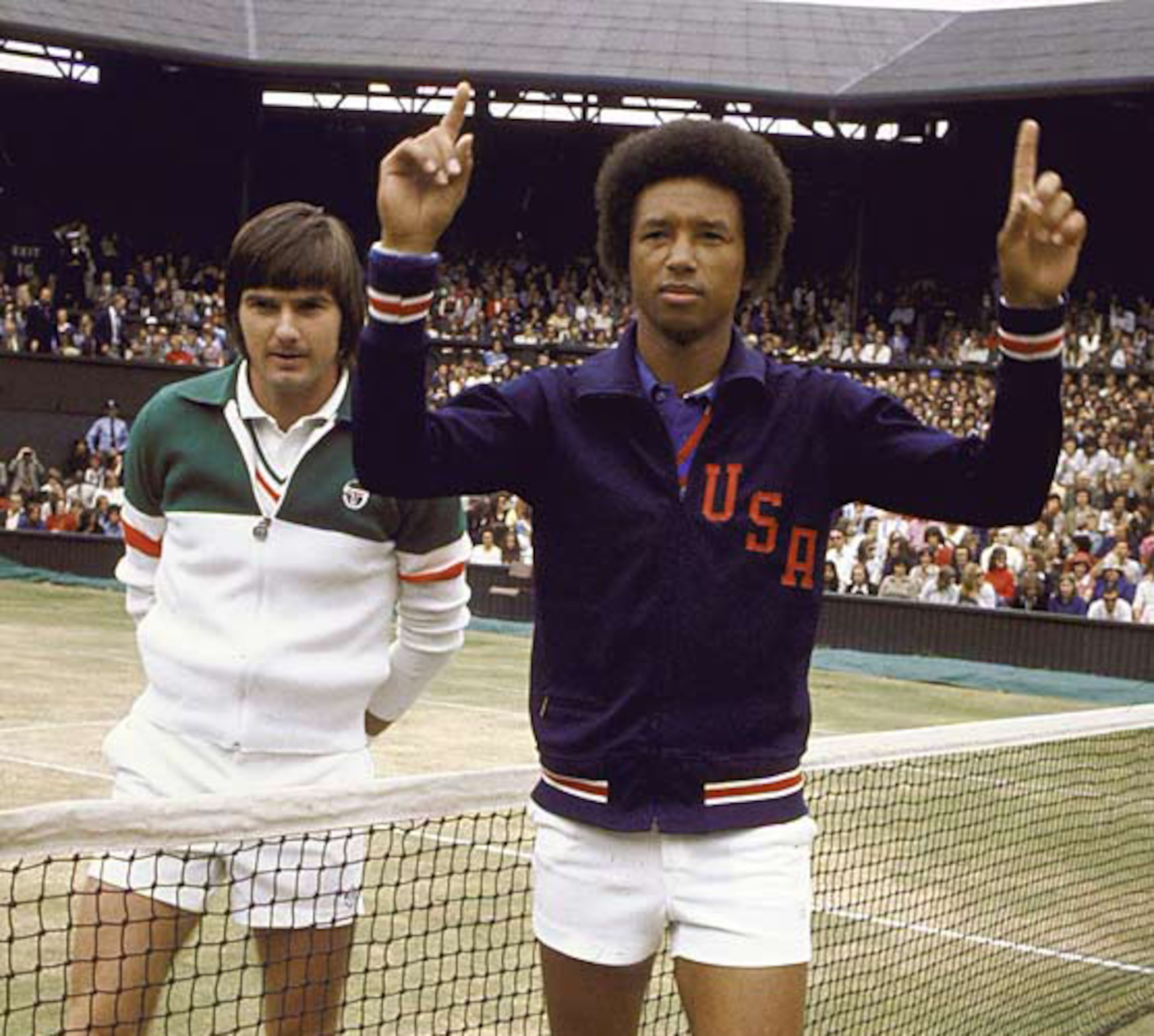
Winner: 1974, 1982
Finalist: 1975, 1977, 1978, 1984
Semifinalist: 1979, 1980, 1981, 1985, 1987
Jimmy Connors was a walking violation of all the etiquette and mannerisms the All England Club represented.
A trash-talker, he engaged in mental warfare, and his street fighting attitude to tennis, combined with his piercing ground strokes from both wings, allowed him so much success at Wimbledon—and he did it from the baseline.
During the 1975 Wimbledon final, a 22-year-old Connors repeatedly stared down 31-year-old Arthur Ashe during the changeovers, whilst also unleashing expletives as the match slipped out of his hands. Ashe became the first African American to win Wimbledon (6-1, 6-1, 5-7, 6-4).
Thirteen years later during the 1988 U.S. Open, an aging 35-year-old Connors came up against a brash, cocky and determined 18-year-old Andre Agassi.
As the story goes, a fan yelled out to Connors, "He's [Agassi] a punk, you're [Connors] a legend."
Talk about irony!
8. Fred Perry
13 of 20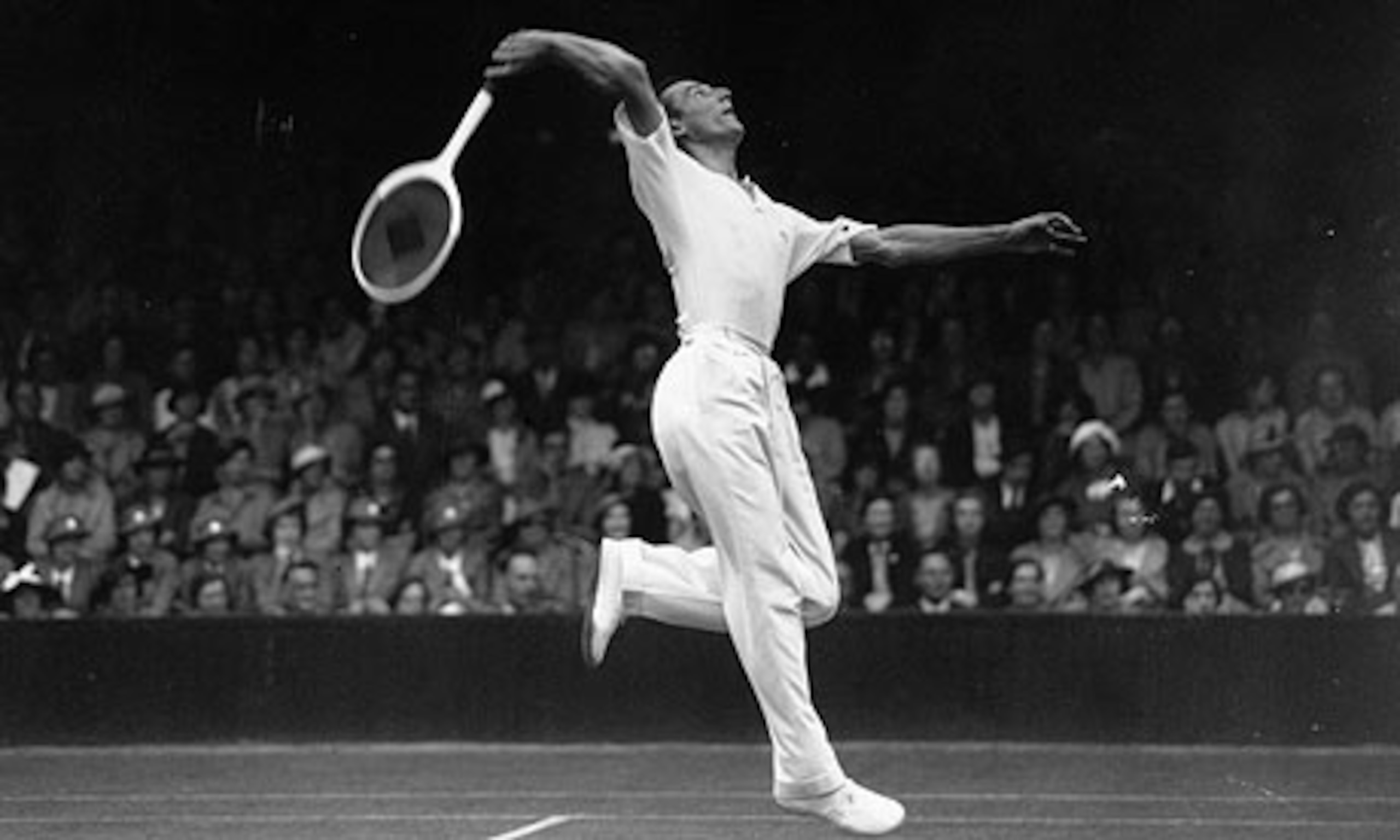
Winner: 1934, 1935, 1936
Finalist: N/A
Semifinalist: 1931
The legacy of Fred Perry lives on every year as an Englishman fails to win at Wimbledon.
Why? Perry was the last Englishman to win at the All England Club in 1936.
Even with James Ward as the highest-ranked Englishman in the world at 216th, it is unlikely an Englishman will triumph at Wimbledon anytime soon.
With a whippy forehand and pace to burn, Perry was a Wimbledon champion for three successive years; Gottfried von Cramm was the unfortunate loser in two of the finals—talk about having the weight of Third Reich on his shoulder.
What was remarkable about Perry was that he was also a table tennis world champion.
7. John Newcombe
14 of 20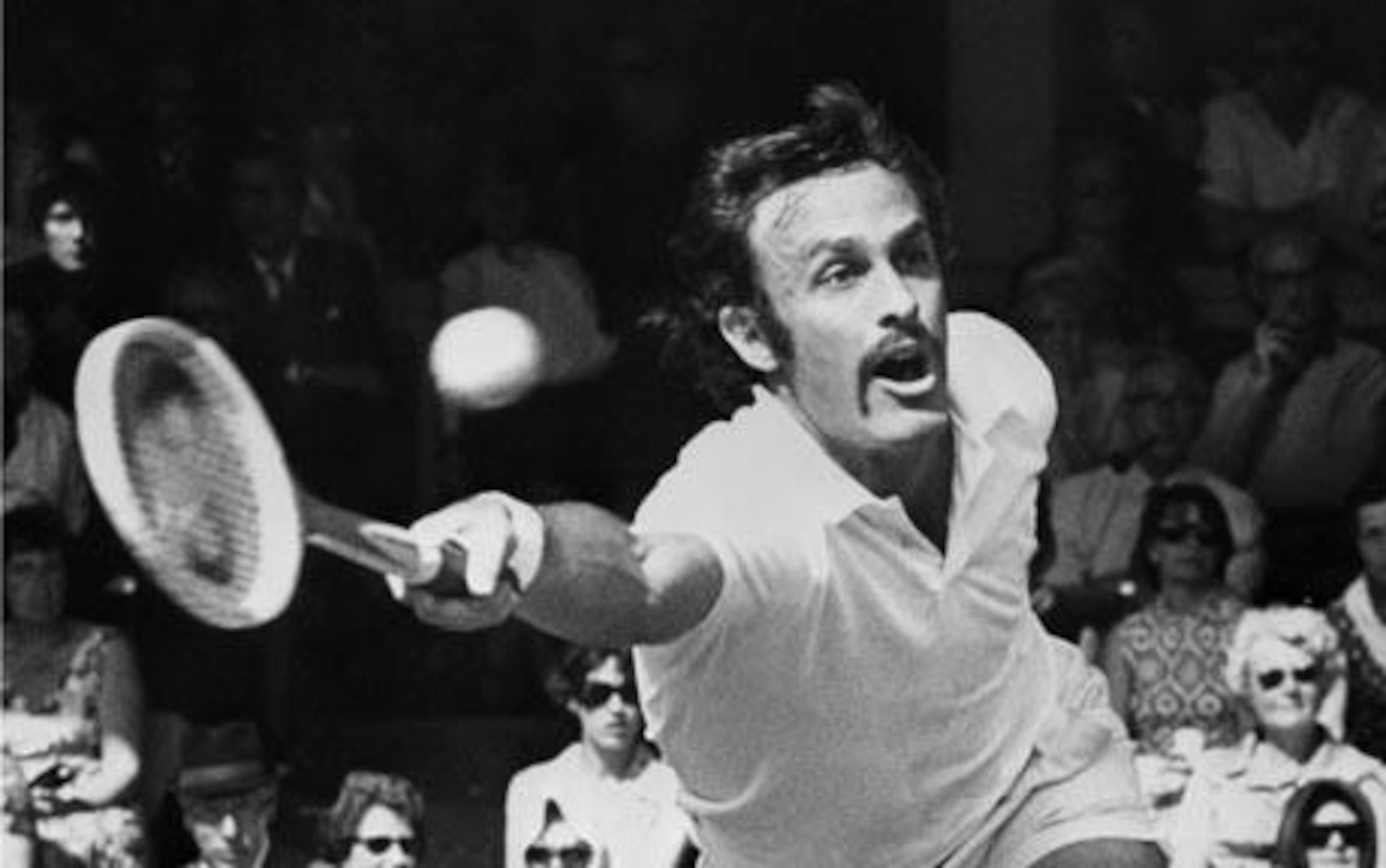
Winner: 1967, 1970, 1971
Finalist: 1969
Semifinalist: N/A
Newcombe's serve-and-volley game was effortless, and he perhaps also had the second-best serve ever.
Talk about being a tough proposition to handle at Wimbledon.
Newcombe could have won two additional Wimbledon titles in 1972 and 1973 if not for external circumstances. Having signed with the rival World Championship Tennis, Newcombe was prohibited from defending his Wimbledon crown in 1972.
In 1973, the infamous Wimbledon Boycott was staged. Newcombe, along with 80 professional tennis players, boycotted SW19 in protest of Nikola Pilić's suspension.
Newcombe won a combined 26 Grand Slam titles, 12 with Tony Roche.
6. John McEnroe
15 of 20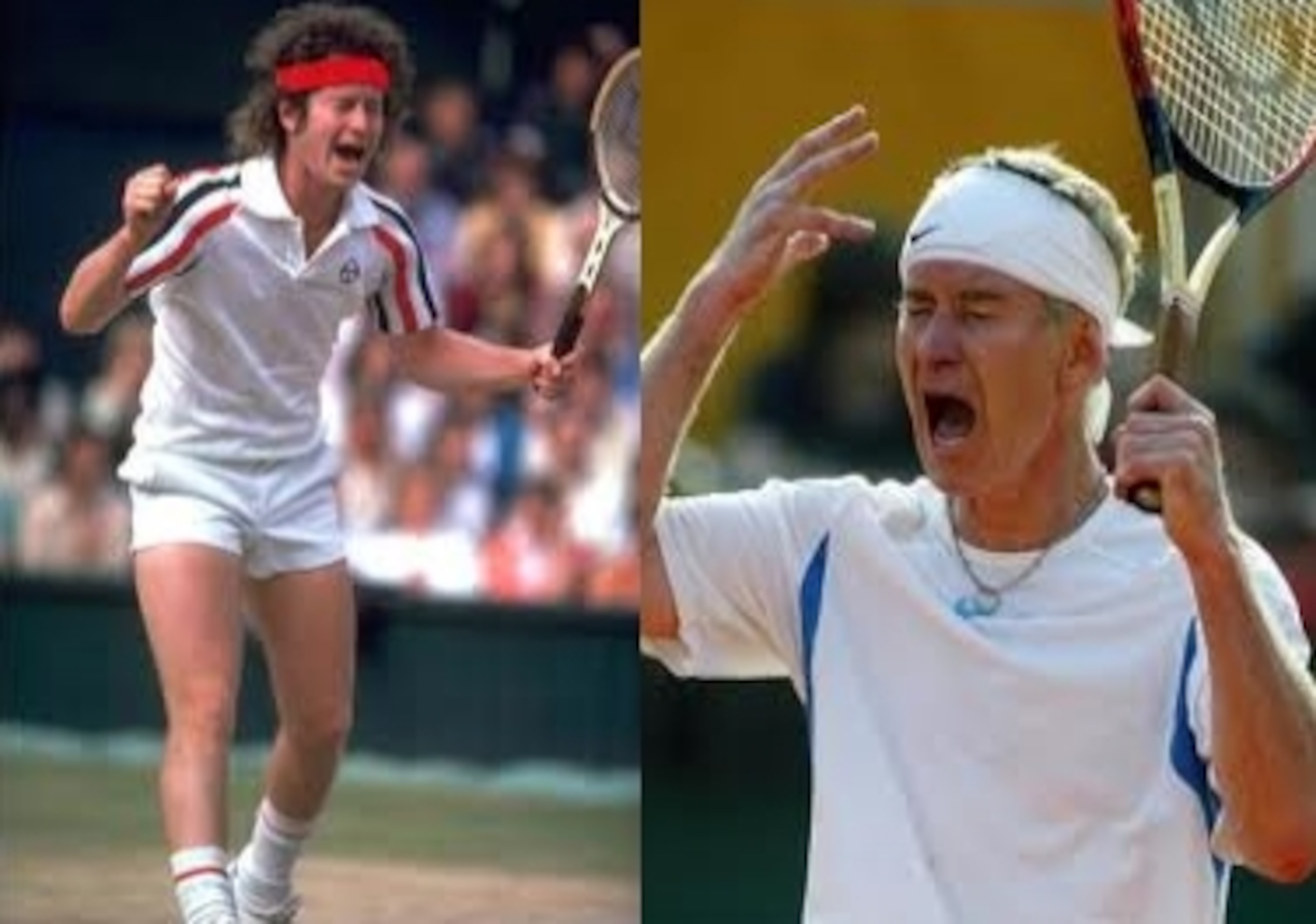
Winner: 1981, 1983, 1984
Finalist: 1980, 1982
Semifinalist: 1977, 1989, 1992
If Jimmy Connors was a walking violation of all the etiquette and mannerisms of the All England Club, then John McEnroe was an abomination.
"YOU CANNOT BE SERIOUS!" has almost become McEnroe’s identity.
Yet for casual tennis fans who presume McEnroe was just an angry, emotionally unstable tennis player, he could play.
Who was the player who stopped Björn Borg from winning a historic sixth consecutive Wimbledon title?
McEnroe.
Who was the player who humiliated Jimmy Connors 6–1, 6–1, 6–2 in 1984?
McEnroe.
5. Boris Becker
16 of 20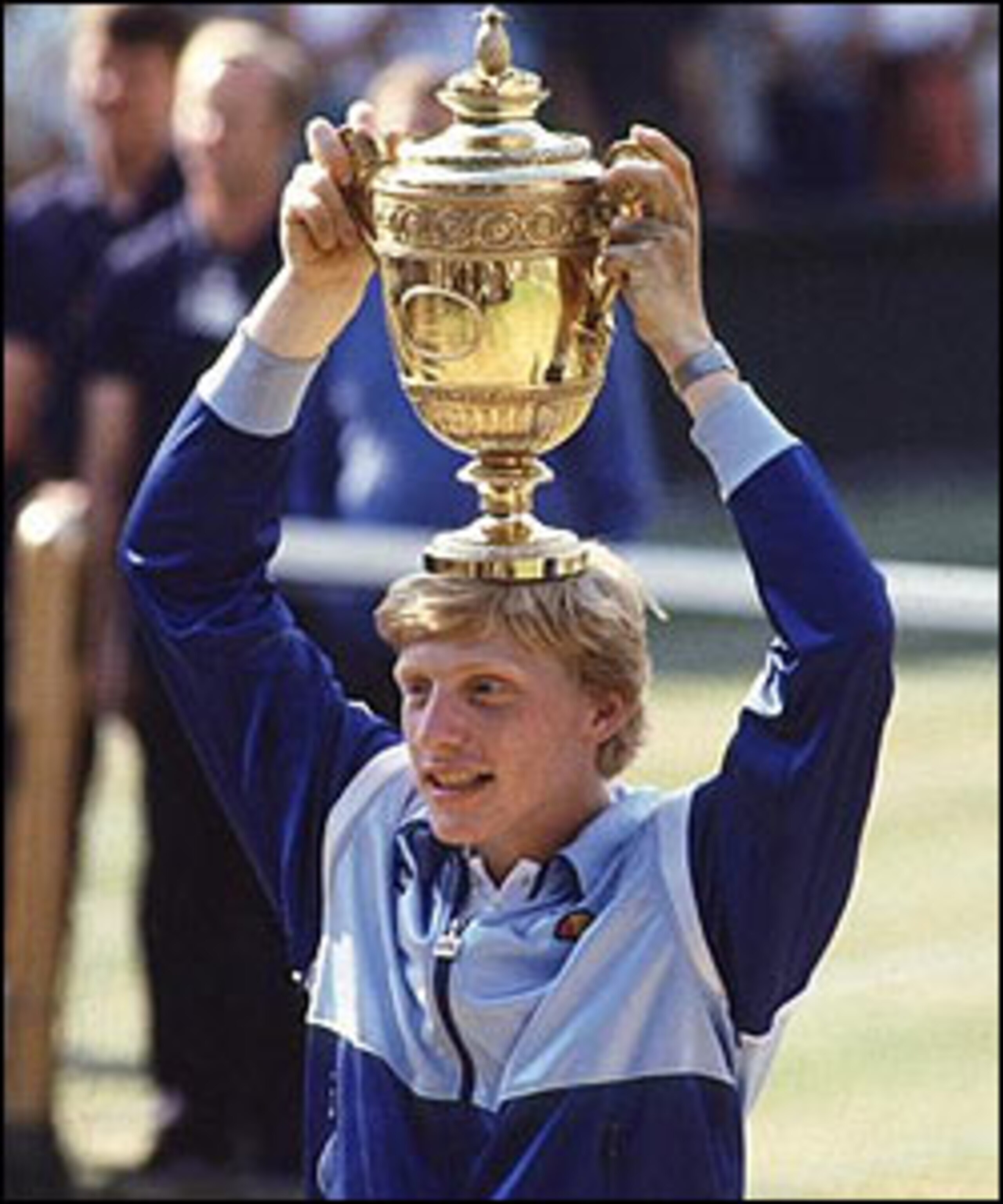
Winner: 1985, 1986, 1989
Finalist: 1988, 1990, 1991, 1995
Semifinalist: 1993, 1994
Do you know who won the Wimbledon men's singles title at 17 years of age?
It was Boris Becker when he defeated South African Kevin Curren 6–3, 6–7, 7–6, 6–4 in 1985.
In doing so, Becker became the youngest male Grand Slam winner ever, until Michael Chang broke the record by winning the French Open in 1989.
Becker was so advanced at such a young age. His serve was definitely "boom boom," and his court awareness—coupled with his young legs—allowed him to win three Wimbledon titles by the age of 21.
Though what entranced the Wimbledon crowd wasn’t Becker himself; it was his rivalry with fellow prodigious talent Stefan Edberg.
Going into the 1988 Wimbledon final against Edberg, Becker was 9-4 in career matchups and a two-time Wimbledon champion—so bet your money on Becker right?
Well, Edberg won 4–6, 7–6 (2), 6–4, 6–2.
Going into the 1990 Wimbledon final against Edberg, Becker was 15-8 in career matchups and a three-time Wimbledon champion—money on Becker?
Edberg won 6–2, 6–2, 3–6, 3–6, 6–4.
Aside from 1989 when Becker easily defeated Edberg 6–0, 7–6, 6–4, Edberg generally lost against Becker; Becker was 25-10 in career matchups.
Their rivalry at Wimbledon was so riveting that it inspired a young Roger Federer decades later; his rivalry with Rafael Nadal has and will continue to inspire countless young tennis players.
4. Rod Laver
17 of 20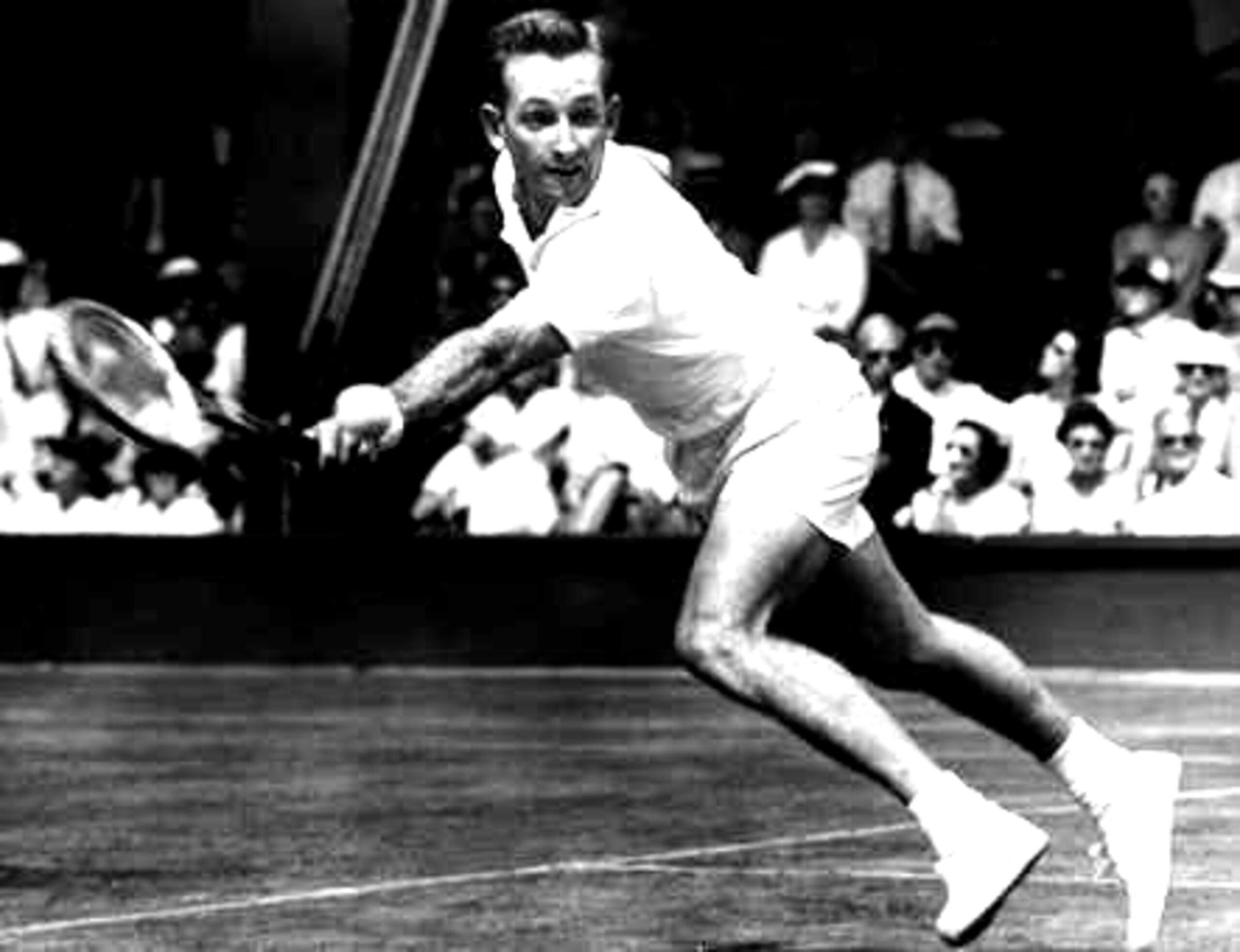
Winner: 1961, 1962, 1968, 1969
Finalist: 1959, 1960
Semifinalist: N/A
The only man to win a calendar Grand Slam in the open era, Rod Laver’s name is ingrained in tennis vocabulary.
He had swinging left serve, aggressive serve-and-volley game, heavy top spin, a whippy one-handed backhand and near-technical perfection. Laver had it all, except he was only 1.73 meters tall.
What Laver lacked in height, he made up with a determination to win, win and win.
What people often forget about Laver is that he didn’t play Grand Slam tennis from 1963-1967. He was a professional, therefore he was prohibited from entering Grand Slam tournaments, which were amateur only until 1968. Yet, he still won 11 Grand Slam singles titles.
3. Björn Borg
18 of 20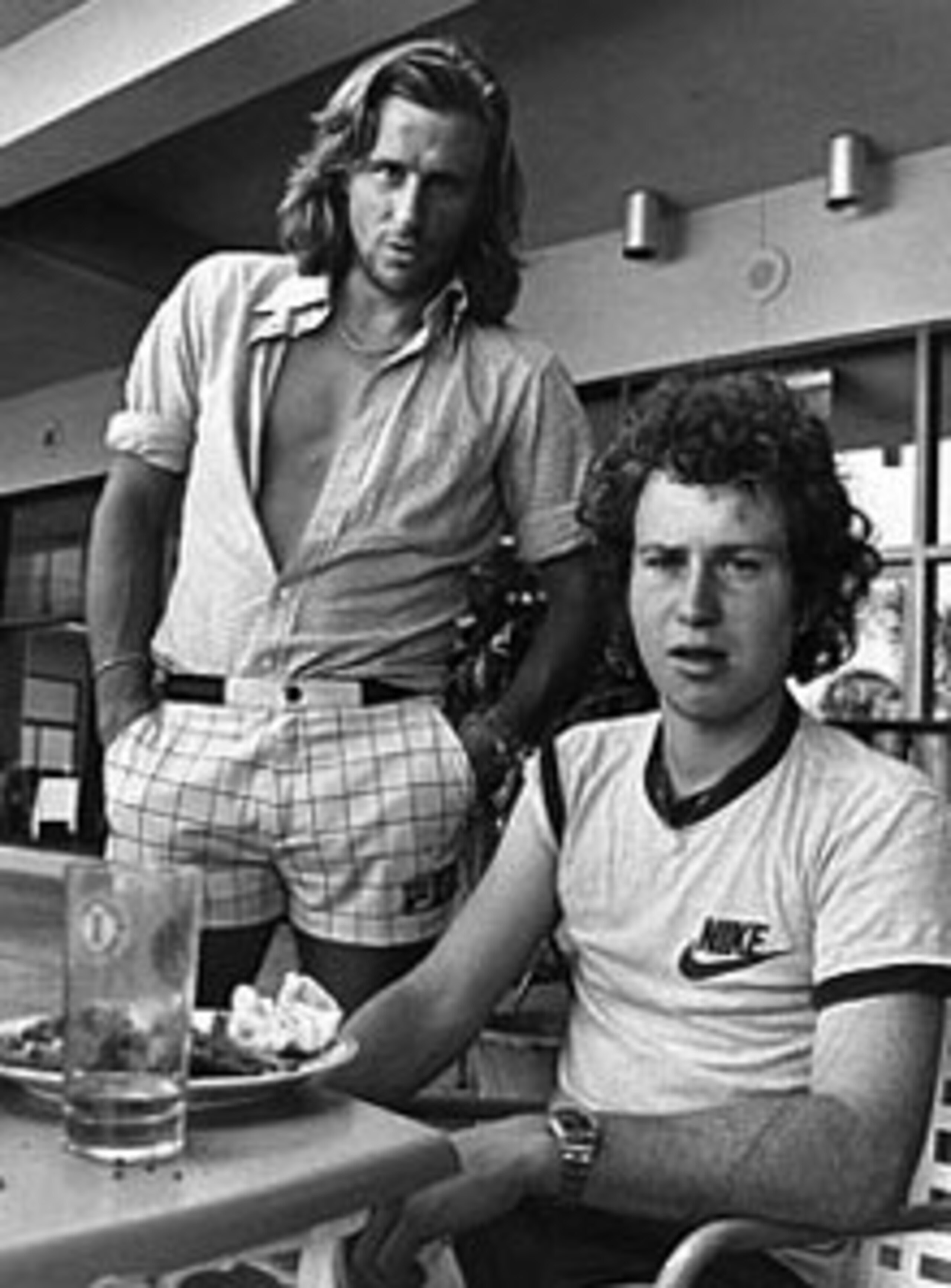
Winner: 1979, 1977, 1978, 1979, 1980
Finalist: 1981
Semifinalist: N/A
Björn Borg was so prodigiously talented and dominant at such a young age that by the age of 25, he had won 11 Grand Slam singles titles.
Borg won five successive Wimbledon titles and was only denied a historic sixth by John McEnroe in one of the greatest matches ever in 1981.
At 26 years old, after years of grinding it out on the abrasive clay courts of Roland Garros then flying over to London to combat against natural serve-and-volleyers at the All England’s Club, he retired much to the dismay of the tennis world.
2. Roger Federer
19 of 20
Winner: 2003, 2004, 2005, 2006, 2007, 2009
Finalist: 2008
Semifinalist: N/A
Roger Federer’s six Wimbledon titles speak for themselves.
His playing style is so beautiful, elegant, graceful—perhaps this video explains it all.
Perhaps it was inevitable that his finesse be blunted by Rafael Nadal’s grit, physique, repetitive and intense playing style. Nadal has the edge, as he is 6-2 in Grand Slam final matchups against Federer.
If it wasn’t for Nadal, Federer would be proclaimed as the greatest tennis player ever, but now Nadal is set to take that mantle.
1. Pete Sampras
20 of 20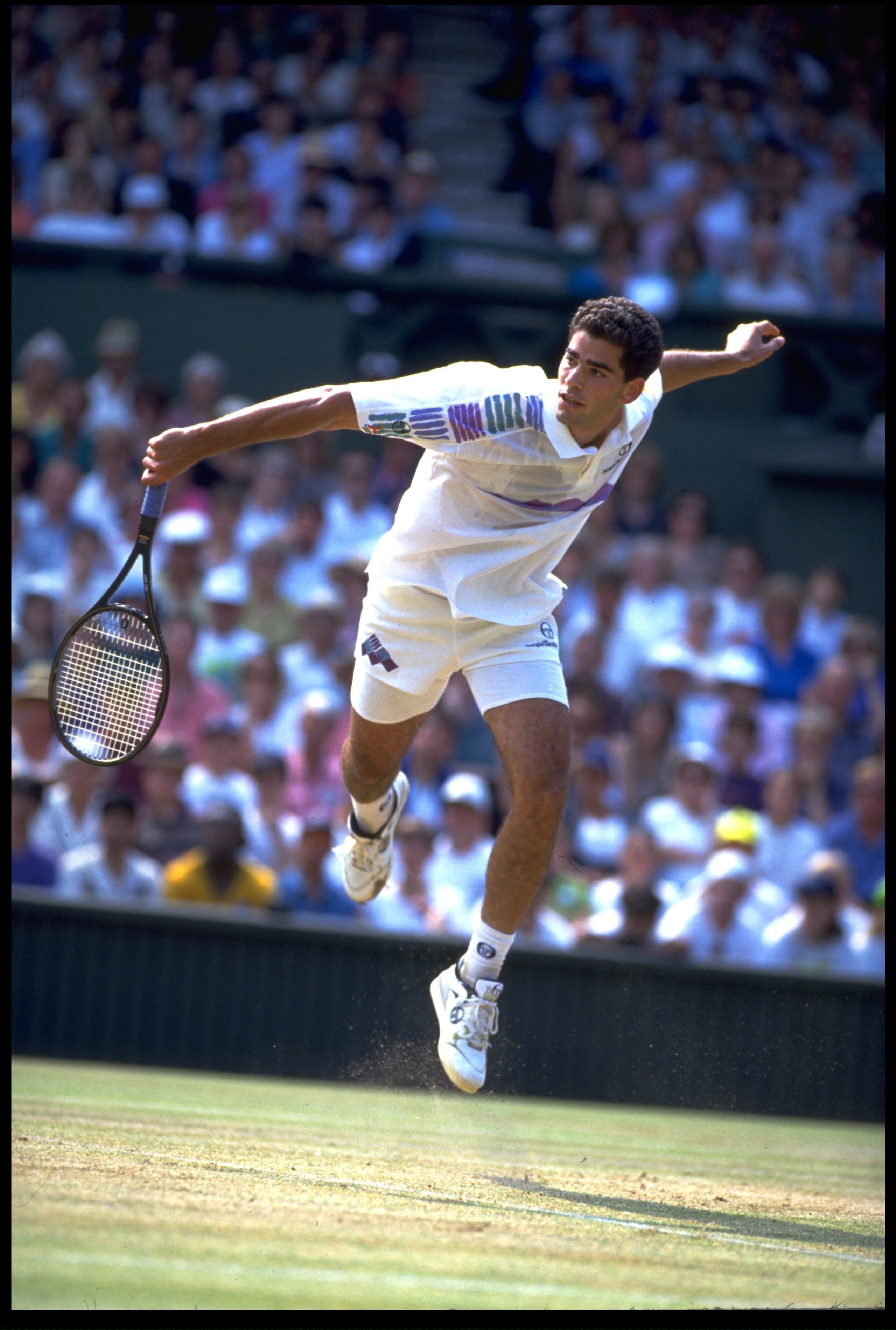
Winner: 1993, 1994, 1995, 1997, 1998, 1999, 2000
Finalist: N/A
Semifinalist: 1992
Pete Sampras won 14 Grand Slam singles titles, seven were at Wimbledon.
His efficient, fast and heavy serve made his life at SW19 very smooth, whilst heaping misery upon his opponents.
In the 1993 Wimbledon semifinals, Pete Sampras defeated three-time Wimbledon champion Boris Becker 7–6, 7–6, 6–4; it was the start of the Sampras era at the All England Club.
In the 2001 Wimbledon fourth round, Roger Federer defeated Sampras 7–6, 5–7, 6–4, 6–7, 7–5; it was the start of the Federer era at the All England Club.
.jpg?w=2560)
.jpg?w=2560 "Rams Eagles Football")
.jpg?w=2560 "Injury-stricken Seahawks signing veteran RB")
.jpg?w=2560 "Bijan's INSANE 1st Half 🤩")

.jpg?w=2560 "2 NFL Officials Suspended")

