
A New Look: How the NHL Divisions Should Realign for 2012-2013
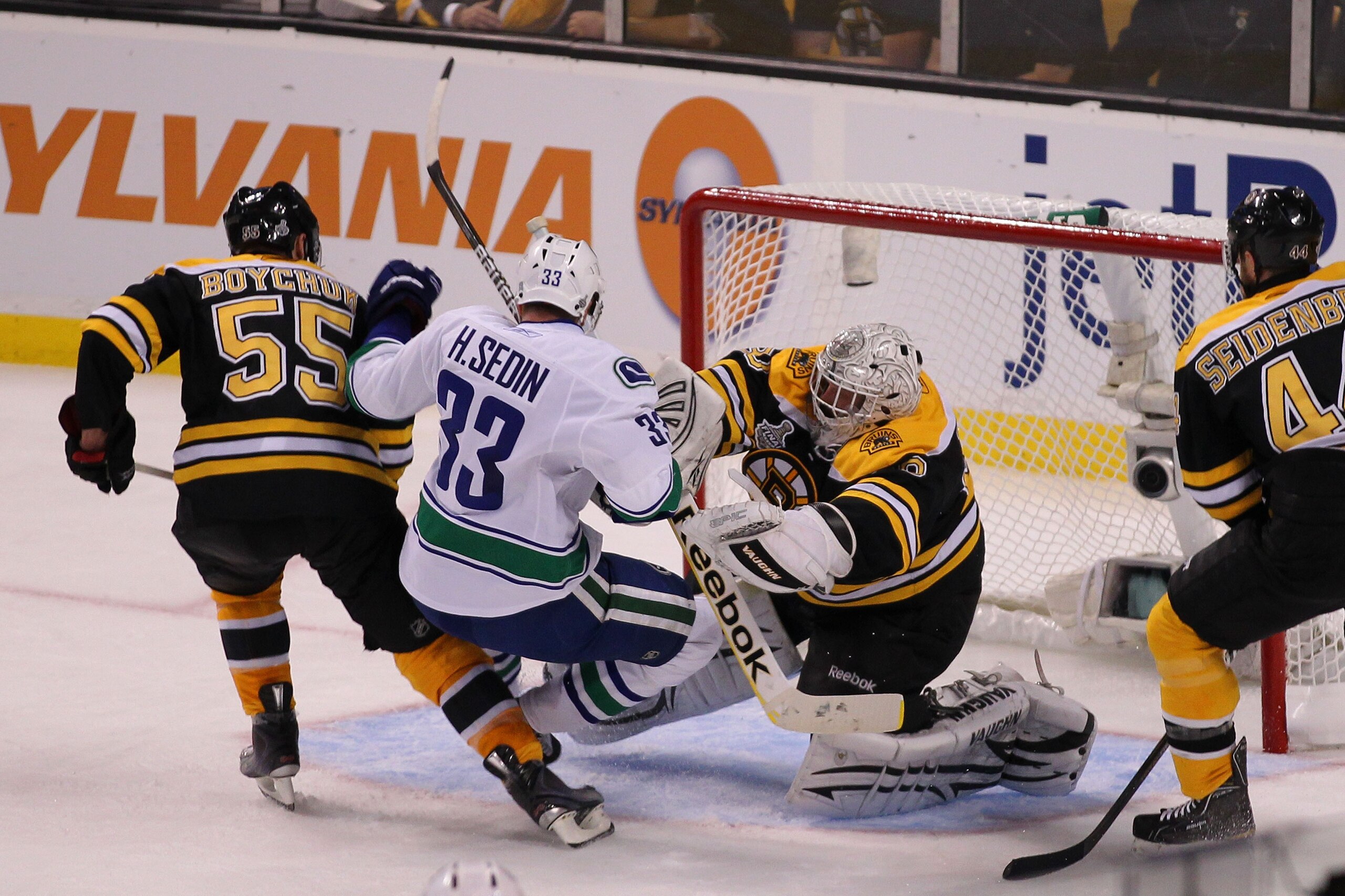
Obviously, the biggest story right now in hockey is the unfolding drama in the Stanley Cup Final between the Vancouver Canucks and Boston Bruins.
Whether it is players biting other players, goalies clotheslining players, a wide array of fights; you name it, it's happened in the first three games. But, just in case you haven't heard, there is another story in hockey.
That's right, the Atlanta Thrashers are packing up and heading north to Winnipeg; a hockey-crazy city that will see its first NHL action since 1996 when the Jets moved to the desert.
The complication about the move is that the divisions will realign for the 2012-2013 season in order to minimize travel; however, this is proving to be a touchy subject for some fans, as well as league officials who want to preserve rivalries and keep teams geographically close.
In the following slides, I will share my proposition on what I believe to be the best possible way to solve the divisions in the new-look NHL.
Campbell Conference: Smythe Division
1 of 5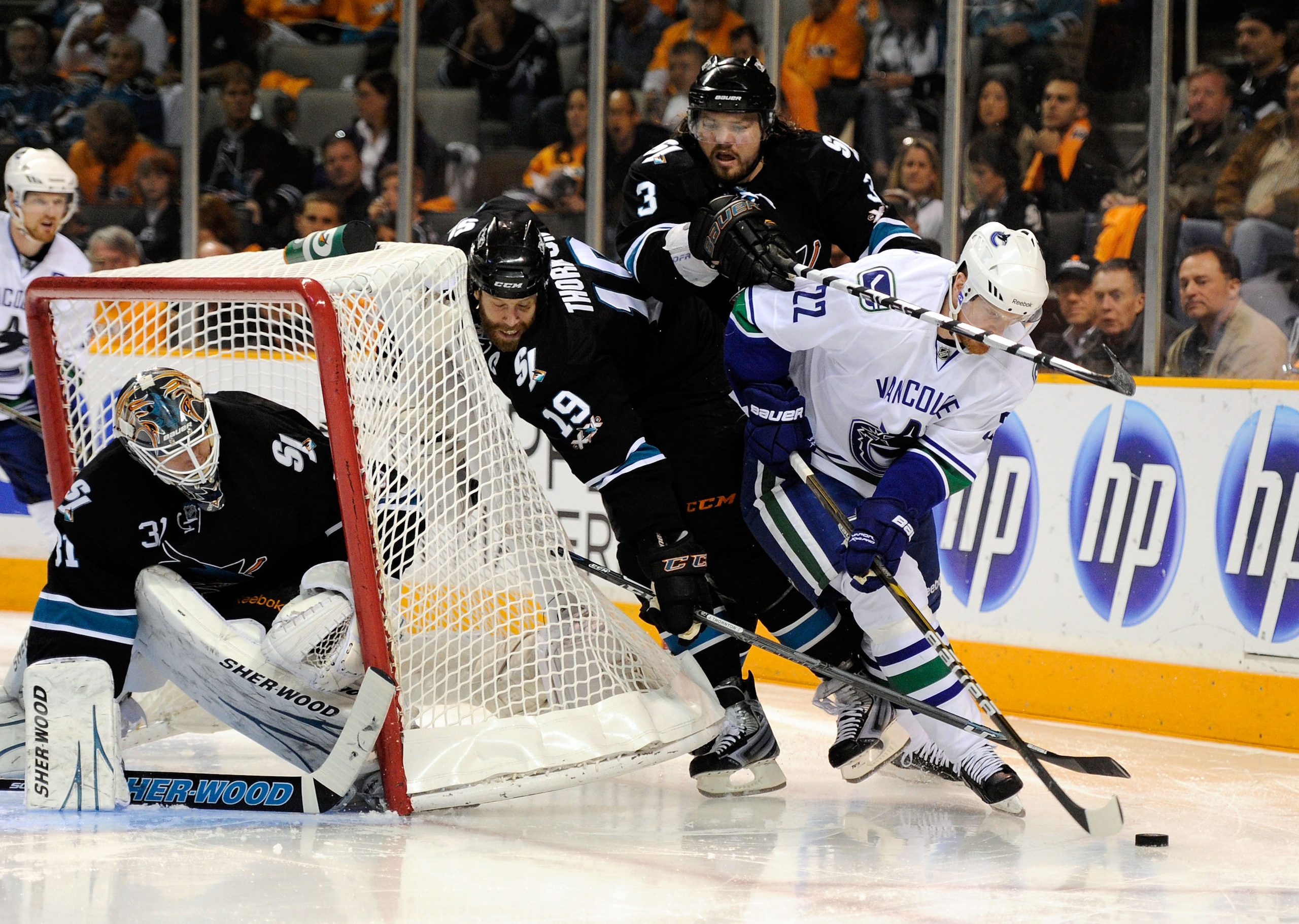
Anaheim Ducks
Calgary Flames
Colorado Avalanche
Edmonton Oilers
Los Angeles Kings
Phoenix Coyotes
San Jose Sharks
Vancouver Canucks
This division is probably the easiest to construct, as it takes four teams each from the current Northwest and Pacific Divisions.
Campbell Conference: Norris Division
2 of 5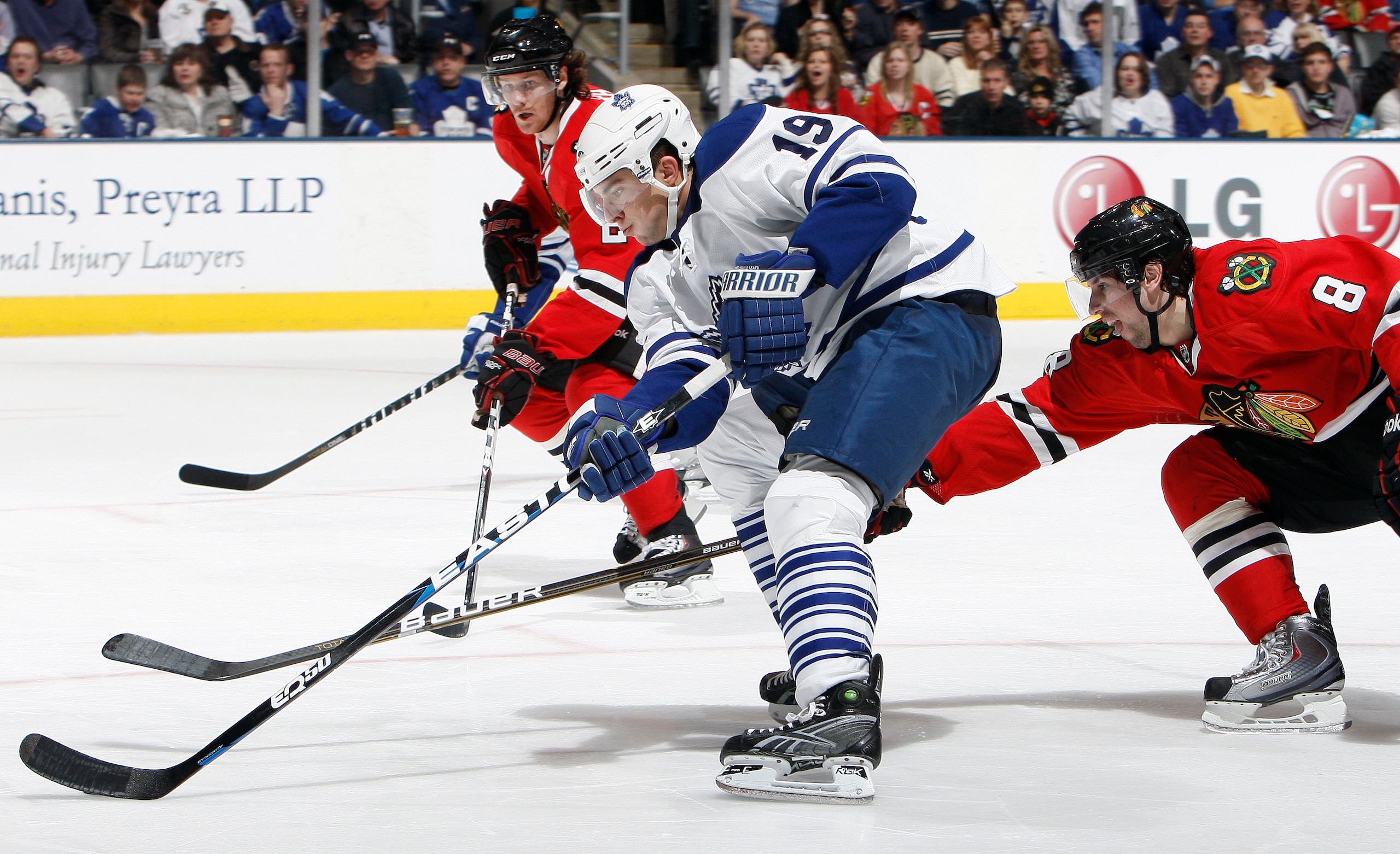
Buffalo Sabres
Chicago Blackhawks
Detroit Red Wings
Minnesota Wild
St. Louis Blues
Toronto Maple Leafs
Winnipeg/Manitoba
While this division may seem tough for some to comprehend, it makes a lot of sense if you think about it. It reunites the old black and blue Norris Division with Chicago, Detroit, Minnesota, St. Louis, and Toronto while still keeping the Maple Leafs-Sabres rivalry intact.
Also, the travel is not an issue at all; the longest trip would be Winnipeg-St. Louis, which is roughly half as long as every intra-division trip Winnipeg will have to make this season. It also could stem a new Canadian rivalry between the Leafs and the Winnipeg team.
Lastly, being a die-hard Red Wings fan, I know that many others, like myself as well as Maple Leaf fans, are longing to see the Wings battle the Leafs more than once a year. I'm sure this applies to the Blackhawks as well.
Wales Conference: Adams Division
3 of 5
Boston Bruins
Montreal Canadiens
New Jersey Devils
New York Islanders
New York Rangers
Ottawa Senators
Philadelphia Flyers
Pittsburgh Penguins
This division makes geographic sense and it also bonds together several current inter-division rivalries. The Original Six member New York Rangers can develop a more prominent rivalry with other Original Six members Boston and Montreal.
It also keeps the Keystone rivalry as well as the New York/New Jersey rivalries and the famous Bruins-Canadiens rivalry.
In addition, the two remaining Canadian teams stay in the same division. People may have a problem with the fact that Toronto is not in the same division (or conference) as Montreal and Ottawa, but it was the same way in 1993 and earlier.
Also, to stay away from Maple Leaf jokes and face what could be reality in the near future; this keeps the possibility of a Toronto-Montreal Stanley Cup Final possible: just like what almost happened in 1993.


Wales Conference: Patrick Division
4 of 5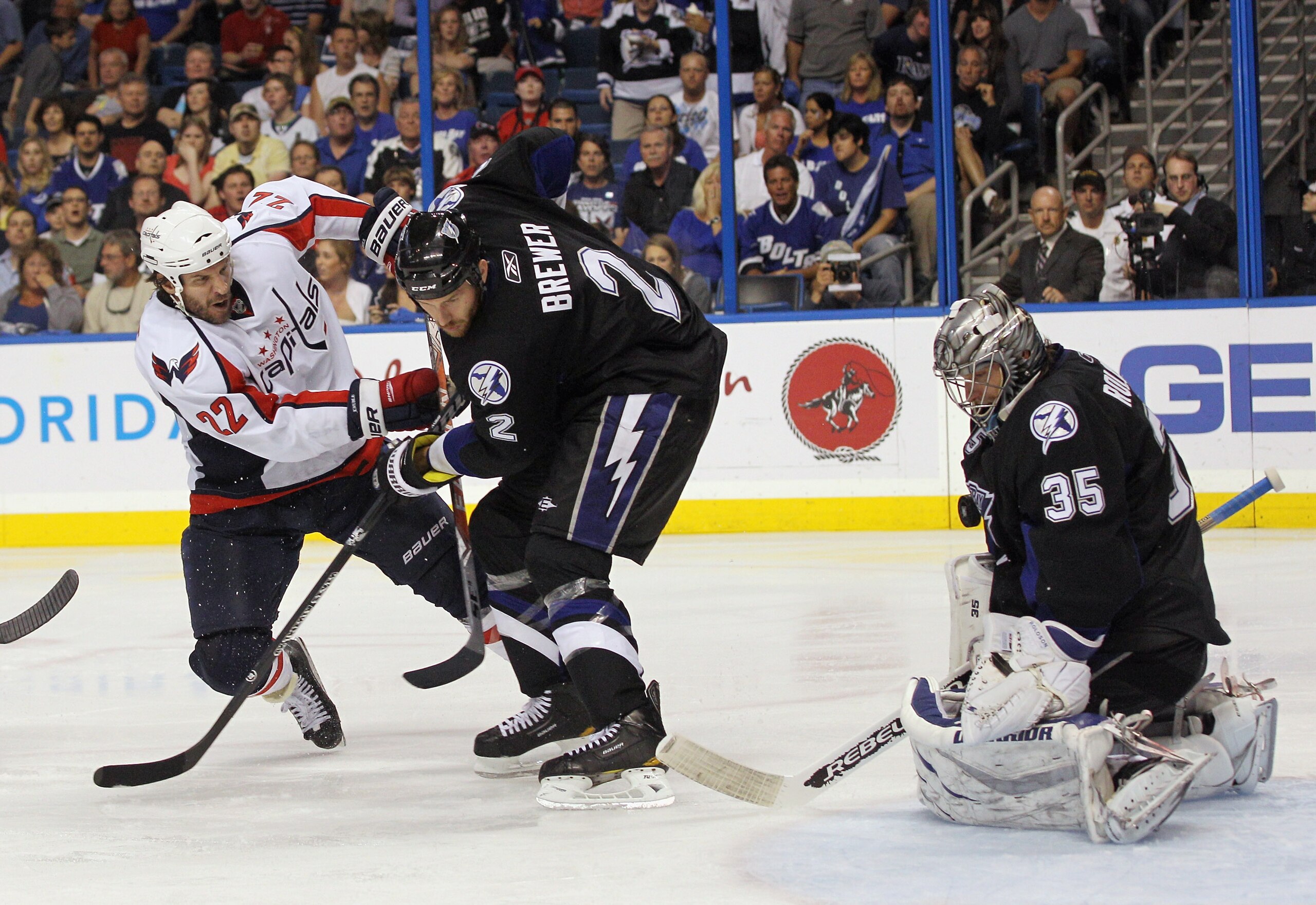
Carolina Hurricanes
Columbus Blue Jackets
Dallas Stars
Florida Panthers
Nashville Predators
Tampa Bay Lightning
Washington Capitals
While there is obviously not a lot of history within this division, it could provide for some very intriguing match-ups and geographically makes sense.
The longest trip that would be made within this division would be Dallas to Washington DC; which, believe it or not, is a shorter trip than the current Dallas-San Jose Pacific Division trip.
As a side note, looking into the next five years, these teams may also put up a great race, as all seem to have fairly bright futures.
Scheduling and Playoffs
5 of 5
First of all, the divisions do not need to use the same names as 1993 and before; I was even thinking of possibly Howe and Richard Conferences with Hull, Lemieux, Orr, and Gretzky Divisions (I know Gretzky may seem like a better conference name but this gets the whole Mr. Hockey-Rocket Richard debate going).
Now that that's out of the way, here's my idea for scheduling.
Since two divisions have eight teams and two divisions have seven teams, the intra- and inter-conference play will not be equal for every team.
For the eight-team divisions, each team should play the other seven teams in their division six times (three at home three on the road) for a total of 42 games. They should play everyone in the other division within the conference three times, alternating each year who has two games at home and who has two games on the road.
This is a total of 21 games, making a total of intra-conference games 63. This would leave 19 games remaining for inter-conference play (assuming an 82-game schedule), which can be solved by playing each inter-conference team at least once and a random four of them from the opposite eight-team division twice, just like how each team plays three random inter-conference foes twice currently.
For seven-team divisions, each team should play the other six in the division six times each for a total of 36 games. They would obviously play the eight other intra-conference teams three times each, resulting in 24 of these games and 60 total intra-conference games. This leaves 22 games remaining on the schedule for inter-conference play.
Obviously, they should play each team in the opposite conference at least once while playing a random seven teams twice, making it only sensible to play all of the teams from the opposite seven team division twice every year to make it easier for the schedulers.
The playoff format would be the same as it is currently, but with only the top two seeds being division winners, since there are obviously only two divisions in each conference.


.jpg?w=2560 "Grading WWE Raw 🔠")




.jpg?w=2560 "2 NFL Officials Suspended")
.jpg?w=2560 "Viral Rams Coach Vid 🖕")
